

A Novella, One Film, and Nothing More
Jonathan Ames published You Were Never Really Here in 2013, a lean, brutal novella barely 120 pages long. Ames, better known as the creator of Bored to Death, wrote something genuinely strange: a Vietnam-veteran-turned-fixer named Joe who rescues trafficked girls using a ball-peen hammer, and who carries an almost incomprehensible weight of trauma, tenderness and self-loathing. The book feels less like a thriller and more like a waking dream someone is trying to end.
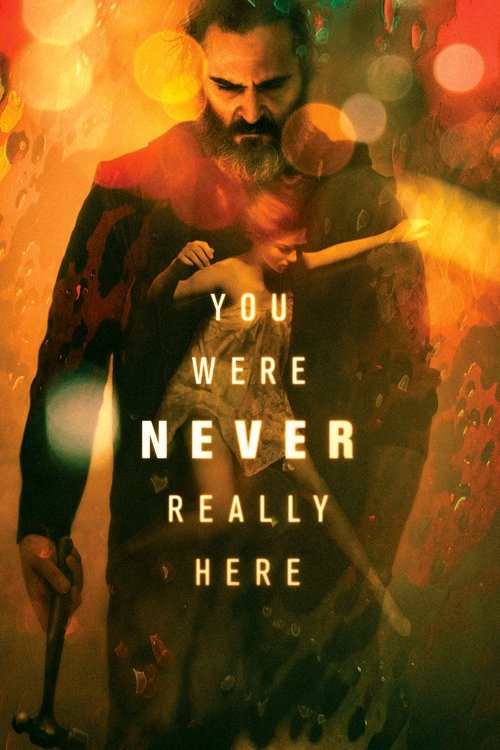
Scottish director Lynne Ramsay adapted it into a film in 2017 (UK release 2017, wider 2018), starring Joaquin Phoenix. Ramsay stripped the plot even further, turning the novella's terse prose into something almost entirely visual and sonic. The film won Best Screenplay and Best Actor at Cannes 2017. It is, as of now, the only screen adaptation that exists. No TV series, no sequel, no game, no stage version has followed. The story lives in exactly two forms: Ames's text and Ramsay's film.
The Story Across Time
- 2013Jonathan Ames publishes the novella You were never really here
- 2017Lynne Ramsay's film premieres at Cannes, wins Best Screenplay and Best Actor You Were Never Really Here
- 2018Wide international theatrical release You Were Never Really Here
The film surpasses the source
Lynne Ramsay does something rare: she takes a good book and makes something better. Ames's novella is excellent precisely because it is skeletal; Ramsay uses that skeleton to build a film that operates almost entirely through sound design, fragmented memory and Joaquin Phoenix's face. The hammer barely appears on screen. The violence is implied more than shown. What Ramsay adds that the book cannot carry is a score by Jonny Greenwood that makes the whole thing feel like grief given a pulse. Read the book. Watch the film. The film is the definitive version.
The book is not a consolation prize
There is a tendency to treat source novellas as footnotes once a celebrated film exists. Ames's book deserves better. It reads in under two hours and it's one of the sharper pieces of noir writing of the 2010s: stripped of sentimentality, honest about violence and its costs, and genuinely funny in places the film cannot be. If the film made you want to understand Joe more fully, the novella is the place to go. It fills in corners Ramsay deliberately left dark.

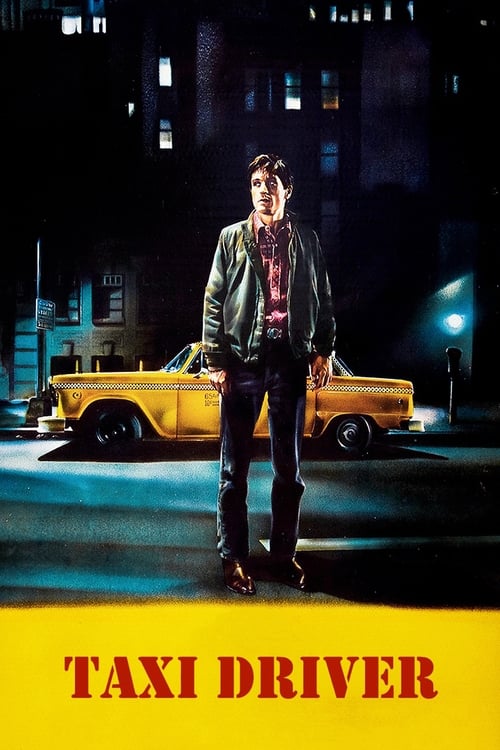
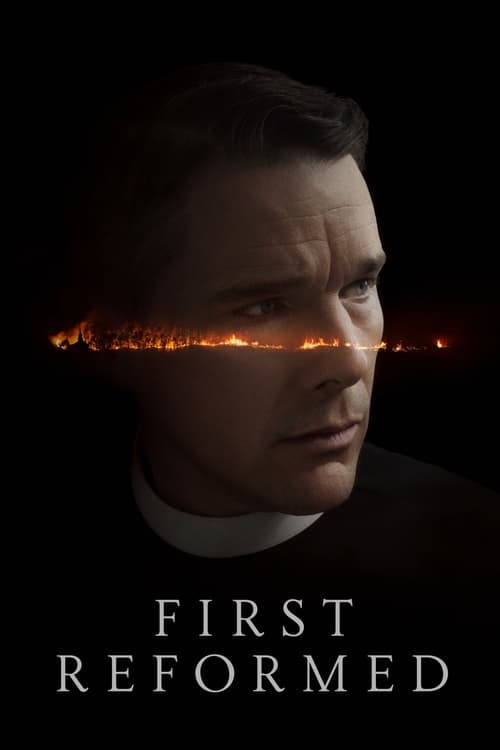
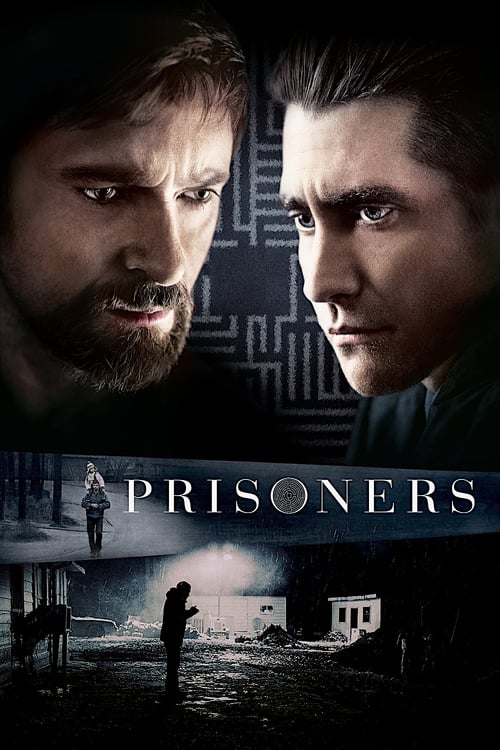
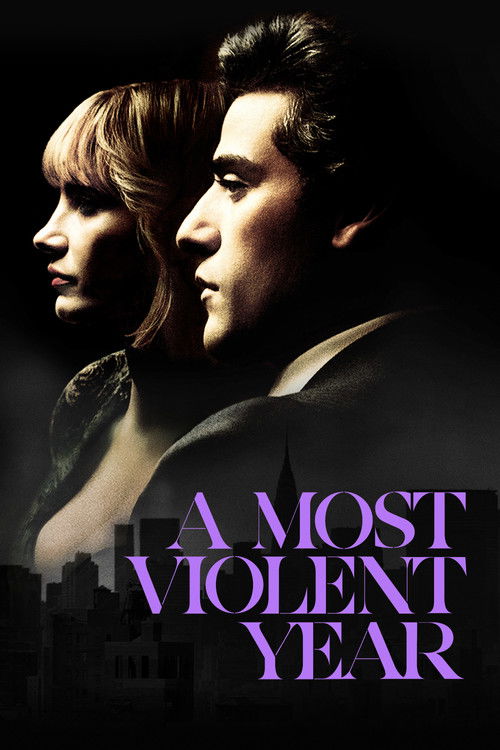
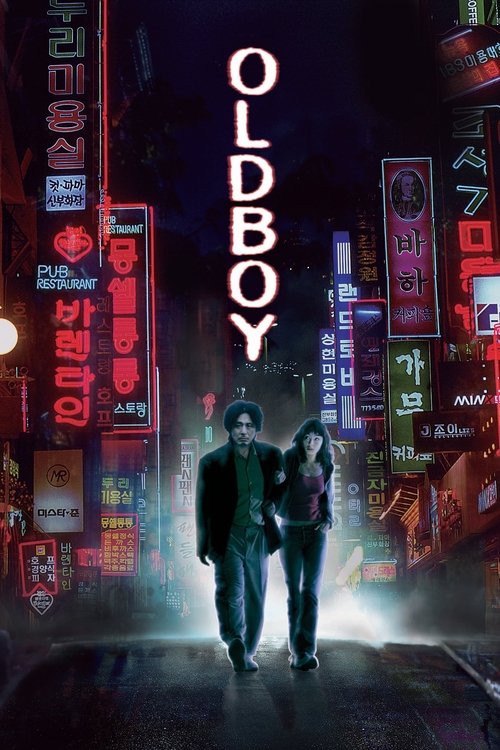
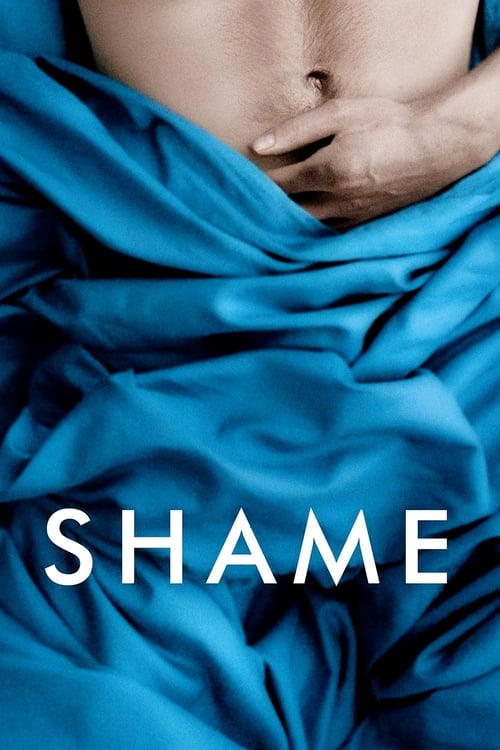
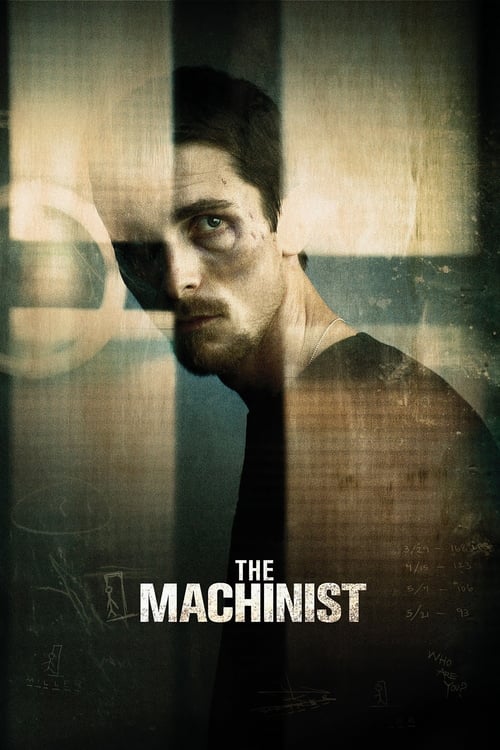
If you love the film: fractured men on the edge
Cinema about damaged men doing terrible things for reasons they can barely name
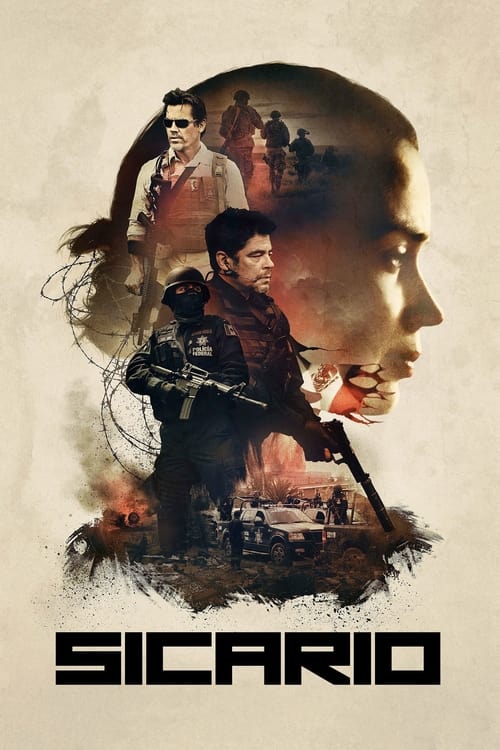
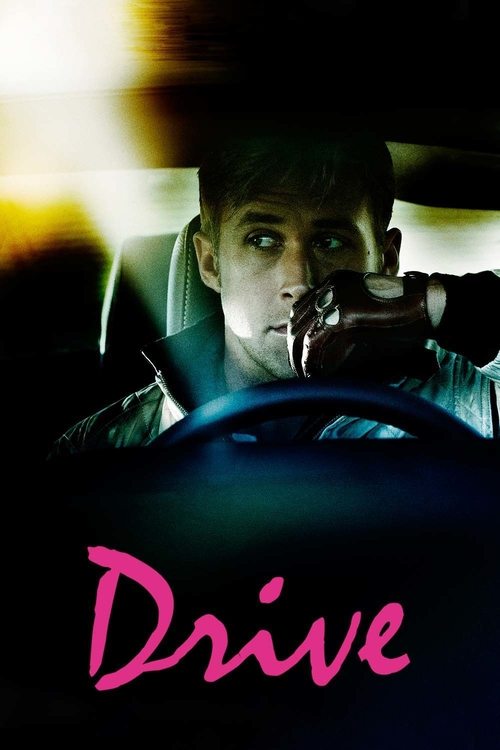
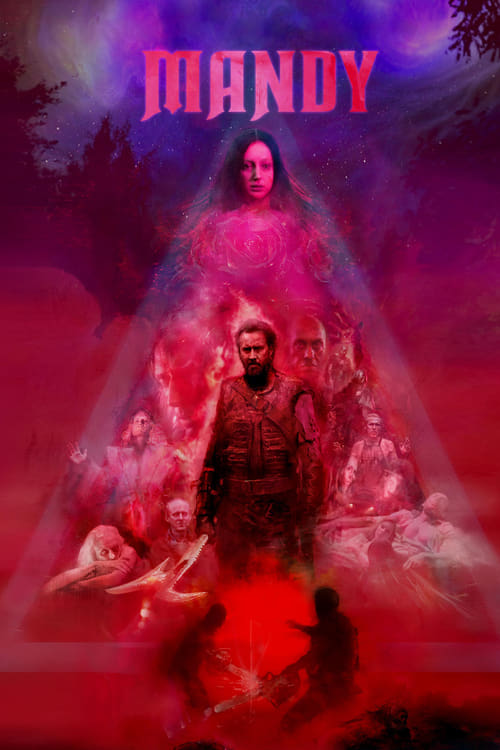
If you love the novella: lean, brutal crime fiction
Short, relentless noir and crime books that do not waste a word


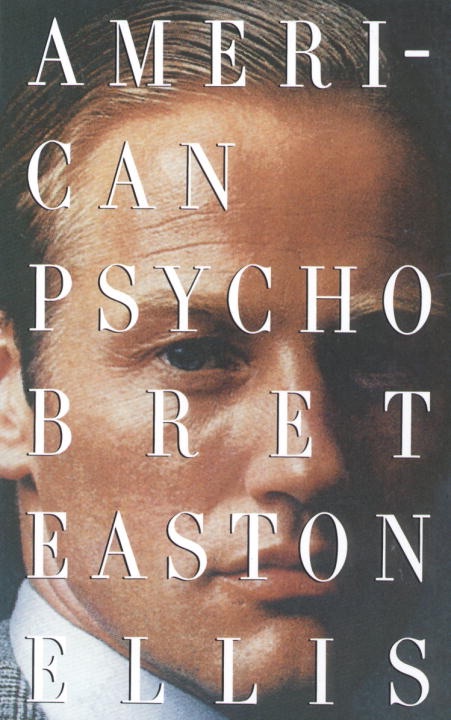

If you love the trauma and the tenderness: across all media
Stories about violence, complicity and the difficulty of living inside your own history
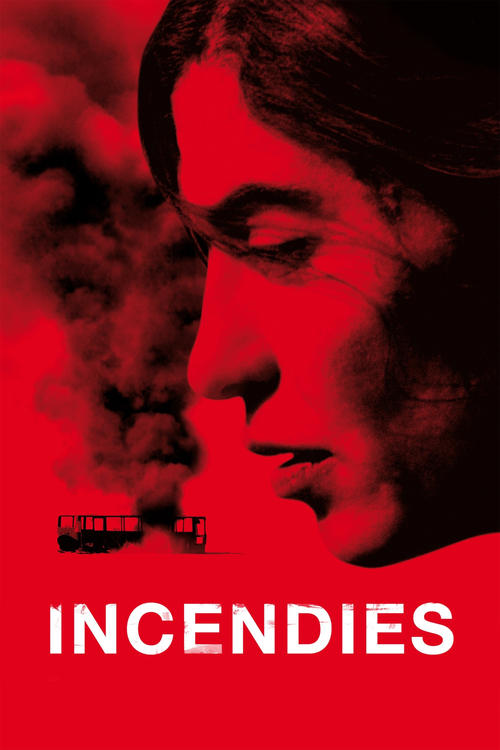
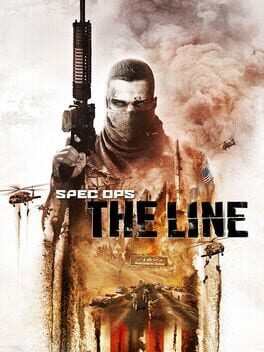
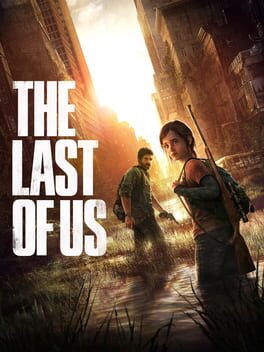
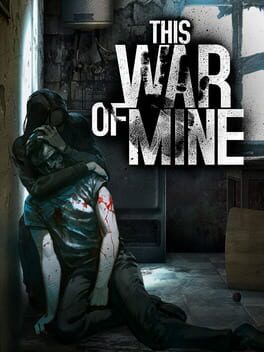
If you love Jonny Greenwood's score: music that sounds like dread
Albums that use dissonance, silence and texture as emotional argument
Broken Men and Brutal Streets
For Fans of Paul Schrader
Explore the For Fans of Paul Schrader guide →Ramsay doesn't adapt Ames so much as she inhabits the same frequency he was broadcasting on.CrossBinge editors