
The Man in the Room
Paul Schrader has spent fifty years making films about men who cannot sleep. Isolated, obsessive, secretly violent, convinced of their own specialness and equally convinced they are damned. The through-line from Taxi Driver (which he wrote) to First Reformed (which he wrote and directed) is not a career arc so much as a recurring nightmare: the same man in a different decade, filling a journal, reaching for a weapon or a prayer, staring out at a country that seems to him both morally bankrupt and worth dying for.
Fans of Schrader are drawn to a very specific texture: the confessional voice-over, the still room, the spiritual hunger that keeps misfiring into rage or sex or self-destruction. He was raised strict Calvinist in Grand Rapids, Michigan, and never got the theology out of his system. His characters fast, they flagellate, they confess. They are always working out their relationship to sin, which means his films always have genuine stakes, because the stakes are nothing less than the soul.
He is also, less discussed, one of cinema's great formalists. His early book Transcendental Style in Film (1972), on Ozu, Bresson, and Dreyer, laid out the aesthetic he would spend his career building toward. Spare interiors. Minimal music. The frozen moment before violence or grace. If you love Schrader, you love a cinema that believes movies can wound you and possibly, cautiously, redeem you.
Essential Paul Schrader
His own films and screenplays, in order of entry
The Transcendental Style
Films of spiritual crisis, long silences, and men at the edge

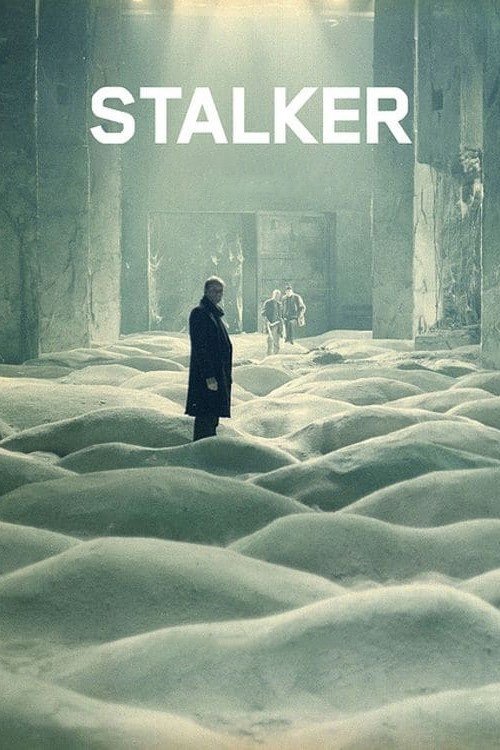
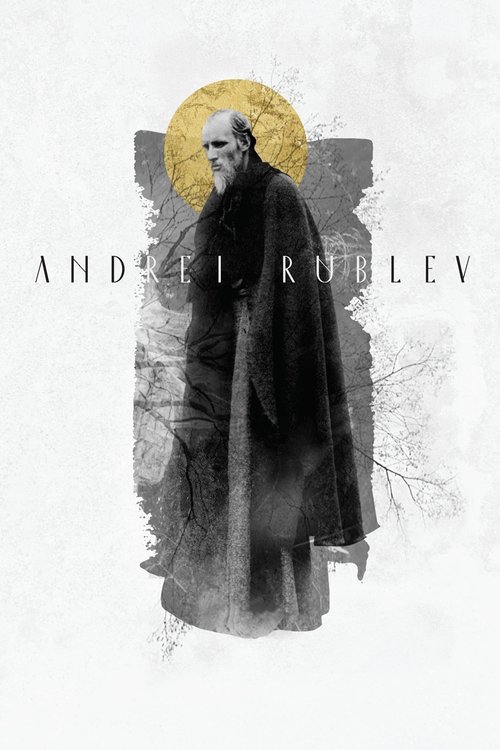
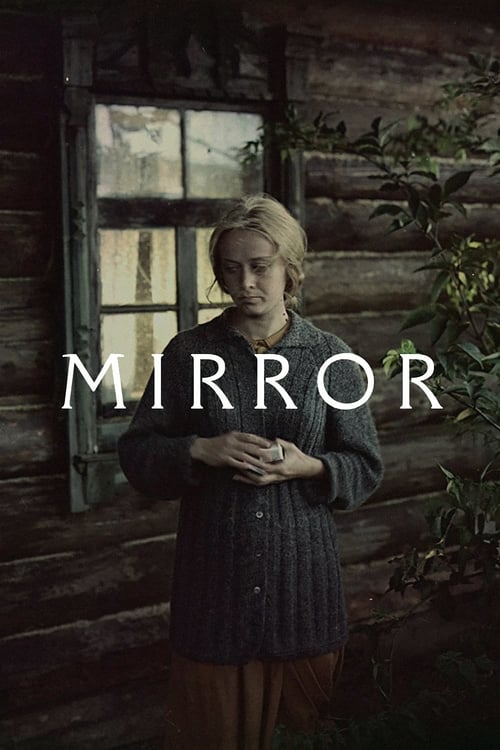
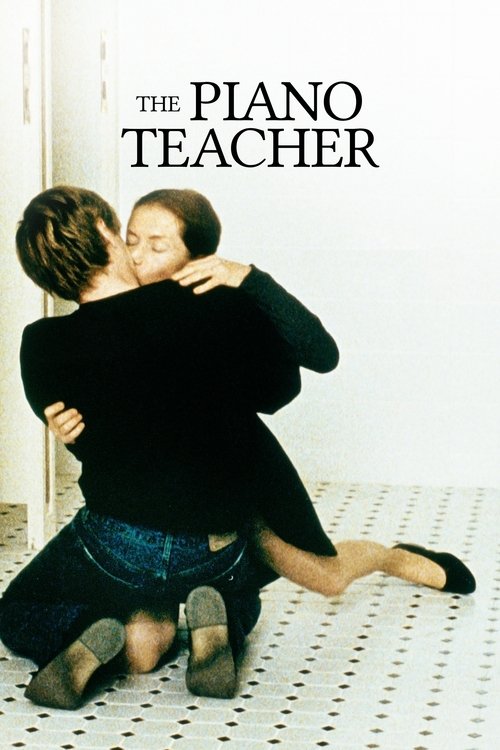



Isolated Men, American Rot
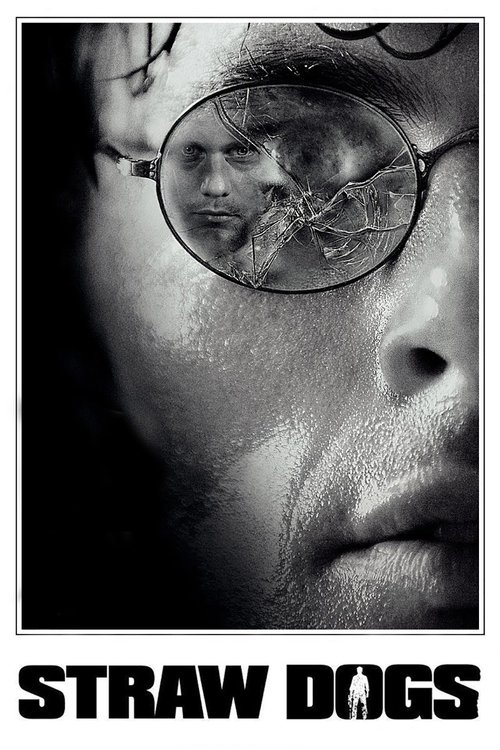
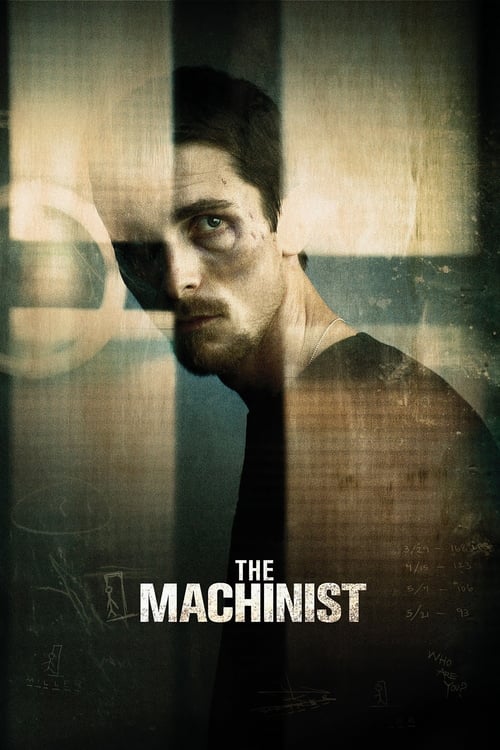
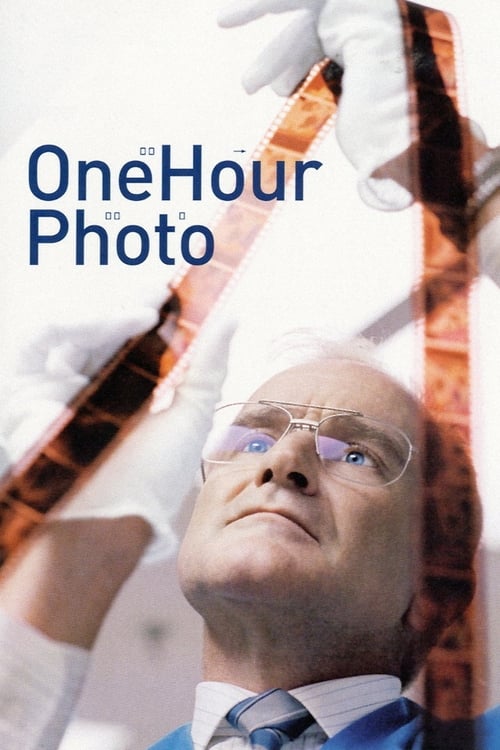
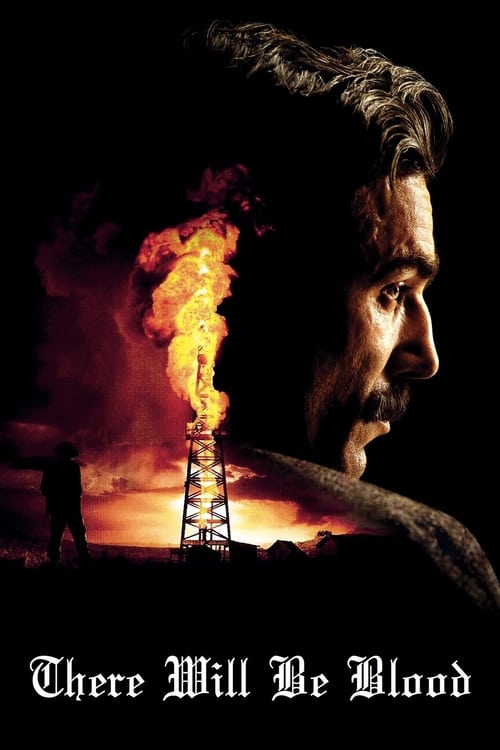
Fiction and film about the lone wolf psychology Schrader keeps returning to
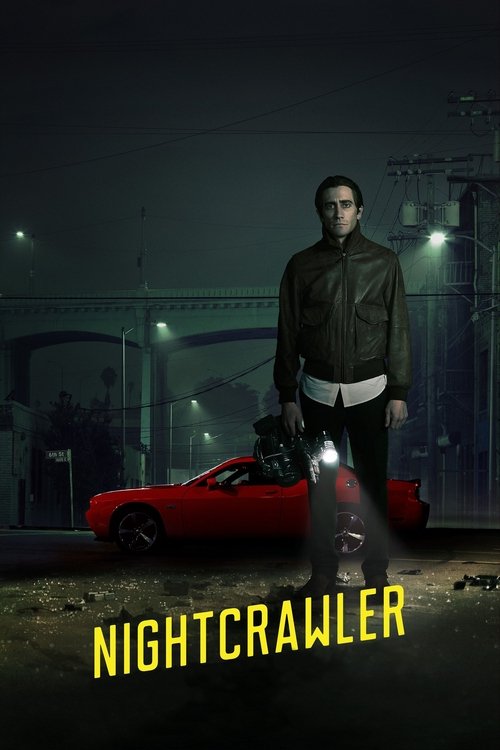
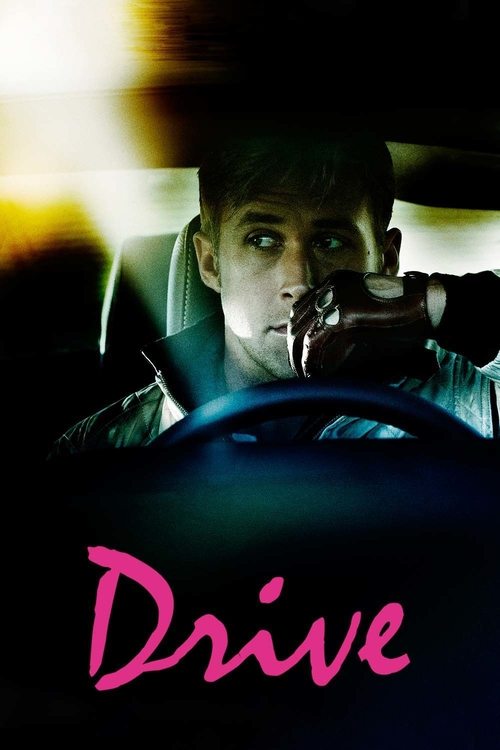
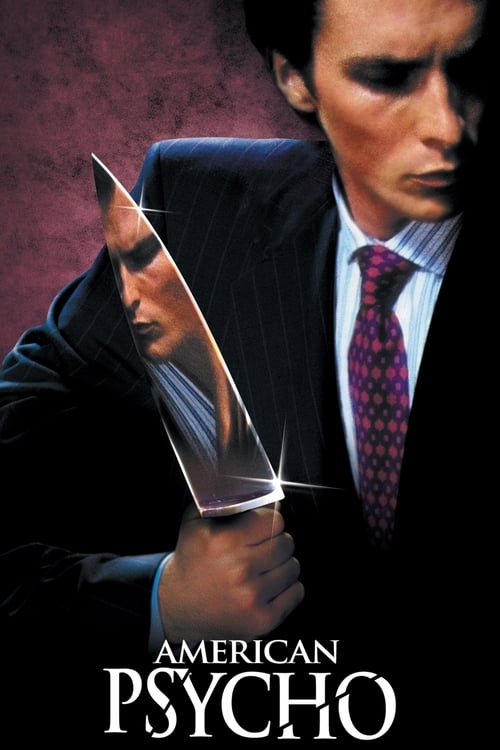
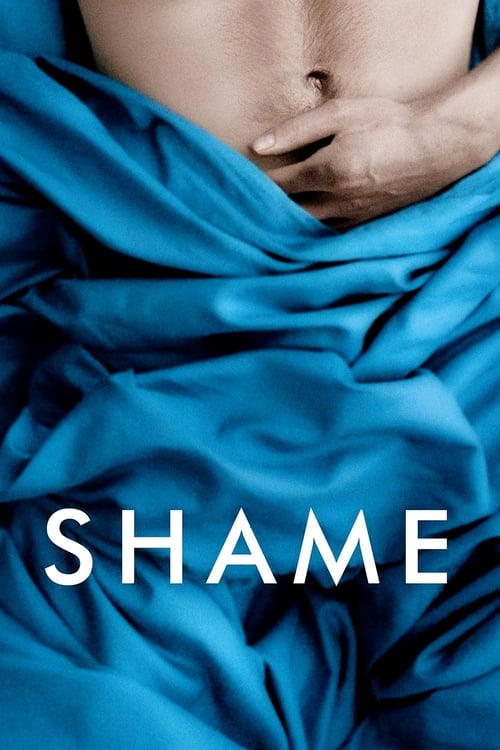
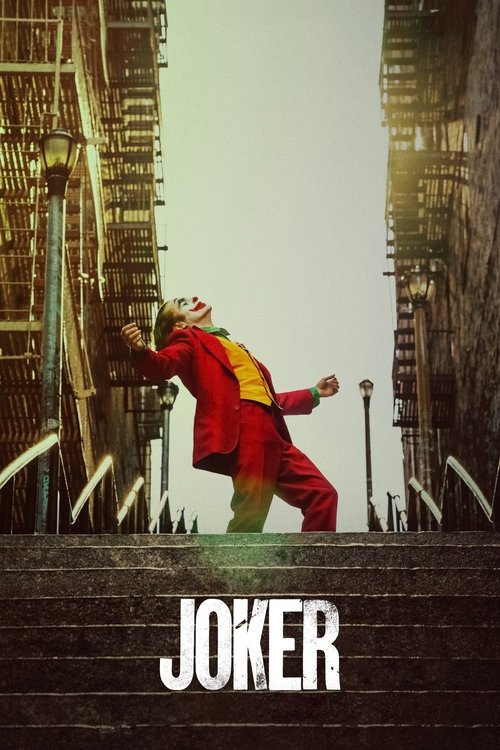

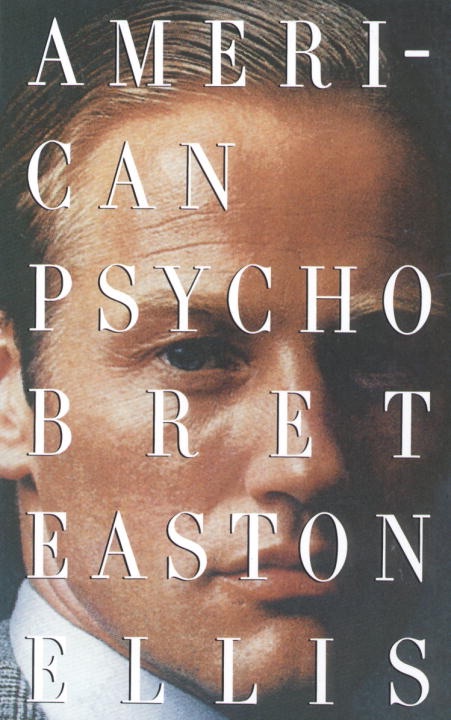


Self-Destruction as Inquiry
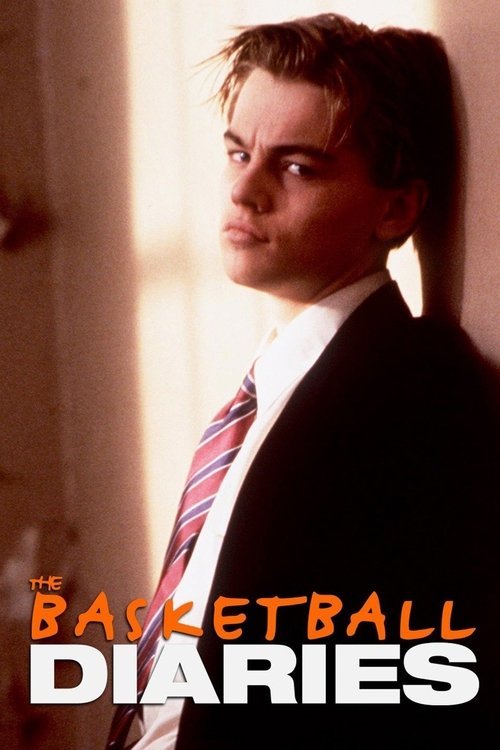
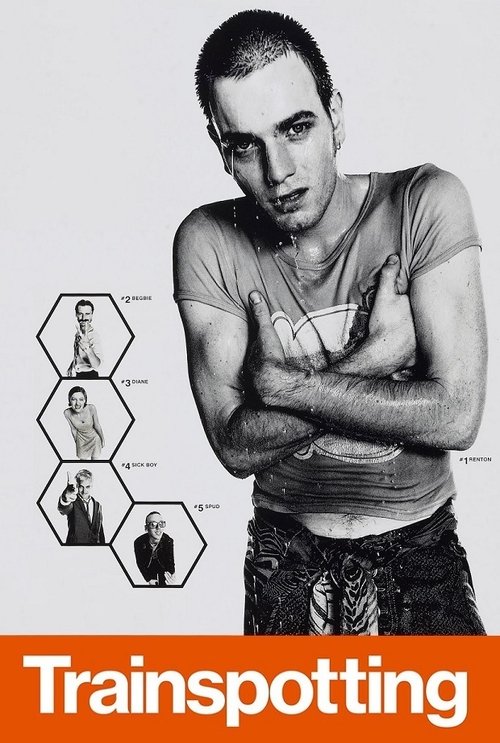
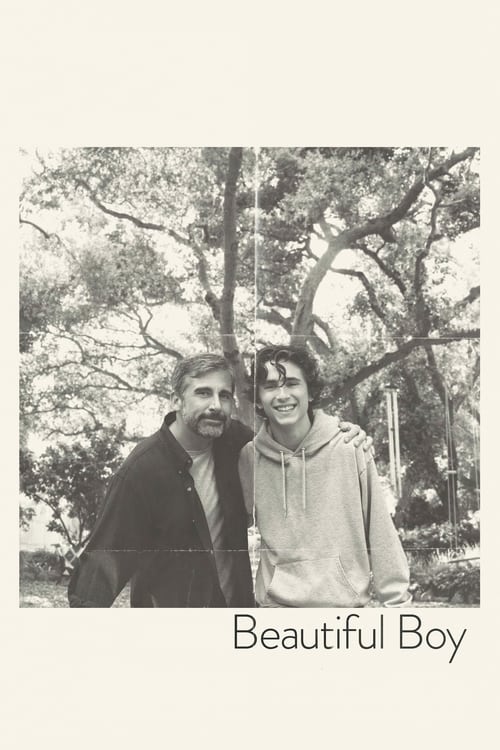
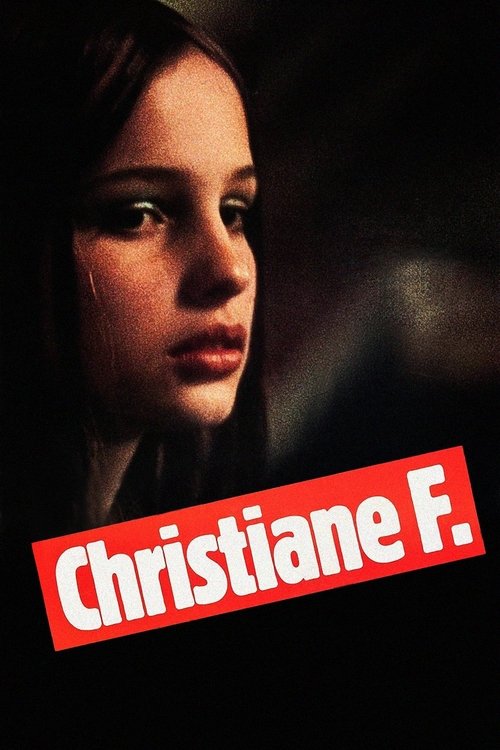
Addiction, obsession, and the confessional mode across media
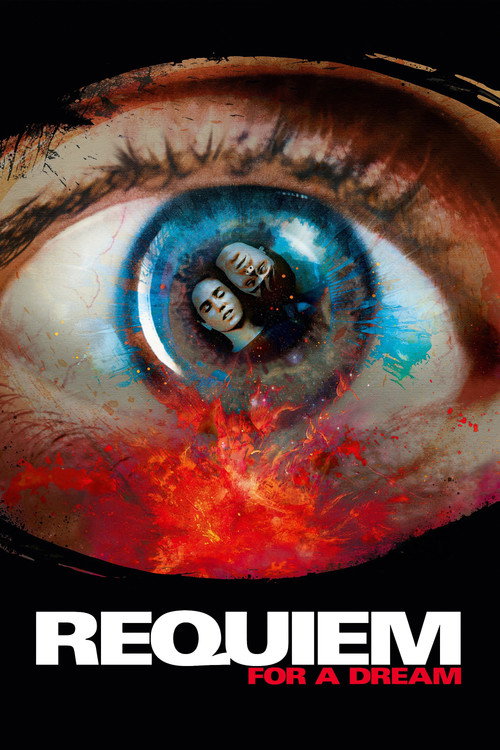
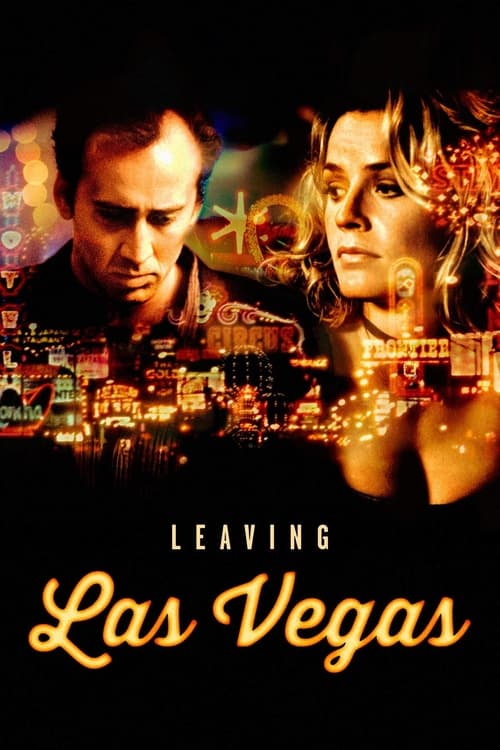


Formalism and the Frozen Moment
Directors who share Schrader's debt to Bresson and Ozu: economy, distance, eruption



First Reformed is the perfect entry point
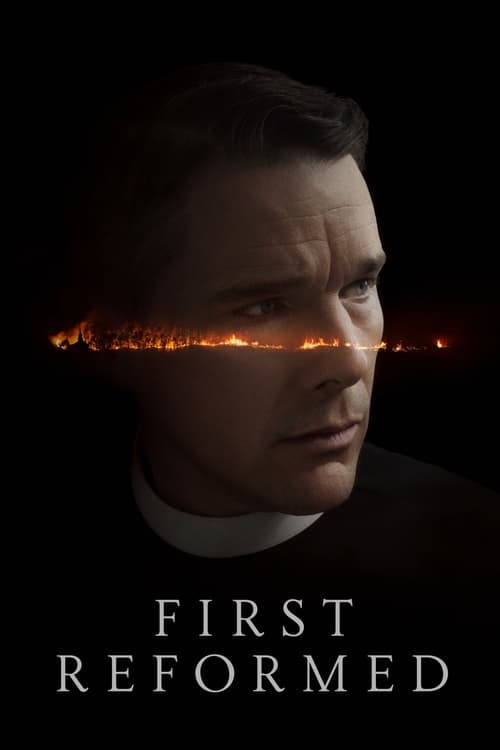
If you have never seen a Schrader film, start here. First Reformed (2018) is his most concentrated statement: a pastor in a dying upstate New York church writes in a journal, befriends a young environmental activist, and edges toward a crisis of faith and violence. It compresses everything he has been reaching for since Taxi Driver into 113 minutes of near-perfect formal control. The Ethan Hawke performance is the best of his career. The ending is genuinely controversial and genuinely earned.
American Gigolo is his most misread film
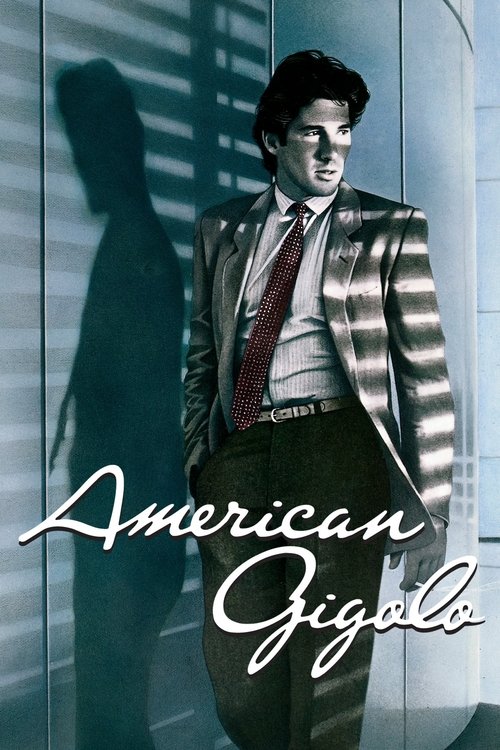
American Gigolo (1980) gets filed as a cold, vacuous artifact of its era, Giorgio Moroder synths and Richard Gere's body. That reading misses the point. Julian Kaye is the first fully formed iteration of the Schrader protagonist: a man who has built an identity so rigid and performative that it can only hold until one act of genuine feeling exposes the void beneath it. The film's formal strategy is pure Bresson. Schrader strips out conventional emotional cues and holds the camera at a distance that forces you to do the interpretive work yourself. The surface looks like a glossy thriller. The content is a soul in free fall.
His source is Bresson, not Scorsese
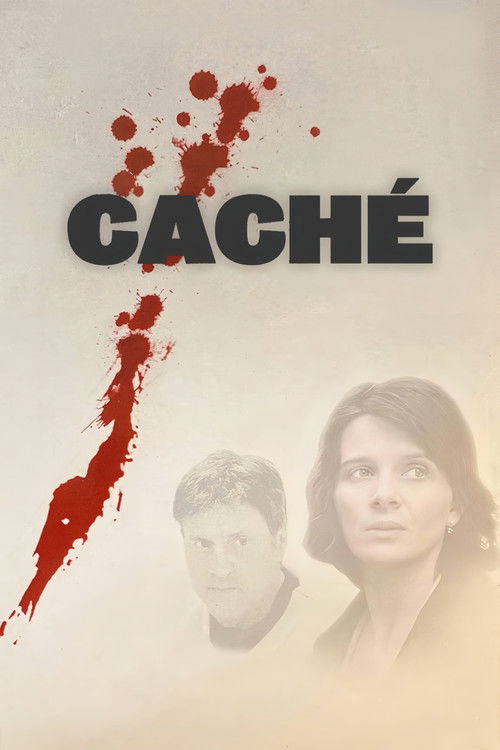
The popular account has Schrader as Scorsese's writer, but the deeper influence runs through Robert Bresson. His 1972 study of Bresson, Ozu, and Dreyer proposed that cinema could reach for transcendence by withholding sensation, by pushing toward abstraction and silence until the spiritual becomes visible at the edges. First Reformed lifts the plot skeleton from Bresson's Diary of a Country Priest almost openly, and the Haneke of Caché is closer in spirit to what Schrader is doing than anything in Scorsese's catalog. Understanding Bresson is the key to understanding everything Schrader does.
Raging Bull is the collaboration at its most complete
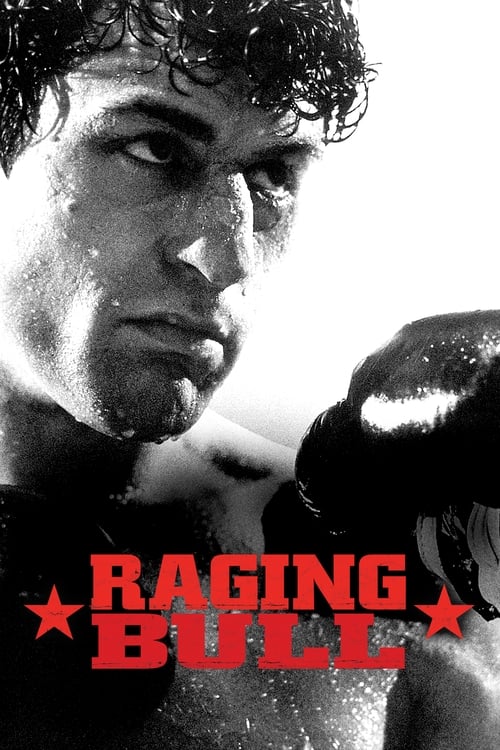
The Schrader-Scorsese partnership produced four major films, and Raging Bull (1980) is the one where their obsessions merged most completely. Schrader's script (co-written with Mardik Martin) gave LaMotta's story the structure of a confession: not a rise-and-fall but a man dismantling himself in the hope that destruction leads somewhere. Scorsese's direction made it the defining image of masculine self-punishment in American cinema. Neither man would have made this film alone. It is the fullest expression of the guilt-as-spiritual-process idea that runs through all of Schrader's best work.
I don't believe in redemption as a story resolution. I believe in redemption as a spiritual process that may or may not resolve anything.Paul Schrader
A Career in Key Moments
- 1972Publishes Transcendental Style in Film, his critical manifesto
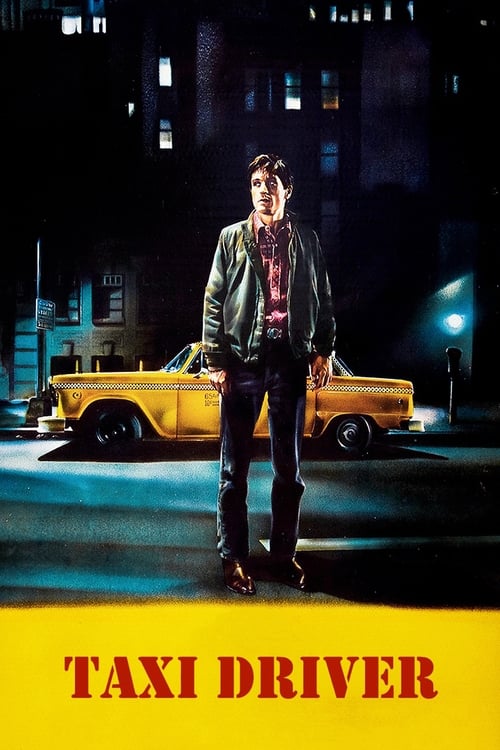
- 1976Taxi Driver screenplay produced, directed by Scorsese Taxi Driver
- 1978Directs his first feature, Blue Collar, with Richard Pryor and Harvey Keitel
- 1980American Gigolo: his coldest and most formally Bressonian early film American Gigolo
- 1980Raging Bull screenplay, with Mardik Martin Raging Bull
- 1985Mishima: A Life in Four Chapters, with Philip Glass score: his most audacious direction
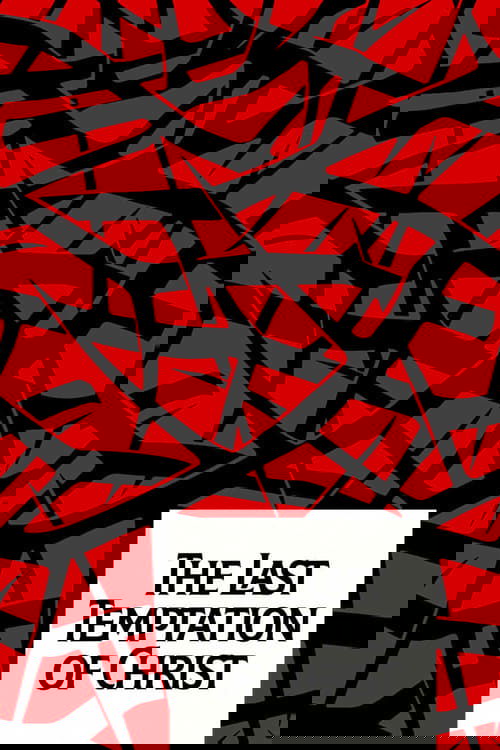
- 1988The Last Temptation of Christ screenplay for Scorsese The Last Temptation of Christ
- 1997Affliction: his most personal American film, Nick Nolte career-best
- 2002Auto Focus: the Bob Crane story as a case study in compulsive self-erasure
- 2018First Reformed, widely considered his masterpiece First Reformed
- 2021The Card Counter: Oscar Isaac as a Bressonian penitent in poker rooms and military prisons
- 2022Master Gardener completes the informal Redeemer trilogy begun with First Reformed