
The Canon Is Not a Consensus
Every generation rewrites this list. The French New Wave dethroned Hollywood classicism. Cahiers du Cinema rehabilitated directors the studios had treated as craftsmen. Home video resurrected B-pictures. Streaming buried the theatrical experience that gave half these films their power. And yet some works keep climbing back to the surface, no matter how many times the critical winds shift. This is our read on the films that genuinely matter: the ones that changed what cinema could do, the ones that hold up on rewatch, and a few the academy and the algorithms have never properly recognized. We have tried to be honest about which films are great and which are merely important, and those are not the same thing.
The Undeniable Heavyweights
The works every serious list has to reckon with, like them or not.


The most overrated entry on every canon list
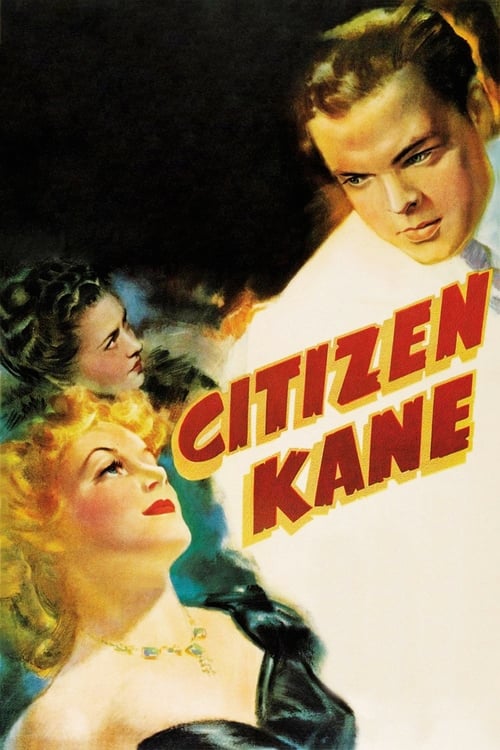
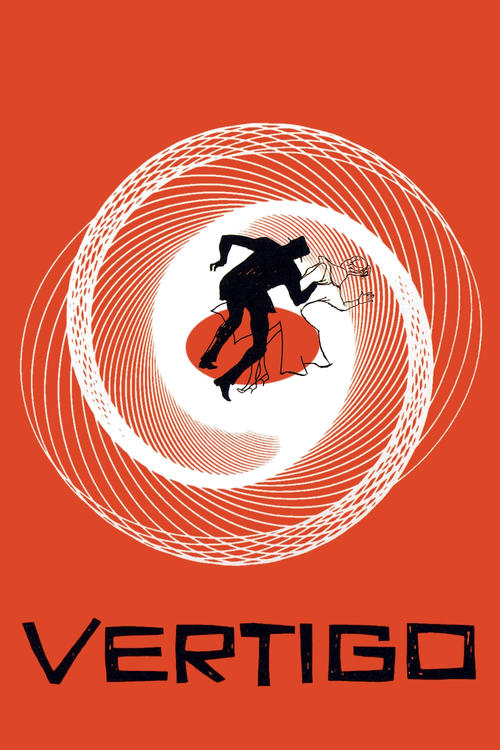
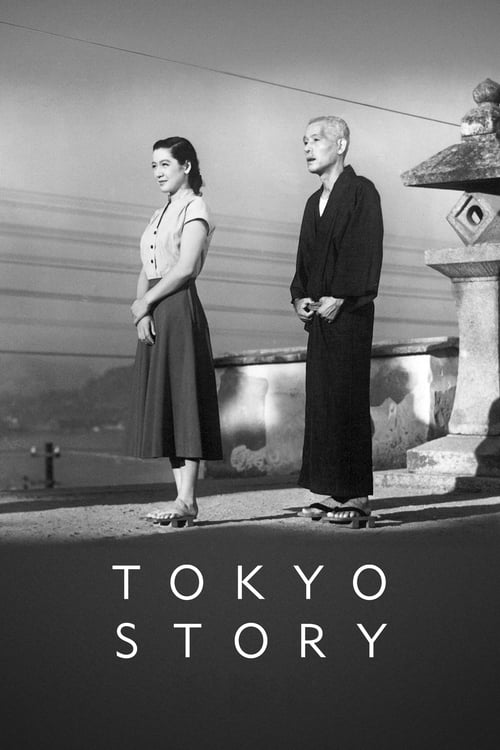
Citizen Kane is a great film. It has also spent eighty years being called the greatest film, and that distinction has calcified into dogma. What Welles accomplished technically in 1941 is real. What the film actually does emotionally is considerably more modest: it is a cold, clever machine, and the mystery at its center is resolved with a single prop that explains nothing worth explaining. Vertigo did more with less and waited decades for the credit. So did Tokyo Story, which lands its emotional devastation without a single formal flourish. Kane is essential viewing; it is not the summit.
The Critical Darlings
Films that reviewers loved, argued over, and eventually placed above the rest.
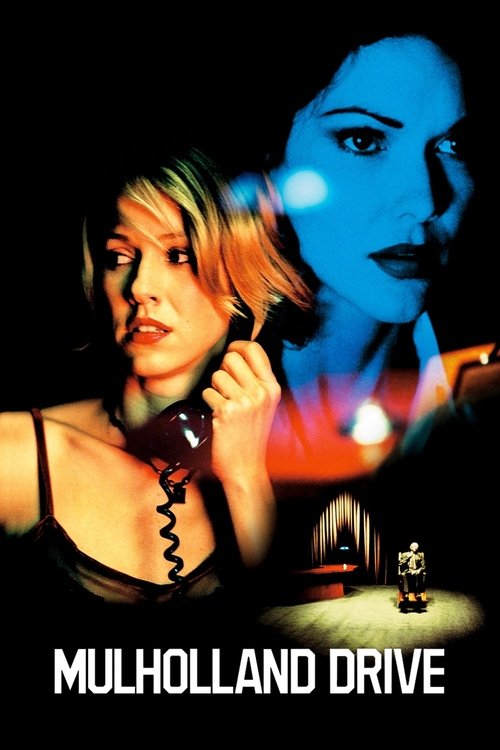
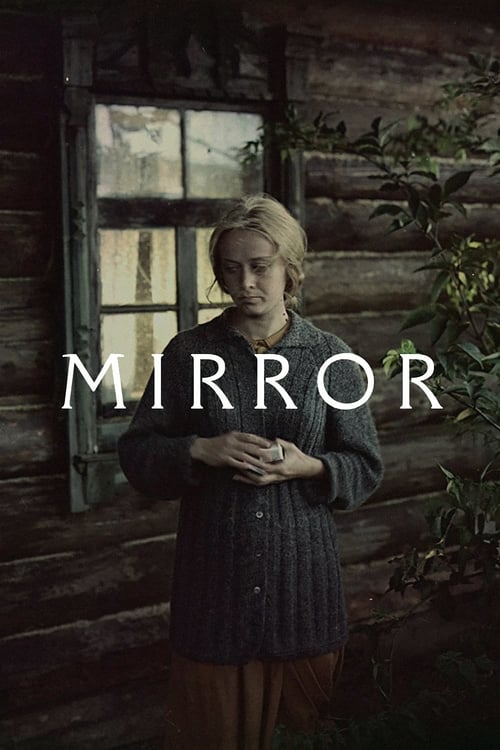
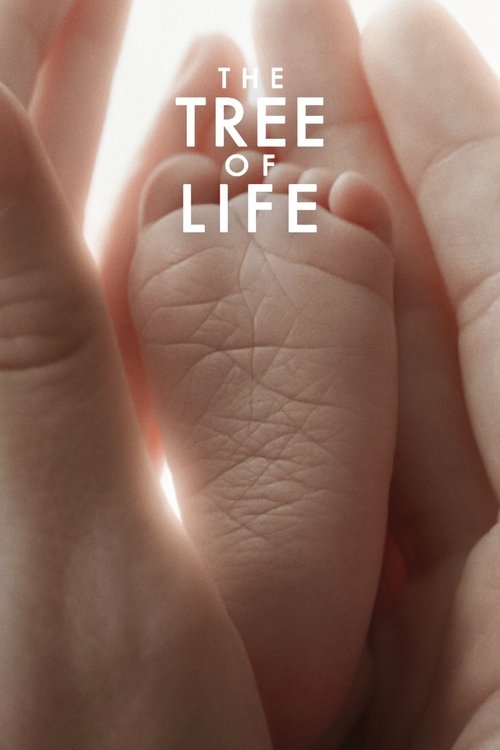
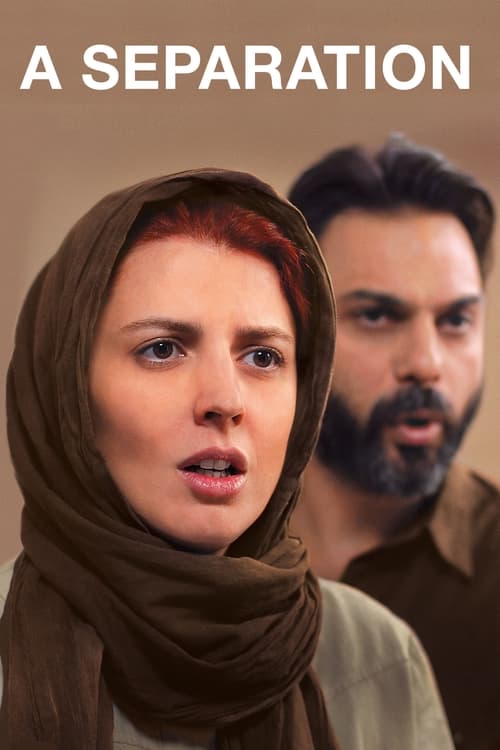
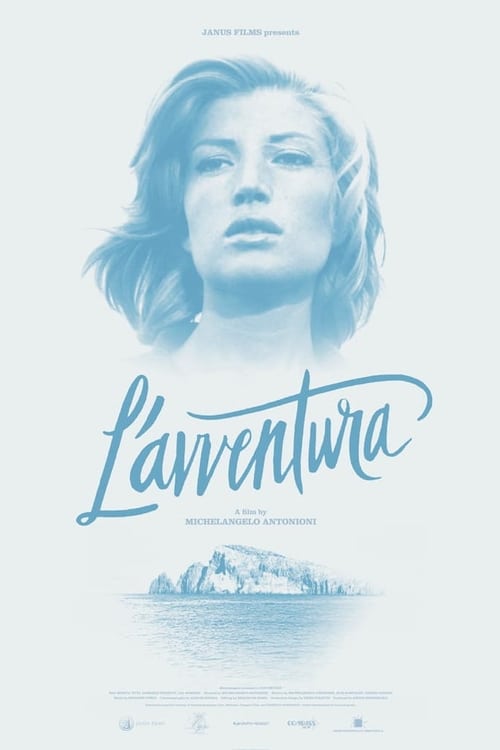
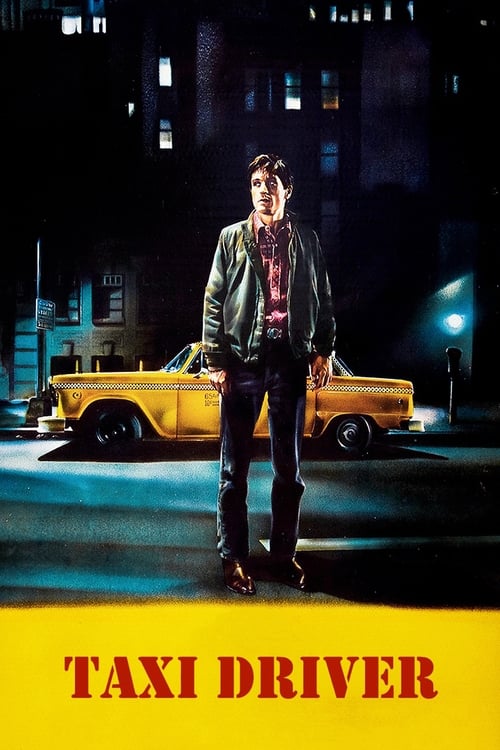
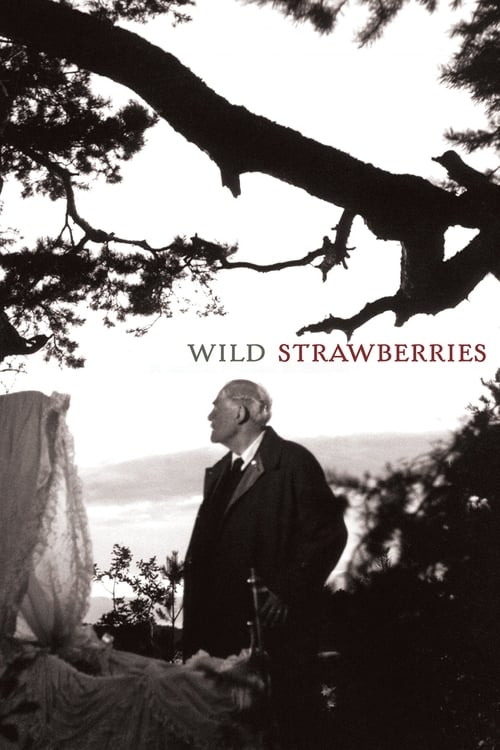
A Century of Cinema's Turning Points
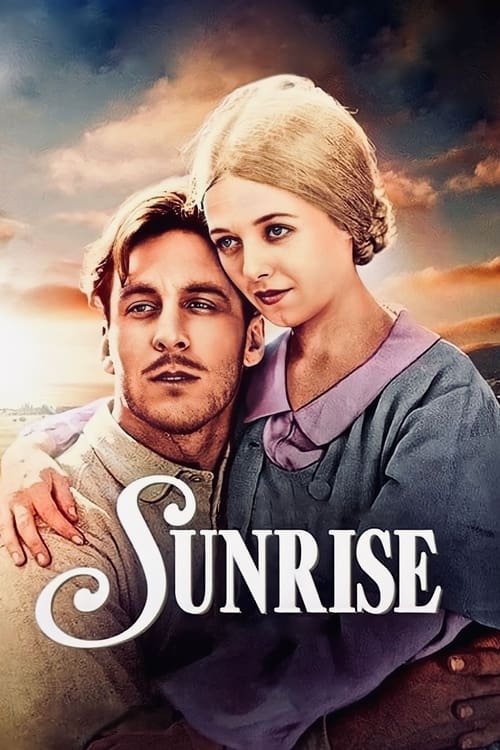
- 1927Silent cinema reaches its apex Sunrise: A Song of Two Humans
- 1939Hollywood's golden year peaks The Rules of the Game
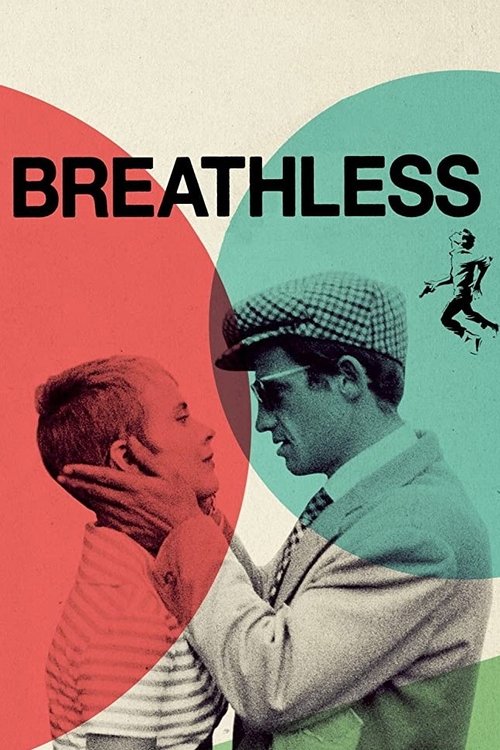
- 1960The New Wave breaks Breathless
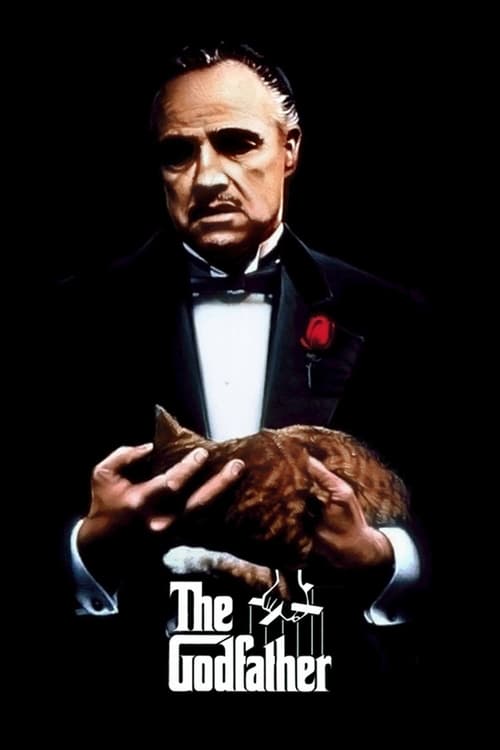
- 1972The New Hollywood arrives The Godfather
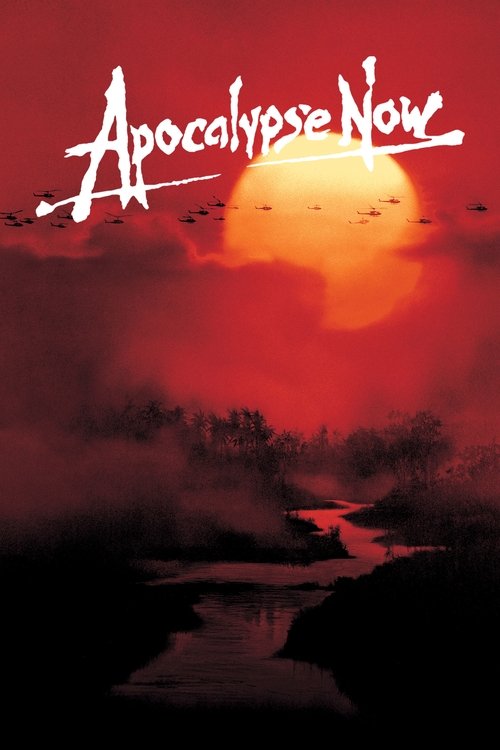
- 1979Genre cinema achieves poetry Apocalypse Now
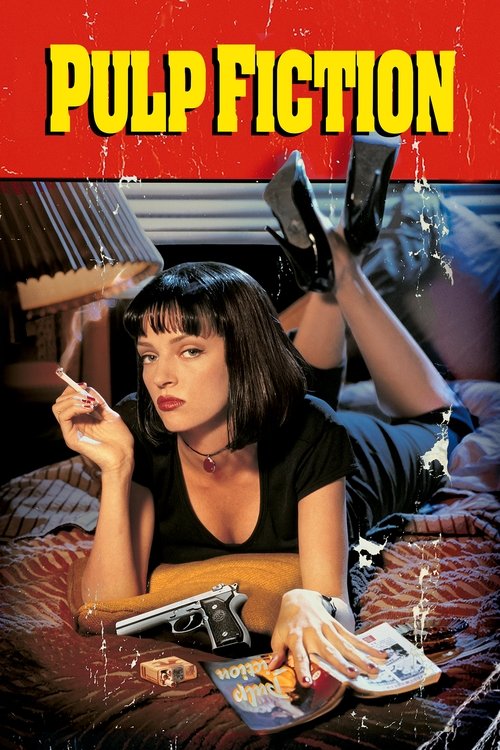
- 1994American independent cinema's banner year Pulp Fiction
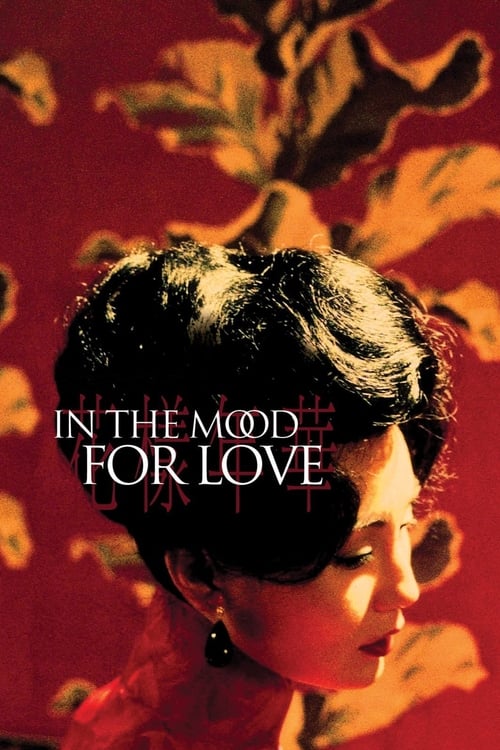
- 2000Global art cinema reasserts itself In the Mood for Love
- 2019Two masterpieces arrive in the same year Parasite
The Crowd Favorites That Earned It
Popular films that are genuinely great, not just loved.
The snub that still stings
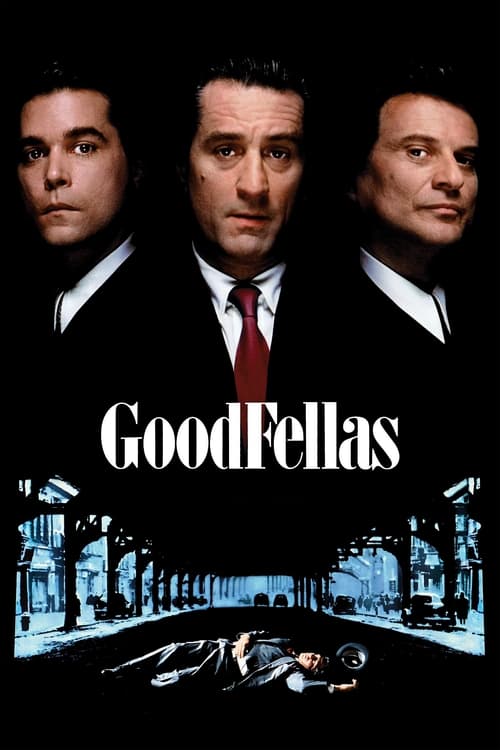
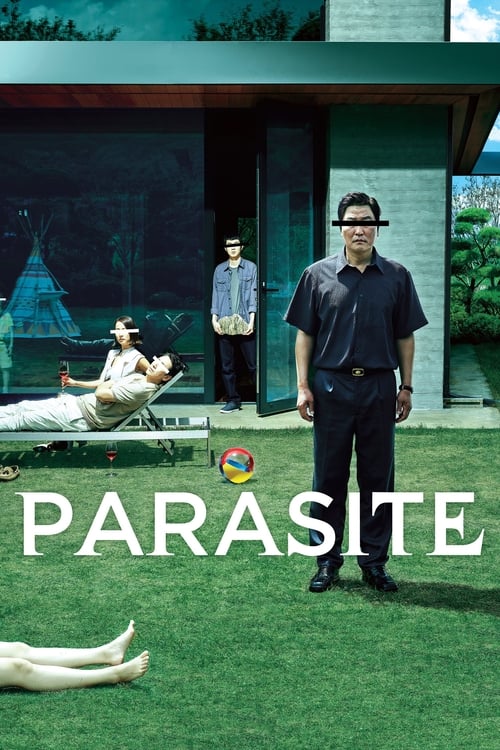
Goodfellas lost Best Picture to Dances with Wolves in 1991. Thirty-five years later, one of those films is still a landmark of American cinema and the other is a respectable Kevin Costner western. The Academy's preference for sober historical sweep over kinetic moral chaos is well documented, but this particular loss reads as institutional cowardice: the voters saw exactly what Scorsese was doing and chose something safer. It would take the Academy another thirty years and Parasite to demonstrate it could reward a film that unsettled rather than reassured.
Genre Standouts
Films that worked inside a form and then quietly transcended it.
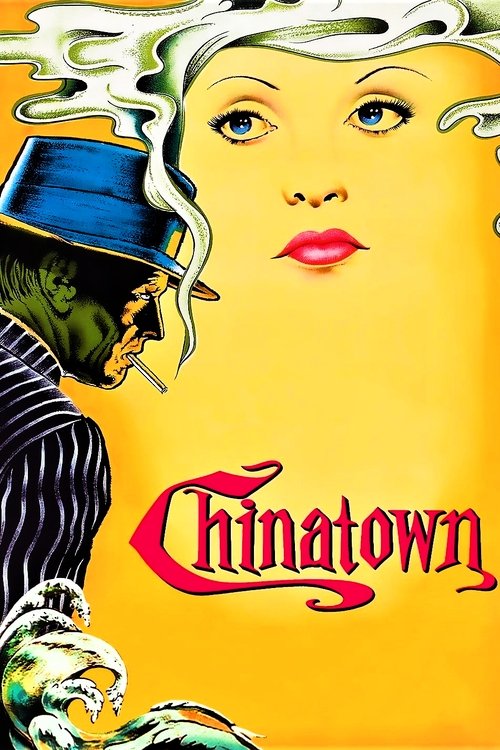
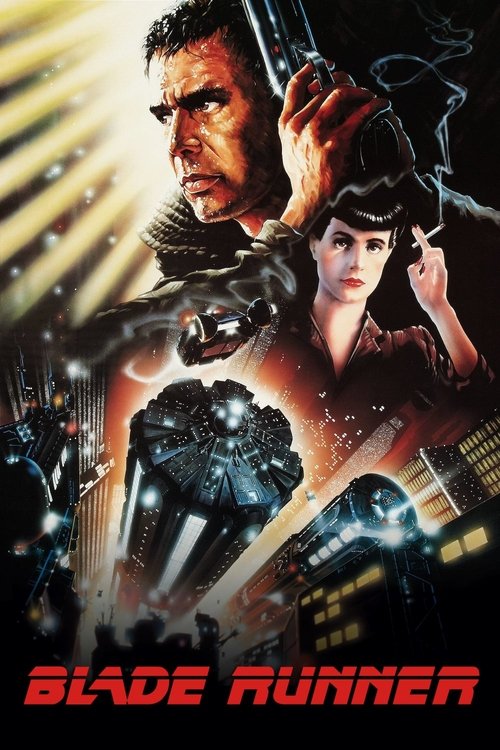
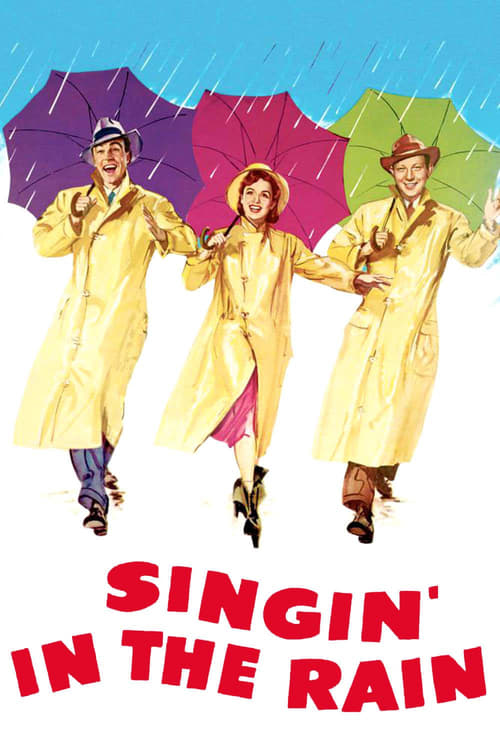
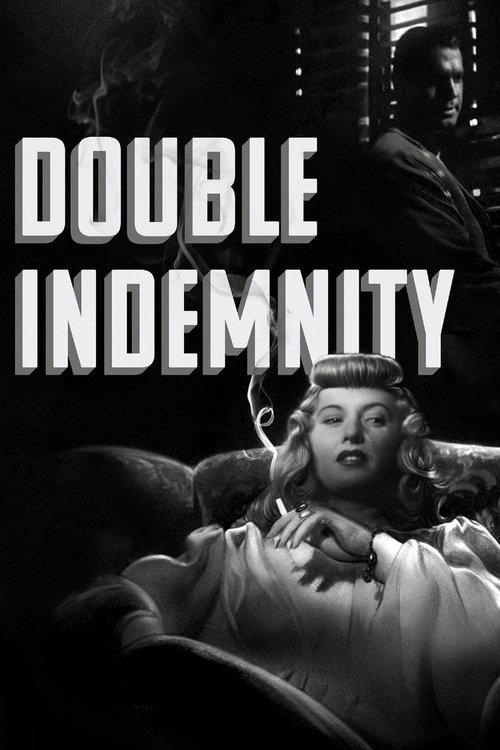
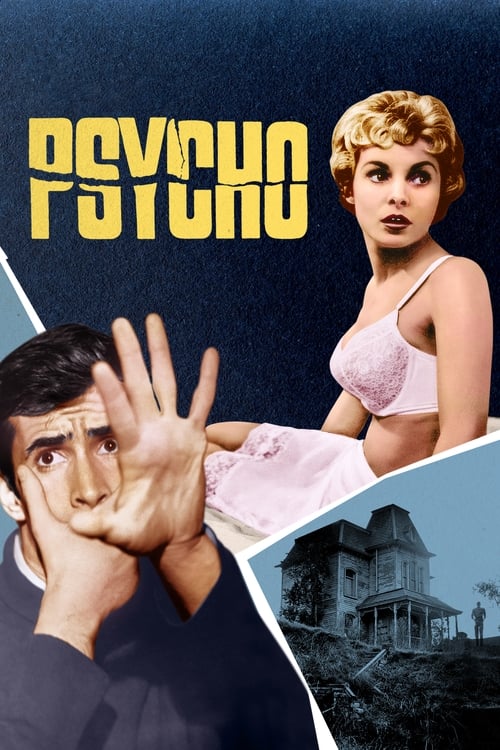
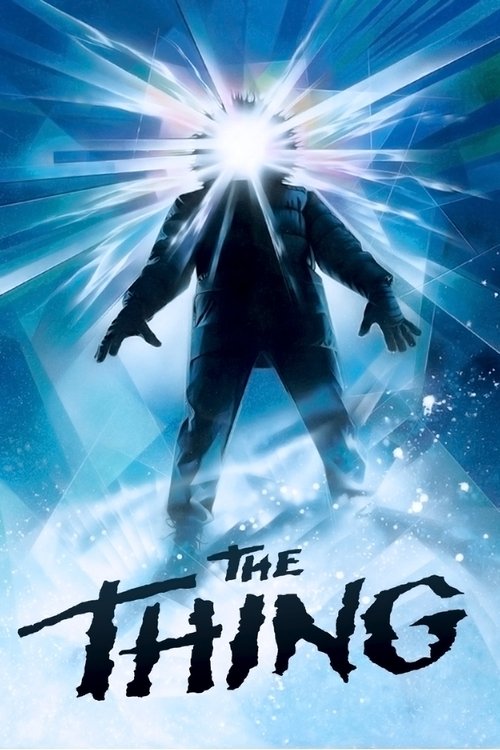
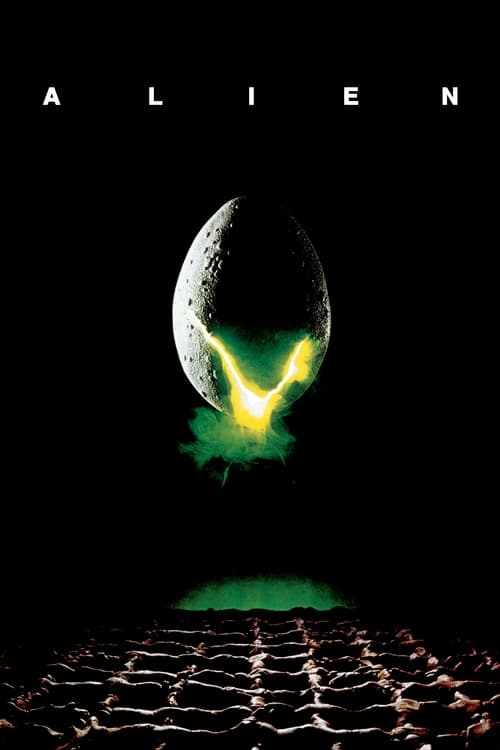
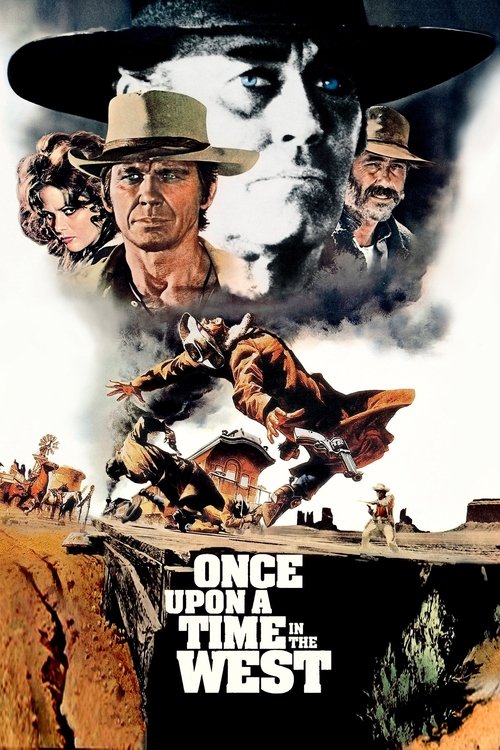
Great films have no obligation to be enjoyable. They have an obligation to be honest.
Overlooked at the Time
Films that arrived to indifference or puzzlement and had to wait for their audience.
The one that aged best
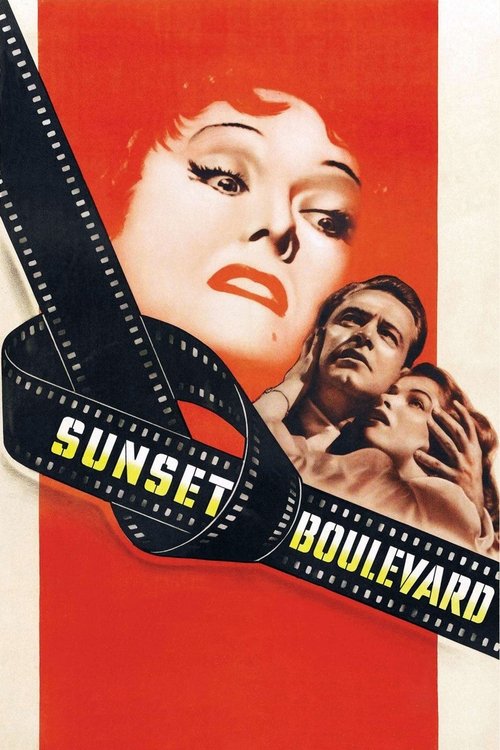
Sunset Boulevard was already a piece of Hollywood self-mythology when it was made in 1950, but it has only grown more layered as the industry it satirized has transformed beyond recognition. The story of a forgotten star and a desperate writer has become a story about nostalgia itself, about the way industries consume the people who built them and then discard them. It is funnier and darker on every rewatch, and William Holden's narration still feels like a trap being sprung. That Norma Desmond became a shorthand for delusion rather than a figure of genuine tragedy is itself a kind of critical failure the film anticipated.
The Bold Swings
Films that asked audiences to trust them completely, and were mostly right.
The film most people give up on before it pays off
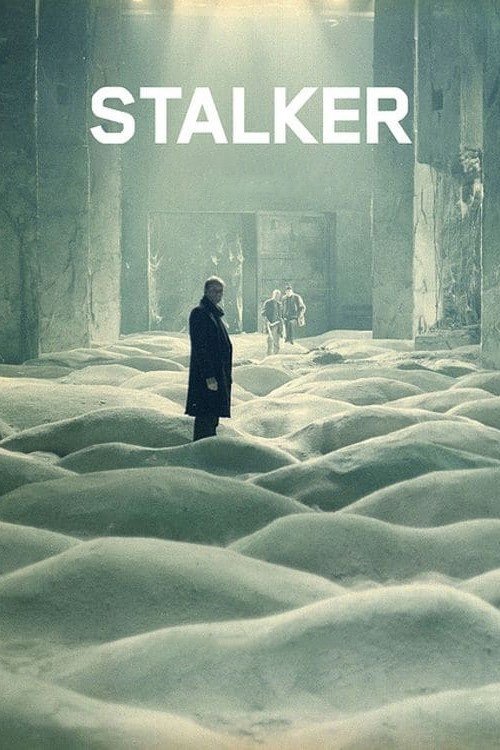
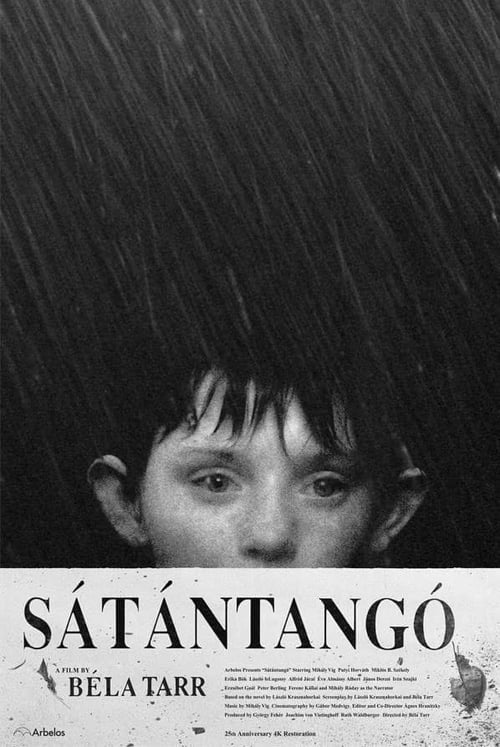
Stalker asks you to follow three men through a forbidden zone for nearly three hours at a pace that makes Tarkovsky's other films look brisk. Most viewers who leave early do so in the first forty minutes, which is unfortunate, because the film's argument only becomes clear much later: the zone does not grant wishes so much as reveal what you actually want, and the answer tends to be devastating. It is one of the few films that requires you to surrender your usual relationship with narrative time before it will give you anything back. Satantango makes a similar demand over seven hours. Both are worth every minute you give them.
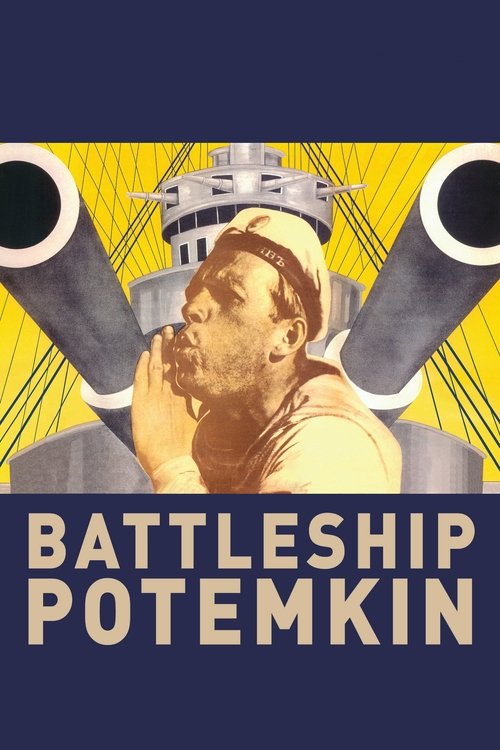
From the Silent Era
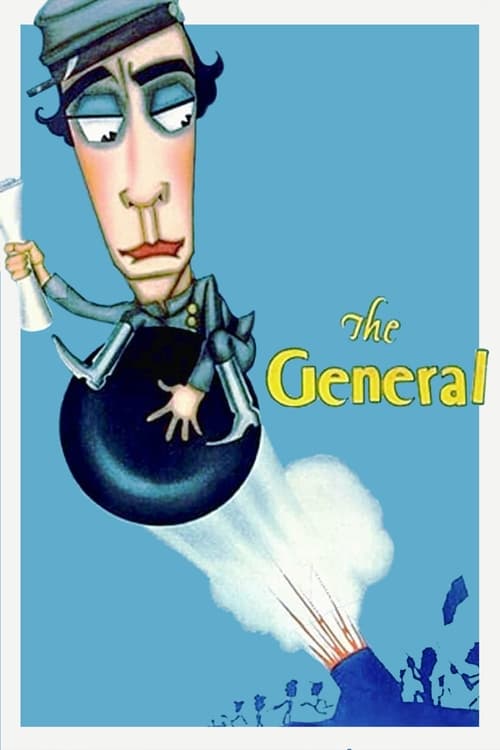
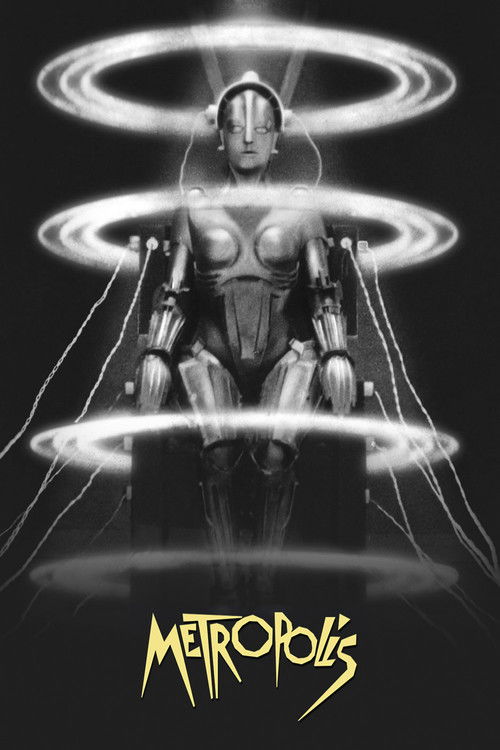
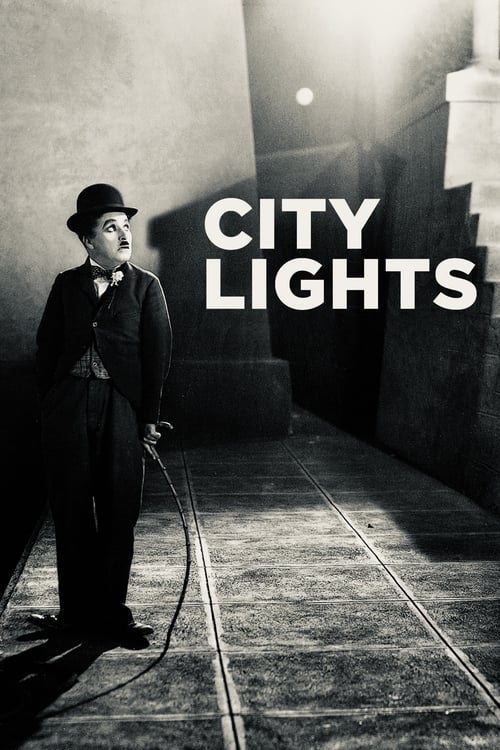
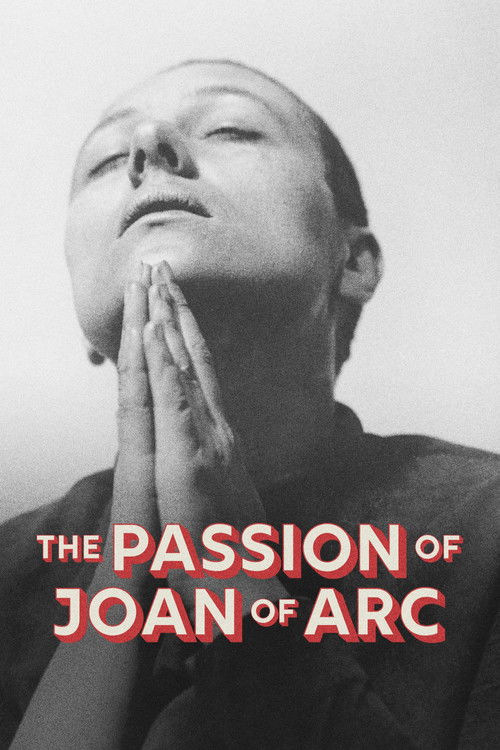
Films made before sound arrived that still hold an audience.

What This List Cannot Do
No single list covers the full sweep of world cinema. The Korean New Wave, the Romanian New Wave, Iranian cinema of the 1990s and 2000s, the full range of Japanese studio-era output, African cinema almost entirely: each of these is a conversation that could fill its own guide. What we have tried to build here is something more useful than a ranked countdown: a reading of cinema history that takes positions, acknowledges its gaps, and gives you genuine entry points rather than homework. The films above are places to start, or to return to, or to argue with. Any of those responses is the right one.