

The Decade That Could Not Stop Reinventing Itself
The 2000s opened with Y2K hysteria and closed with a financial crisis, and the films made in between captured every shade of that anxiety, optimism, and disillusionment. Peter Jackson made a trilogy that redefined what spectacle could mean. Paul Thomas Anderson and Sofia Coppola and Wong Kar-wai kept making films that felt like they were from a completely different art form than the multiplex product on the adjacent screen. Pixar had its greatest run. Christopher Nolan became Christopher Nolan. And right in the middle of all of it, a handful of films slipped through and got remembered only later, when audiences finally caught up.
This is not a list that tries to be fair. It tries to be true.
The heavyweights
Films that defined the decade for everyone who was paying attention
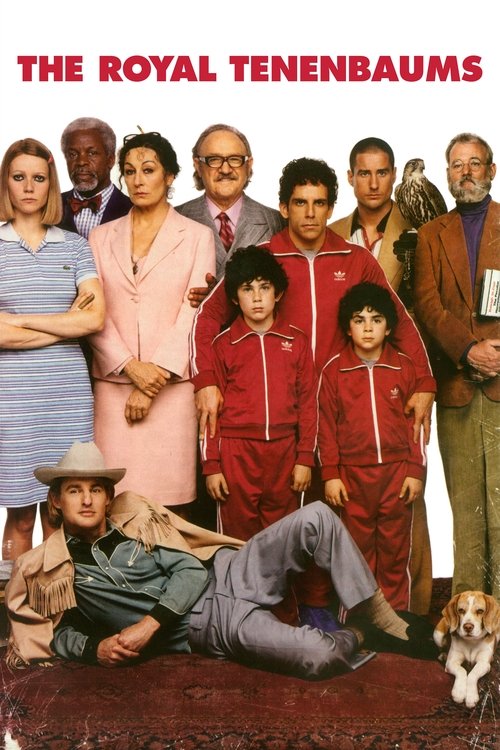
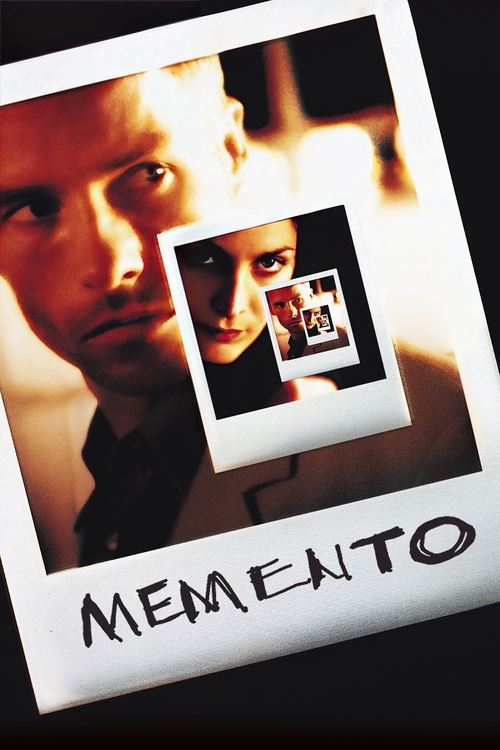
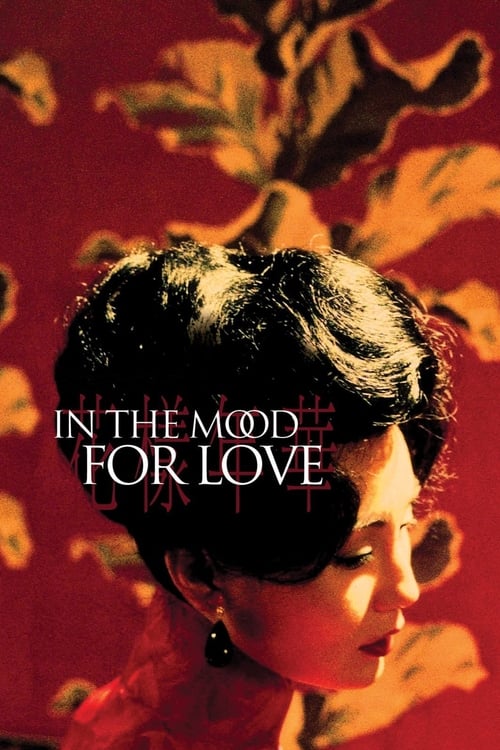
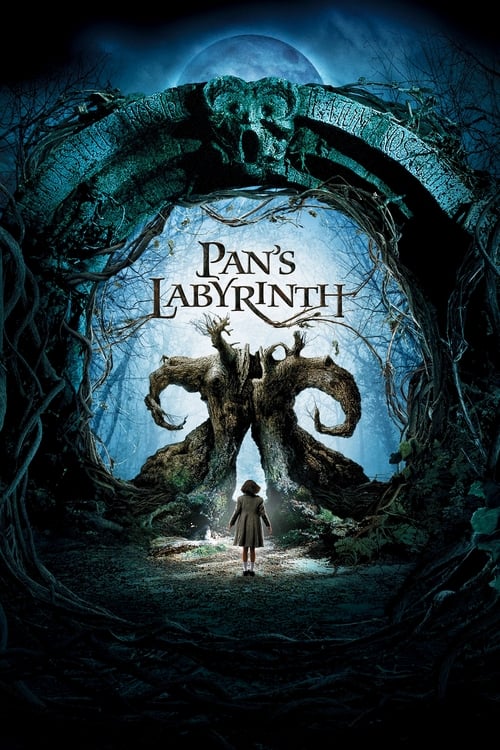
The one that holds up better than almost anything else
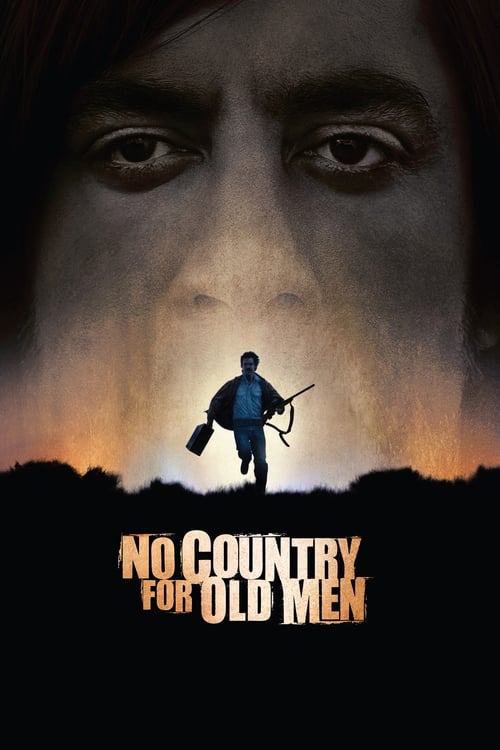
No Country for Old Men looked like a crime thriller in 2007. It reads now as something closer to a philosophical argument about whether the world was ever less cruel than it is. Javier Bardem's Anton Chigurh stopped being a movie villain a long time ago; he became a way of thinking about randomness and consequence. The Coens have made more celebrated films and more beloved films, but nothing they have done before or since lands with quite this kind of permanence.
The awards players
What the Academy got right, and occasionally wrong



The worst Best Picture winner of the decade, by a distance
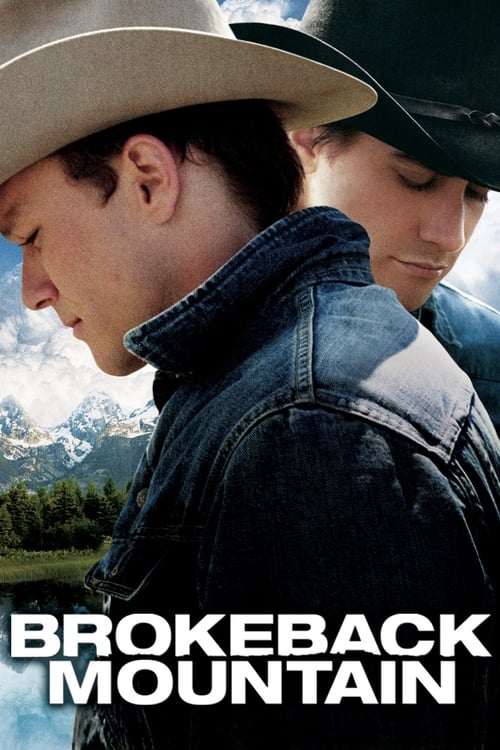
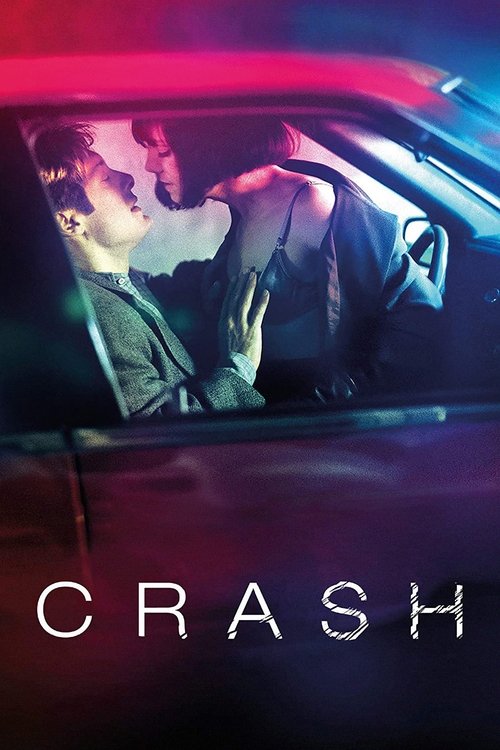
Crash beating Brokeback Mountain for Best Picture at the 2006 Oscars is the decade's defining awards injustice. Paul Haggis's film is not bad exactly; it is schematic, its coincidences straining at the seams, its racial politics working too hard to distribute blame and absolution in equal portions. Brokeback Mountain is one of the great American love stories, full stop. The Academy's choice said more about Hollywood's discomfort with Ang Lee's film than about its actual quality. Both films exist. One of them is still watched.
The critical darlings
Films the press loved first and audiences eventually caught up with

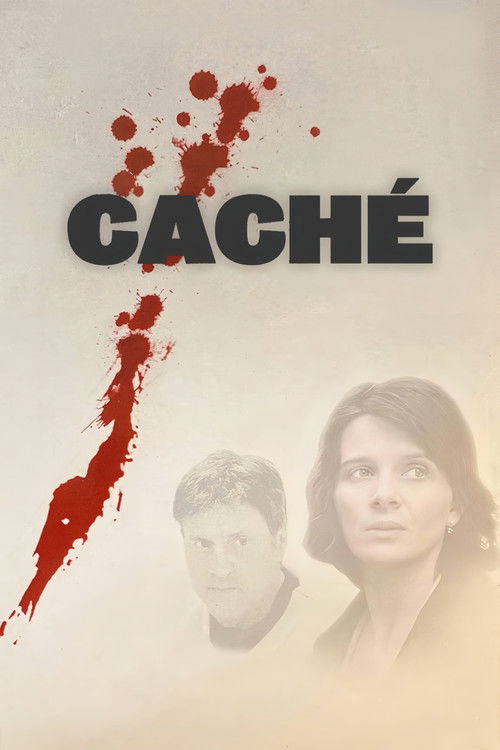
The 2000s were the last decade before streaming atomized the audience. Everyone watched The Dark Knight together. That shared experience already feels historical.CrossBinge editors
The blockbusters that had a brain
Mainstream cinema at its most ambitious
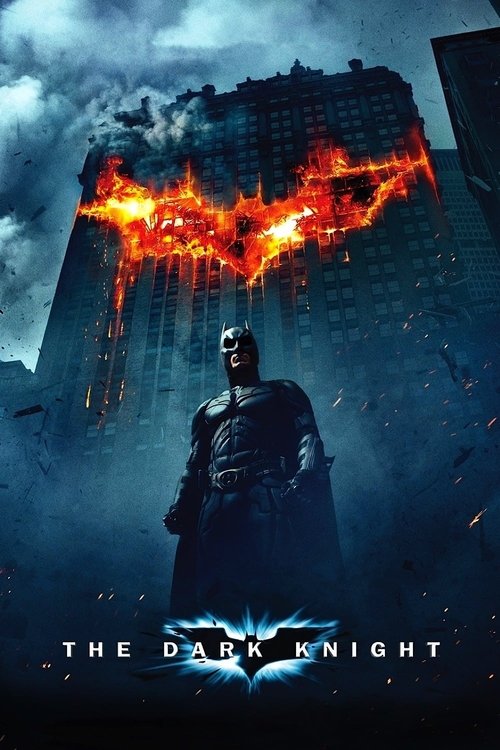
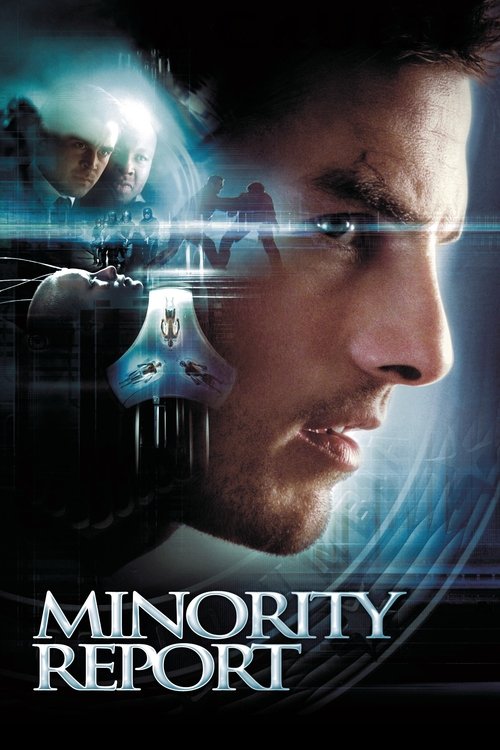
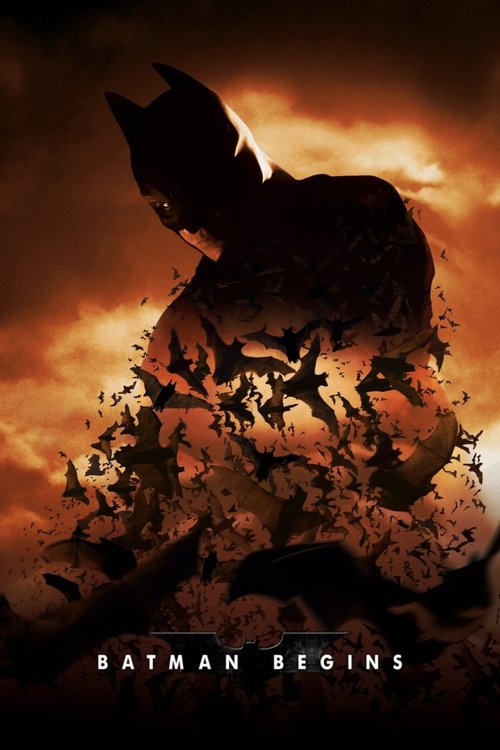


The Pixar film that deserves to be called a masterpiece without qualification
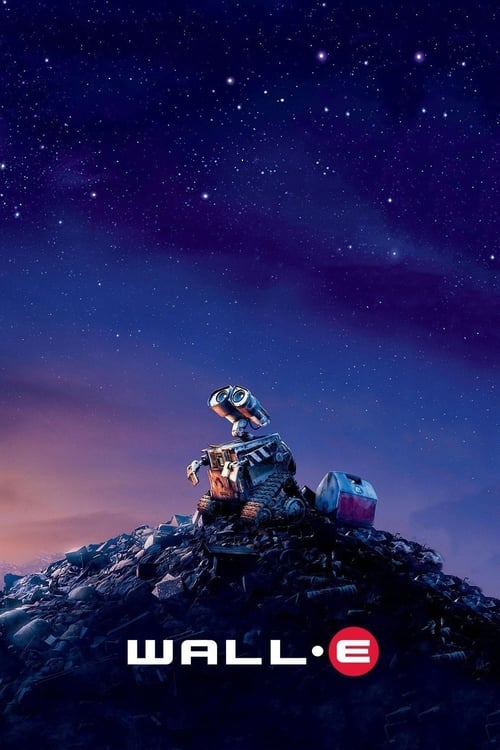
Wall-E is Pixar's most formally daring film and, depending on the day, its best. The first forty minutes are essentially a silent film, building a world through image and sound design alone. That Pixar made this, got it distributed by Disney, and watched it gross nearly $530 million worldwide is one of the stranger success stories in studio history. The romance at its center is genuinely moving. The satire of consumer culture is not subtle, and it does not need to be.
The decade, year by year
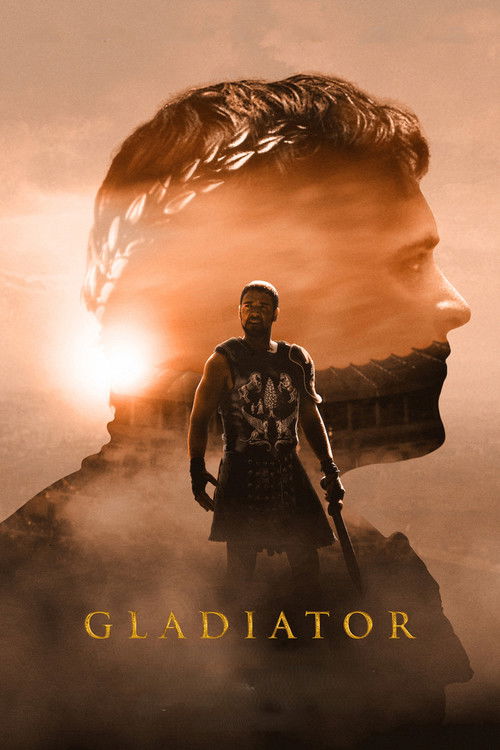
- 2000Ridley Scott's epic anchors the year Gladiator
- 2000Wong Kar-wai's finest hour In the Mood for Love
- 2001Middle-earth arrives The Lord of the Rings: The Fellowship of the Ring
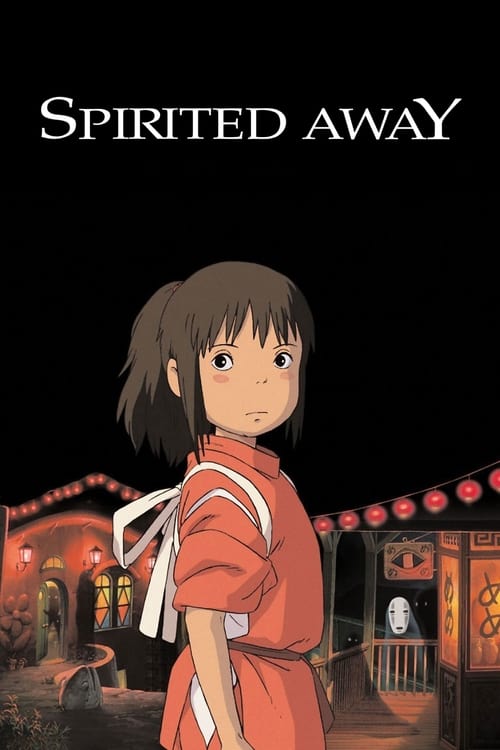
- 2001Miyazaki at the height of his powers Spirited Away
- 2001Nolan announces himself Memento
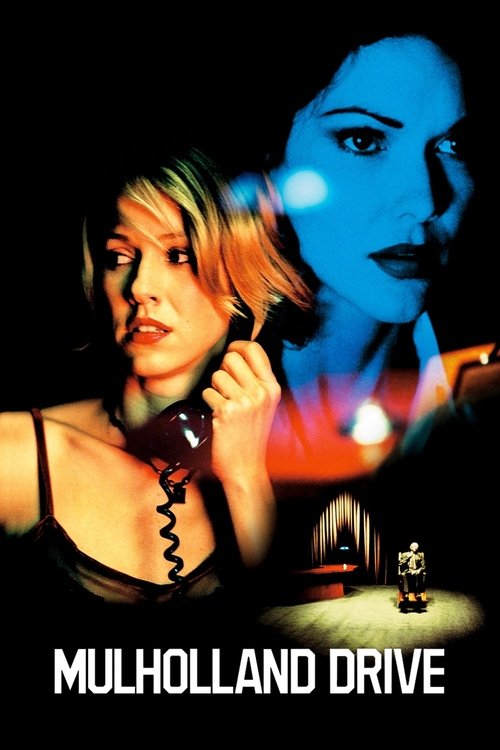
- 2001Lynch rewrites the rules of narrative Mulholland Drive
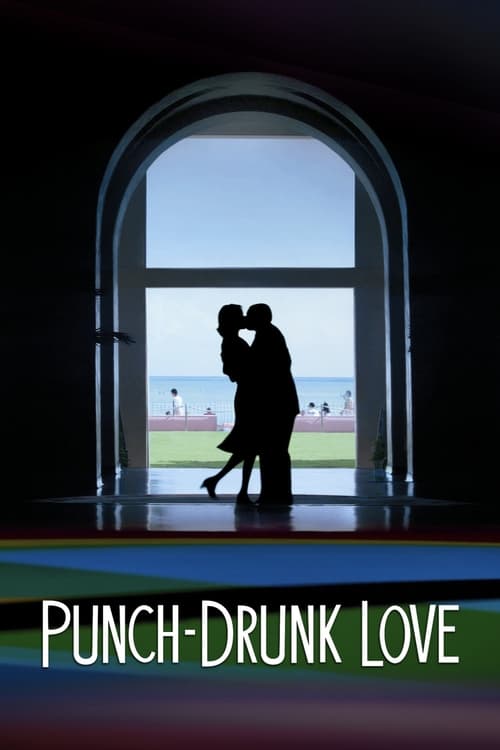
- 2002Punch-drunk beauty Punch-Drunk Love
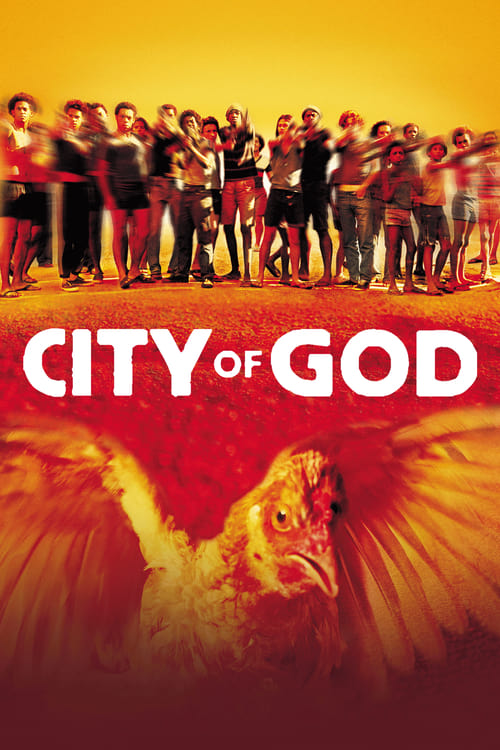
- 2002Meirelles captures the chaos and grace of Rio City of God
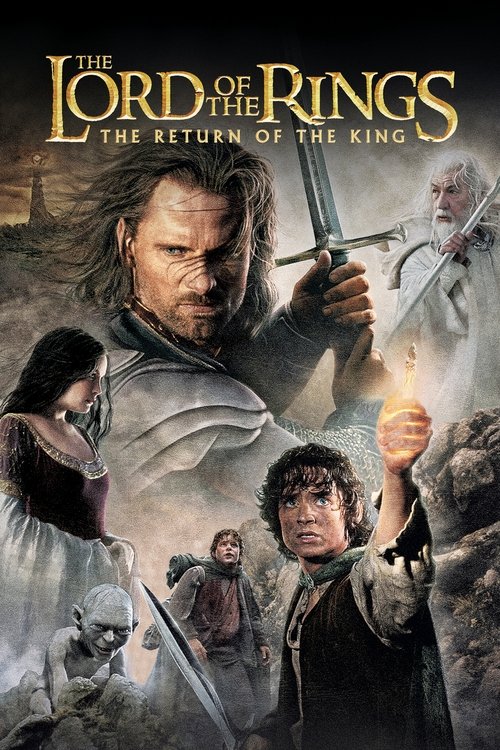
- 2003The trilogy ends The Lord of the Rings: The Return of the King
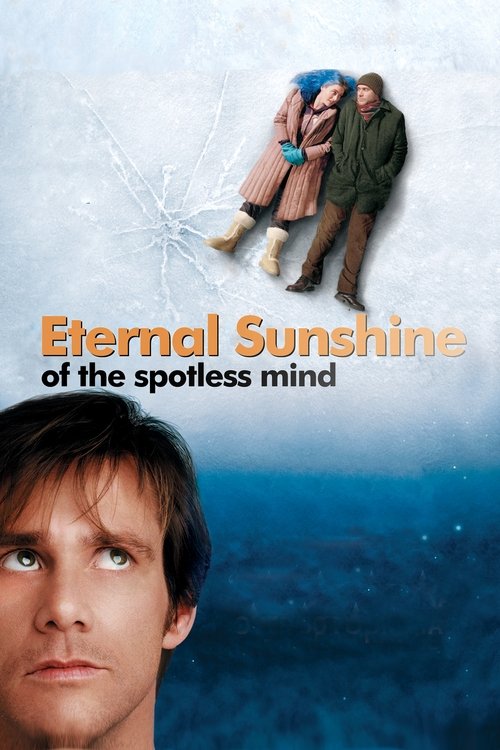
- 2004The memory-erasure love story Eternal Sunshine of the Spotless Mind
- 2005Del Toro builds a fairytale from the Spanish Civil War Pan's Labyrinth
- 2005The great American road movie for a new era Brokeback Mountain
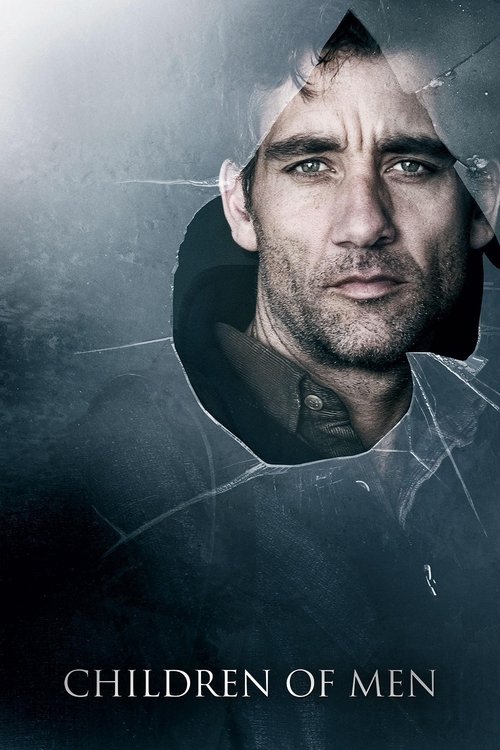
- 2006Cuaron reinvents the chase film Children of Men
- 2006Scorsese finally takes home the Oscar The Departed
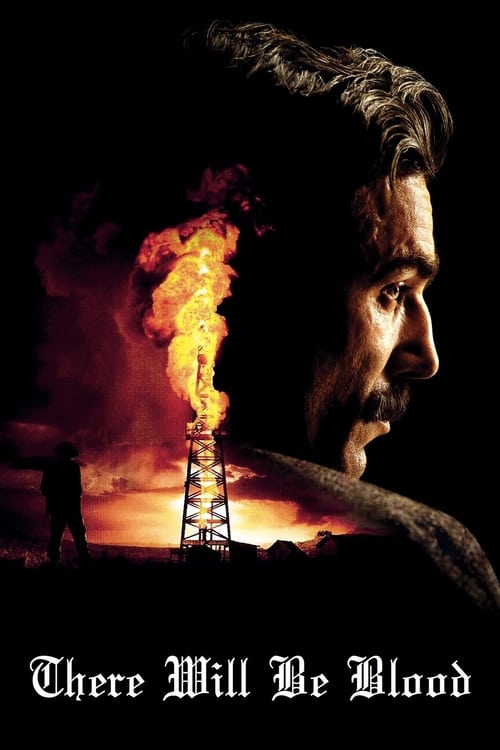
- 2007PTA and the Coens trade blows for the ages There Will Be Blood
- 2007The other great film of 2007 No Country for Old Men
- 2008The superhero film that broke the genre open The Dark Knight
- 2008Pixar's most formally ambitious film WALL·E
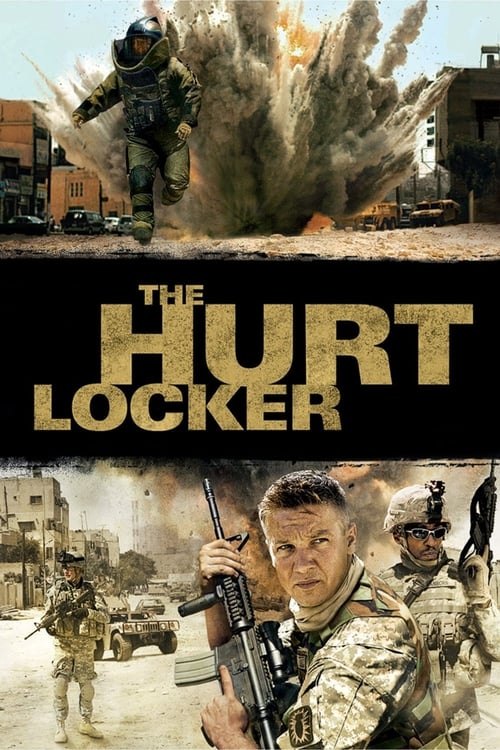
- 2009Bigelow becomes the first woman to win Best Director The Hurt Locker
Overlooked at the time
Films that deserved far more noise when they came out

The snub that still stings
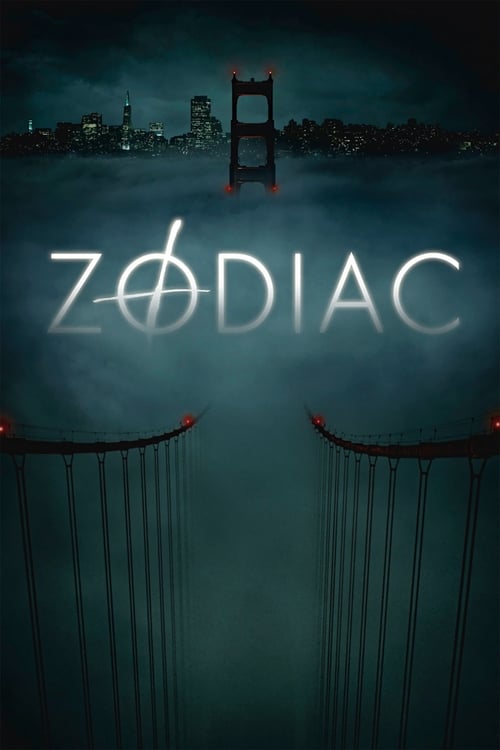
Zodiac received no major Oscar nominations. David Fincher's procedural is arguably the best film he has ever made: disciplined, patient, unwilling to give the audience the catharsis it keeps expecting. It takes obsession seriously as a subject rather than romanticizing it. The Academy that year was nominating No Country for Old Men and There Will Be Blood (correctly), which means the two best films of the decade were both on the ballot while Zodiac, which belongs in that conversation, got nothing.
Genre films that earned their place in the canon
Horror, animation, sci-fi, and action at their best



What the Decade Got Right
The 2000s produced more genuinely ambitious studio films than any comparable stretch since the 1970s. Directors like Alfonso Cuaron, David Fincher, and Christopher Nolan were given budgets to make films with real ideas inside them. Children of Men cost $76 million and contains some of the most formally inventive cinematography in studio history. The Dark Knight cost $185 million and asked its audience to sit with moral ambiguity for two and a half hours. That this was commercially viable, even temporarily, now seems like a specific historical condition that will not repeat.
The decade also belonged to auteur cinema in a way the 1990s only partly managed. Paul Thomas Anderson went from Boogie Nights to Magnolia to Punch-Drunk Love to There Will Be Blood in a single decade. Wes Anderson's first four features define a sensibility so precisely that the word Andersonian entered the language. Not all of these films are equally great, but the ambition is consistent and the best of them are irreplaceable.