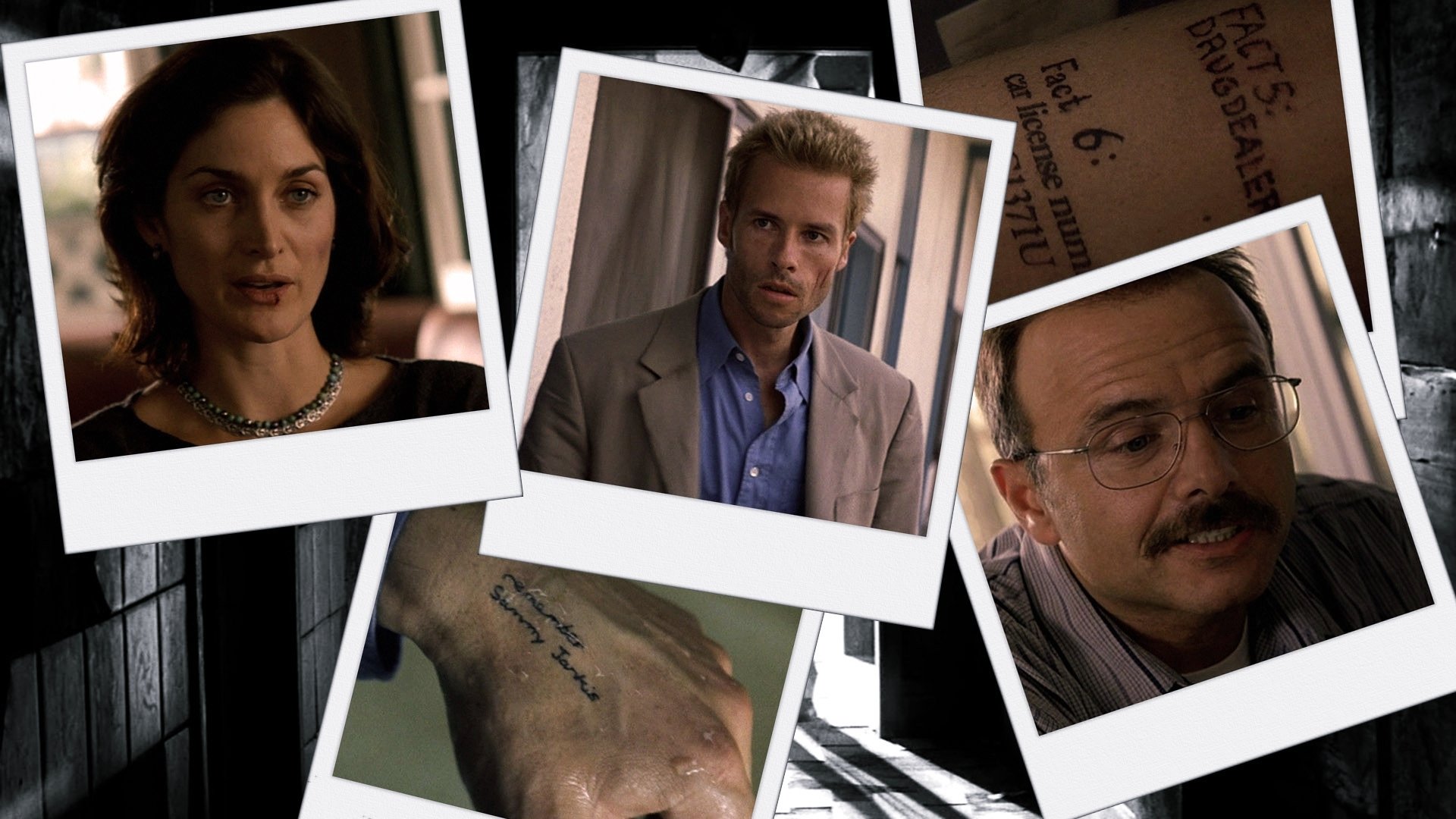

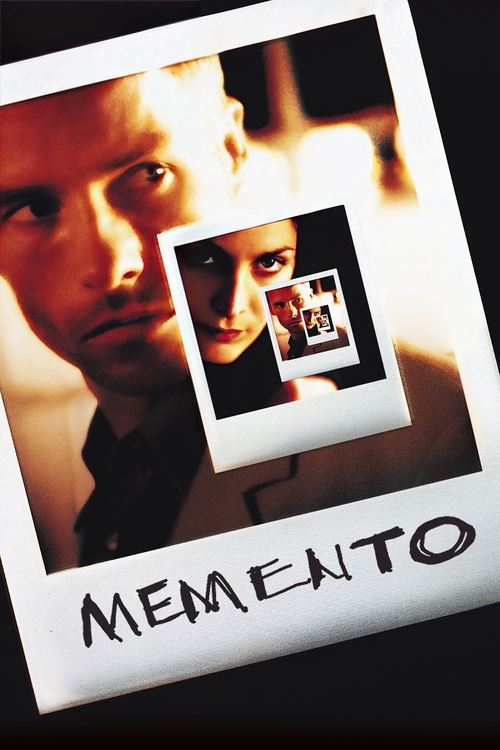
Christopher Nolan's 2000 breakthrough does something few films dare: it makes you feel the disability of its protagonist rather than just observe it. Leonard Shelby cannot form new memories. He tattoos facts onto his skin and writes notes on Polaroids because nothing else will stick. The film runs backward, so you share his disorientation, piecing together causality in reverse while the people around him exploit the gap between what he knows and what he thinks he knows. What a Memento fan chases is that specific combination: structural audacity that illuminates character, a story in which the unreliable narrator is unreliable to himself, and a moral core that gets more disturbing the clearer it becomes. The films, series, books, and games below all traffic in that same unsettled zone where perception, identity, and truth come apart.
Essential Nolan
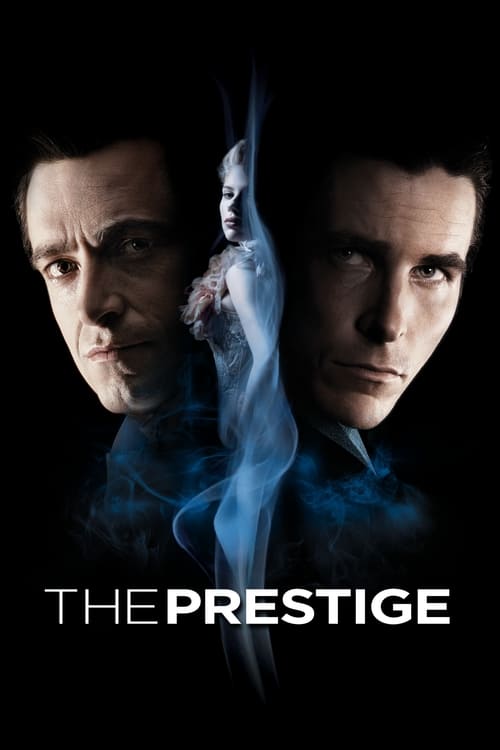
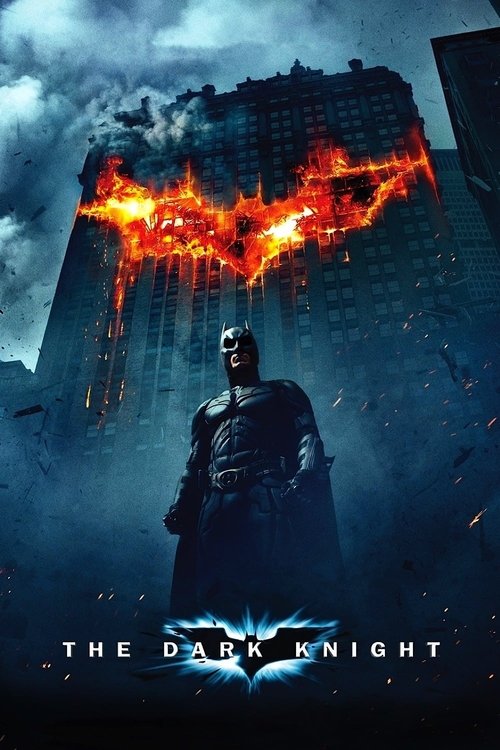
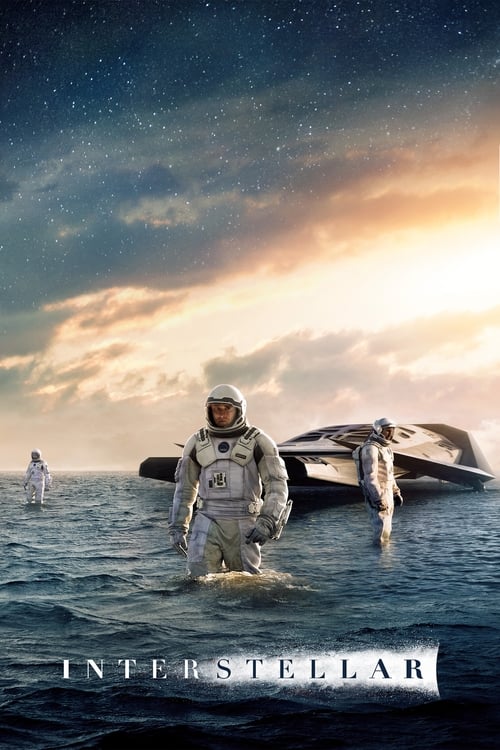
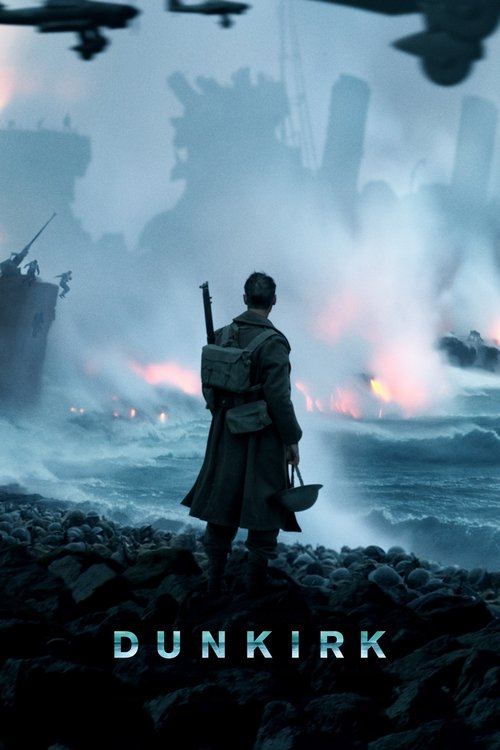
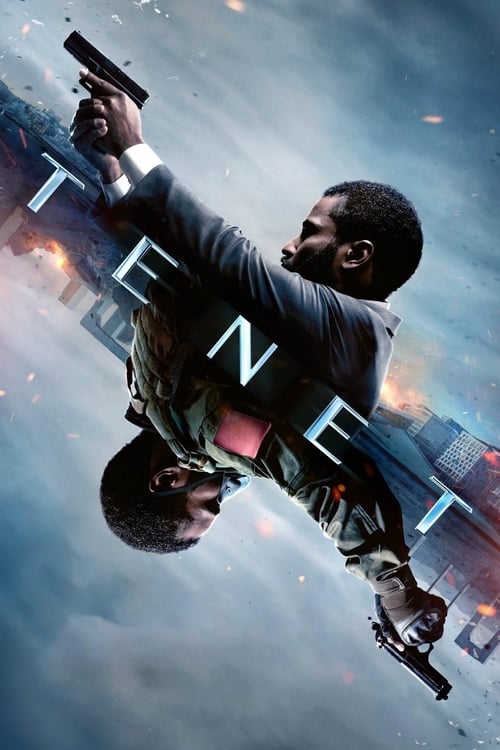
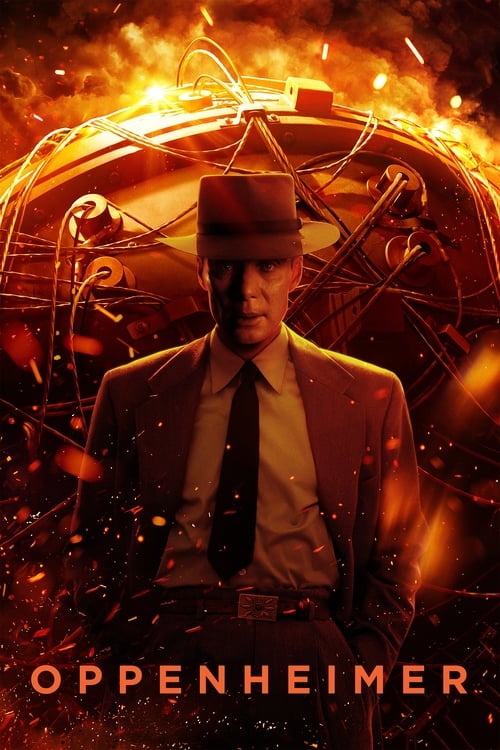
The director's own key films, each a formal puzzle with an emotional charge underneath
Same-Vibe Films: Identity Under Siege
Standalone films that fracture time, memory, or selfhood as a formal and moral instrument



Series That Play the Same Game
TV that weaponizes structure, unreliable narration, or fragmented time to implicate the viewer


Books: Memory as Weapon and Wound
Novels where an unreliable or failing mind is both the subject and the narrative engine


Games: Playing an Unreliable Mind
Games that use structure, perspective, or identity fragmentation as core mechanics

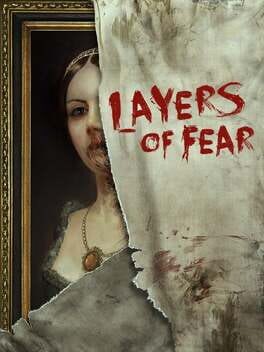
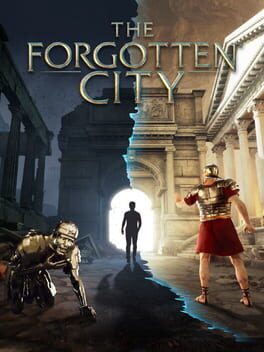
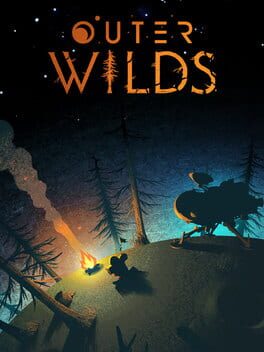
The Score and the Silence
David Julyan's ambient score for Memento, and music that creates the same unease
The Twist Is Not the Point
Memento is routinely categorized as a puzzle film, something to be solved on a second viewing once you know the ending. That reading undersells it. The film is not withholding a secret so you can feel clever when you find it. It is arguing that the stories we tell ourselves about who we are and what we have done are constructions, shaped by desire and need as much as by fact. Leonard's condition is extreme, but the question it poses applies to everyone: if memory is fallible and self-serving, what is identity built on? The formal backward structure makes that argument visceral rather than abstract. You do not watch Leonard be deceived. You share the deception.
Nolan Before the Scale
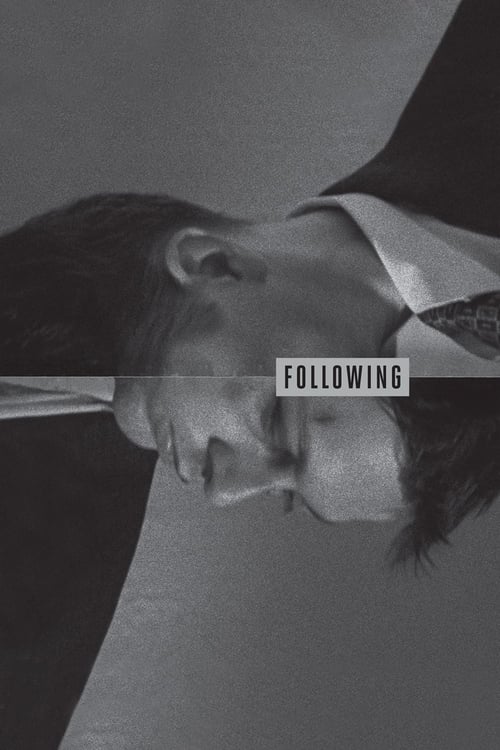
Following, shot for roughly six thousand dollars over a year of weekends, is Nolan in the same mode as Memento: small cast, non-linear structure, a protagonist being manipulated by someone who sees him more clearly than he sees himself. Watching it after Memento clarifies what the director was actually building toward. The obsessions were there from the beginning, the budget just prevented the distractions. Both films reward viewers who are willing to reconstruct events in their own heads rather than be guided through them.
Disco Elysium Is Memento as an RPG
Disco Elysium gives you a detective who wakes up with no memory of who he is. You piece together his identity from dialogue choices and the reaction of people around him, and those choices actually determine what kind of person he becomes. The game understands what Memento understands: that selfhood is not discovered, it is assembled from the evidence available. Both works are also genuinely funny in a pitch-black way, which is harder to pull off than it looks when your subject matter is a man with no stable self.
Before I Go to Sleep: The Same Premise, Different Register
S.J. Watson's novel uses anterograde amnesia almost identically to Memento, but where the film is cold and architecturally precise, the book is warm and domestic, which makes the paranoia underneath all the more unsettling. Christine wakes every morning with no memory of the last two decades. She keeps a journal. The people around her may or may not be who they say they are. It was adapted into a film in 2014 with Nicole Kidman. The novel is more patient, more intimate, and the dread builds differently.
Milestones in Fractured Narrative Film
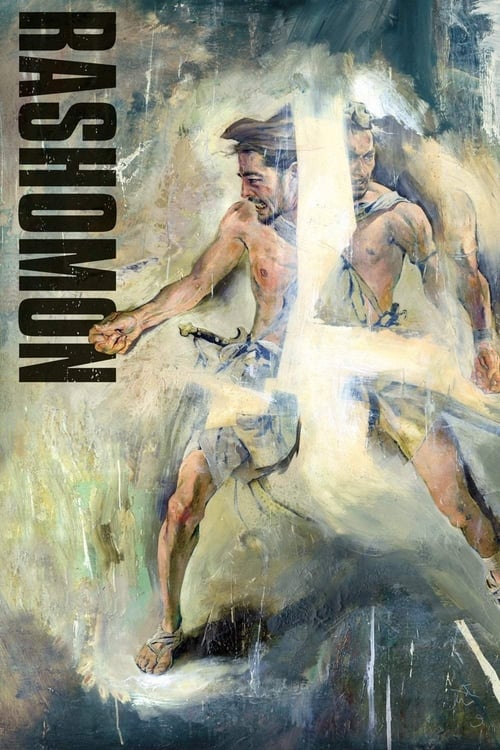
- 1950Rashomon establishes the multi-perspective unreliable narrator as a cinematic form Rashomon
- 1962Last Year at Marienbad makes non-linear time a formal experiment in European art cinema Last Year at Marienbad
- 1994Pulp Fiction's fragmented chronology enters the mainstream and spawns imitators Pulp Fiction
- 1996Fight Club's novel by Chuck Palahniuk introduces its famous unreliable narrator to readers
- 1998Following, Nolan's debut, introduces his obsession with manipulation and non-linear structure Following
- 2000Memento opens to critical acclaim and redefines what a psychological thriller can do structurally Memento
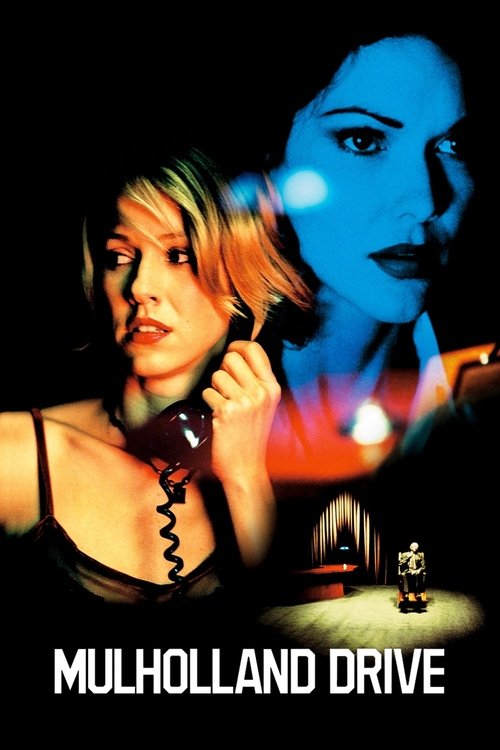
- 2001Mulholland Drive collapses identity and desire into one of cinema's great unresolved puzzles Mulholland Drive
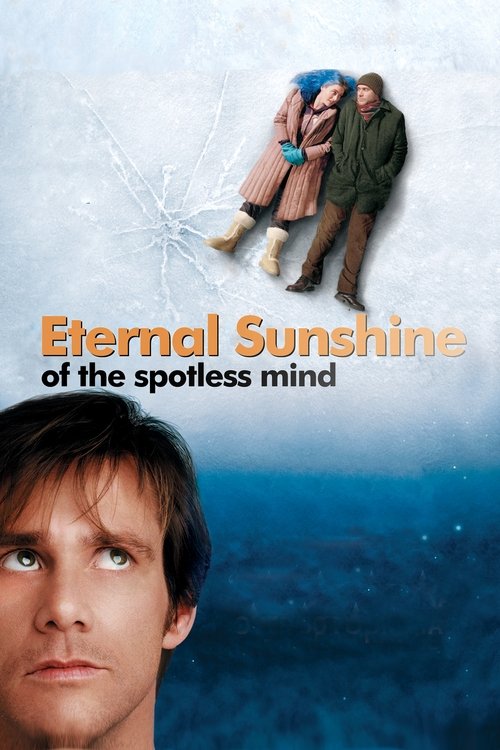
- 2004Eternal Sunshine of the Spotless Mind makes erased memory romantic and devastating Eternal Sunshine of the Spotless Mind
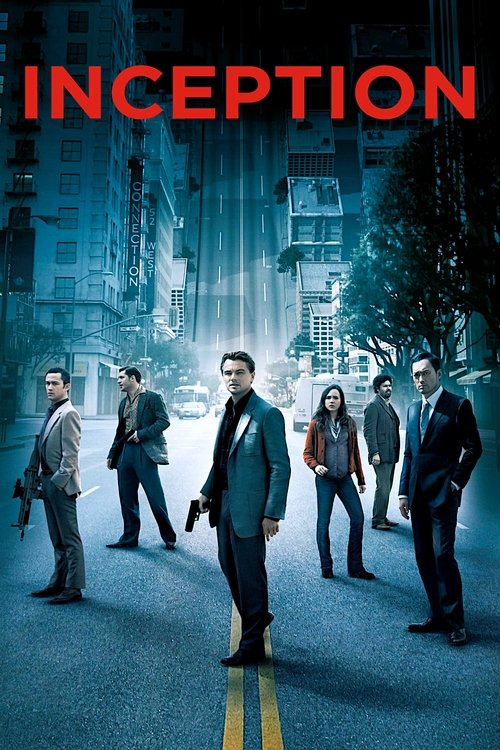
- 2010Inception takes dream-layer structure to blockbuster scale Inception
- 2019Disco Elysium brings the amnesiac detective puzzle to games with full RPG depth Disco Elysium
Broken memory and untrustworthy identity
Amnesia & Memory
Explore the Amnesia & Memory guide →Memory can change the shape of a room; it can change the color of a car. And memories can be distorted. They're just an interpretation, they're not a record.Leonard Shelby, Memento (2000)