

The Decade That Built Everything
There is a reason every subsequent decade in gaming is measured against the 1980s. Not because those games were polished, or accessible, or even finished in any modern sense. They weren't. They were frequently opaque, often punishing, and delivered on hardware that could barely hold the idea together. What they had instead was necessity: designers who could not fall back on convention because convention didn't exist yet.
Pac-Man taught crowds to want games. Donkey Kong invented the platform genre in a single cabinet. Ultima III and Wizardry sketched the role-playing vocabulary that Final Fantasy and Dragon Quest would popularize by decade's end. Tetris arrived from behind the Iron Curtain and proved that the most enduring games might have no theme at all. By 1989 the industry had lived through an almost-fatal crash and been resurrected by a stubborn Nintendo product from Kyoto. Ten years, two hardware generations, and a complete reinvention of what playing a game could mean.
The Monuments
Games that defined the decade for everyone, not just enthusiasts

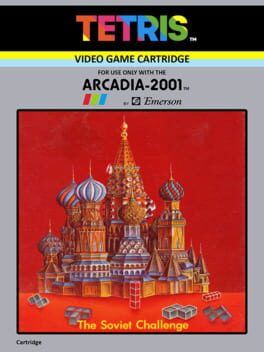


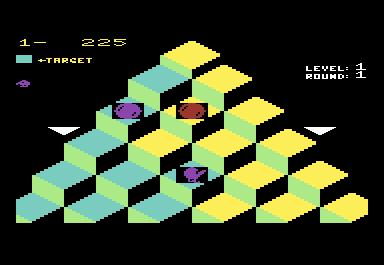
Tetris is the most important game ever made, full stop
People argue for Super Mario Bros. on the grounds of cultural reach, and they are not wrong to. But Tetris is the game that demolished every remaining excuse for not playing games. No avatars, no story, no genre knowledge required. Just a Soviet mathematician's spatial intuition and a loop so perfectly calibrated that it still produces genuine anxiety in players forty years on. Every mobile game that followed owes it a debt. So does every indie game that dared to strip a concept down to its irreducible core.
The RPG Founding Documents
Before Final Fantasy there was a whole other conversation happening


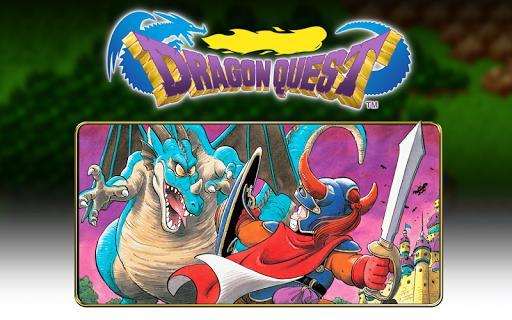
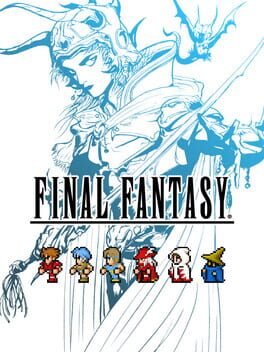
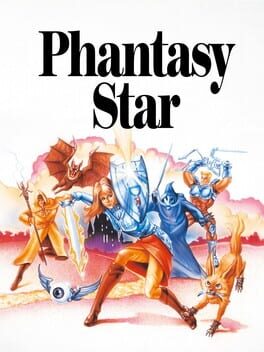
Ultima IV is still the most morally serious game anyone has made
Most RPGs in 1985 asked you to kill the evil lord. Richard Garriott asked you instead to become a better person, codifying eight virtues as the actual win condition. It sounds earnest to the point of embarrassment, and in the wrong hands it would have been. But Ultima IV meant it. The game watches how you treat NPCs you think are irrelevant and how you react when no one is looking. No designer had done anything like it before and, honestly, very few have done it as rigorously since.
The Arcade Golden Age
Coins, crowds, and a competition-grade skill ceiling
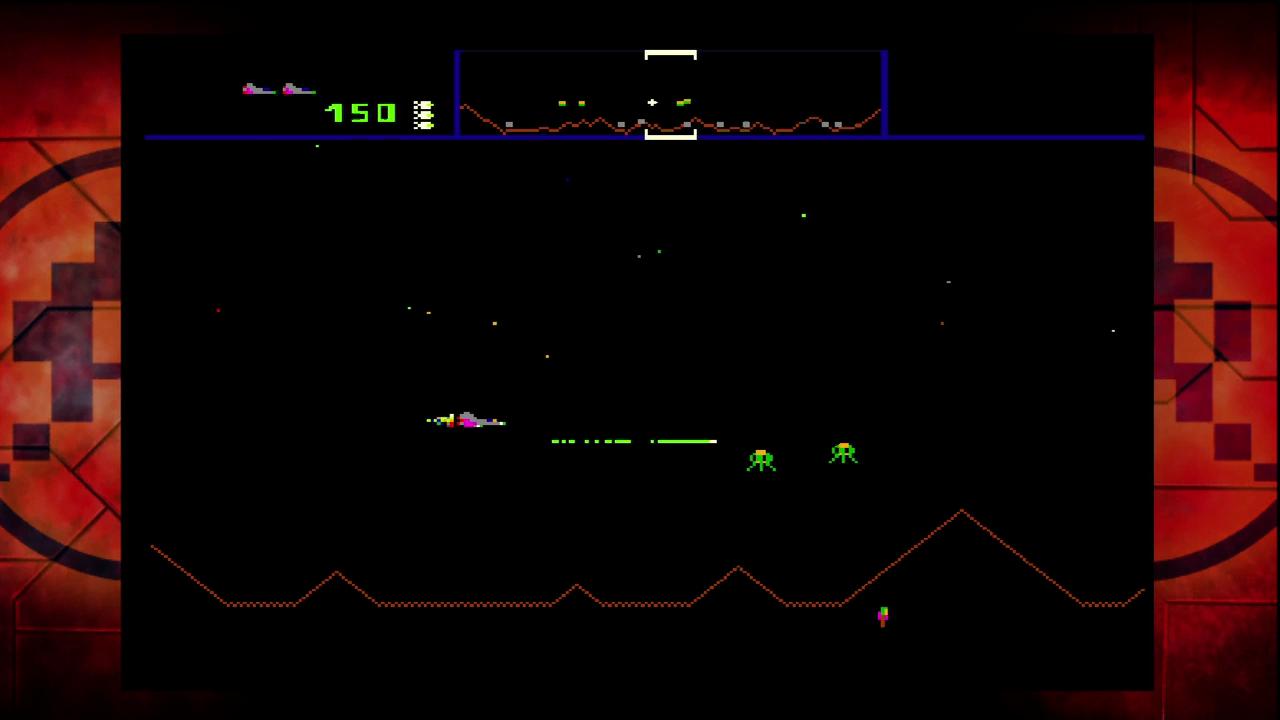

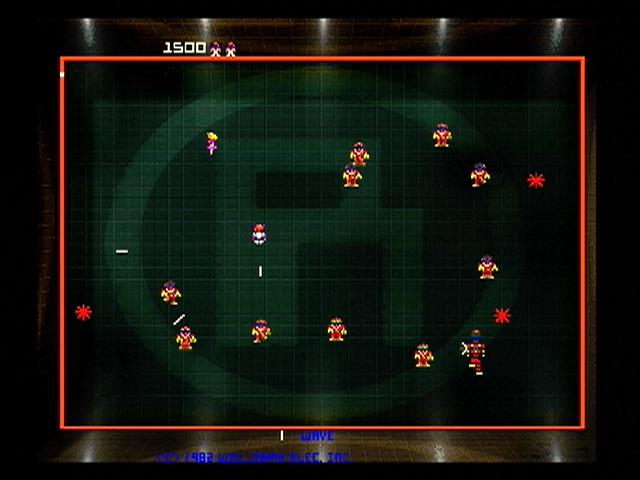


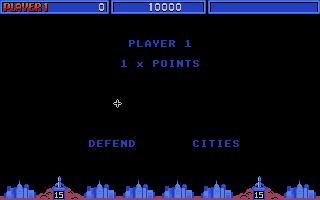
Defender expected you to fail. That was the point. Every wave was a negotiation between your reflexes and the machine's contempt.CrossBinge editorial
The Decade in Milestones
- 1980Pac-Man arrives in arcades; the celebrity game is born Pac-Man
- 1981Donkey Kong invents the platformer; Mario makes his debut
- 1983The North American video game crash wipes out Atari's dominance
- 1984Tetris written in Moscow; won't reach the West for years Tetris
- 1985Super Mario Bros. ships with the Famicom/NES; the industry is reborn
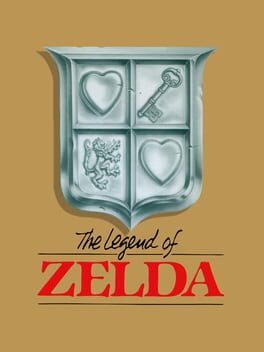
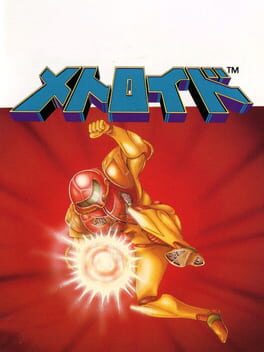
- 1986The Legend of Zelda and Metroid arrive; exploration-led design becomes a genre The Legend of Zelda
- 1987Final Fantasy and Dragon Quest establish Japanese RPG conventions Final Fantasy
- 1988Mega Man 2 sets the series peak; action-platformer design crystallizes Mega Man 2 (1988)
- 1989Game Boy launches with Tetris bundled; handheld gaming goes mainstream Tetris
The Home Computer Canon
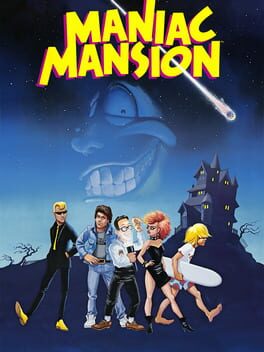
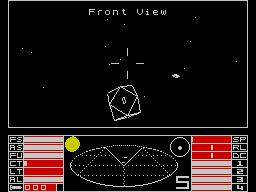
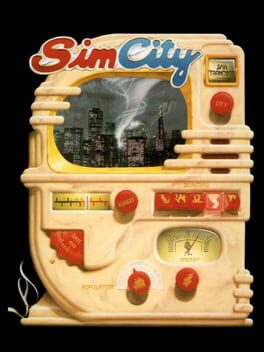
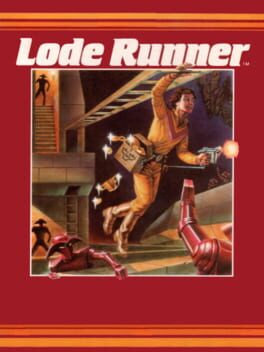
C64, Apple II, Amiga, Atari ST: a parallel gaming universe the console crowd often missed

The NES Library That Held Up
Not every great 8-bit game was a first-party Nintendo title




Mega Man 2 aged better than almost anything else on the NES
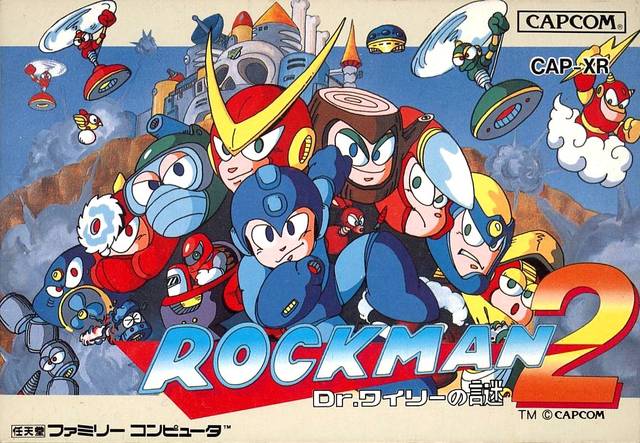
The original Mega Man was good. The third was ambitious. But Mega Man 2 is the one that still plays cleanly: the eight Robot Master stages are each a distinct mechanical argument, the weapon system rewards experimentation rather than demanding it, and the difficulty is hard without being arbitrary. Pick it up today and it still teaches you its rules rather than punishing you for not already knowing them. That is rarer than it sounds for an 8-bit action game, and it is why the sequel conversation for this series always comes back to 2.
Elite had no story, no cutscenes, and no hand-holding. It handed you a universe and left. In 1984, that was either madness or genius; history settled the question.CrossBinge editorial
The Crash and the Comeback
The North American video game crash of 1983 is sometimes treated as a cautionary tale about the dangers of a flooded market, and it is that. But it also cleared the ground. The companies and games that survived did so because they were genuinely better, or genuinely different. Nintendo's lockout chip and strict licensing regime were anti-competitive, yes. They also produced a library of unusual consistency.
By 1989 the Game Boy had arrived with Tetris in the box and the decade closed with a medium that had survived its own near-extinction, developed coherent genres, produced its first genuine auteurs (Shigeru Miyamoto, Richard Garriott, Jeff Minter, Eugene Jarvis), and proved that games could be art, sport, and social glue simultaneously. The 1990s would get the credit for growing up. The 1980s did the harder work of figuring out what growing up meant.