
The canon is longer than you think.
Every few years someone publishes a ranked list of the greatest games ever made, and every few years the same twenty titles shuffle their positions like a polite queue. Ocarina of Time sits at one, Super Mario Bros. edges up, a recent PlayStation exclusive crashes the top ten on release-week enthusiasm and quietly retreats to forty. The problem is not the games on those lists. The problem is the list-making habit itself: the urge to compress sixty years of an artform into a leaderboard. What follows is something different. It is an argument, made in carousels and opinions and one very pointed timeline, about which games actually changed things, which ones the conversation keeps getting wrong, and which ones you should be playing right now instead of reading about them.
The undeniable heavyweights
Games that appear on every credible list for good reason
The one that actually invented the modern open world
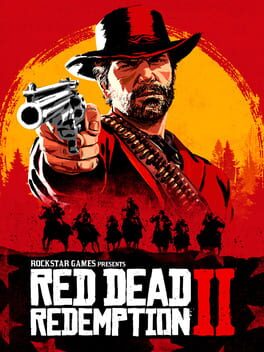
Red Dead Redemption 2 is the game the industry keeps describing and then failing to discuss honestly. It sold on spectacle but its real achievement is in friction: the deliberate slowness of Arthur Morgan's movement, the weight of every interaction. Critics praised the fidelity and quietly complained that it felt like a chore to play. That complaint is the point. The discomfort is load-bearing. No open-world game before or since has made the player feel the cost of violence rather than just its aesthetics.
The crowd favorites that held up
Beloved on release, still standing decades later
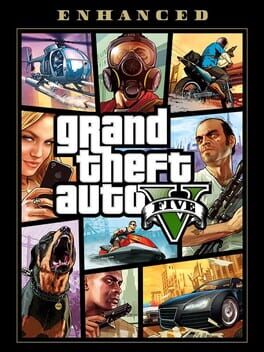
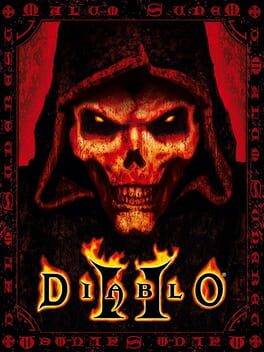
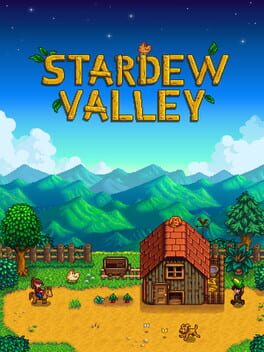


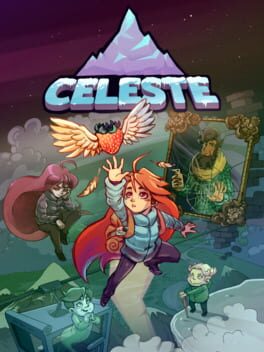
The most overrated game in the canon
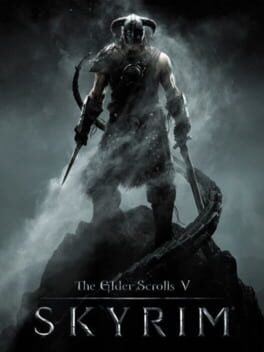
Skyrim is not a great game. It is a great place. The writing is thin, the combat is a button held down, the quest design peaked somewhere around the Thieves Guild and then mostly went sideways. What Bethesda built was not a masterpiece of craft but a masterpiece of invitation: a world capacious enough that players authored their own stories inside the gaps the designers left. That is a real achievement. It is just not the same achievement as making a great game, and conflating the two has given the industry permission to ship a dozen empty open worlds since.
Sixty years of invention: the moments that changed everything
- 1972Pong establishes the commercial arcade Pongo
- 1980Pac-Man crosses into mainstream culture Pac-Man
- 1985Super Mario Bros. rescues a crashed industry
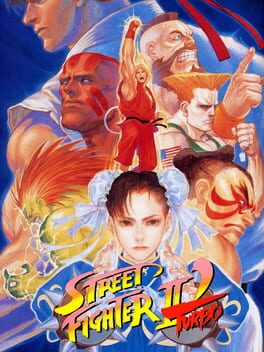
- 1991Street Fighter II defines competitive gaming Street Fighter II' Turbo
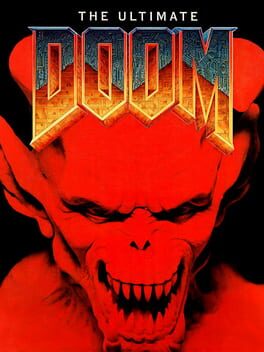
- 1993Doom popularizes the first-person shooter and direct distribution The Ultimate Doom
- 1994Chrono Trigger perfects the JRPG before the genre knew what it was
- 1996Super Mario 64 invents 3D platformer grammar Super Mario 64
- 1998Ocarina of Time sets the 3D action-adventure template The Legend of Zelda: Ocarina of Time
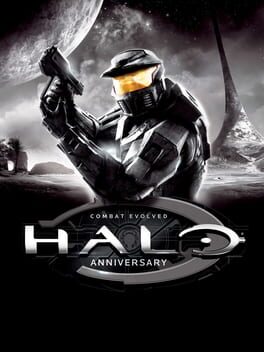
- 2001Halo legitimizes console shooters Halo: Combat Evolved Anniversary
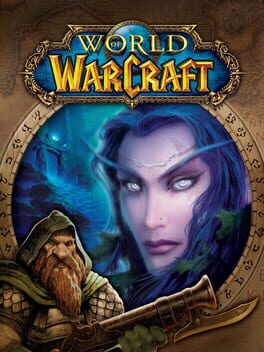
- 2004World of Warcraft makes online worlds a mass medium World of Warcraft
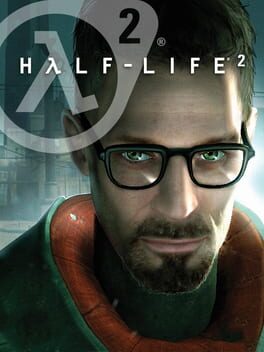
- 2004Half-Life 2 resets expectations for environmental storytelling Half-Life 2
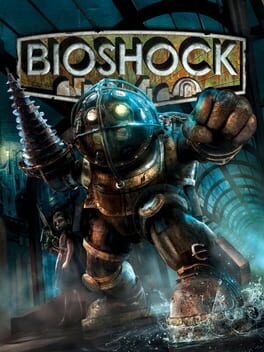
- 2007BioShock proves shooters can carry philosophical weight BioShock
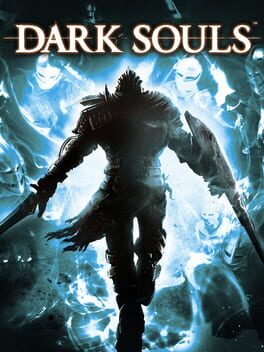
- 2011Dark Souls builds a genre out of principled difficulty Dark Souls
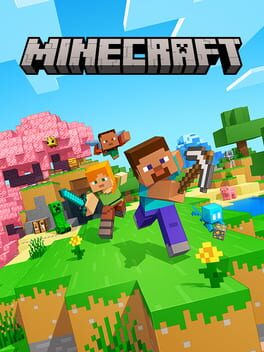
- 2011Minecraft becomes the biggest game in history on its own terms Minecraft
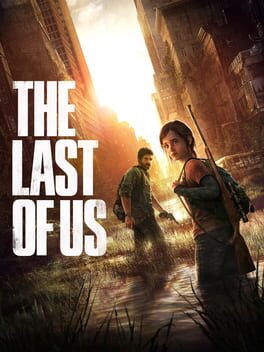
- 2013The Last of Us collapses the distance between game and prestige drama The Last of Us
- 2017Breath of the Wild reinvents open-world design from first principles The Legend of Zelda: Breath of the Wild
- 2020Hades proves rogue-likes can have real narrative arcs Hades
The critical darlings that deserve their reputation
Games that the press got right
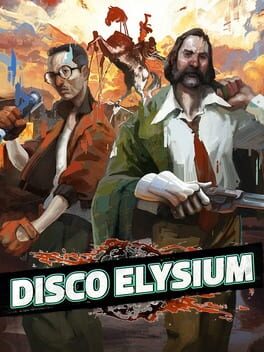
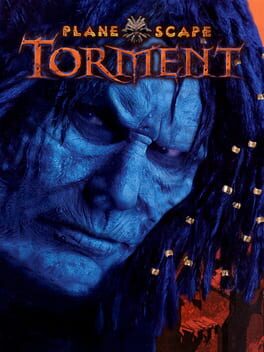
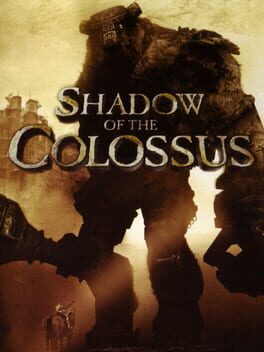
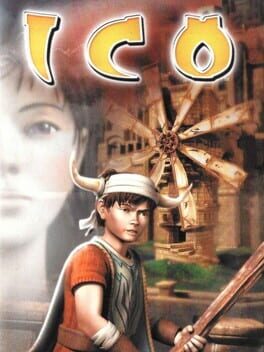
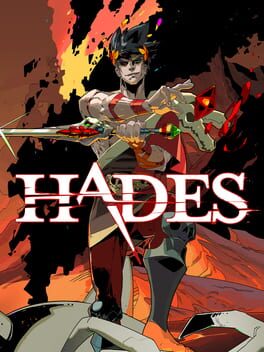

Disco Elysium is the only game in history where failing a skill check can make the story richer.On ZA/UM's 2019 masterpiece
The snub that still stings
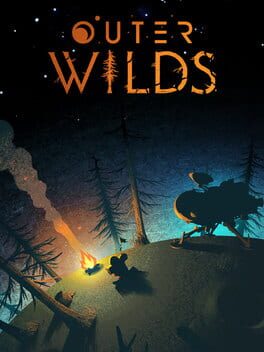
Outer Wilds won one BAFTA and was broadly absent from game-of-the-year discussions in 2019, the year it released. It is, without much argument, the most complete expression of curiosity as a game mechanic ever made. Its central mystery is constructed so precisely that solving it requires nothing except paying attention. No skill check. No combat ability. Just willingness to look. The fact that a game this formally perfect lost major awards to louder, longer, more expensive products says something unflattering about how the industry still calibrates prestige.
The bold swings
Games that made a bet the industry said was wrong
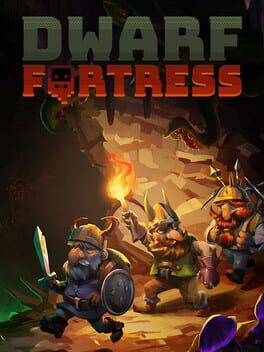
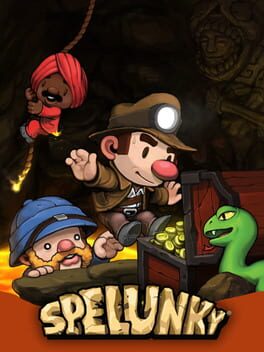

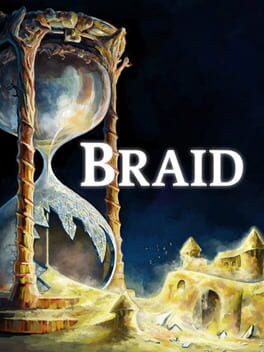
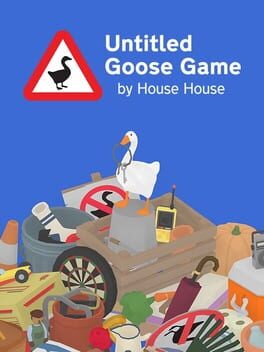
Overlooked at the time, essential in hindsight
Games that landed without fanfare and built their reputations slowly
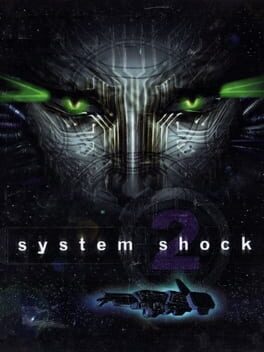
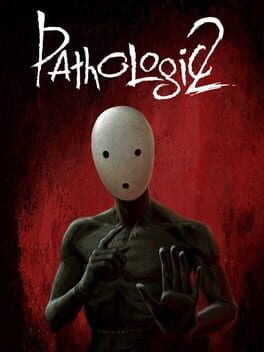
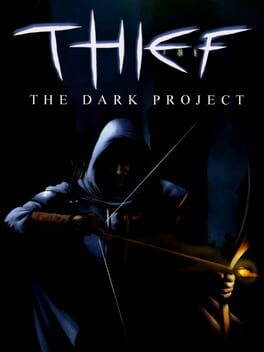
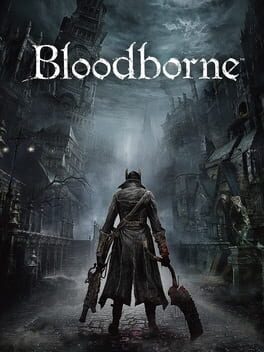
The one that aged best
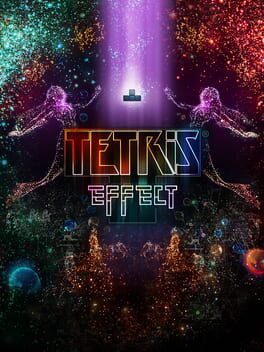
Tetris is the only game on any all-time list that is genuinely timeless in the sense that no iteration of the hardware it runs on is a worse or better version of the experience. The rules fit in one sentence. The skill ceiling is unreachable. Forty-five years on, a world-class player can do things with those seven pieces that look impossible, and a first-timer understands the objective within thirty seconds. No sequel has improved it. The closest anything came was Tetris Effect, which had the good sense to leave the core alone and simply make it more beautiful.
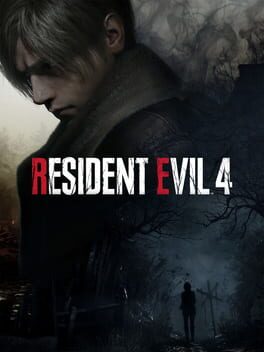
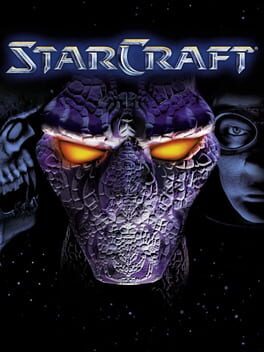
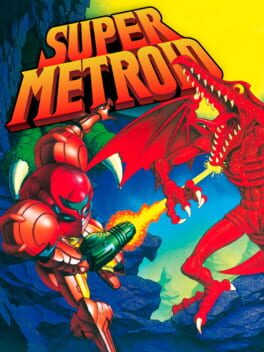
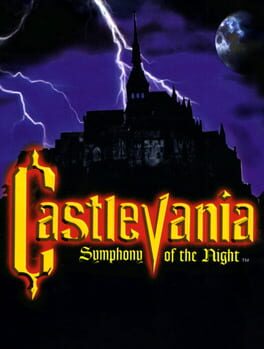
Genre-defining: the games that built a template others still use
Every game in their category owes them something
The JRPGs the canon keeps underselling
Chrono Trigger and its peers deserve to be named, not footnoted

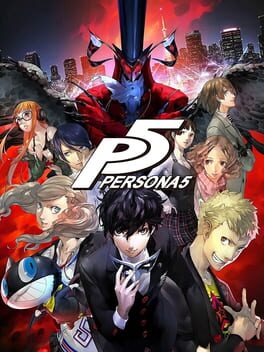
What the list is still missing.
Any all-time list is an argument, and arguments have blindspots. This one probably underweights simulation and strategy: Civilization II, SimCity 2000, and Dwarf Fortress each created a form of play that nothing else replicated. The JRPG canon gets its own carousel above because listing Chrono Trigger and Final Fantasy VI in a closing paragraph as gracious omissions, rather than putting them where they belong, is exactly the kind of respectful dismissal that keeps great games just outside the conversation. The canon is not settled. It is not supposed to be.