
The decade that rewrote the rules
Somewhere around 2002, television stopped apologizing for itself. The procedurals and sitcoms were still there, still printing money, but on the margins something else was happening: writers who had been told their ideas were too dark, too slow, too strange were finding homes on HBO, FX, and AMC. By the end of the decade, the shows that had been called unmarketable were the ones everyone was arguing about at work on Monday morning.
This is a guide to that moment. Not a ranking, not a syllabus, but an honest editorial reckoning with what the 2000s actually produced: the genuine masterworks, the beloved crowd-pleasers, the critical darlings that casual audiences never found, and the ones that swung so hard they still divide rooms. Some of these shows aired their last episode before Twitter existed. A few of them invented the very vocabulary we use to talk about prestige television. All of them matter.
The unmissable heavyweights
The shows that defined the decade's ambition and still anchor every serious conversation about TV

The Wire deserves the top spot, and the argument is over
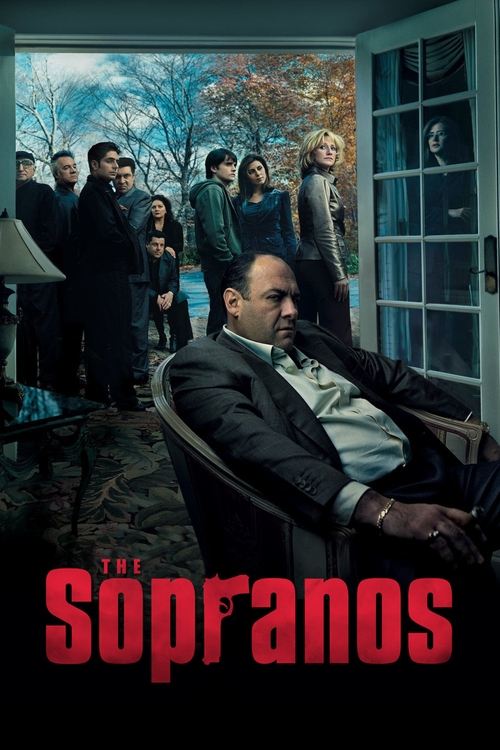
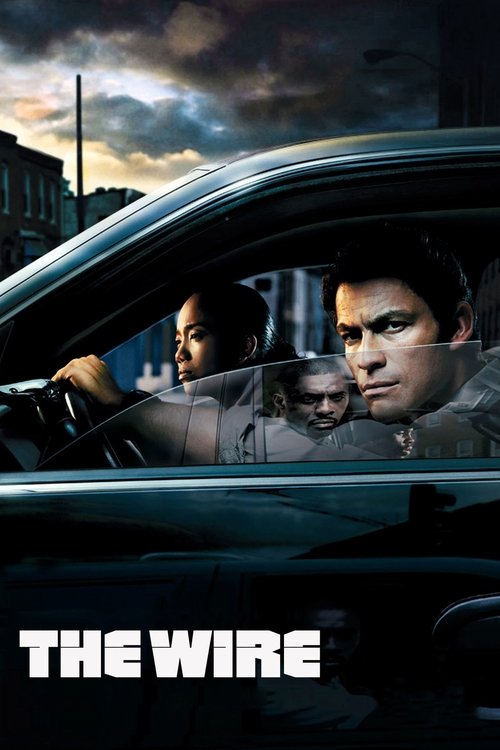
Every few years someone makes the case for The Sopranos as the definitive 2000s series, and the case is not wrong. Tony's show was first, it was influential, and it had the more cinematically bravura finale. But The Wire did something rarer: it built a complete sociological argument across five seasons and never once flattered the audience by letting anyone fully off the hook. The Sopranos gave us a monster we loved. The Wire gave us a system that produces monsters and asked us to sit with that discomfort. The fact that it won almost nothing from the major awards bodies is one of television's lasting embarrassments.
The awards players
Emmy favorites, Golden Globe winners, and the shows that made the prestige drama category feel essential
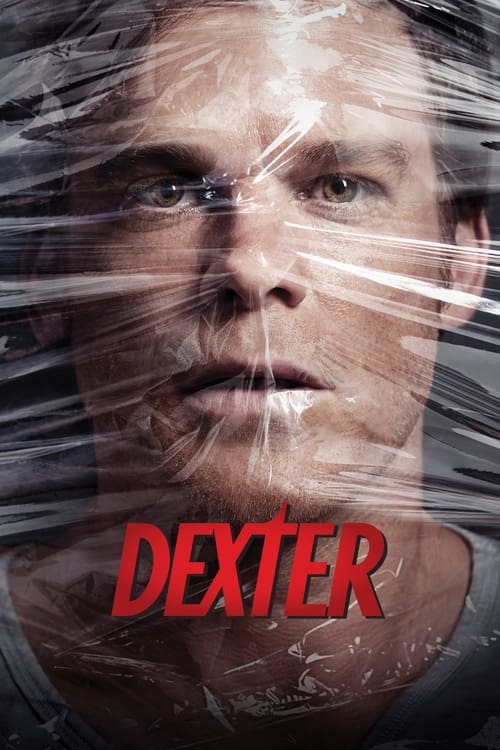
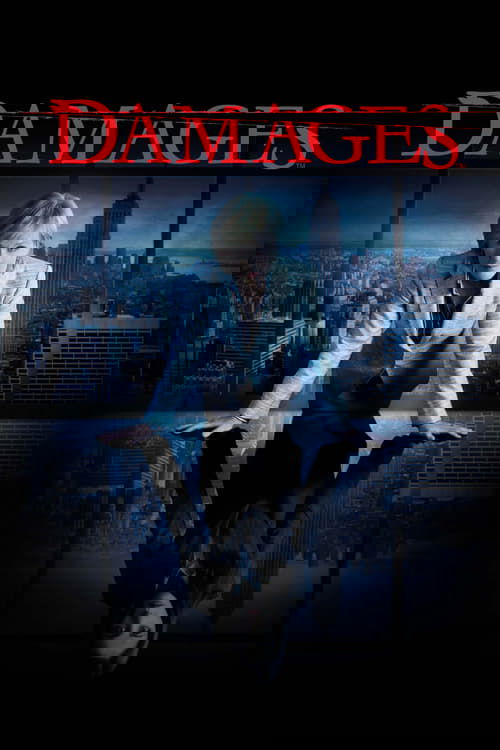
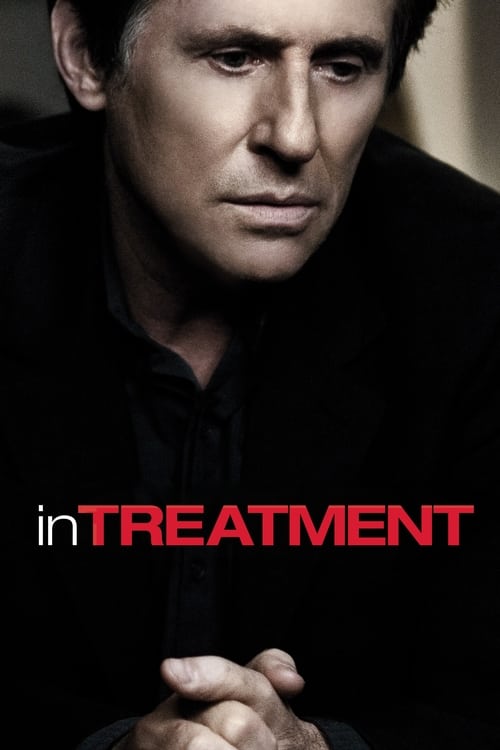
The snub that still stings
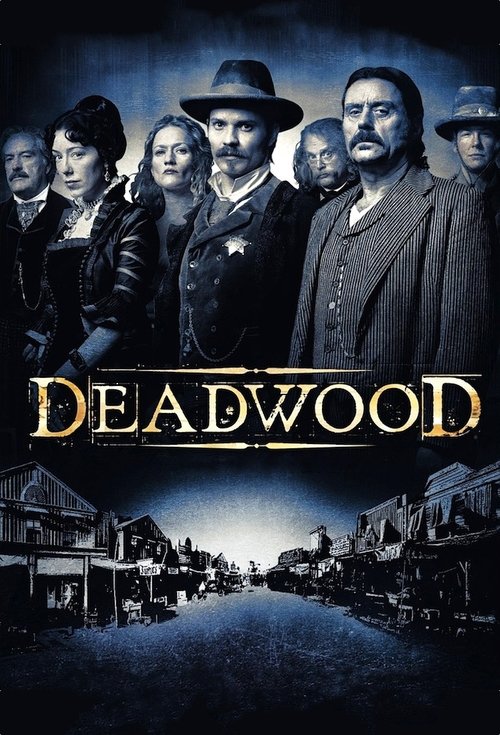
Deadwood ran three seasons, was cancelled before it could finish, and received a movie coda eleven years later that felt like a pardon arriving after the execution. It is one of the finest written shows in American television history: David Milch's Shakespearean-profane dialogue, the entire arc of civilization being negotiated in real time through commerce and violence. It lost the Emmy for Best Drama to The Sopranos all three years it was eligible, which is a defensible call, but the cancellation before a proper conclusion remains the decade's cruelest act of institutional indifference toward genuine artistic ambition.
Comedy that earned its cult
The 2000s were as good for smart comedy as for drama, and these shows proved it
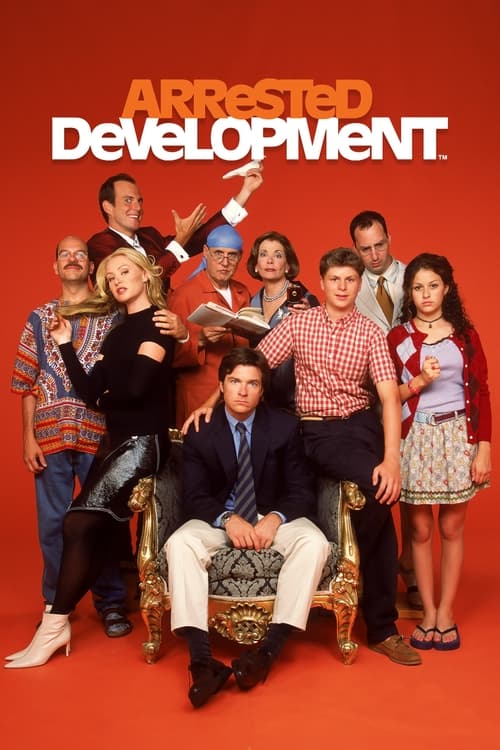
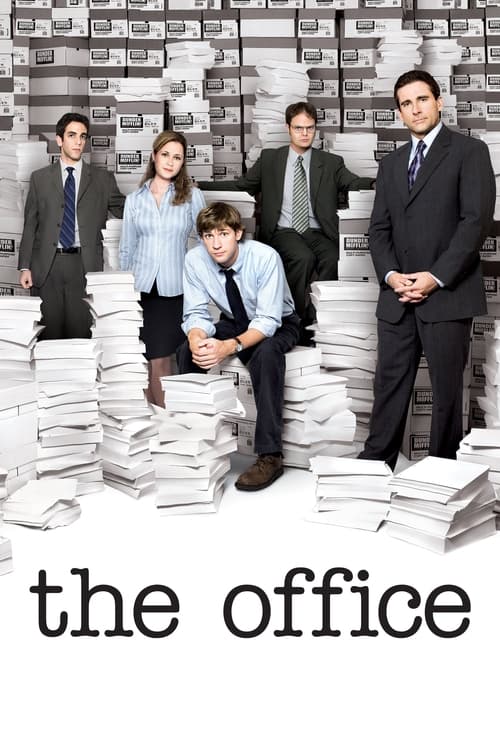

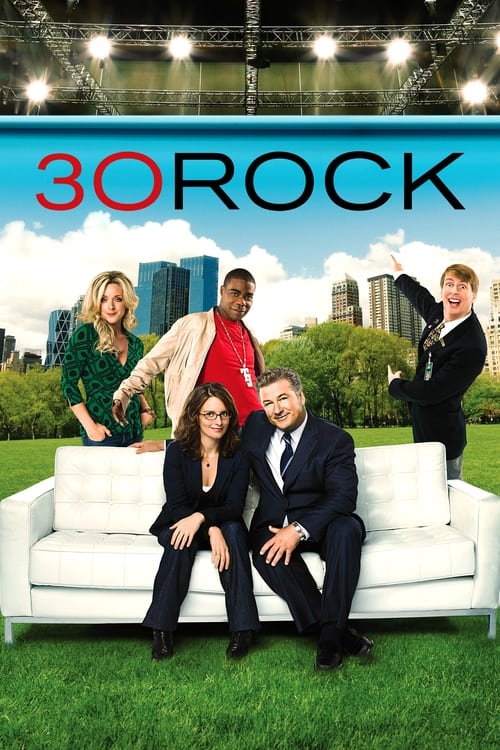

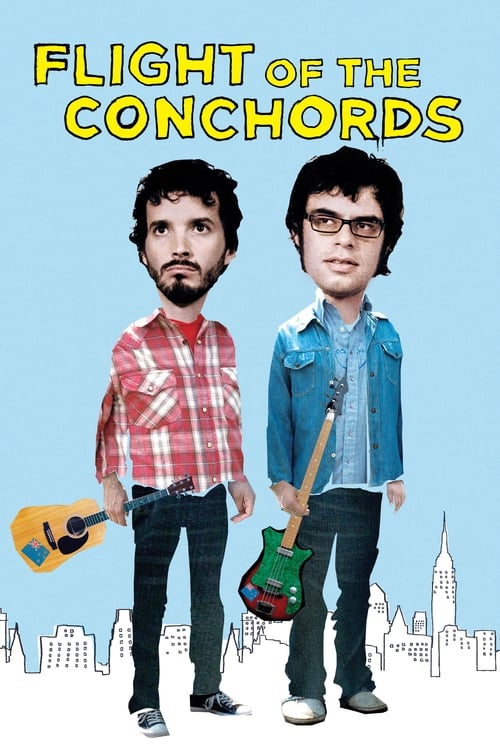
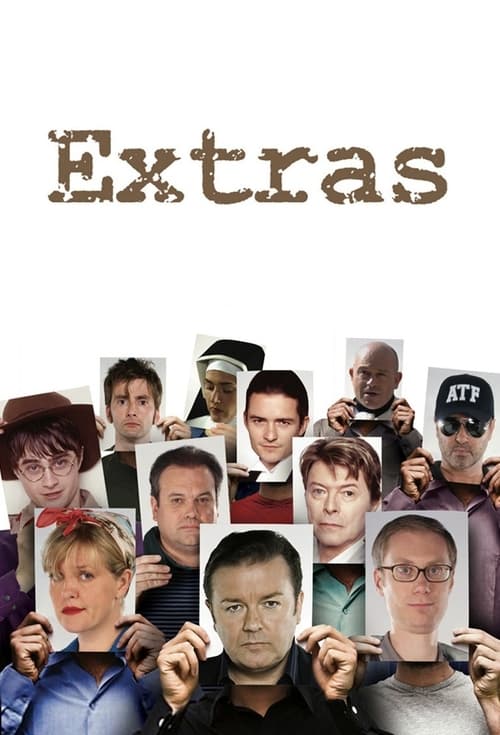
Arrested Development ran three seasons, was cancelled, and is still the funniest show the decade produced. That Fox let it die is the industry's original sin against ambitious comedy.CrossBinge editorial
Genre television grew up
Sci-fi, horror, and fantasy that took the stories seriously and demanded the same from viewers
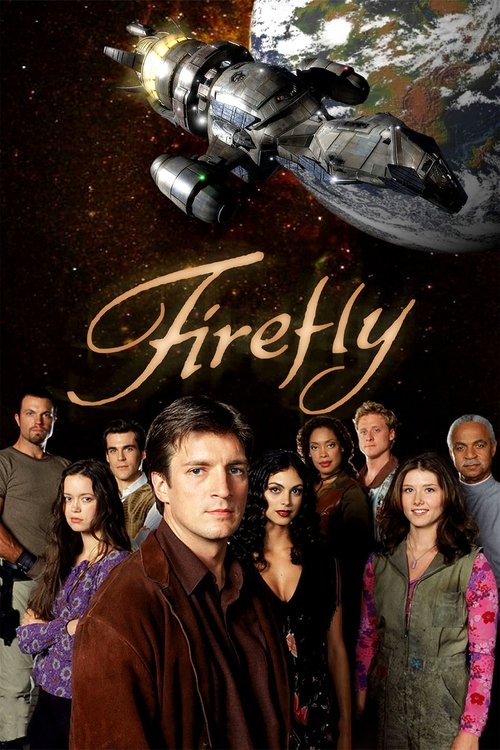


Battlestar Galactica: the most overrated show of the decade
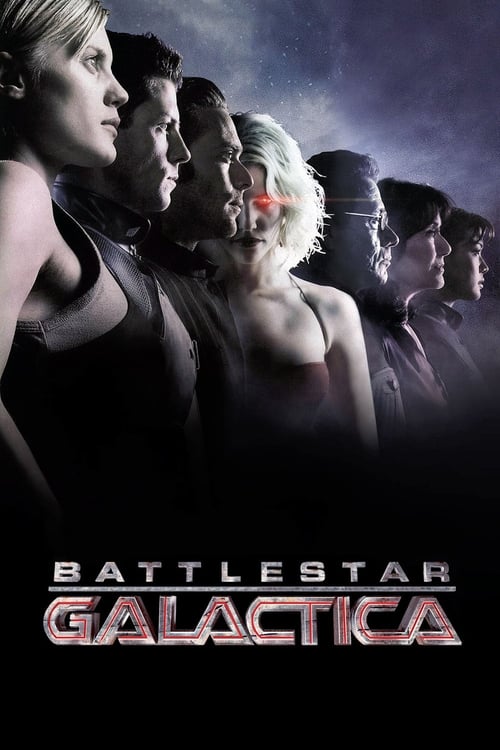
The first two seasons of Battlestar Galactica are genuinely extraordinary: tight, morally serious, using the allegory of occupation and resistance to say things network television could not. Then the writers admitted they had no plan for the mythology, and the final season collapsed under the weight of answers the show was never equipped to give. The finale remains one of the most watched and most resented conclusions in modern TV history. The show is still worth watching, but the reputation it carries is the reputation of seasons one and two. The back half earned a different, harsher verdict.
How the decade unfolded
- 1999The Sopranos premieres on HBO, setting the template The Sopranos
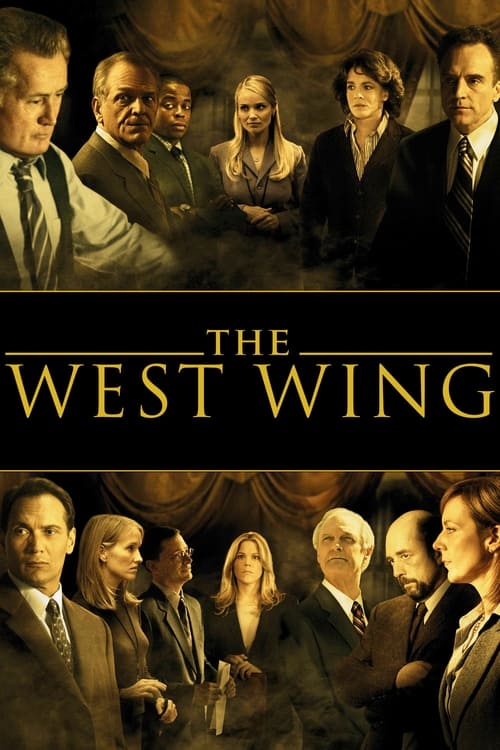
- 2000The West Wing at its peak; Curb Your Enthusiasm debuts
- 2002The Wire begins its five-season run on HBO The Wire
- 2002The Shield reinvents the cop drama on basic cable The Shield
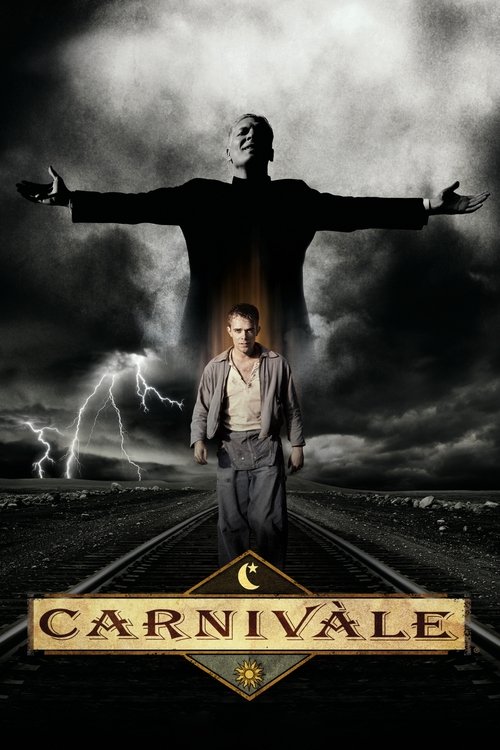
- 2003Arrested Development and Carnivale both launch, both underappreciated
- 2004Lost and Deadwood arrive; Battlestar Galactica relaunches
- 2005It's Always Sunny in Philadelphia and The Office (US) premiere
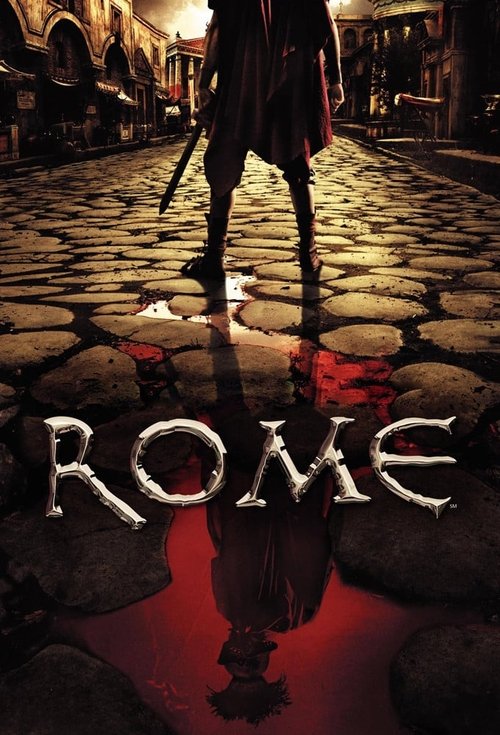
- 2005Rome opens on HBO; Six Feet Under closes Rome
- 200630 Rock launches; Deadwood is cancelled without a finale
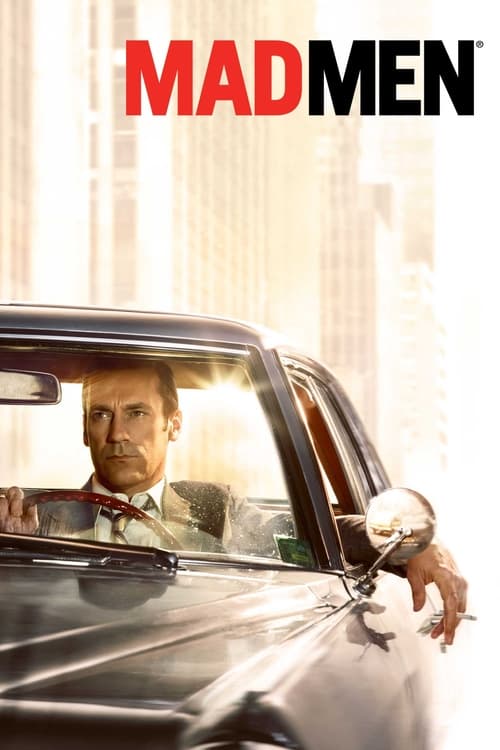
- 2007Mad Men debuts on AMC Mad Men
- 2008Breaking Bad premieres; The Sopranos, The Wire, and The Shield all conclude
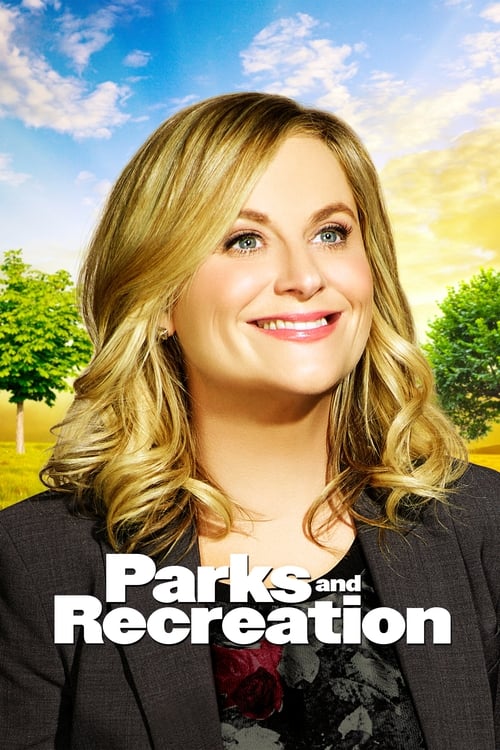
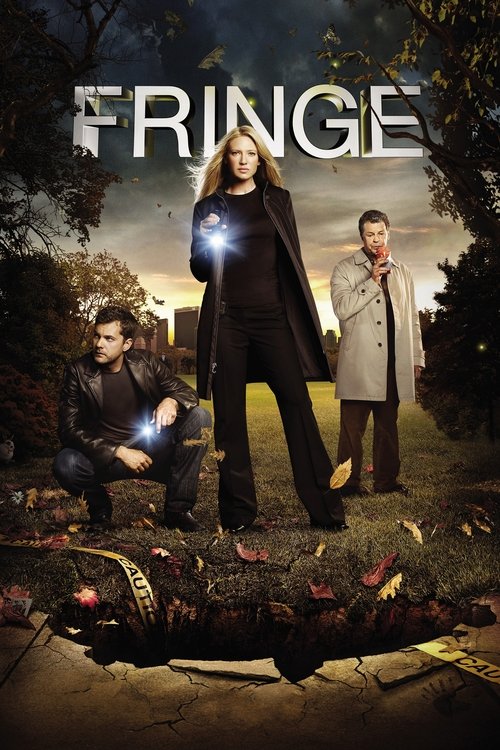
- 2009Parks and Recreation launches; Damages and Fringe hit their stride
Overlooked at the time
Shows that found their audience on DVD, streaming, or word of mouth long after broadcast
The one that aged best: The Shield
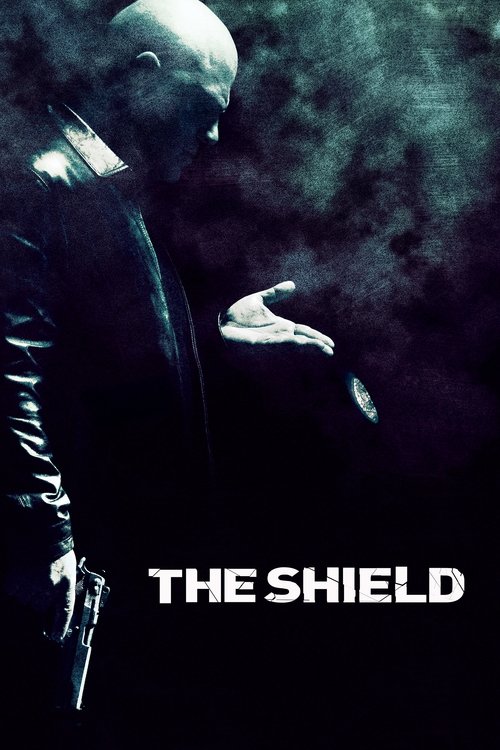
Go back to The Shield now and what strikes you is how little it has softened. Vic Mackey was television's original antihero for whom consequences are perpetually deferred, and Shawn Ryan never let the show forget that deferral ends. The series finale is one of the most ruthlessly honest conclusions any crime drama has delivered: nobody gets away clean, and the camera holds on the cost long enough to make you feel it. In a decade full of endings that disappointed, The Shield went out on its own terms and earned them.
The international conversation
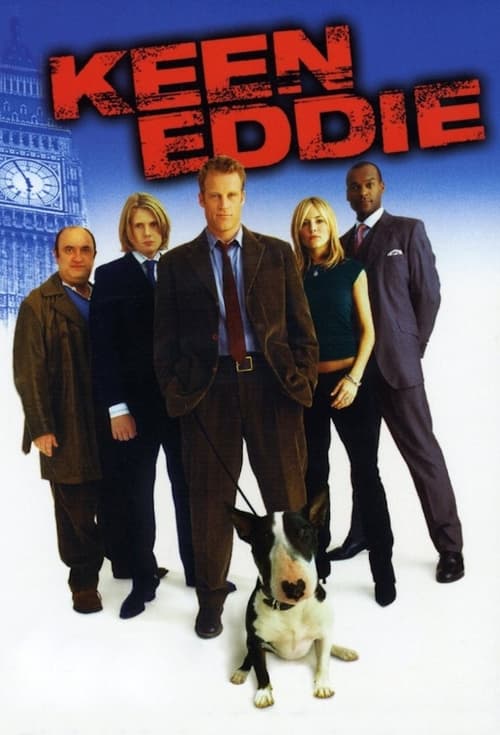
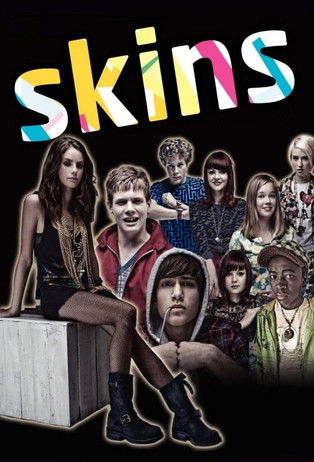
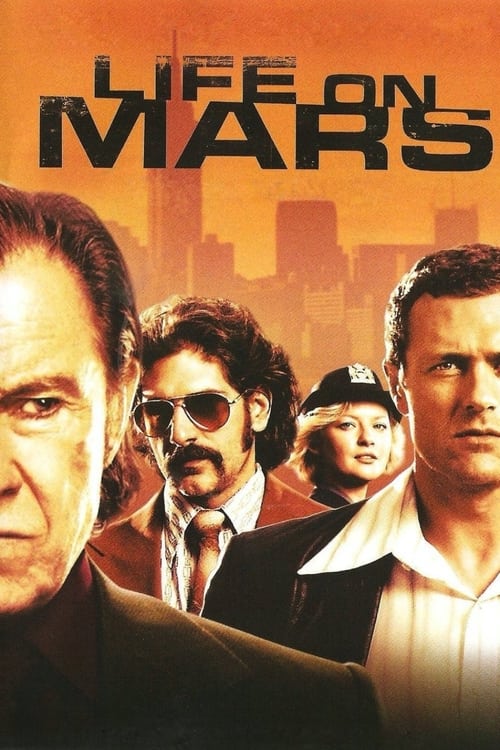
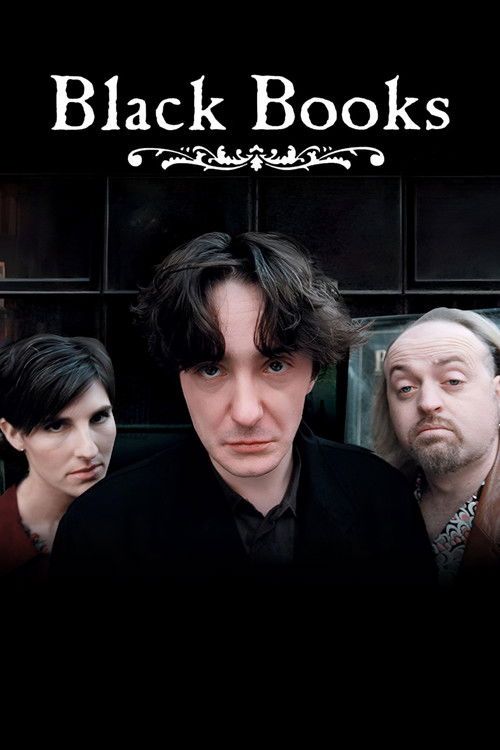
British and European series that were matching, sometimes surpassing, what American cable was doing

What the decade actually proved
The narrative about the 2000s is that HBO invented prestige television and everything else followed. That story is too clean. The Shield ran on FX, a basic cable network nobody expected anything from. Arrested Development died on broadcast because broadcast audiences rejected it, not because it was bad. The Wire won essentially nothing from major awards bodies for its entire run. Prestige did not arrive on a red carpet. It arrived in the gaps, in the cancellations, in the shows that the industry did not know what to do with.
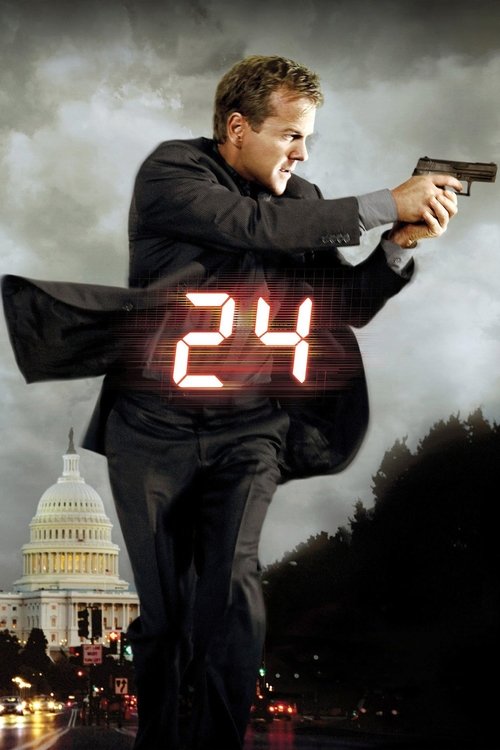
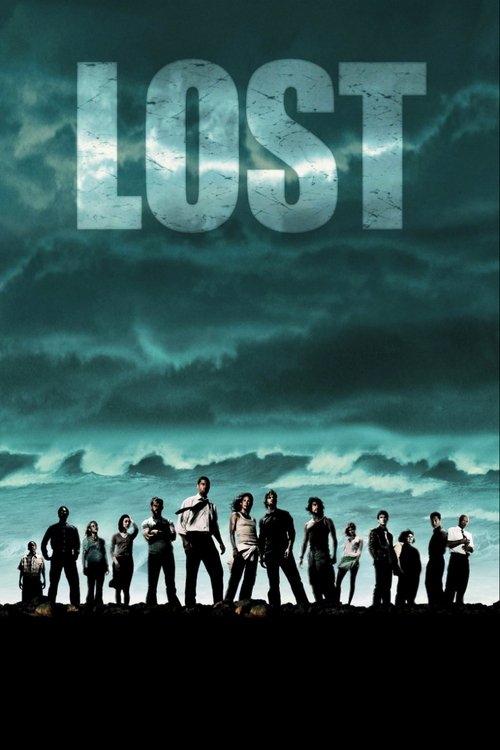
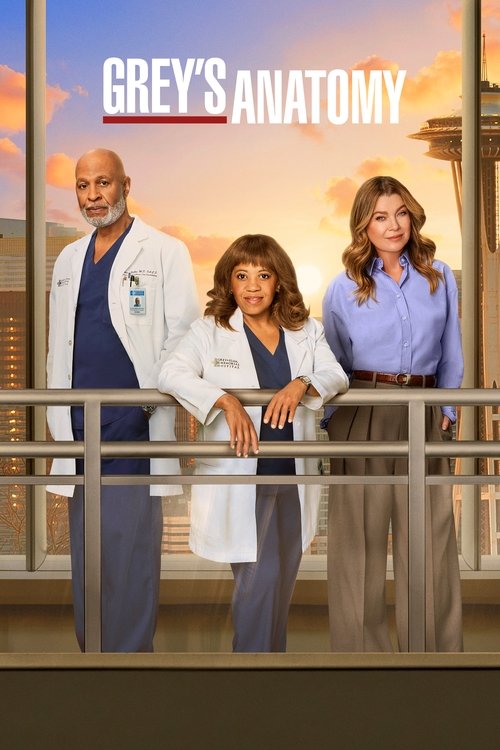
The decade also produced enormous amounts of genuinely popular, genuinely good television that rarely makes the critical canon: 24 at its peak was as tightly constructed a thriller as anything airing. Grey's Anatomy built an audience of fifty million people through sheer narrative momentum. Lost gave casual viewers their first experience of the kind of obsessive communal viewing that streaming would later industrialize. These shows matter too.
What the 2000s proved, finally, is that the medium could contain anything. That is the decade's real legacy, and the shows on this page are the evidence.