
The Decade That Broke Television
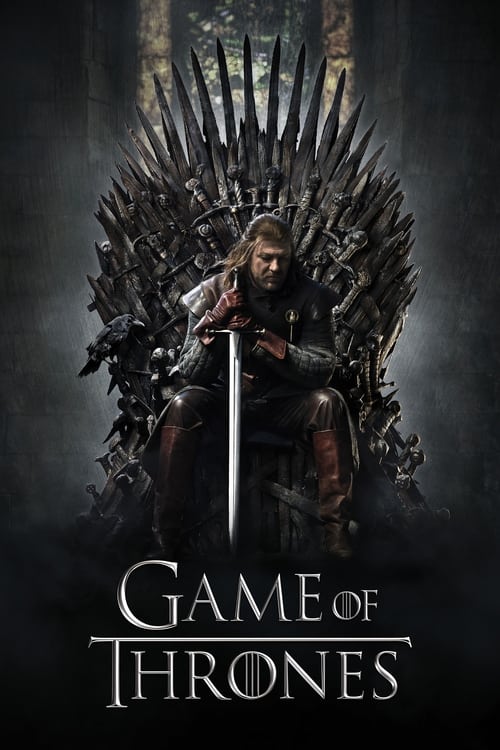
Somewhere around 2011, television stopped apologizing for itself. Breaking Bad was in its fourth season. Game of Thrones had just premiered. The Americans was a year away. Critics who had spent careers reviewing films were quietly, then loudly, admitting that the best storytelling in the culture was happening on cable and then, fast, on streaming.
The 2010s produced a surplus of series: slow-burn crime, scorched-earth fantasy, intimate comedy that played like an open wound. The decade also produced a lot of noise, a lot of hype cycles, a lot of shows that peaked in a conversation and faded fast. What follows is an attempt to sort the permanent from the perishable: the series that did something genuinely new, the ones that held up under re-examination, and the ones that are quietly more important than the discourse ever acknowledged.
The Major Awards Players
The shows that dominated Emmys season and mostly deserved it

The One That Still Stings: 'The Americans' Got Nothing
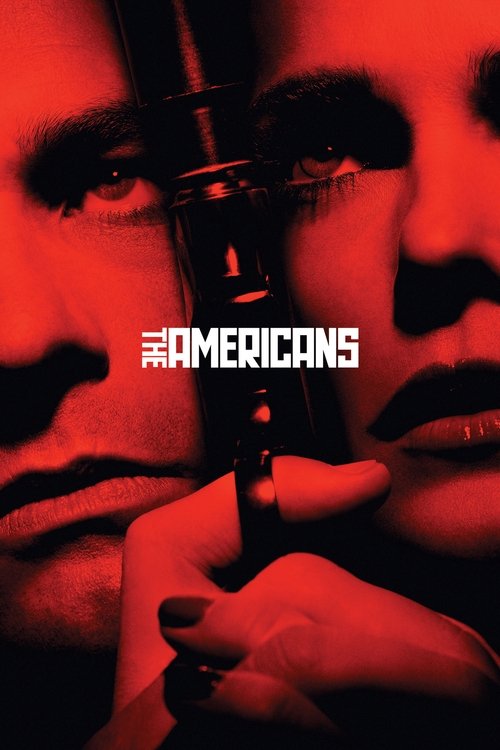
The Americans ran six seasons of near-perfect television and won exactly one acting Emmy, in its final year, which felt like the Academy collectively clearing its conscience on the way out. It was the best drama of the decade by a significant margin: a marriage drama, a spy thriller, and a meditation on identity and belief compressed into a single show. The finale is the best final episode of any series from the 2010s. The fact that it never won Best Drama is the most indefensible oversight the Emmys produced in the decade, and that is a competitive field.
The Critical Darlings
Loved in print, championed by anyone who actually watched them
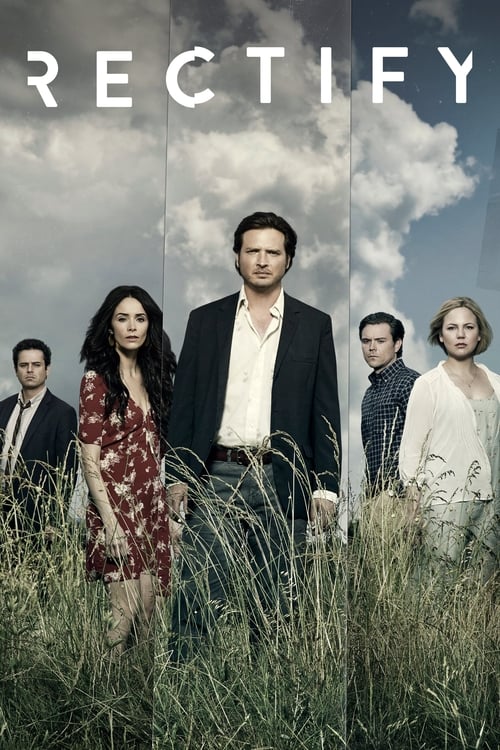
Rectify is the quietest great show in recent memory: four seasons of a man trying to reassemble a self, unfolding at the pace of actual thought.CrossBinge editors
Comedy Got Serious
The decade produced a generation of shows that dissolved the line between funny and devastating
The Most Overrated Pick: 'True Detective' Season One Took Over the Culture and Then Ate Itself
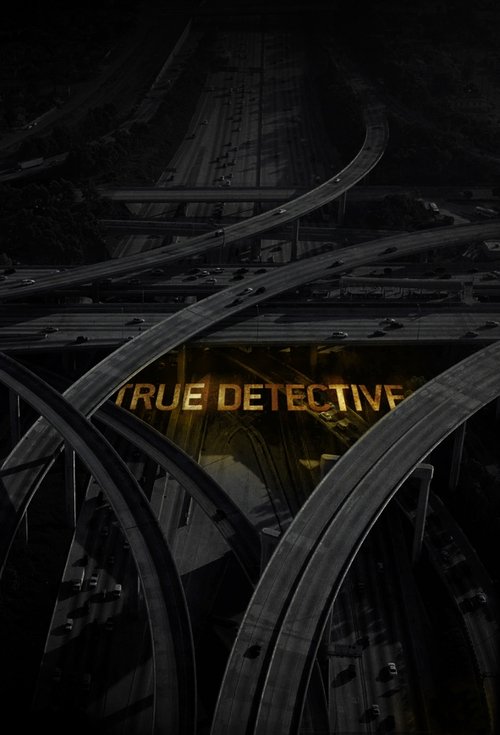
Season one of True Detective is a very good limited series elevated to genius by Matthew McConaughey's performance and a cultural moment that needed something to talk about. The long-take tracking shot through the housing project is legitimately extraordinary. The rest is well-made Rust Cohle delivery-vehicle television. The show's reputation collapsed almost immediately when season two arrived and the scaffolding became visible: the atmosphere was always doing more work than the story. That does not make it bad. It makes it not the masterpiece the internet decided it was in the winter of 2014.
The Decade in Premieres
- 2010The Walking Dead premieres on AMC; zombie TV briefly goes mainstream The Walking Dead
- 2011Game of Thrones launches; HBO proves fantasy can carry prestige weight Game of Thrones
- 2012Breaking Bad enters its final act; the peak TV conversation begins in earnest Breaking Bad
- 2012The Americans quietly becomes the decade's best drama The Americans
- 2013Netflix drops all of House of Cards at once; binge-watching becomes a verb House of Cards
- 2014True Detective Season 1 dominates the cultural conversation for a full winter True Detective
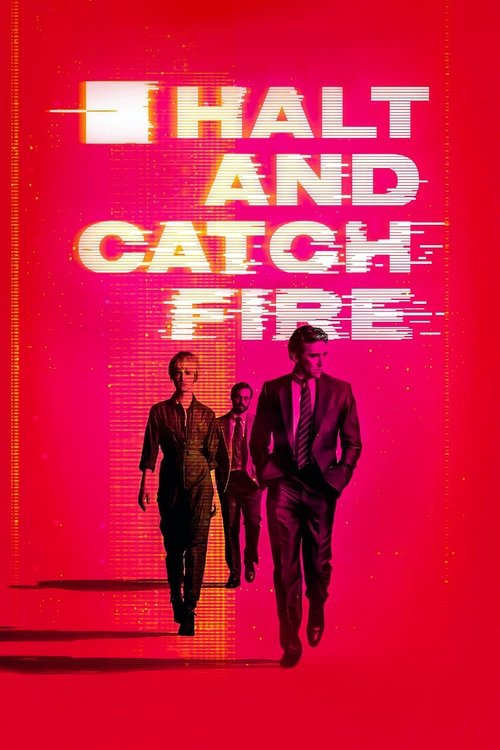
- 2014Halt and Catch Fire begins a four-season arc almost nobody watches in real time Halt and Catch Fire
- 2015Mr. Robot arrives as tech paranoia mainstream drama; Mr. Robot is still right Mr. Robot
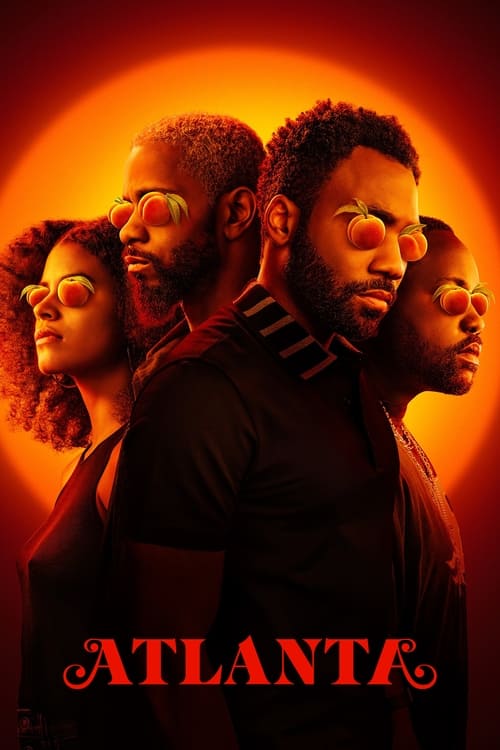
- 2016Atlanta redefines what an FX comedy is allowed to be Atlanta
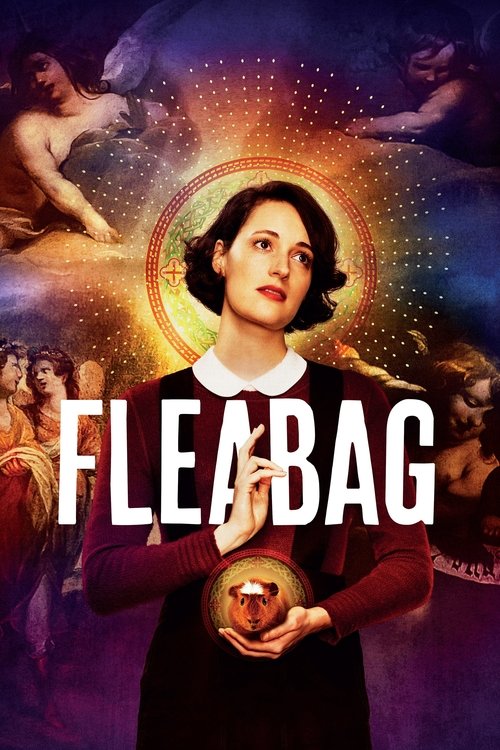
- 2016Fleabag series one lands in the UK; the rest of the world catches up two years later Fleabag
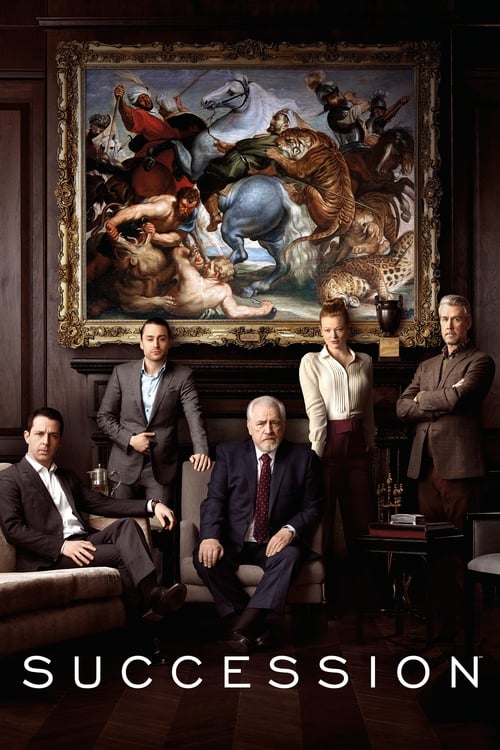
- 2018Succession's pilot is written off as a rich-people soap; by season two it is undeniable Succession
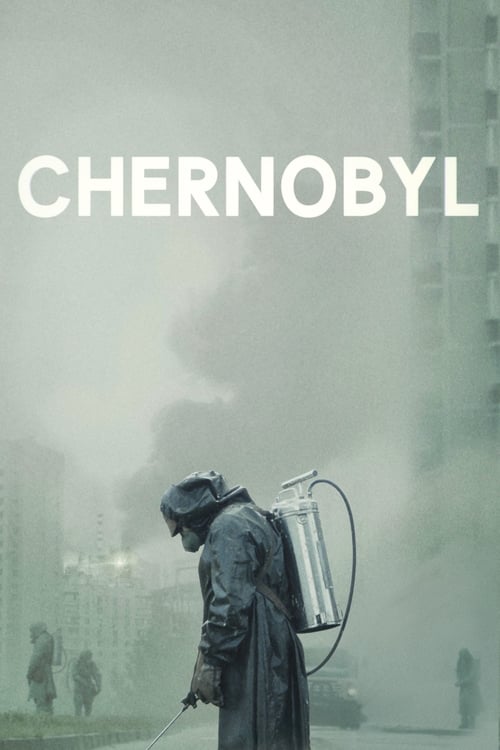
- 2019Chernobyl becomes the highest-rated TV show ever on IMDb; the HBO miniseries has a moment Chernobyl
The Bold Swings
Shows that tried something structurally or formally strange, and mostly pulled it off

The One That Aged Best: 'Halt and Catch Fire' Rewarded the Wait
Halt and Catch Fire was reviewed as a decent Mad Men imitation about the early PC industry and largely ignored. By its fourth season it had become something else entirely: a show about the nature of collaboration, creative ambition, and what it costs to build something alongside another person. The critical reassessment that arrived after it ended produced some of the best television writing of the decade, catching up to a series that had been doing extraordinary work in near-obscurity. It is the clearest example from the 2010s of a show outrunning its initial reception.
Prestige Crime and Thriller
The decade was flush with procedurals that wanted to be novels
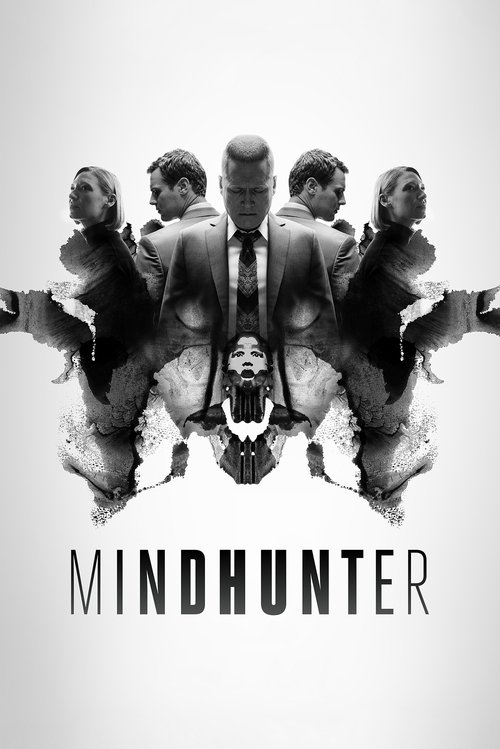
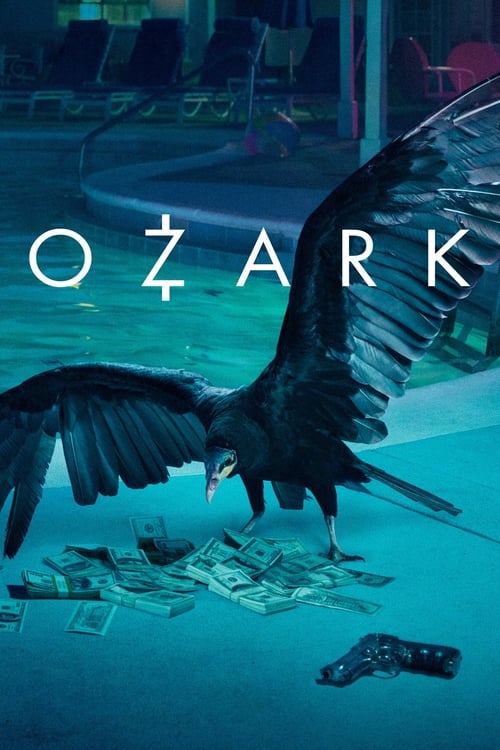
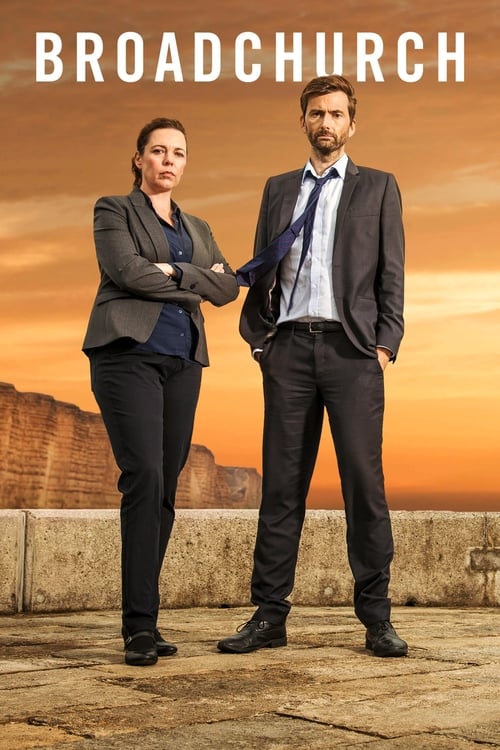
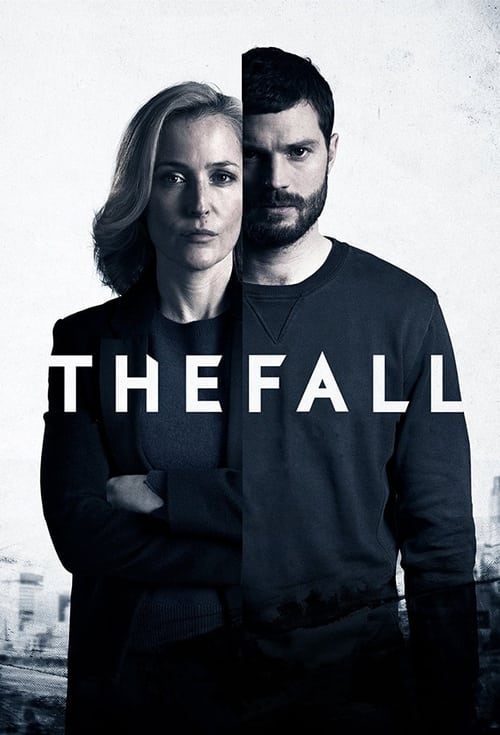

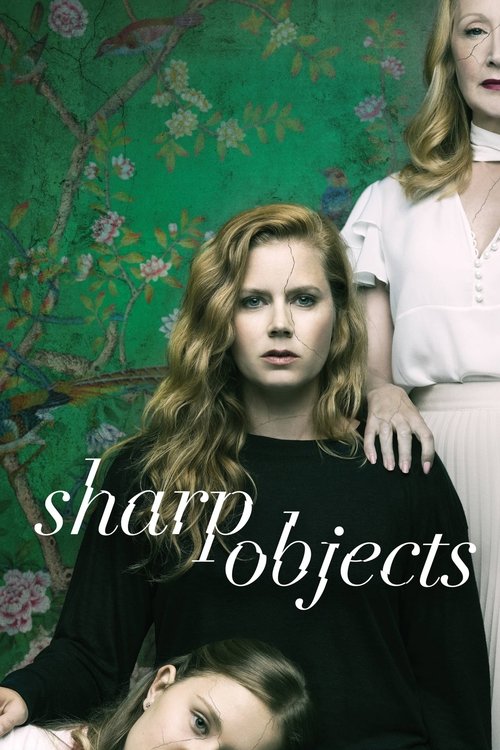
Mindhunter has no ending, Netflix cancelled it without warning, and it is still better than most shows that got to finish. That is its own argument.CrossBinge editors
Overlooked at the Time
Series that circulated in small rooms when they aired and found their audience late
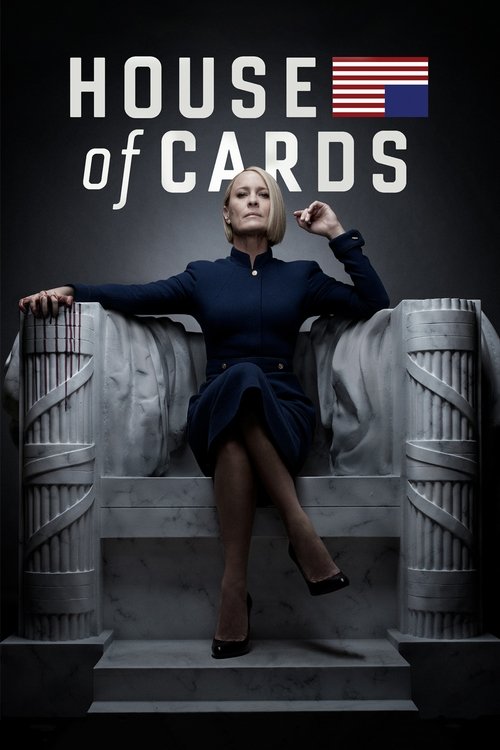
The One That Aged Worst: 'House of Cards' Is a Cautionary Tale in Multiple Registers
House of Cards (US) was the show that made Netflix a prestige player and persuaded the industry that streaming could do drama. Watching it now requires working past both its off-screen collapse and the creaking of the plot mechanics underneath. The Frank Underwood soliloquies to camera that felt operatically bold in 2013 read as undergraduate by 2016. It was a technically accomplished show built around a central performance that became impossible to disentangle from its real-world toxicity, which is a specific kind of aging that no amount of craft can reverse.
The Crowd Favorites
The shows that everyone watched, that held up, and that earned their cultural footprint
Where to Start If You Missed the Decade
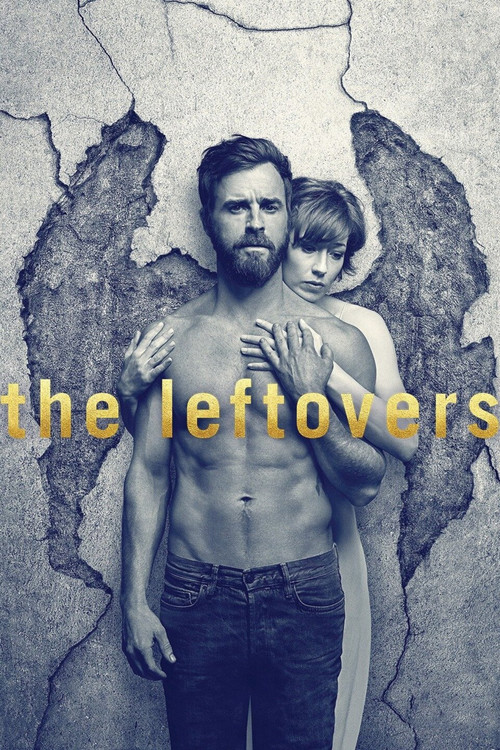
If you watched only the obvious titles, go back to The Americans, Rectify, and Halt and Catch Fire. All three are complete, all three are available, and none of them require much contextual knowledge of the moment they aired. The Leftovers seasons two and three are a separate, stranger object from season one and can be watched almost cold.
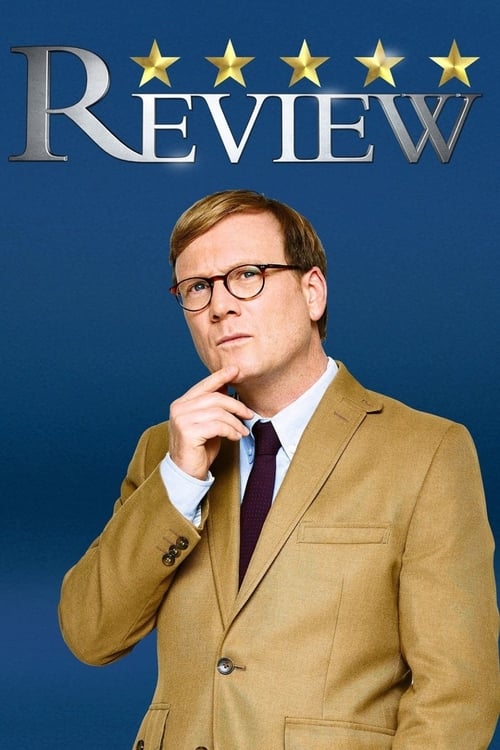
For comedy, Fleabag is the short answer. But Review (the Comedy Central version with Andy Daly) is the underseen masterpiece of the decade's comic form: a high-concept structure that keeps getting darker without ever announcing itself as dark.
The decade ended, as it began, with the conversation about what television is still unresolved. That is not a failure. That is what it looks like when a medium is actually alive.