
The Body Knows Before the Mind Does
Your shoulders creep toward your ears. Your breathing goes shallow. You reach for the remote to pause and collect yourself, then don't. The best thrillers operate below the level of story: they work on the nervous system directly, exploiting the gap between what the character knows and what you, watching or reading or playing, already dread. That gap is the whole game.
Across every medium, the canon of great thrillers is surprisingly consistent in what it values: information asymmetry, moral compromise, and the slow collapse of a person's certainty about the world they thought they understood. The medium changes the delivery. Film gives you the held breath and the cut. Television stretches the dread across weeks, making it domestic. Games hand you the controls and make the sweaty palms your own fault. Books put the terror inside a single skull and refuse to let you out.
What follows is a guide through all of it: the icons you already know, the respected deeper cuts you may have skipped, and a few genuine hidden corners worth your time.
The undisputed canon
The films every conversation about thrillers eventually circles back to
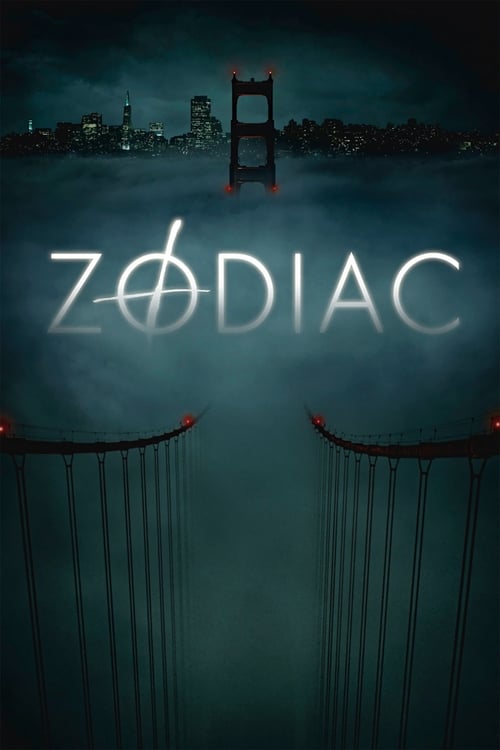
Hitchcock's real masterpiece is not Psycho
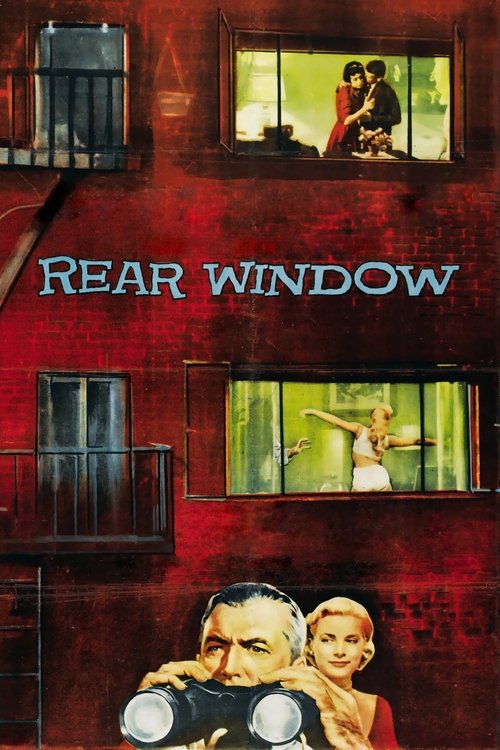
Rear Window is the one. Psycho gets the mythology, the shower scene, the legacy. But Rear Window is Hitchcock's most precise statement of what thrillers actually do: they make you a voyeur, then punish you for looking. The film is structured as a pure information puzzle, every piece visible and yet the solution terrifying when it arrives. It has aged into something that feels almost modern in its formal clarity. Psycho shocks. Rear Window implicates.
Television at its most relentless
The shows that colonised your sleep schedule and your dreams
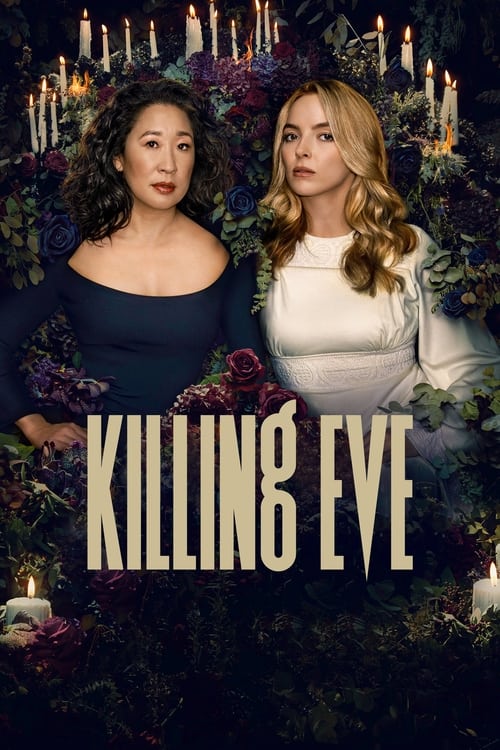
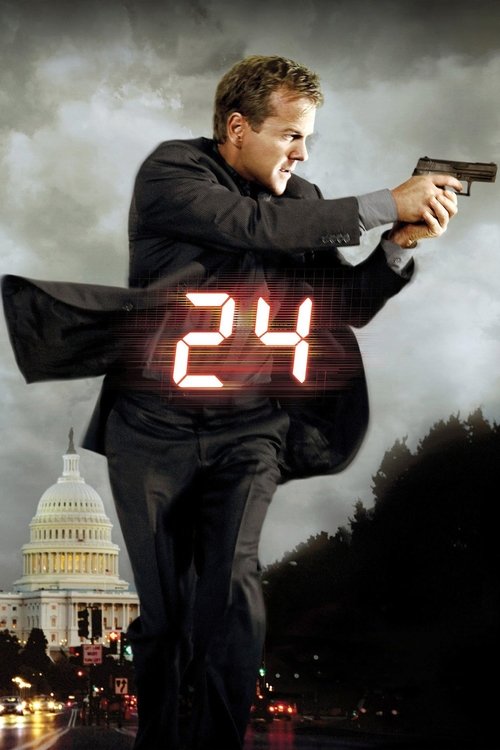
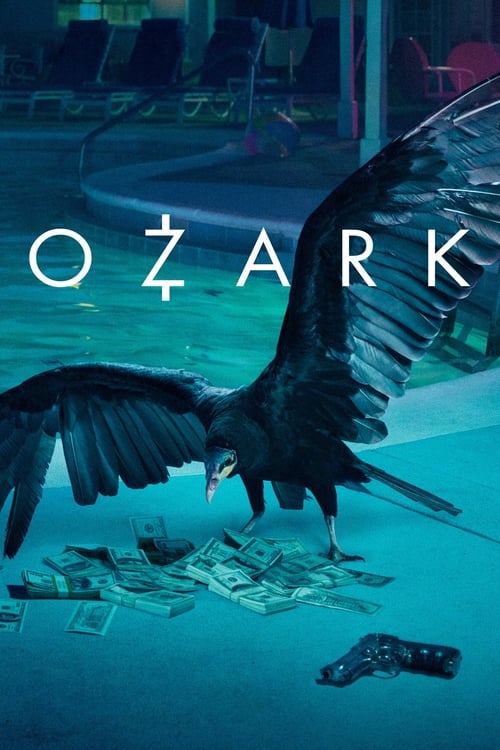

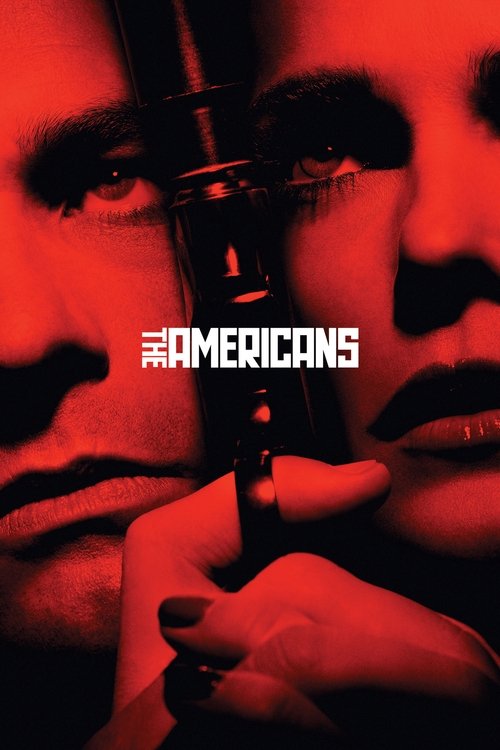
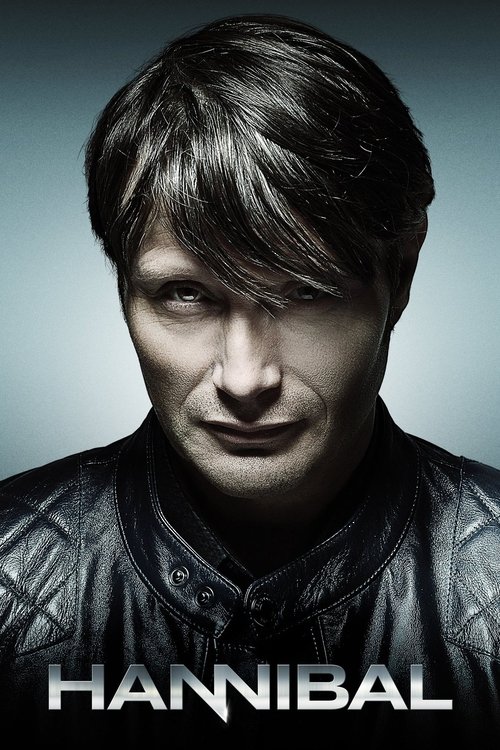
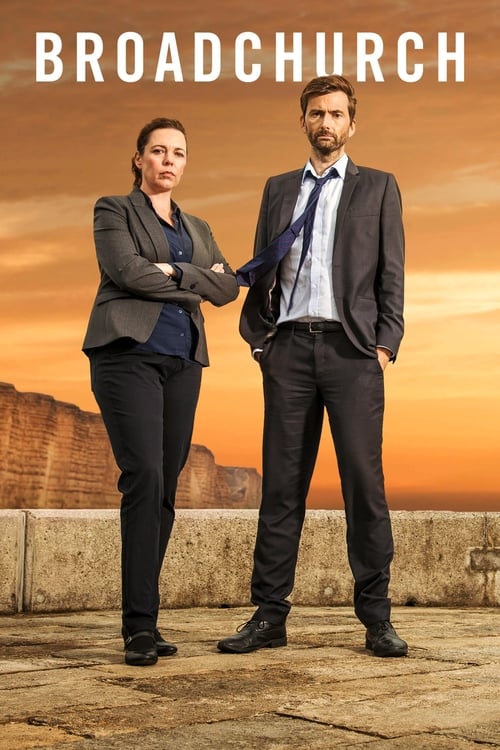

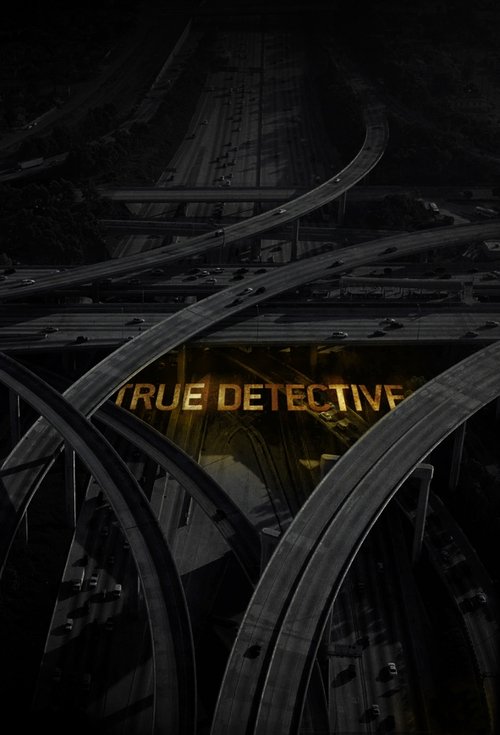
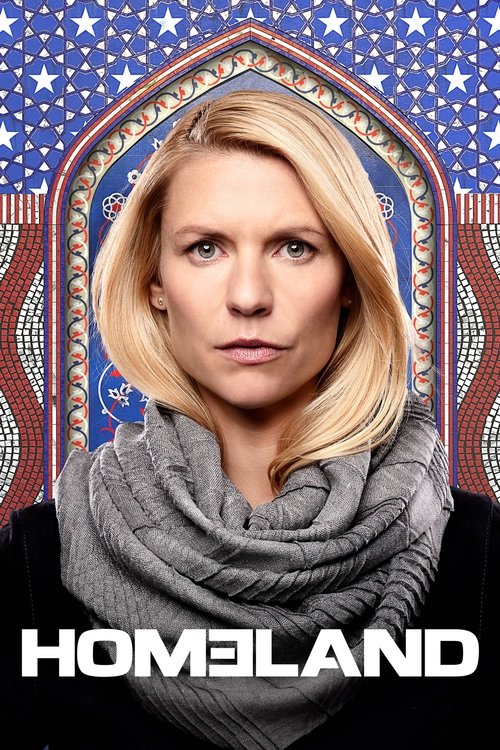
True Detective Season 1 broke the form and the show never recovered
Season one of True Detective is a near-perfect eight hours of Southern Gothic dread: philosophically exhausting, visually unlike anything else on television at the time. Then the show kept going. Subsequent seasons proved that the magic was the specific combination of McConaughey, Harrelson, Fukunaga and Pizzolatto working at full intensity, not the anthology format itself. Season four (Night Country) is genuinely good. But nothing recaptured the first season's particular atmosphere of intellectual menace. Sometimes the first swing is the whole career.
How the thriller got here: a century of held breath
- 1927Fritz Lang's Spies establishes the spy-conspiracy template Spies
- 1954Hitchcock places voyeurism at the heart of the genre Rear Window
- 1963Le Carre publishes The Spy Who Came in from the Cold, rewriting espionage fiction as moral tragedy
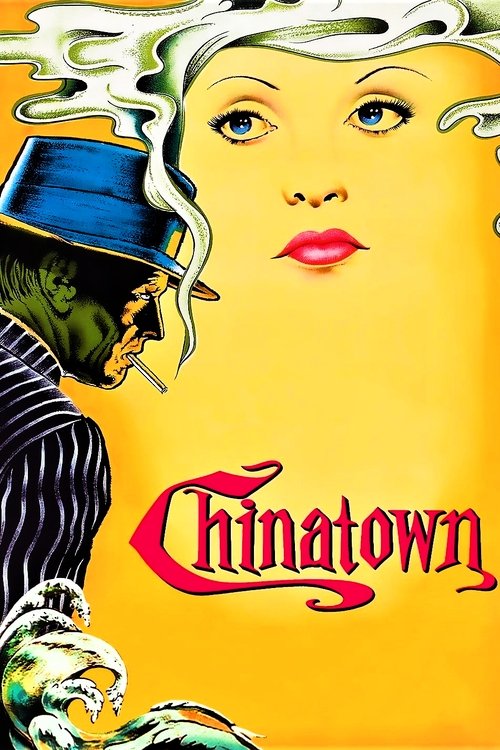
- 1974Chinatown fuses noir and thriller into something permanently unresolved Chinatown
- 1981Thomas Harris introduces Hannibal Lecter in Red Dragon
- 1988Die Hard proves action and thriller can share a skeleton Die Hard
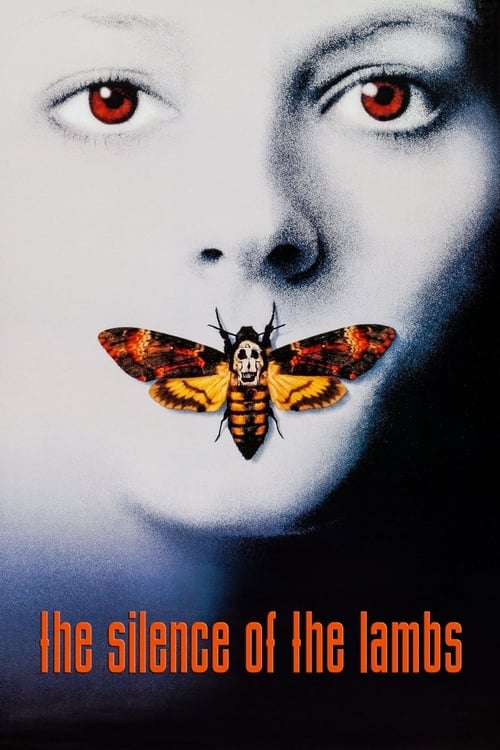
- 1991The Silence of the Lambs wins every major Oscar and makes psychological horror respectable The Silence of the Lambs
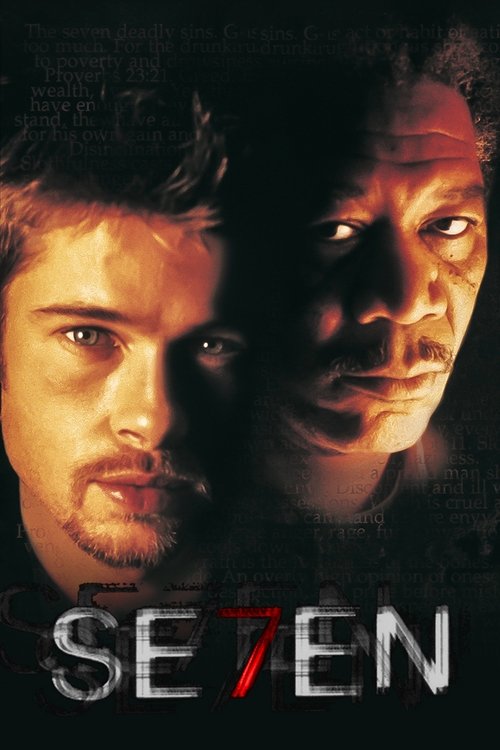
- 1995Se7en and The Usual Suspects redefine the twist ending as art Se7en
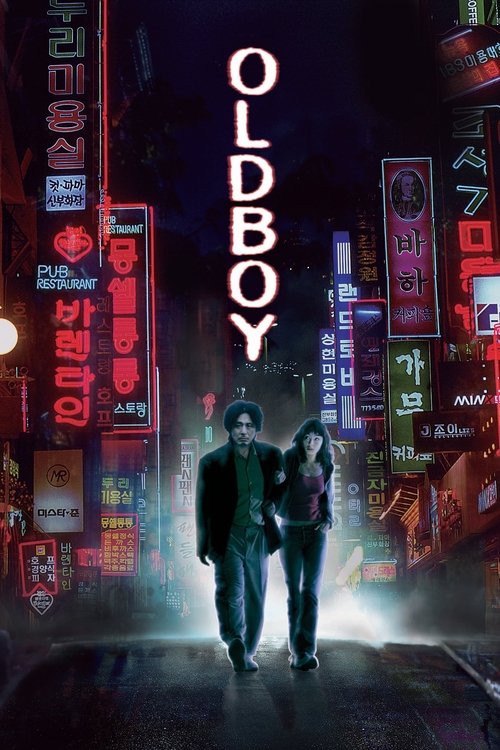
- 2003Oldboy arrives from South Korea and resets the genre's tolerance for consequence Oldboy
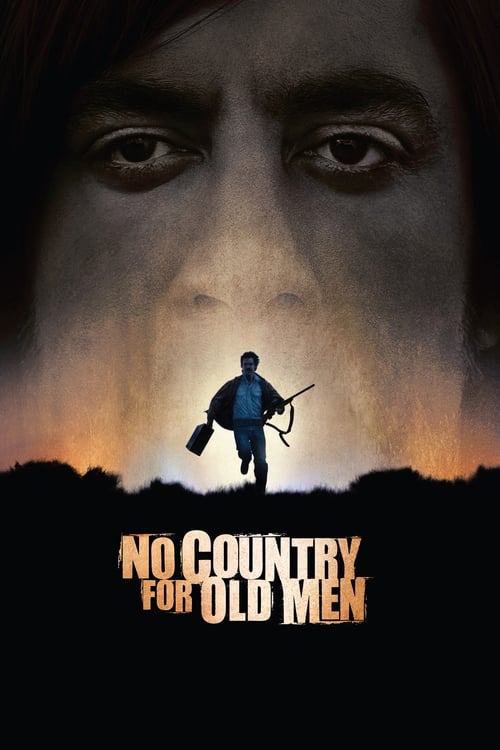
- 2007The Coen Brothers adapt McCarthy's No Country for Old Men, making Anton Chigurh the decade's defining villain No Country for Old Men
- 2011The Girl with the Dragon Tattoo (Fincher) shows Hollywood absorbing Nordic noir's cold procedural tone The Girl with the Dragon Tattoo
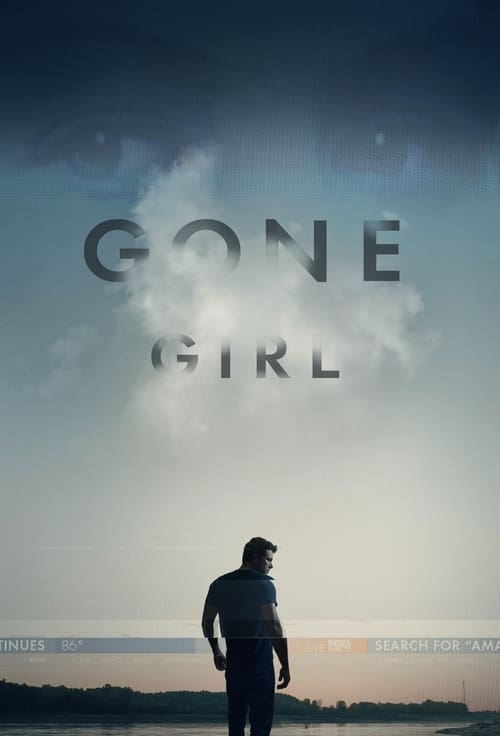
- 2014Gone Girl arrives and the domestic thriller goes mainstream Gone Girl
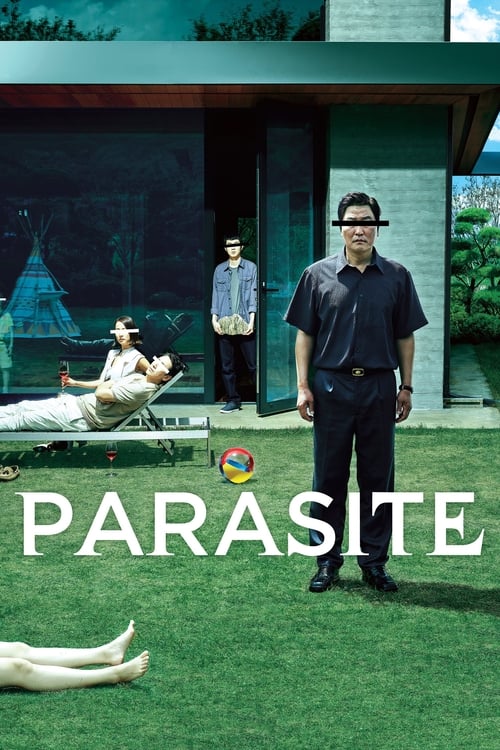
- 2019Parasite wins the Palme d'Or and the Oscar, collapsing the boundary between thriller and social satire Parasite
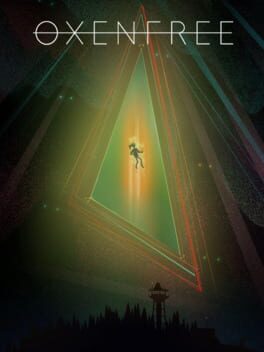
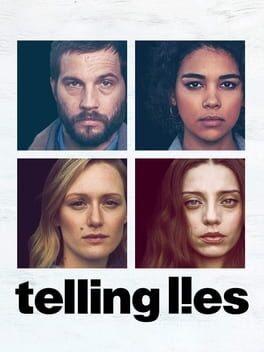
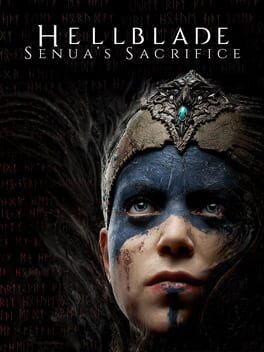
The games that make your hands sweat
Where the dread is yours because you made it happen
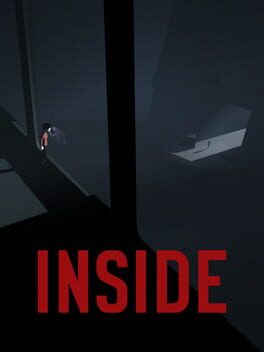
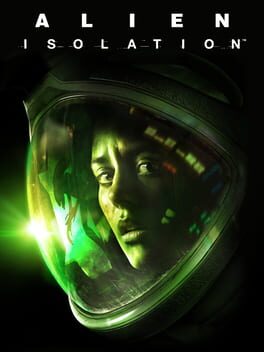
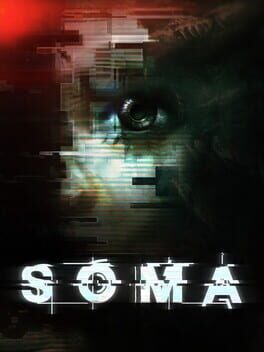
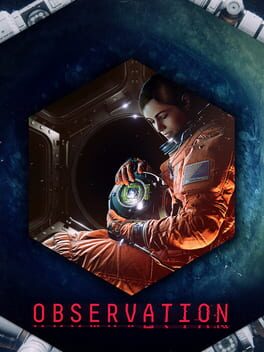
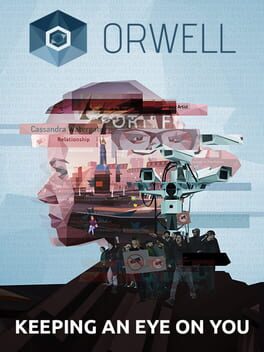
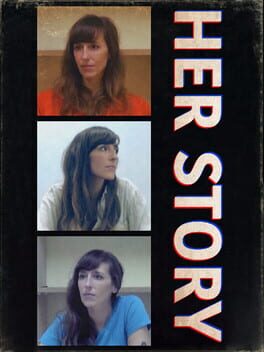
The thriller is the only genre where the audience is always one step ahead of the hero and cannot do a thing about it.CrossBinge editorial
Patricia Highsmith invented a whole emotional frequency nobody has fully copied
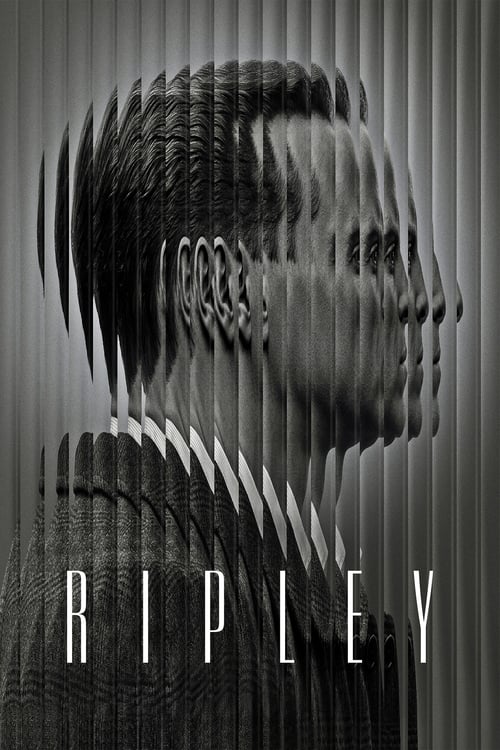
The Talented Mr. Ripley is the book that defined a specific thriller sub-genre: the charming sociopath whose logic is so consistent, so pleasingly complete, that the reader slowly realizes they have been rooting for him. Highsmith never resolves that discomfort. Tom Ripley is not a monster you observe from a safe distance; he is a point of view you inhabit until the book is closed and you feel vaguely ashamed of yourself. The Minghella film is good. The recent television series found something new in the material. But the source novels remain, fifty years on, the benchmark against which all unreliable-protagonist thrillers are quietly measured.
The respected deeper cuts
Titles that belong in any serious conversation but rarely top the listicles
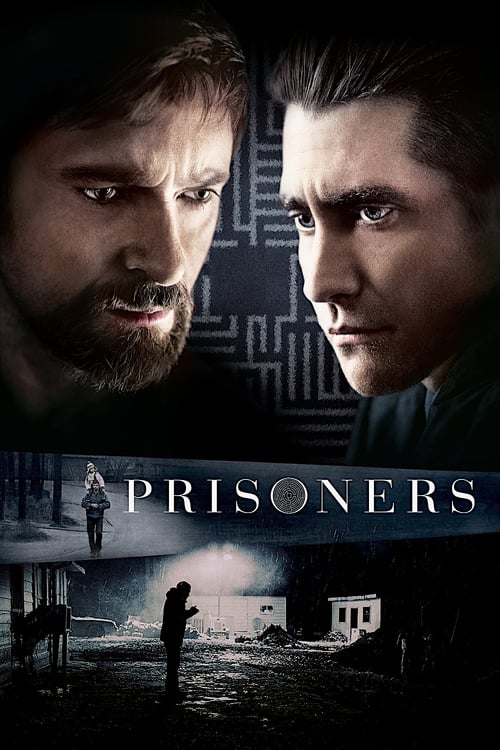
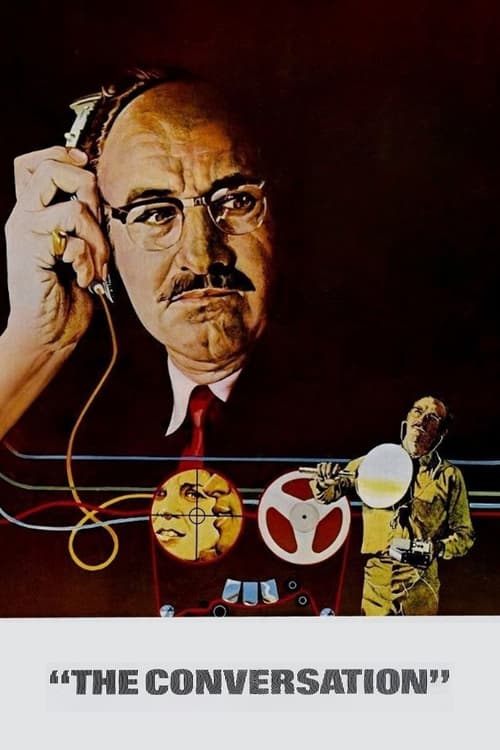

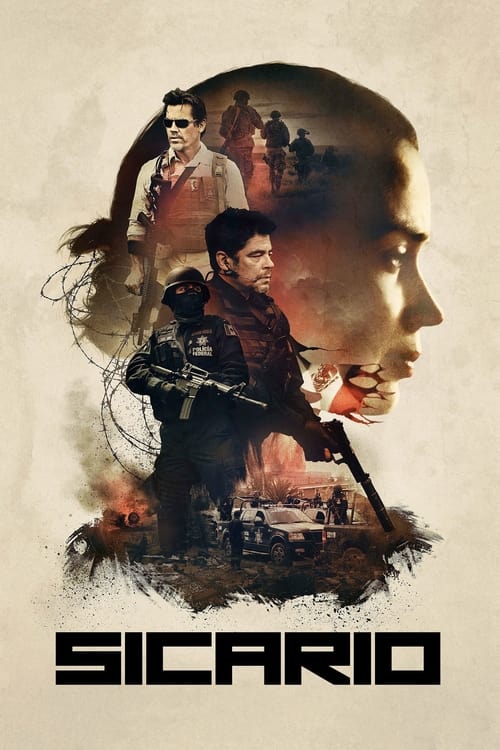
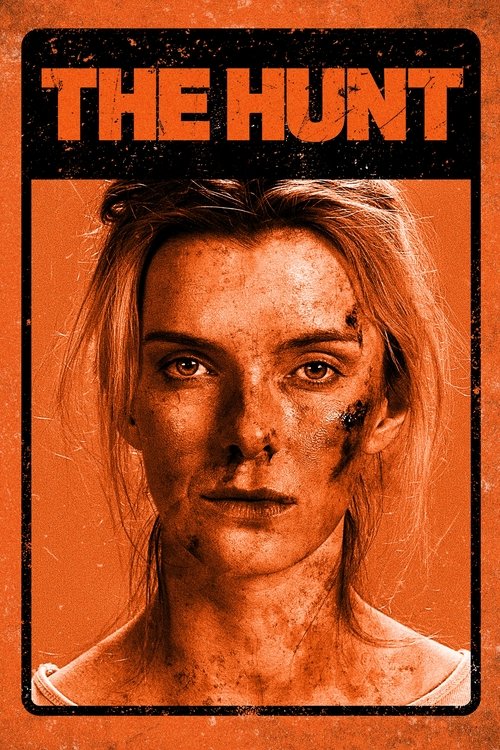

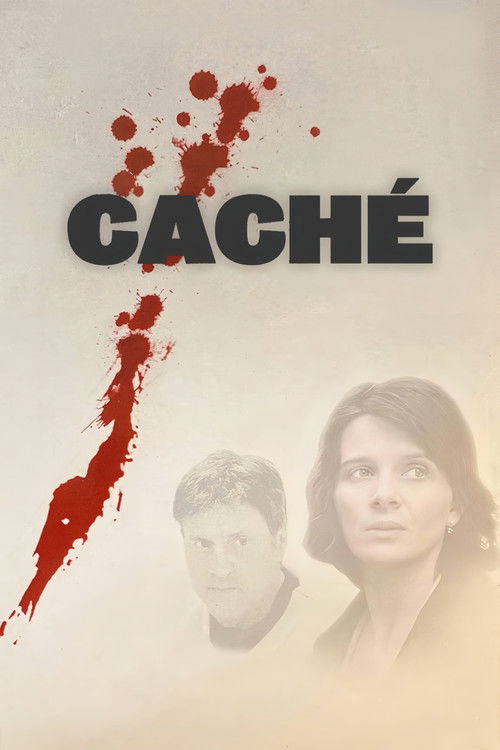
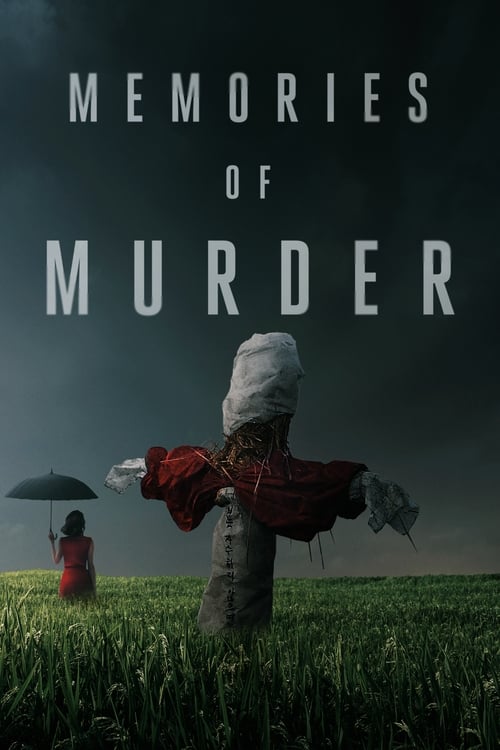
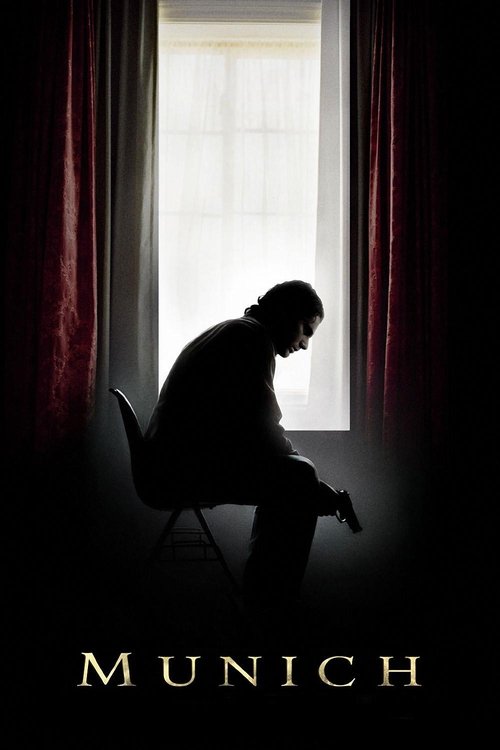
Prisoners is one of the most punishing films of the 2010s and it barely gets mentioned
Denis Villeneuve's Prisoners has the structure of a procedural and the soul of a moral horror film. It puts Hugh Jackman in the position of doing something genuinely terrible on screen for extended periods, and refuses to fully condemn or excuse him. Roger Deakins shot it in a grey, suffocating palette that makes the suburban setting feel like a sentence. The film is nearly three hours and does not waste a frame. That it is discussed less than Arrival or Blade Runner 2049 says more about prestige-film marketing than about quality. It may be Villeneuve's best work.
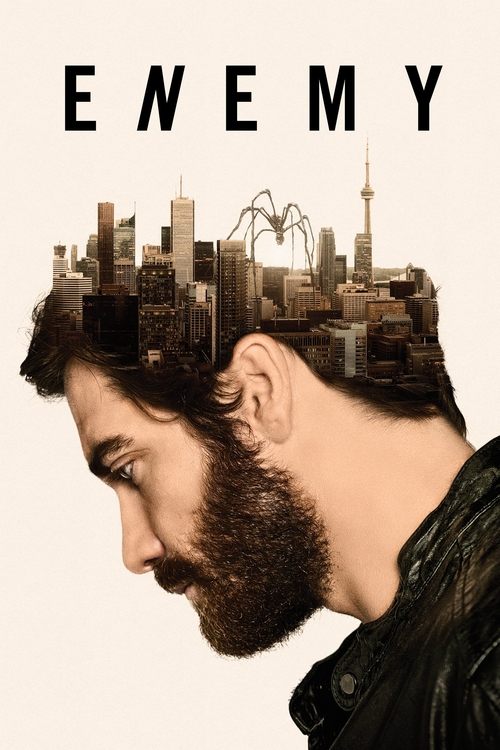
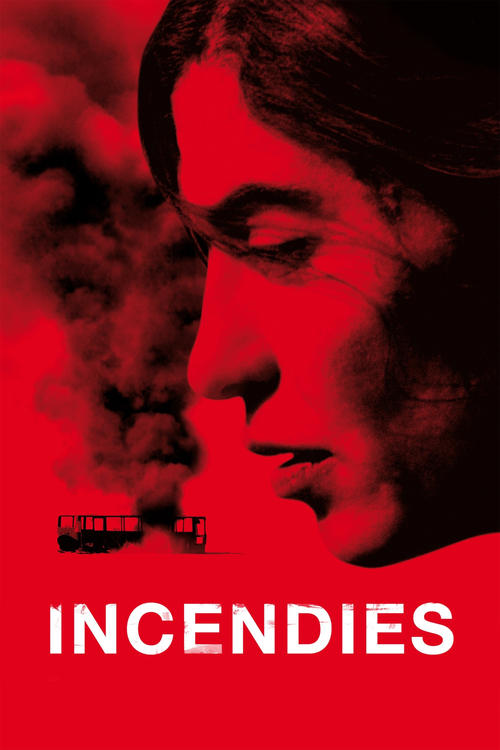
Contemporary television: the last decade
Peak TV's best argument for itself
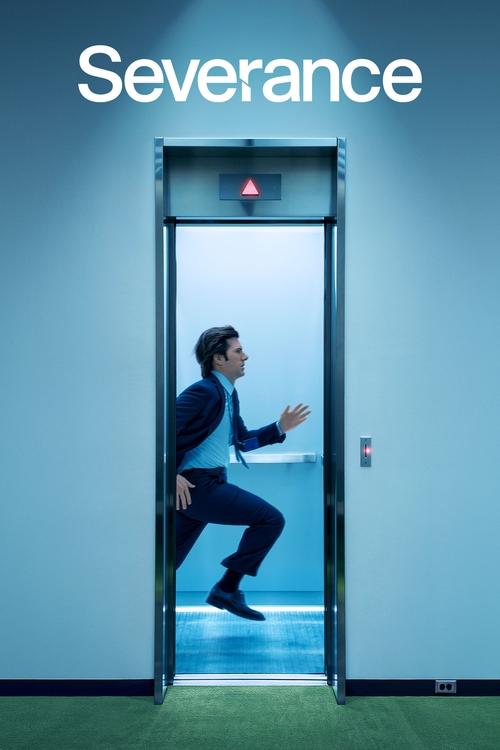
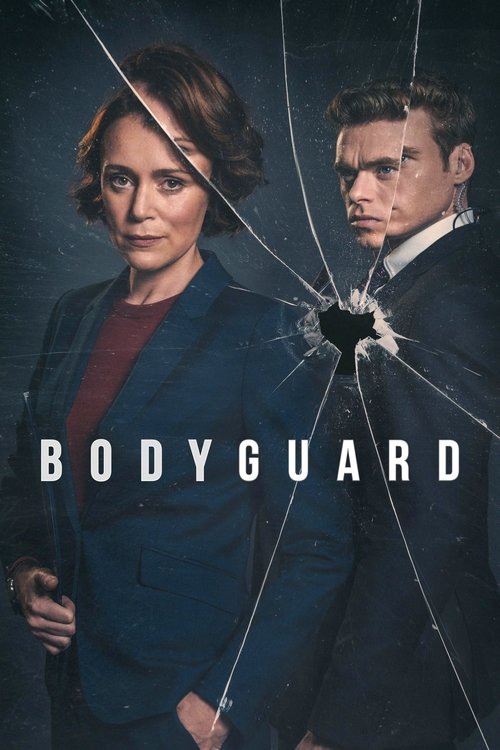
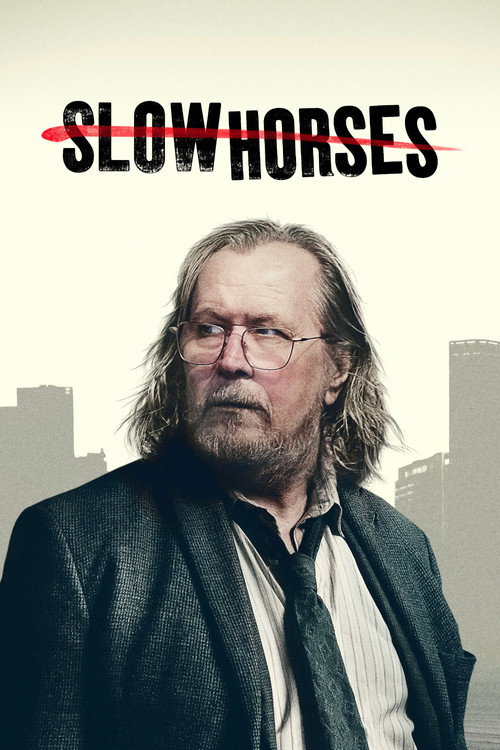
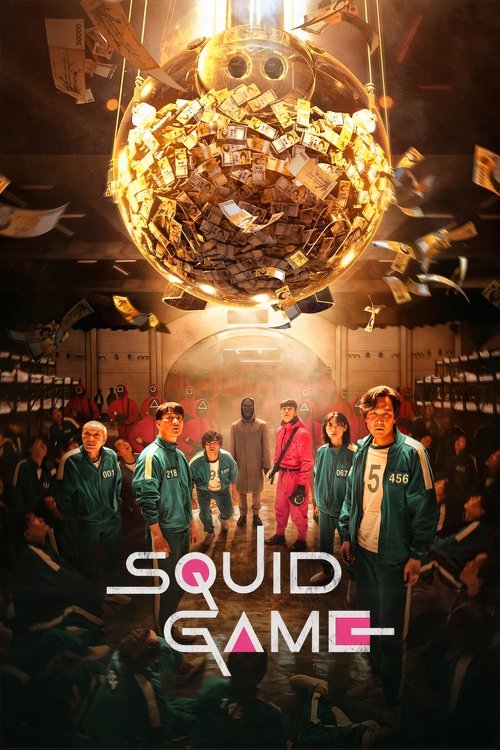

Where to Go Next
If the films on this list feel familiar, the fastest route to new material is through the books. The Devotion of Suspect X by Keigo Higashino is structured unlike almost anything in Western crime fiction: the killer is known from page one, and the dread comes entirely from watching an elaborate lie be constructed and maintained. Gillian Flynn's early work (Sharp Objects, Dark Places) is bleaker and more formally interesting than Gone Girl, which is the one that crossed over.
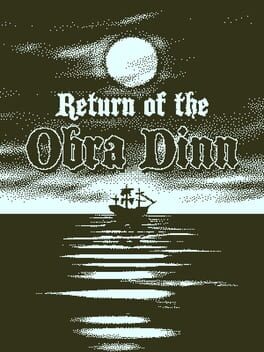
In games, if you have not played Return of the Obra Dinn, stop reading. The entire game is a closed-room mystery aboard a ghost ship. You have a ledger and a magic compass that shows you the moment of each crew member's death. The logic is airtight and the emotional payoff, when you finally understand what happened, is extraordinary.
And if the television list has a gap: Slow Horses, based on Mick Herron's Slough House novels, is the best spy thriller on screen right now. Gary Oldman plays a deliberately degraded, politically sidelined intelligence officer surrounded by colleagues who all failed up or fell down to reach the same dead-end posting. It has real bite.