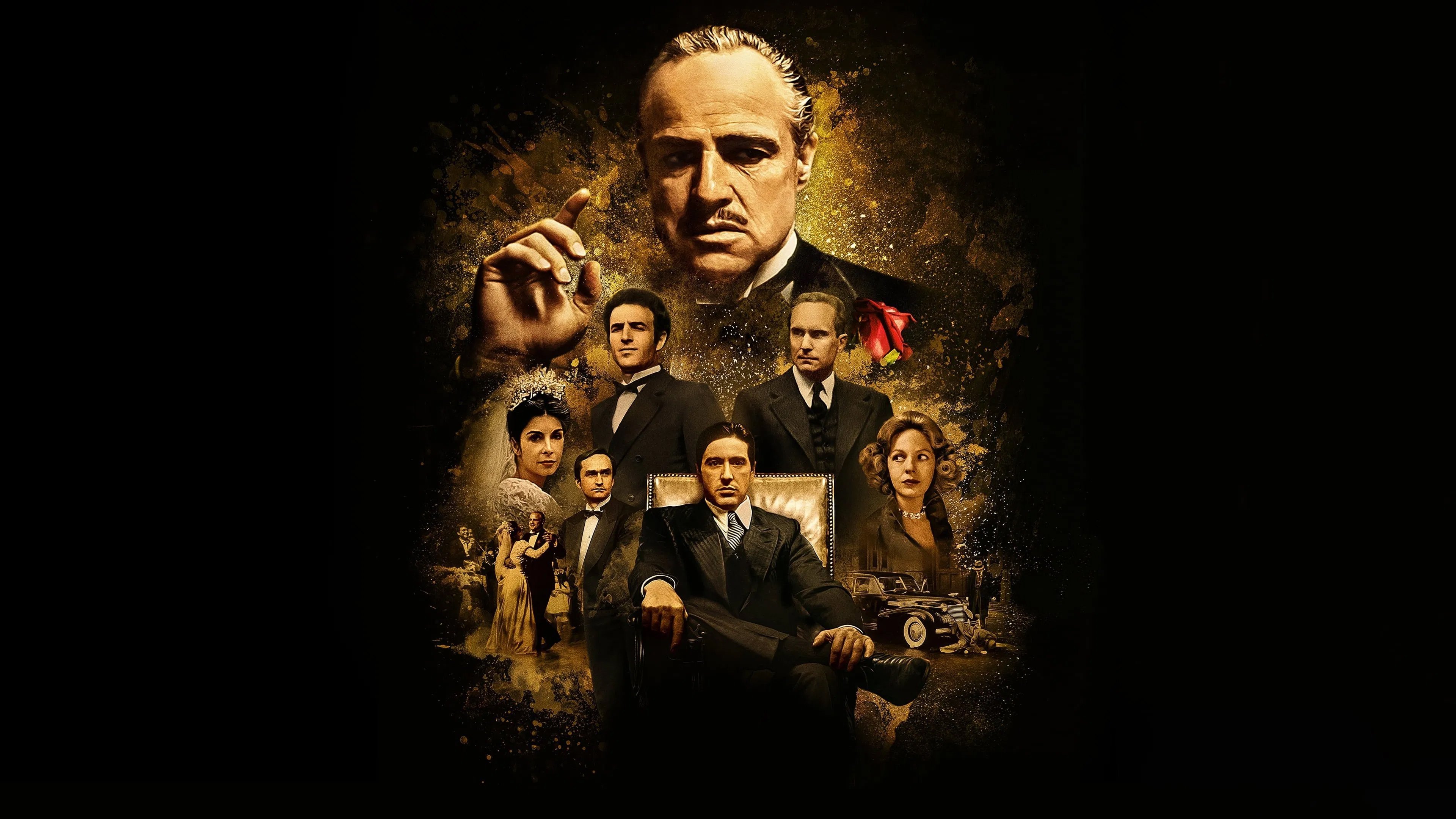

Al Pacino arrived in Hollywood at exactly the right moment and made it feel like the moment had been waiting for him. From the Corleone dining table to the precinct corridors of Serpico to the sweat-soaked Miami high-rises of Scarface, he gave American cinema its defining portrait of masculine ambition cracking under its own weight. The through-line fans respond to is not rage (though the rage is spectacular) but vulnerability: Michael Corleone's eyes in church, Frank Serpico's disbelief, Tony Montana's exhausted final stand. Pacino plays men who have already lost something important and are only beginning to find out what.
Essential Al Pacino
The films that define the body of work
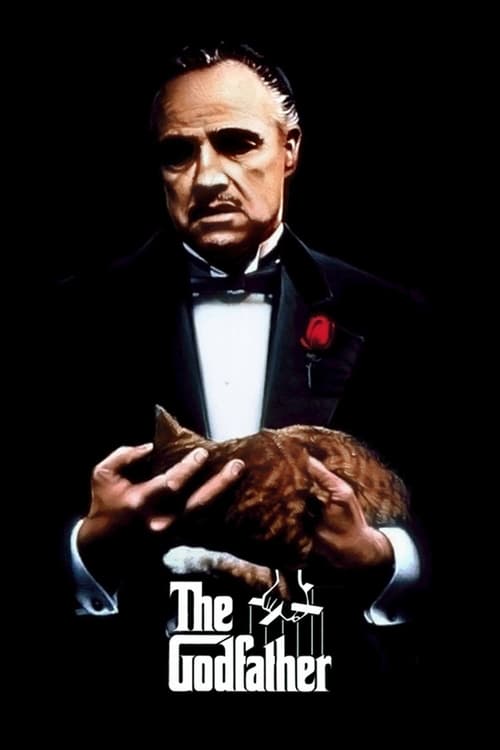
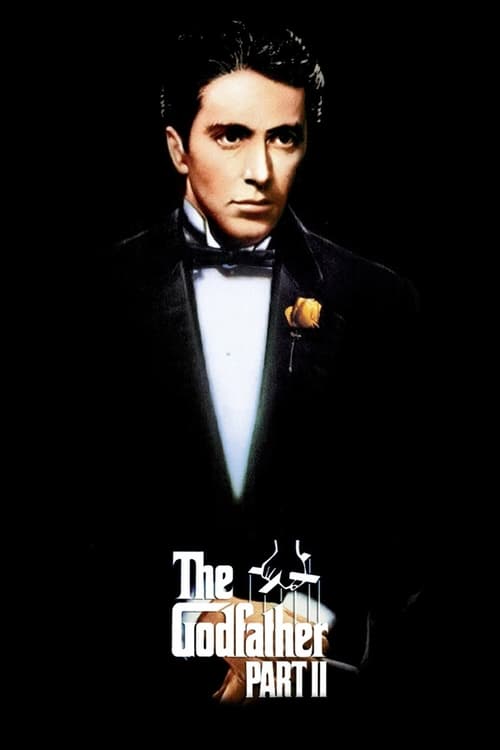

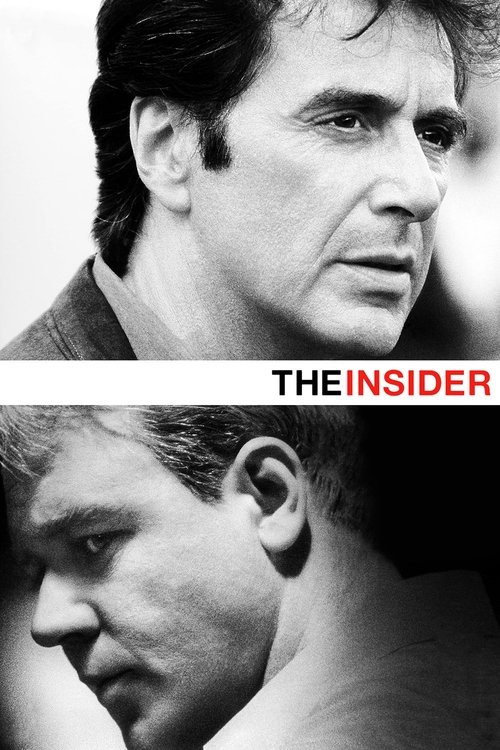
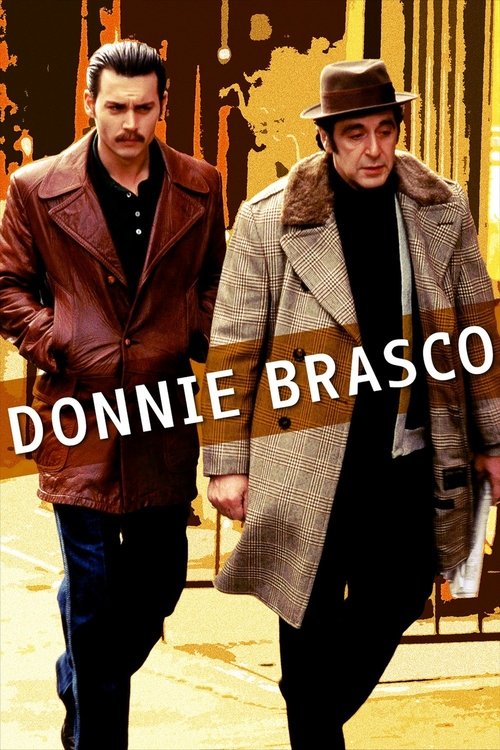
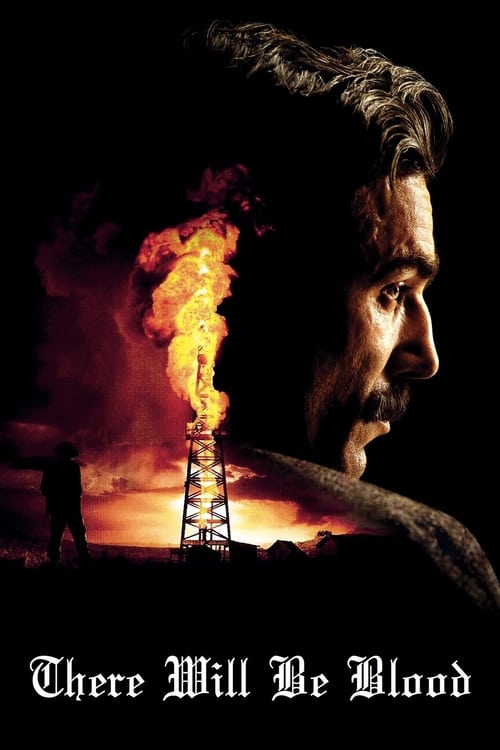
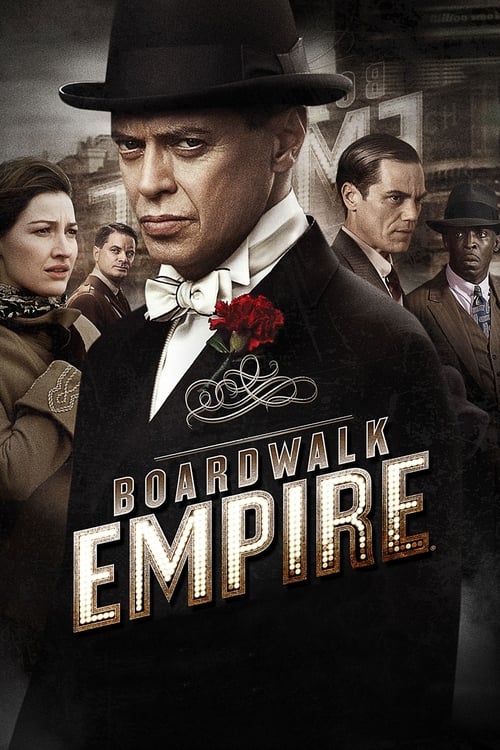
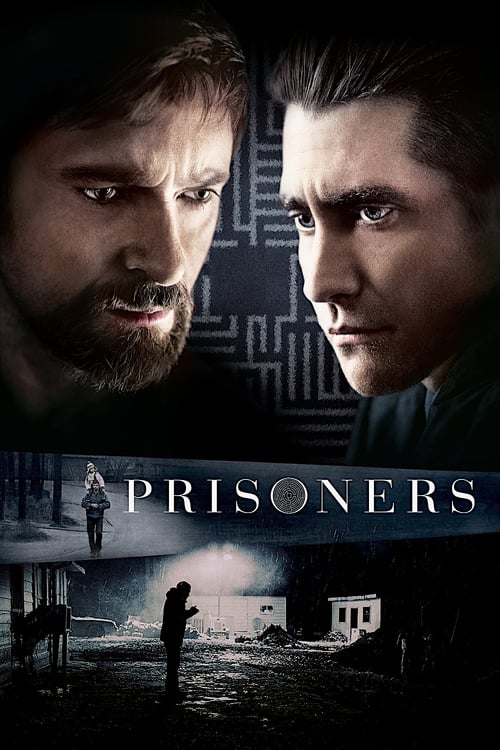
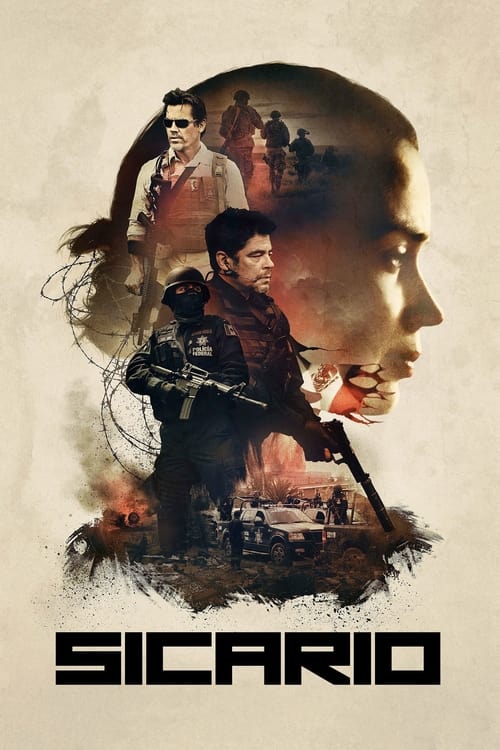
The Same Pressure, Different Directors
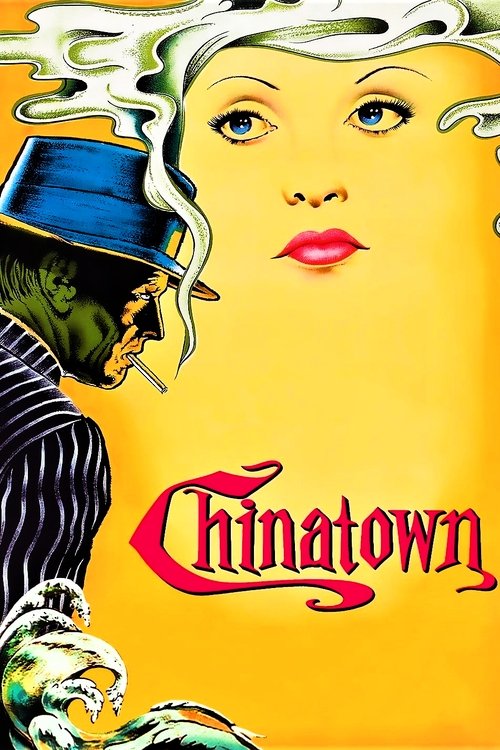
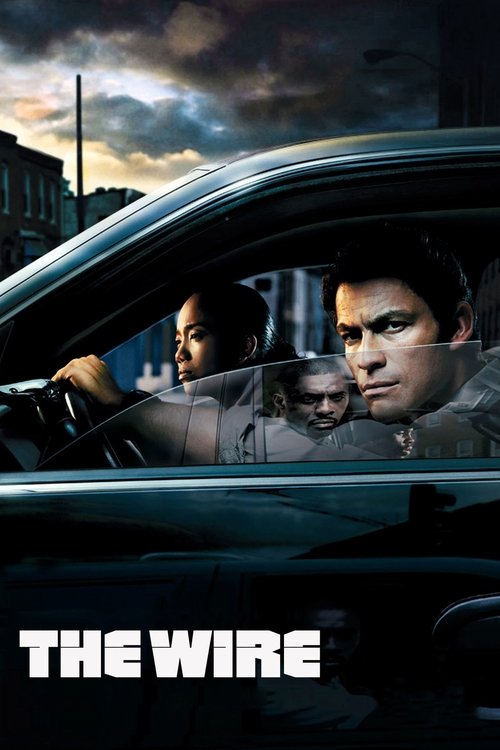
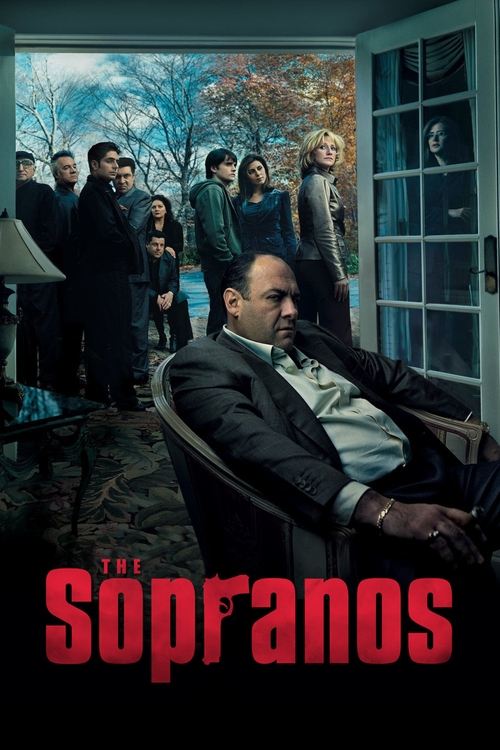
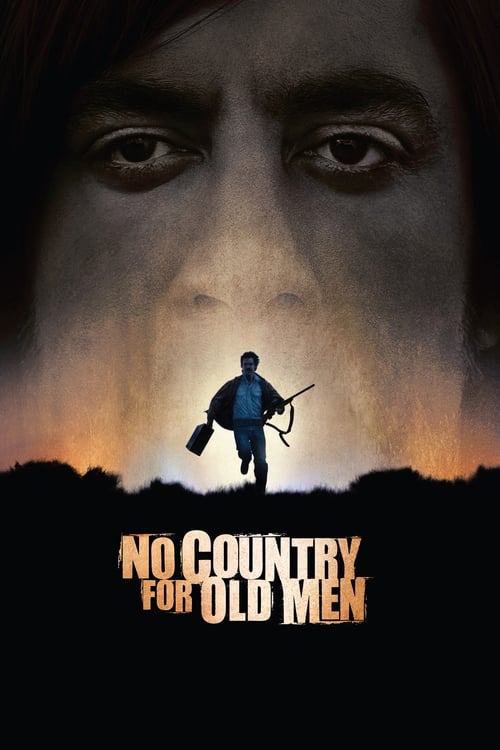
Films and series that share Pacino's heat and moral weight
The Novels Behind the Screen
Books that Pacino films adapt or share the same darkness


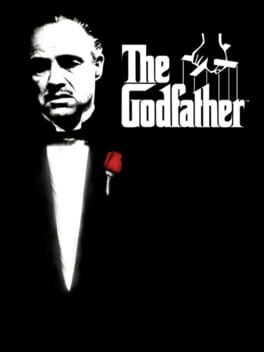
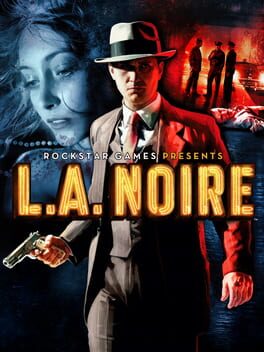
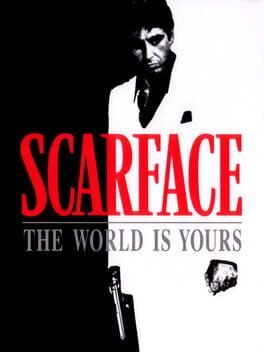
Games That Play in Pacino's World
Crime, consequence, and moral pressure in interactive form
Same Register, Different Faces
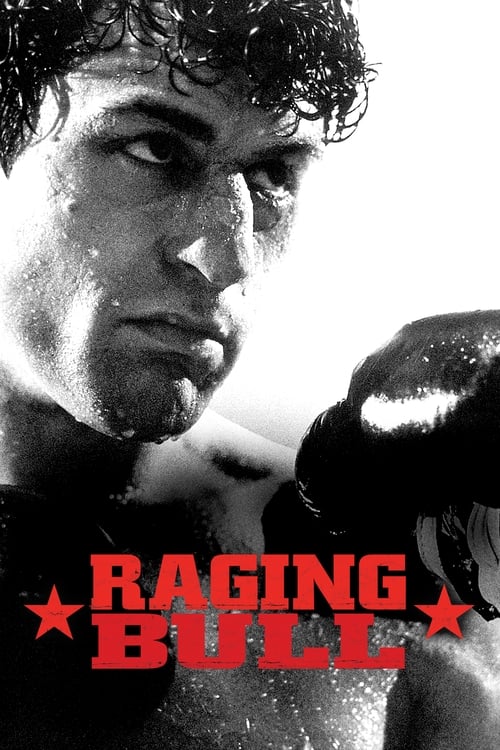
Actors whose best work belongs in any Pacino double feature
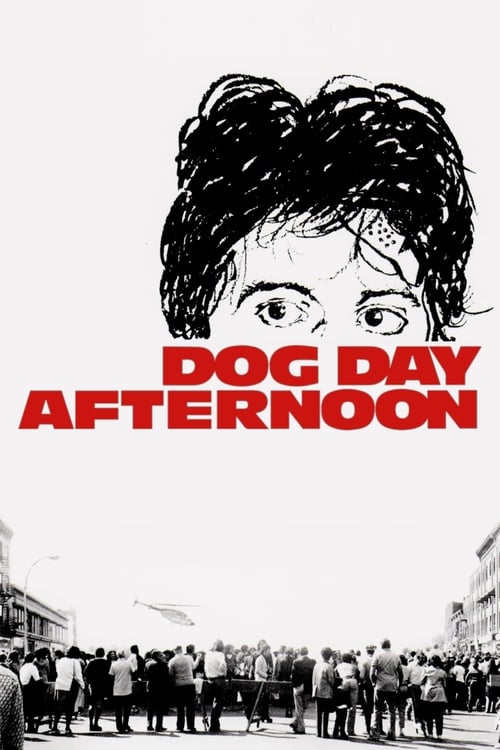
Dog Day Afternoon Is the Purest Pacino Film
Scarface gets the poster sales. The Godfather gets the legacy. But Dog Day Afternoon is the film where Pacino's specific gift is most nakedly on display: the ability to be sympathetic and chaotic and funny and desperate inside the same sixty seconds. Sidney Lumet strips the genre down to one location and lets Pacino fill the space, and what fills it is a portrait of a man whose good intentions have created a catastrophe he cannot stop. Every quality Pacino fans love is here, concentrated.
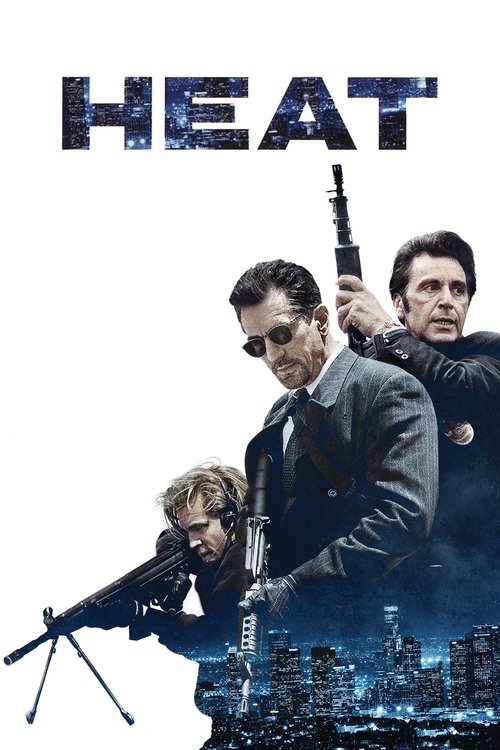
Heat Changed What a Crime Film Could Be
Michael Mann's 1995 film is often discussed as a technical achievement (the downtown shootout set the template for action choreography for a decade) but its real accomplishment is the diner scene: two men who understand each other completely, who share a code, who will not flinch from destroying each other. Robert De Niro's McCauley and Pacino's Hanna are mirror images, and the film earns that thesis rather than just asserting it. The scope is operatic but the emotion is precise.
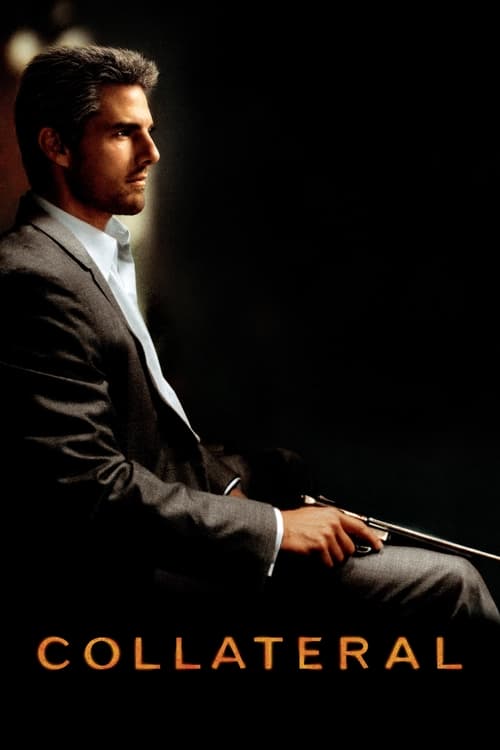
Angels in America Showed a Different Gear
Tony Kushner's HBO adaptation gave Pacino the most morally repellent character of his career (Roy Cohn, real lawyer, historical villain) and he played it without a single moment of distancing irony. The performance is a full commitment to a man who denies everything about himself and destroys people in the process. It is one of television's great acting turns, and it came from a film actor who understood the material demanded something other than charisma.
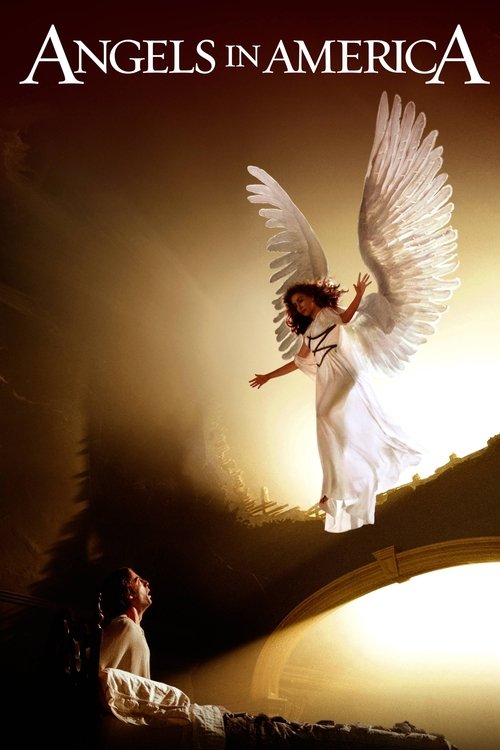

Scarface Is a Myth That Outlived Its Genre
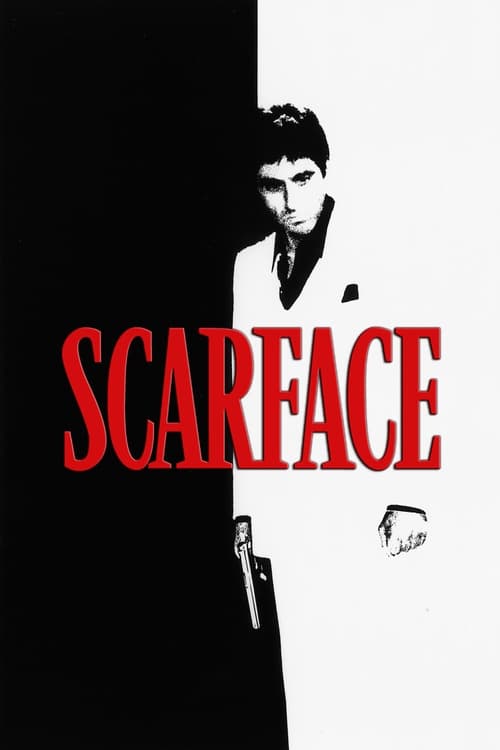
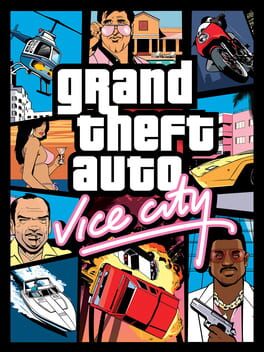
Brian De Palma and Oliver Stone built Scarface as a critique of the American success fantasy, and audiences responded by turning it into an aspiration. That gap between intent and reception is itself part of the myth: Tony Montana became a mascot for the very hunger the film diagnoses as fatal. Pacino plays it not as a gangster film but as a tragedy with a Cuban accent and a lot of cocaine, and the absurdity of the scale is the point. Vice City (game) captured this better than most official sequels to anything.
A Career in Full
- 1971Breakthrough debut The Panic in Needle Park
- 1972Michael Corleone, Part I The Godfather
- 1973Against the institution Serpico
- 1974Michael Corleone, Part II The Godfather Part II
- 1975Career-defining hostage day Dog Day Afternoon
- 1983The myth of Tony Montana Scarface
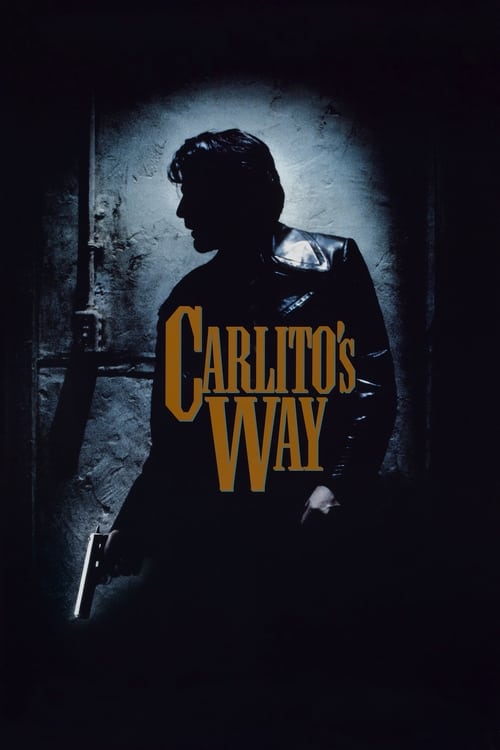
- 1993Crime elegance Carlito's Way
- 1995Masterclass opposite De Niro Heat
- 1999Academy Award-nominated journalism drama The Insider
- 2003Roy Cohn on television Angels in America
More crime and the men who run it
Mafia & Organized Crime
Explore the Mafia & Organized Crime guide →He never plays a type. He plays a man who became a type, and that is a much harder thing.CrossBinge editorial