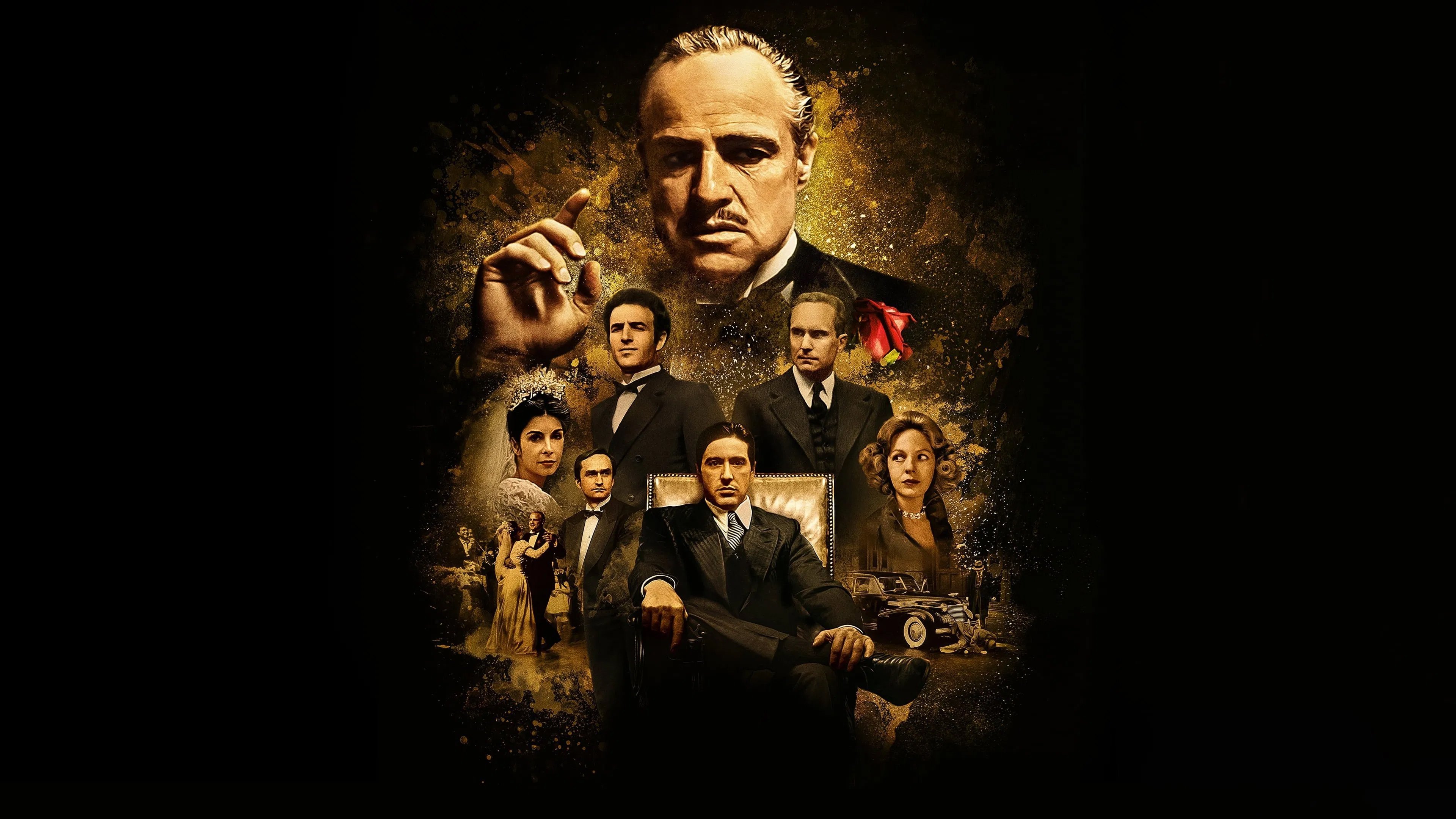

Marlon Brando arrived on Broadway in 1944 and changed the temperature of American performance. His work in the Actors Studio tradition (under Stella Adler) introduced a physicality and psychological interiority that made his contemporaries look posed. From Terry Malloy on the docks to Vito Corleone at the family table, from Colonel Kurtz in the jungle to Stanley Kowalski in the sweltering French Quarter, Brando built characters from the inside out. The through-line fans chase is a quality of radical presence: the sense that something unscripted and real could happen at any moment.
Essential Marlon Brando
The films that defined a career and rewired what screen acting could be

Method to the Madness: Same-Register Performances
Actors who carry the same dangerous interiority Brando pioneered
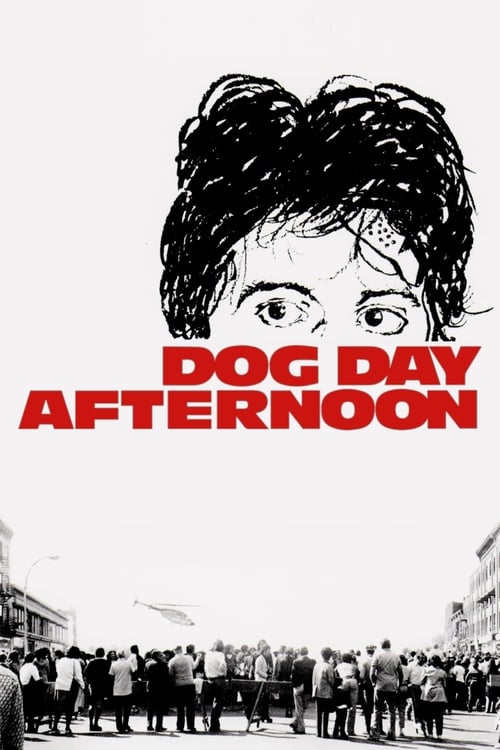
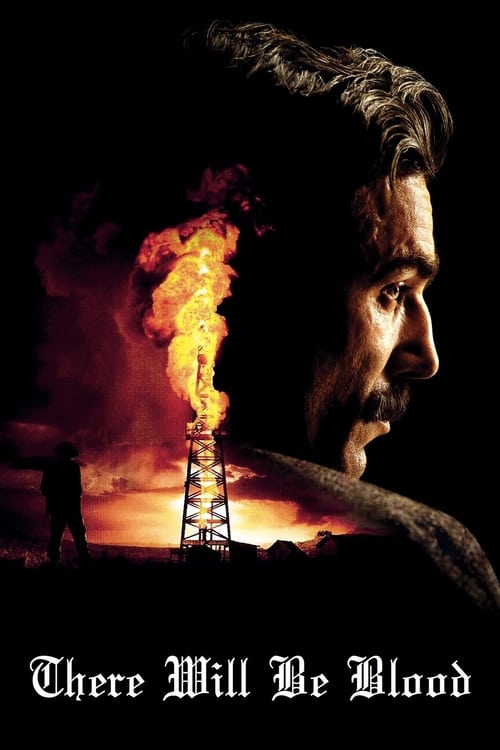
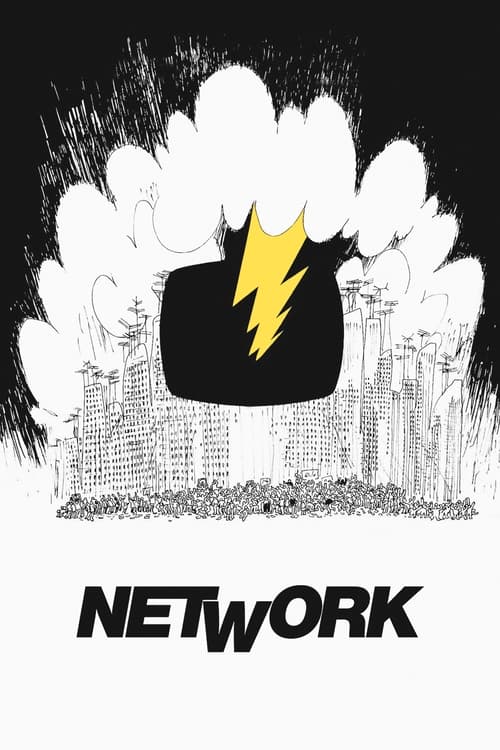
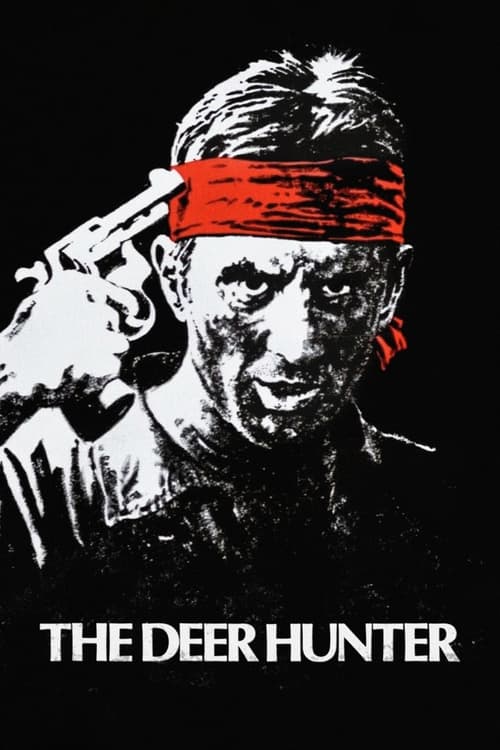


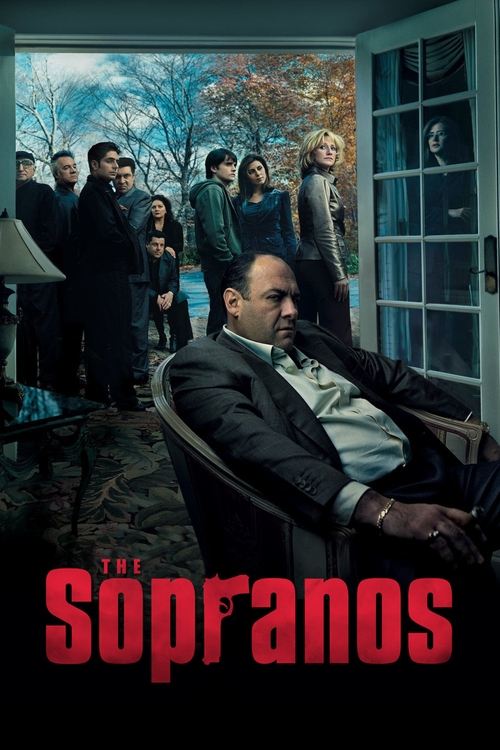
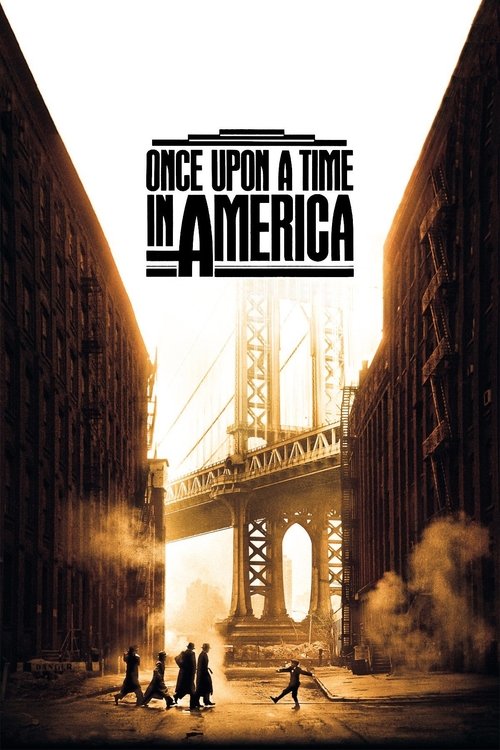
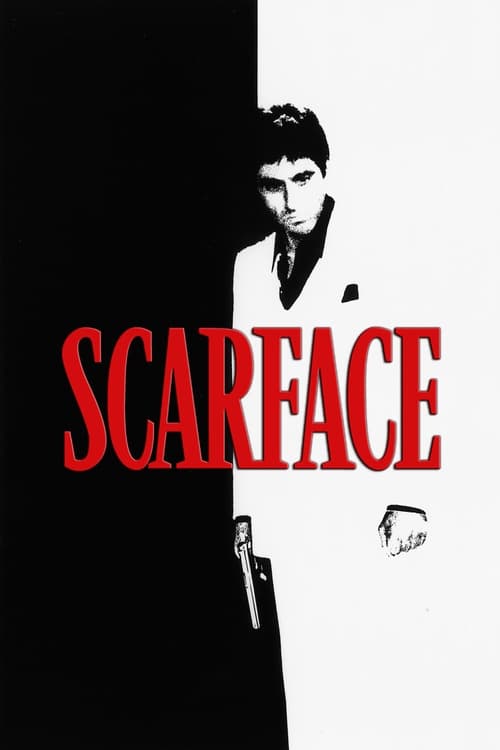
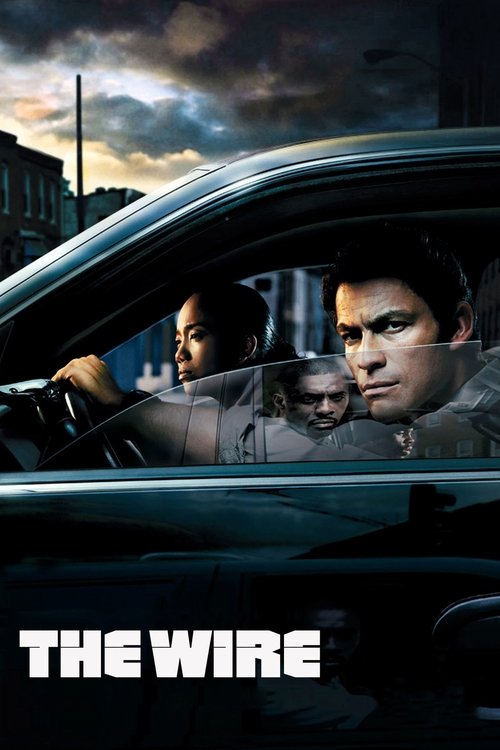
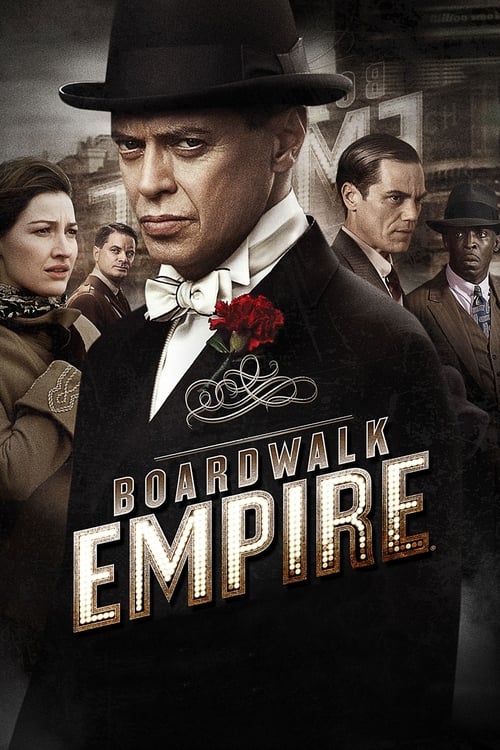
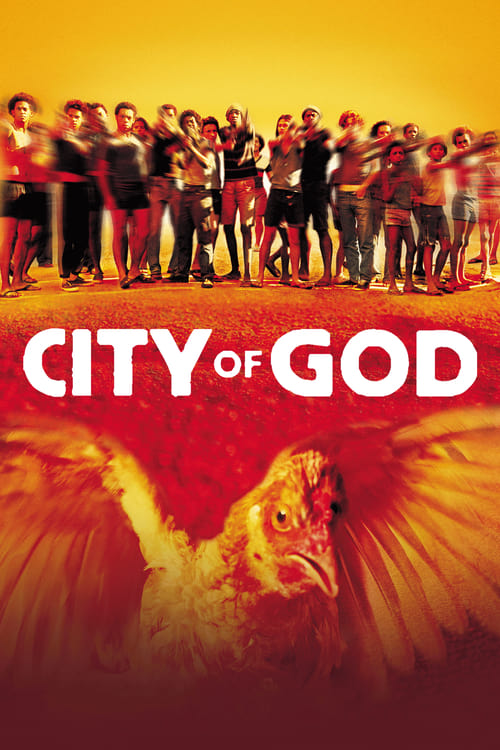
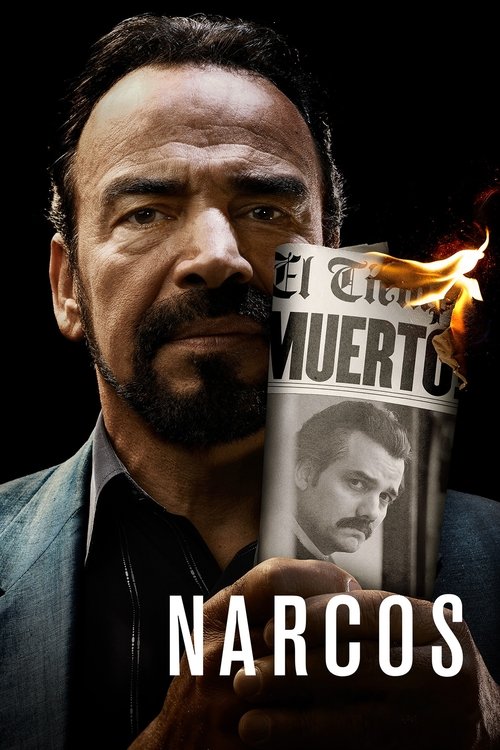
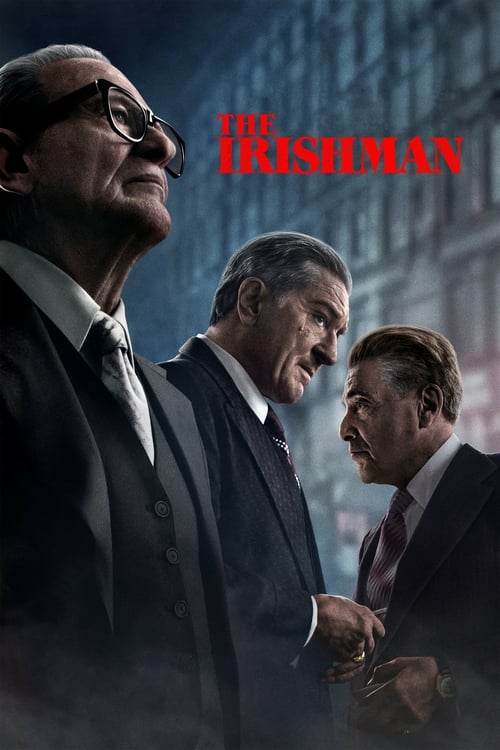
Power and Corruption: Mafia, Dynasties, and Men in Charge
Films and series that share the moral weight of The Godfather
Hearts of Darkness: The Source Books Behind Brando's Greatest Roles
The novels, plays, and memoirs that fed the films


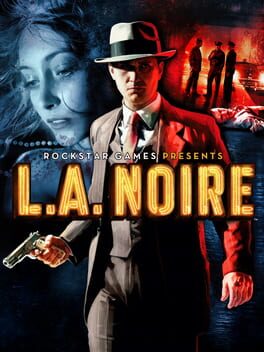
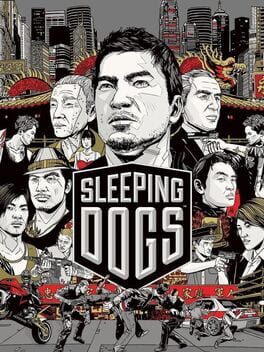
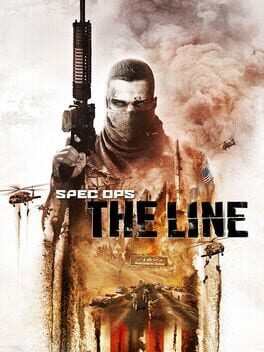
Power Plays: Games of Violence, Loyalty, and Consequence
Games that prize psychological tension and moral ambiguity over spectacle
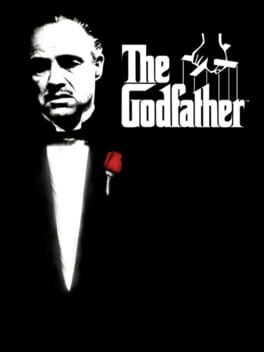
American Sounds: Blues, Jazz, and the Restless Shore
Music that shares Brando's era and emotional register
On the Waterfront Is Still the High-Water Mark
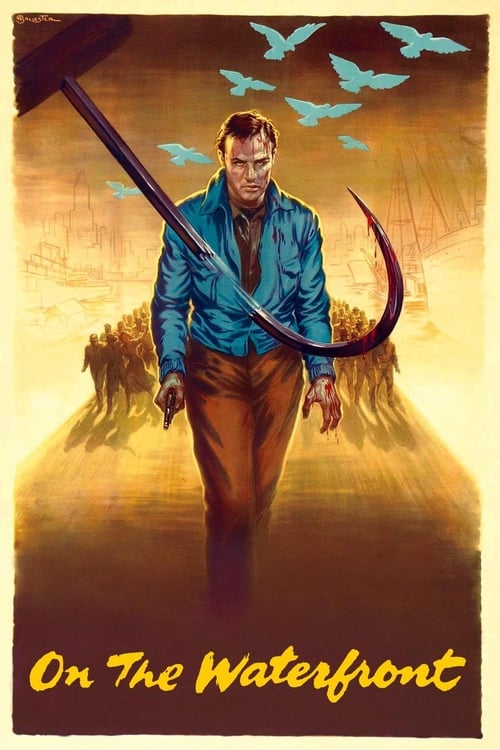
Elia Kazan's 1954 film gave Brando the role that crystallised everything the Method promised. Terry Malloy is inarticulate, self-deceiving, and capable of genuine heroism. The cab scene with Rod Steiger is often taught as a masterclass in screen listening. Brando does almost nothing and every micromovement lands. Fifty years on it remains the benchmark against which American screen realism is measured.
Apocalypse Now Needed a Brando Who Said No to Everything
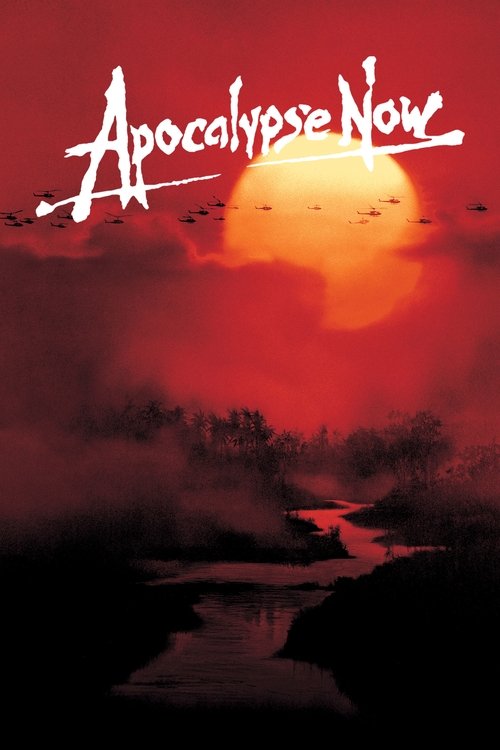
Colonel Kurtz appears in fewer than twenty minutes of the film. Coppola and Brando improvised much of the monologue on set. The result is a performance built on withholding: pauses, shadow, fragments of poetry. It works because Brando understood that the unseen is more powerful than the explained. The Doors' 'The End' and the river journey earn their payoff precisely because Kurtz, when he arrives, refuses to justify himself.
The Godfather Invented a New Way to Play Power
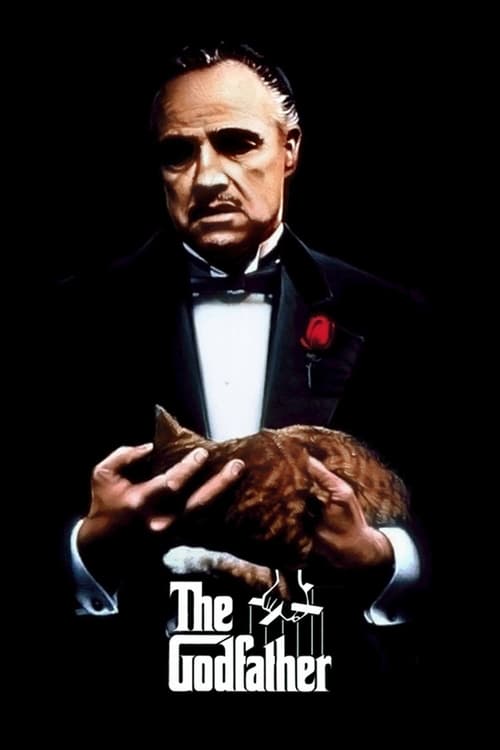
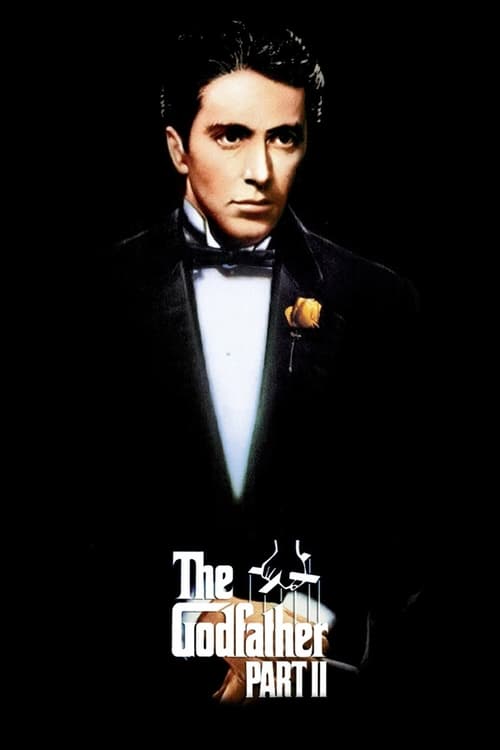
Vito Corleone is never loud. That was the revelation of Brando's performance: real authority does not raise its voice. The hoarse whisper, the deliberate pace, the cat resting in his lap during the opening scene all reinforce a man who has nothing to prove. Puzo's novel is the obvious companion, but the film surpasses it on almost every count because Brando and Coppola understood that less information, not more, is what makes a patriarch terrifying.
The Wild One Invented the Rebel Template
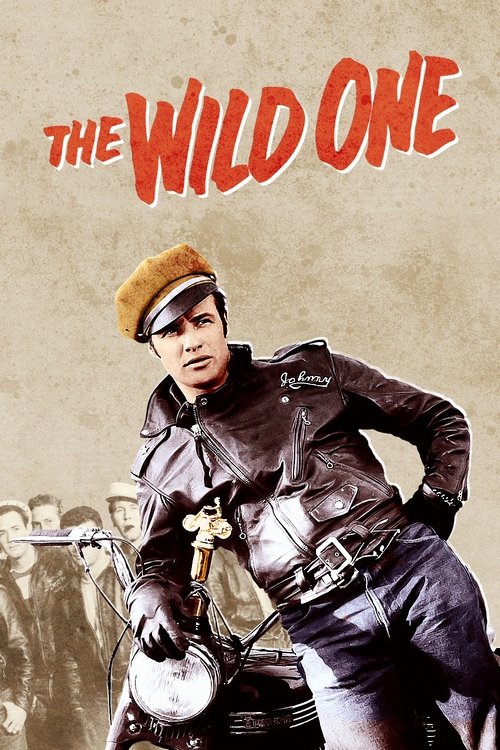
When someone asks Johnny what he's rebelling against and he answers 'Whaddya got?', it sounds like a cliche now because everyone borrowed it. The film itself is rough around the edges by later standards. What it gives you is the image: leather jacket, motorcycle, contempt as attitude rather than ideology. Brando didn't invent youth rebellion but he handed it a look and a posture that pop culture has never fully stopped repeating.
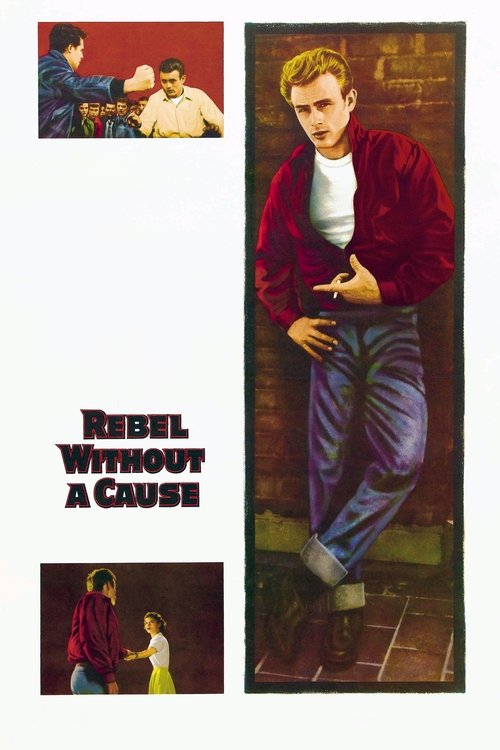
A Career in Moments
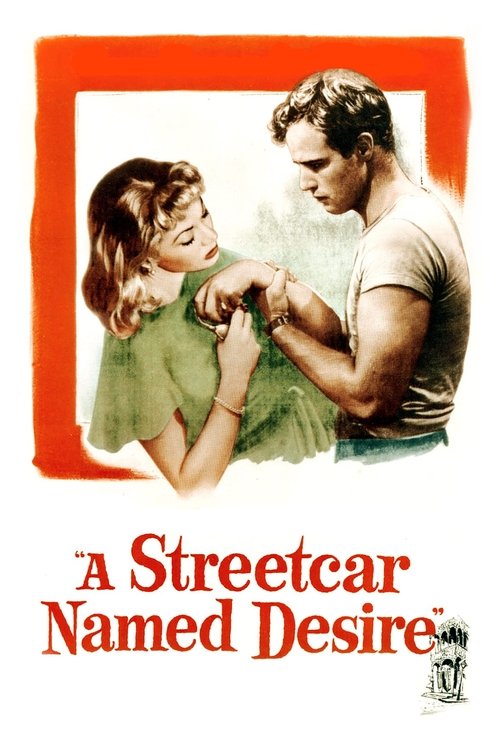
- 1947Broadway debut in A Streetcar Named Desire under Elia Kazan, opposite Jessica Tandy
- 1951Film version of Streetcar earns him his first Academy Award nomination A Streetcar Named Desire
- 1953The Wild One turns him into the face of American juvenile rebellion The Wild One
- 1954On the Waterfront, Best Actor Oscar, working again with Kazan On the Waterfront
- 1972The Godfather: the comeback performance that redefined what a star could do with a character part The Godfather
- 1973Declines the Oscar for The Godfather, sends Sacheen Littlefeather to protest Hollywood's treatment of Native Americans
- 1979Apocalypse Now: Kurtz, the limit-case of Brando's method Apocalypse Now
- 1990The Freshman: a self-aware riff on Corleone; proof he retained his wit
- 2004Dies in Los Angeles, 80 years old, legacy debated and undeniable
Mob epics and method icons
Mafia & Organized Crime
Explore the Mafia & Organized Crime guide →Privacy is not something I'm merely entitled to, it's an absolute prerequisite.Marlon Brando