
Alfonso Cuaron makes films that put you inside a body, inside a moment, inside a place so precisely rendered you forget you are watching. His signature is the unbroken take that earns its length: the hospital corridor in Children of Men, the spacewalk in Gravity, the family scenes in Roma that accumulate meaning the way memory does. Born in Mexico City, he crossed into English-language studio filmmaking without losing what made his early work so alive, and then brought everything home with Roma, a black-and-white personal epic about the woman who raised him. The through-line across his career is not genre but texture: physical, emotional, social. His worlds press against their characters, and those characters press back.
Essential Alfonso Cuaron
His films, in order of ambition and intimacy



Directors Who Share His Eye
Auteurs who build worlds you feel on your skin





Series That Carry the Same Weight
Television with his sense of place and social pressure




The Source Novels and Books Behind His Worlds
Books that fed his films or share their concerns


Games with His Cinematic Intensity
Playing in spaces that feel as urgent and tactile as his frames





The Long Take Is a Moral Argument
Cuaron does not use the unbroken take as a technical stunt. When the camera refuses to cut away in Children of Men, staying with Kee and the soldiers even as the scene becomes almost unbearable, the refusal to edit is itself a statement: we do not get to look away from what is happening to these people. The same logic governs the domestic scenes of Roma. The long take forces the viewer into a relationship with duration, with consequence, with the weight of being present.
Class Is Always in the Room
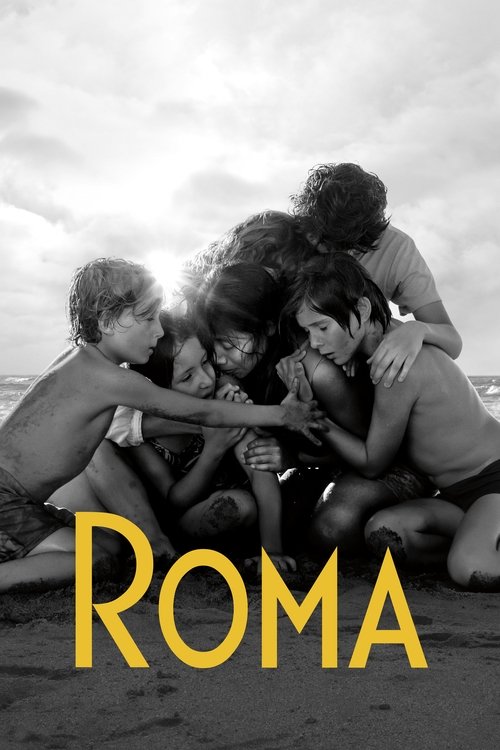
Whether it is the invisible labor of Cleo in Roma, the stratified survival politics of Children of Men, or the barely-hidden inequalities beneath the Mexico City bourgeoisie in Y Tu Mama Tambien, Cuaron keeps economic reality in the frame even when his characters do not see it. He is not a polemicist, but he is always looking at who is doing the work and what they are owed for it.
Space as Character
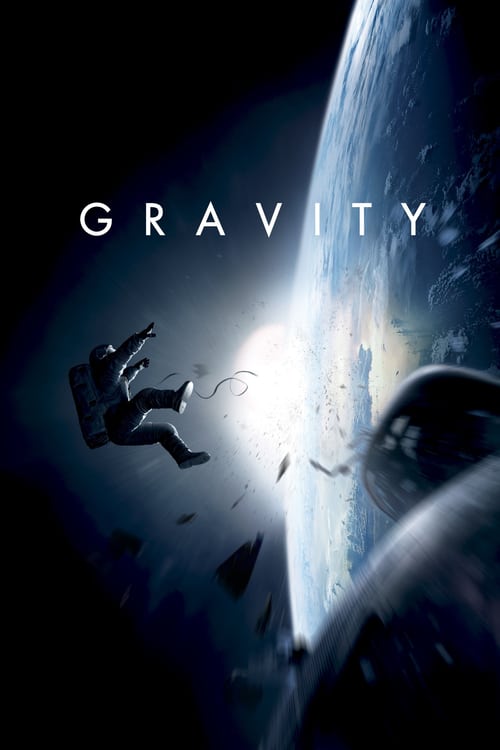
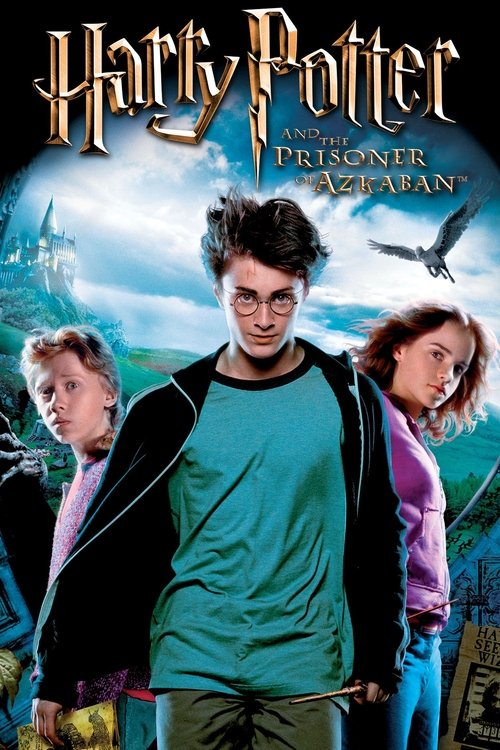
Gravity is the clearest case: space is not a backdrop, it is an antagonist with its own physics and indifference. But the same principle holds in the flooded streets of Roma's beach sequence, in the ruined England of Children of Men, and in the corridors of Hogwarts under Cuaron's tenure, which feel genuinely old and dangerous in a way they do not in the other films of that series. His locations are never neutral.
Road Trips as Self-Discovery
Y Tu Mama Tambien uses the road-trip form to strip its characters down to their contradictions. The journey is fun, then painful, then irreversible. Cuaron understands that travel in film works best when the characters cannot go back to who they were before they left. It is the same engine that drives the survival arc in Gravity: you either change or you do not make it.
A Career in Milestones
- 1991Feature debut in Mexico Sólo con tu pareja
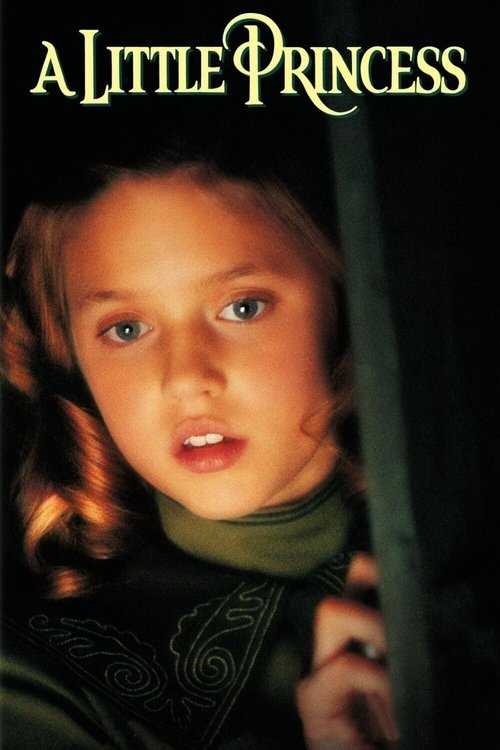
- 1995Hollywood breakthrough A Little Princess
- 1998Literary adaptation Great Expectations
- 2001Mexican coming-of-age, international acclaim Y Tu Mamá También
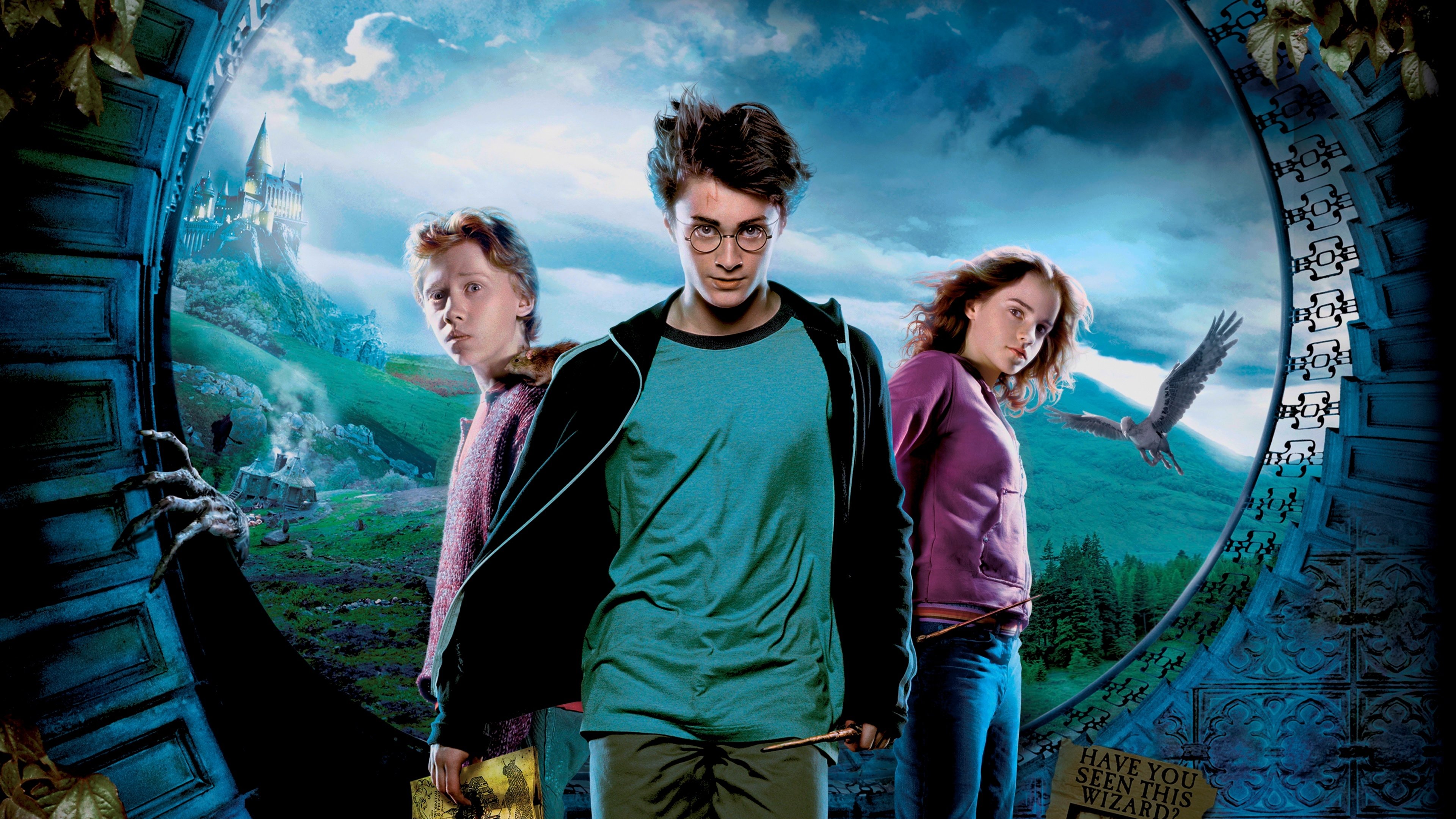
- 2004Darkest Harry Potter, his own visual stamp Harry Potter and the Prisoner of Azkaban
- 2006Dystopian masterwork, single-take action Children of Men
- 2013Survival film in orbit, box-office and Oscar success Gravity
- 2018Personal memoir, Best Director Oscar, Best Picture Oscar Roma
Lived-in worlds, urgent humanity
For Fans of Children of Men
Explore the For Fans of Children of Men guide →Cinema is the art of making the invisible visible: time, memory, the weight of a look between two people who cannot say what they mean.Alfonso Cuaron