
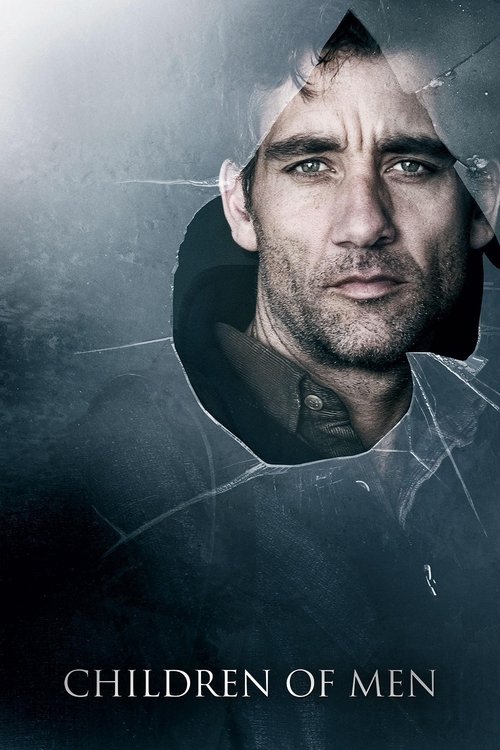
Alfonso Cuaron's 2006 adaptation of P.D. James's novel is one of the most sustained achievements in modern cinema: a single-take war-zone sequence, a world where human fertility has stopped, and at the center of all of it, a baby whose existence everyone wants to control. What fans chase is not the plot but the texture: the film feels like documentary footage from a place that does not exist yet. The handheld camera never flinches. The world has kept going, grimy and bureaucratic and deeply recognizable, even as it ends. That combination, formal daring plus genuine emotional weight, is what the films, series, books, and games below are reaching for.
Essential Children of Men
The film and its closest company in Cuaron's own work


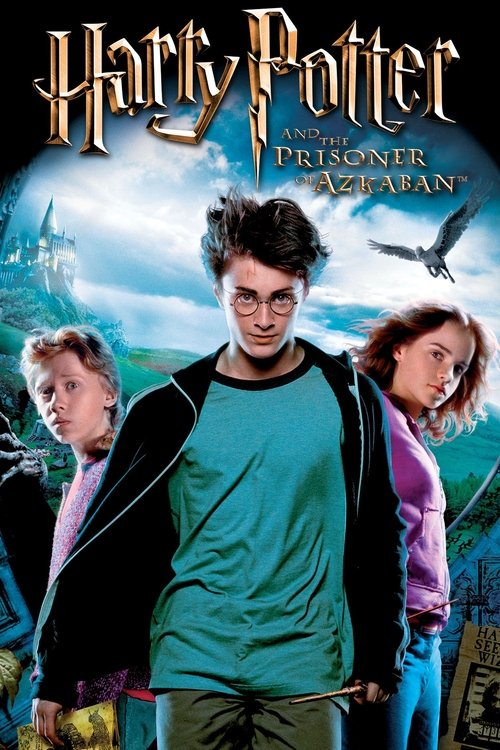
Same-Vibe Films: Collapse as Setting, Hope as Fuel
Movies that use civilization's end to ask what people are willing to do for one another
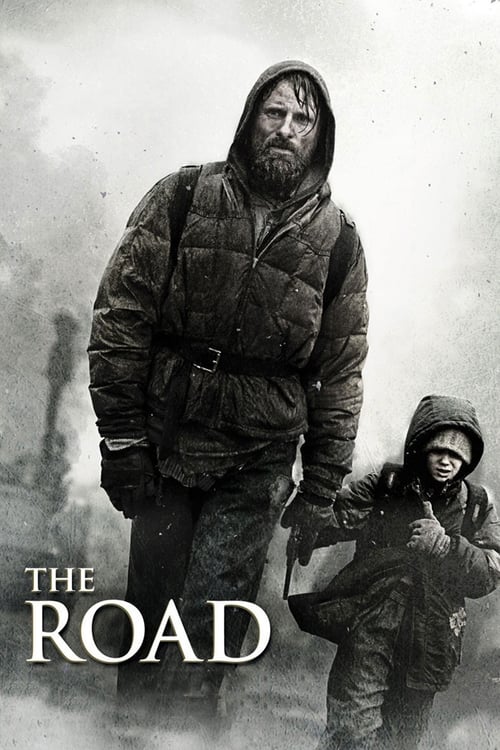
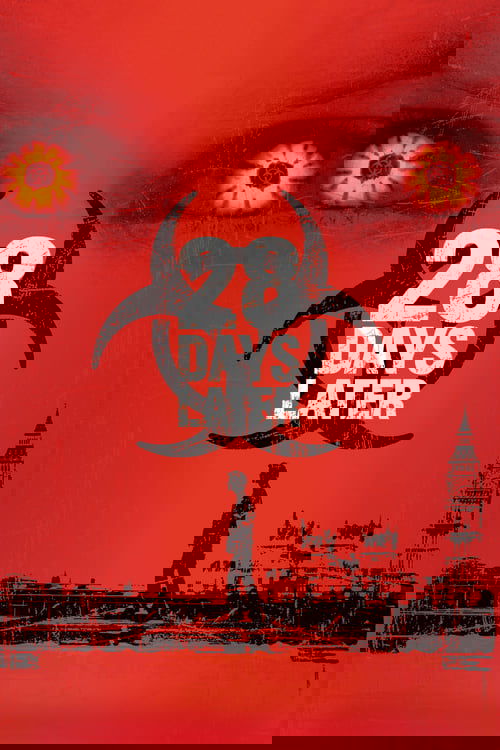
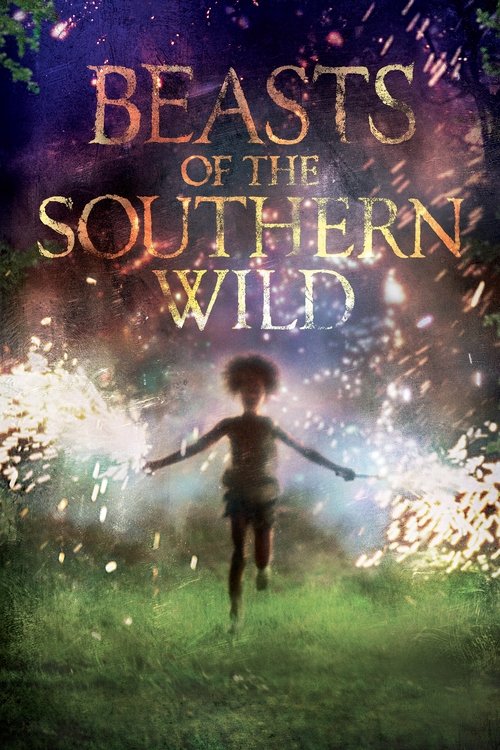
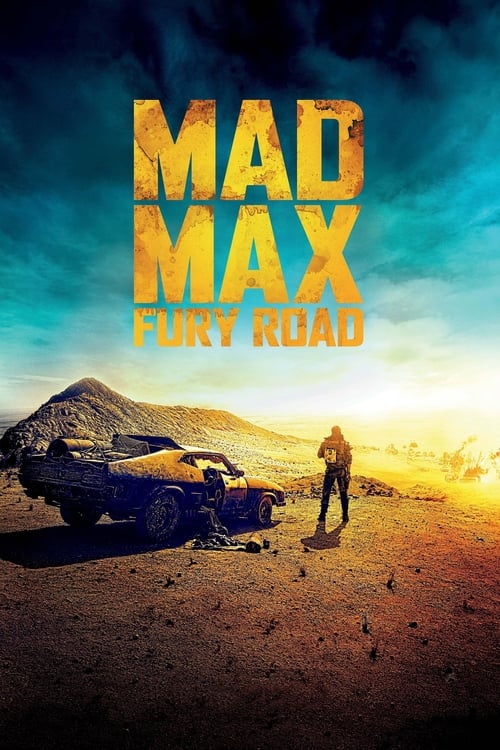
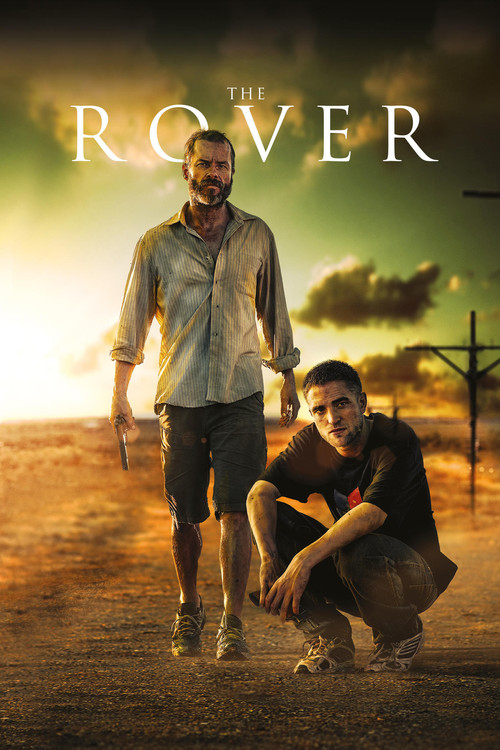
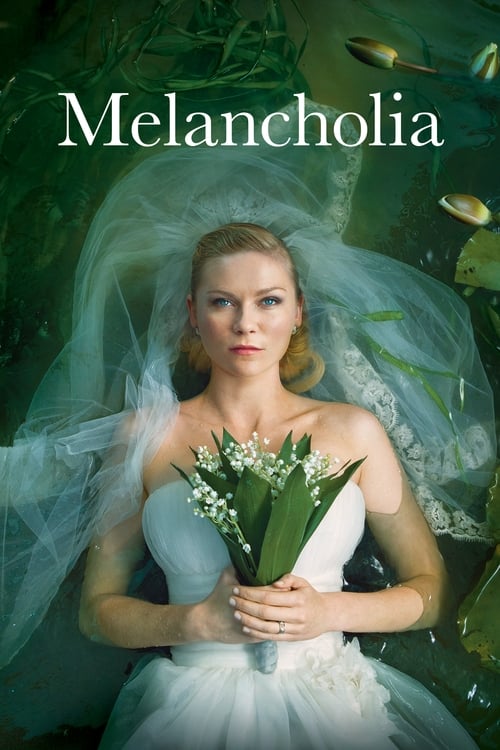

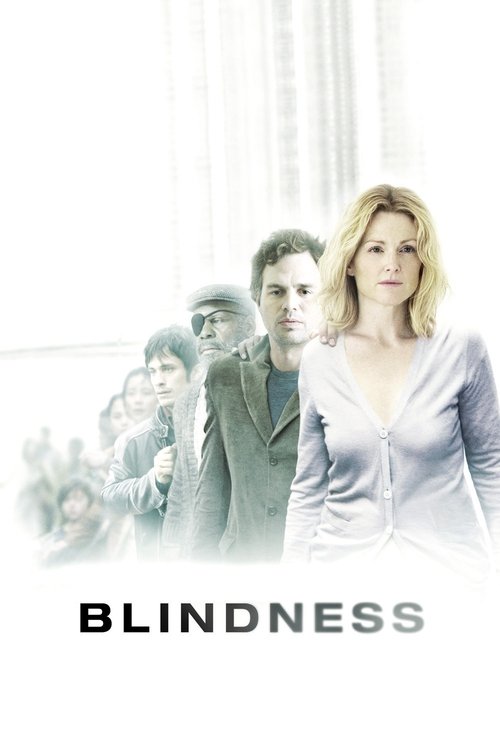

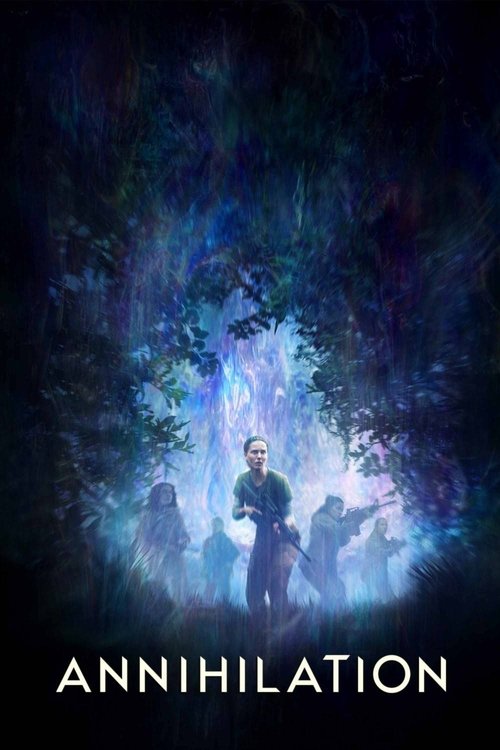
Series in the Same Vein
Television that sustains the grey, grounded end-of-world feeling over multiple episodes
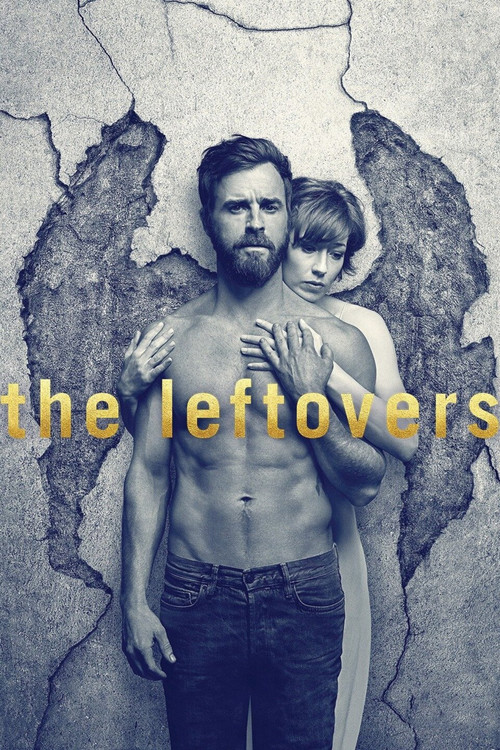
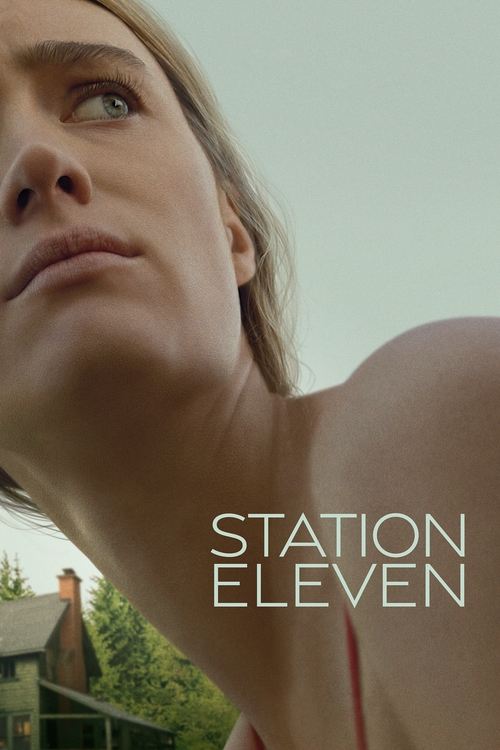
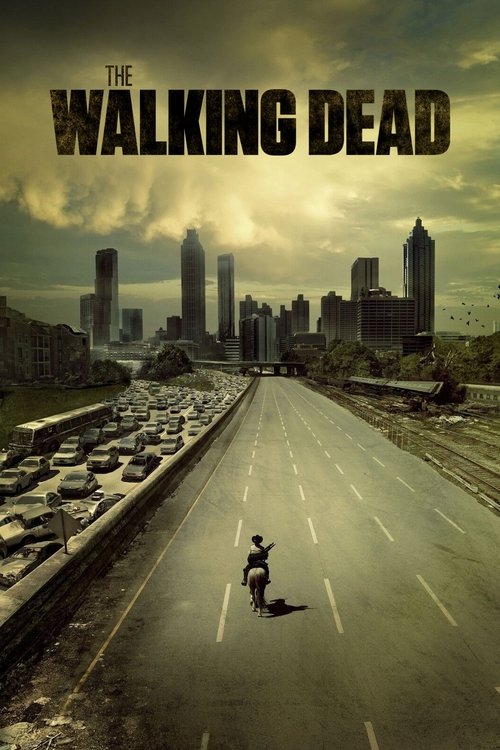

The Novels: Source, Parallel, and Descendant
Books that share the film's fertility panic, bureaucratic dystopia, or close-escort structure


Games That Share Its DNA
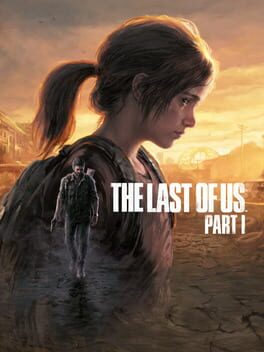
Games built around escort, survival, and the moral weight of protecting a single life

The Score and Its Companions
John Tavener, Radiohead, and the kind of music that sounds like the last quiet moment before everything changes
The Long Take Is an Argument
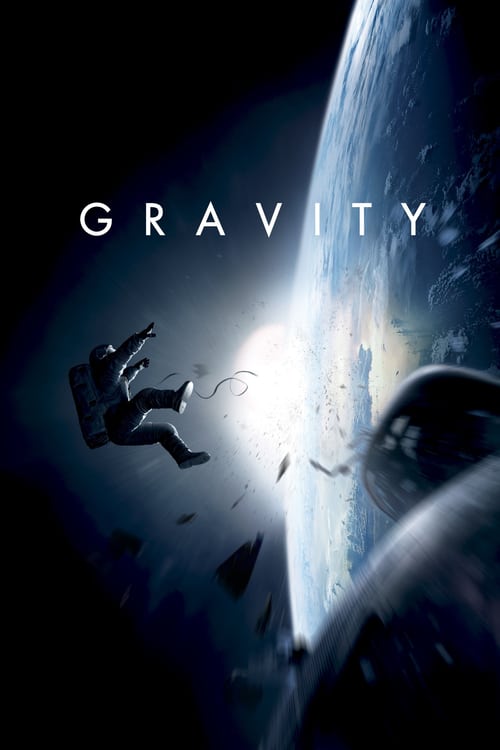
Cuaron's war-zone sequences in Children of Men are built on unbroken takes that run four, five, seven minutes. This is not a technical stunt. The refusal to cut forces the viewer to stay present: you cannot look away during an edit because there is no edit. It puts you inside Theo's experience rather than narrating it to you. The same commitment shows up in Gravity (one continuous orbital disaster), in Birdman's fake-single-take structure, and in Victoria, which ran 138 minutes without a single cut. The long take is how certain filmmakers make duration a subject.

The Escort Structure Is Ancient
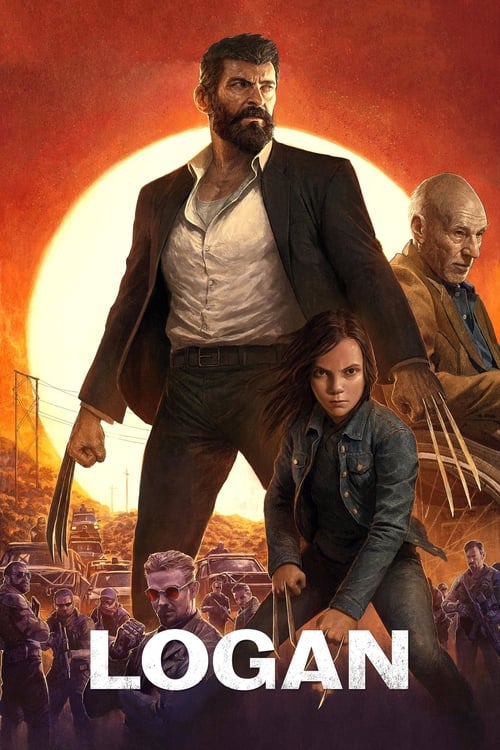
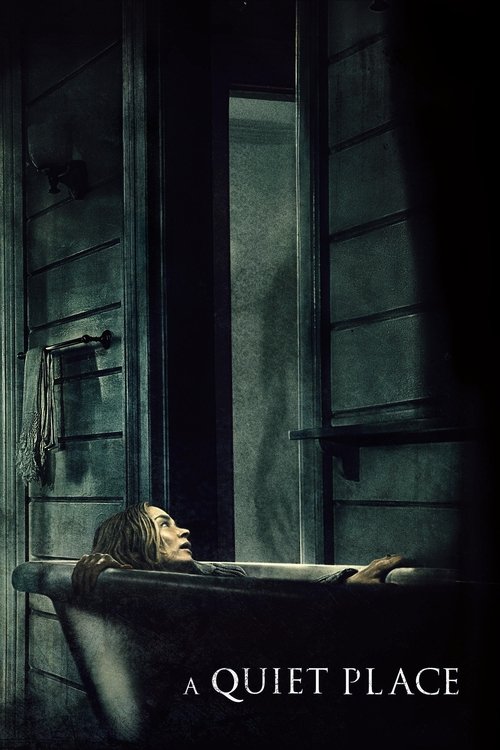
Children of Men uses one of the oldest story shapes: a protector and a charge crossing hostile territory. The power of the form comes from the asymmetry: one character carries the hope, the other carries the burden. The Last of Us built an entire franchise on this transfer, and so did A Quiet Place, Lone Wolf and Cub, and Logan. What changes between each version is what exactly is being protected and what the cost of protection turns out to be.
P.D. James Did It First, Differently
James's 1992 novel and Cuaron's film share a premise and very little else. The book is quieter, more interior, more interested in theology and the psychology of a world that has given up. Cuaron moved the Englishness outward and made it political: refugees, fascist border policy, paramilitary factions. Both are worth your time and neither cancels the other out. If the film sent you looking for something to read on the train, start with the novel, then go sideways to Never Let Me Go or The Road.
The Film That Understands Bureaucratic Collapse Best
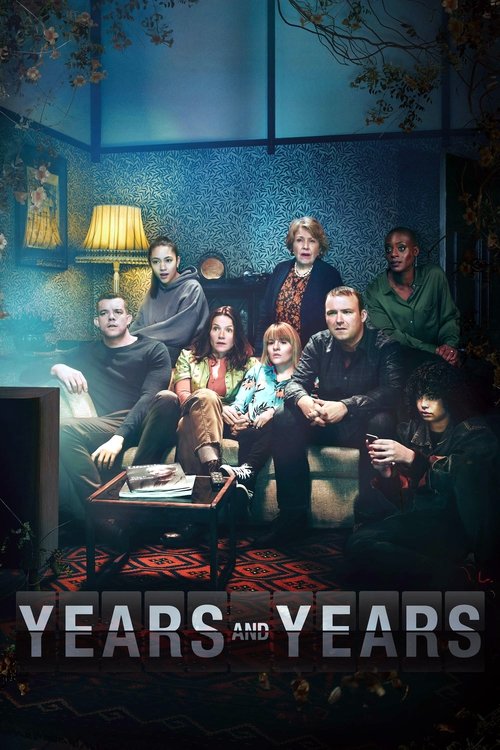
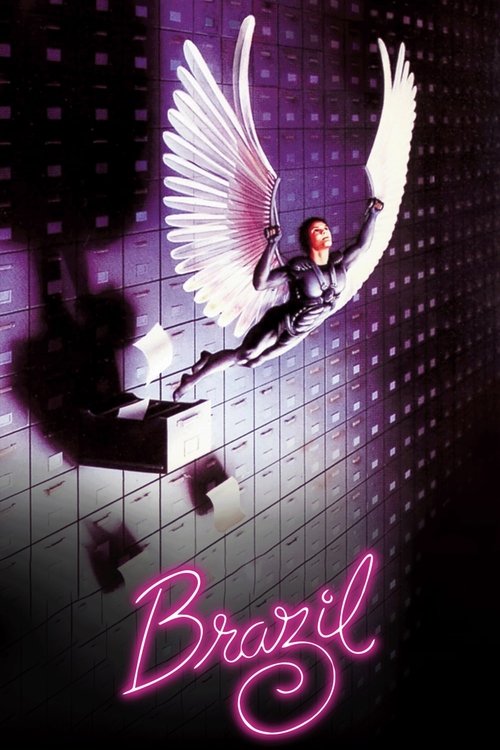
Children of Men is unusual in dystopia because its England has not collapsed into chaos but into paperwork. The Ministry of Homeland Security is functional. There are transit camps, not just rubble. Cuaron understood that authoritarianism is most frightening when it is organized, and that horror often comes with a form to fill in. Brazil and 1984 (both the Orwell novel and the Radford film) occupy the same territory. Years and Years, the HBO/BBC miniseries, brought that tradition into the 2020s.

A Lineage of Civilizational Dread
- 1948Orwell publishes Nineteen Eighty-Four, the template for organized state collapse Nineteen Eighty-Four
- 1985Brazil arrives: Gilliam's satirical bureaucratic nightmare reaches cinemas Brazil
- 1992P.D. James writes The Children of Men Children Of Men
- 200228 Days Later resets the zombie genre with documentary handheld realism 28 Days Later
- 2006Cuaron releases Children of Men to critical acclaim Children of Men
- 2009The Road adaptation brings McCarthy's novel to cinema The Road
- 2013The Last of Us establishes the escort-survival game as a storytelling form The Last of Us Part I
- 2017The Handmaid's Tale series premieres on Hulu; Margaret Atwood's novel becomes essential again The Handmaid's Tale
- 2021Station Eleven brings Emily St. John Mandel's pandemic novel to HBO Max Station Eleven
Hope inside total collapse
For Fans of Dystopia
Explore the For Fans of Dystopia guide →In 100 years, if there is still cinema and people are watching films, they will be studying Children of Men.Slavoj Zizek