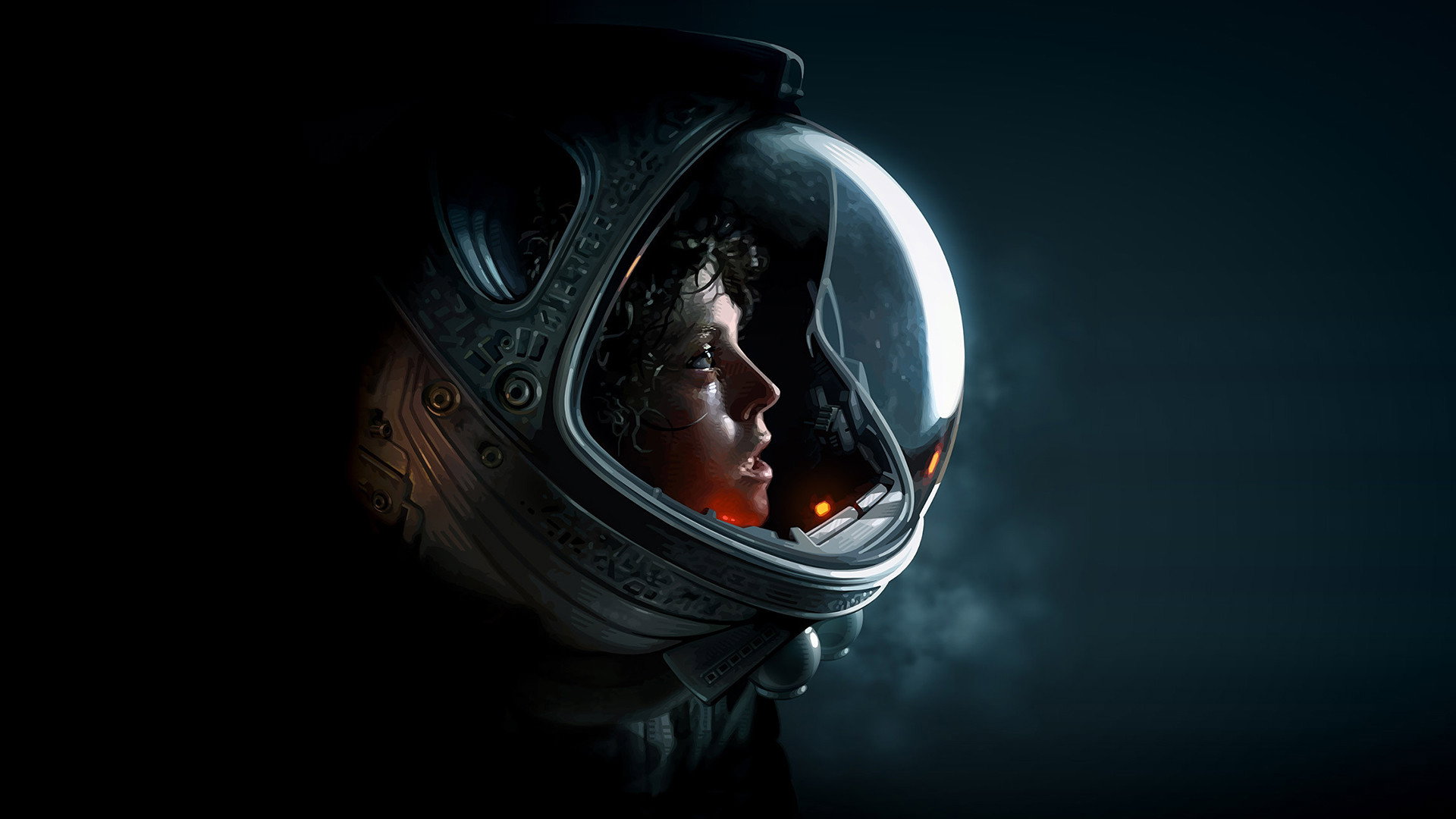

Few franchises have such a clearly defined heartbeat. Ridley Scott's original 1979 film introduced a creature that felt genuinely unknowable: no motive, no mercy, pure biological drive. James Cameron pushed the same tension in a different direction with Aliens (1986), trading gothic dread for war-movie adrenaline. Every entry since has been a negotiation between those two poles. What keeps fans returning is not just the Xenomorph but the wider mythology: the Engineers, synthetic consciousness, the Weyland-Yutani Corporation treating human lives as acceptable losses. It is science fiction that takes corporate horror as seriously as creature horror. The franchise spans eight films, multiple acclaimed game series, decades of novels and comics, and a prestige TV spinoff. If you love it, you love a particular flavor of dread: isolation, institutional betrayal, and the dawning certainty that the galaxy was never made for us.
Essential Alien
The franchise's own films, from claustrophobic origin to ongoing expansion
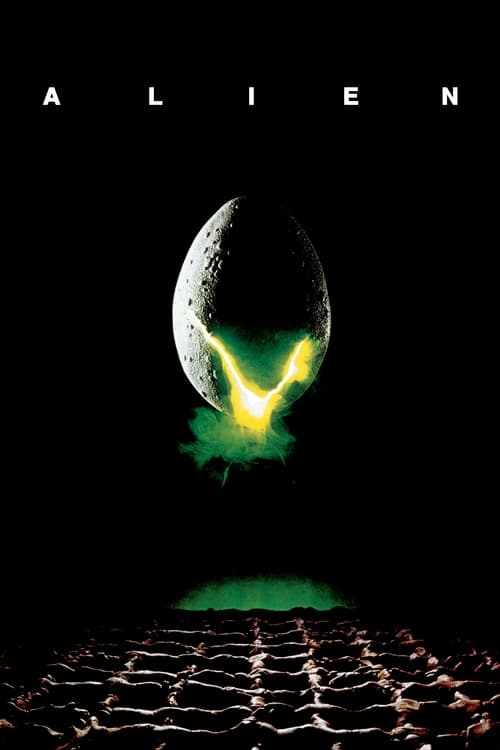
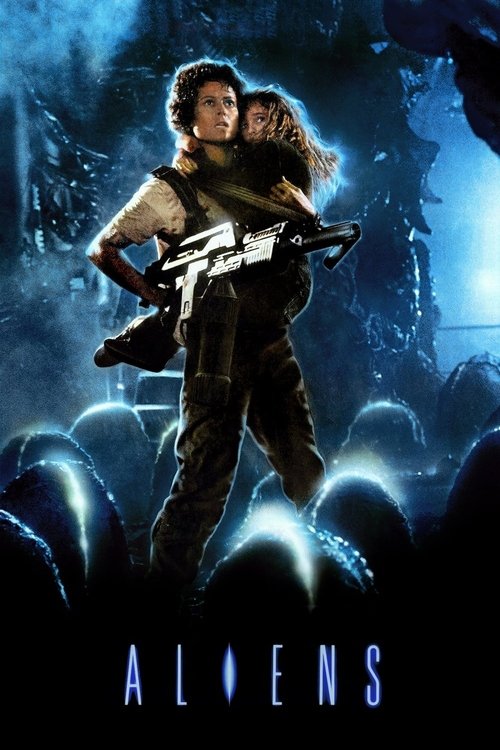
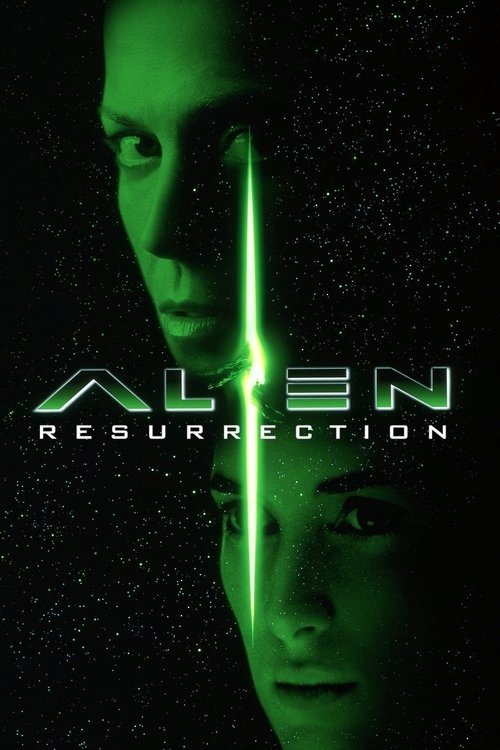
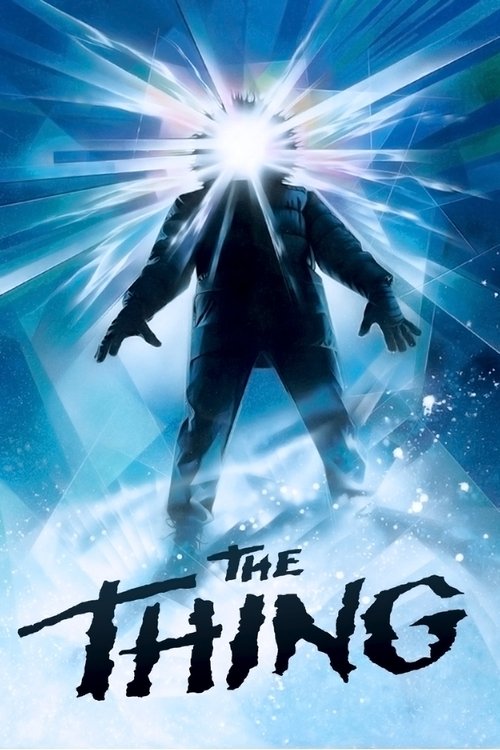
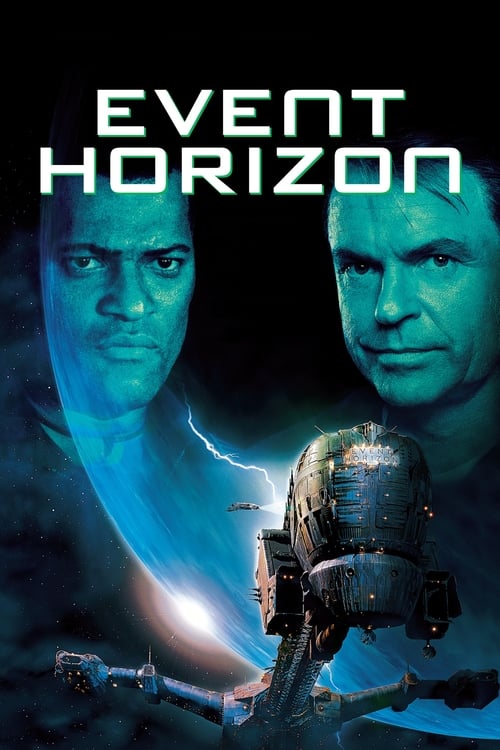
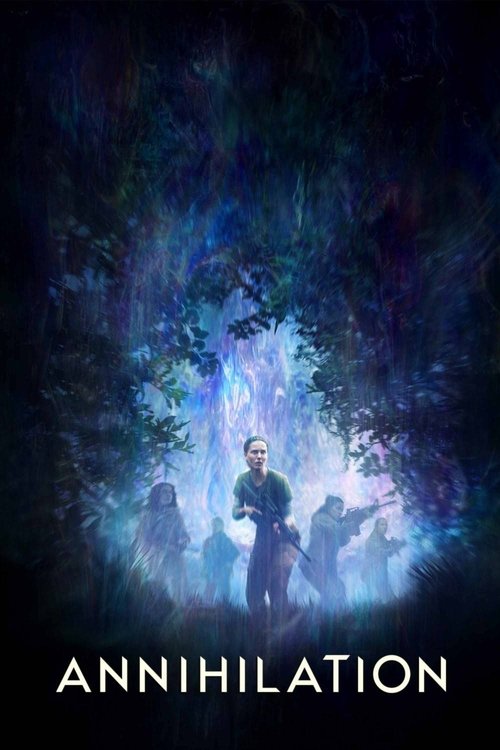
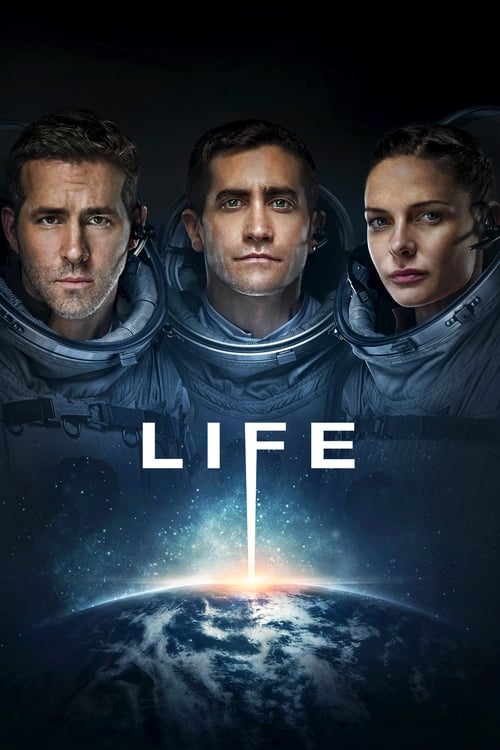
If You Love Alien: Screen Parallels
Films and series built on the same pillars of space dread, corporate conspiracy, and survival


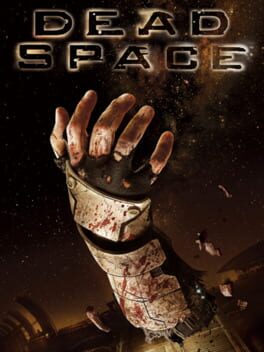
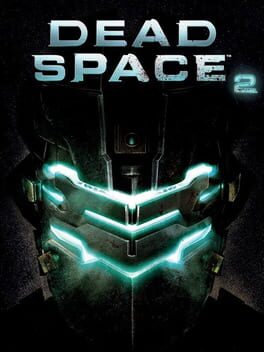
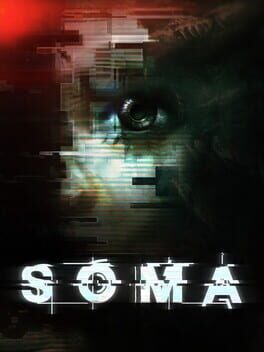
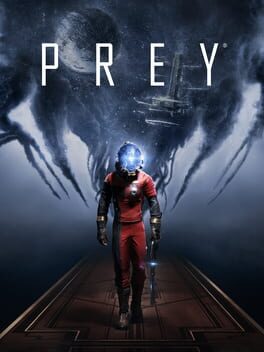
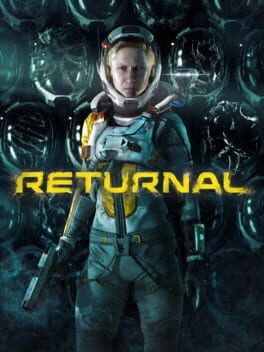
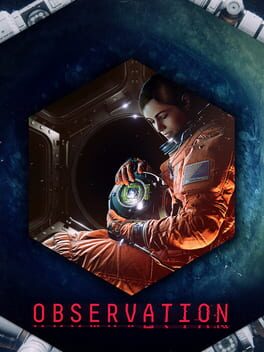
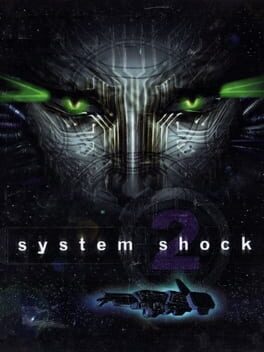
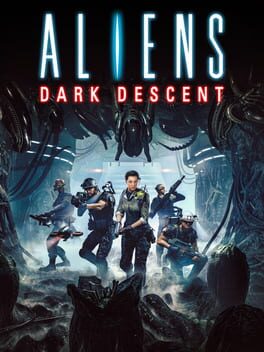
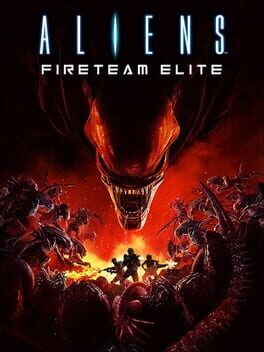
If You Love Alien: Games in the Same Register
Games that deliver isolation, asymmetric threat, and survival horror in space or claustrophobic environments
If You Love Alien: Books in the Same Vein
Novels that share its corporate malevolence, first-contact terror, or synthetic personhood



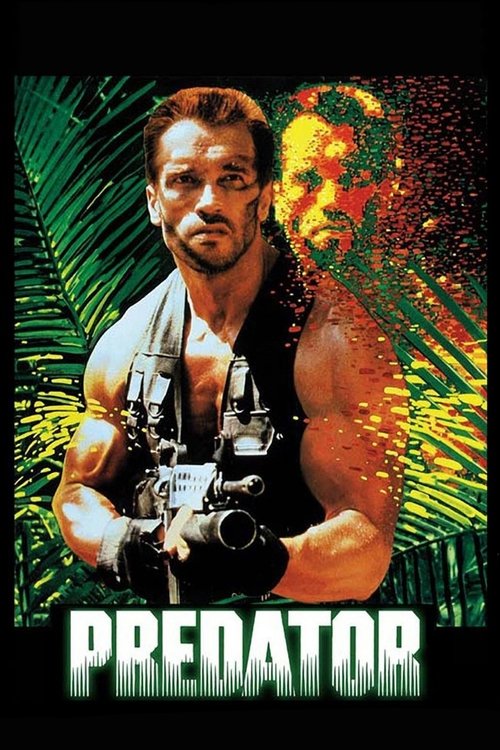
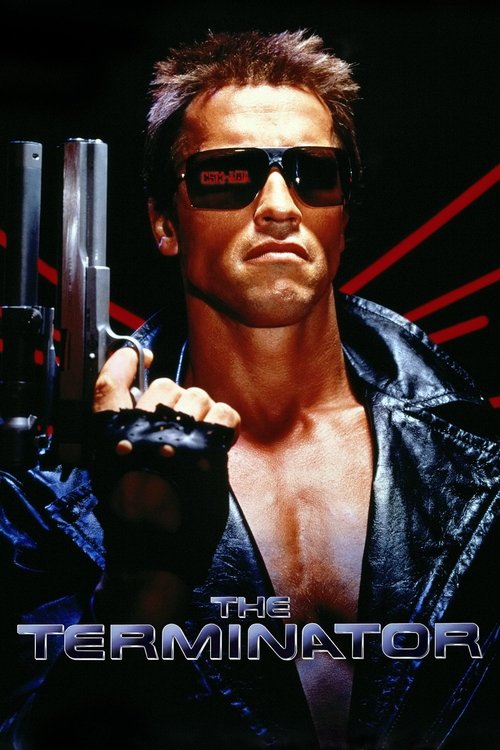
If You Love Alien: Same-DNA Franchises
Other science-fiction universes built on existential threat, military survival, and world-building at scale


Alien: Isolation Is the Truest Sequel to the Original Film
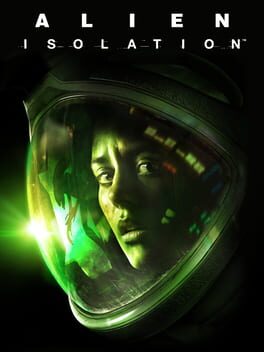
Creative Assembly's 2014 game is the only entry in the franchise that genuinely recaptured Ridley Scott's original tone. One Xenomorph, one station, no way to fight back. The creature learns your habits if you repeat them. The game does not escalate into a firefight. It stays in that first film's register: dread as a sustained state, not a punctuation mark. Playing it is the closest most fans will ever come to understanding what made 1979 special, because it forces the same constraints on you that the Nostromo crew faced.
The Franchise's Real Subject Is Corporate Accountability
Every film positions Weyland-Yutani as the second monster. The Xenomorph is just a weapon the company wants to acquire. Ripley's real antagonists are the executives and synthetic agents who treat her crew as expendable assets. James Cameron made this explicit in Aliens with Paul Reiser's Burke, but Scott built it into the original: Ash was not malfunctioning, he was following orders. The franchise is a sustained critique of profit motive dressed in science fiction clothes, and that is why it has aged better than most action horror of its era.
Prometheus Asked the Right Questions, Then Flinched
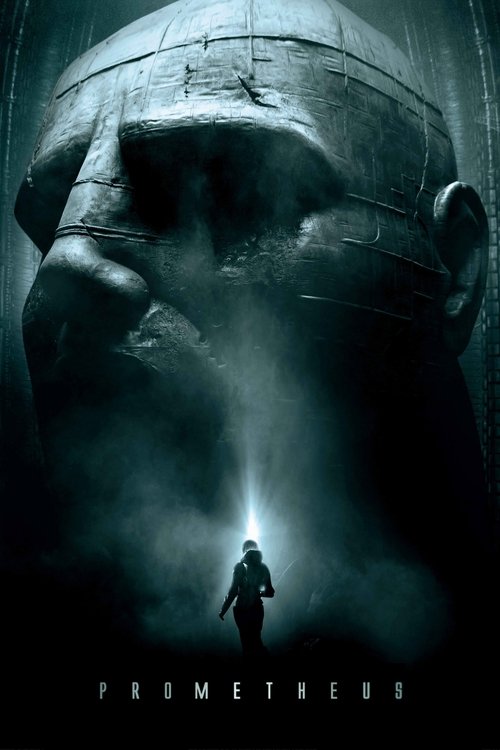
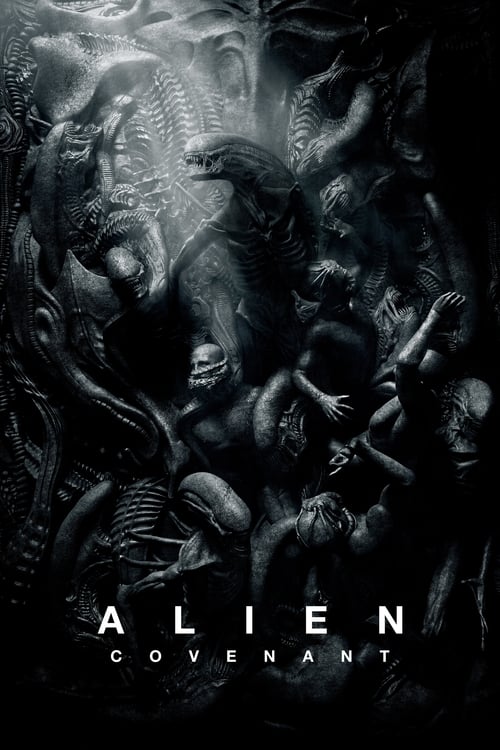
Ridley Scott's 2012 return to the universe had the most ambitious premise in the franchise since the original: who built the Space Jockey, and why did they want us dead? The Engineer mythology was genuinely new territory. The film retreated from its own implications in the third act, defaulting to a more conventional monster chase. Alien: Covenant retreated further. Both films are worth watching for what they reach toward, even when they fall short. The questions they raise about creation, purpose, and self-destruction are the best thinking the franchise has ever done.
SOMA Is the Best Synthetic-Consciousness Story in the Franchise's Orbit
Frictional Games' 2015 horror game takes the question Ash and Bishop raised (what does a synthetic feel, and does it matter?) and runs it to a genuinely distressing conclusion. Its central puzzle is not survival but identity: if a copy of your mind runs in a machine, which one is you? The Alien franchise gestures at this territory but never commits to it. SOMA commits fully, and the result is some of the most unsettling philosophical science fiction in any medium. Fans drawn to the synthetic characters in the films will find SOMA goes much further.
The Alien Franchise: A Chronology
- 1979Ridley Scott's original film establishes the Xenomorph, the Nostromo, and the Space Jockey Alien
- 1986James Cameron shifts the register from horror to war film, introduces the Queen and Colonial Marines Aliens
- 1992David Fincher's studio-troubled third entry strips the franchise back to one creature and one location Alien
- 1997Jean-Pierre Jeunet's baroque fourth chapter experiments with human-Xenomorph hybridization Alien Resurrection
- 2014Creative Assembly releases the definitive single-Xenomorph survival horror game Alien: Isolation
- 2012Scott returns with the Engineer mythology and origins of the Space Jockey signal Prometheus
- 2017Covenant attempts to bridge Prometheus to the original while introducing David as the franchise's most complex character Alien: Covenant
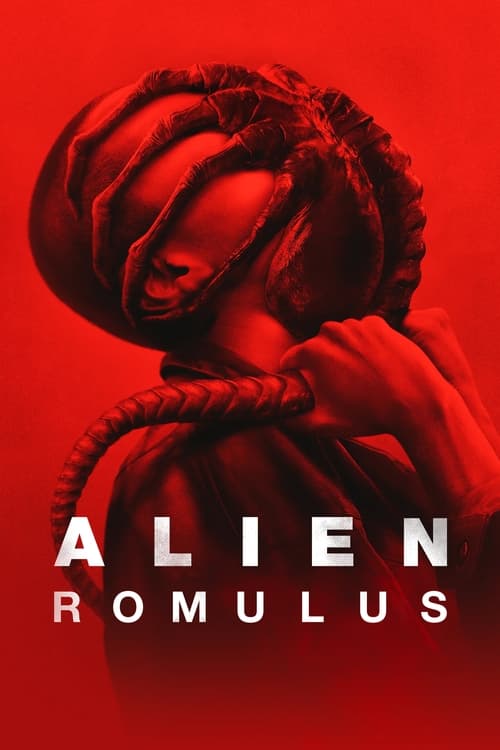
- 2024Fede Alvarez returns to claustrophobic survival horror with a young cast and a space station setting Alien: Romulus
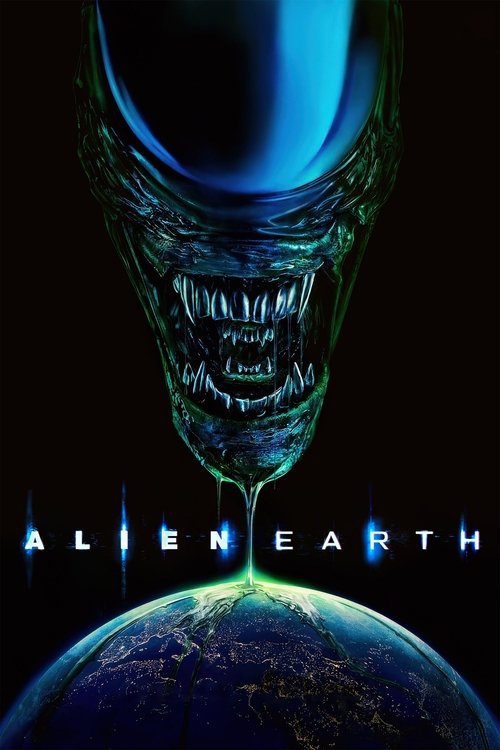
- 2025FX's prestige series brings the franchise to Earth for the first time, expanding the Weyland-Yutani corporate story Alien: Earth
Synthetic minds, deep-space terror
Space Horror
Explore the Space Horror guide →In space no one can hear you scream. On Earth, no one at Weyland-Yutani is listening anyway.CrossBinge