
Survival horror asks something most action games will not: what if you cannot win? The magazine counts your bullets. The map lies to you. Something is in the corridor and you have a knife and a half-empty pistol. The whole genre is built on the gap between what you need and what you have.
The lineage runs from the haunted mansion on Spencer Estate in 1996 through the fog-choked streets of Silent Hill, the necromorph corridors of the Ishimura and the hospital hallways of Outlast, and on to the fungal highways of a post-collapsed America. Films have borrowed the frame repeatedly, with varying results. The greatest examples understand that the horror is not the monster in the room. It is the knowledge that another monster is probably in the next room, and you just used your last shotgun shell on this one.
Essential survival horror
The canon, across every screen and page
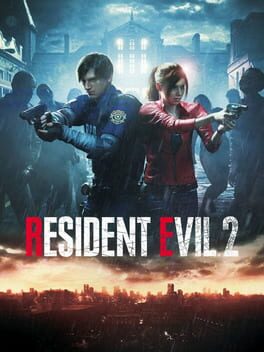
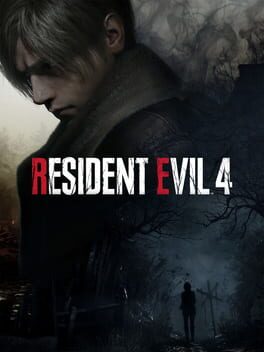
Resident Evil invented the rules everyone else still follows
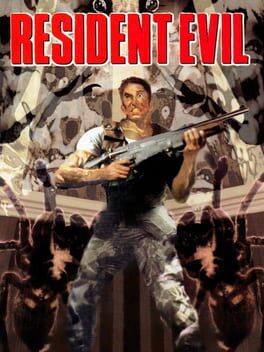
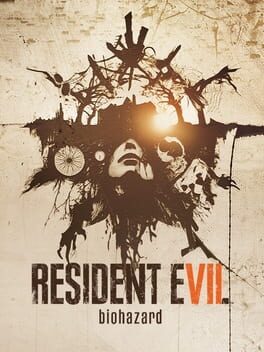
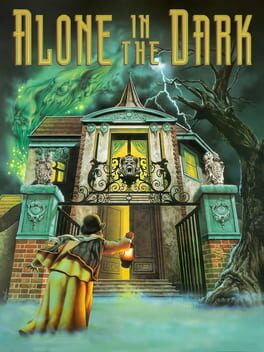
Alone in the Dark (1992) built the template: fixed camera, real estate as maze, inventory as pressure. But it was Resident Evil (1996) that turned the template into a genre. Shinji Mikami's masterstroke was treating resource scarcity as a design philosophy, not a difficulty setting. Every ink ribbon you spend on saving is one you cannot spend later. Every herb you use heals you now and leaves you weaker for the next room. The game is a long argument between your current fear and your future self, and you are always losing to one of them.
Twenty-eight years and multiple remakes later, that argument is still the genre's heartbeat.
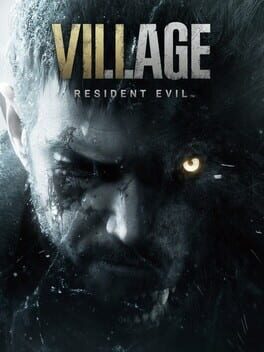
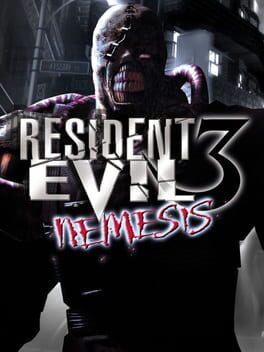
Resident Evil: the full run
Origins, remakes and the reinventions that kept it alive
Silent Hill and what fear actually looks like
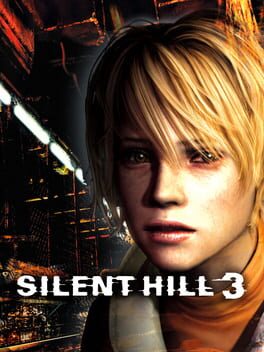
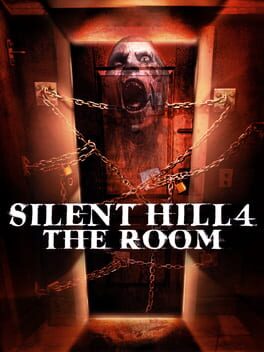
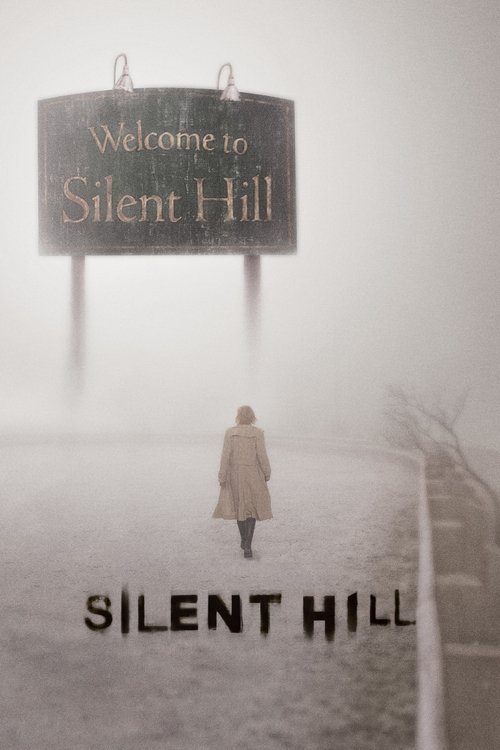
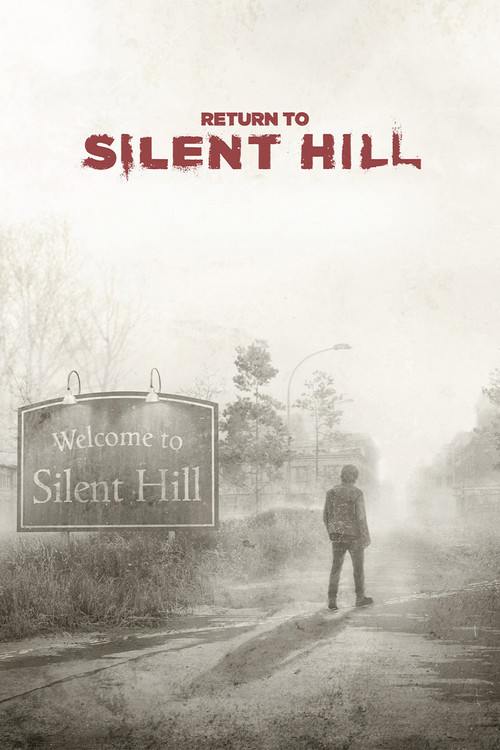
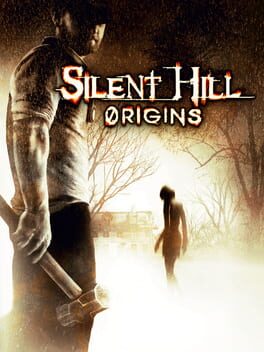
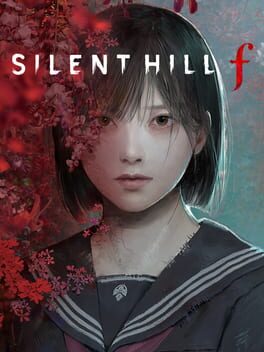
If Resident Evil built survival horror out of ammo and herbs, Silent Hill built it out of fog. Team Silent's 1999 original used the PlayStation's draw-distance limitations as a design asset: the streets end twenty feet ahead of you because the console cannot render further, but the game tells you it is fog, and your brain fills in everything lurking just past the edge of visibility. The sequel went deeper. Silent Hill 2 is not a game about monsters. It is a game about a man who cannot admit what he did, and every creature in the town is a manifestation of his guilt. The Pyramid Head appears not because it is scary but because James Sunderland, somewhere underneath his conscious mind, wants to be punished. Horror at this level is a different thing entirely from jump-scares and locked ammunition boxes.
The fogbound town
Silent Hill across games and screen
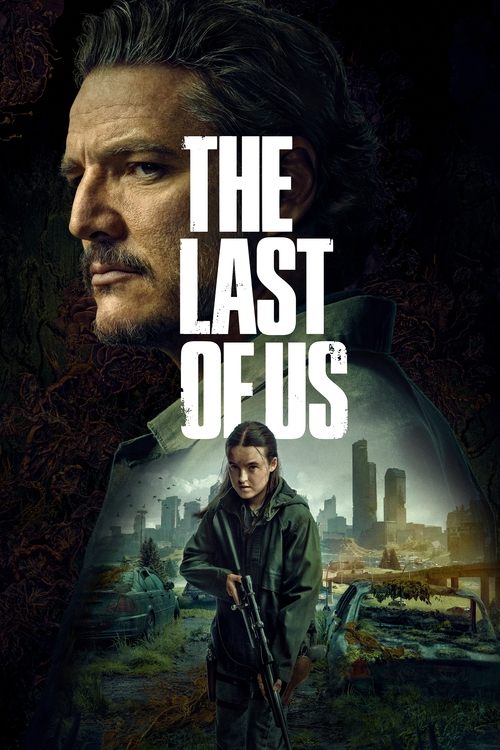
The Last of Us changed the conversation about what games can carry
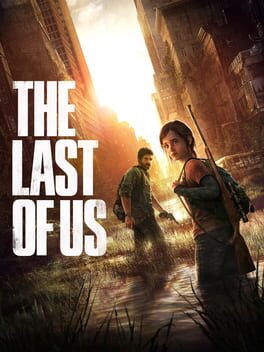
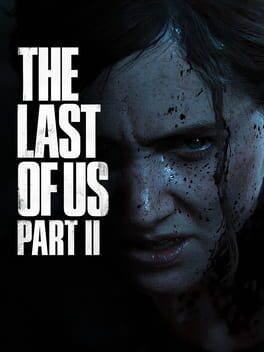
Naughty Dog did not invent the idea of a post-outbreak survival-horror story. What they did in 2013 was refuse every shortcut the genre traditionally takes. Joel is not a hero. The Cordyceps infection is not a plot device; it is an ecology, a long disaster with its own internal logic. The game asks you to do things you do not want to do and then holds the consequence in front of you.
The HBO adaptation proved the format was not incidental to the quality. When you already know what happens at the farmhouse, and it still wrecks you, the material is doing something real. The Last of Us became the genre's argument for why survival horror is worth taking seriously as drama.
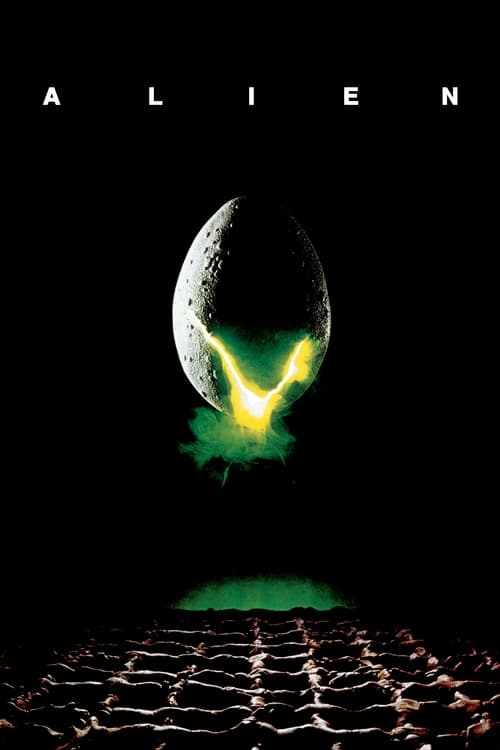
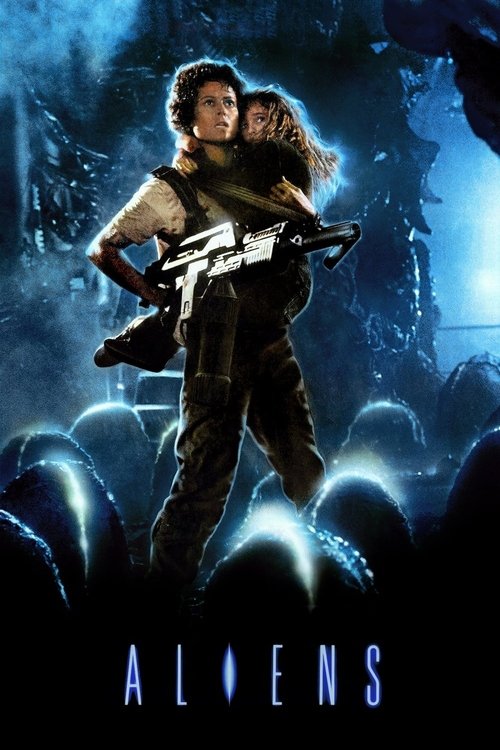
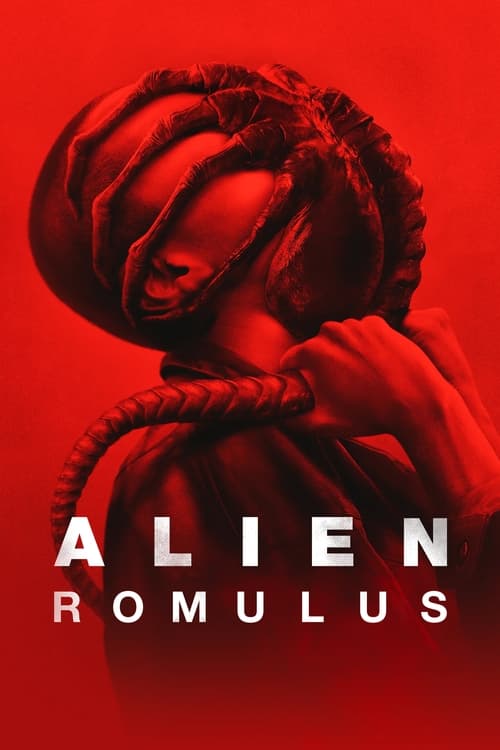
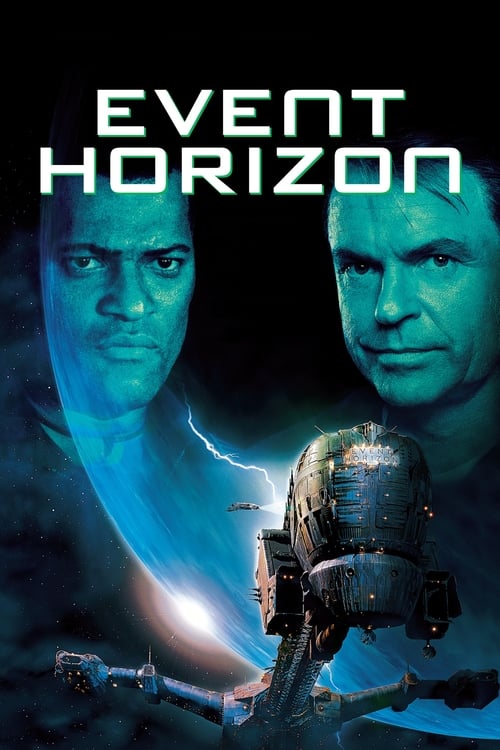
Deep space, wrong ship
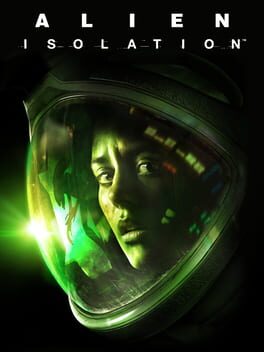
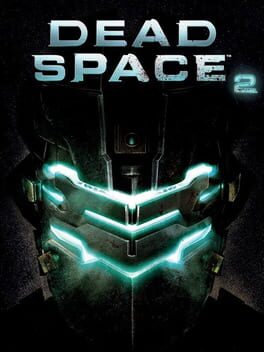
When survival horror left the planet
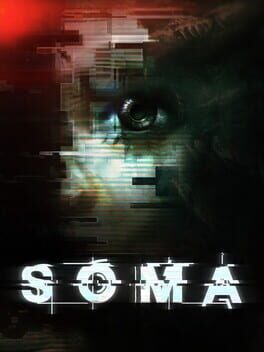
The horror game that refuses to give you a weapon
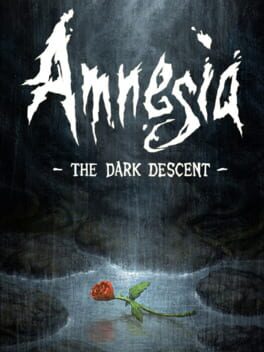
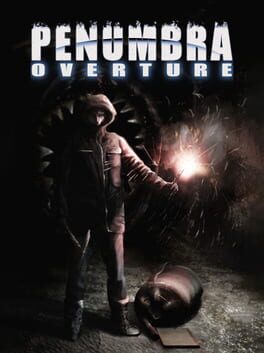
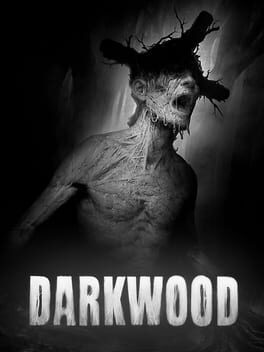
Amnesia: The Dark Descent (2010) made one rule and committed to it absolutely: you cannot fight back. Every survival-horror game before it had given you some form of combat as a pressure valve. Amnesia removed the valve. The monster in the dungeon is not a challenge to be overcome; it is a condition to be endured, hidden from, and outlasted. Looking at it directly accelerates your sanity loss.
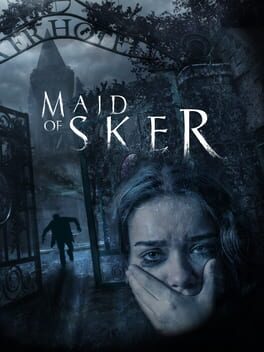
Frictional Games' decision reads now as the most influential design call in the genre since Mikami counted ammo. Outlast, Visage, Maid of Sker, the entire sub-category of unarmed horror games runs through that Brennenburg Castle. The monster you cannot shoot is always scarier than the one you can.
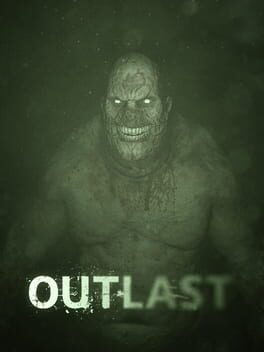
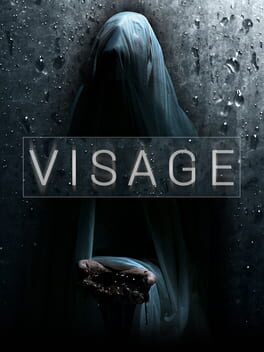
No ammo, no escape
The games that took away your weapon
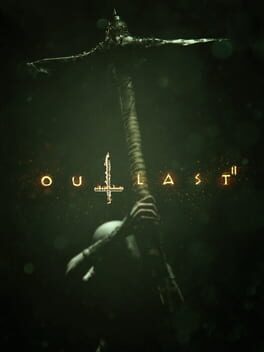
Survival horror on screen
The films and shows that captured what the games understood
![[REC]](https://image.tmdb.org/t/p/w500/hgyJR4sgMsee6xMFM3xYiG6cDCh.jpg)


The genre's long relationship with cameras
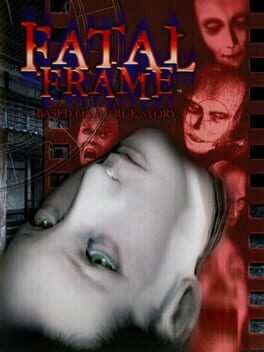
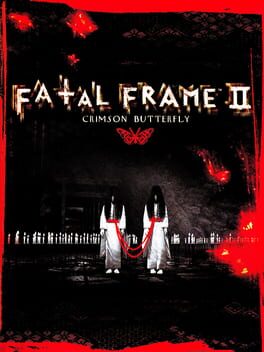
Survival horror has always been self-conscious about the act of looking. The fixed cameras of the classic Resident Evil games created dread through what you could not see just off-frame. Fatal Frame put the camera in your hands: the only weapon against the dead is a camera obscura, and you have to frame a ghost in your viewfinder to hurt it. Outlast made the night-vision camera your only source of light, with a battery that runs down. [REC] and its found-footage contemporaries imported the same logic into film: the camera keeps rolling because stopping would mean stopping the story, and stopping the story means admitting there is no safe position to stand.
The screen is not just a way of showing you the horror. In the best survival-horror, the act of looking is itself the problem.
The camera as weapon and witness
Horror through lenses, viewfinders and night-vision
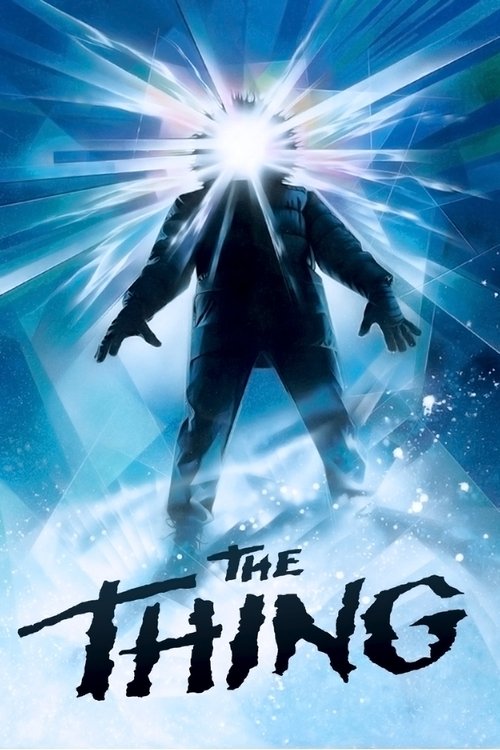
The Thing is the film the genre keeps returning to
John Carpenter's The Thing (1982) was a commercial failure and is now the platonic ideal of survival horror before the term existed. Twelve men, an Antarctic base, something that can look like any of them. The premise strips everything back: no special powers, no escape route, no way to distinguish friend from threat. The paranoia mechanics that power the board game, the video game, and dozens of imitations all run through that film.
What Carpenter understood, and what the best survival horror still understands, is that the monster is a delivery system for distrust. The real horror is not the creature erupting from a chest cavity. It is the face that does not react the right way, and you realizing too late that you already knew and talked yourself out of knowing.
Origins of the genre
The early classics that built the foundation
The genre on the page
Books that live in the same frequencies


The first question survival horror always asks is the same: how much of yourself are you willing to spend to get through the next room? The second question, the one the good ones ask, is whether you deserved to make it.On what the genre is actually about
Modern survival horror
The genre's current generation, still finding new rooms to fear