
Alternate history is a fundamentally optimistic genre disguised as a pessimistic one. On the surface it asks: what if things had gone worse? The South wins the Civil War. The Axis powers take London. The Cuban Missile Crisis goes hot. But the deeper question, the one that makes fans return again and again, is structural: how fragile is the world we live in, and how much does it depend on individual choices made under pressure in forgotten rooms? The best alternate history is not escapism. It is a form of political and moral philosophy that uses the counterfactual to isolate variables. Remove one thing, and everything downstream shifts. The genre spans every medium with remarkable consistency of purpose: the same obsession with contingency, with the weight of history, with the idea that the past is not settled but alive.
Essential Alternate History: Novels That Defined the Genre
The books that set the standard for rigorous, imaginative counterfactual fiction


Alternate History on Screen: Films That Rewrite the Past
Movies that put a counterfactual premise at the center of the story





Playing History Differently: Games Built on Counterfactuals
Games where the alternate timeline is the whole point, or a major mechanical axis
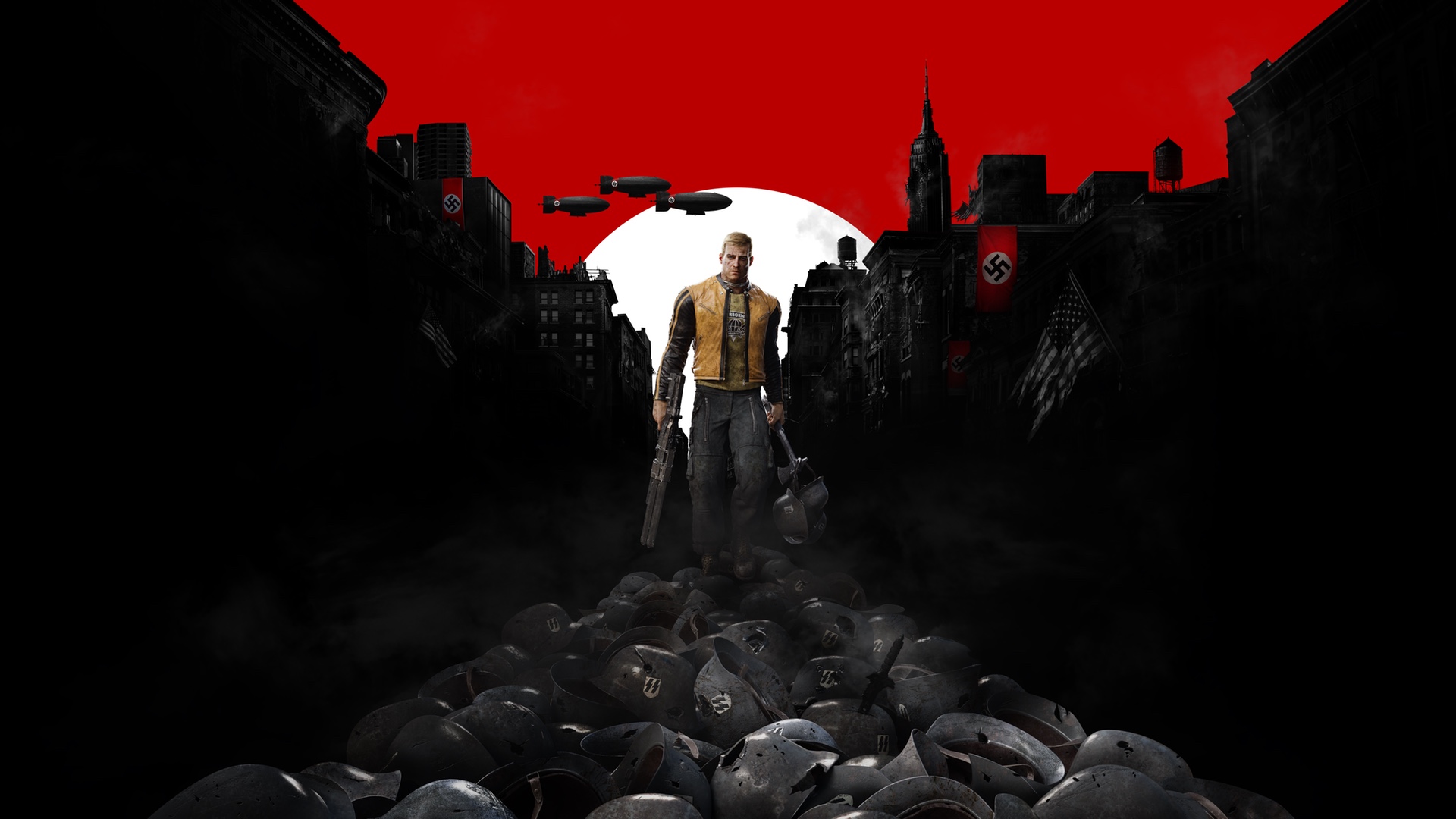
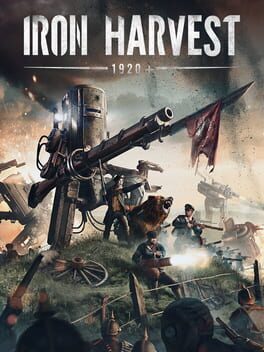
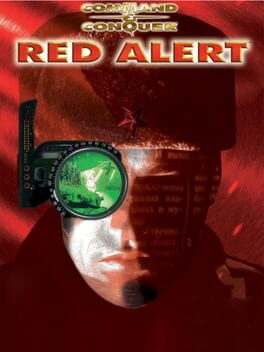
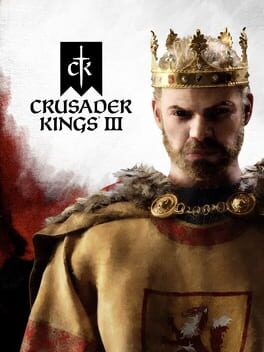
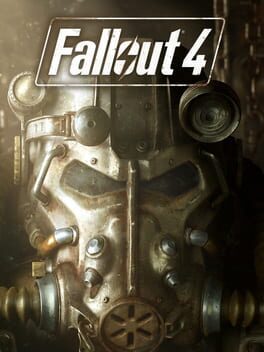
The Nazi-Victory Novel Is Its Own Subgenre
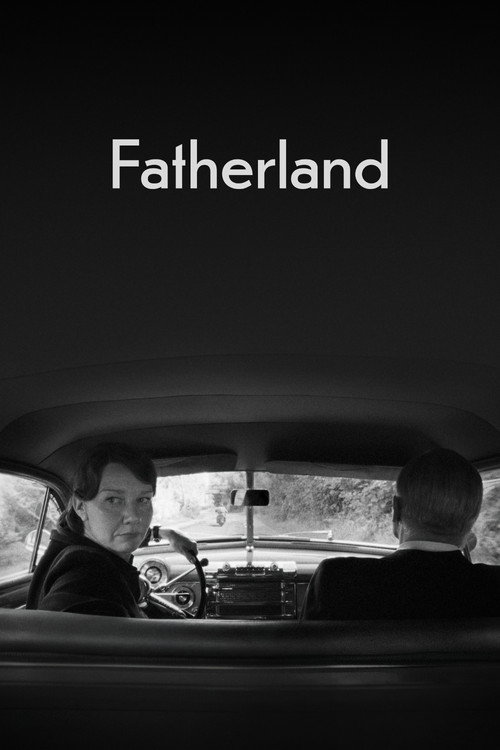
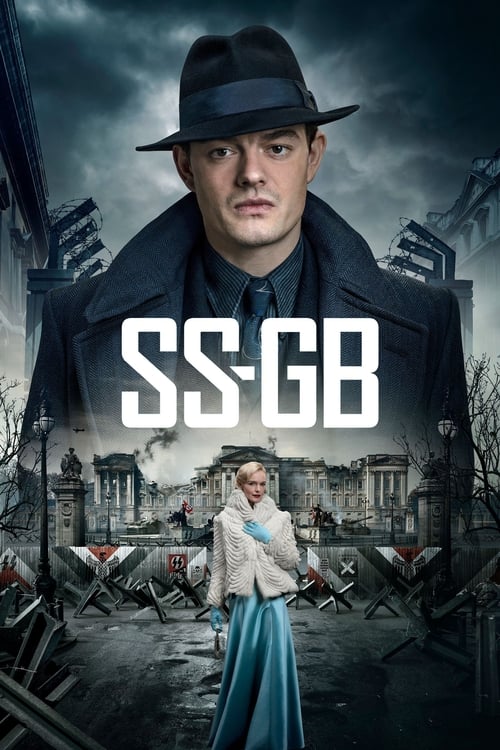
The Axis-victory counterfactual has attracted serious literary talent for six decades. Philip K. Dick's 'The Man in the High Castle' (1962) was the founding text: ambiguous, layered, concerned less with the mechanics of occupation than with the question of how people maintain selfhood under totalitarianism. Robert Harris's 'Fatherland' (1992) took the idea in a harder-boiled direction, using the form of a detective thriller to ask what a Germany that had won and then suppressed the Holocaust would look like from the inside. Len Deighton's 'SS-GB' puts the premise through the police procedural. What unites them is a common moral insight: occupation does not only change the political regime. It changes how people see each other, and themselves.
Time Travel as Alternate History
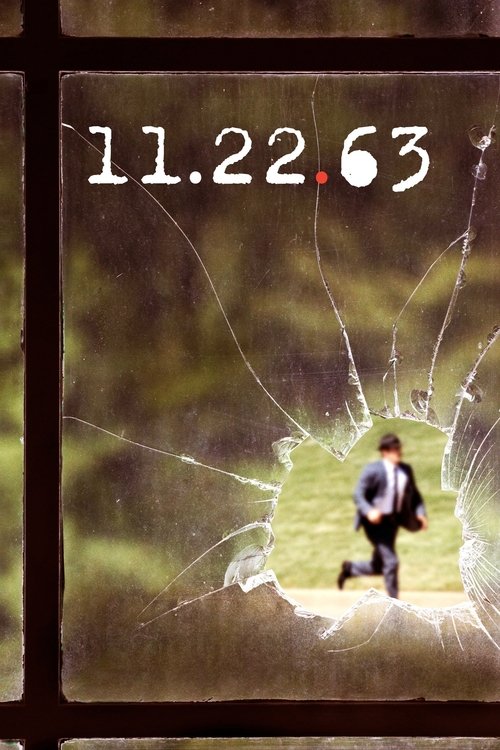
A strand of alternate history is less interested in the fork that already happened and more interested in the person who caused it: the time traveler who goes back to kill Hitler, prevent Kennedy's assassination, or stop a disaster. Stephen King's '11/22/63' is the definitive version of this approach in prose form. The television adaptation, starring James Franco, translates it faithfully. The appeal is partly the thriller mechanics, but mostly the moral weight: what do you owe the past? The genre at its best forces characters, and readers, to reckon with the fact that even a monstrous history produced people and lives and loves that would be erased by the correction.
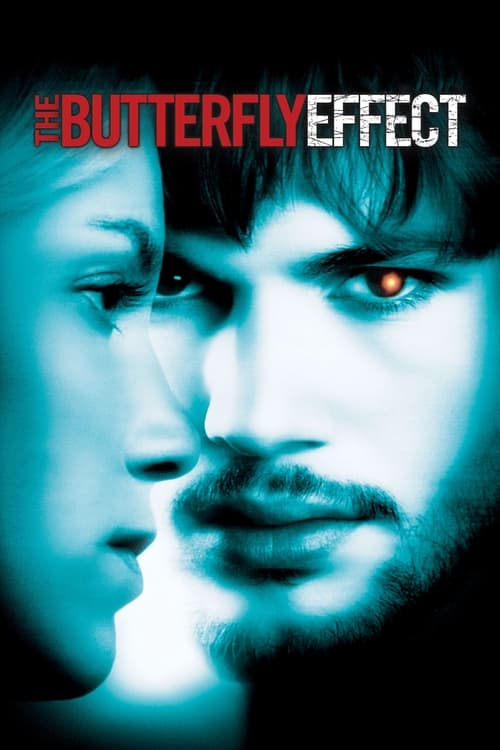
Grand Strategy Games as Alternate History Laboratories
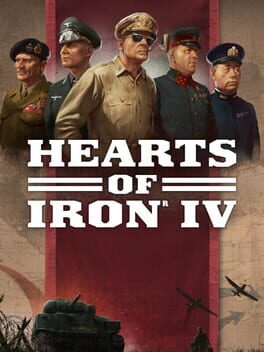
Hearts of Iron IV is, functionally, an alternate history machine. You load the 1936 scenario, and within a few in-game years the map looks nothing like real history. Japan invades the Soviet Union. France resists. The United States goes fascist. The game does not tell a story: it generates one from the collision of player choices and AI decision-making, using real-world starting conditions. This is a fundamentally different form of alternate history engagement than a novel, but it shares the same obsession with contingency. The modding community has extended the game into entirely fictional alternate histories, most famously 'The New Order: Last Days of Europe', set in a 1962 where Germany won and is now fragmenting into ideological factions. It is, by any reasonable measure, a form of serious counterfactual fiction.
Alternate History and Race in America
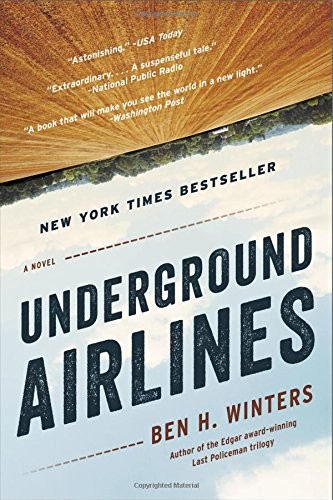
Some of the most morally serious alternate history asks what would have happened if racial slavery had not been abolished in the United States, or had taken longer. Ben Winter's 'Underground Airlines' puts a Black protagonist into a present-day America where slavery still exists in four Southern states. Philip Roth's 'The Plot Against America' takes a different angle: Lindbergh wins the 1940 election, and American Jews suddenly face the logic of the fascist neighbor. These books are not exercises in misery tourism. They use the counterfactual to defamiliarize contemporary inequalities, forcing readers to see structures that naturalization has made invisible.
Milestones in Alternate History
- 1931If It Had Been Otherwise: J.C. Squire edits the first serious anthology of counterfactual essays, including Churchill on a Union victory at Gettysburg.
- 1962Philip K. Dick publishes The Man in the High Castle, winning the Hugo Award and establishing alternate history as literary science fiction. The Man in the High Castle
- 1973Keith Roberts' Pavane, set in a Catholic England after Elizabeth I's assassination, becomes a foundational text of the alternate England subgenre.
- 1992Robert Harris's Fatherland becomes a worldwide bestseller, bringing Nazi-victory alternate history to a mass audience.
- 2001Paradox Interactive releases the first Hearts of Iron, establishing the grand strategy game as a counterfactual history engine. Hearts of Iron IV
- 2004Philip Roth's The Plot Against America applies alternate history to the American fascism question, reaching the Pulitzer Prize shortlist. The Plot Against America
- 2011Stephen King's 11/22/63 reimagines the Kennedy assassination as a time-travel moral dilemma across 850 pages.
- 2015Amazon's The Man in the High Castle adaptation premieres, bringing Dick's world to a mass television audience. The Man in the High Castle
- 2019Apple TV+'s For All Mankind launches, imagining a space race that never ended, an alternate history built season by season, decade by decade. For All Mankind
More what-ifs, wars, and parallel worlds
Alternate History
Explore the Alternate History guide →History is not a given. It is a guess that turned out to be right, and alternate history is the art of asking how narrow that margin really was.CrossBinge editorial