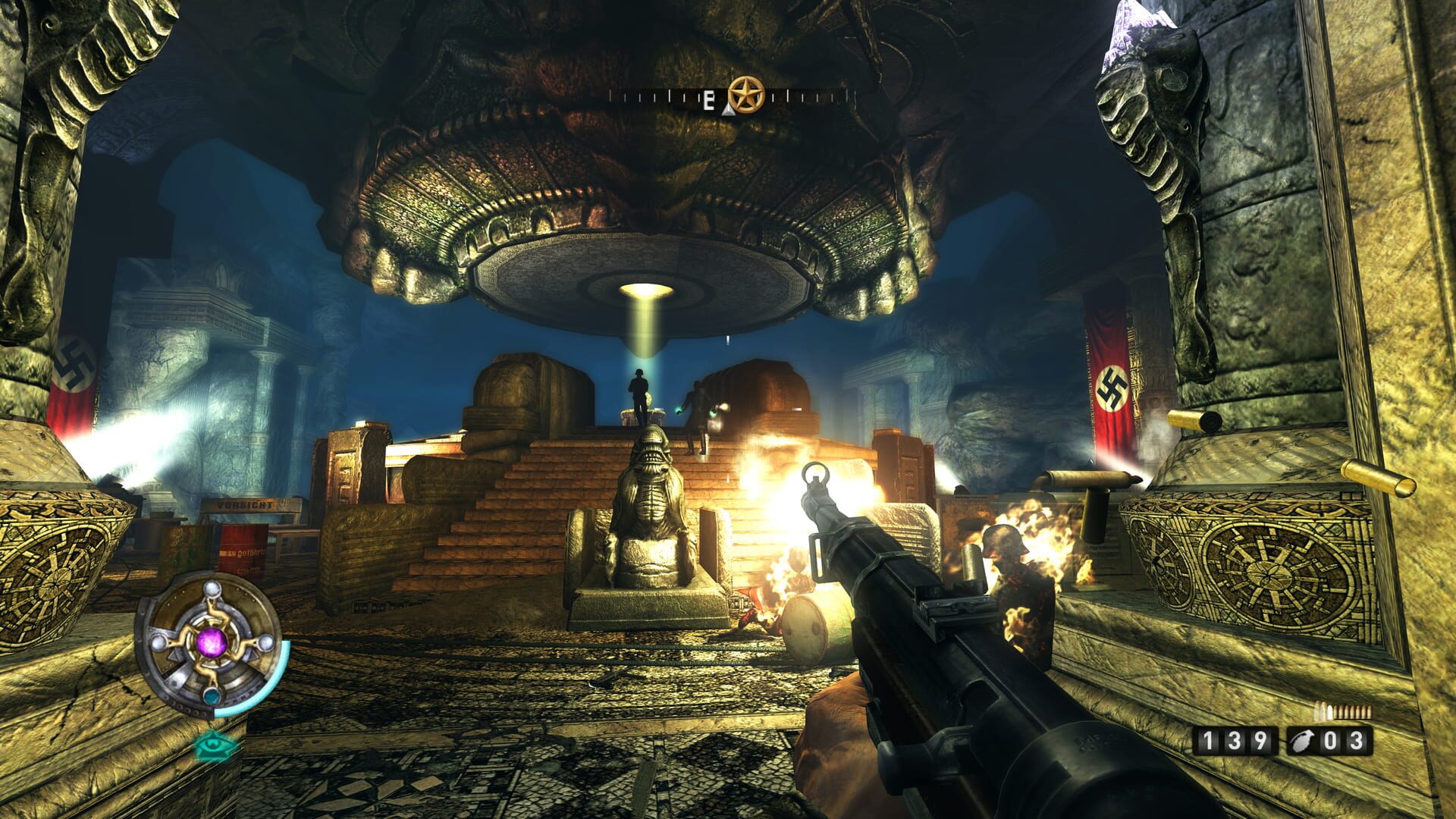

Wolfenstein built its reputation on a simple, deeply satisfying premise: you are B.J. Blazkowicz, and you are going to shoot your way through an impossibly fortified Nazi operation. But the series grew into something far richer than its origins suggest. Machine Games' reboots turned the formula into a bleak, emotionally charged alternate history where the Nazis won World War II and ordinary people must choose between survival and resistance. What keeps fans loyal is not just the gunplay (though it is excellent) but the texture of the world: the banal horror of fascist bureaucracy, the dark humor, the kitchen-sink characters who feel genuinely lived-in. If that combination of pulp thrills, political weight, and pure action catharsis hooks you, the cross-media universe below has plenty more to offer.
Essential Wolfenstein
The core games, ranked by where to start
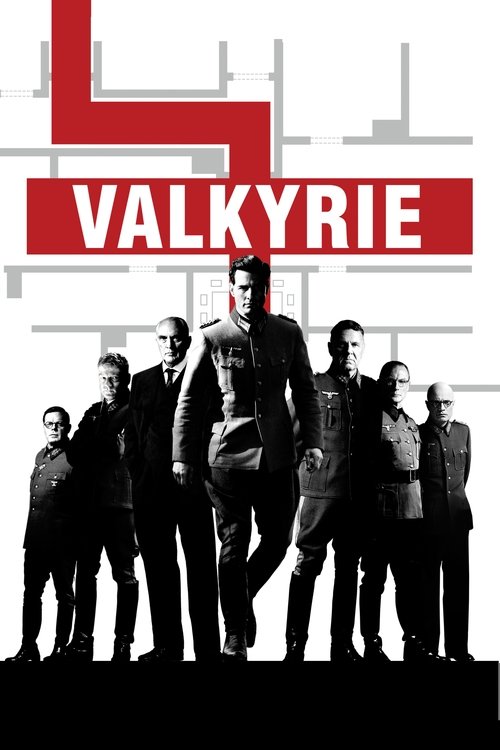
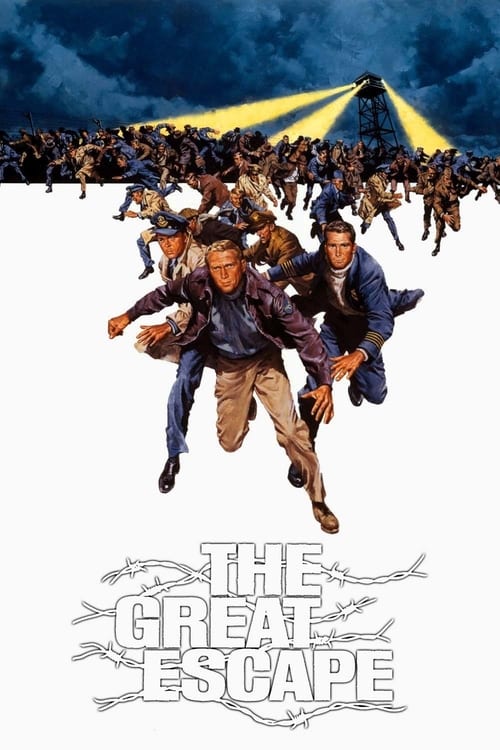
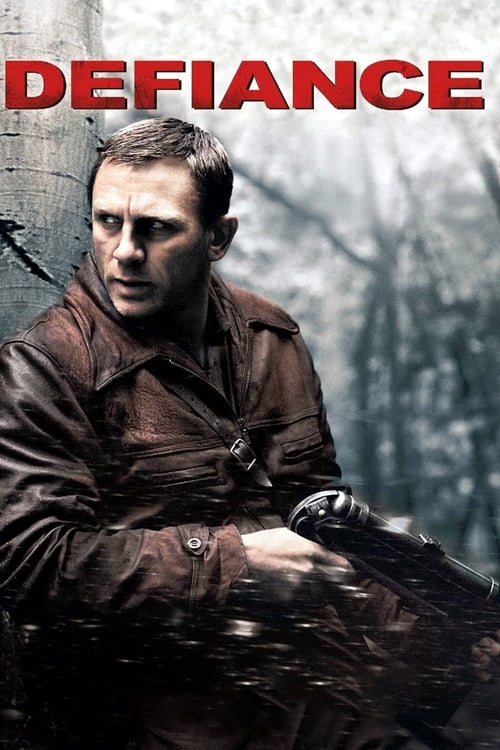
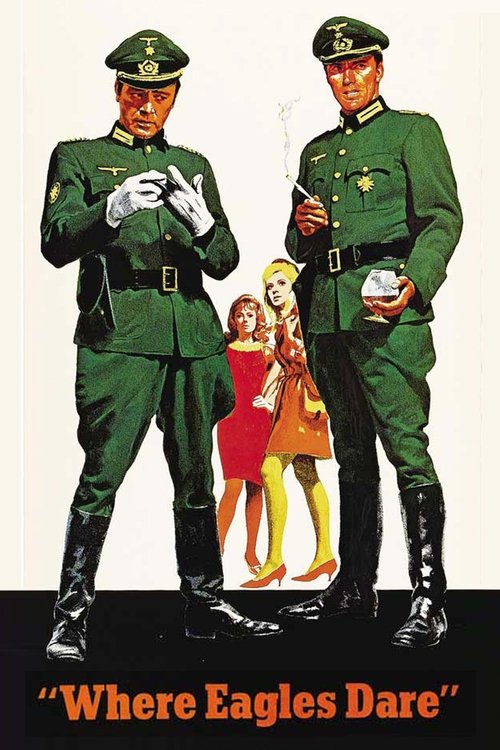
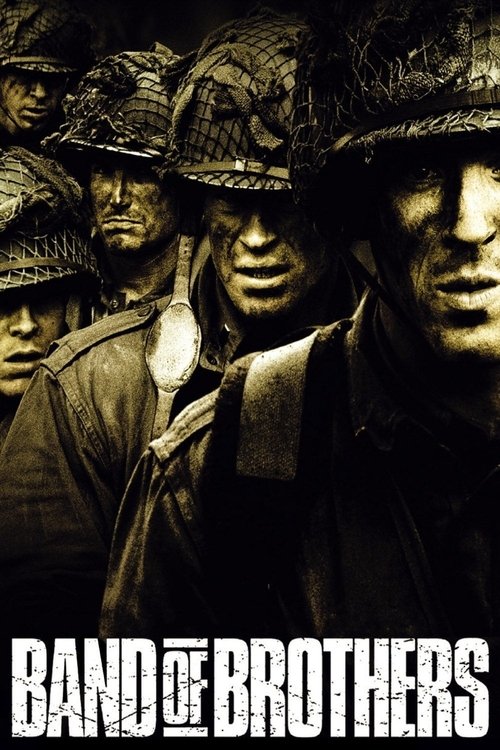
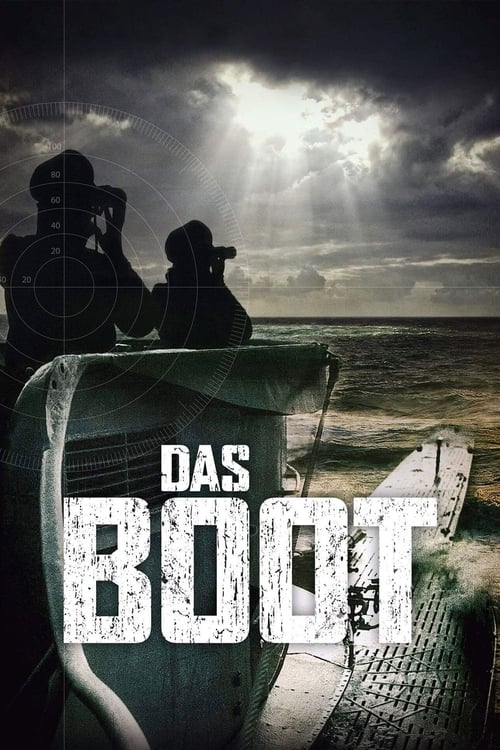
If You Love Wolfenstein: WWII Resistance Films
Real and fictionalised stories of people who refused to bow
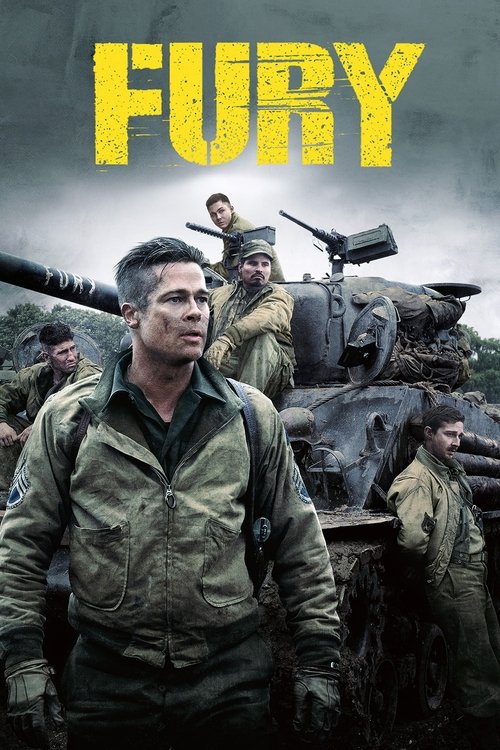
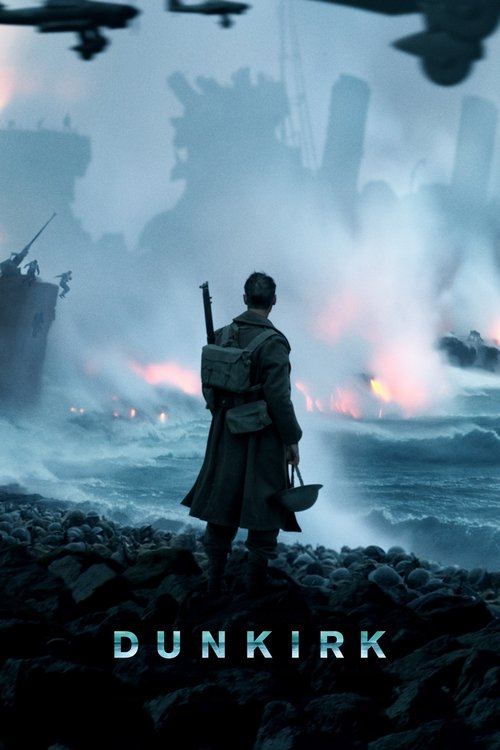
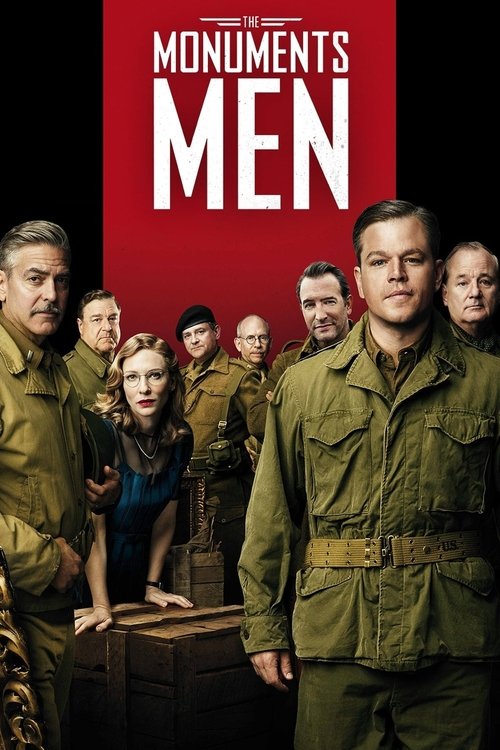
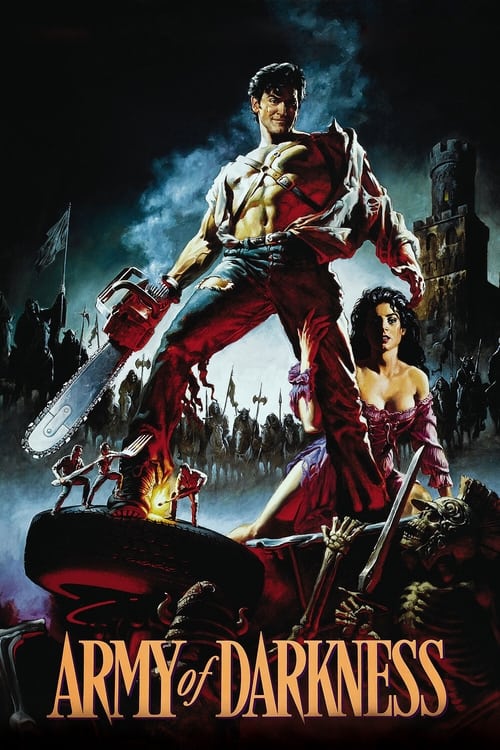

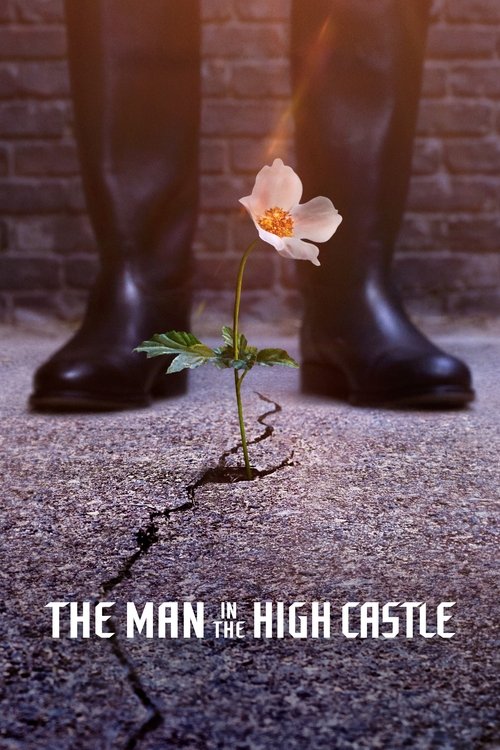
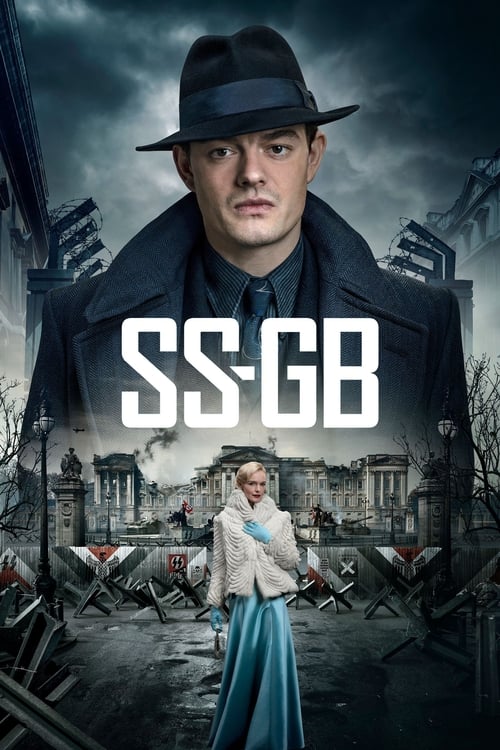
If You Love Wolfenstein: Alternate-History Nazi-Resistance TV
Series that ask what happens when fascism wins or is only barely stopped

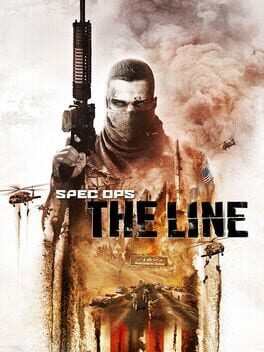
If You Love Wolfenstein: First-Person Action Games
Games that share the same kinetic, tactically generous FPS feel
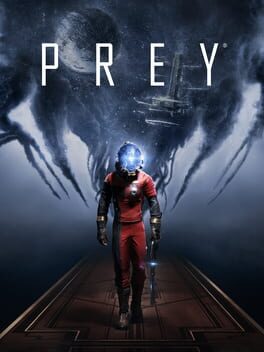
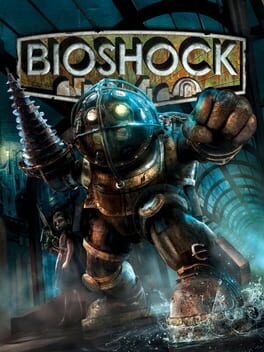
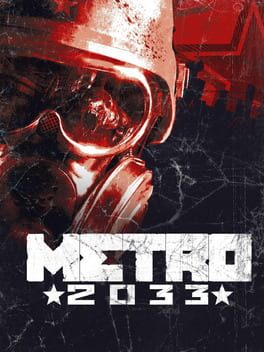
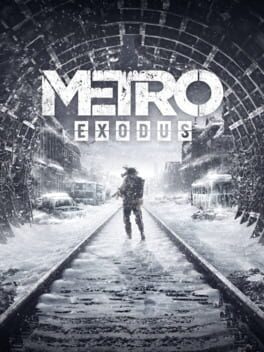
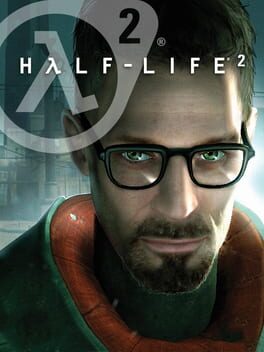
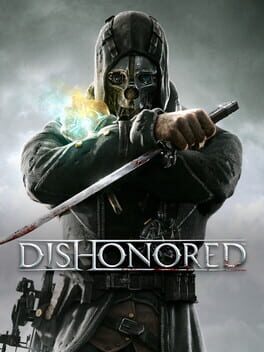
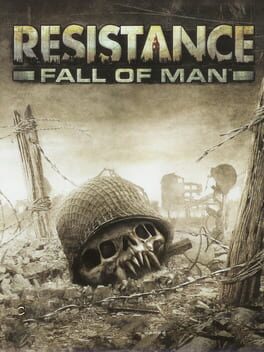
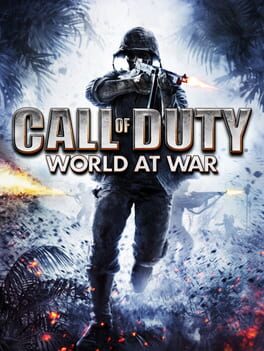
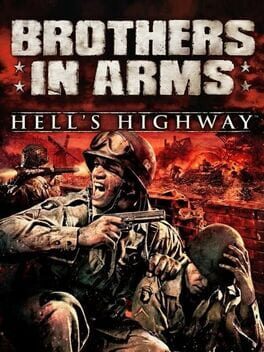
If You Love Wolfenstein: Alternate-History and WWII Novels
Books that interrogate the war, fascism, and resistance with the same ferocity


The New Order Earned Its Emotion
Wolfenstein: The New Order arrived in 2014 with very low expectations and promptly made half its audience cry. Machine Games did something unusual: they took a franchise famous for corridor-clearing and gave it a lead character with interiority. B.J. Blazkowicz's narrated thoughts, the quiet moments in the resistance hideout, the jazz-vinyl scene, the relationships that actually sting when they break, all of it lands because the game earns them through pacing. It proved that pulp action and genuine feeling are not opposites.
Alternate History Is at Its Best When It Is Uncomfortable
Philip K. Dick's The Man in the High Castle and Robert Harris's Fatherland succeed for the same reason The New Colossus does: they do not let the alternate timeline stay abstract. Ordinary life continues under fascism, and the horror is in the mundane details, the complicity, the small acts of normalcy around an enormous evil. When Wolfenstein II dropped you into an occupied Roswell diner in the 1960s, with Elvis on the jukebox and swastikas on the menus, it was doing exactly what the best alternate-history fiction does.
The FPS Genre Has Always Had a Political Undercurrent
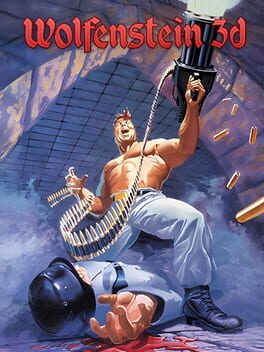
Wolfenstein 3D was not subtle: it ended with you shooting Adolf Hitler in a mech suit. But the series has always understood that the first-person perspective carries inherent ideological weight. BioShock interrogated Ayn Rand's objectivism through shooter mechanics. Metro 2033 made survival itself a political act. Half-Life 2 made the occupation of a city the entire emotional spine. The best FPS games do not use politics as window dressing; they encode the argument into what the player is asked to do and how it feels to do it.
Inglourious Basterds Is the Film Wolfenstein Wishes It Could Be
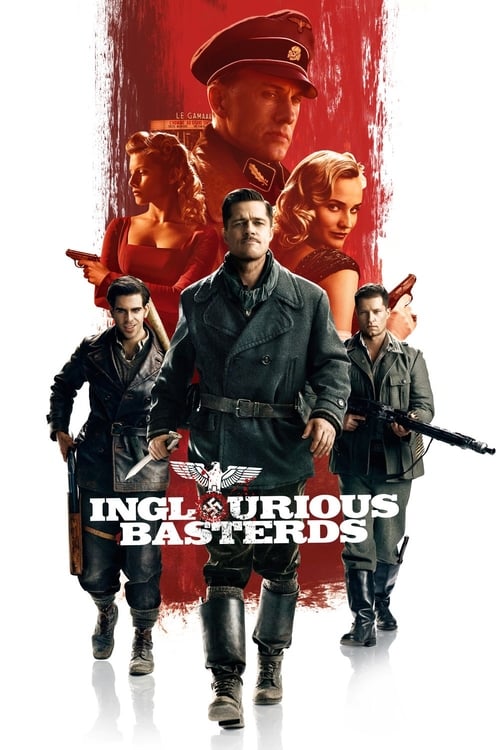
Both Inglourious Basterds and the modern Wolfenstein games share a fantasy: what if the resistance got to be as ruthless, as theatrical, and as satisfying as the enemy? Tarantino shoots Nazi-hunting as genre cinema, with chapter titles and a climax that rewrites history in the most operatically violent terms possible. The New Order does the same thing in interactive form. Neither is interested in moral complexity about whether it is acceptable to kill Nazis. They are interested in how it feels, and they have completely opposite answers to how that feeling should land.
Wolfenstein Across the Decades
- 1981Castle Wolfenstein, the stealth-shooter precursor that started the franchise on Apple II and DOS. Castle Wolfenstein
- 1992Wolfenstein 3D establishes the first-person shooter genre and a template for maze-based corridor action. Wolfenstein 3D
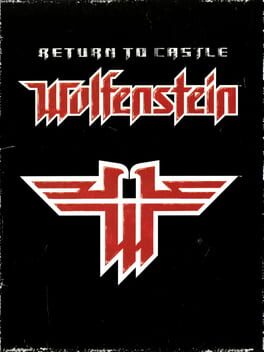
- 2001Return to Castle Wolfenstein modernises the franchise with stealth, WWII realism, and multiplayer. Return to Castle Wolfenstein
- 2009Wolfenstein (Raven Software) continues the supernatural dimension of the series with Veil energy mechanics. Wolfenstein
- 2014Wolfenstein: The New Order from Machine Games resets the series with character-driven alternate history. Wolfenstein: The New Order
- 2015The Old Blood, a standalone prequel, strips back to pulp castle-assault in a compressed, propulsive package. Wolfenstein: The Old Blood
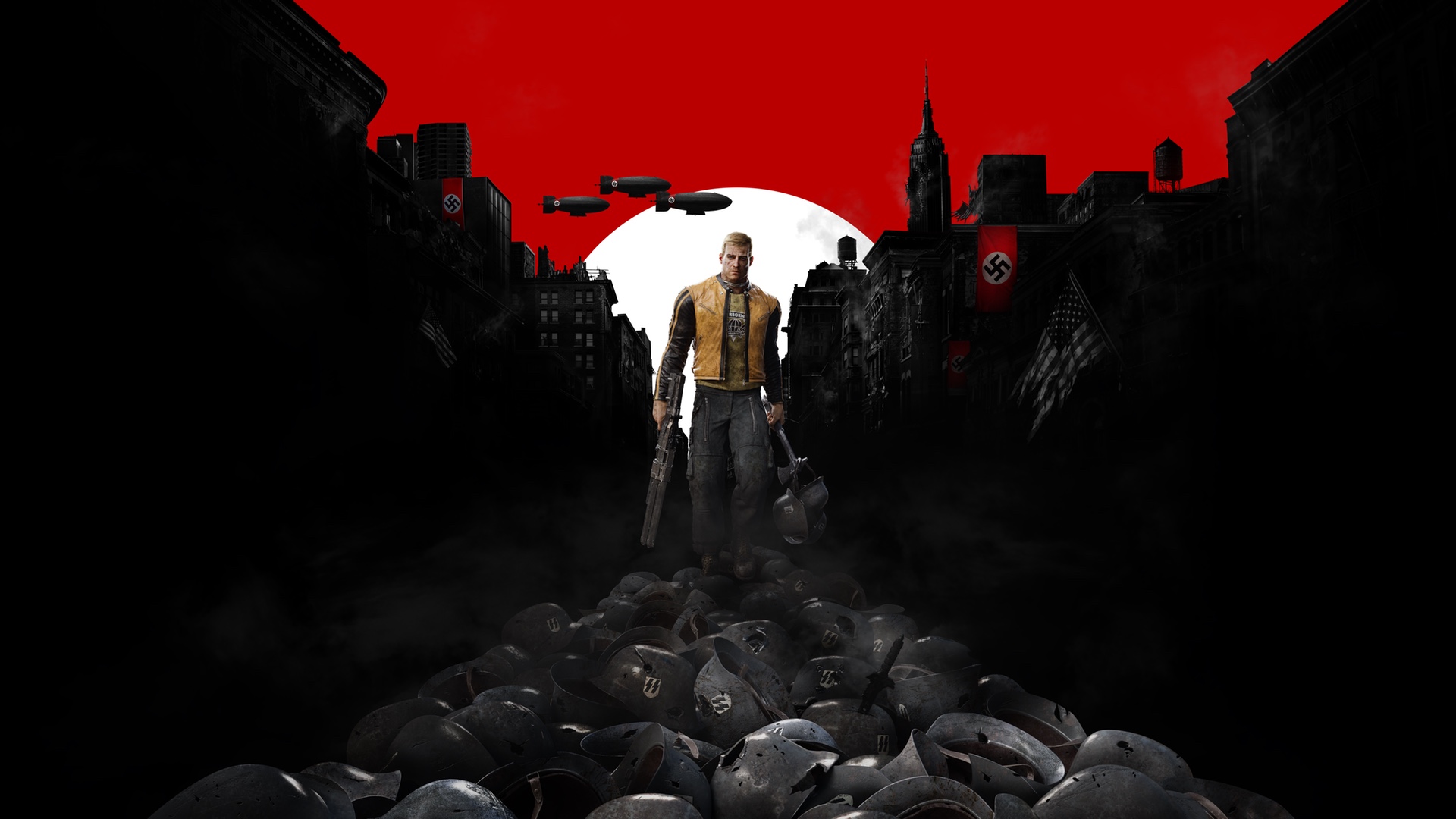
- 2017The New Colossus pushes into darker emotional territory with B.J. in occupied 1960s America. Wolfenstein II: The New Colossus
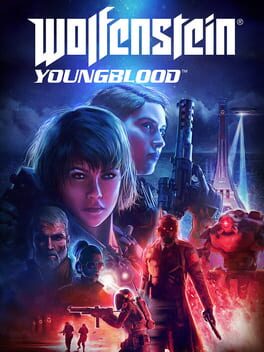
- 2019Youngblood introduces co-op and B.J.'s daughters as the new protagonists, in Nazi-occupied Paris. Wolfenstein: Youngblood
More alt-history war and resistance
Alternate History
Explore the Alternate History guide →You can take our country, but you cannot take our fight. That is the line every Wolfenstein game is built around, and every cross-media recommendation here answers the same question.CrossBinge editorial