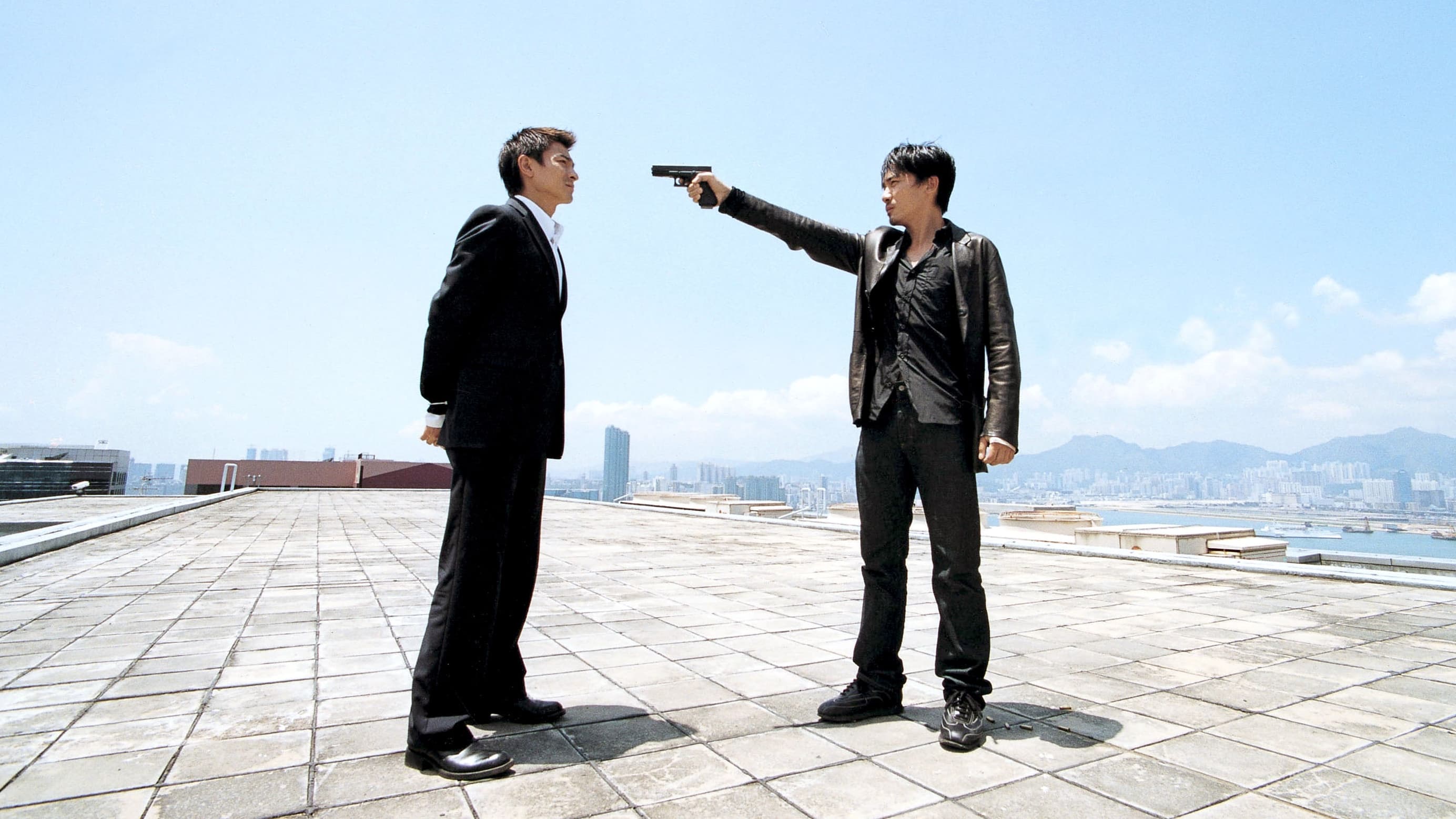

The Man Who Made Hong Kong Look Like a Dream It Was Already Losing
Andrew Lau Wai-Keung came up as a cinematographer before he became a director, and that origin story matters. He has an eye trained on surfaces: the slick of rain on Causeway Bay pavement, the particular glow of a fluorescent tube in a Kowloon flat, the way a man's face changes when he realizes he has run out of options. He brought that eye into his directing work, and the result is a body of films that feel as tactile as they are propulsive.
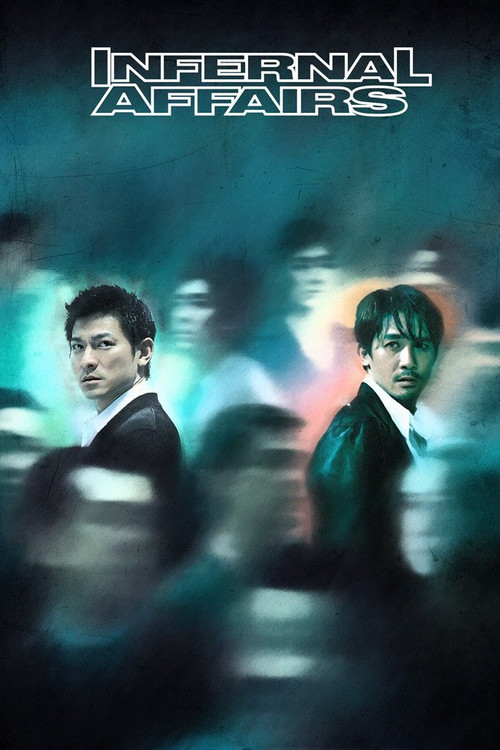
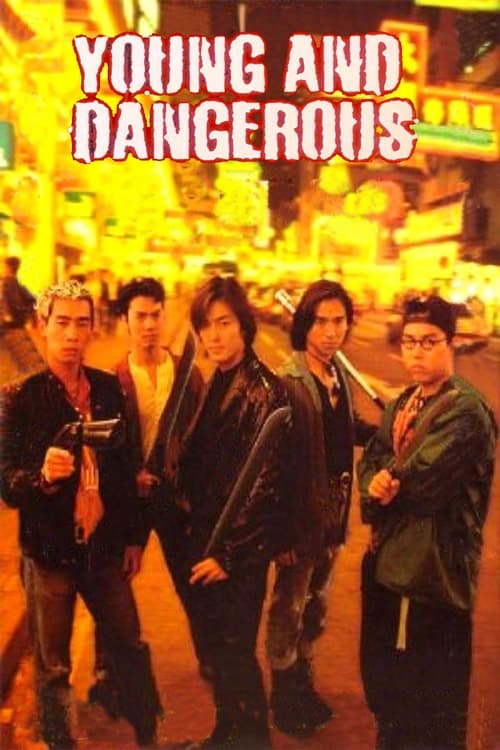
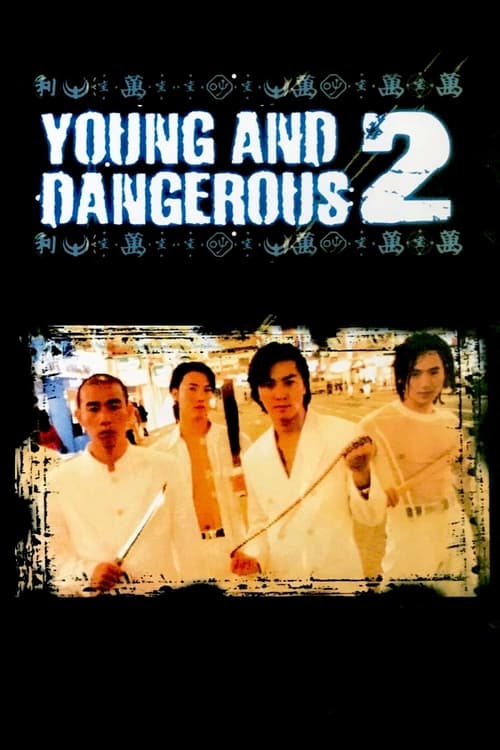
His Young and Dangerous series (starting 1996) was populist, fast, and unapologetically melodramatic, tapping into the anxieties of Hong Kong's handover era through the lens of triad street life. Then came Infernal Affairs in 2002, co-directed with Alan Mak, and the scale of what Hong Kong crime cinema could be shifted. Where the Young and Dangerous films were about belonging and brotherhood, Infernal Affairs was about the impossibility of both. Two men live false lives so completely that the truth becomes unreachable. It is a genre film built on an existential crisis, and it landed at exactly the right moment.
The texture a fan responds to here is specific: loyalty that costs everything, men trapped by the roles they agreed to play, action that never tips into abstraction because the emotional stakes are always legible. Lau's films move fast but they are never glib. The violence lands because the relationships matter first.
Essential Andrew Lau Wai-Keung
His own films, from the formative to the definitive


Double Lives and Double Crosses
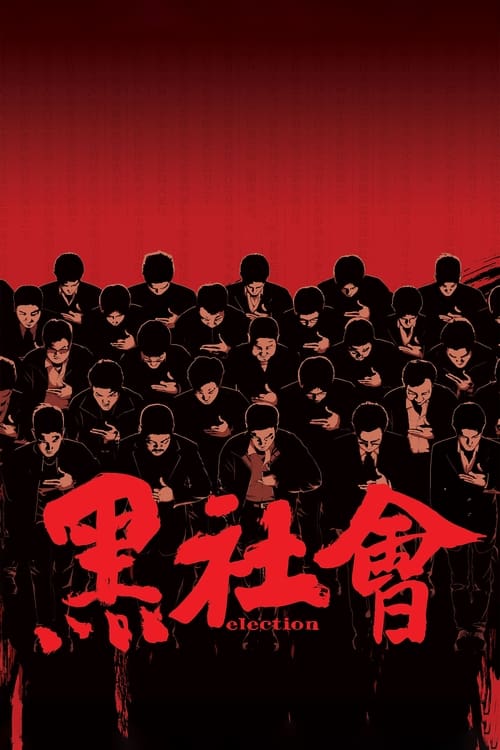
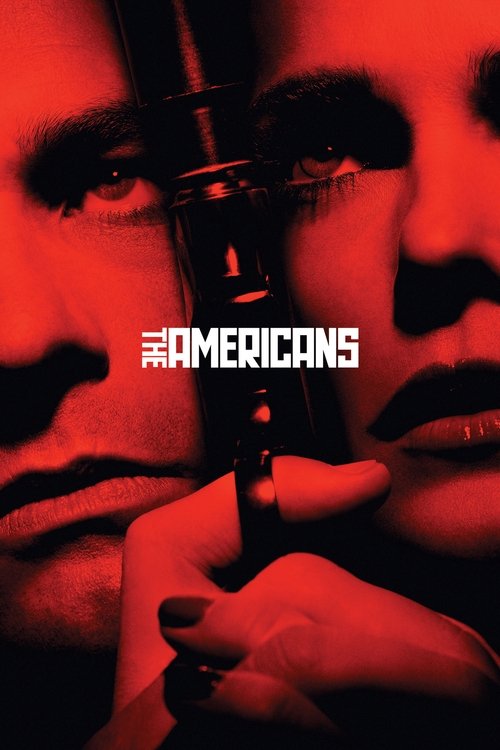
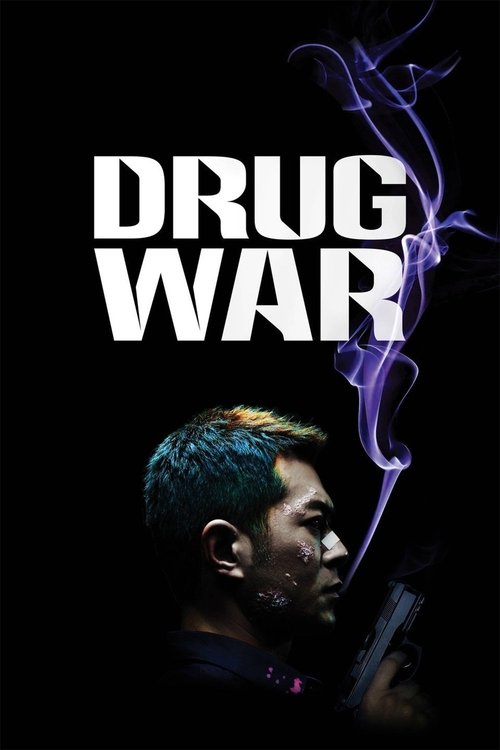
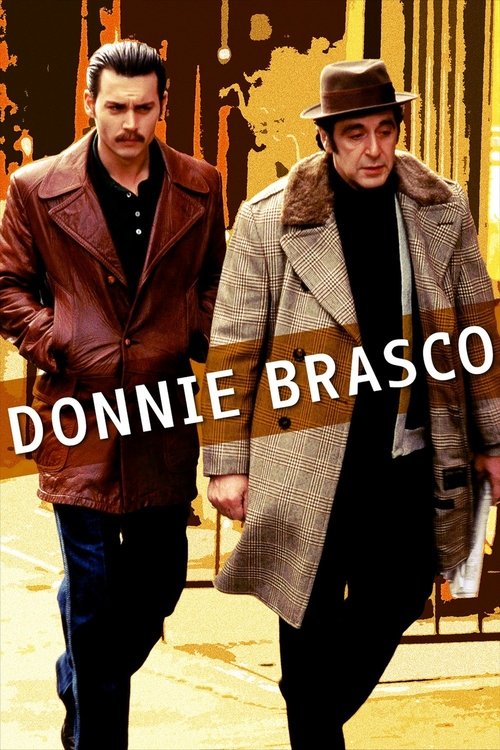
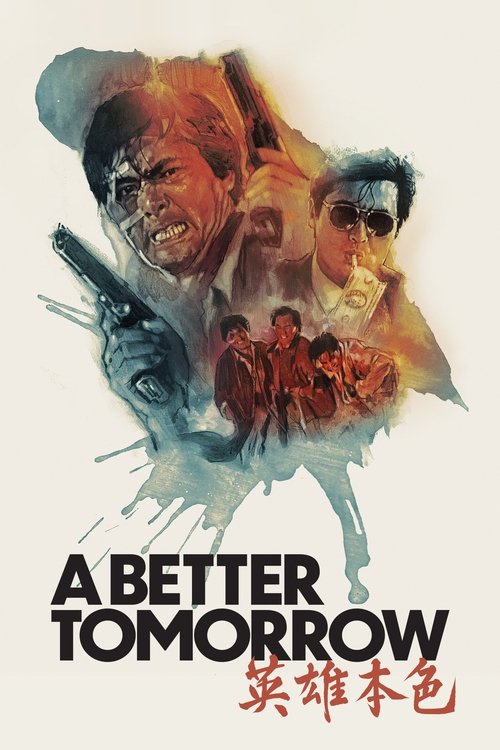
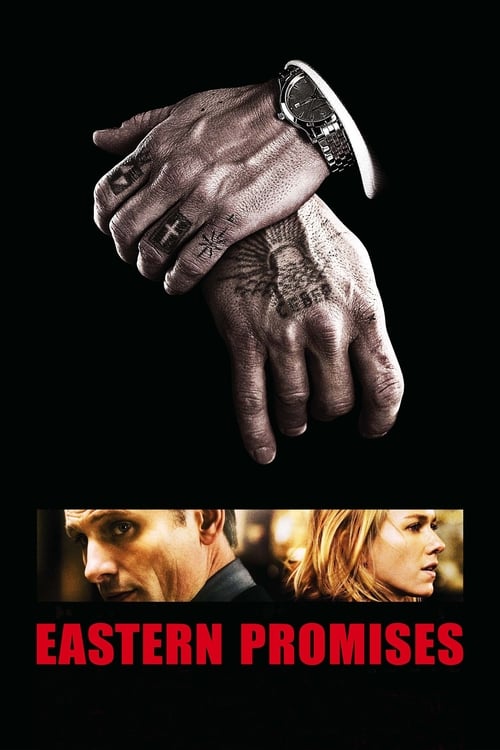
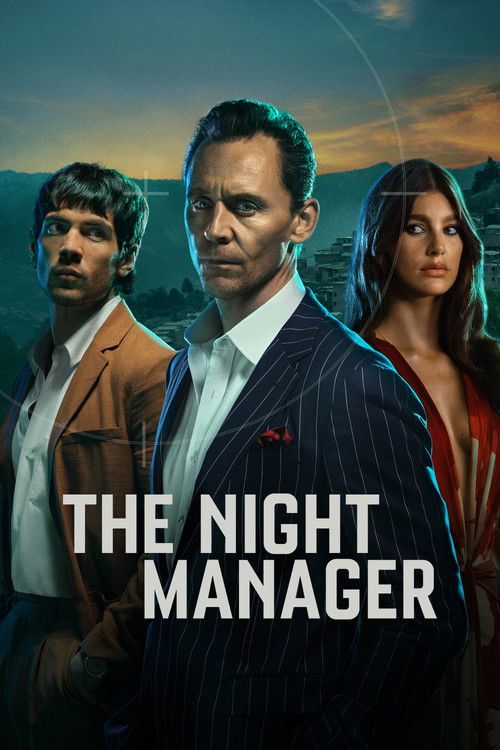
Films and shows built on the same undercover-identity pressure that powers Infernal Affairs


Hong Kong Cinema's Golden Seam
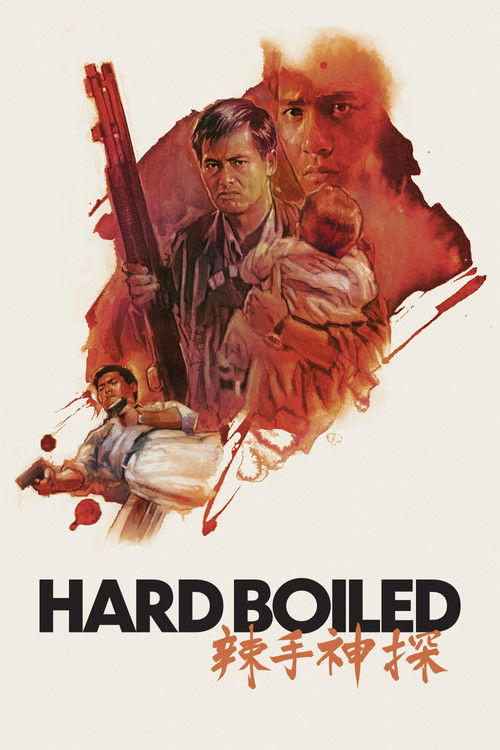
The directors and films that ran alongside Lau and shaped the same era
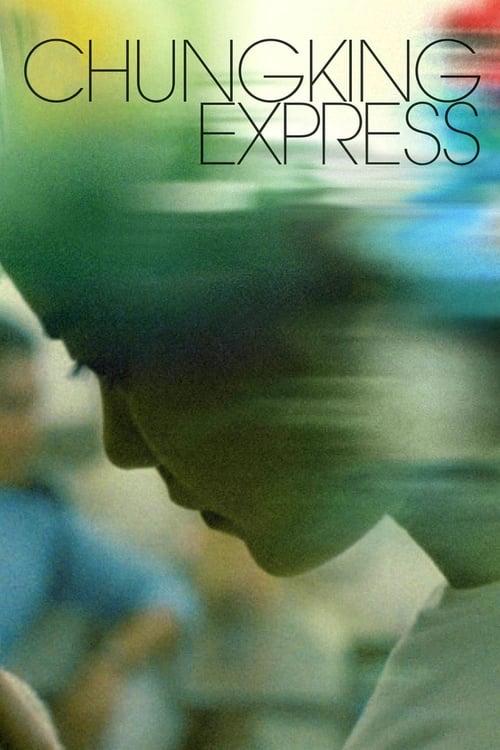
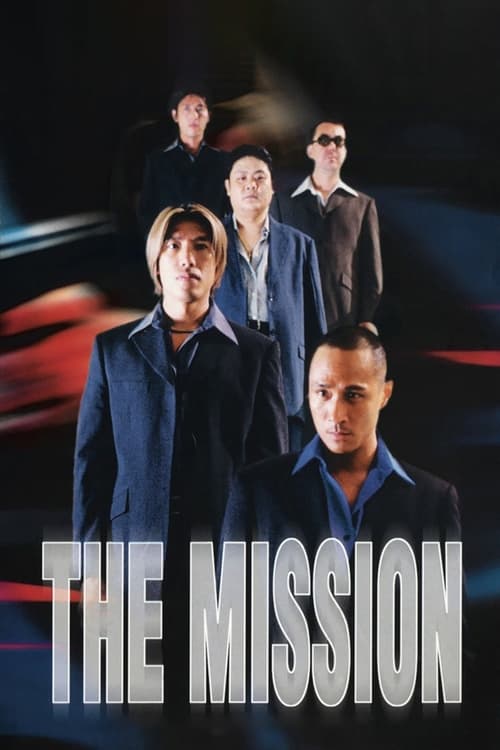
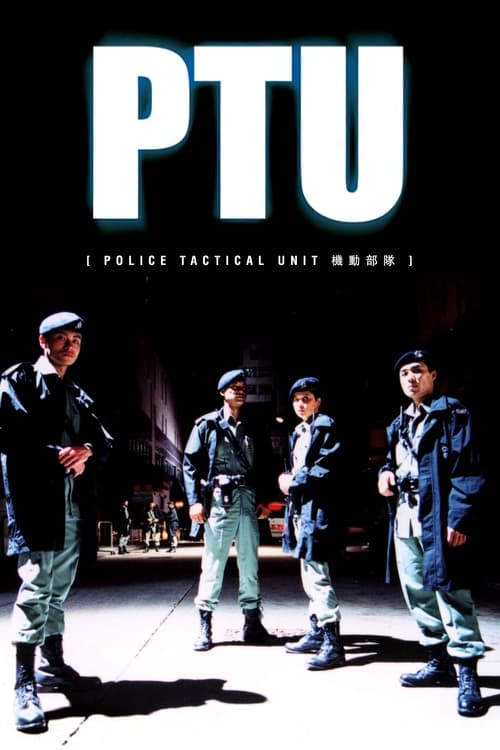
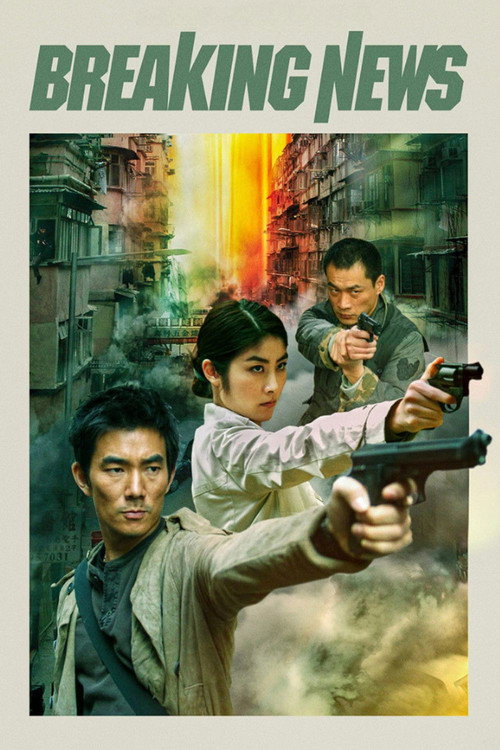

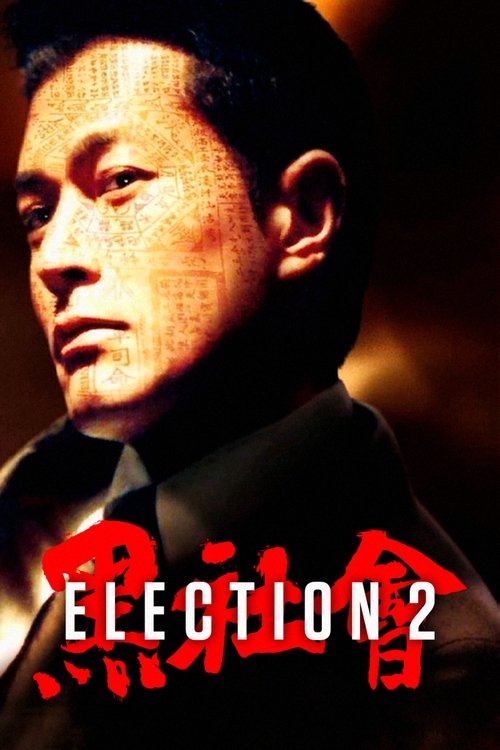
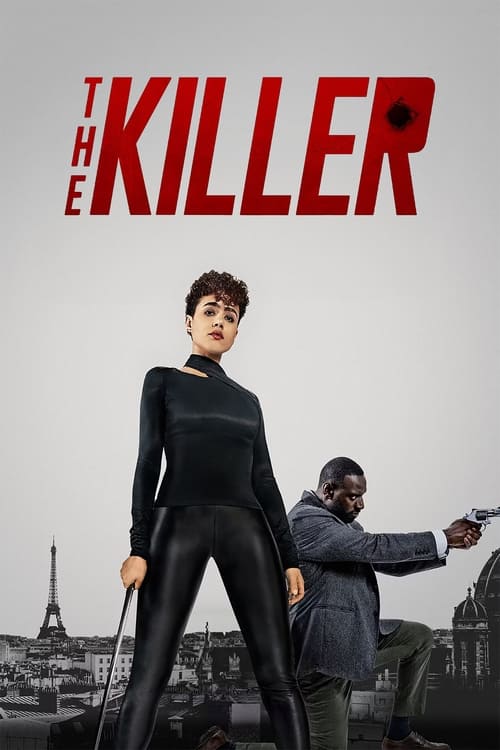
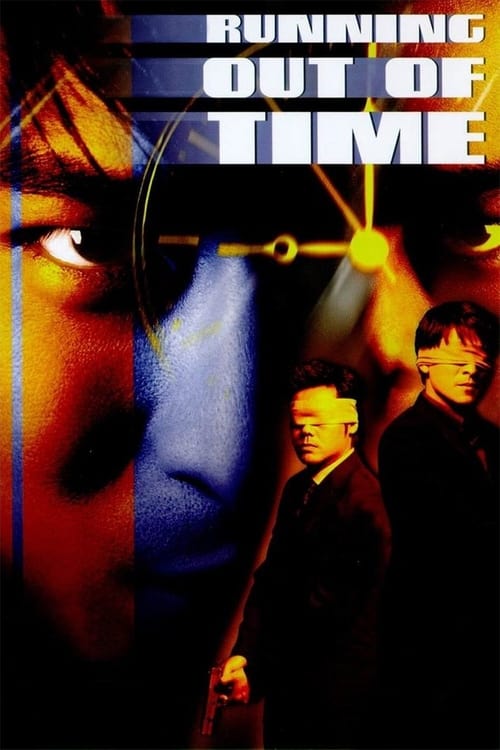
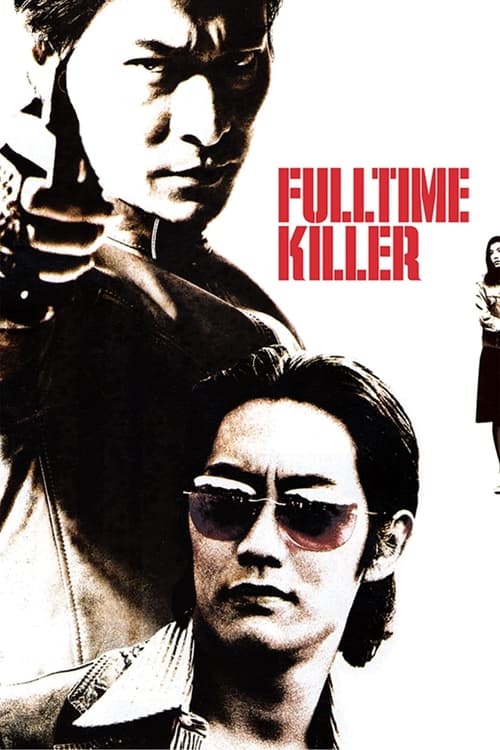
Brotherhood, Betrayal, and the Price of Loyalty
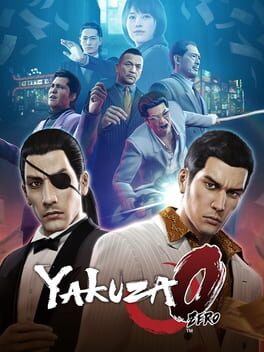
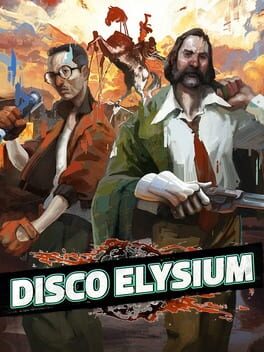
Books and games that live in the same moral territory: allegiances that destroy the people who hold them

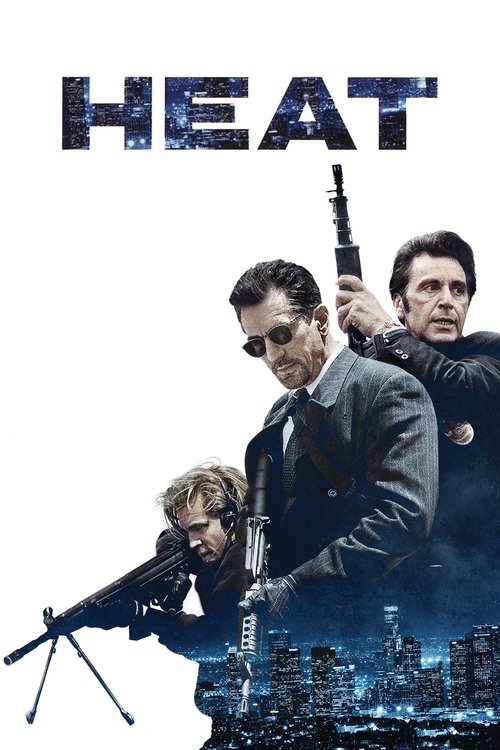
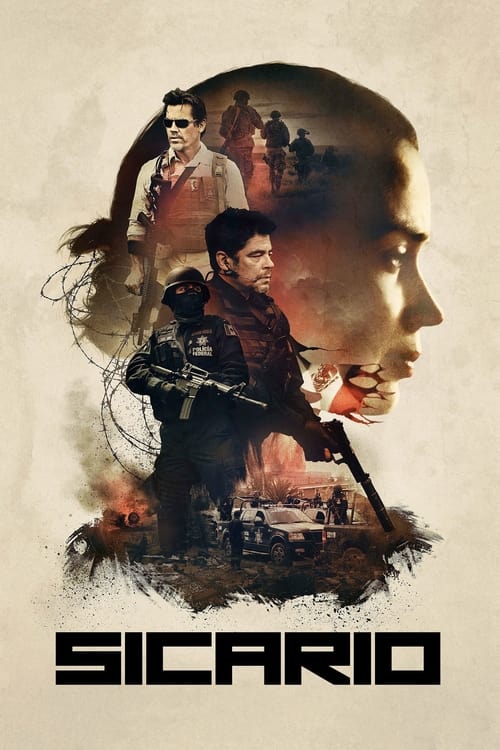
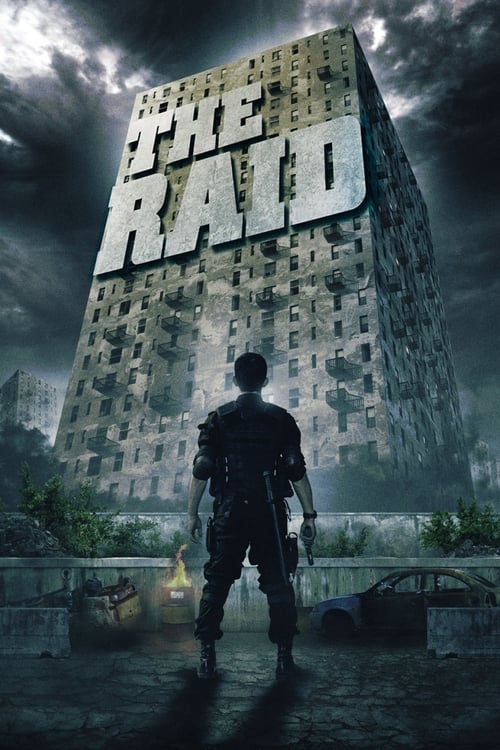
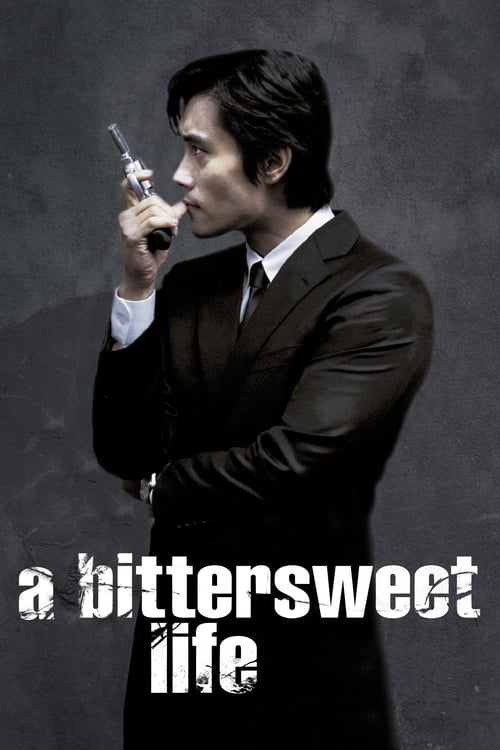
Kinetic Style, Real Stakes
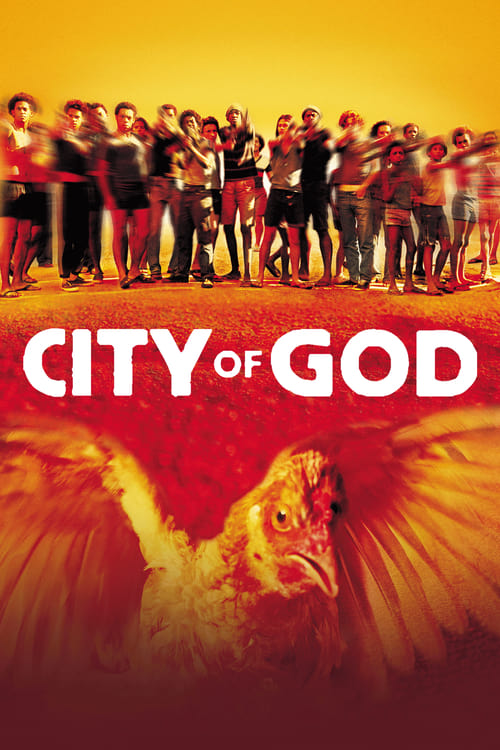
Action cinema that never lets the choreography upstage the characters
Start here, not with the remake
Everyone knows The Departed. Far fewer people have seen what Martin Scorsese was adapting, and the original is a different film. Infernal Affairs is tighter, more compressed, and more melancholy. Where Scorsese lets the violence sprawl into dark comedy, Lau and Mak hold the sadness right at the surface. The final twenty minutes are among the most emotionally precise in Hong Kong cinema. Watch the original first; the remake will still be there.
The underrated one is the second film, not the first
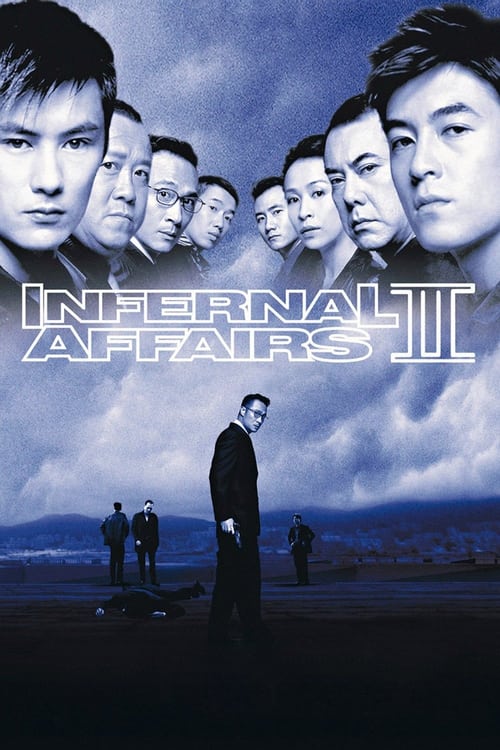
Infernal Affairs II is a prequel and a stranger, sadder film than the first. It relocates the story to the 1990s and asks how these men became what they are. The scope is larger, the tragedy more diffuse, and it rewards the patience it demands. Critics who ranked it below the original were comparing it to the wrong thing. Compared to almost any other Hong Kong crime film of its decade, it is exceptional.
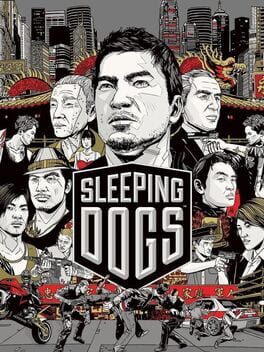
Sleeping Dogs is the game Lau's films were always waiting for
Sleeping Dogs (2012) is the closest any game has come to capturing what the Young and Dangerous and Infernal Affairs films feel like. An undercover cop loses himself in the role. The city is rendered with affection and fidelity. The action is brutal without being cartoonish. The development team cited Hong Kong cinema as a direct influence. If you have ever wanted to inhabit the world Lau built on screen, this is where you go.
The spiritual successor arrived from South Korea
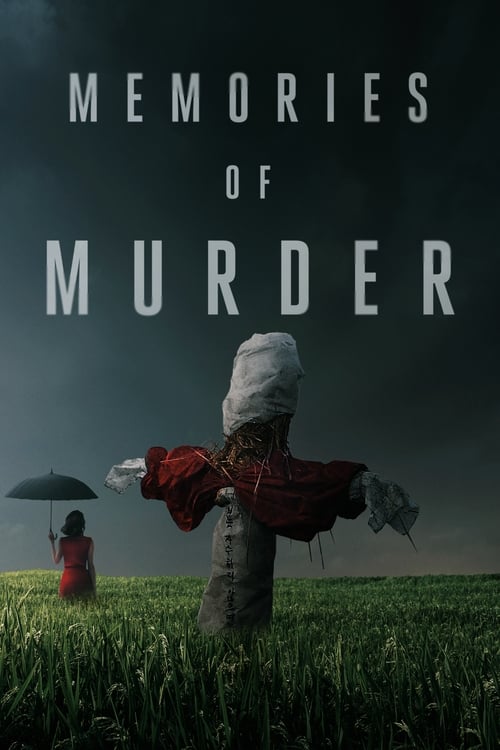
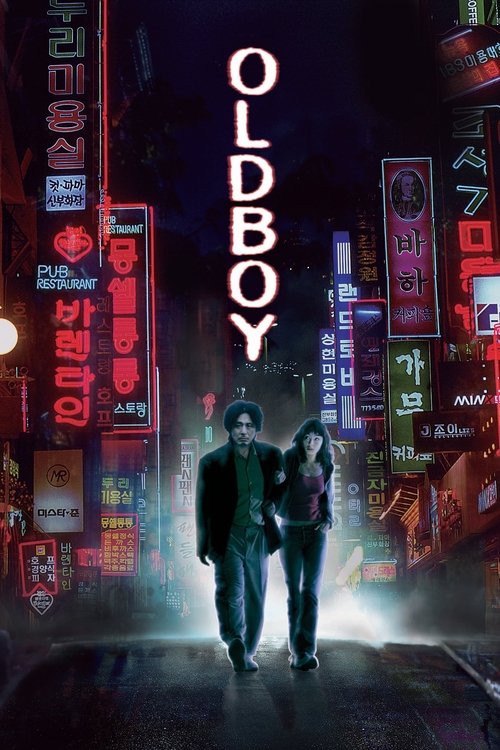
After Infernal Affairs, the center of gravity for moral-complexity crime cinema shifted to South Korea. Bong Joon-ho, Park Chan-wook, and Na Hong-jin built a body of work in the 2000s and 2010s that shares Lau's refusal to let genre comfort blunt emotional reality. Memories of Murder in particular feels like a close cousin: procedural in structure, devastating in feeling, built on the understanding that justice is a story men tell themselves when the real answer is unbearable.
Andrew Lau Wai-Keung: Key Moments
- 1991Begins directing; works extensively as cinematographer throughout early career
- 1996Young and Dangerous released, launches defining triad film series Young and Dangerous
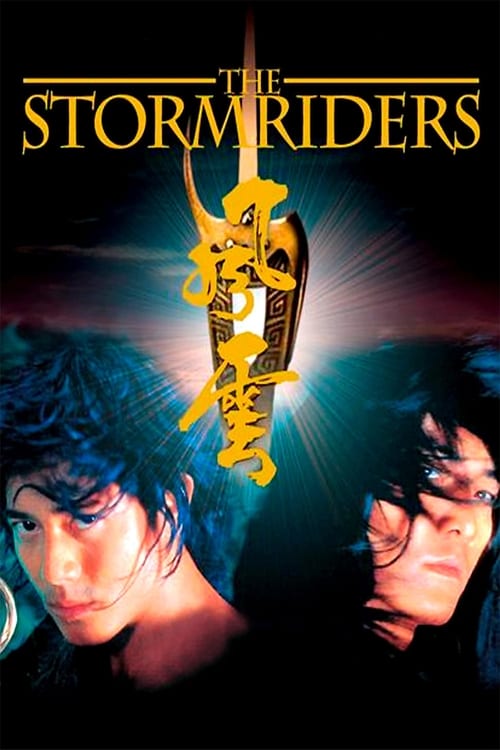
- 1998The Storm Riders, a landmark wuxia blockbuster The Storm Riders
- 2002Infernal Affairs co-directed with Alan Mak, becomes a global landmark Infernal Affairs
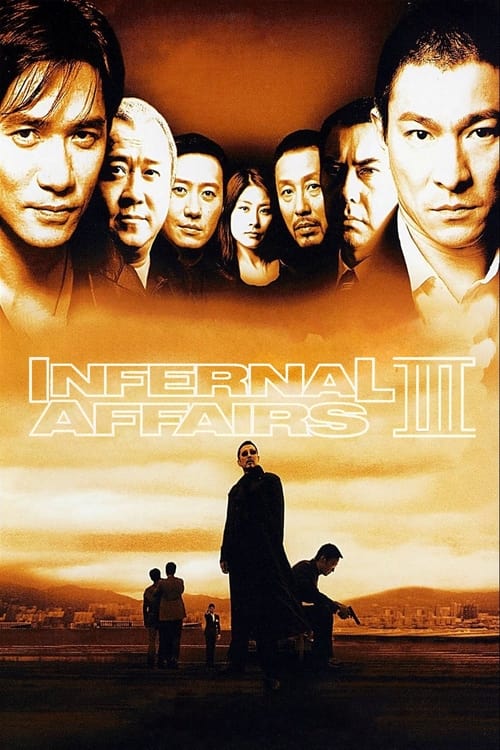
- 2003Infernal Affairs II and III complete the trilogy Infernal Affairs II
- 2005Initial D adapts the racing manga to live action Initial D
Undercover cops, Hong Kong crime
For Fans of Infernal Affairs
Explore the For Fans of Infernal Affairs guide →Infernal Affairs proved that a genre film could be a genuinely great film without abandoning any of what makes genre satisfying. That is still the hardest trick in cinema.CrossBinge Editors