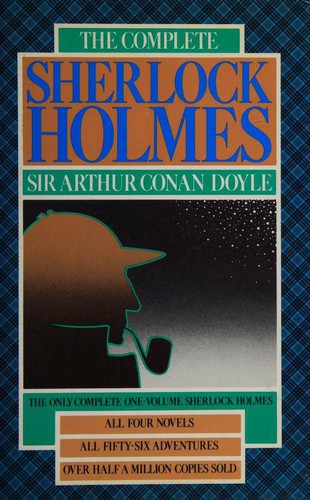

The Mind That Lit the Gaslight
Arthur Conan Doyle was a Scottish physician who spent his quieter consulting-room hours writing stories he half-expected no one to remember. He was wrong about that. From 1887 onward, the figure he invented in a rented Edinburgh room, a gaunt, hyper-rational detective who played violin and kept his tobacco in a Persian slipper, became one of the most recognisable characters in all of fiction. Sherlock Holmes is the reason we still use the word deduction the way we do.
But Conan Doyle was more than Holmes. His Professor Challenger novels planted the flag for adventure science-fiction, sending explorers into plateaus teeming with prehistoric life. His short horror tales carried a genuine chill. His historical fiction ached with gallantry. Running through all of it is the same engine: a fascination with evidence, with what the physical world reveals if you know how to read it, and a romanticism about the lone exceptional mind pitted against disorder.
Fans of Conan Doyle tend to want two things at once: the rigorous intellectual pleasure of a well-constructed puzzle, and the atmospheric pleasure of a world rendered in amber and fog. The gaslit Victorian London of Holmes is almost as much the point as the cases themselves. That combination of cerebral precision wrapped in rich period texture is exactly what the best successors across film, television, games, and books have learned to replicate.
Essential Arthur Conan Doyle
The canon, from the first case to the final bow
![The Complete Sherlock Holmes [4 novels, 56 stories]](https://is1-ssl.mzstatic.com/image/thumb/Publication/v4/5f/30/30/5f3030c8-b973-ba79-ac61-1a2ff28d84f4/SherlockHolmes.png/1400x1400bb.jpg)
![Memoirs of Sherlock Holmes [12 stories]](https://is1-ssl.mzstatic.com/image/thumb/Publication221/v4/5f/3b/cb/5f3bcbbc-bee1-2823-6682-942b0fc196f9/etext834.png/1400x1400bb.jpg)

![His Last Bow [8 stories]](https://is1-ssl.mzstatic.com/image/thumb/Publication221/v4/cf/2a/88/cf2a88b8-4e3c-7056-b276-8614ddab6192/etext2350.png/1400x1400bb.jpg)


Start here: the story that made everything else possible
The short story is Conan Doyle's natural form. 'A Scandal in Bohemia' is the best single entry point into Holmes: compact, perfectly plotted, and the one story where Holmes does not win outright. Irene Adler outmanoeuvres him, and Holmes is honest enough to respect it. That capacity for intellectual generosity, for being genuinely impressed by a worthy opponent, is what keeps Holmes from becoming insufferable. If you read only one, read that one. Then read all the others.
The Holmes Adaptations Worth Your Time
A century of translating the detective to screen
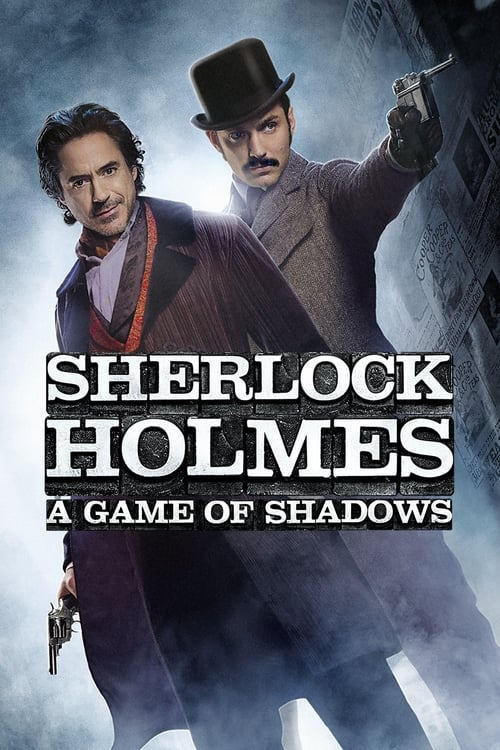
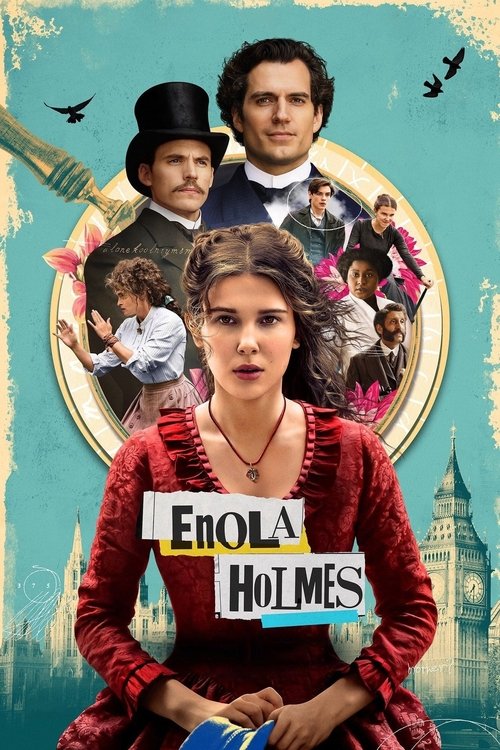
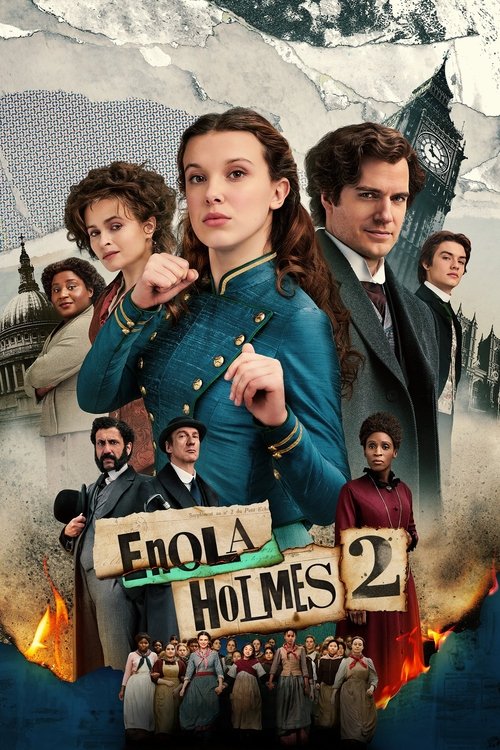
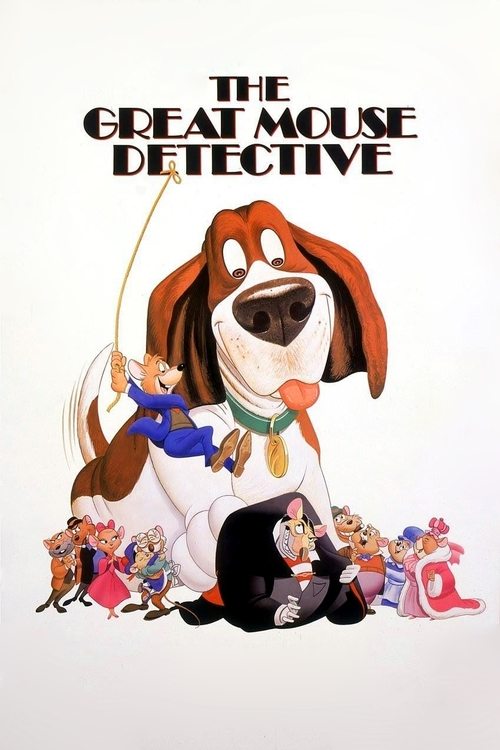
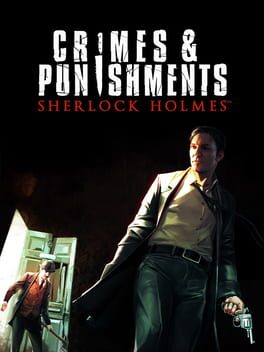
The Holmes game that asks you to think like Holmes
The Frogwares series has been building the best interactive Holmes adaptation for two decades, but Sherlock Holmes: Crimes and Punishments is the one that earns a permanent place beside the books. The deduction board mechanic asks you to form conclusions from evidence rather than select the right dialogue option. More importantly, it lets you be wrong, and occasionally lets you be right for the wrong reasons. Holmes's fallibility is, unexpectedly, what makes this faithful.
If You Love the Puzzle: Logic, Deduction, and the Closed Room
Works where the intellectual architecture of the mystery is the pleasure
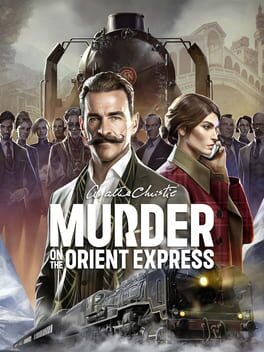
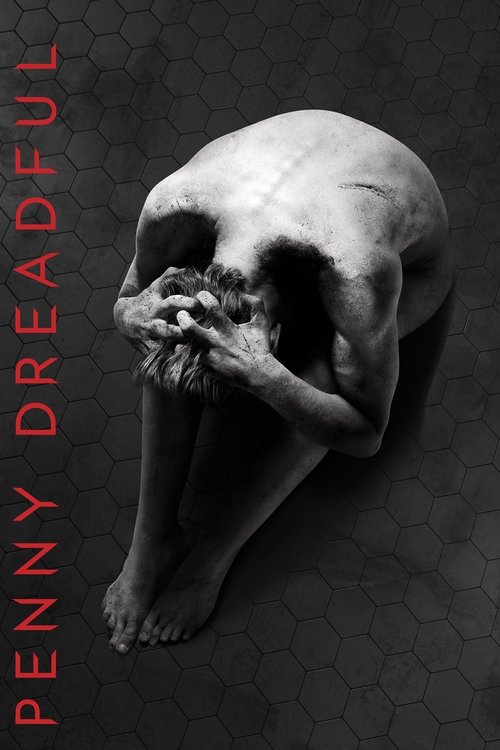
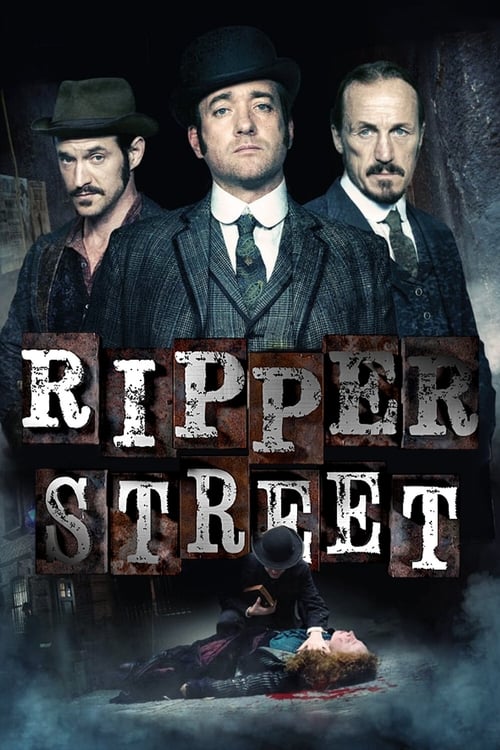
If You Love the Atmosphere: Victorian Fog and Gothic Unease
The gas-lit, morally shadowed world Conan Doyle called home
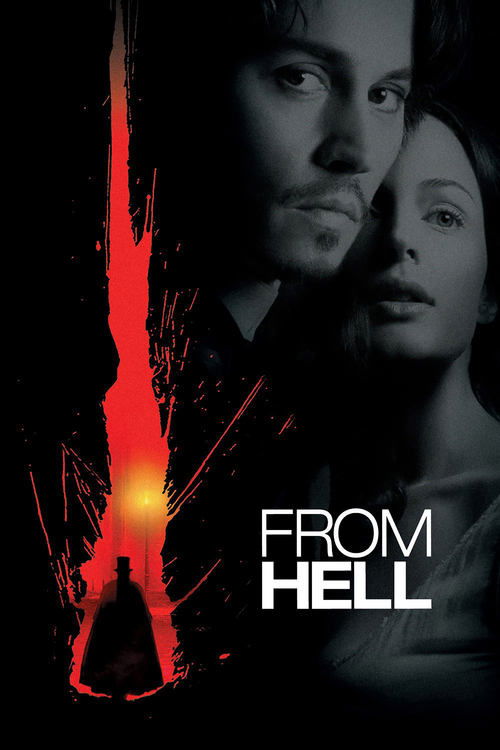
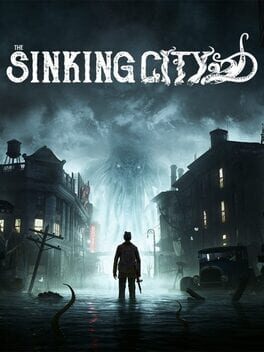
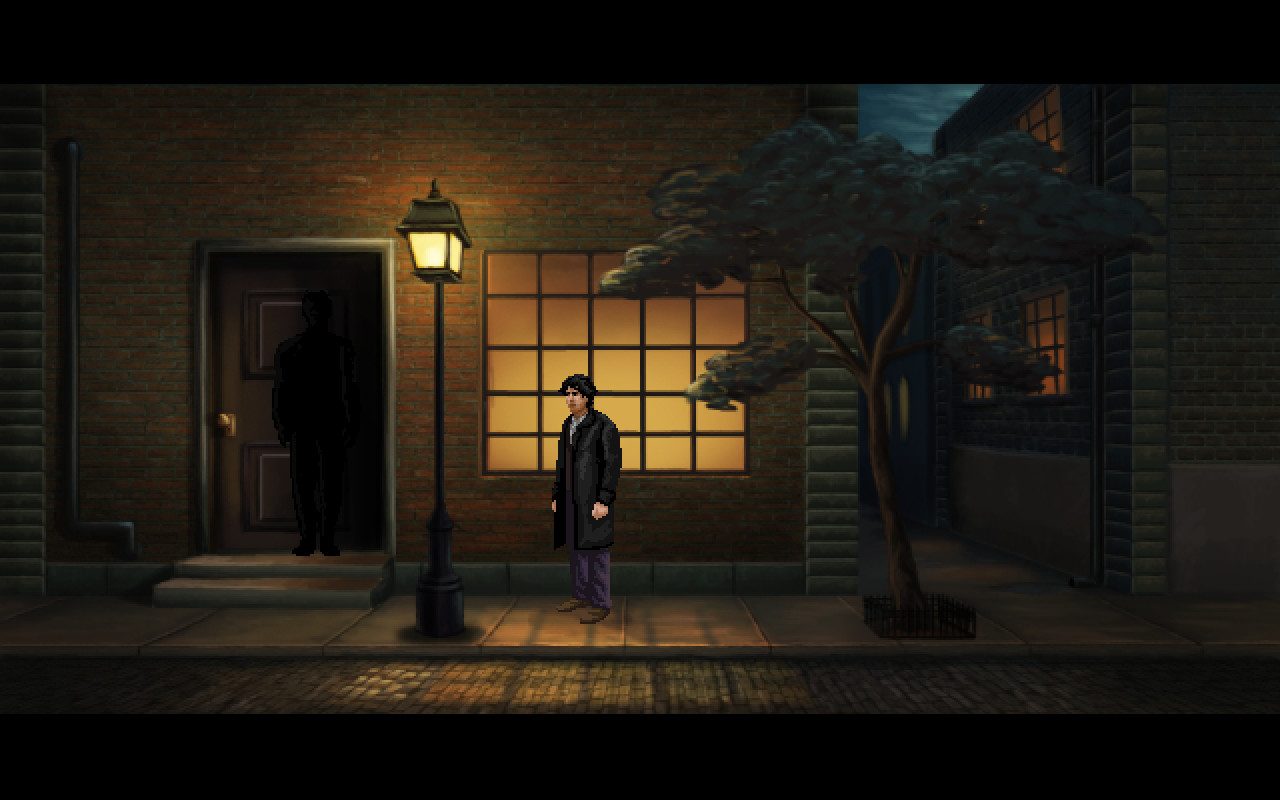


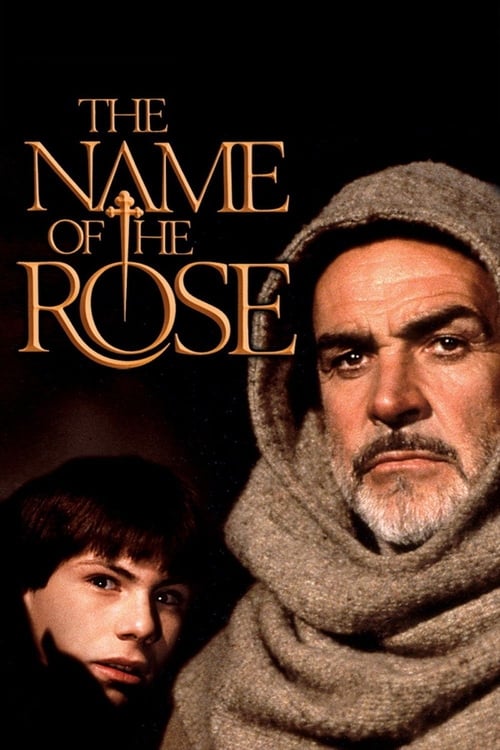
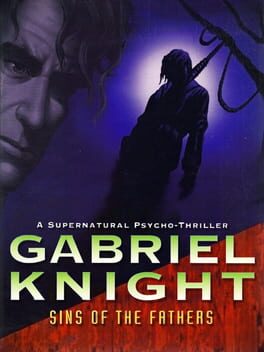
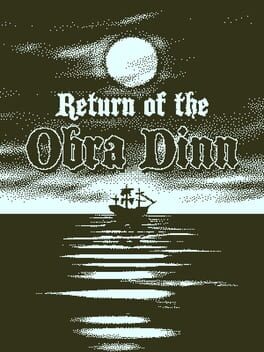
The ghost ship that Conan Doyle would have played obsessively
Return of the Obra Dinn is the most Conan Doyle thing made in decades that contains no Sherlock Holmes. You arrive at a ghost ship with a notebook and a pocket watch, and you reconstruct what happened from scraps of frozen evidence. The logic is airtight, the atmosphere relentless, and the satisfaction of a correct deduction is as precise and clean as anything in the original stories. The method is identical to Holmes: gather fragments, eliminate impossibilities, commit to what remains.
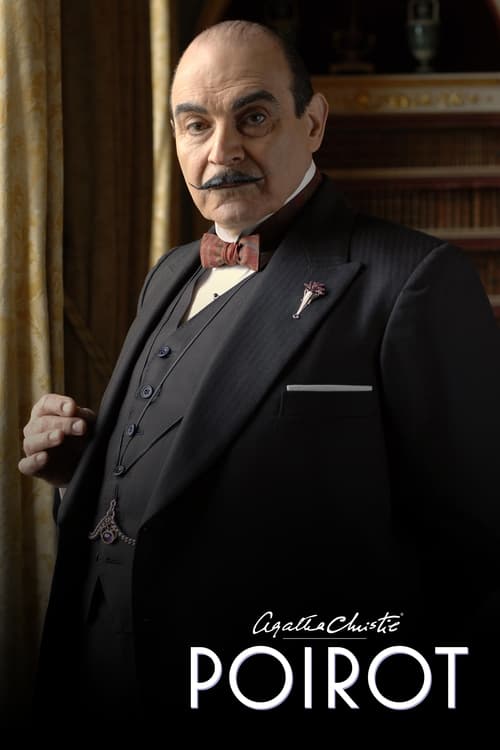
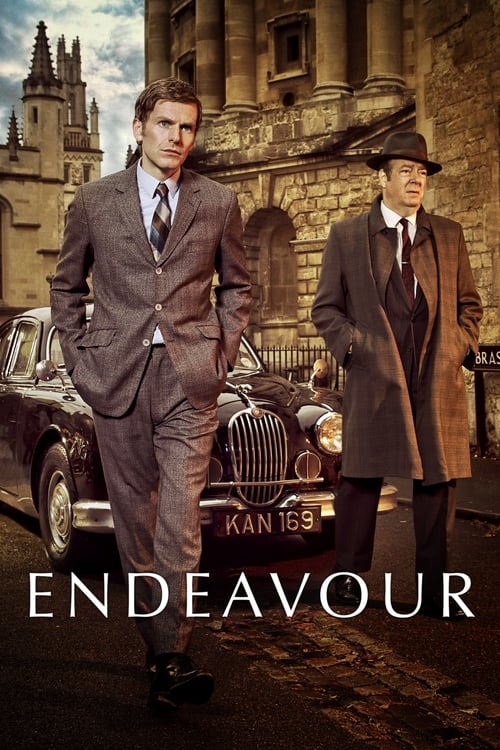
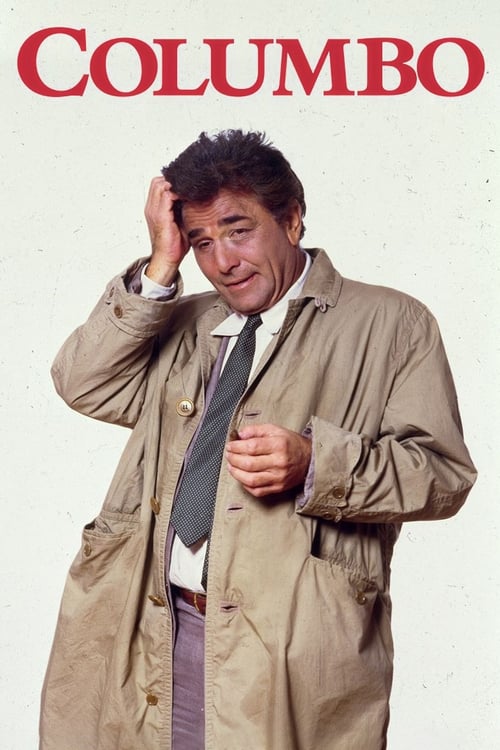
If You Love the Detectives: Great Investigators Across Every Medium
Characters whose method and personality are the whole point

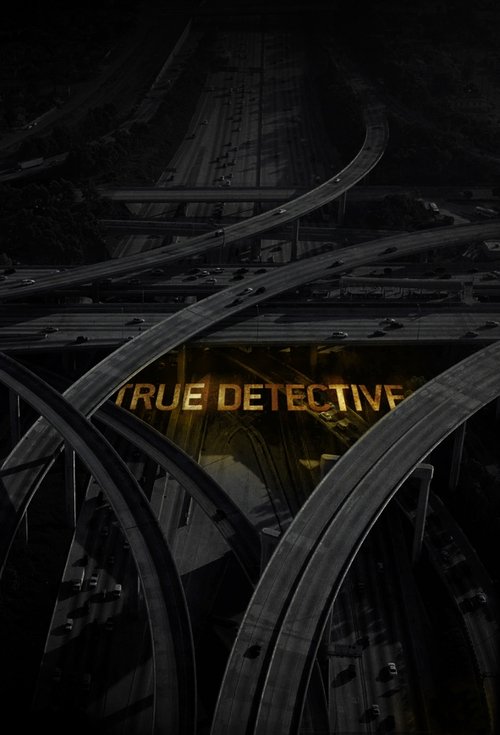
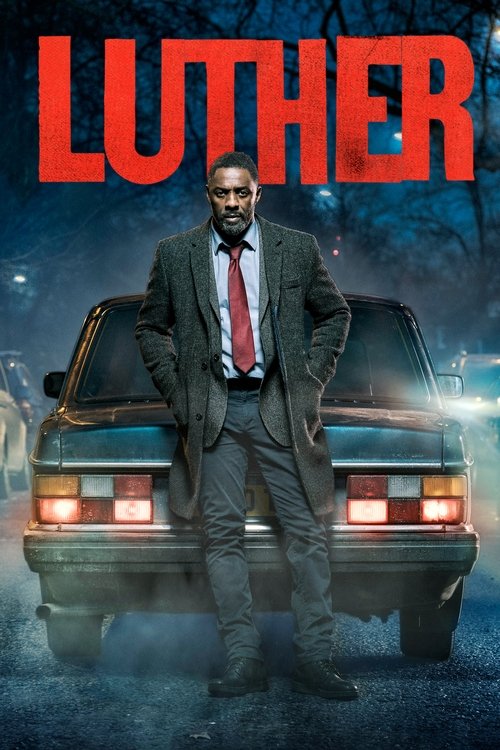
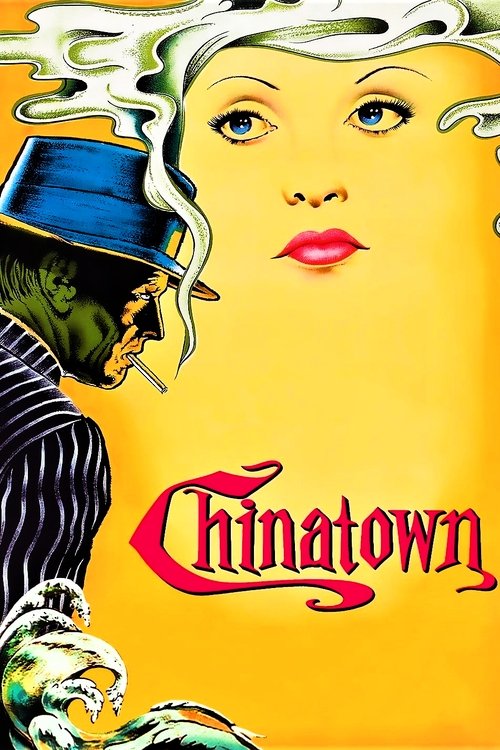
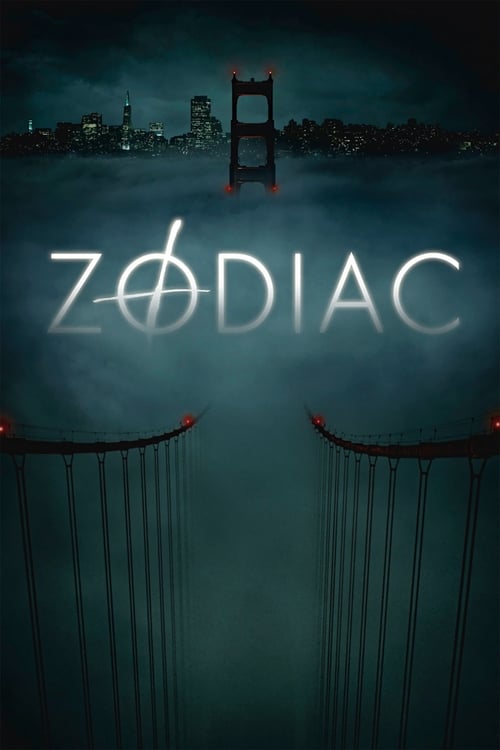


From a Busy Edinburgh Practice to the Most Famous Address in Fiction
- 1859Arthur Conan Doyle born in Edinburgh
- 1876Begins medical studies at the University of Edinburgh; meets Dr. Joseph Bell, the model for Holmes's observational method
- 1887A Study in Scarlet published, introducing Sherlock Holmes and Dr. Watson to the world The Complete Sherlock Holmes [4 novels, 56 stories]
- 1891The Adventures of Sherlock Holmes begin running in The Strand Magazine; Holmes becomes a national obsession
- 1893Conan Doyle kills Holmes at the Reichenbach Falls in 'The Final Problem'; readers are outraged
- 1901The Hound of the Baskervilles published; the most celebrated Holmes novel
- 1903Holmes resurrected in 'The Adventure of the Empty House', following enormous reader pressure
- 1912The Lost World introduces Professor Challenger, launching adventure science-fiction as a genre
- 1927The Case-Book of Sherlock Holmes published; the final canonical collection The Case-Book of Sherlock Holmes
- 1930Conan Doyle dies in Crowborough, Sussex
When you have eliminated the impossible, whatever remains, however improbable, must be the truth.Sherlock Holmes, in The Sign of the Four (1890)
The underrated one: not Holmes, but Brigadier Gerard
Most Conan Doyle readers never reach Brigadier Etienne Gerard, the swaggering, vain, entirely loveable French hussar whose Napoleonic adventures Conan Doyle regarded as some of his finest work. Gerard is Holmes's comic mirror: where Holmes is cold and logical, Gerard is hot-blooded and prone to blundering into glory by accident. The stories are warm, funny, and impeccably constructed. If you think you have exhausted Conan Doyle because you have read all the Holmes, you have not.