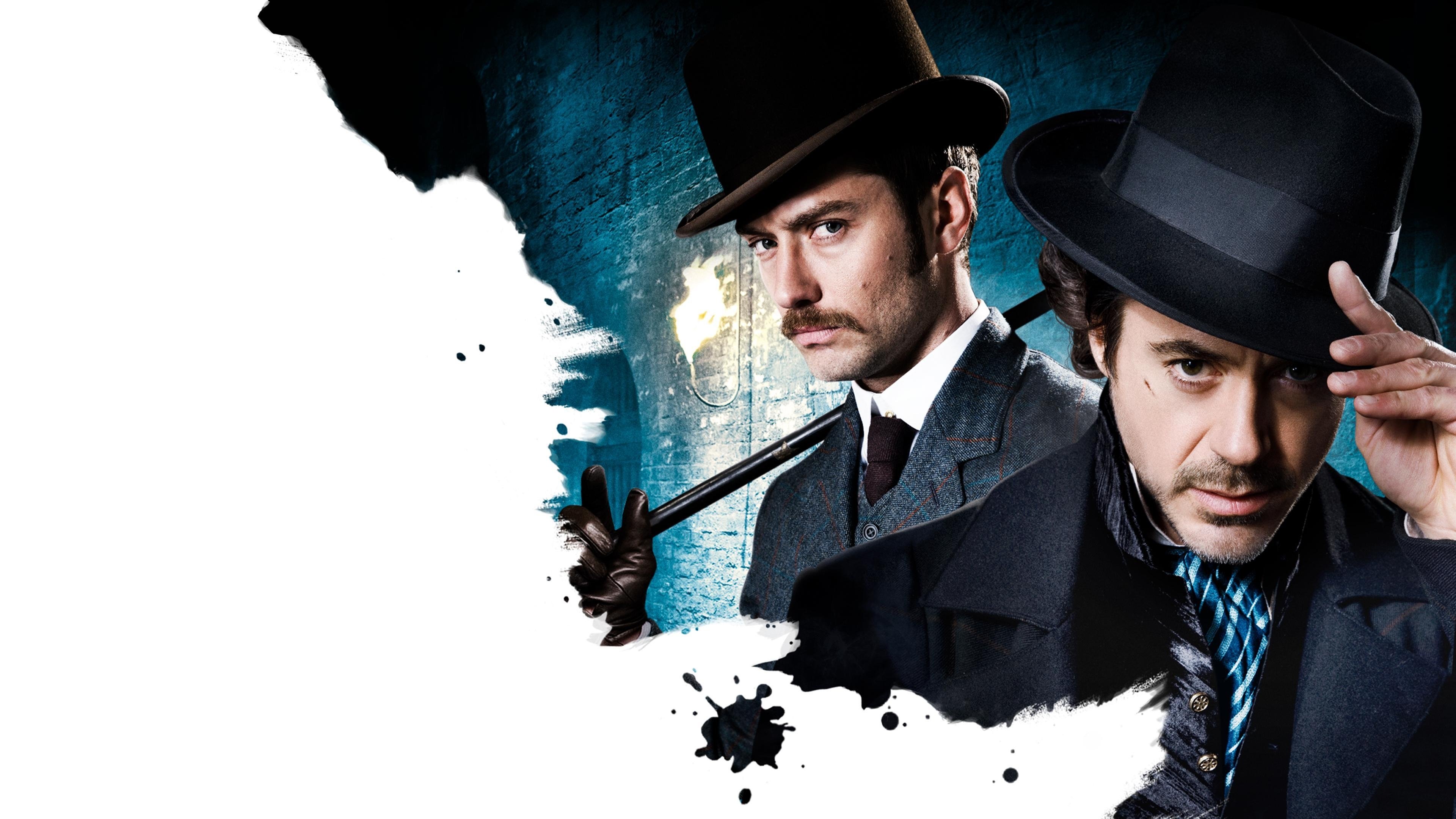

Victorian London is a feeling before it is a place. It is the particular chill of a November fog rolling off the Thames, the clatter of iron wheels on wet stone, the sense that the richest and most wretched city on earth are separated by a single street. What fans of this world chase is the tension: a society convinced of its own progress that is simultaneously drowning in soot, gin, and injustice. Sherlock Holmes deduces from a Baker Street armchair. Jack the Ripper prowls Whitechapel. Dorian Gray corrupts himself in plain sight. The Victorian city is where the modern mystery was invented, where the detective novel was born, where the gothic found its smoking-room register, and where social realism first dared to name poverty by name. Across every medium, the best Victorian London stories share that double vision: the gaslit glamour and the shadow it casts.
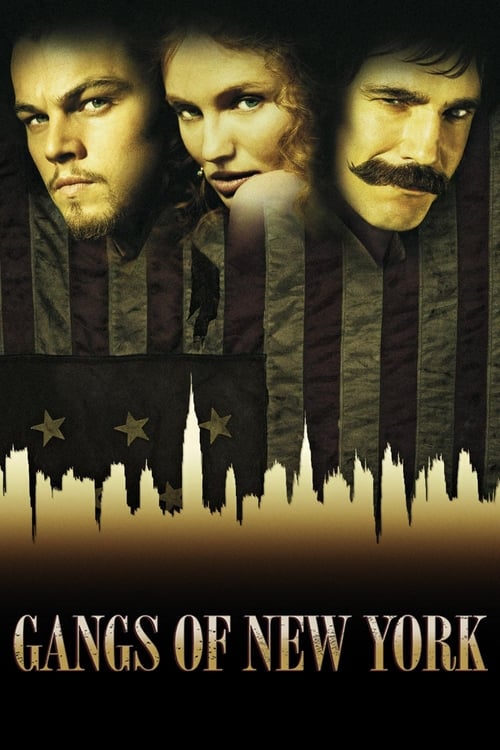
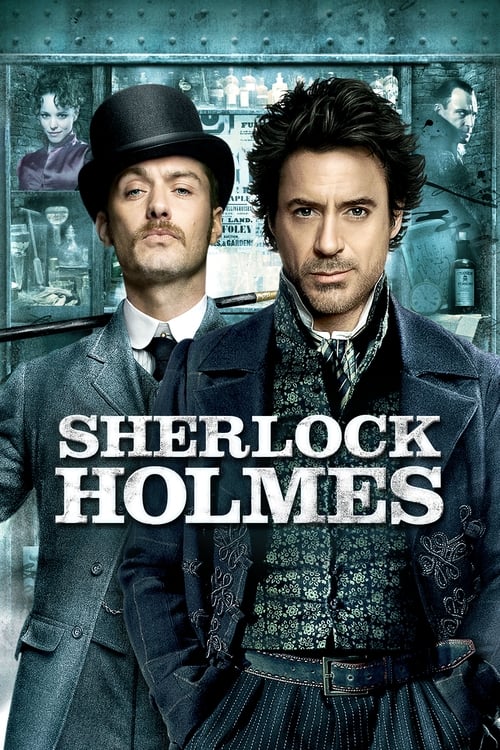
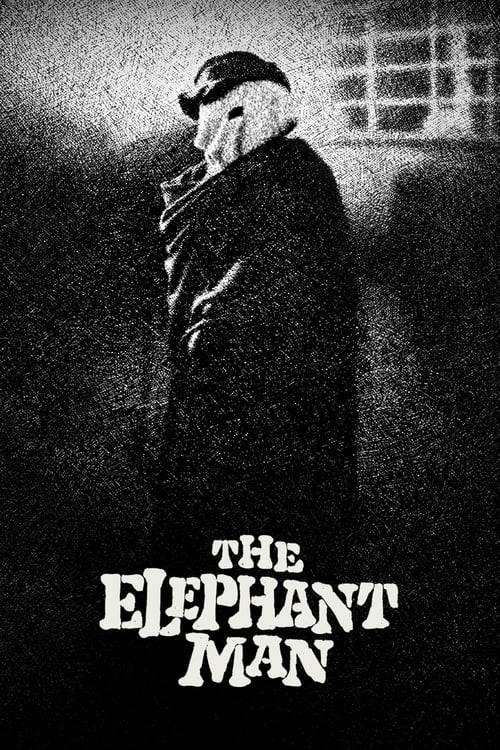
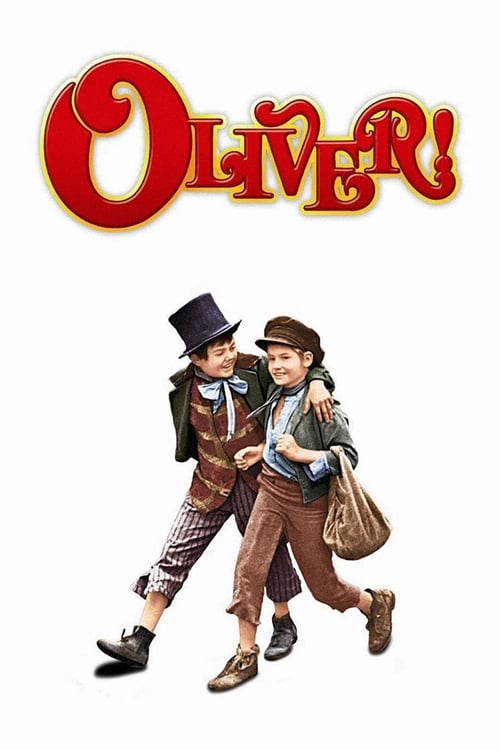
Essential Victorian London Films
Cinema's most atmospheric returns to fog and gaslight
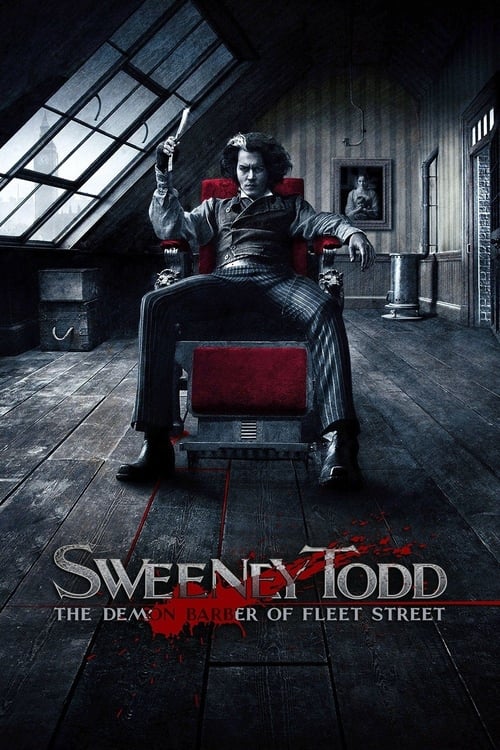
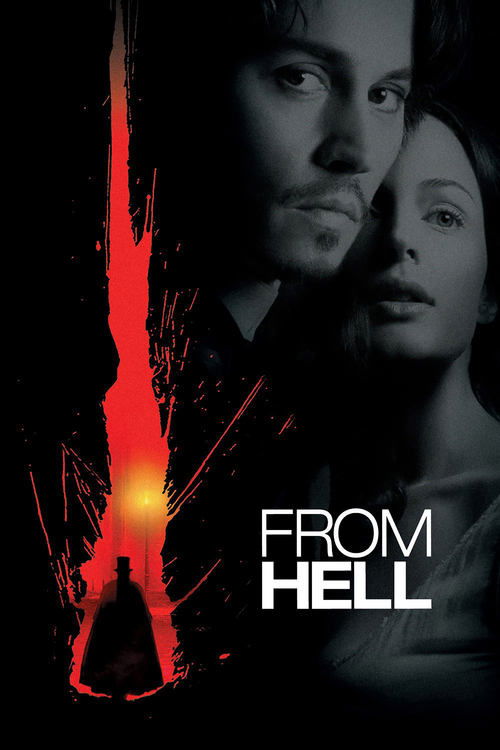
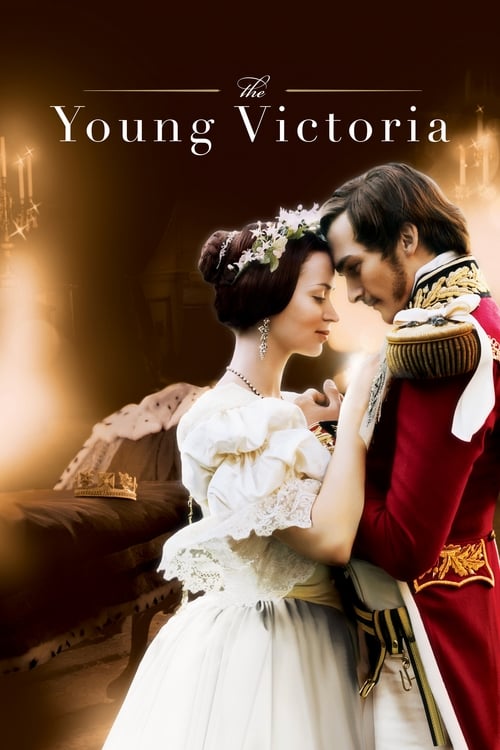
If You Love Victorian London: Series That Breathe the Same Air
Long-form television that lives in gaslit streets and class-divided parlours
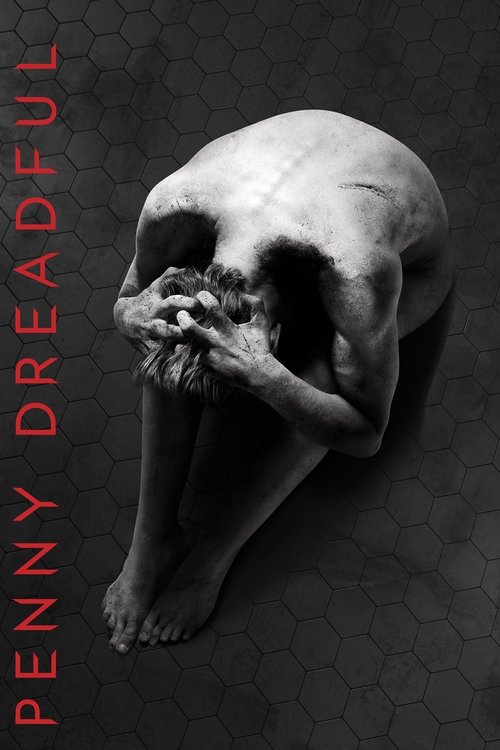
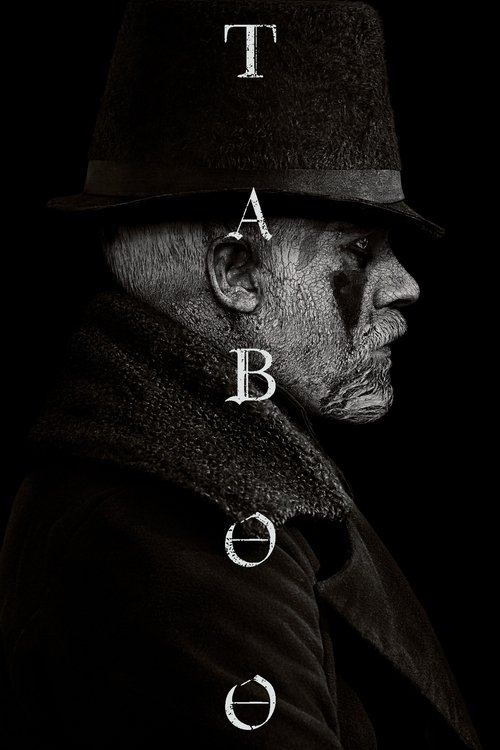
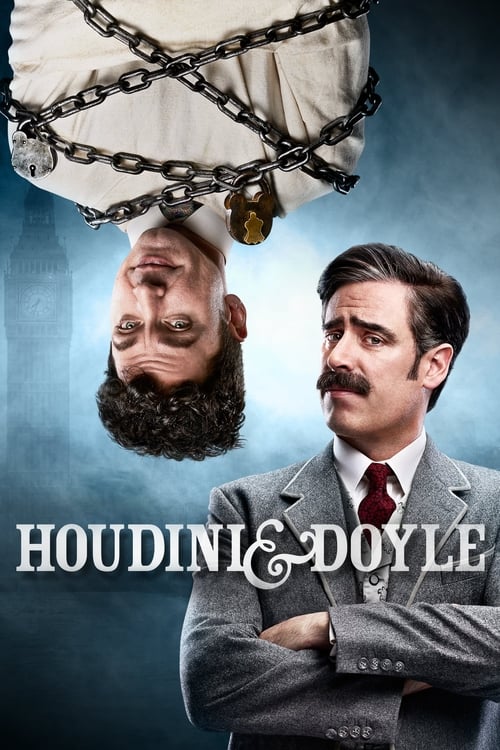
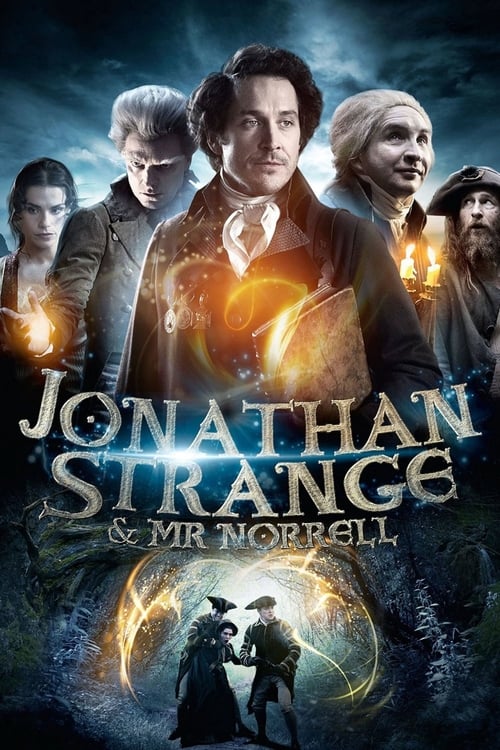
If You Love Victorian London: The Novels That Built the World
From Dickens and Doyle to neo-Victorian revisionism


![The picture of Dorian Gray [adaptation]](https://covers.openlibrary.org/b/id/14314474-L.jpg)


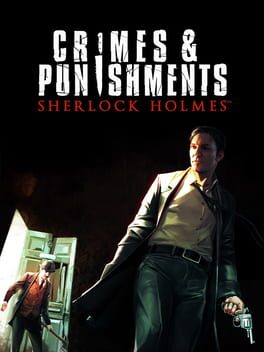
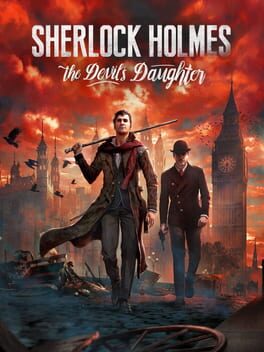
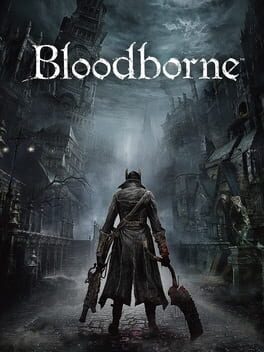
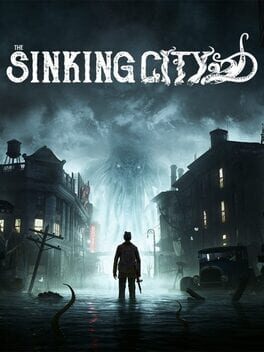
If You Love Victorian London: Games Built on Cobblestones
Interactive worlds soaked in gaslight, conspiracy, and period detail
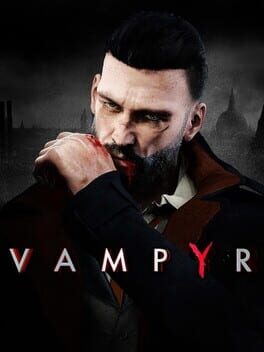
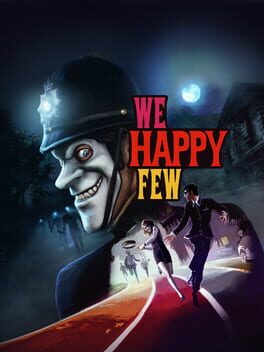
Dickens Is the Map, Not Just a Stop on It
Every Victorian London story owes Dickens a structural debt, whether it admits it or not. He invented the city as a character with its own logic: the coincidences that connect the highborn to the destitute, the institutions (workhouses, courts, prisons) that grind people without mercy, the grotesque comedy that lets you laugh before you realise you are weeping. Bleak House in particular mapped the fog-as-bureaucracy metaphor that every subsequent neo-Victorian novel recycles. Before you reach for the neo-Victorian adaptations, read the source.
Penny Dreadful Did What No Other Show Has Done With Gothic London
Most Victorian period dramas play it safe by separating the supernatural from the social commentary. Penny Dreadful refused. It put Dorian Gray, Van Helsing, and a Frankenstein creature in the same Whitechapel boarding house, then used that collision to talk about trauma, colonialism, and the terror of being a woman with no legitimate power. The production design is immaculate, the performances are fully committed, and the first two seasons are as good as prestige television gets in this setting.
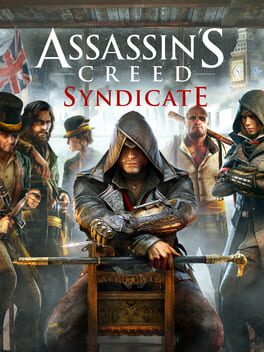
Assassin's Creed Syndicate Is the Best Walking Tour of Victorian London That Exists
Syndicate gets criticised for being a mid-tier entry in the Assassin's Creed formula. On its own terms as a Victorian London simulator, it is extraordinary. The open-world recreation of 1868 London (including the Thames, the rookeries, and the scaffolded sewers) is meticulous. The twin protagonist system, with Evie Frye as the more interesting sibling, gives the class politics genuine edge. If you want to feel what it was like to move through the city at street level, this game does it better than anything short of reading Mayhew.
Fingersmith Proves Neo-Victorian Fiction Has Nothing to Prove
Sarah Waters arrived in the late 1990s and immediately made it clear that Victorian genre fiction had been hiding its most interesting characters. Fingersmith is a con-artist thriller, a Gothic sensation novel, and a love story simultaneously, and it earns every plot reversal it lands. The BBC adaptation is nearly as good. If the standard male-detective Victorian London story is starting to feel limiting, Waters is the antidote, and Fingersmith is where to start.
Gaslit London Across the Decades
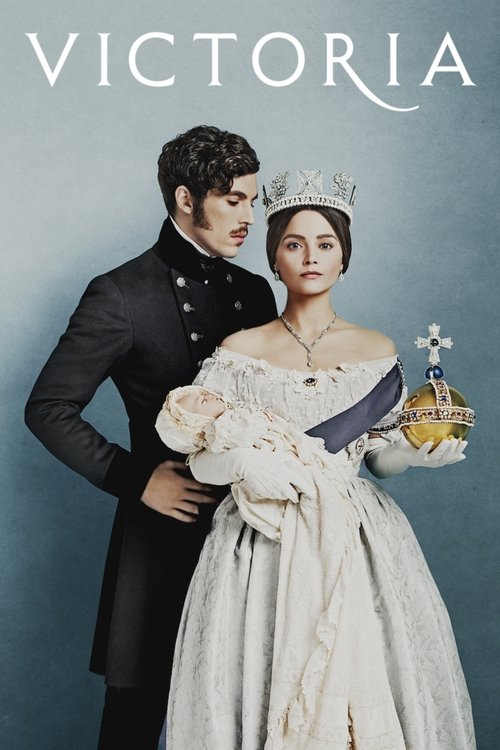
- 1837Victoria ascends the throne, the era begins
- 1838Oliver Twist published in full (after serialisation) Oliver Twist
- 1852Bleak House begins serialisation, naming the fog as institution Bleak House
- 1859A Tale of Two Cities and A Self-Made Man compete for readers
- 1866The Woman in White establishes the sensation novel as a form The Woman in White
- 1886Jekyll and Hyde published, the split-self metaphor enters the culture The Strange Case of Dr. Jekyll and Mr. Hyde
- 1890The Picture of Dorian Gray published in Lippincott's Magazine The picture of Dorian Gray [adaptation]
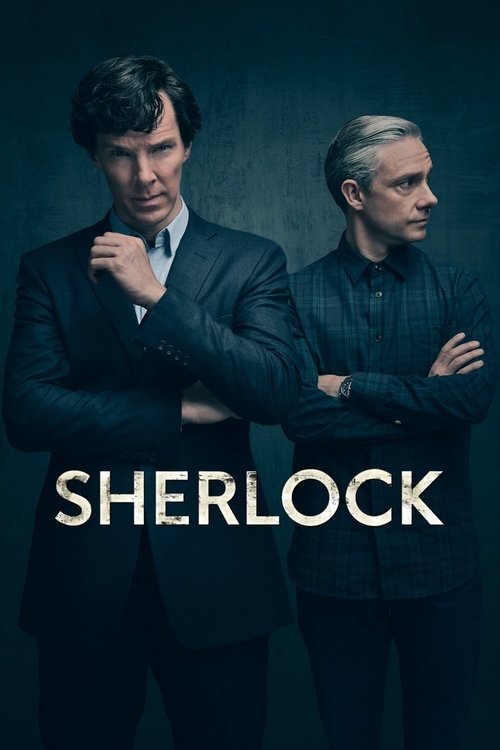
- 1891The Adventures of Sherlock Holmes collected; Holmes becomes the definitive Victorian detective
- 1897Dracula published; the Victorian fear of the foreign and the erotic crystallised Dracula
- 1901Victoria dies; the Edwardian era begins and the gaslit century becomes nostalgia
- 1968Oliver! wins Best Picture; Victorian London enters the mainstream musical cinema canon Oliver!
- 2001From Hell brings Jack the Ripper to graphic-novel-adapted cinema From Hell
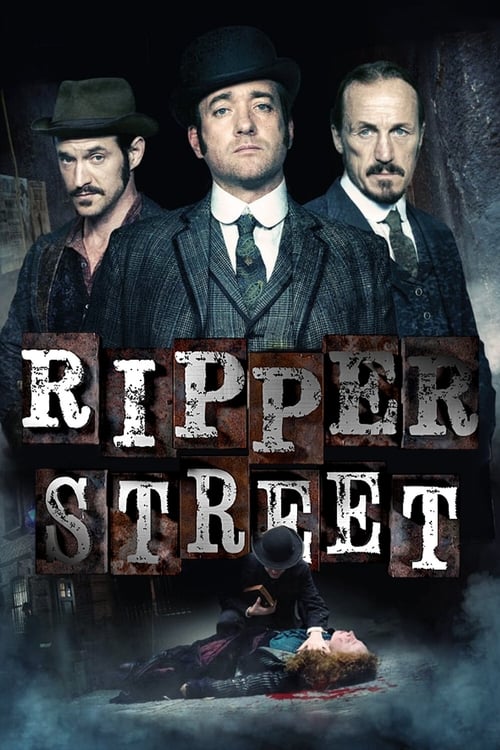
- 2012Ripper Street premieres; the BBC Victorian police procedural arrives Ripper Street
- 2014Penny Dreadful premieres; the gothic polyglot Victorian drama is born Penny Dreadful
- 2015Assassin's Creed Syndicate recreates 1868 London as an open world Assassin's Creed Syndicate
Gaslight, Crime, and the Fog
Victorian London
Explore the Victorian London guide →It was the best of times, it was the worst of times, it was the age of wisdom, it was the age of foolishness, it was the epoch of belief, it was the epoch of incredulity.Charles Dickens, A Tale of Two Cities (1859)