
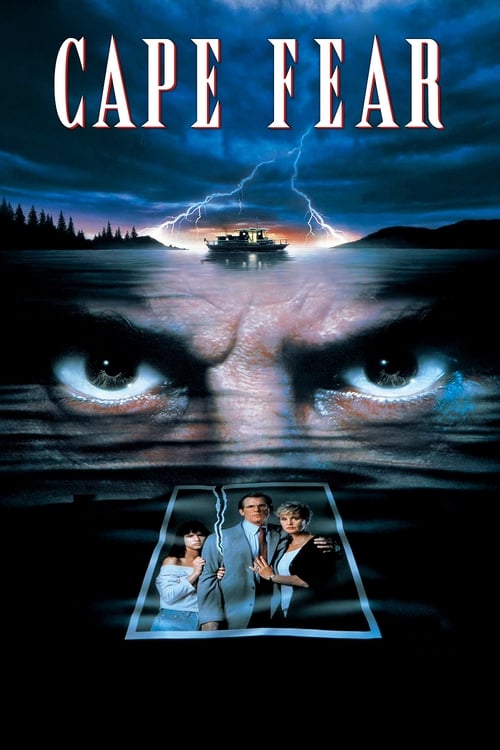
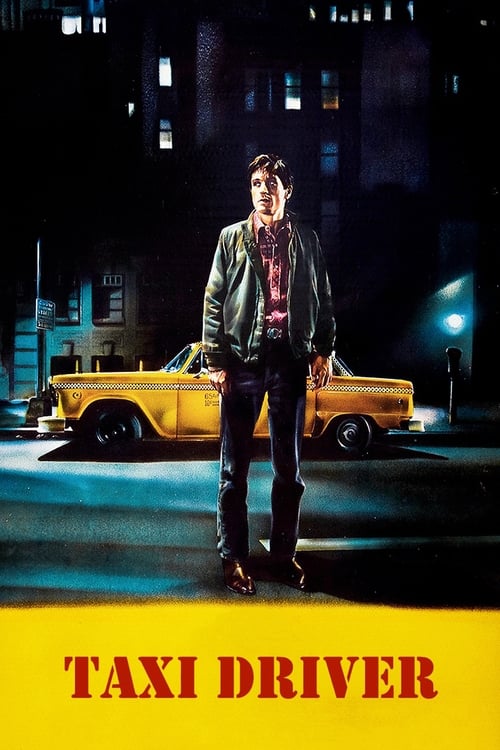
Bernard Herrmann did not write music that sits behind films. He wrote music that IS the film. From the lurching brass of Citizen Kane to the shrieking strings of Psycho to the shimmering, world-weary textures of Taxi Driver, Herrmann understood something most composers never grasp: that a score does not illustrate what is already on screen, it reveals what is underneath. His palette was unusual for Hollywood: low woodwinds, unusual percussion, strings divisi into dozens of parts, instruments like the bass flute and the ondes Martenot that gave his work an otherworldly edge. He collaborated with Hitchcock for a decade, scoring what many consider the greatest thriller run in cinema history. He defined the sound of psychological unease for a generation. And after his career stalled in Hollywood, he mentored a new wave of composers, leaving a fingerprint on everything from Star Wars to The Dark Knight. If you respond to music that creates a sense of interior space, of dread held just at the surface, of beauty twisted slightly out of true, you are already a Herrmann listener, even if you did not know his name.
Essential Bernard Herrmann
The scores and recordings that define his voice
The Hitchcock Partnership: Films That Made the Legend
The movies where Herrmann and Hitchcock built modern suspense together
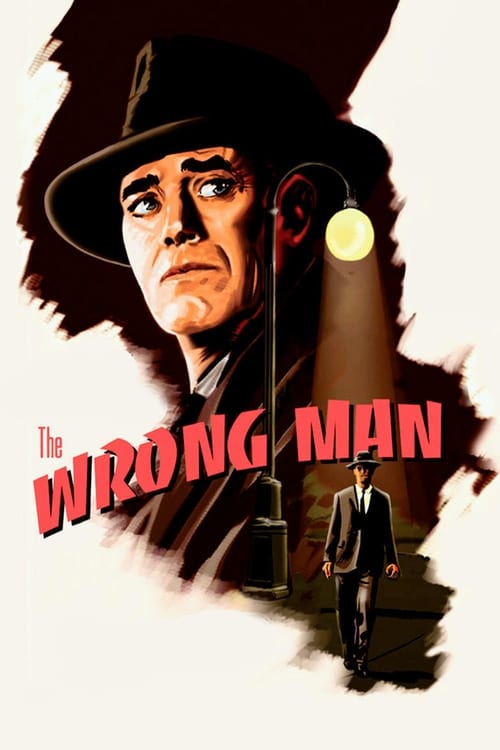
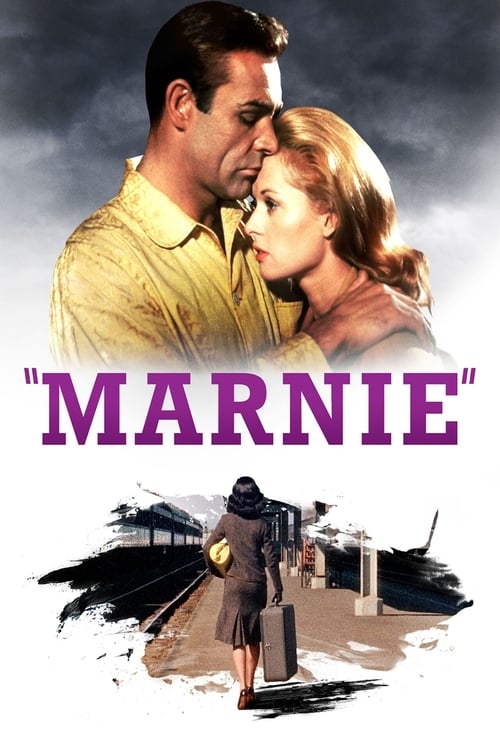
The Rest of the Catalog: Scored by Herrmann
From classic horror to science fiction to late-career masterworks

The Composers Who Carry His Torch
Follow the lineage: from Herrmann's orchestral dread to the next generation
Psycho Changed Everything, and the Change Was Sonic
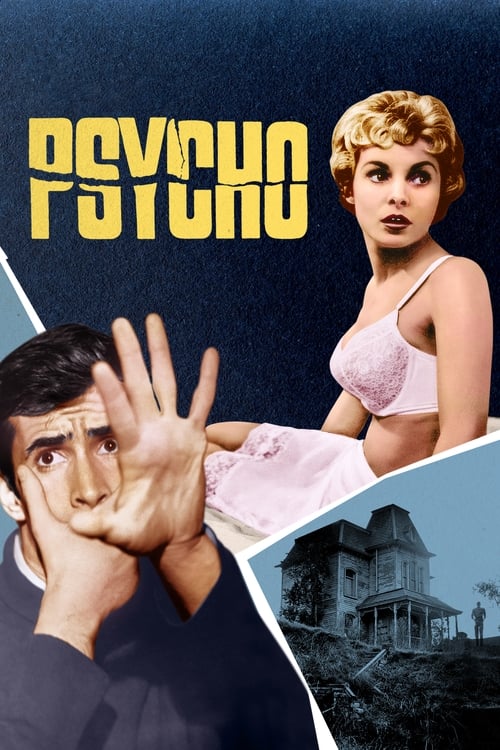
When Hitchcock presented the shower scene to Herrmann without music, he imagined it would stay silent. Herrmann ignored him and wrote the shrieking string attack that every thriller composer since has lived in the shadow of. The violence of those violins is not decorative: it is the murder itself rendered in sound, bypassing the eye entirely. Herrmann always argued that what an audience hears determines what it feels far more reliably than what it sees. Psycho proved him right so decisively that the grammar of horror scoring never recovered.
Films and Series That Share Herrmann's Atmosphere
Psychological tension, obsessive protagonists, and music that gets under the skin
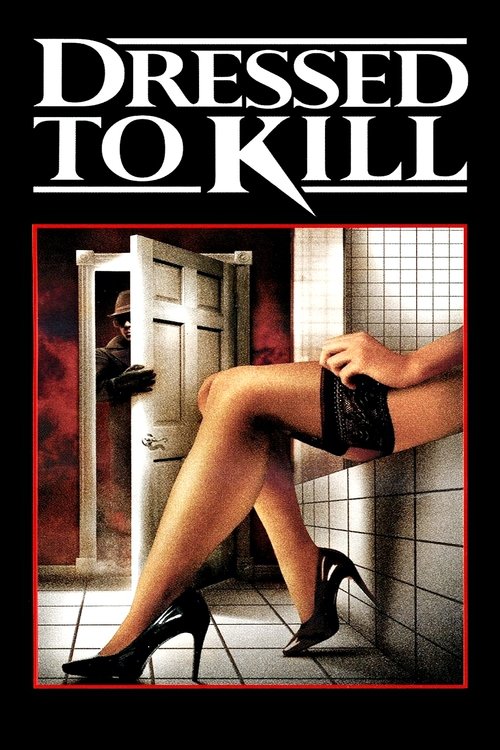
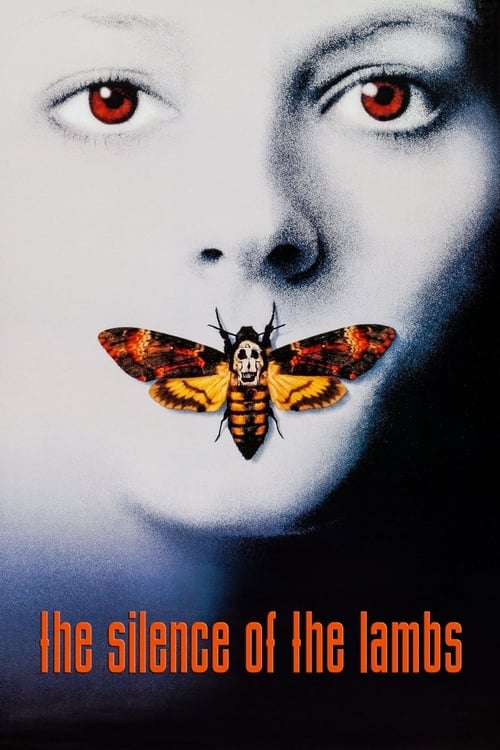
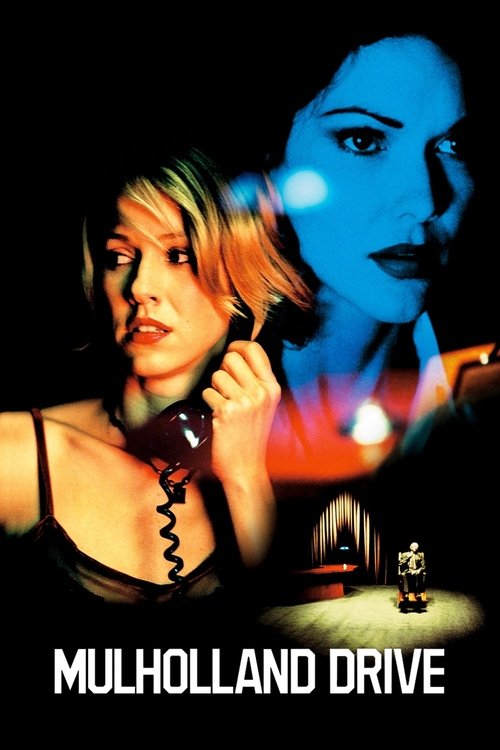
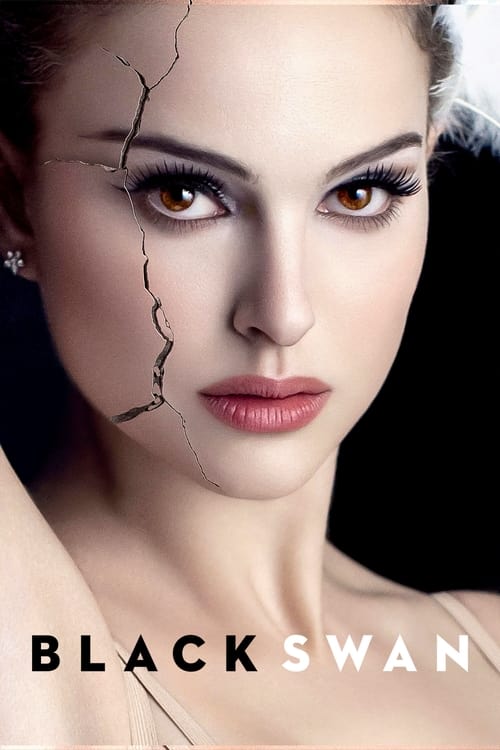
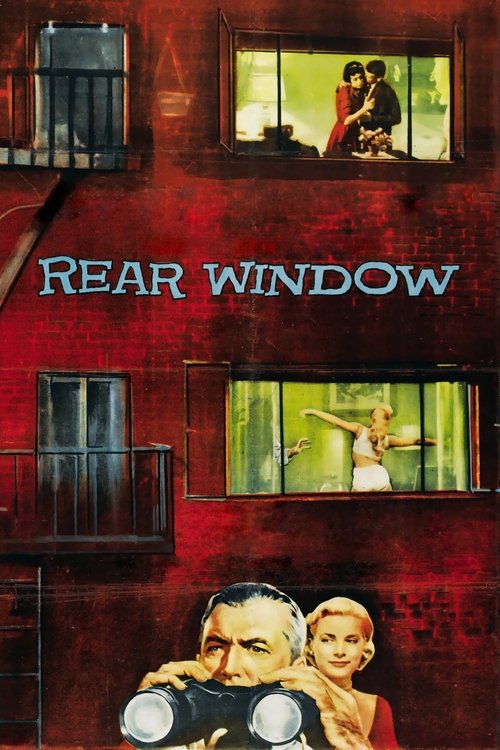
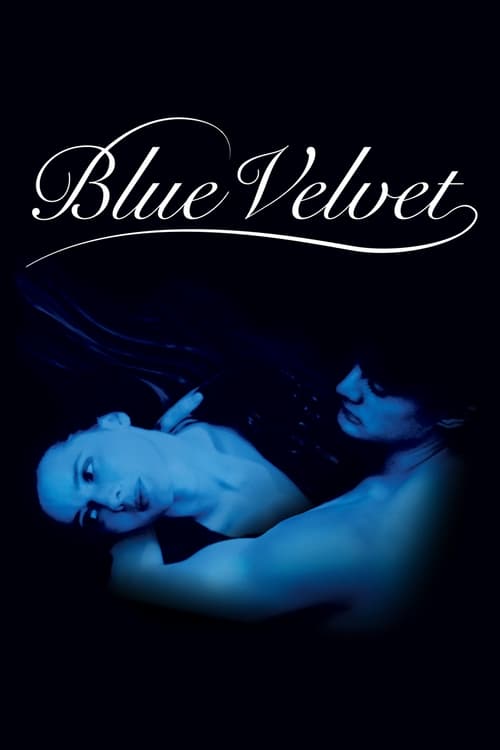
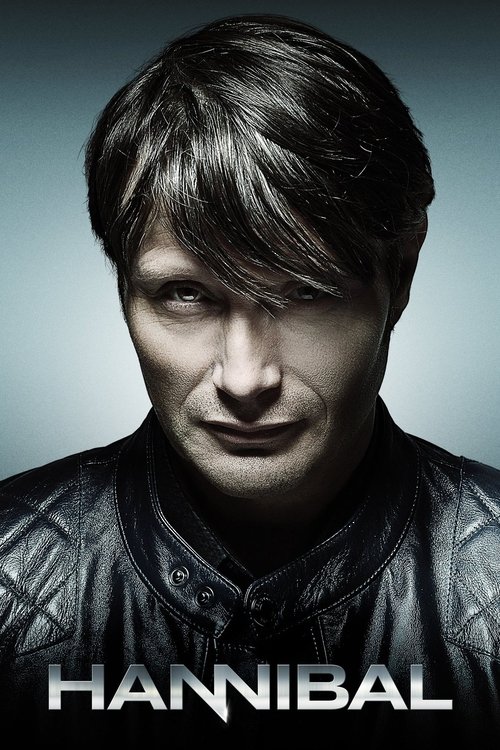
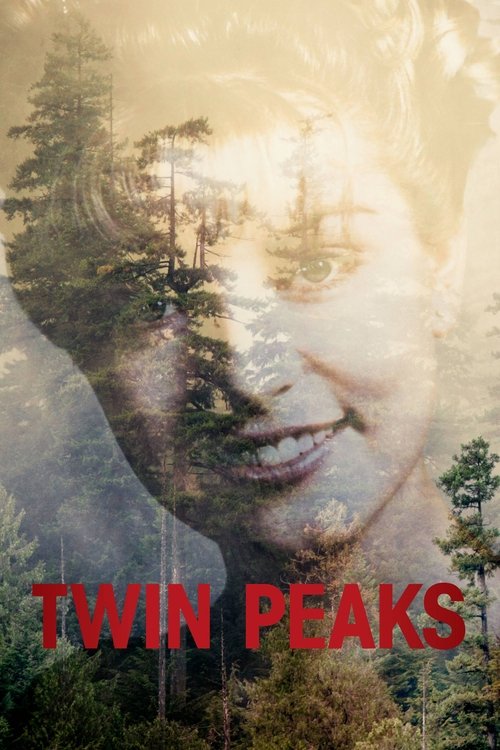
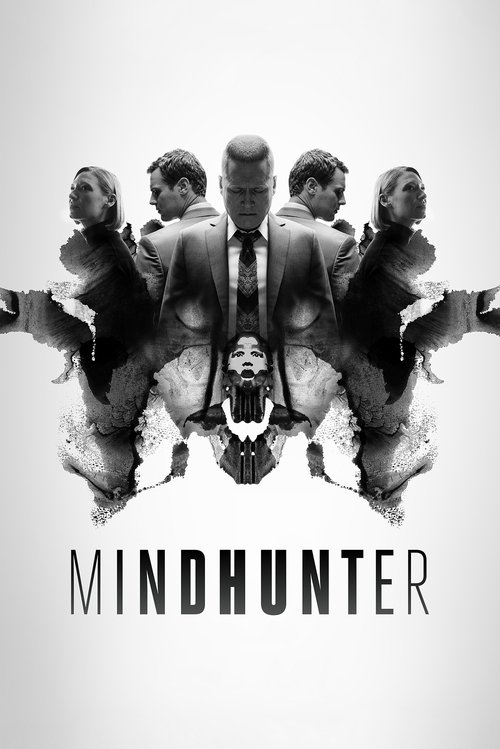
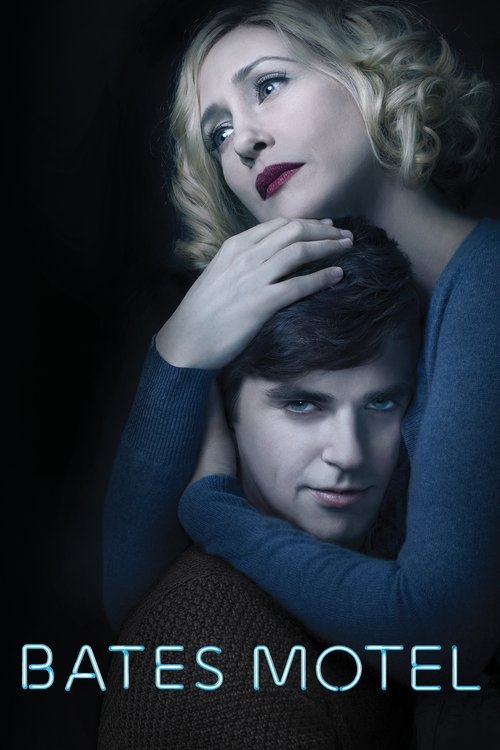
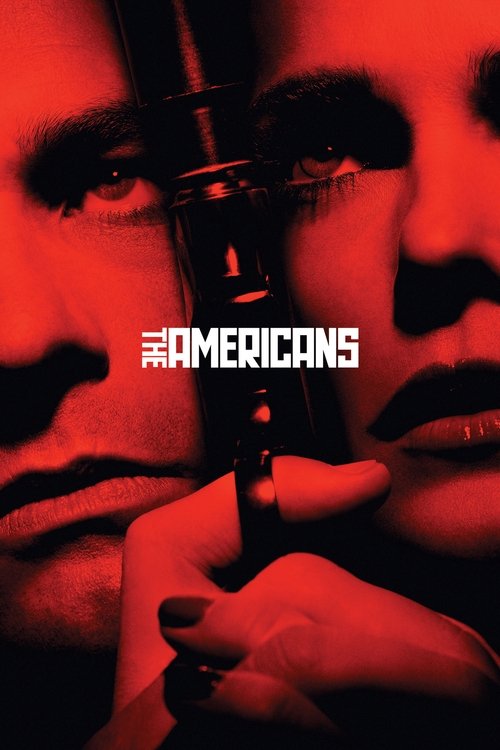
Vertigo Is the Score He Considered His Finest
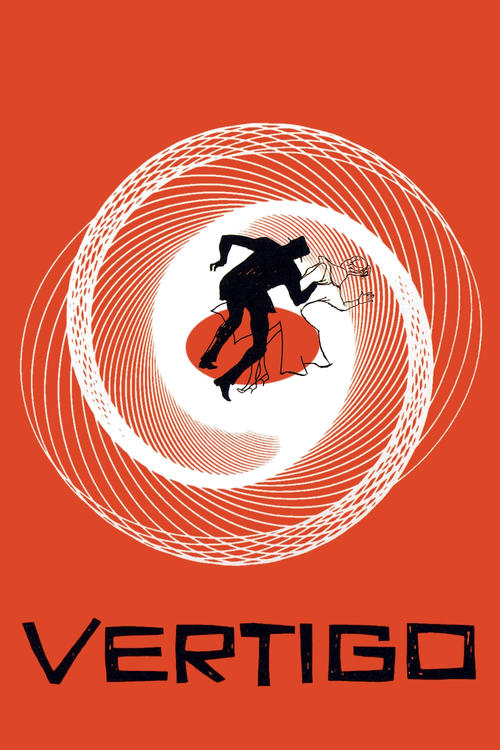
Herrmann based the Vertigo score on obsession itself: the same melodic cell returns again and again, harmonically displaced each time, never resolving, always spiraling slightly further from rest. He used what he called a 'nightmare waltz' quality, a three-beat form that stumbles rather than flows. The score does not support the story of a man haunted by a woman. It IS that haunting. Scored before the film's commercial failure reassessment, it is now considered one of the greatest orchestral achievements in cinema, not just in film music.
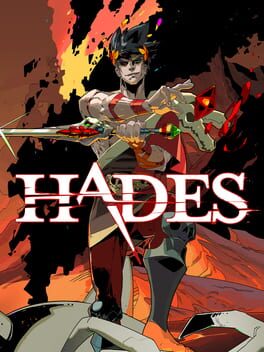
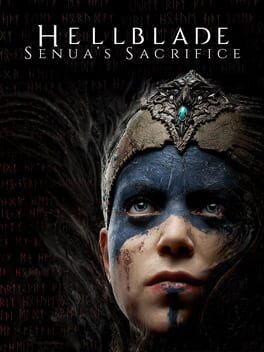
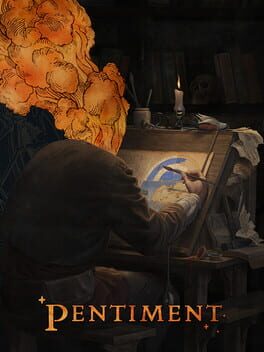
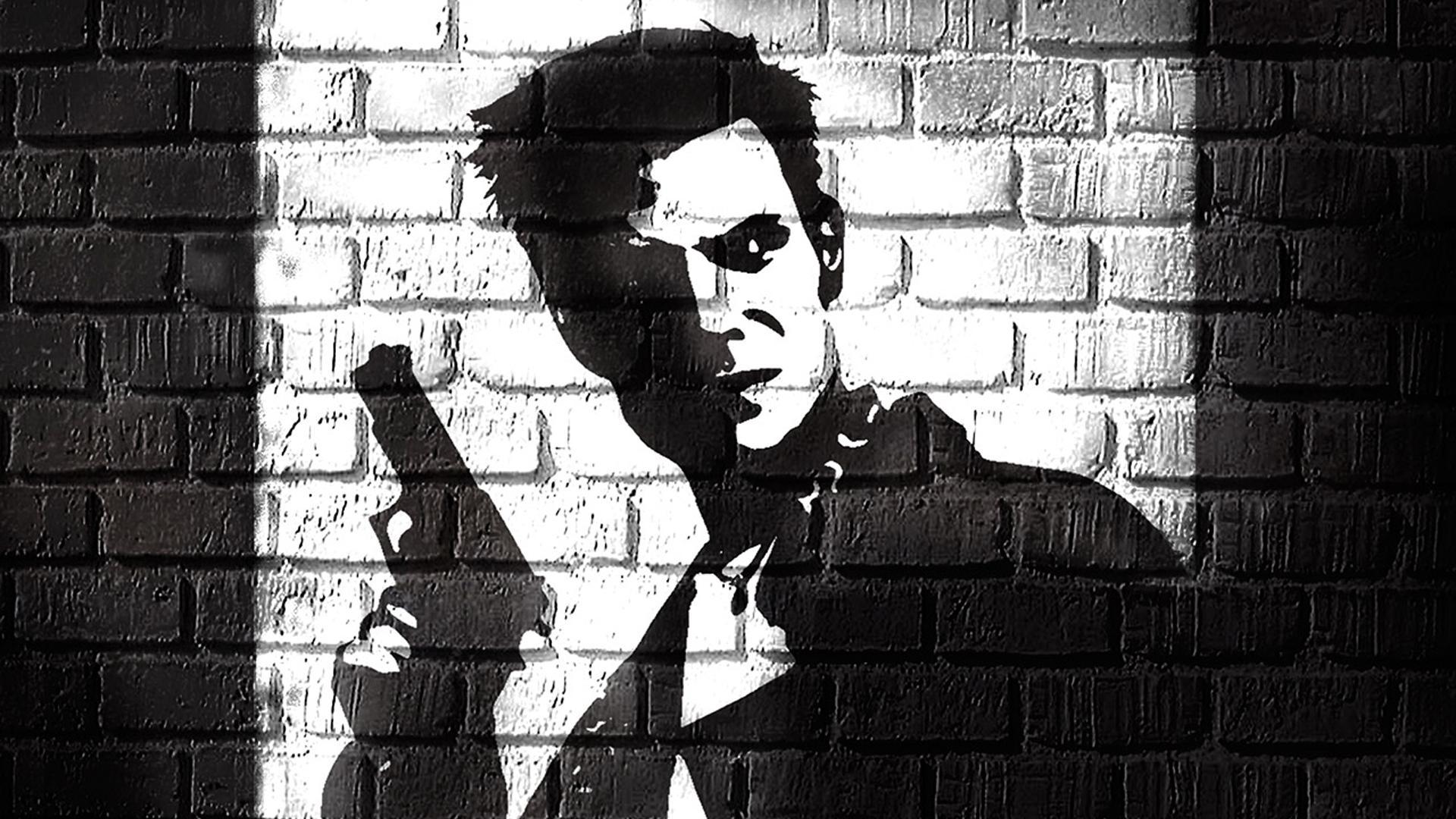
Games for the Soundtrack-Driven Mind
Atmospheric and psychologically rich games where music is architecture
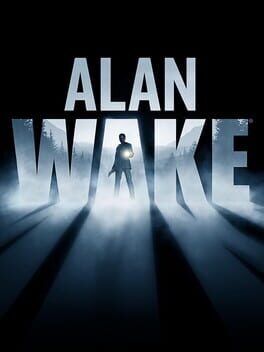
His TV Work Deserves More Credit Than It Gets
Before Hitchcock, Herrmann spent years in live radio and early television, developing the precise economy his later work would require. His scores for the CBS Radio Workshop and his contributions to early dramatic television series forced him to achieve maximum emotional effect with minimal forces, a discipline that made his orchestral writing more concentrated and harder-hitting than that of composers who worked only in the luxury of a full studio orchestra. This period is underexplored, but it explains why even his grandest scores never waste a note.
A Life in Score
- 1911Born in New York City.
- 1934Founded and conducted the CBS Symphony Orchestra, shaping American radio sound for a decade.
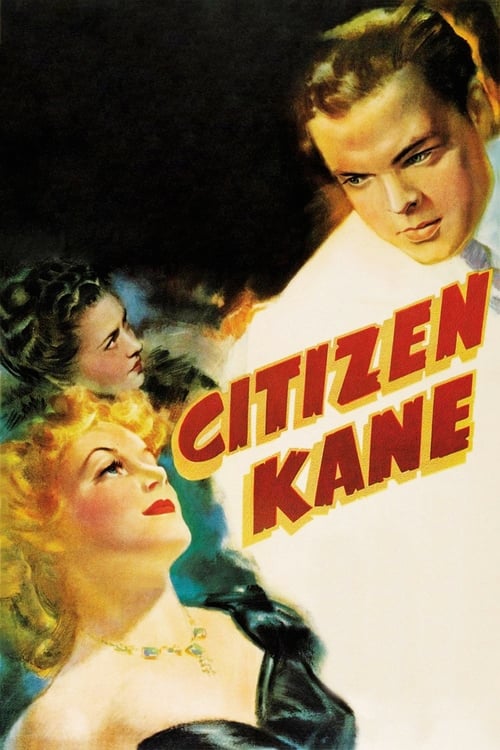
- 1941Citizen Kane: his first film score, winning the Academy Award. Citizen Kane
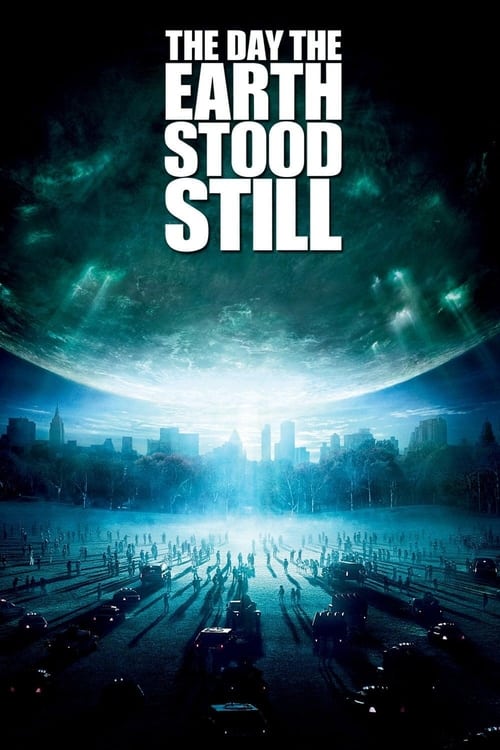
- 1951The Day the Earth Stood Still introduces the theremin and ondes Martenot as instruments of alien dread. The Day the Earth Stood Still
- 1955Begins the Hitchcock collaboration with The Trouble with Harry. The Trouble with Harry
- 1958Vertigo: widely regarded as his masterpiece. Vertigo
- 1960Psycho: the shower-scene strings become the most imitated sound in film history. Psycho
- 1966Fired by Hitchcock during Torn Curtain; their collaboration ends bitterly.
- 1966Scores Truffaut's Fahrenheit 451, beginning a late-career European chapter. Fahrenheit 451
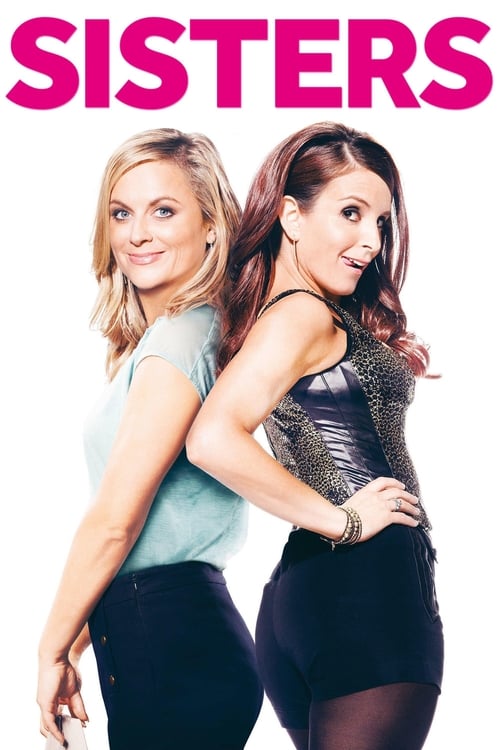
- 1972Returns to Hollywood; collaborates with Brian De Palma on Sisters. Sisters
- 1976Taxi Driver: his final score, recorded the night before his death. Taxi Driver
More suspense, dread, and Hitchcock
For Fans of Vertigo
Explore the For Fans of Vertigo guide →A film is not a novel. It has no inner monologue unless the score provides it.Bernard Herrmann