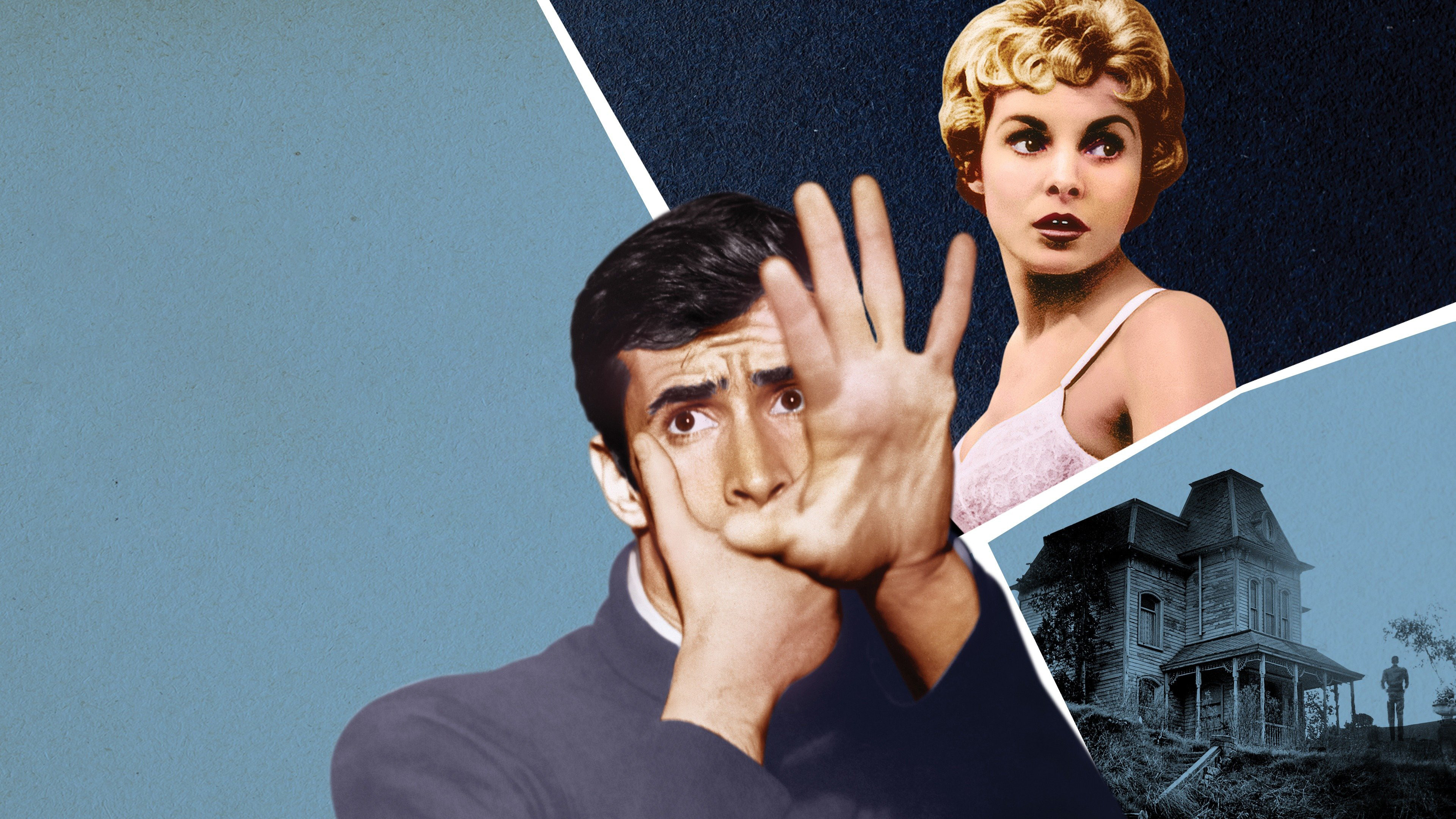

From True Crime to Cultural Myth
Psycho began as a paperback novel. Robert Bloch published it in 1960, drawing loose inspiration from the real crimes of Ed Gein, the Wisconsin killer whose farmhouse contained relics made from human remains. Bloch's Norman Bates was a pudgy, bookish middle-aged man, not the lean, nervous young man Hollywood would later cast. What Bloch invented was the structural shock: a protagonist who vanishes a third of the way through the story, and a villain whose murderous alter ego belonged to his dead mother.
Alfred Hitchcock read the novel in galleys, paid $9,500 for the rights, and bought up as many copies as he could find to preserve the twist. His 1960 film became one of the most studied works in cinema history, less for the shower scene itself (which takes about 45 seconds of screen time) than for the way it permanently changed what audiences thought was permissible to do to a main character. The story never stopped there. Sequels, remakes, a TV prequel series, and the novel itself kept Norman Bates alive across more than sixty years.
Every Version of Psycho
The source novel, the films, and the television adaptations

Psycho Through the Decades
- 1960Robert Bloch's novel published Psychology
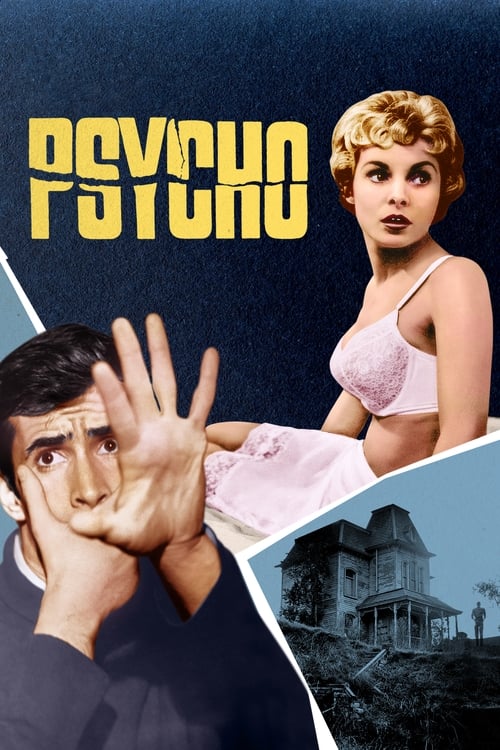
- 1960Hitchcock's film opens and changes cinema forever Psycho
- 1982Bloch writes his own sequel novel
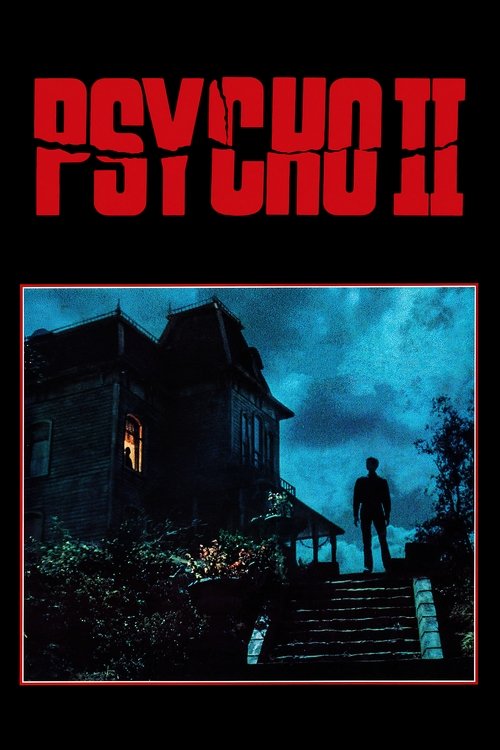
- 1983First theatrical sequel: Norman released from the institution Psycho II
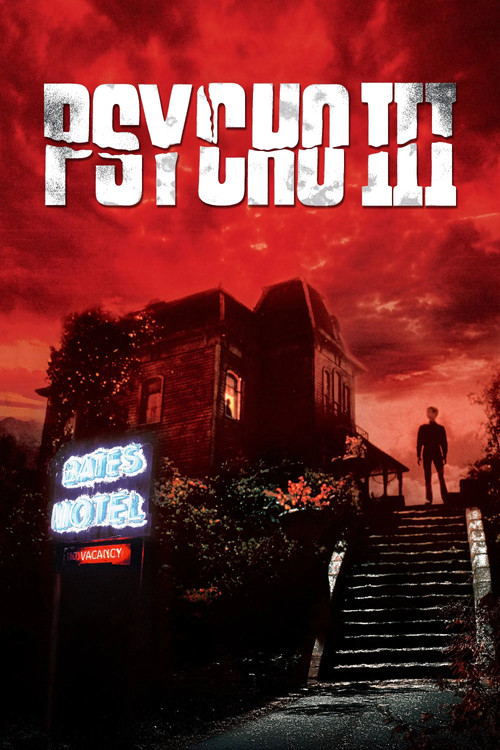
- 1986Anthony Perkins directs the third film himself Psycho III
- 1990Made-for-TV movie prequel explores Norman's childhood
- 1990Bloch's third and final novel closes the trilogy
- 1998Gus Van Sant's controversial shot-for-shot color remake Psycho
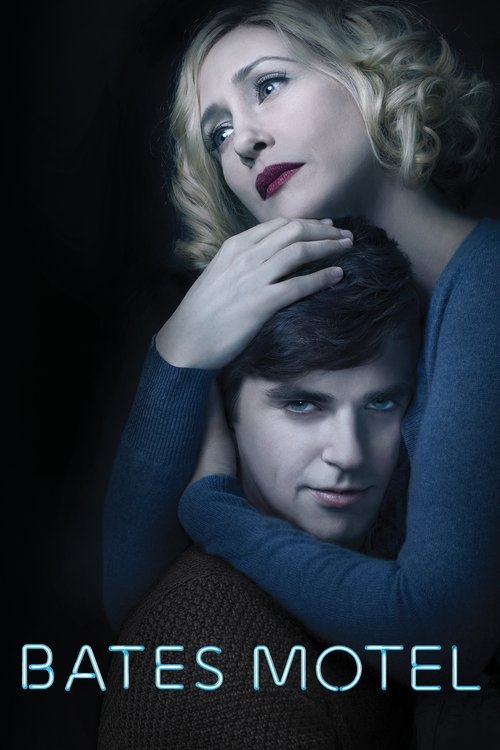
- 2013A&E prequel series reimagines Norman as a teenager in the present day Bates Motel
The definitive version is still the 1960 film
Hitchcock's original remains untouchable not because of nostalgia but because every formal choice compounds. Bernard Herrmann's strings with no other instruments. Janet Leigh in a role that kills her before the halfway mark. The 78 cuts in the shower scene. Every subsequent version exists in dialogue with this one, which means none of them can escape its gravity. Psycho did not just introduce the slasher's grammar; it introduced the idea that the story itself could betray the audience. That has never gotten old.
The underrated version: Psycho II (1983)
Richard Franklin's sequel was dismissed on arrival as a cash-in, but it is a genuinely thoughtful film about guilt, institutional failure, and whether people can change. Anthony Perkins plays Norman with real pathos. Tom Holland's script actually earns its questions. Psycho II is not trying to be Hitchcock, and it is better for the honesty: it treats Norman as a damaged person rather than a franchise property, and it sticks the landing.
The one to skip: the 1998 remake
Gus Van Sant's shot-for-shot color remake was conceived as a conceptual art experiment, and as an argument it is interesting for about five minutes. As a film to sit with, it is punishing in the wrong way. Anne Heche and Vince Vaughn are badly miscast, and the color photography turns every shadow into a garish flat. The experiment proves only that Hitchcock's choices were not arbitrary. Watch the original again instead.
If You Love Psycho: Isolated Places and Hidden Selves
Thrillers and horror built on concealment, doubling, and the wrong person trusted


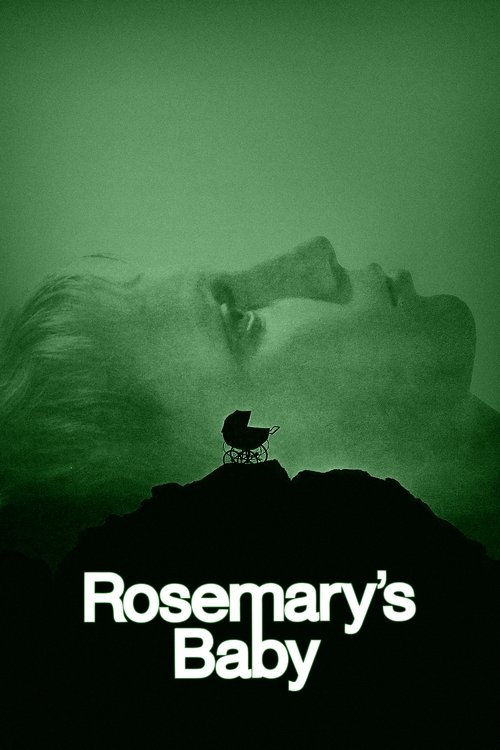
If You Love Psycho: Motherhood, Control, and Gothic Family
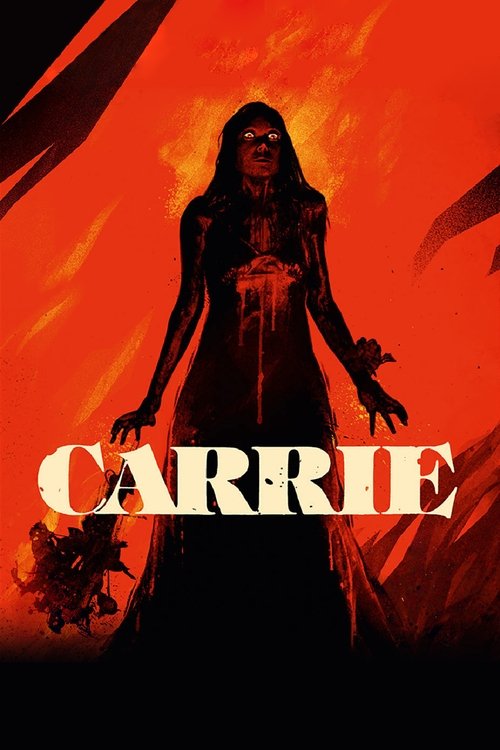
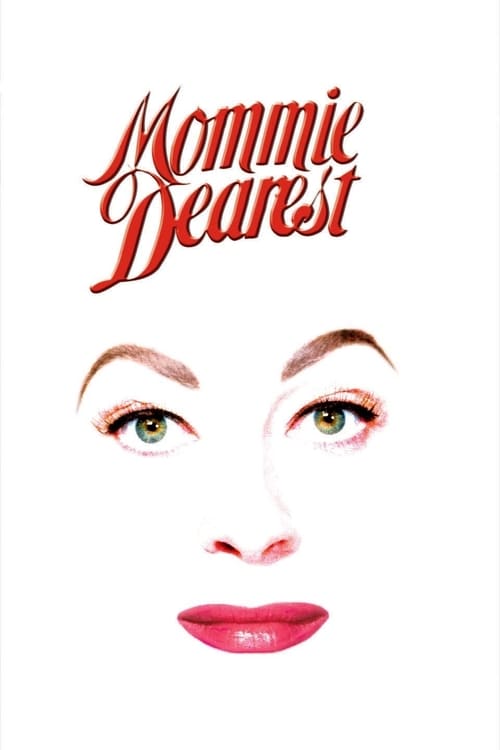
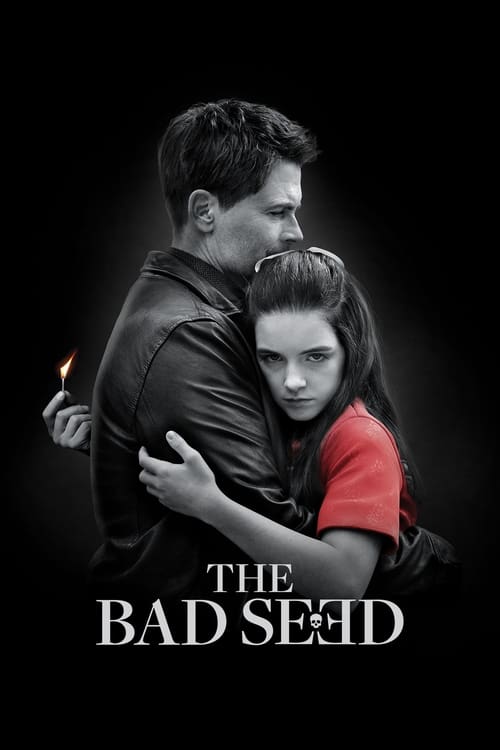
Stories about the weight parents place on children and the madness that can grow from it


If You Love Psycho: Hitchcock and the Thrillers That Shaped Him
The films that fed Hitchcock's world and the ones that came directly after it
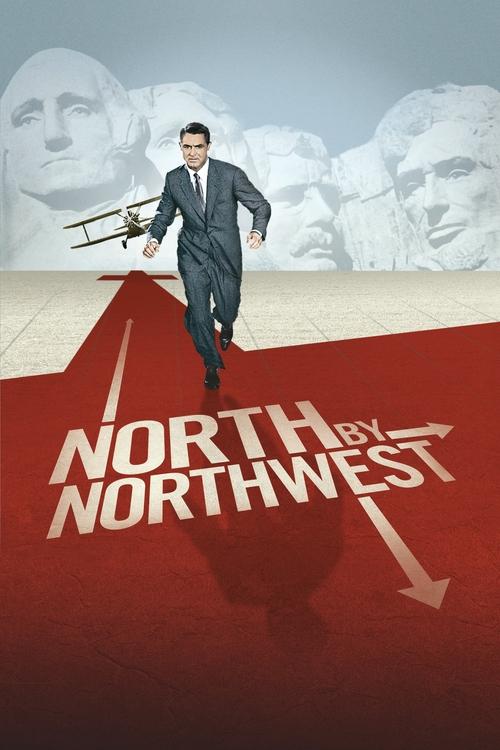
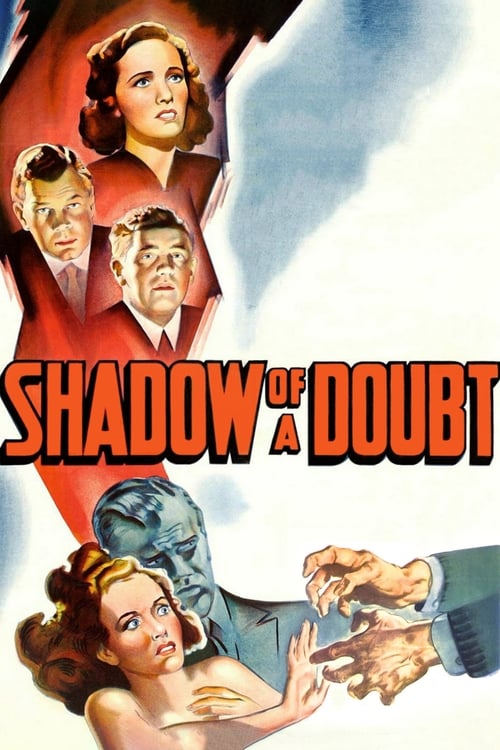
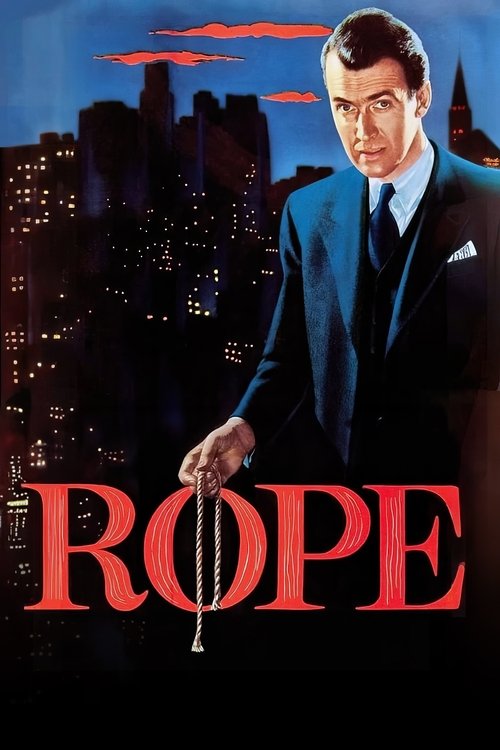
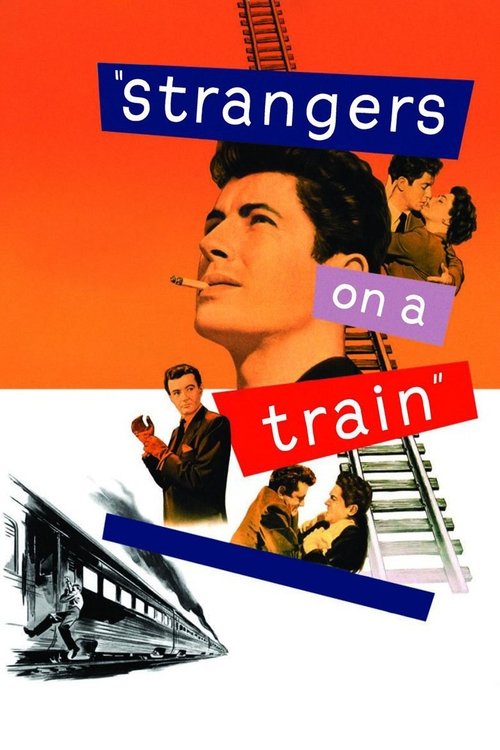
More Hitchcock and psychological horror
For Fans of Alfred Hitchcock
Explore the For Fans of Alfred Hitchcock guide →We all go a little mad sometimes.Norman Bates, Psycho (1960)