
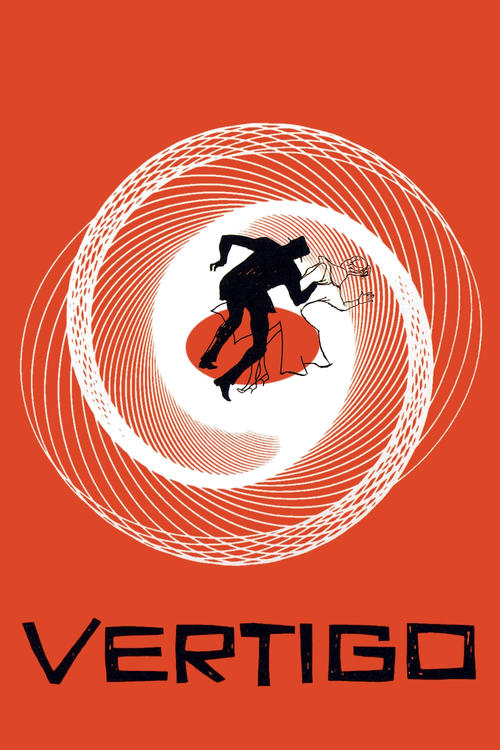
Alfred Hitchcock's Vertigo (1958) is not really a thriller. It is a film about a man who loves a woman so much he tries to turn her into someone else, and destroys both of them doing it. What fans chase is a very specific feeling: the slow burn of unease, a story that doubles back on itself, the way beauty and menace occupy the same frame. San Francisco becomes a labyrinth of staircases, mirrors, and painted portraits. Jimmy Stewart's Scottie Ferguson falls not toward death but toward a fiction of his own making. The film rewards repeat viewing because what you see the first time is the spell, and what you see the second time is the machinery underneath it. Everything below connects to at least one of those two experiences.
Essential Vertigo
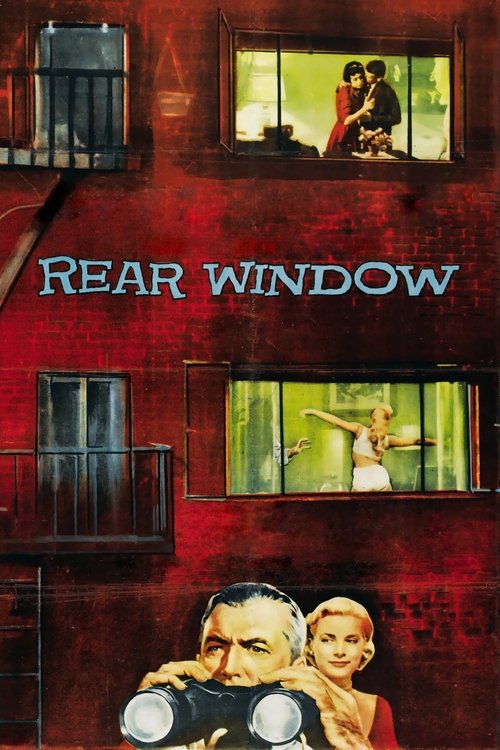
Hitchcock's own best films, for the uninitiated and the devoted alike
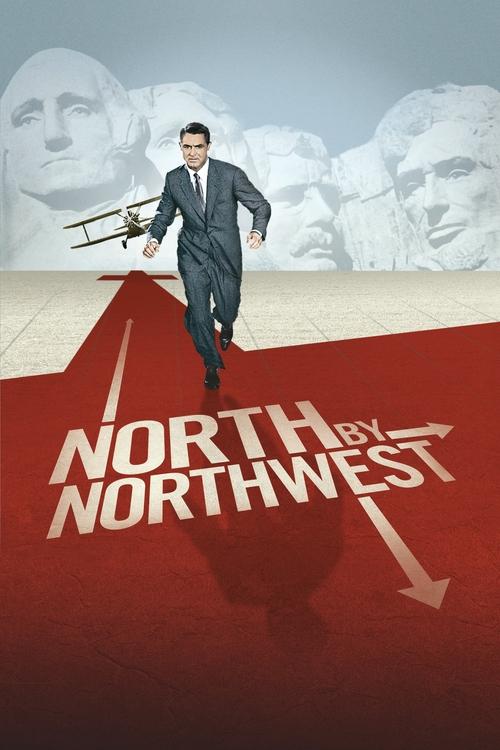
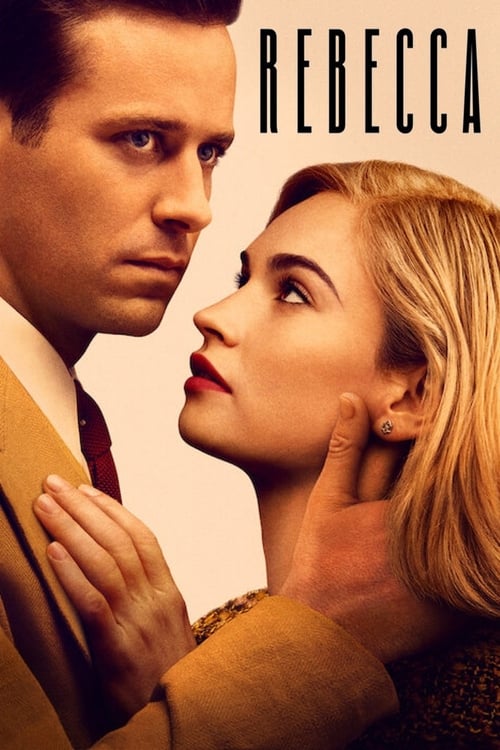
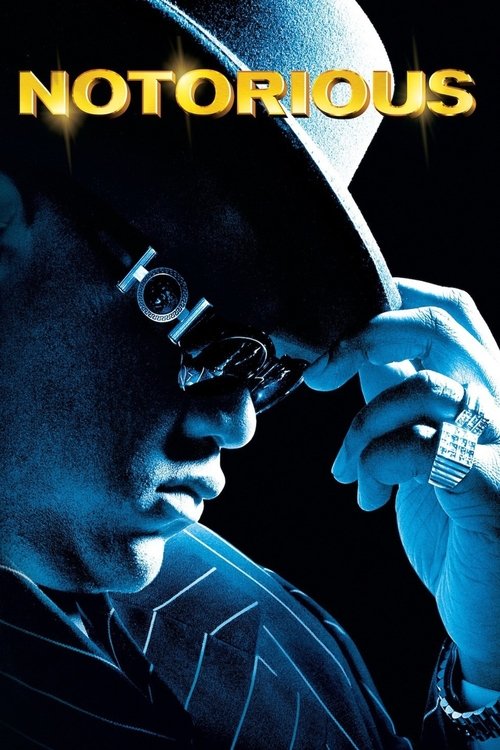
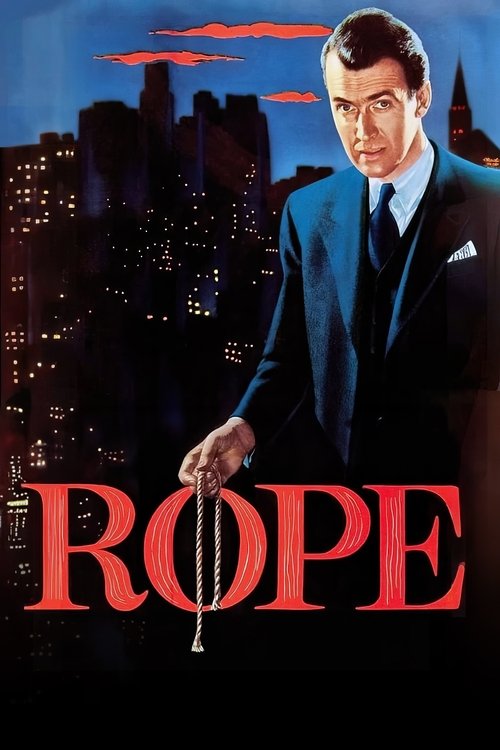
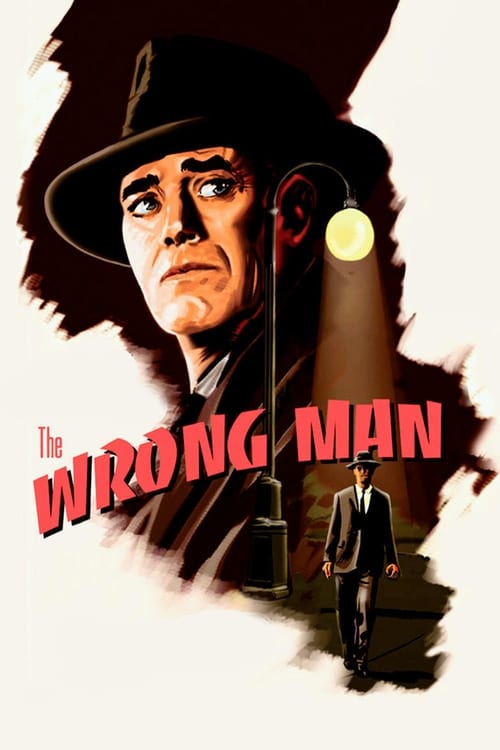
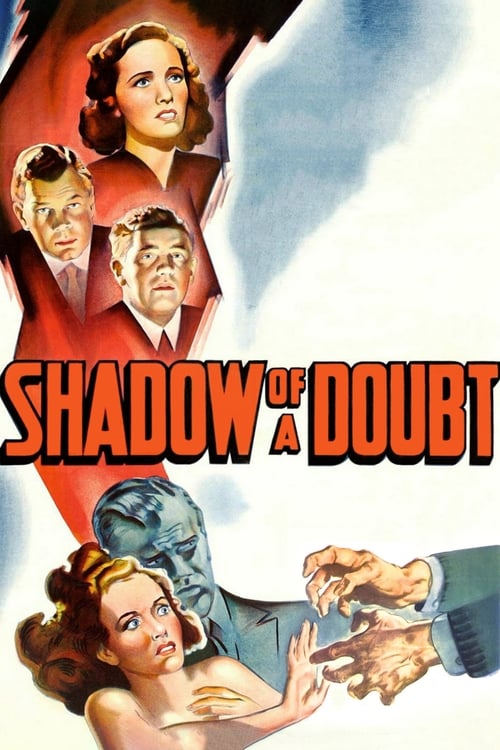

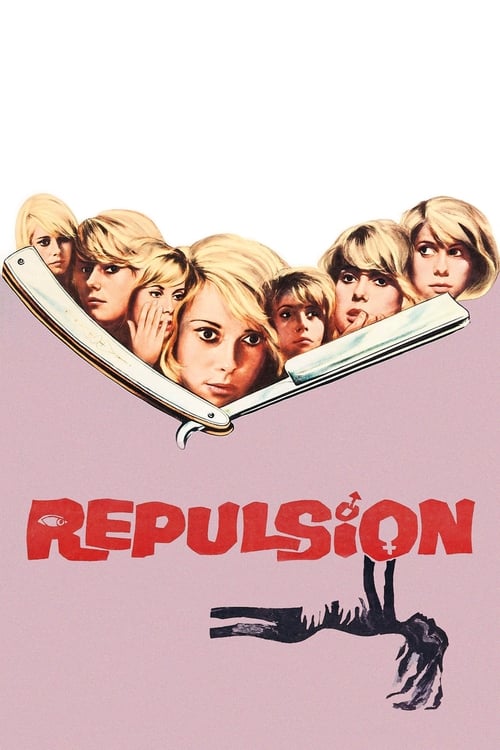
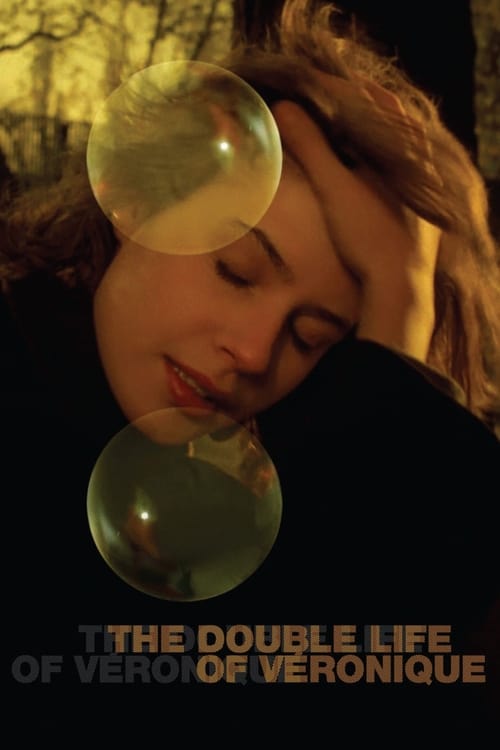
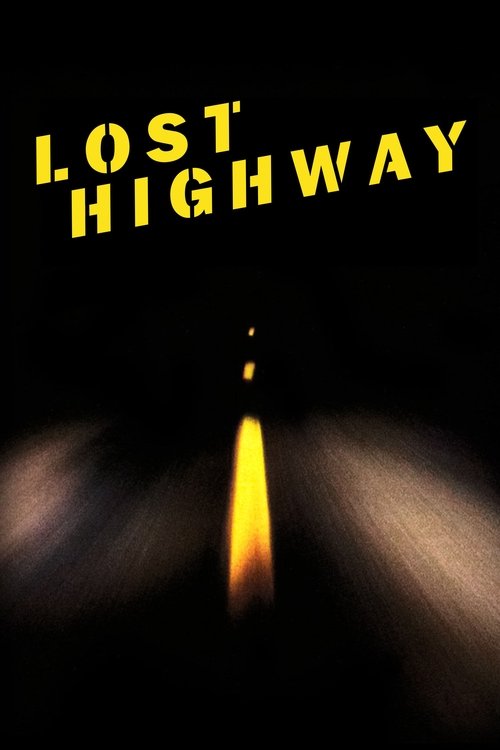
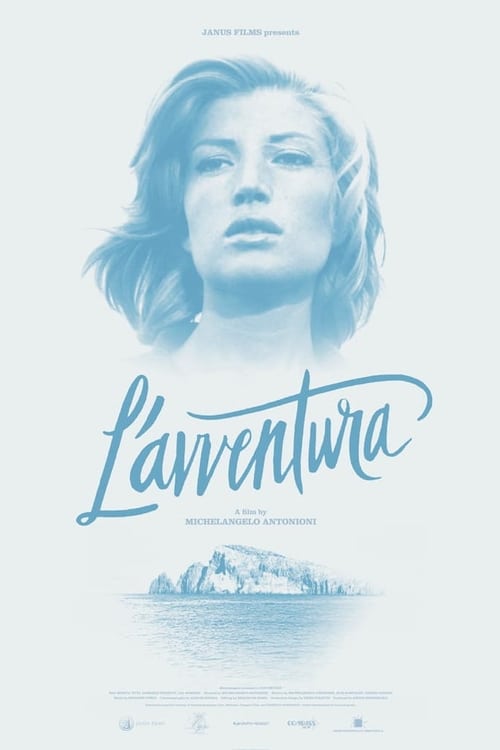
The Same Dread, Different Frames
Films that carry Vertigo's DNA: obsession, doubles, and the past refusing to stay buried



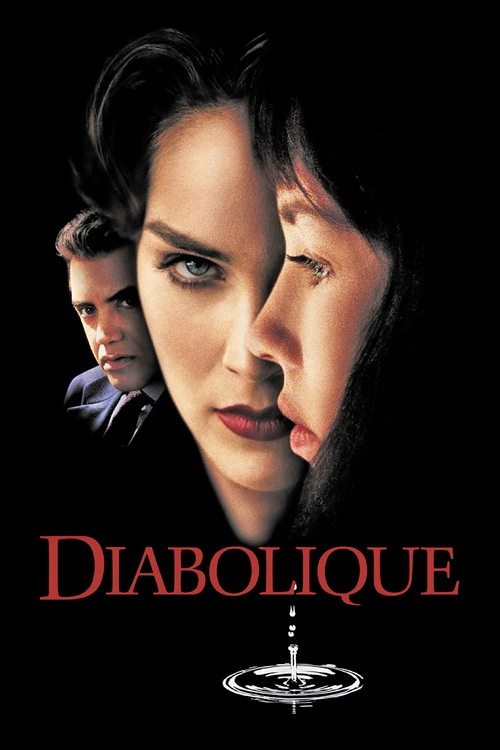
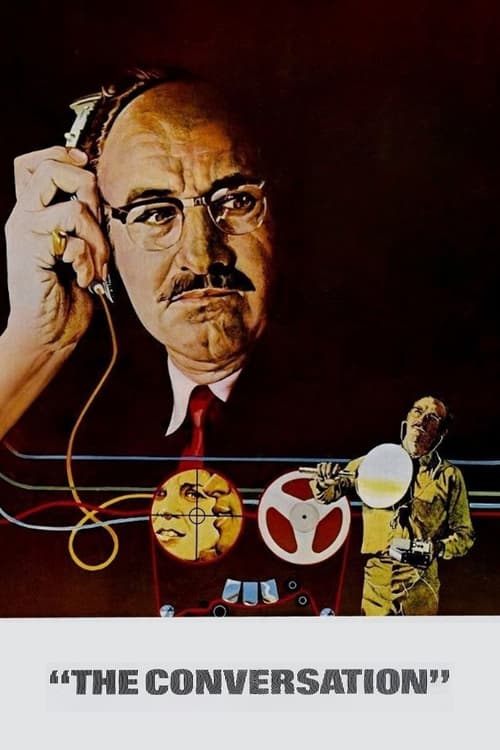
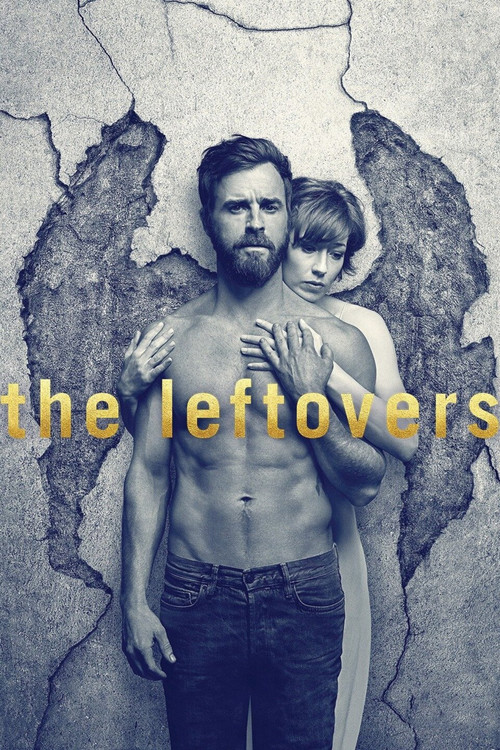
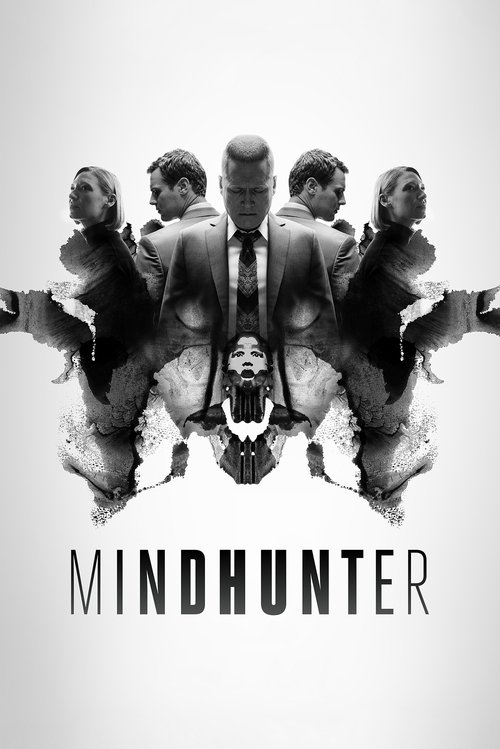
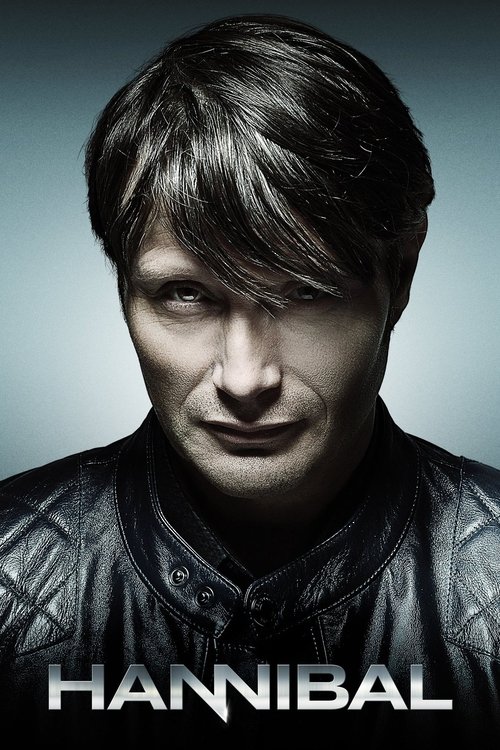
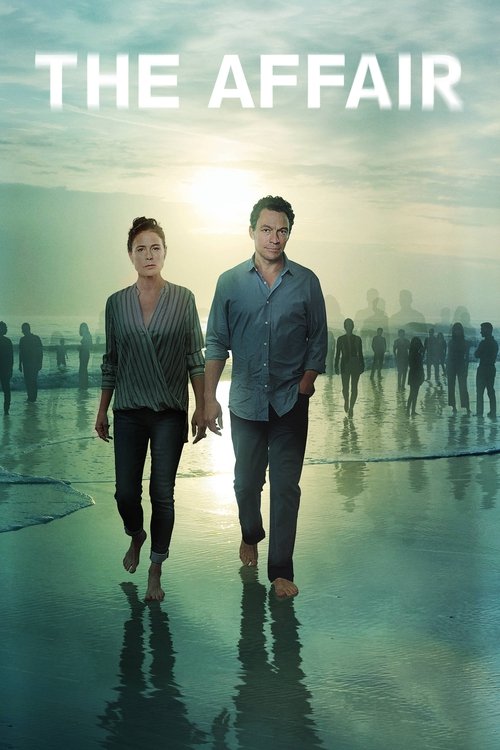
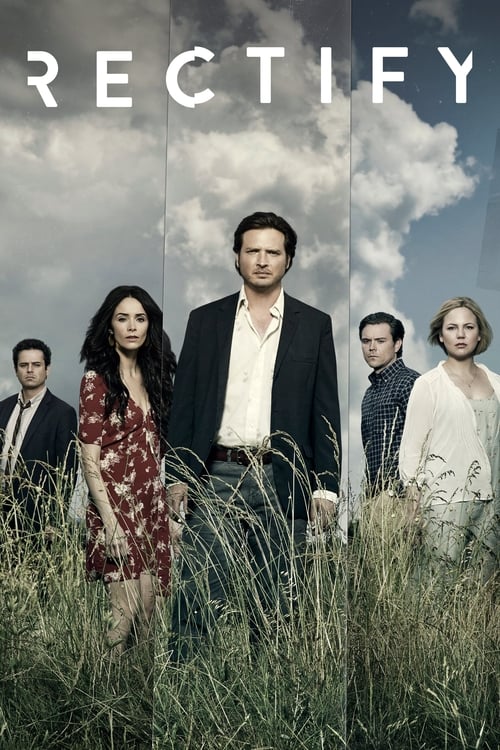
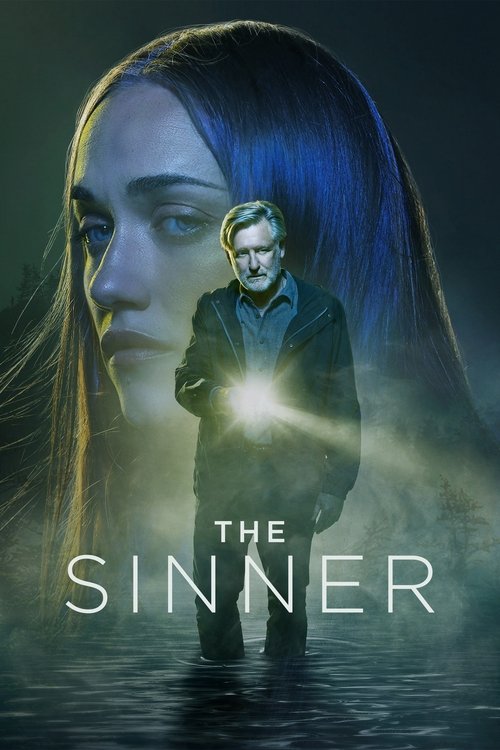
Series That Pull You In Then Shift the Ground
TV with Vertigo's taste for unreliable reality and identity under pressure

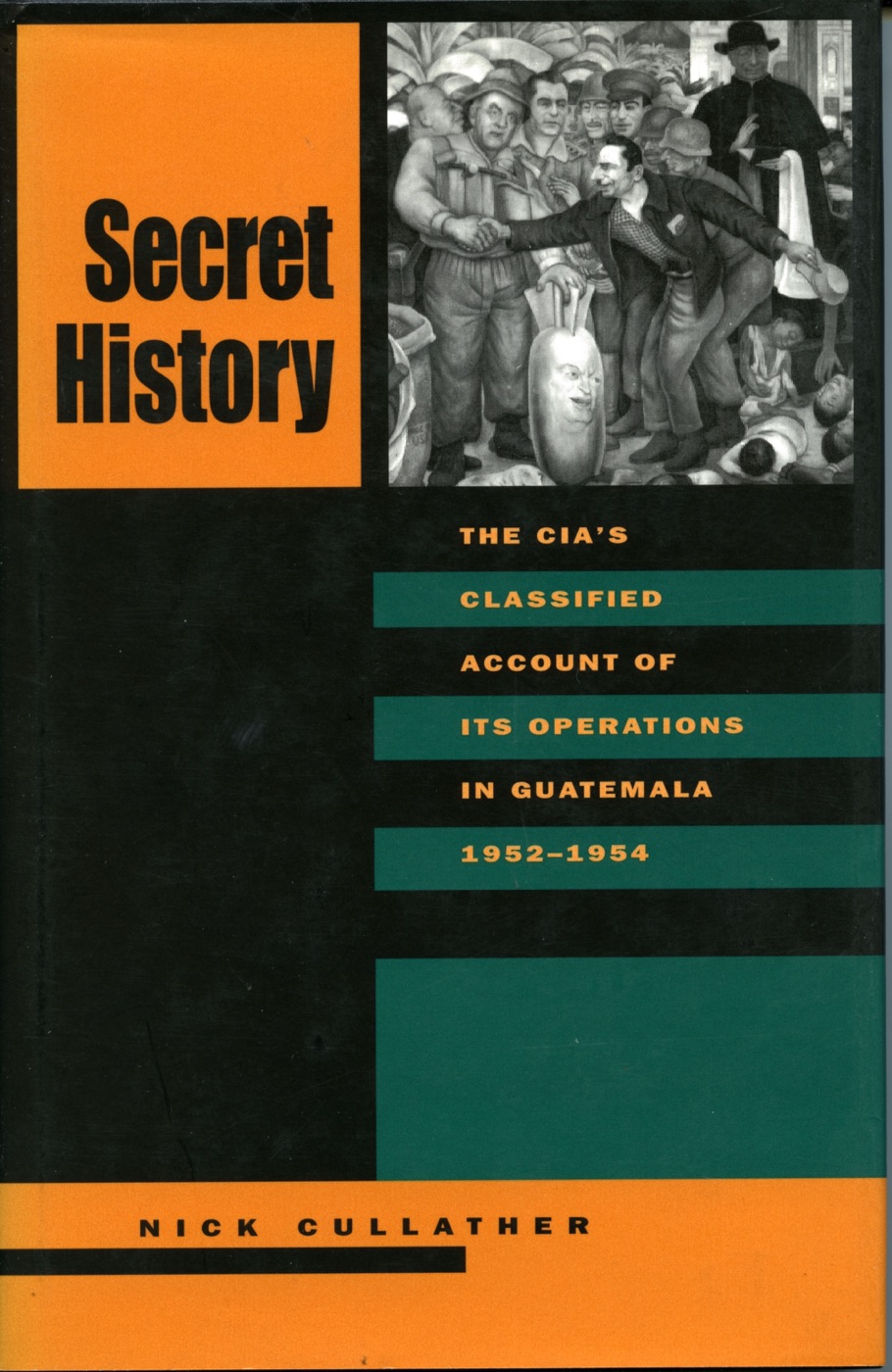
The Novels Underneath
Books that share Vertigo's obsessions: false identities, grief-as-trap, and the city as maze


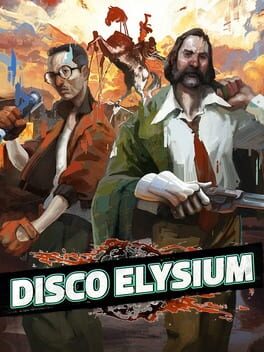
Games That Make You Question What Is Real
Games built on unreliable perception, layered identity, and psychological dread

Bernard Herrmann and the Scores That Haunt
Music that wraps you in dread: Herrmann's own work and composers who inherited his vertigo
The Dolly Zoom Is the Film's Argument
The camera technique Hitchcock and DP Robert Burks used to simulate Scottie's acrophobia has a formal name (dolly zoom) but what it actually does is make the world feel like it is lying to the person inside it. Space contracts and expands at the same moment. It is the only special effect in cinema that describes a psychological state rather than an event. Every film that borrows it, from Jaws to Goodfellas to Drive, is borrowing Hitchcock's claim: that a character can be trapped inside their own perception of distance.
Madeleine Is Always Someone Else's Idea of a Woman
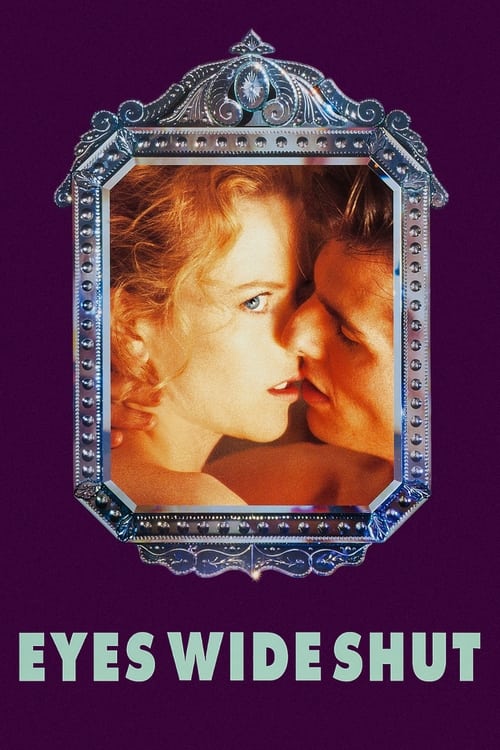
Kim Novak plays two women, or one woman playing two roles, or a man's imagination given a body. The film is unusually honest about the violence of male romantic obsession: Scottie does not love Madeleine, he loves the story he has written about her. When the film reveals its twist it does not offer relief, it offers horror, because we understand that Scottie will just start the story again. The films that followed Vertigo into this territory, from Eyes Wide Shut to Black Swan, all owe a debt to Hitchcock's willingness to indict his own protagonist without blinking.
San Francisco as a Character That Traps
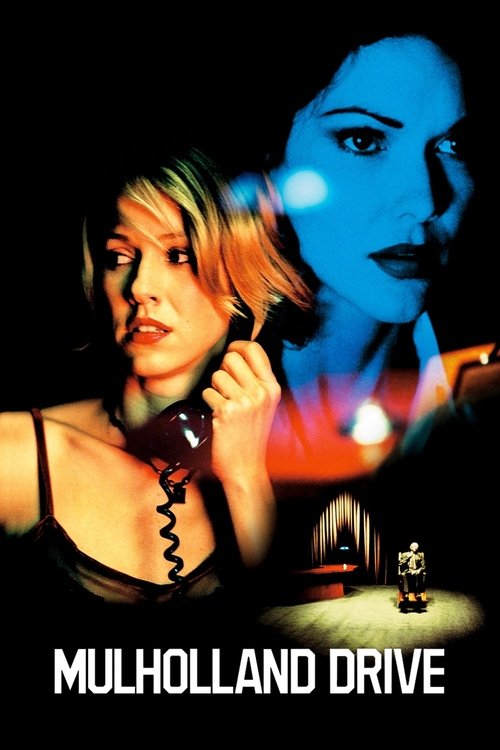
Hitchcock scouted San Francisco obsessively, using its geography as a metaphor: steep hills that distort distance, a bay that closes off escape, Mission Dolores as a cemetery that the present cannot shake off. The city is not a backdrop but a machine for producing disorientation. This is the same move David Lynch makes with Los Angeles in Mulholland Drive and Michael Mann makes with the nighttime city in Heat: the location becomes a system that the protagonist cannot read correctly.
Grief Disguised as Romance
Scottie's obsession with Madeleine begins as the detective's job and becomes a substitute for mourning. He cannot grieve what happened on the rooftop, so he tries to resurrect it instead. The films that share this emotional logic most precisely are not obvious thrillers: they are Hiroshima Mon Amour, In the Mood for Love, and The Remains of the Day, all of which are about people who have turned loss into a compulsion. Vertigo belongs in that company, not just among suspense pictures.

The Shape of Vertigo's Influence
- 1954The source novel D'entre les morts by Boileau-Narcejac published in France D'entre les morts
- 1958Vertigo released; initially misread as a commercial disappointment
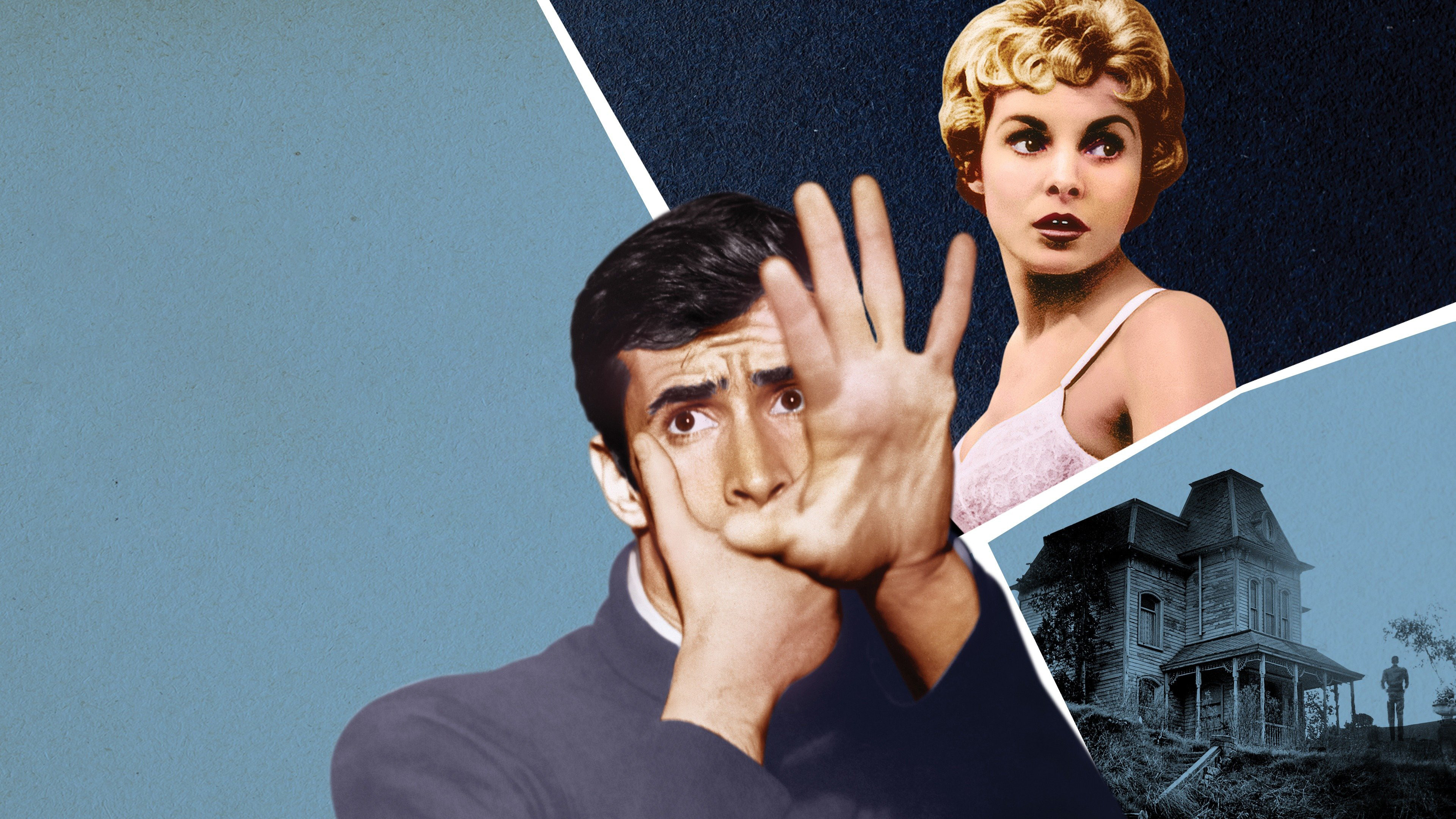
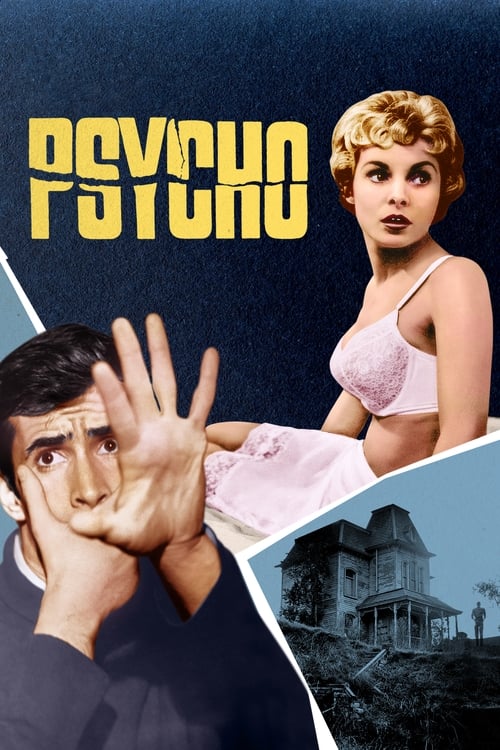
- 1960Psycho, with Bernard Herrmann again, extends the Vertigo grammar of dread Psycho
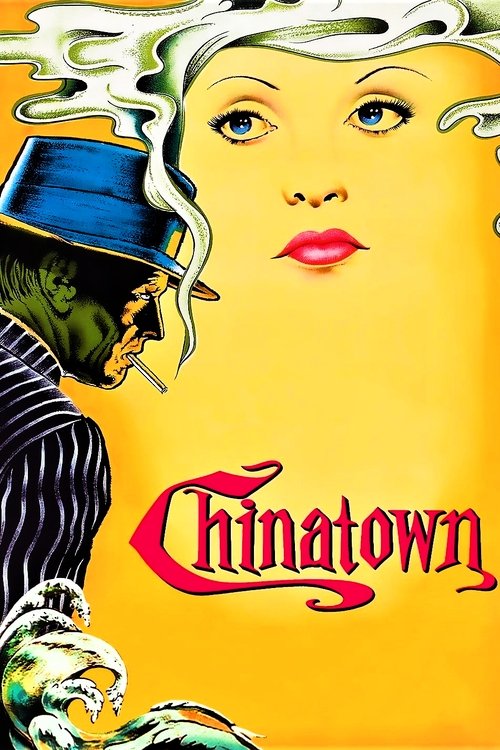
- 1974Chinatown and The Conversation arrive: both owe debts to Hitchcock's paranoid city Chinatown
- 1977Herrmann's final score (Taxi Driver) signals the transition of his sound to New Hollywood Taxi Driver
- 1984Brian De Palma's Body Double stages a direct Vertigo homage Body Double
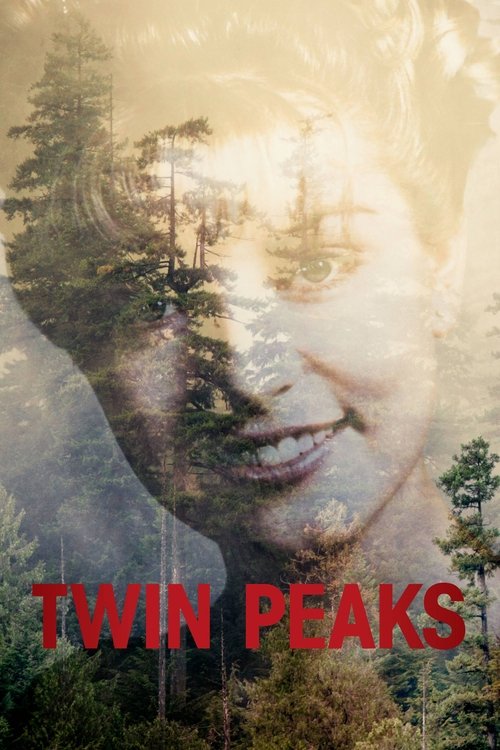
- 1992Twin Peaks: Fire Walk with Me: Lynch pushes surrealism further than Hitchcock dared Twin Peaks: Fire Walk with Me
- 2001Mulholland Drive: the film that most contemporary critics place in Vertigo's lineage Mulholland Drive
- 2012Sight & Sound poll names Vertigo the greatest film ever made, displacing Citizen Kane
More obsession and fractured identity
For Fans of Alfred Hitchcock
Explore the For Fans of Alfred Hitchcock guide →Only one man has ever twisted the whole machinery of a film around a single act of self-deception and made the result feel like a love story. That film is Vertigo.CrossBinge