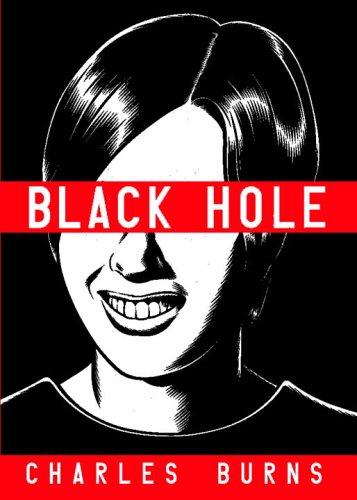

Charles Burns spent twelve years drawing Black Hole, one issue at a time, completing it in 2005 after serialization through the 1990s. The result is a graphic novel set in suburban Seattle in the mid-1970s where a sexually transmitted plague causes teenagers to mutate, shedding skin, growing extra mouths, sprouting tails. None of that is really the point. The point is the feeling underneath: the terror of the body rewriting itself, the social catastrophe of being visibly other, the specific loneliness of being a teenager who suspects the self they are becoming is not one they would choose. Burns draws in a dense, obsessively crosshatched black and white that makes every panel feel like a bad dream recalled at noon. What fans chase across other works is that combination: the horror as symptom of something psychological, the suburban surface held up against the rot beneath it, the coming-of-age story told in a register that refuses comfort.
Essential Charles Burns
His own books, from the beginning to the present


If You Love Black Hole: Books That Go There Too
Graphic novels and fiction that share its dread, its bodies, its suburban rot


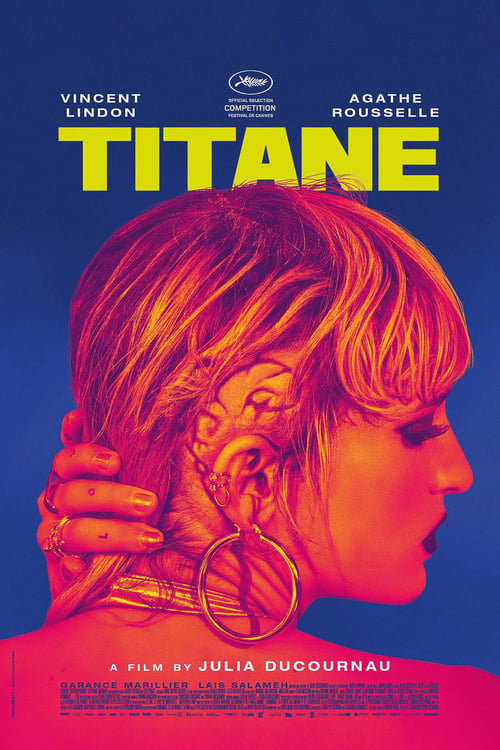
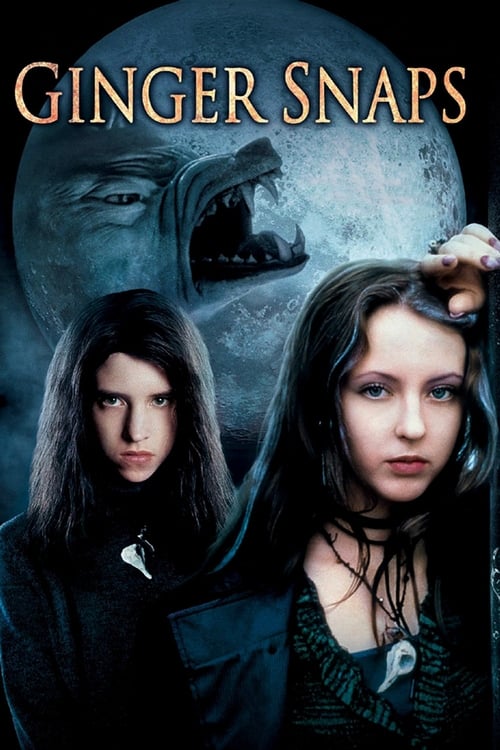
The Body Horror Film Canon
Films that treat physical transformation as psychological reckoning
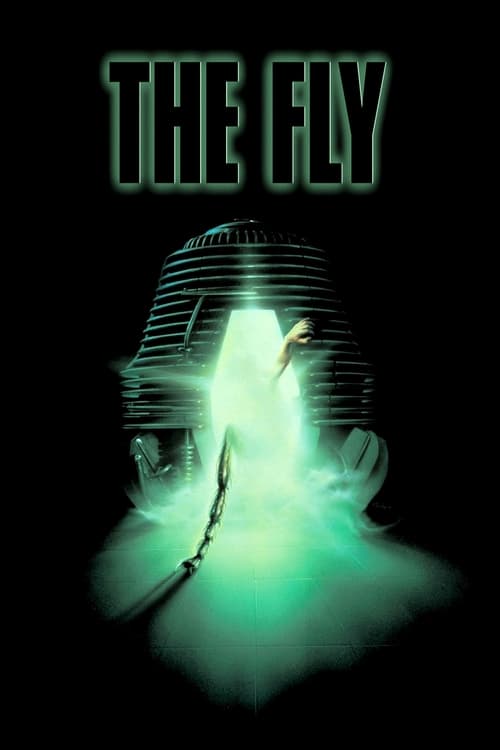
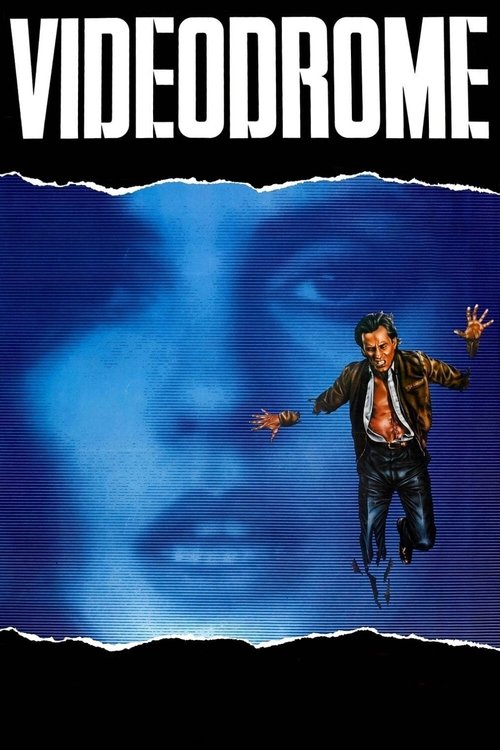

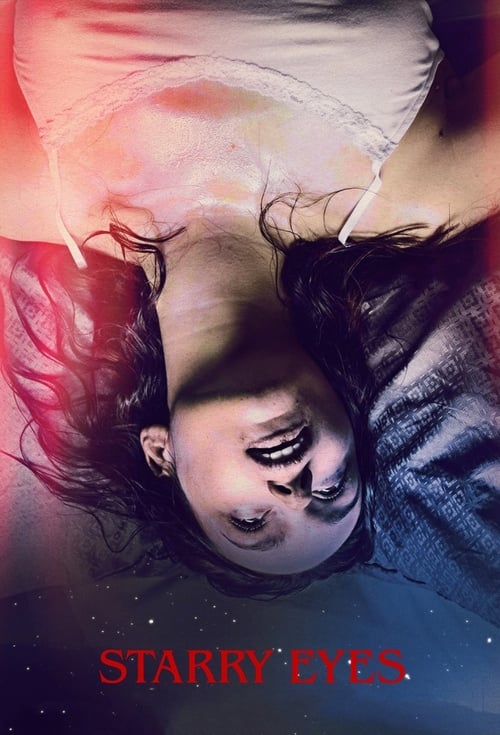
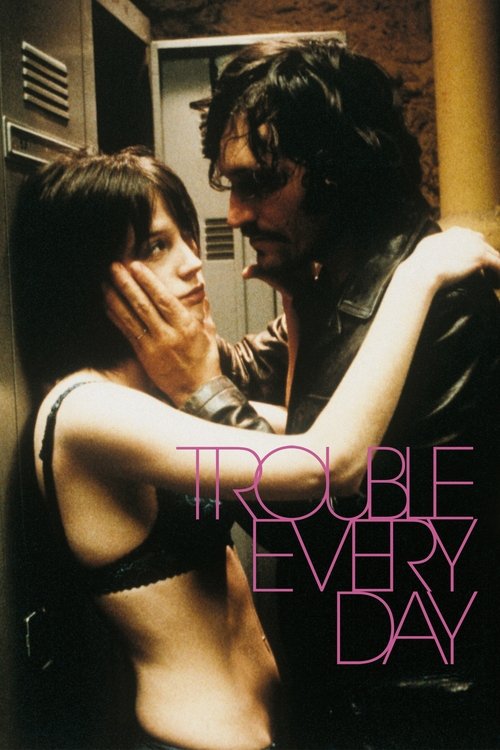




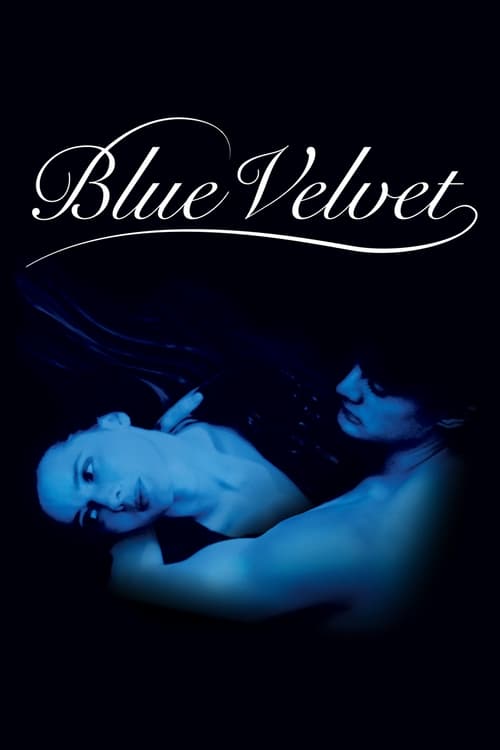
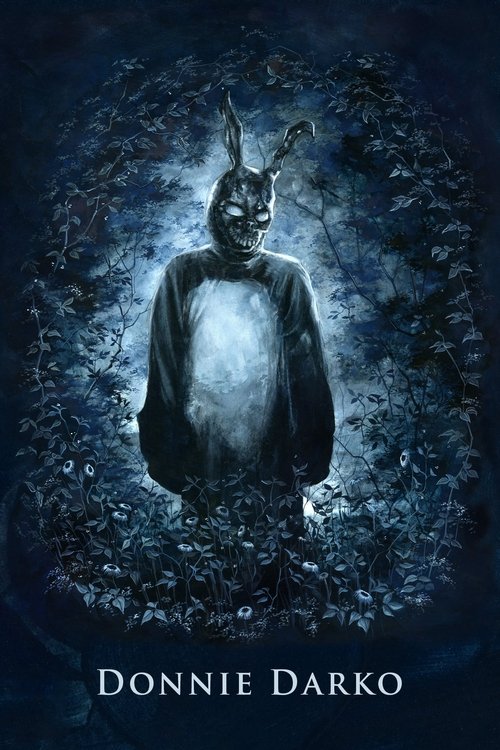
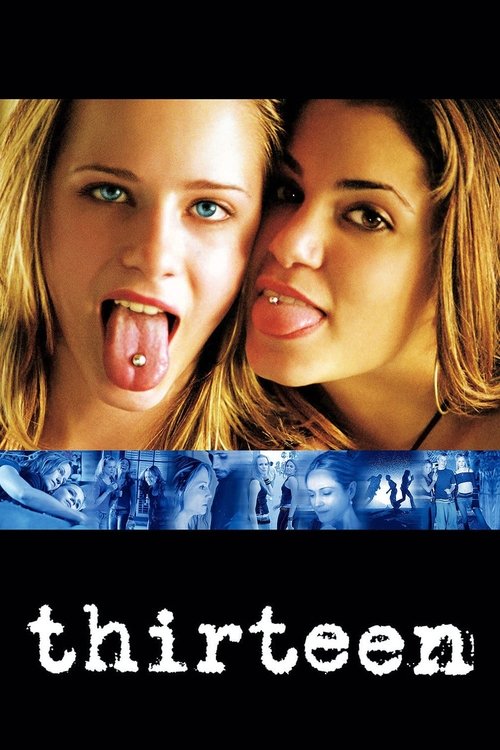
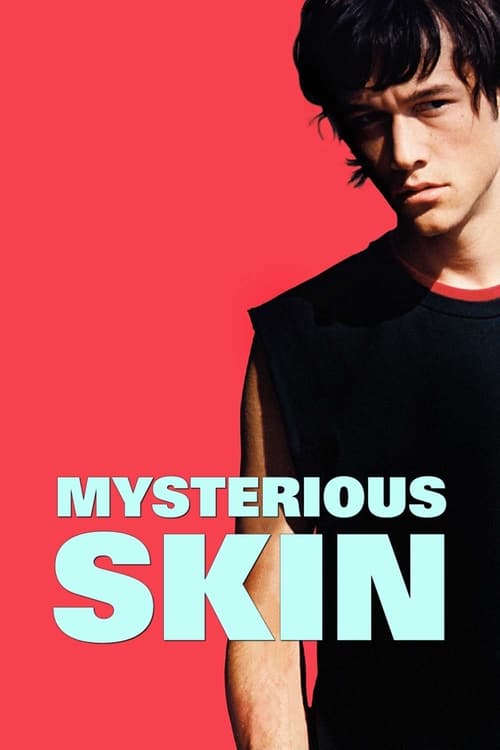
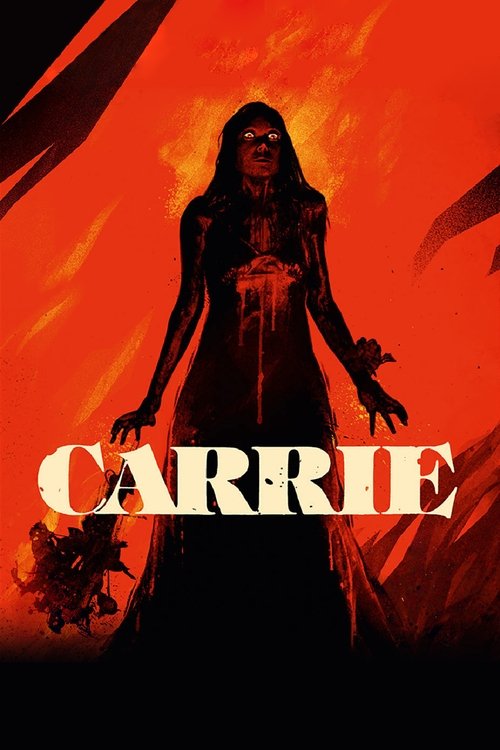
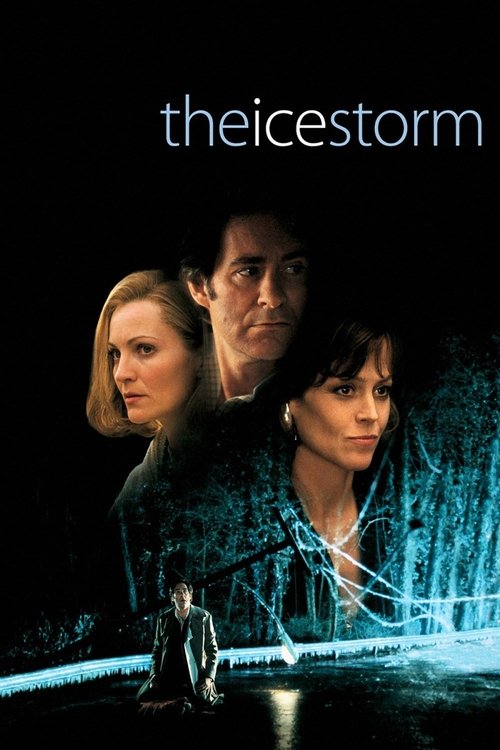
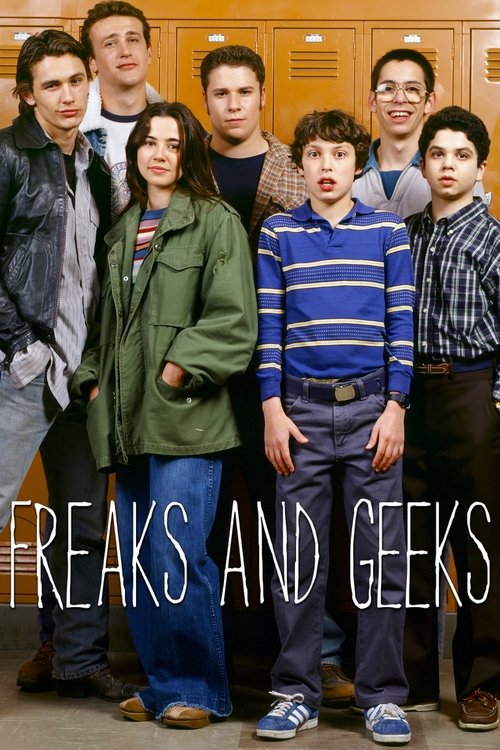
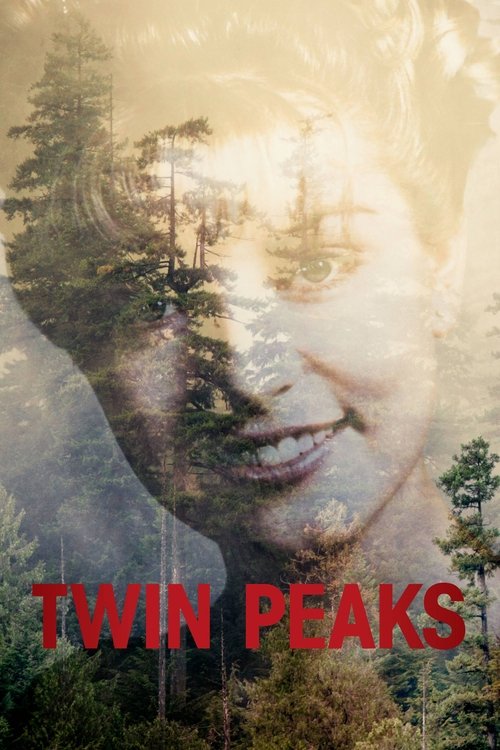
Suburban Dread on Screen
Films and series where the quiet neighborhood is the horror

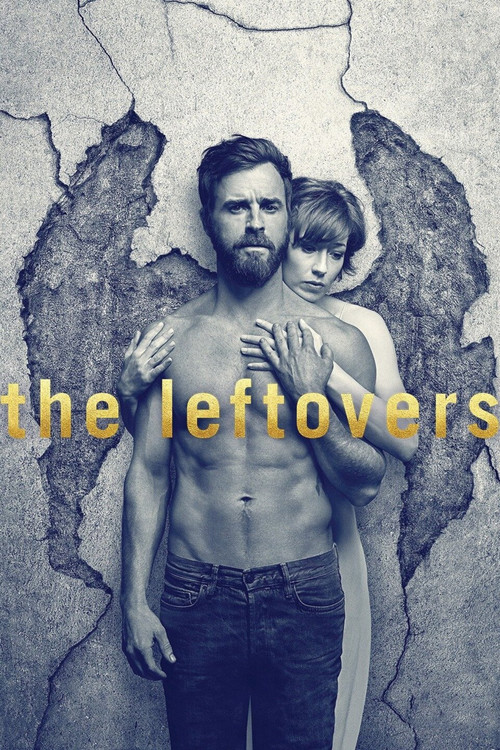
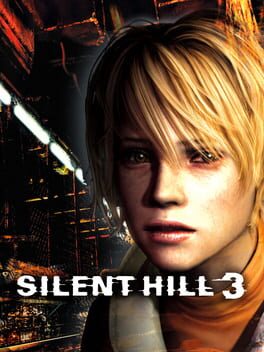
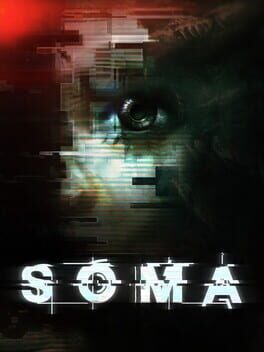
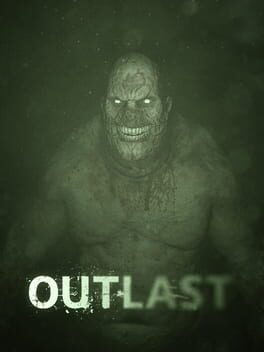
Games That Live in the Same Dread
Horror and psychological games about bodies, isolation, and becoming
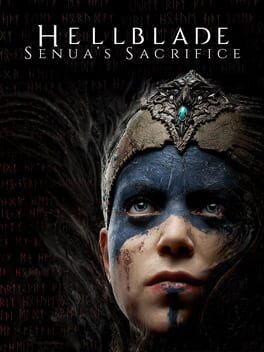
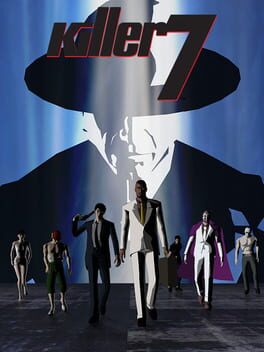
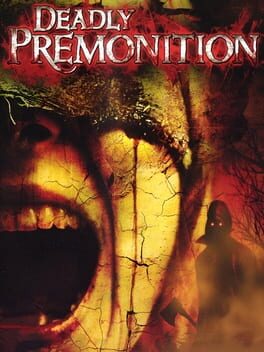
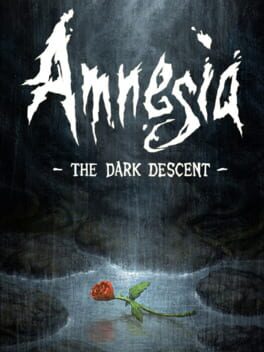
Mutation Is Metaphor, Not Monster
Black Hole never explains the plague or where it came from. Burns refuses the reassurance of a cause because the disease is not really a disease: it is adolescence rendered literal, the way the body becomes a stranger overnight, the way visibility shifts from asset to threat depending on who is looking. Every mutation in the book maps to a real anxiety. The tail the shy boy grows is shame made flesh. The shed skin the girl leaves behind in her sleep is the person she was before something happened to her. Horror that works this way, as symptom rather than threat, operates on a different register than genre horror. It stays.
The 1970s as a Particular Kind of Nowhere
Burns chose the mid-1970s with care. It is the decade before the AIDS crisis made the link between sex and bodily catastrophe explicit and public, which means the plague in Black Hole operates in a pre-language moment: something terrible is happening and no one has the words for it yet. The suburban Pacific Northwest setting reinforces this. It is the kind of place where the vocabulary for what is happening to these teenagers simply does not exist. That locational specificity makes Black Hole feel like a document of a real moment even though everything in it is impossible.
Craig Thompson Came From the Same Place
Blankets is often paired with Black Hole as a companion in the alternative comics canon of the 2000s, and the pairing is right. Thompson draws with a different hand (more open, more longing, less ink-black dread) but the subject is the same: the specific agony of being a teenager whose inner life has nowhere to go, rendered in a form that takes comics seriously as a literary medium. Both books are long, dense, and committed to the idea that the graphic novel can carry emotional weight that prose and film cannot quite replicate. Reading them back to back is one of the better things you can do with a winter weekend.
Silent Hill 2 Is the Game Version
The parallels between Black Hole and Silent Hill 2 are not incidental. Both use a physical environment (the infected woods, the fog-choked town) as externalized psychology. Both center on a protagonist whose guilt and shame have taken monstrous form. Both treat the horror as something the protagonist has in some sense summoned. Silent Hill 2 does it through action-game mechanics that make you complicit in ways Black Hole's static panels cannot, but the emotional architecture is the same: you are walking through a place that is what you have done to yourself.
Black Hole: From First Issue to Screen
- 1995Fantagraphics begins serializing Black Hole, issue by issue
- 1999Burns's El Borbah collected in print
- 2005Black Hole collected as a single complete volume by Pantheon
- 2010X'ed Out begins Burns's next major serialized trilogy
- 2012The Hive continues the trilogy
- 2014Sugar Skull completes the Last Look trilogy
- 2023Black Hole film adaptation in development, multiple attempts over the years
Body horror, mutation, suburban dread
Body Horror
Explore the Body Horror guide →The crosshatching is not style. It is pressure. Every line is Burns holding something down on the page so it cannot get out.CrossBinge