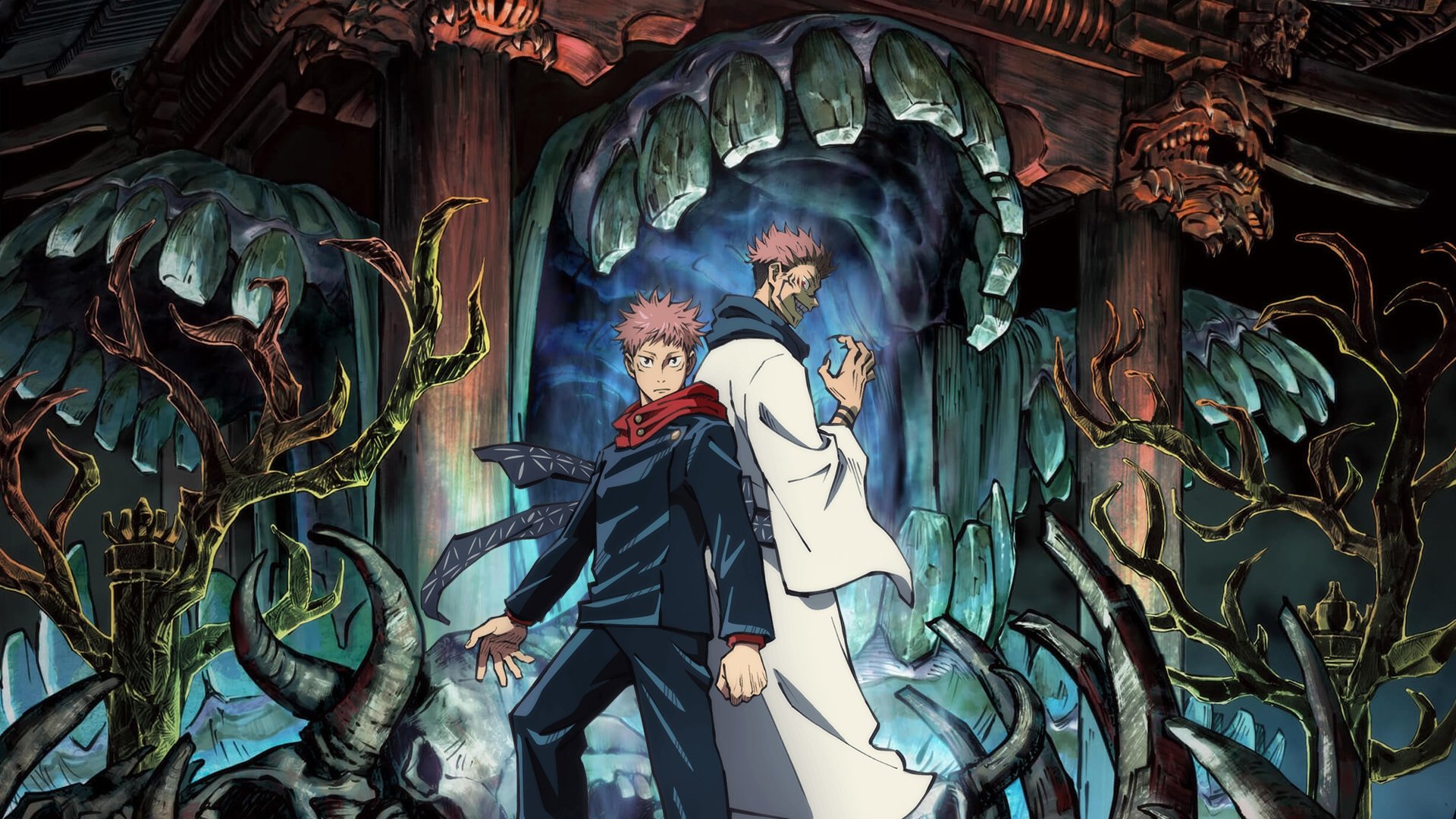

Bleach began in 2001 as a Shonen Jump manga by Tite Kubo and became one of the defining works of its generation: a show about a high schooler named Ichigo Kurosaki who inherits the powers of a Soul Reaper and is pulled into an elaborate cosmology of afterlife bureaucracies, rogue gods, and mask-wearing monsters called Hollows. What made it land was never just the spectacle. Bleach is, at its core, about the weight of protecting people you love and the cost of the power required to do it. The art direction is exceptional: Kubo's character designs are some of the most iconic in manga history, and the anime (especially the final arc, Thousand-Year Blood War, produced by Studio Pierrot starting in 2022) proved that the source material could be elevated into something genuinely cinematic. If Bleach hooked you on its particular flavor of spiritual action, mythological world-building, and emotionally loaded battles, here is the map to everything that scratches that same itch across every medium.
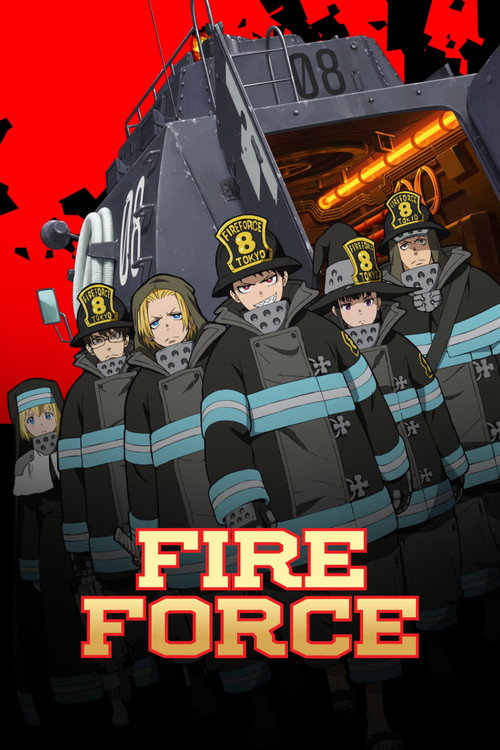
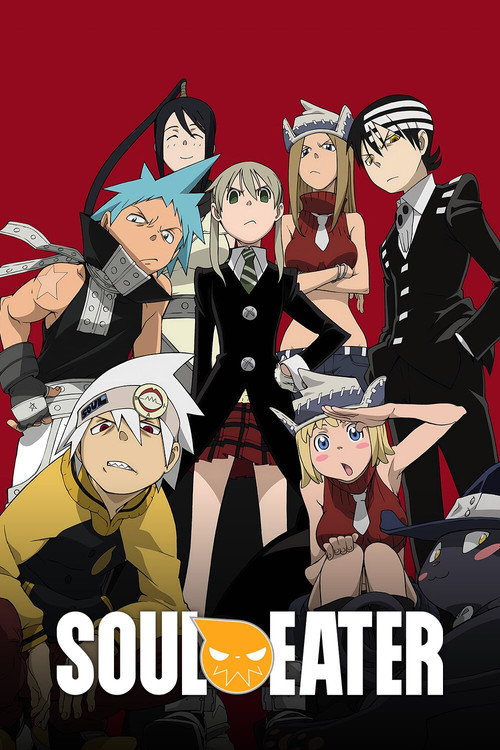
If You Love the Soul Reaper Mythology: Similar Anime
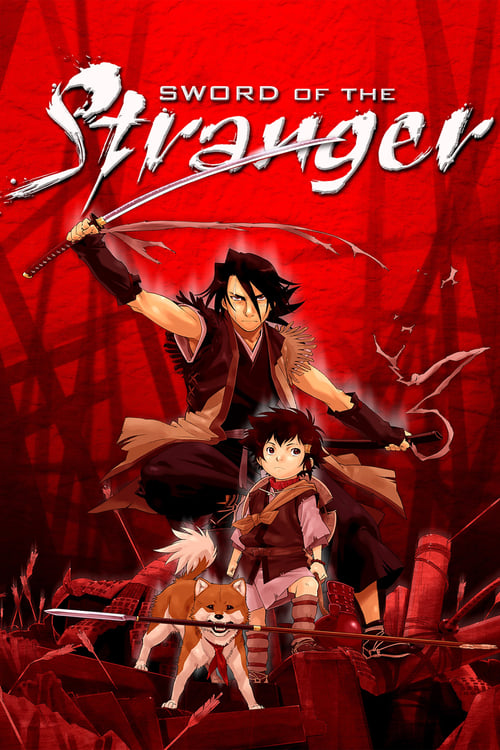
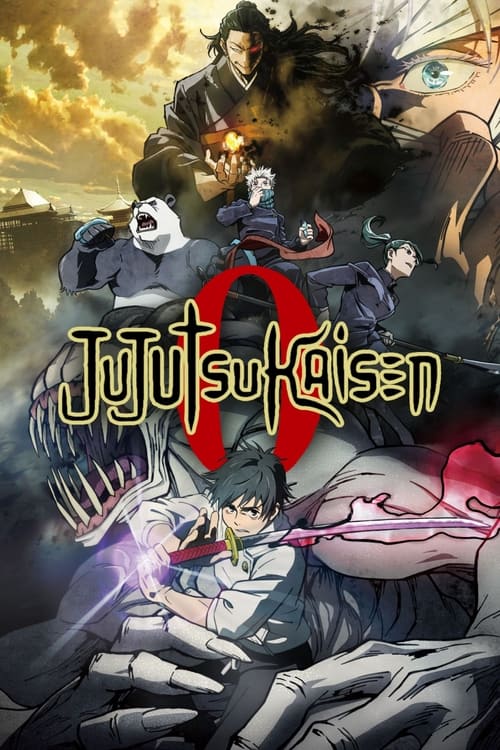
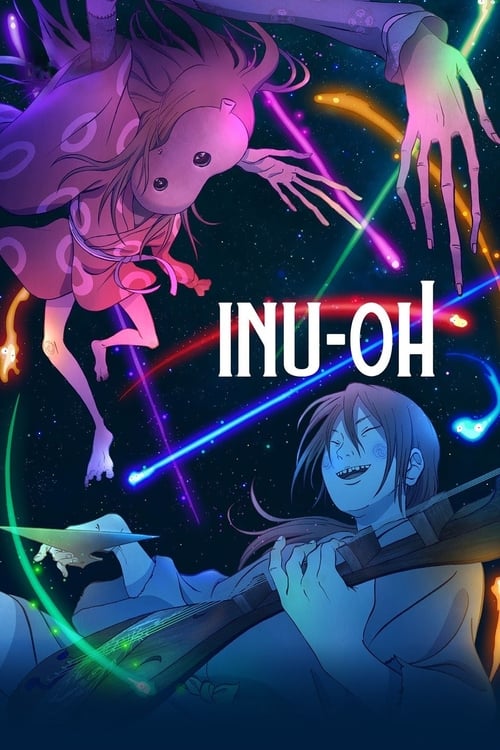
Series that build elaborate spiritual or supernatural cosmologies with the same depth
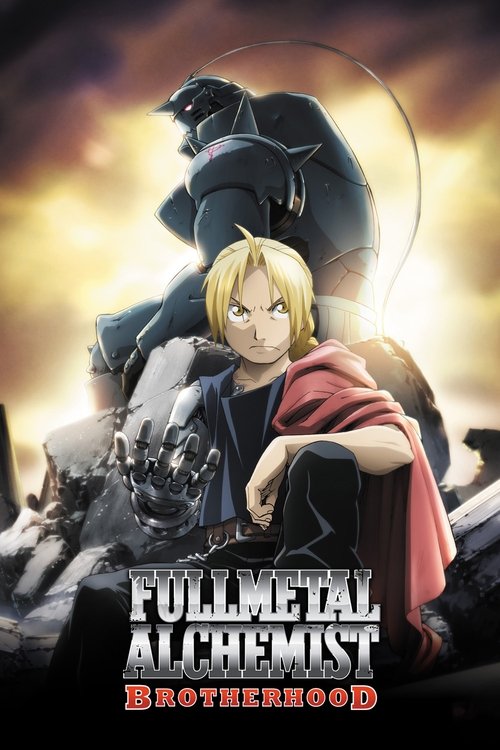
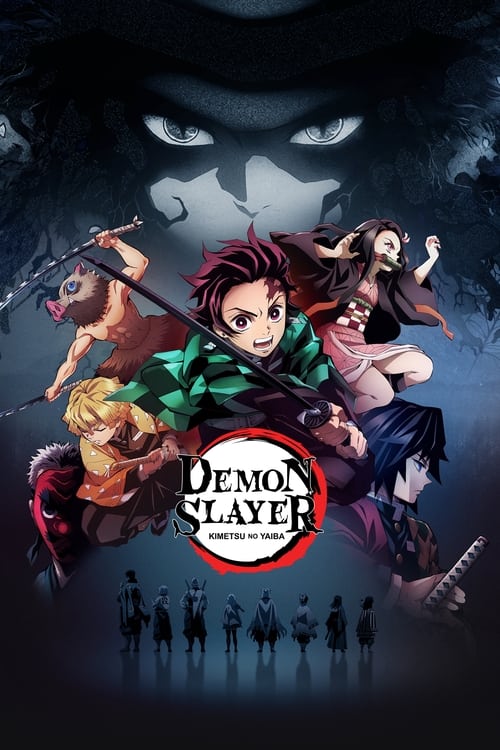
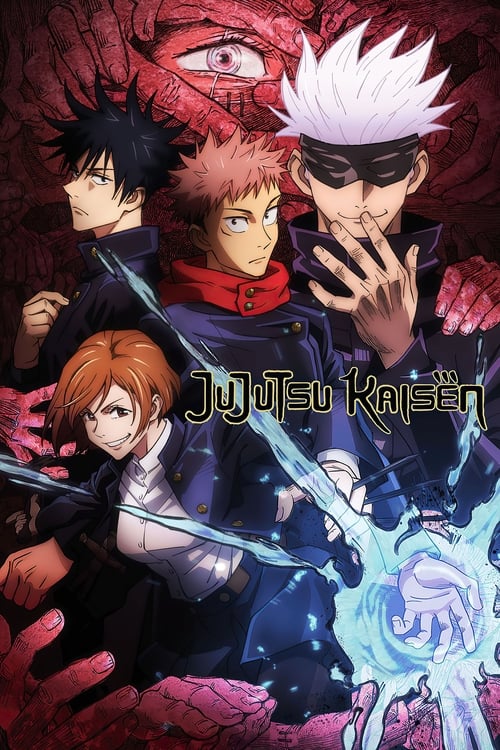
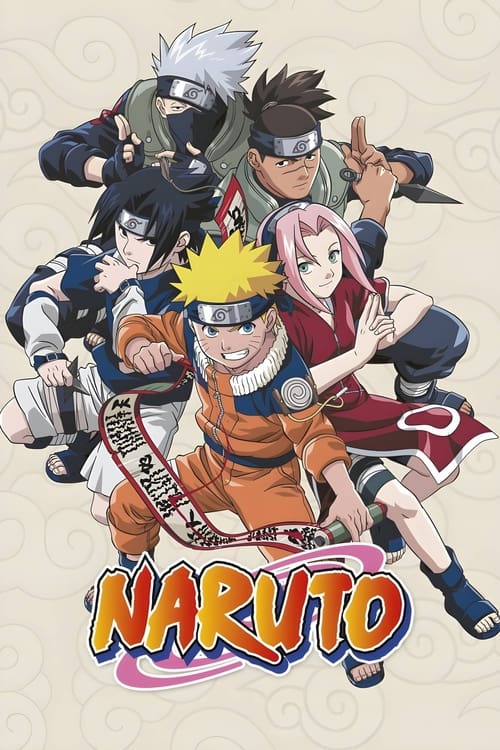
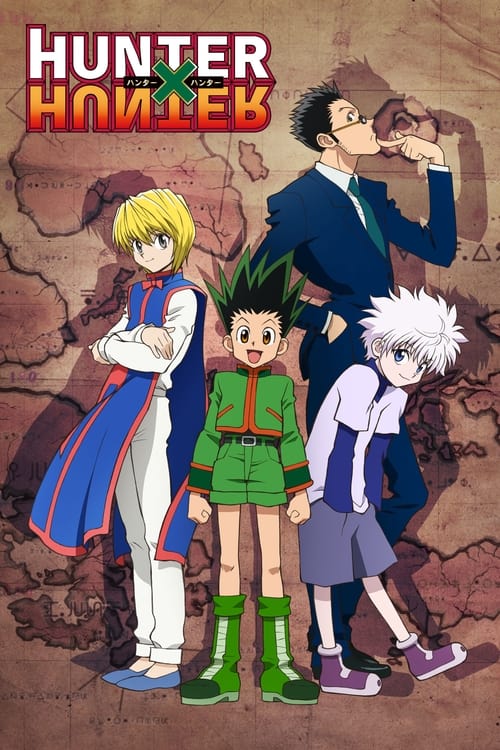
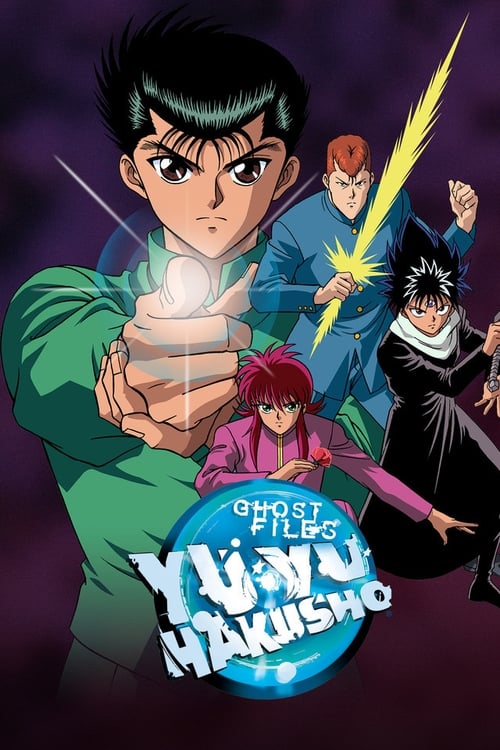
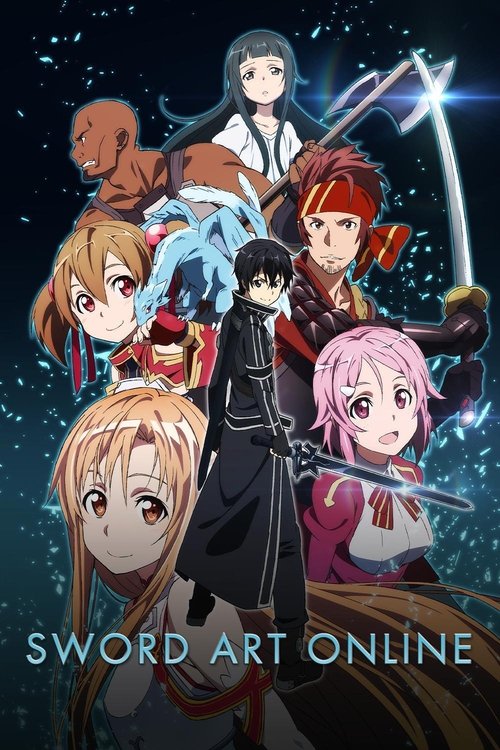

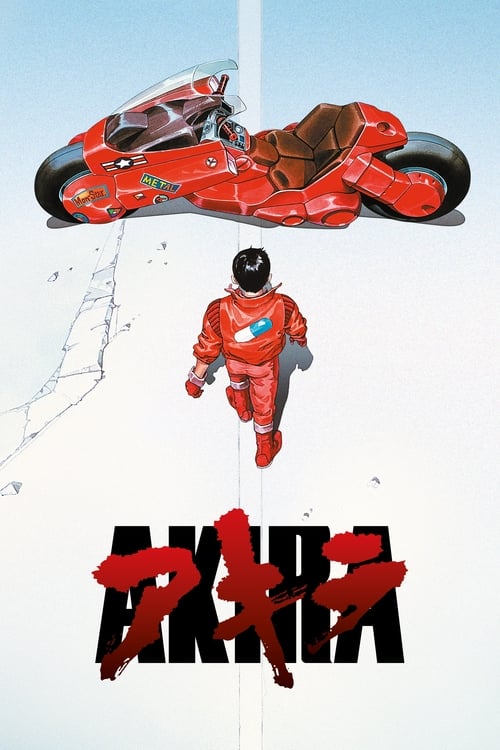
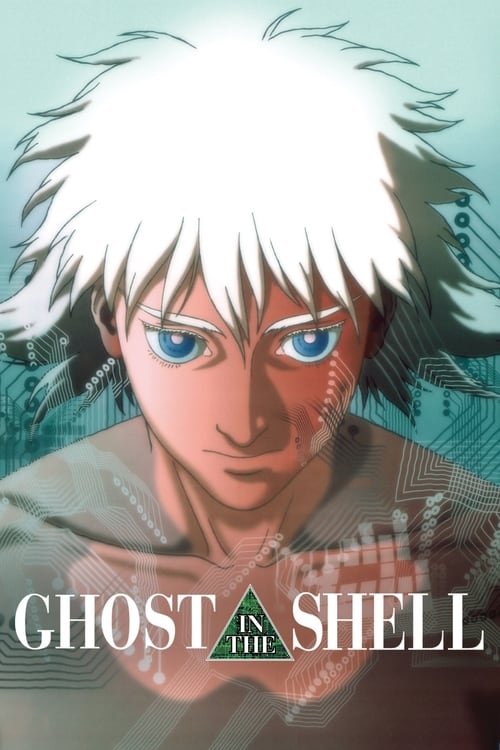
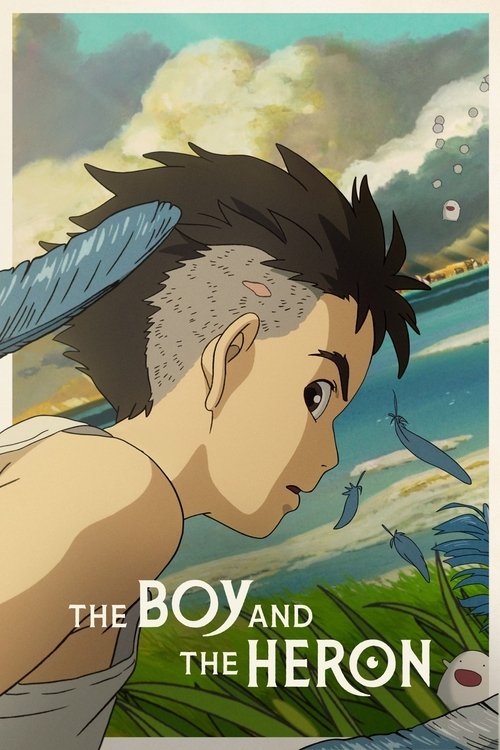
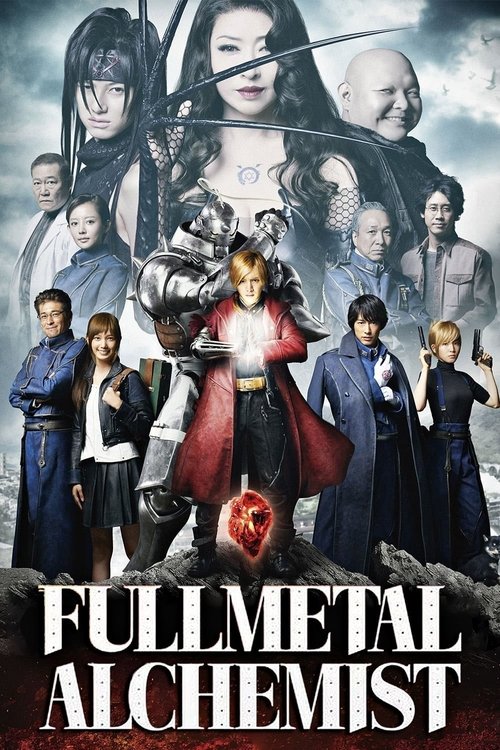
If You Love the Spectacle: Action Films with the Same Visual Energy
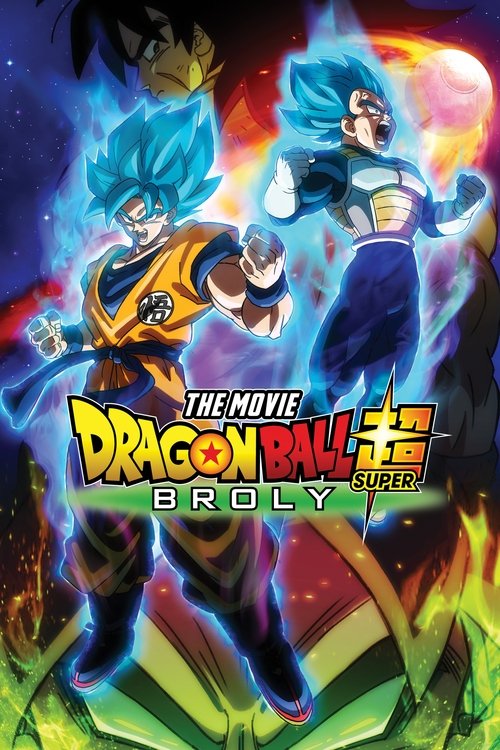
Live-action and animated films that match Bleach's kinetic intensity and mythological scale
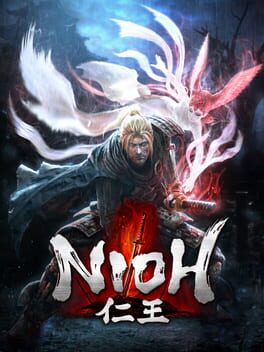
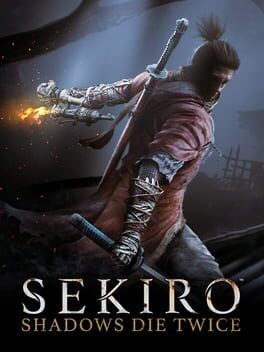
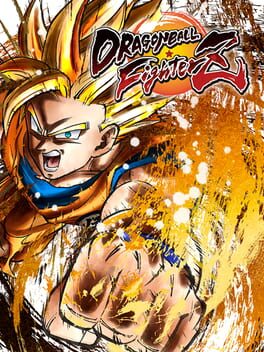
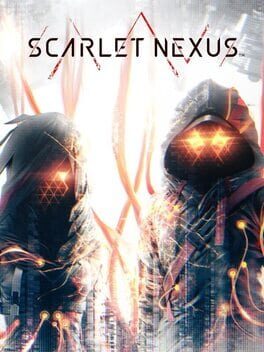
If You Love the Combat System: Games Built on Similar Mechanics
Action and RPG games with stylized combat, spiritual stakes, and deep character rosters

The Thousand-Year Blood War Arc Changed What Anime Adaptation Can Be
When Studio Pierrot adapted the final arc of Bleach starting in 2022, they made choices that the anime industry should study. Better animation budgets, a darker color palette, genuine cuts to pacing, and a visual seriousness that matched Kubo's most ambitious manga pages. The result was a proof of concept: a long-running shonen anime from the mid-2000s could be brought back and made to feel genuinely modern. Thousand-Year Blood War is the argument that the source material was always this good, and that the original run simply needed the resources it never had.
Ichigo Kurosaki Is a Different Kind of Shonen Hero
Most shonen protagonists are defined by their drive to become the strongest. Ichigo's motivation is narrower and more specific: he wants to protect the people in front of him, and that specificity gives his character a grounded quality that the escalating power system never quite overwhelms. He is not cheerful about his responsibilities. He is reluctant, often exhausted, and occasionally furious. That combination of genuine emotional weight with raw physical power makes him more interesting to follow than characters whose ambition is simply to be the best. The closest analogues in other series are Yusuke Urameshi in Yu Yu Hakusho and Tanjiro Kamado in Demon Slayer: both motivated by protection rather than glory.
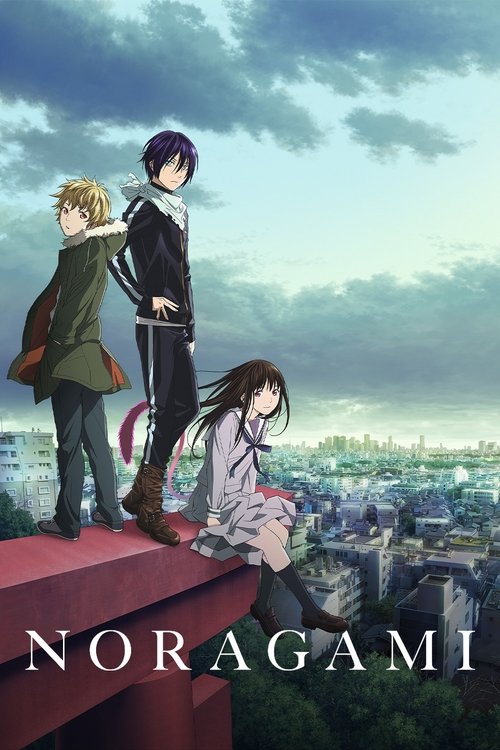
Noragami Is the Spiritual Successor Nobody Talks About Enough
If Bleach's appeal is its fusion of Japanese afterlife mythology with street-level emotional stakes, Noragami is doing the same thing in a smaller, quieter key. A minor god named Yato scrapes by doing odd jobs while trying to build a proper shrine and a following, accompanied by a human girl who can see spirits. The series has genuine humor, real emotional weight, and a mythology that feels rooted in actual Shinto tradition rather than invented lore. The anime adaptation (2014) is excellent, and the manga by Adachitoka extends the story considerably further than the anime covered.
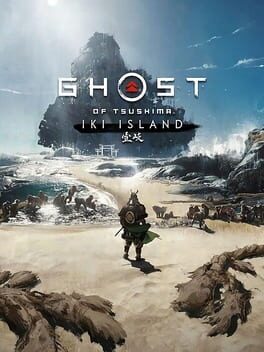
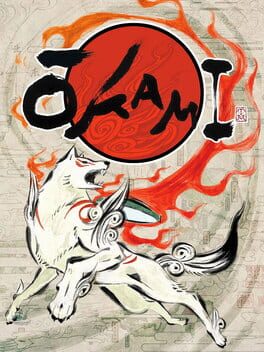
Ghost of Tsushima Is Where Bleach Fans Should Start with Games
Ghost of Tsushima (2020) is not an anime game, and it does not try to be. What it shares with Bleach is the conviction that swordplay should feel like a conversation between two philosophies, not just a button sequence. The combat in Ghost asks you to read your opponent, choose a stance, and commit fully to an attack. The world is built around Japanese aesthetics with genuine care. For a Bleach fan who wants to feel the weight of a blade in a real-time game and inhabit a world that takes its Japanese visual grammar seriously, Ghost of Tsushima is the clearest entry point.
Bleach: A Timeline of the Franchise
- 2001Tite Kubo's Bleach manga launches in Weekly Shonen Jump
- 2004The anime adaptation begins on TV Tokyo, produced by Studio Pierrot Bleach
- 2006First theatrical film: Memories of Nobody
- 2007Second film: The DiamondDust Rebellion Bleach the Movie: The DiamondDust Rebellion
- 2010Hell Verse, the fourth and darkest theatrical film
- 2012The original anime ends after 366 episodes Bleach
- 2016The manga concludes its final arc after 74 volumes
- 2022Bleach returns: Studio Pierrot launches the Thousand-Year Blood War adaptation
- 2023Part 2 of Thousand-Year Blood War airs, widely praised as the best arc adaptation
More shonen battles and blade-wielding heroes
For Fans of Demon Slayer
Explore the For Fans of Demon Slayer guide →Bleach always understood that the point of the fight is not the outcome. The point is what it costs.CrossBinge