
The Scholars of the Apocalypse
Blue Öyster Cult arrived in the early 1970s as something American rock had not quite seen before: a band that read books. Their Long Island origins connected them to a circle of rock critics and poets, notably Sandy Pearlman and Richard Meltzer, who supplied lyrics that borrowed from H.P. Lovecraft, Philip K. Dick, Aleister Crowley, and Cold War paranoia in equal measure. The riffs were huge and sometimes beautiful, but the content was stranger and more literary than any of their peers.
What fans love about BÖC is a specific texture: the feeling that the darkness is intelligent. A song like Astronomy treats cosmic horror as genuine philosophy. E.T.I. (Extra Terrestrial Intelligence) turns UFO mythology into dread rather than wonder. (Don't Fear) The Reaper became a cultural shorthand for mortality's strange serenity precisely because it refuses sentimentality. Even their arena-rock moments carry a wry, cerebral distance, as if the band is observing the spectacle from slightly outside it.
The cross-media world that fits this sensibility is specific: science fiction that leans into entropy, horror that rewards rereading, films where genre and intellect coexist, games that reward the patient and the philosophical. This guide maps that territory.
Essential Blue Öyster Cult
The albums that define the canon, from proto-metal beginnings to the Pearlman concept opus
Books That Live on the Same Wavelength
Cosmic horror, science fiction noir, and occult paranoia for the literary fan


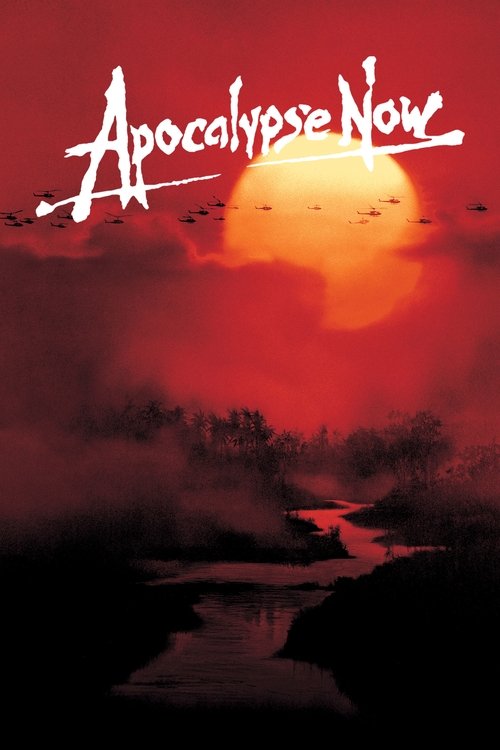
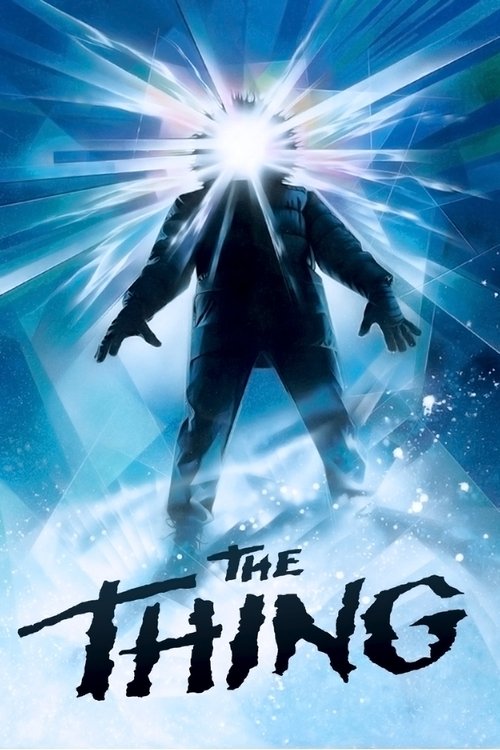
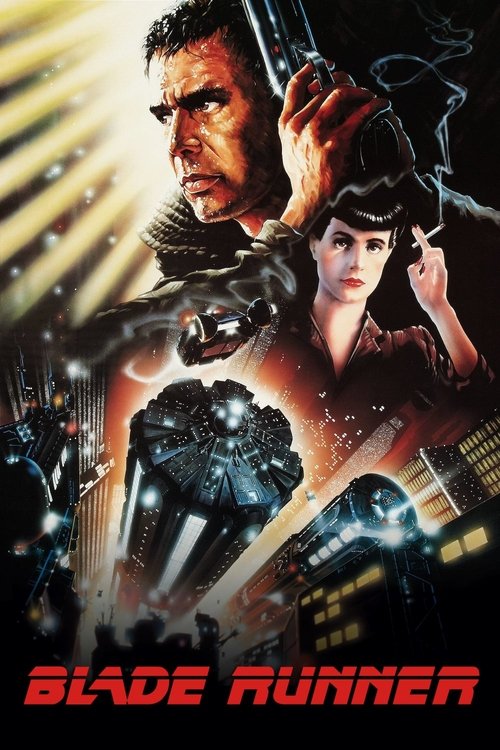
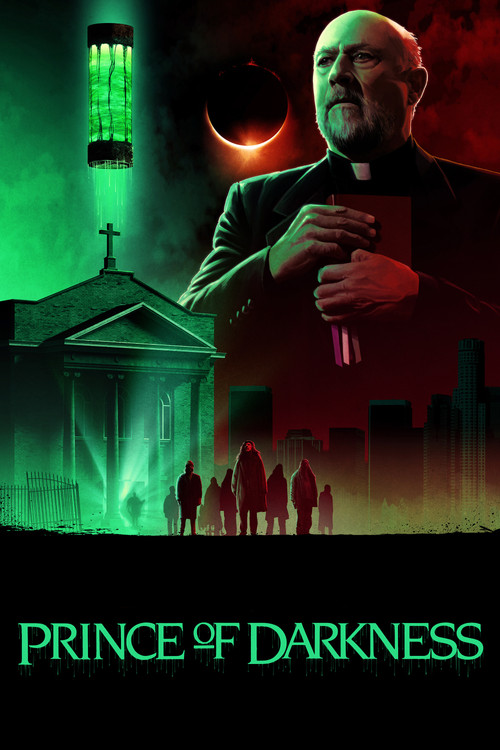
Films for the Heavy Riff and the Long Dark
Genre filmmaking with intelligence, dread, and a sense of cosmic scale

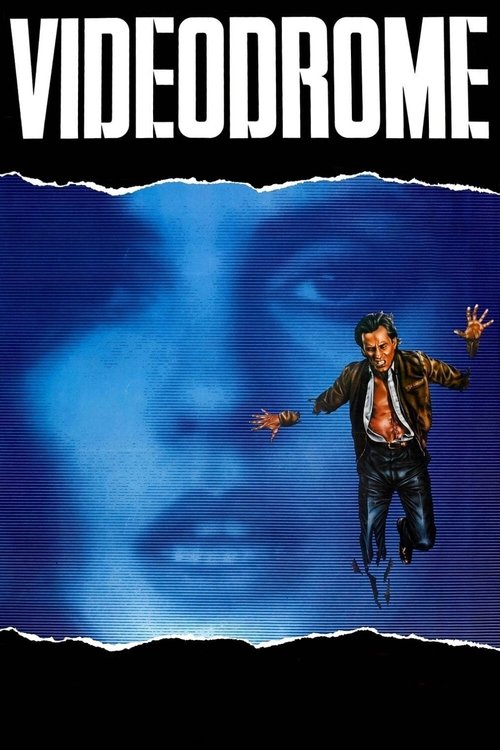
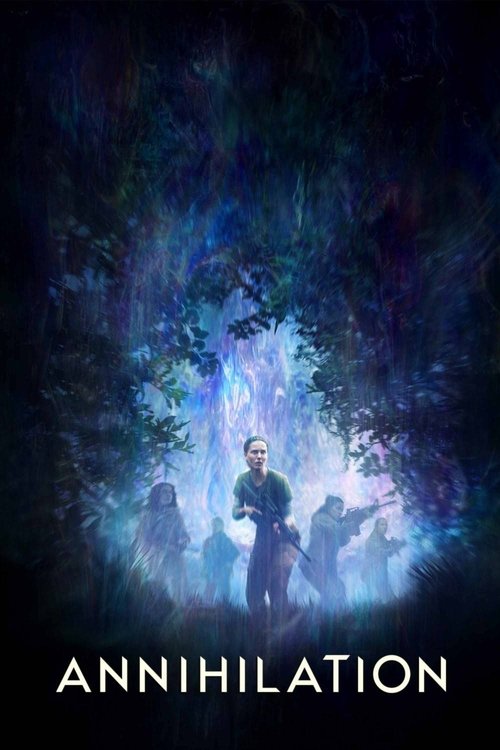

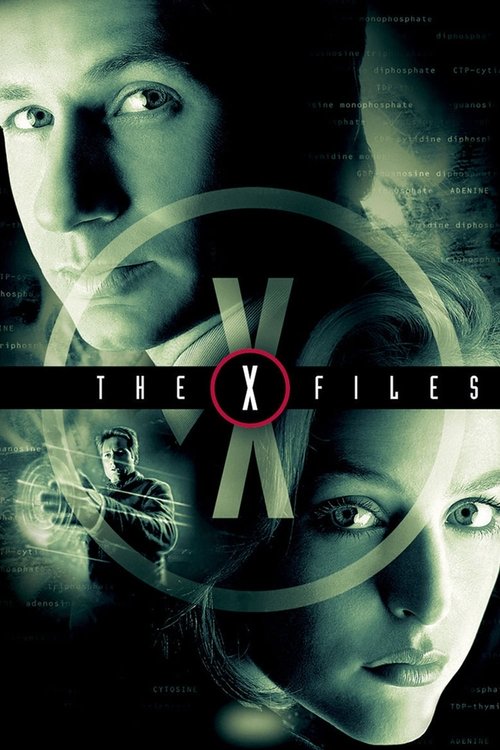
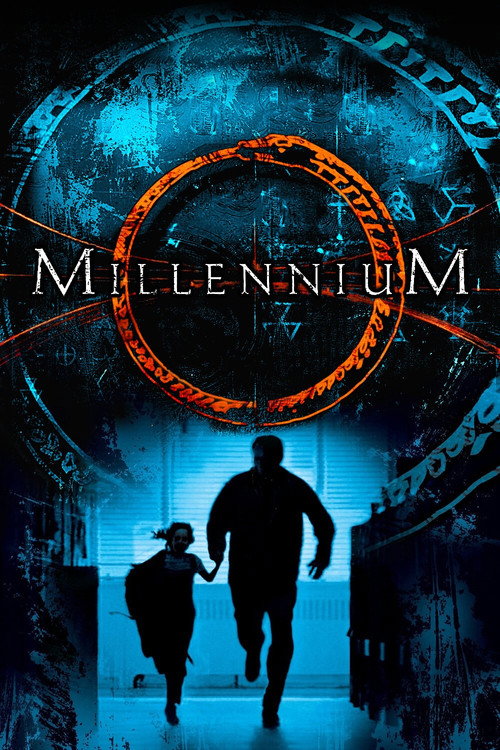
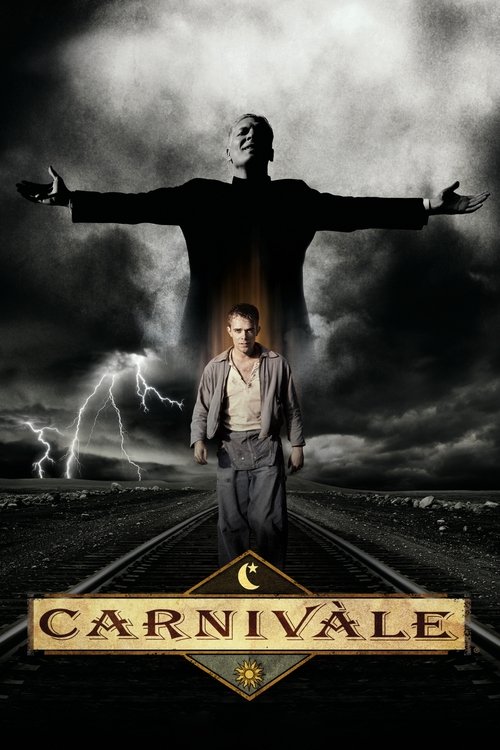
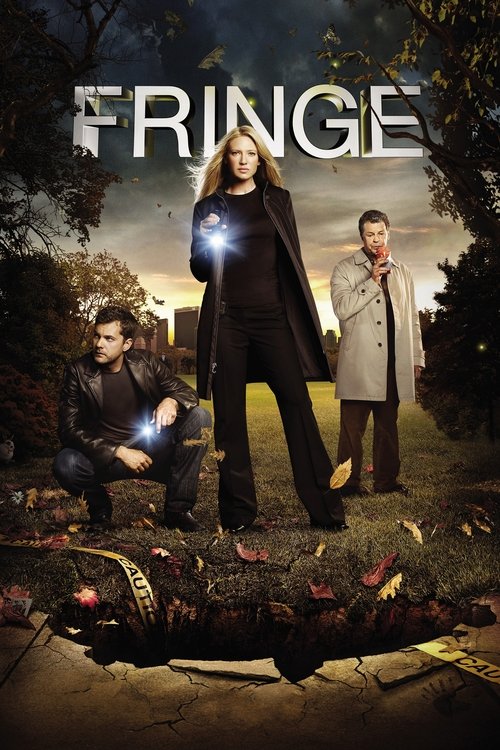
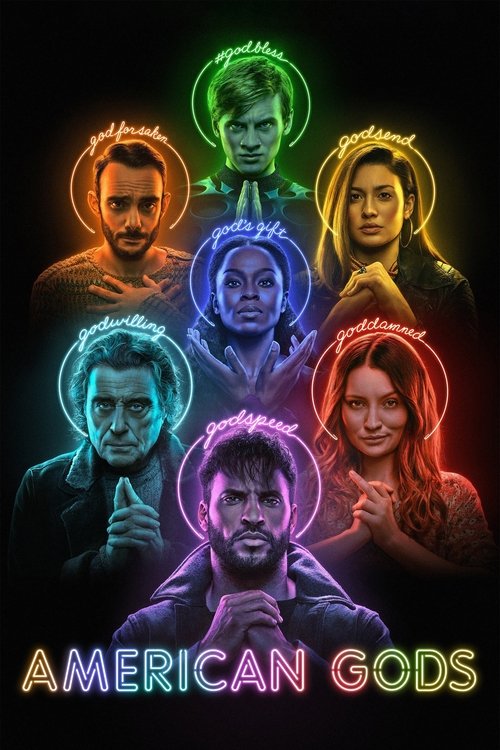
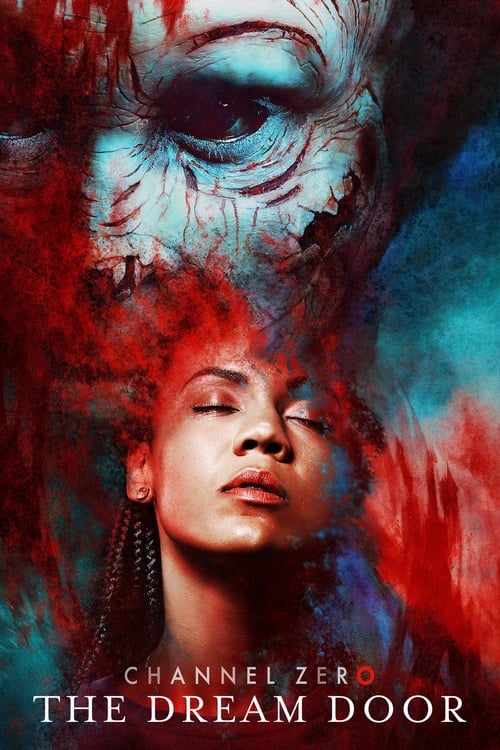
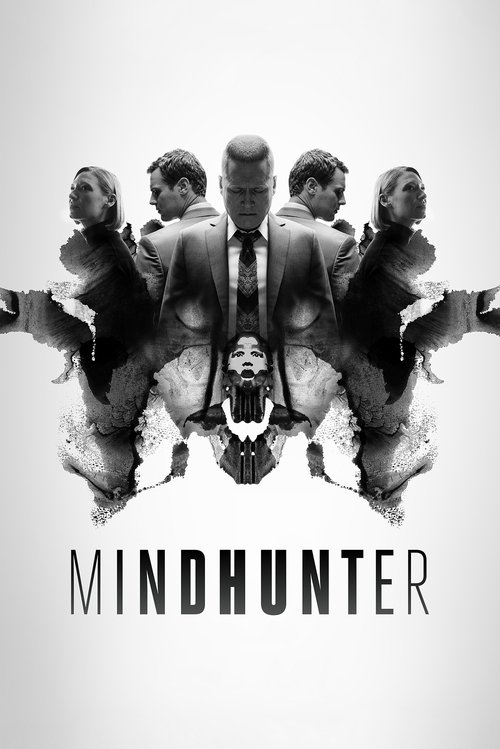
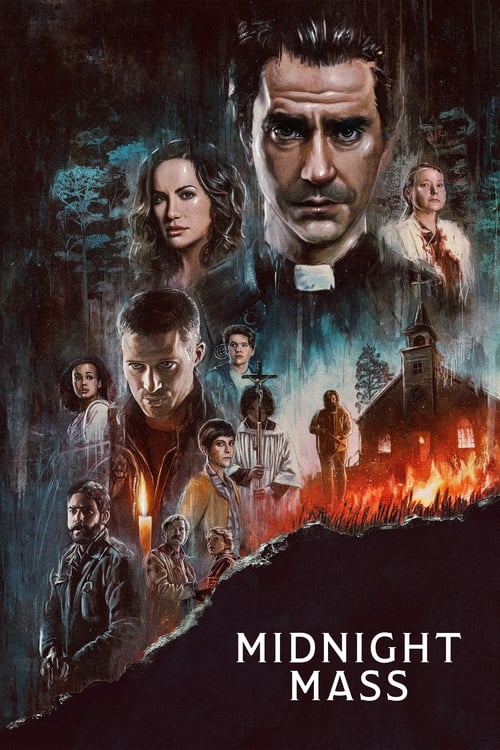
TV with the Same Cerebral Darkness
Series that reward attention and refuse to explain everything

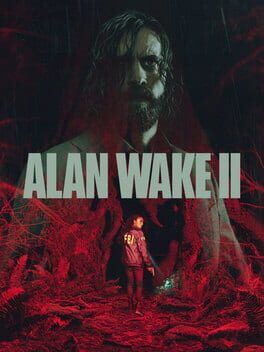
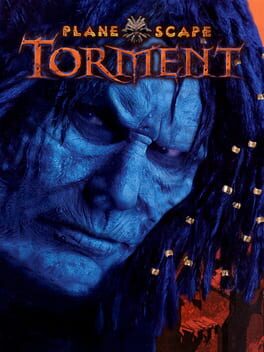
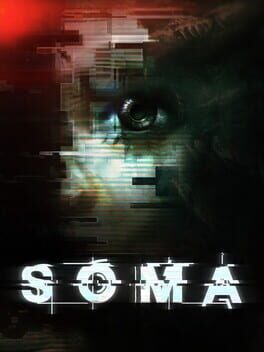
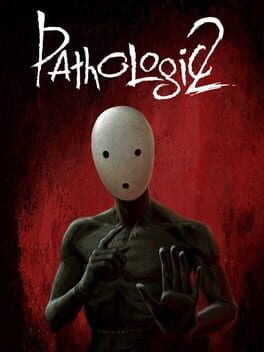
Games for the Philosophically Inclined Horror Fan
Games that borrow from the same literary tradition of cosmic weight and earned darkness


The perfect entry point is not the obvious one
Secret Treaties is the album that earns everything BÖC later became famous for, and it does so without the polish that made Agents of Fortune a mainstream hit. The songwriting is tighter, the mythological ambition is rawer, and Buck Dharma's guitar work sounds genuinely dangerous. If (Don't Fear) The Reaper is your way in, Secret Treaties is where you understand why the band deserved that hit. It does not ease you in. That is why it works.
The record that makes BÖC accessible and gets no credit for it
Mirrors arrived in 1979 when the band was being pulled toward softer sounds and got lost in the transition. It is one of their most consistent records: melodic, slightly eerie, and controlled in a way their wilder albums are not. The songwriting is economical rather than sprawling. Listeners who come to BÖC from classic rock radio and find the cult albums bewildering often discover they can live in Mirrors without reservation. That accessibility is a real achievement, not a concession.
John Carpenter is the band's natural cinema equivalent
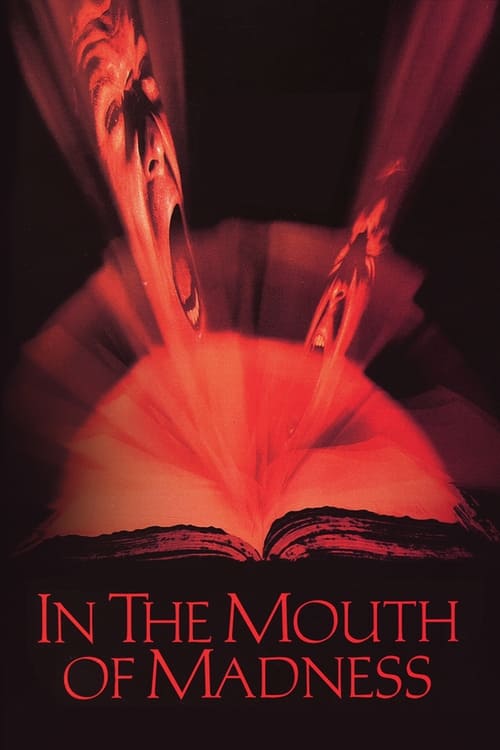
Carpenter and BÖC are working the same seam: genre craft elevated by genuine philosophical unease, and a refusal to resolve the horror into anything comfortable. The Thing and In the Mouth of Madness operate on the same frequency as Astronomy and ETI: the cosmos does not care, the threat is real, and intelligence is not protection. The overlap is not coincidental. Lovecraft runs through all of it.
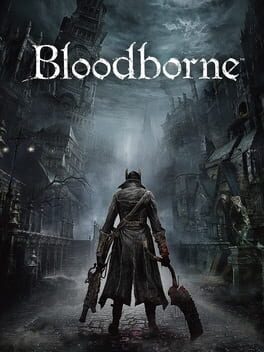
The spiritual successor in games is Bloodborne
FromSoftware's Bloodborne carries BÖC's core inheritance: Lovecraftian cosmicism, the aesthetics of Victorian occultism, and a central argument that knowledge is genuinely dangerous. The game rewards the obsessive reader and punishes the passive player in exactly the way BÖC's best records reward obsessive listening. Both insist the terror is real, and both refuse the comfort of a tidy explanation at the end.
The greatest hard rock band to take H.P. Lovecraft, Philip K. Dick, and Aleister Crowley seriously as source material, and to make cosmic dread feel like the most natural subject for a guitar riff.CrossBinge editors
Blue Öyster Cult: The Arc
- 1967Band forms on Long Island, connected to rock critic Sandy Pearlman
- 1972Self-titled debut released, proto-metal with occult literary roots Blue Öyster Cult
- 1973Tyranny and Mutation deepens the dark mythology Tyranny and Mutation
- 1974Secret Treaties: the peak of the early cult sound Secret Treaties
- 1976Agents of Fortune breaks through; (Don't Fear) The Reaper becomes a classic Agents of Fortune
- 1977Spectres consolidates arena-rock status Spectres
- 1978Some Enchanted Evening captures the live experience
- 1979Mirrors: the underrated melodic pivot Mirrors
- 1981Fire of Unknown Origin: polished peak, Godzilla era Fire of Unknown Origin
- 1988Imaginos: the concept album Pearlman had been building toward for decades Imaginos