
The season that built a genre
October does something to the imagination that no other month manages. The days shorten, the air sharpens, and suddenly the ordinary world, a suburban street, a darkened hallway, a face half-lit by porch light, becomes charged with threat. Halloween as a cultural obsession is not a single film or a single decade. It is a century of accumulation: the folk horror of an older Britain, the slasher blueprint laid down on a California back lot in 1978, the literary nerve touched by Shirley Jackson and Stephen King, the game designers who realized that a cursor in a haunted house could be far more frightening than any passive screen. What follows is a guide through all of it, not chronologically but thematically, moving the way a good scare moves: from the familiar to the unsettling to the strange.
The canon you must see
The films that defined what Halloween cinema is and why it still works


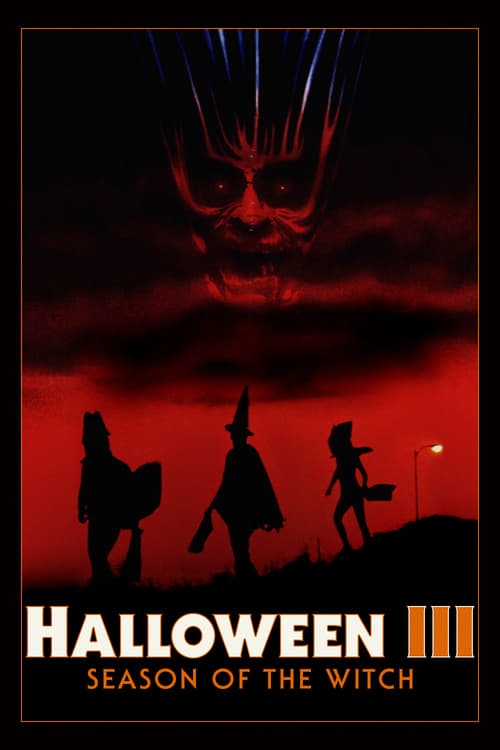
Halloween III is the one everyone wrote off too fast
Halloween III: Season of the Witch was punished for not being a Michael Myers film. That is exactly what makes it interesting. A standalone folk-horror conspiracy about a toy company encoding death in mass-produced masks, it plays like Philip K. Dick had a nightmare about American consumerism. The Silver Shamrock jingle lodges in your skull and stays there. John Carpenter and Debra Hill always intended an anthology format; audiences rejected it, and horror lost something stranger and more ambitious than the franchise that replaced it.
The deeper cuts: October films worth tracking down
Not cult obscurities, just films that never got the poster space they earned
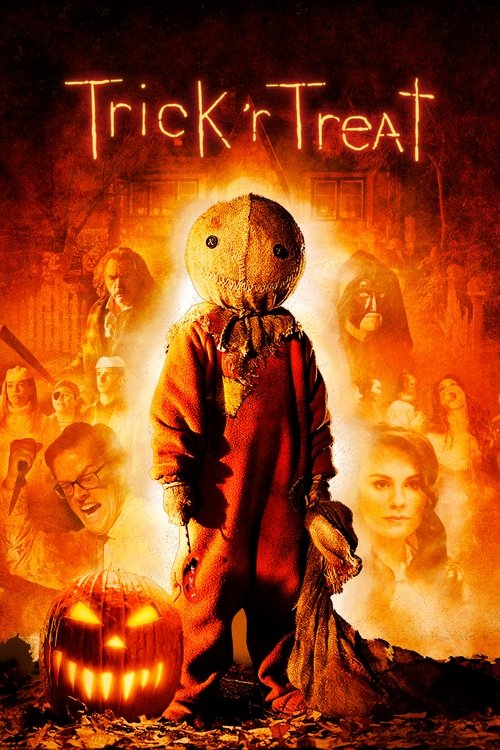


Trick 'r Treat is the best Halloween film nobody argues about
Trick 'r Treat was shot in 2006 and sat unreleased for two years, which is one of the more baffling decisions in recent horror history. It is the definitive Halloween anthology film: four interlocking stories set on the same October night, each knowing exactly what it wants to do and doing it with confidence. Sam, the small figure in the burlap costume, is the best new horror icon of the 2000s. This film should be as much a seasonal fixture as It's the Great Pumpkin, Charlie Brown. It very nearly is, through word of mouth alone.
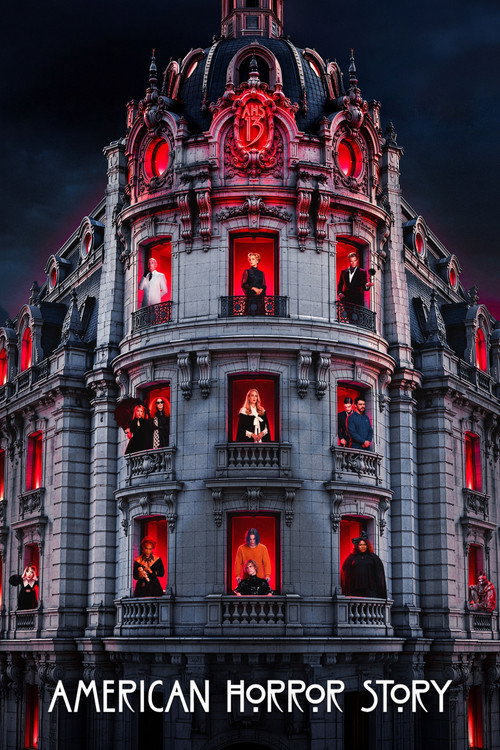
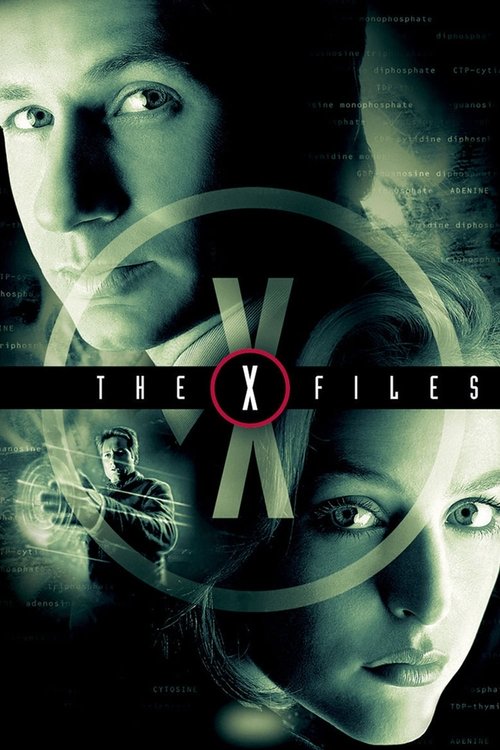
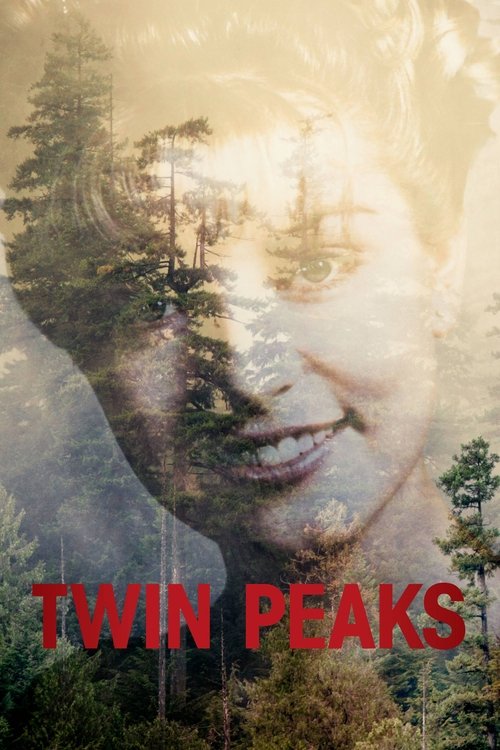
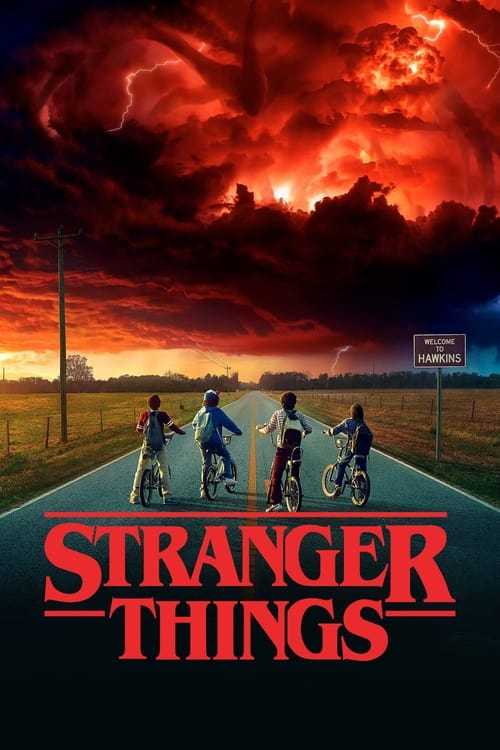
Television: the season in series form
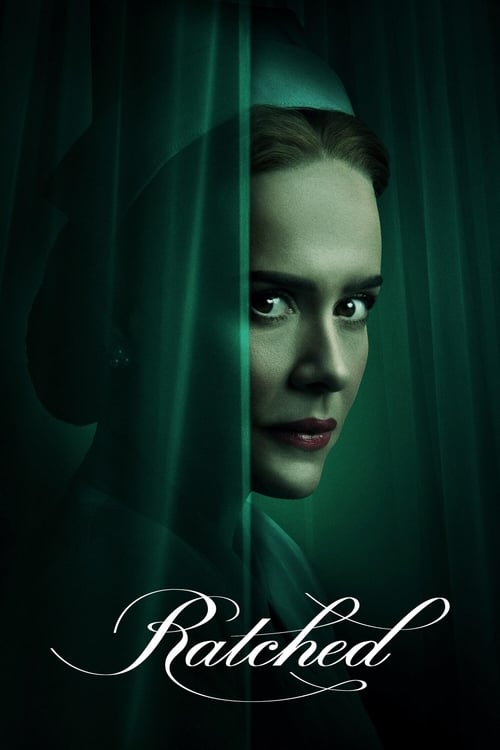
From anthology dread to prestige horror, the small screen earns its scares
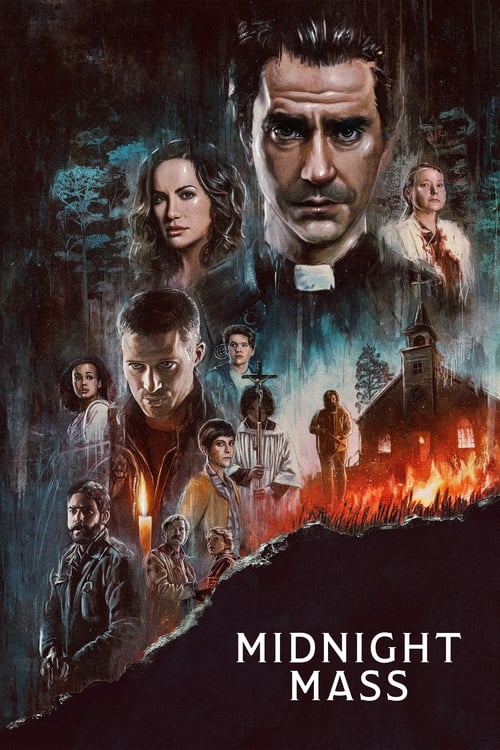
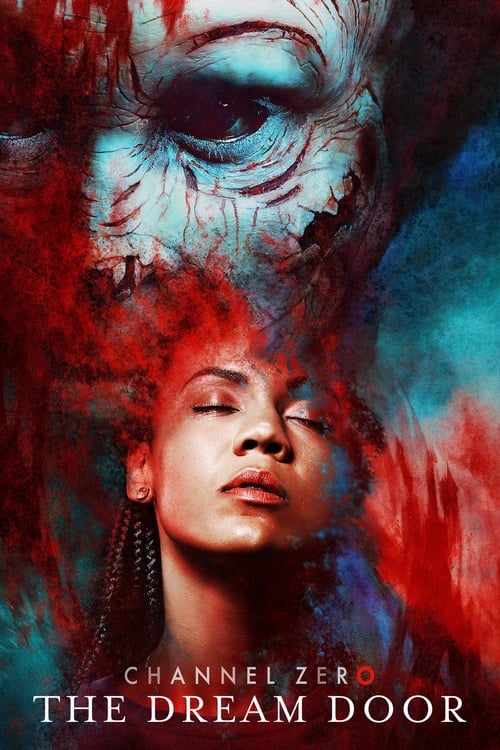
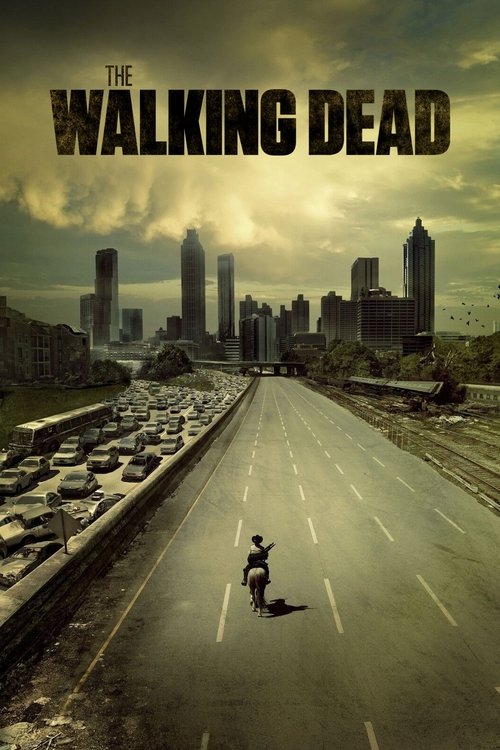
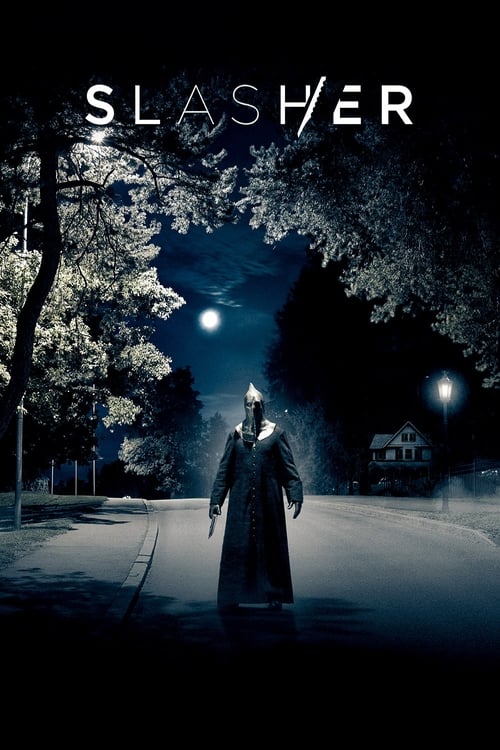
Horror on screen: a skeleton history
- 1922Nosferatu establishes the monster film Nosferatu
- 1931Universal Horror: Dracula and Frankenstein launch the genre Dracula
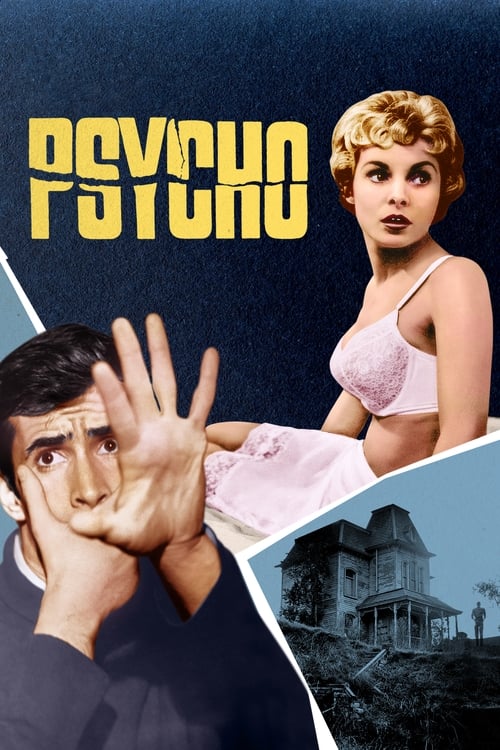
- 1960Psycho rewrites the rules of who can die and when Psycho
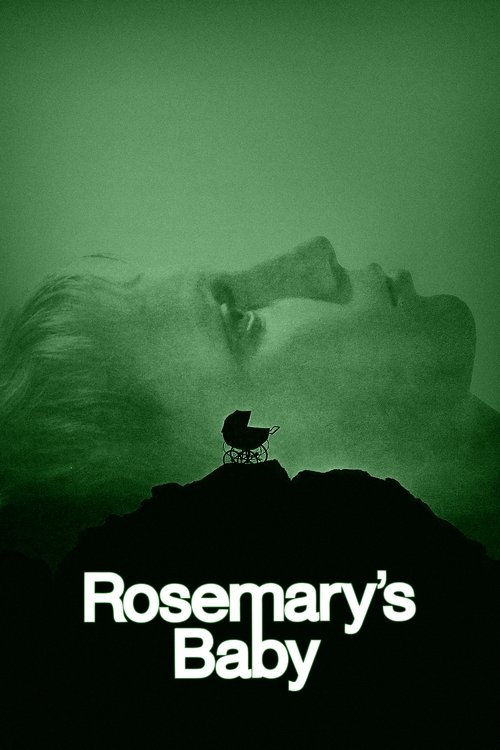
- 1968Rosemary's Baby makes paranoia respectable Rosemary's Baby
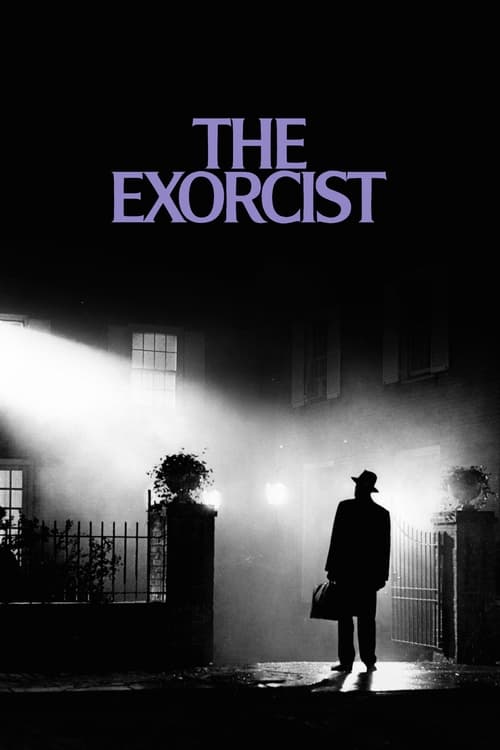
- 1973The Exorcist becomes the highest-grossing horror film to that date The Exorcist
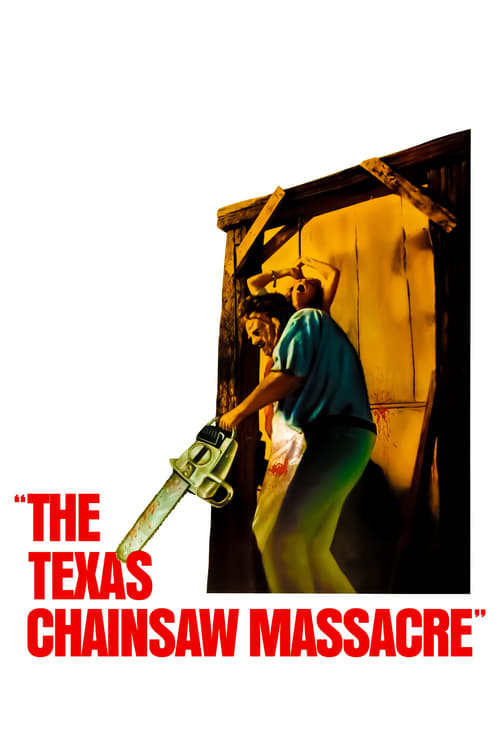
- 1974The Texas Chain Saw Massacre invents grimy realist horror The Texas Chain Saw Massacre
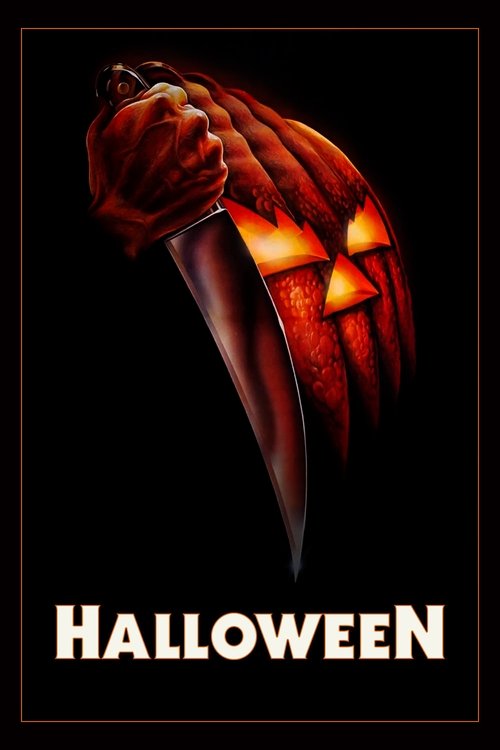
- 1978Halloween defines the slasher template Halloween
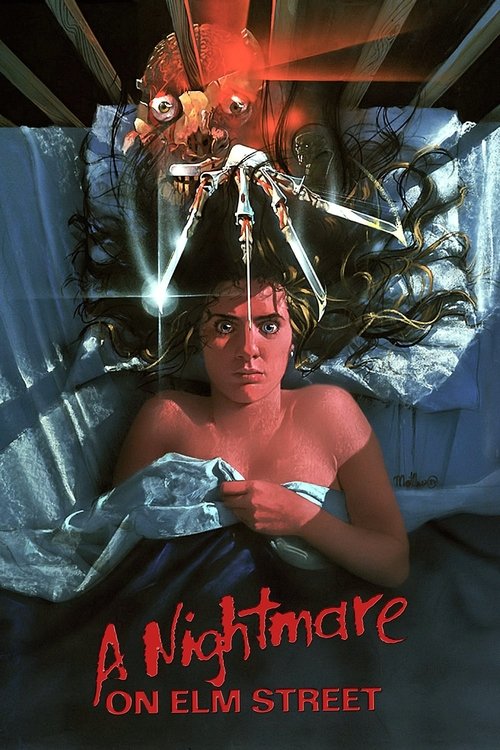
- 1984A Nightmare on Elm Street brings surrealism into the multiplex A Nightmare on Elm Street
- 1999The Blair Witch Project launches found-footage horror The Blair Witch Project
- 2009Paranormal Activity proves the form can still terrify Paranormal Activity
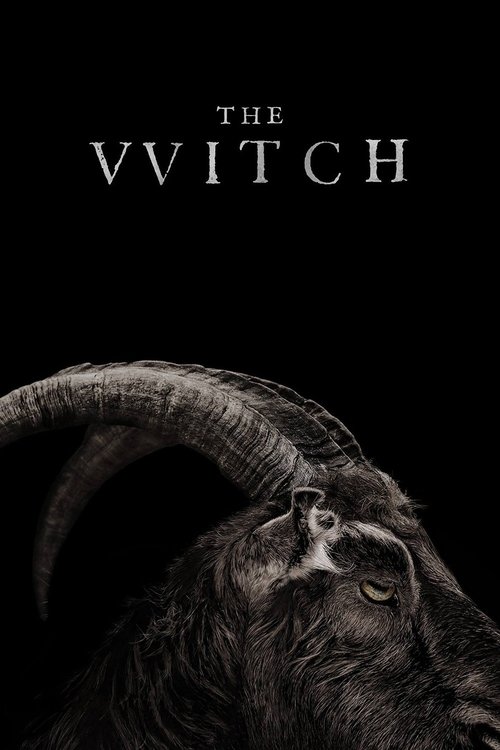
- 2015The Witch signals prestige horror arriving in earnest The Witch
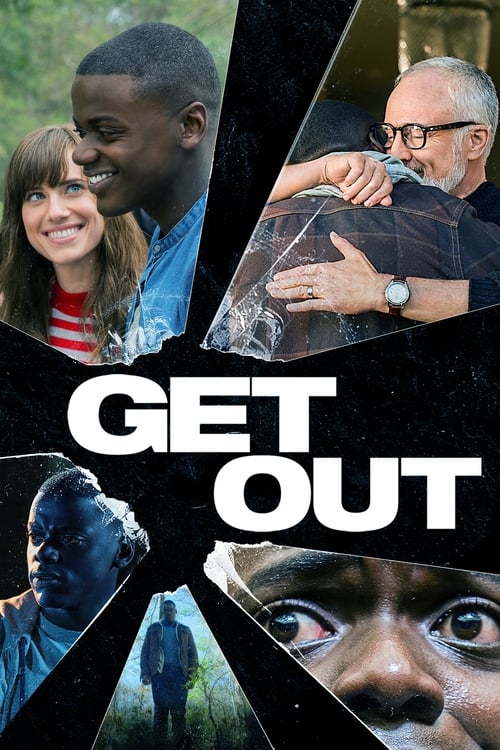
- 2017Get Out fuses social satire with horror and wins the Oscar for it Get Out
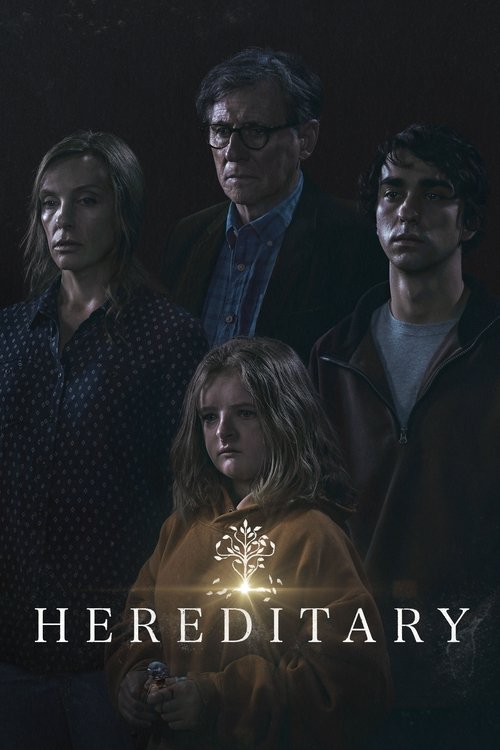
- 2018Hereditary reshapes what studio horror can look like Hereditary
On the page: the horror canon in books
The novels and stories that built the season's iconography before the cameras arrived


Ray Bradbury's October Country is the Halloween bible nobody treats as one
Ray Bradbury spent his career writing about October as a state of mind, and Something Wicked This Way Comes is the obvious entry point. But The October Country, his short story collection, is the one that rewards rereading. The stories are not scary in any conventional sense. They are melancholy and strange, inflected with the kind of sadness that Halloween actually evokes when you pay attention. Every horror fan who has not read Bradbury is missing the emotional vocabulary that makes the best October films resonate. He is where the season's tone comes from.
The best horror is never about the monster. It is about the moment before you know what the monster is.CrossBinge editorial
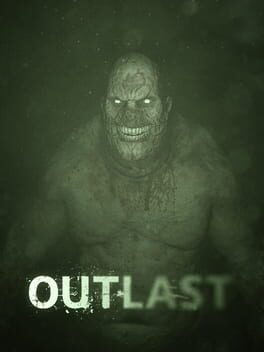
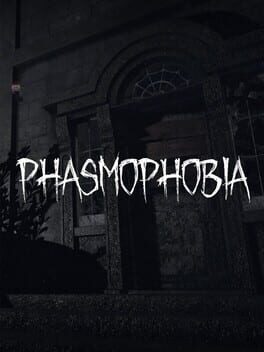
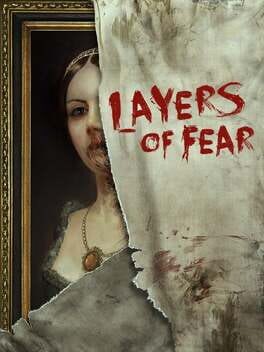
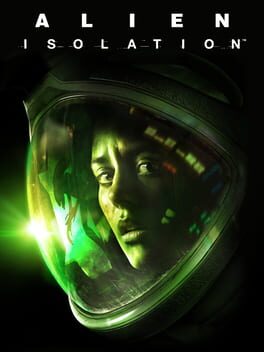
Games: fear as a player's problem
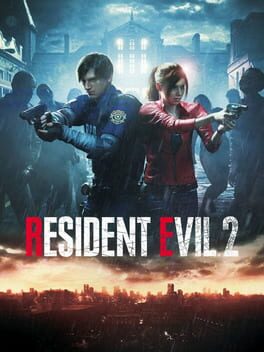
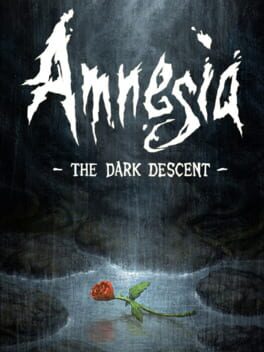
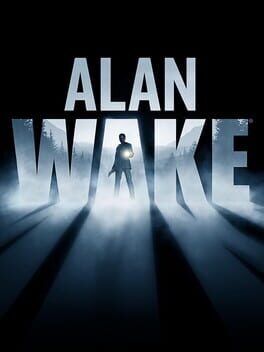
When you hold the controller, the dread is yours alone to carry

Where to start if you're new to all of this
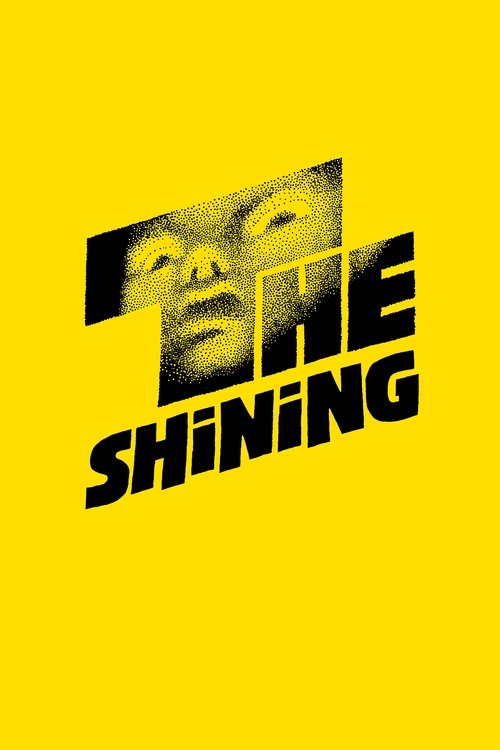
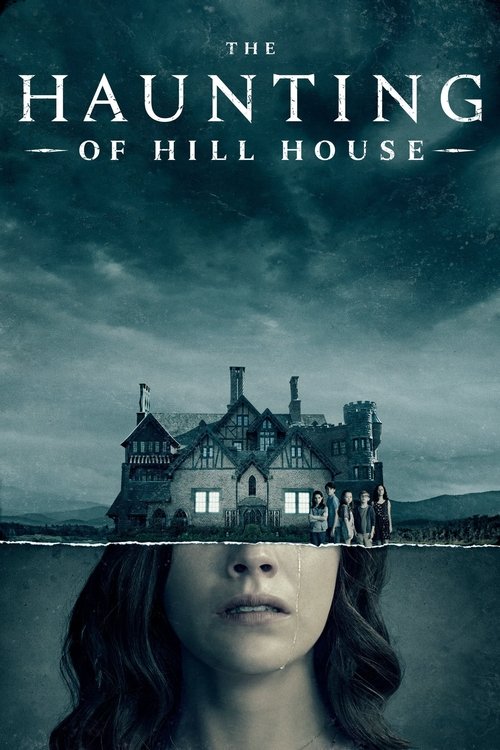
Begin with John Carpenter's Halloween (1978). Not because it is the best horror film ever made, but because everything else in this guide is either building on it, reacting against it, or doing something it could not do. After that, watch The Shining to understand what the form can become when a literary director and a monstrous budget meet a King novel. Then read The Haunting of Hill House (the novel, Shirley Jackson, 1959) and watch the Netflix series back to back. The series is a masterwork of adaptation: it keeps the emotional core and completely rethinks the plot, which is exactly the right call. From there, the rest of this guide is yours to navigate in any order. October is long enough.