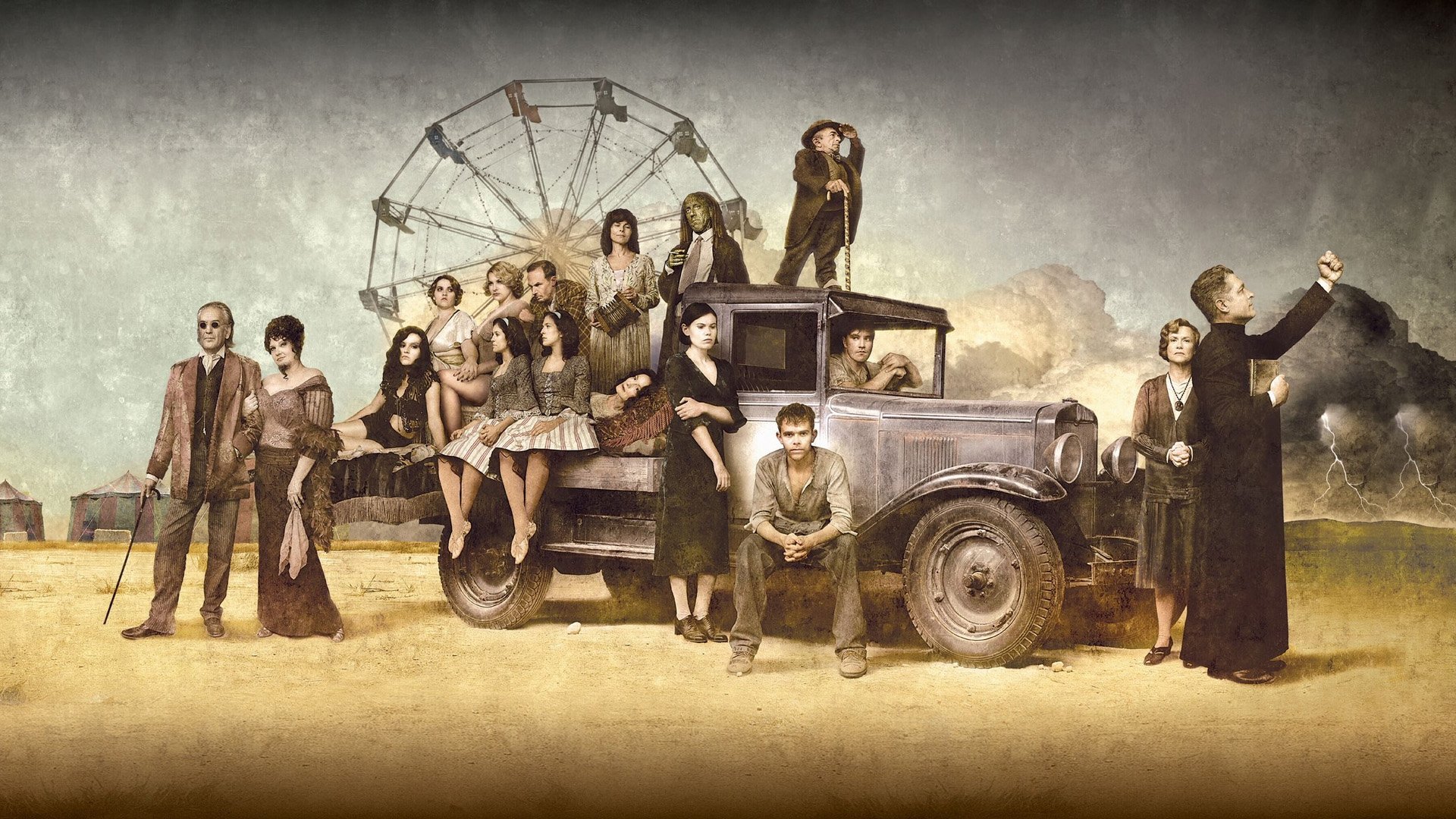

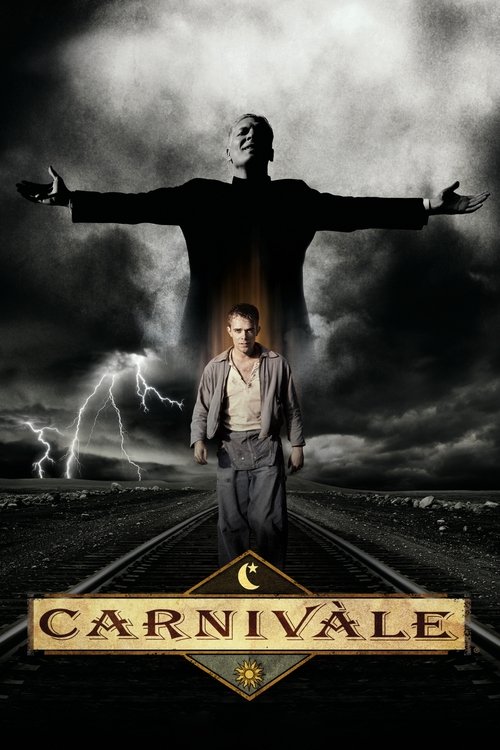
Carnivale ran for two seasons on HBO (2003-2005) and left an outsized mark on everyone who found it. Created by Daniel Knauf, it follows Ben Hawkins, a young man with mysterious healing powers who joins a Depression-era traveling carnival after his mother dies, while a charismatic preacher named Brother Justin Crowe grapples with darker gifts on the other side of the country. The show is slow, strange, and densely symbolic: Tarot imagery, Masonic lore, and Manichean theology woven into the grime of the Oklahoma Dustbowl. What fans chase is a specific mood: the sense that the ordinary world has a hidden architecture of fate, that carnivals and camp meetings are thin places where something ancient bleeds through. This page maps where to find that feeling across every medium.
Essential Carnivale
The show itself, and where to start if you are arriving cold.
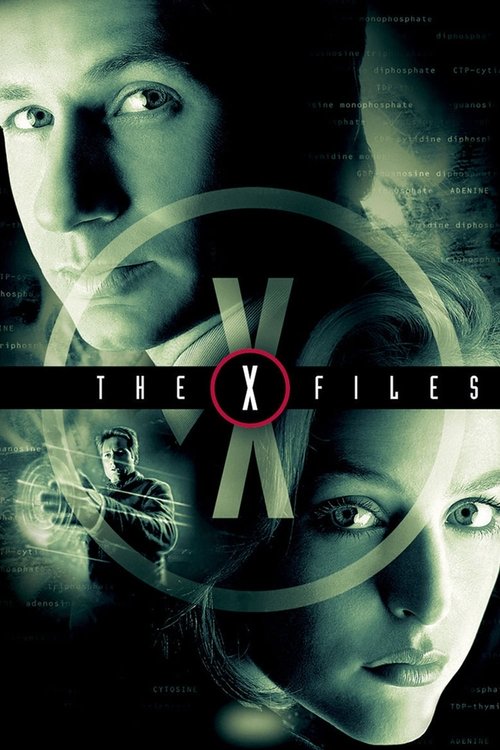
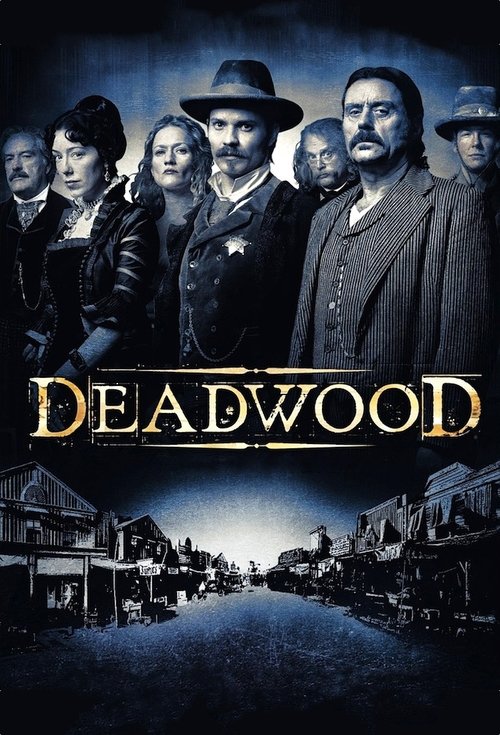
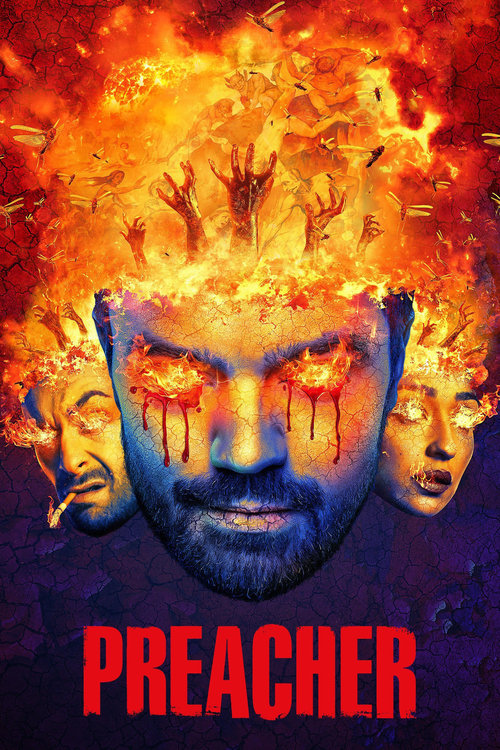
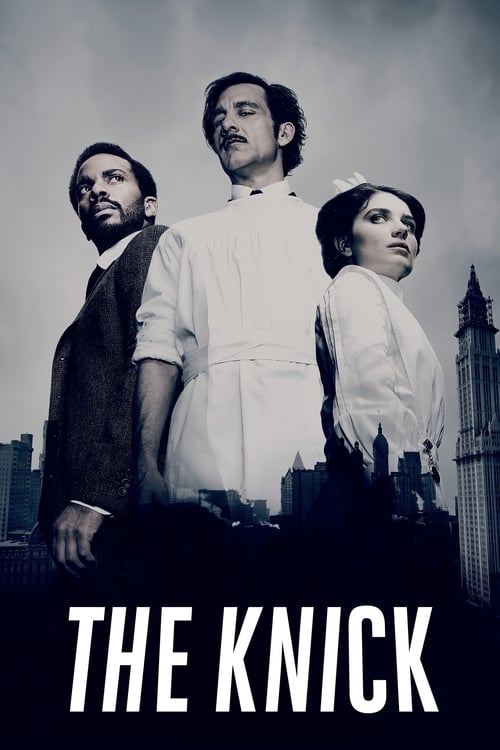
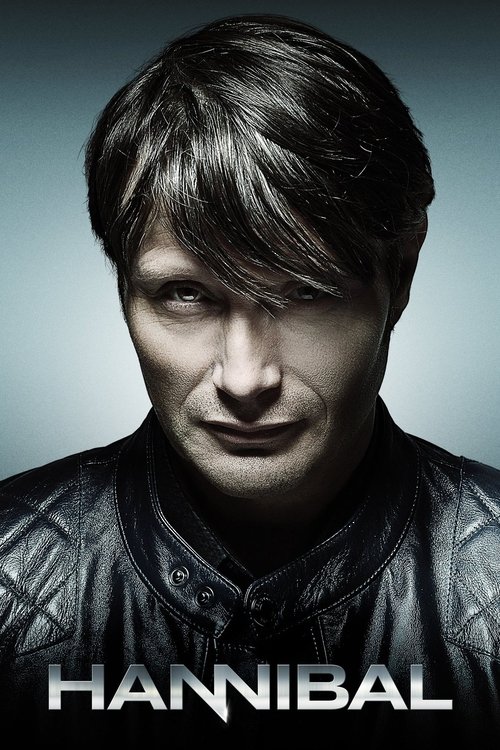
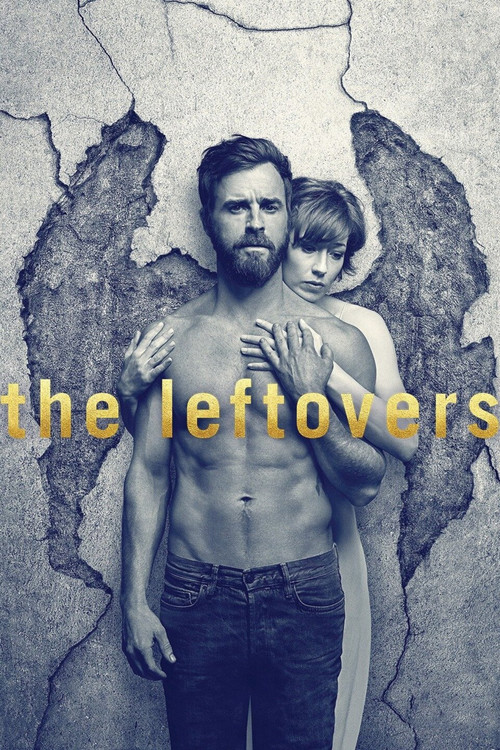
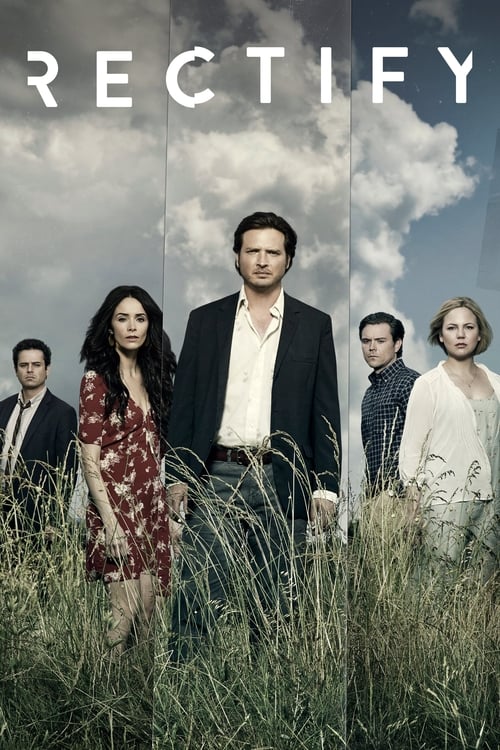
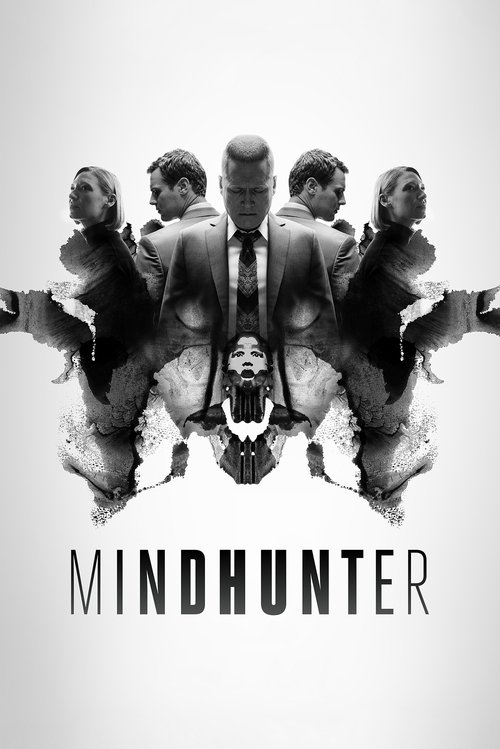
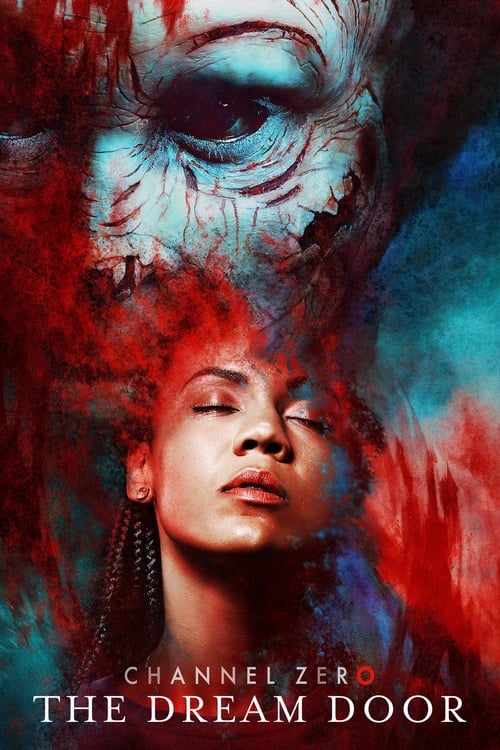
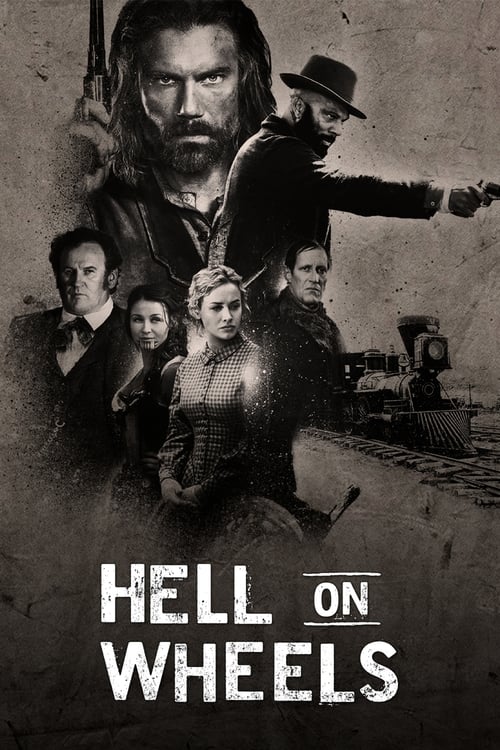
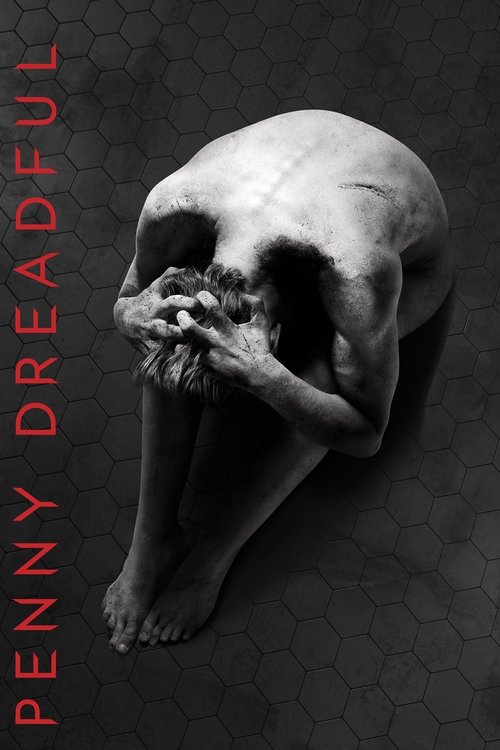
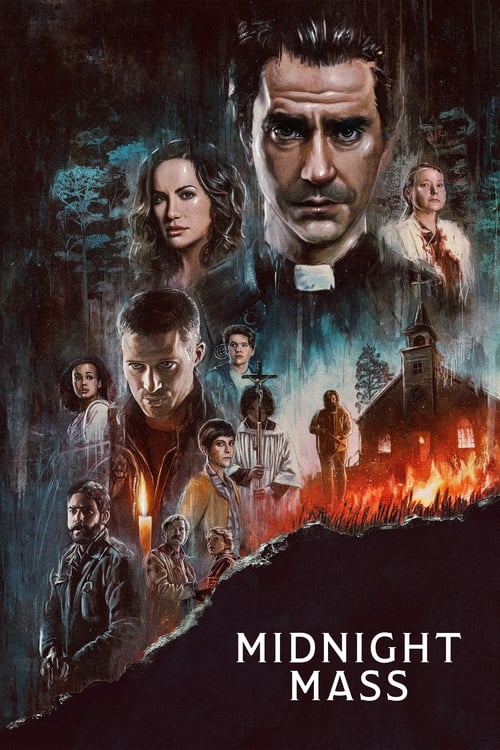
Slow Burn Supernatural: Series That Share the DNA
Television that builds myth quietly, never explains itself fully, and trusts the viewer to sit with dread.
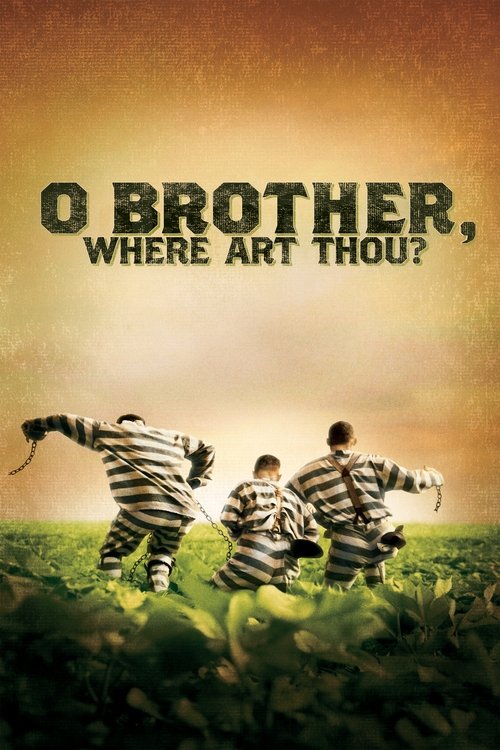
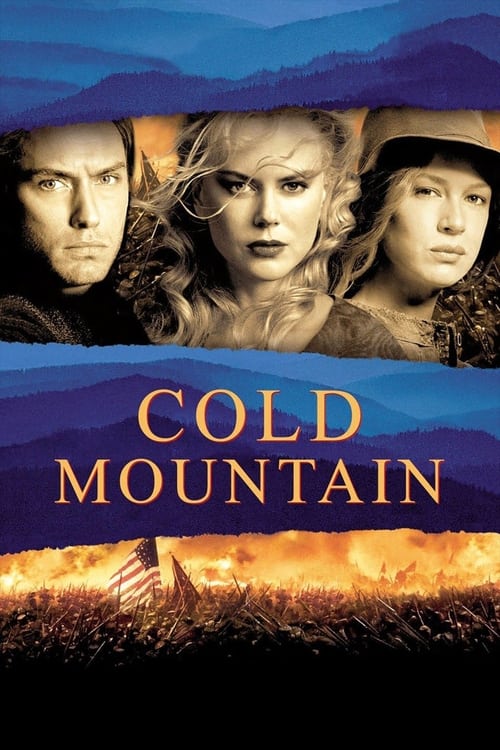
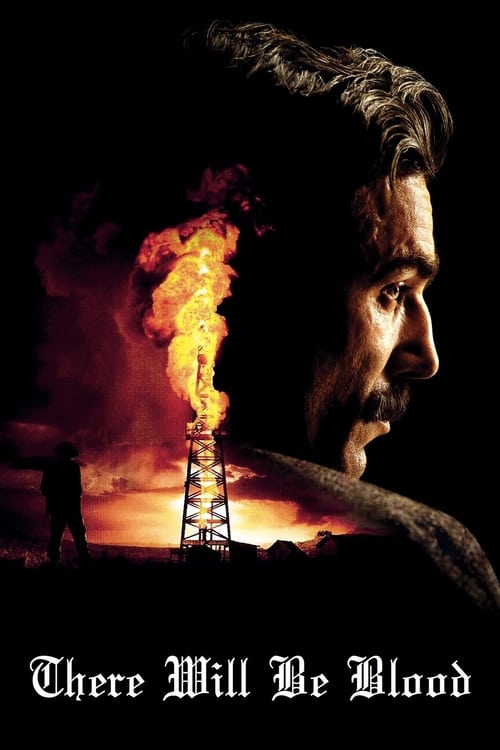
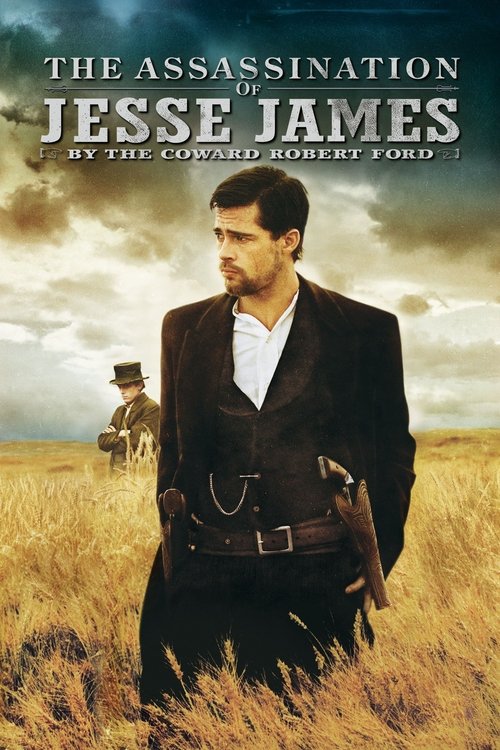
Period Darkness on Screen: Films in the Same Shadow
Movies rooted in American history that carry the same gothic weight, moral ambiguity, and dusty dread.
The Books Behind the Feeling
Novels that traffic in the same American gothic restlessness: itinerant lives, fallen prophets, and the sacred hiding inside the profane.


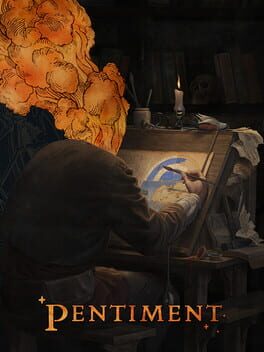
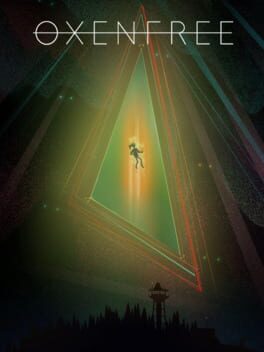
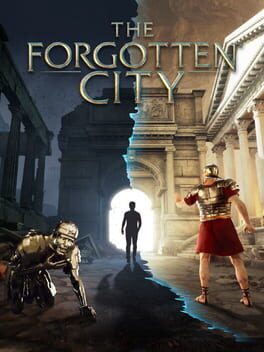
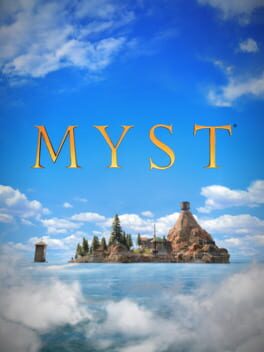
Games for the Haunted and Patient
Games that reward slow attention, build atmosphere through detail, and put moral weight on every choice.
The Carnival Is Always a Liminal Space
Carnivale understood something Ray Bradbury wrote about in Something Wicked This Way Comes and that few screen adaptations have captured: the traveling carnival is not just a backdrop but a symbol. It exists between towns, between times, between the respectable and the outcast. The freaks and geeks on its payroll are people the settled world rejected, which makes the carnival simultaneously a refuge and a trap. Ben Hawkins cannot leave even when he wants to. The carnival keeps him because the carnival has a function, and so does he.
Brother Justin Is the Villain American Protestantism Deserves
Clancy Brown's Brother Justin Crowe is one of the great antagonists in prestige television: a man who genuinely believes he serves God while his gifts point somewhere else entirely. The show is interested in how charisma and theological conviction can be indistinguishable from corruption. Elmer Gantry covered the same territory in print decades earlier. There Will Be Blood gives it the oil-boom American register. The Leftovers handles the grief and community fracture that follows when faith cannot explain the unexplainable.
Bloodborne Is the Closest a Game Has Come to This Tone
If Carnivale had a game equivalent, Bloodborne is the closest candidate. Both are set in a world where the architecture of the supernatural has been there all along, hiding inside ordinary religious imagery. Both deny the player or viewer easy explanations. Both end on notes that feel less like resolution and more like the first breath of something larger. The difference is that Bloodborne gives you more agency than Carnivale did, and fewer episodes to mourn when it stops.
American Gods Inherits the Mantle
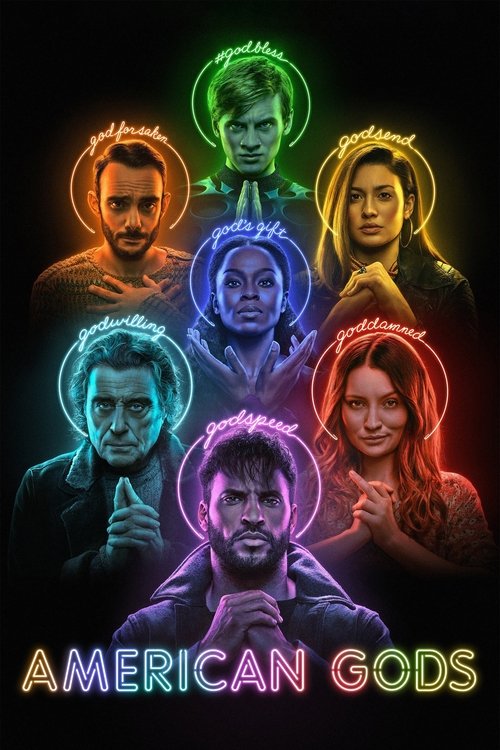
Neil Gaiman's novel American Gods and its Starz adaptation share Carnivale's premise almost exactly: old powers are stirring in the American landscape, and one reluctant man is caught between factions he does not fully understand. The novel is stronger than the series, but both are worth your time if you have burned through Carnivale twice and still need the feeling. Where Carnivale is dustbowl and silence, American Gods is roadside kitsch and immigrant mythology. Same hunger, different flavor.
A Timeline of American Gothic on Screen and Page
- 1927Sinclair Lewis publishes Elmer Gantry, the template for the charismatic corrupt preacher in American fiction. Elmer Gantry
- 1939Steinbeck's The Grapes of Wrath sets the Dustbowl landscape Carnivale would later inhabit. The Grapes of Wrath
- 1952Flannery O'Connor publishes Wise Blood, the foundational American gothic novel about faith, violence, and self-destruction. Wise blood
- 1962Ray Bradbury's Something Wicked This Way Comes establishes the traveling carnival as a gothic symbol in American fiction. Something Wicked This Way Comes
- 1985Outer Dark by Cormac McCarthy extends Southern gothic dread into landscape and myth. Outer dark
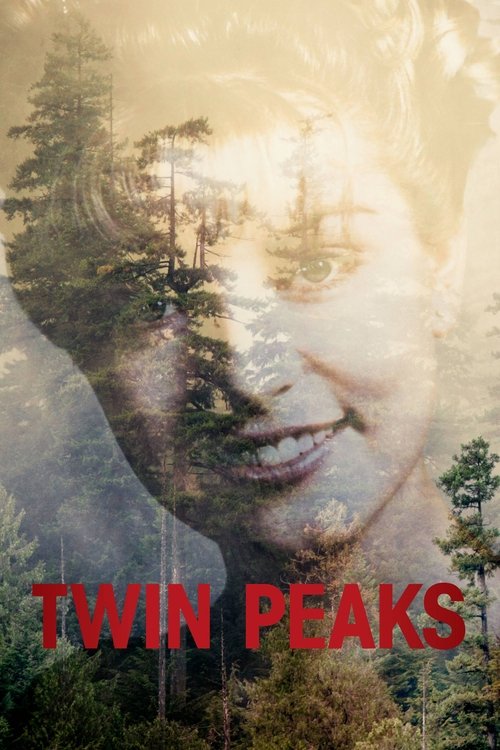
- 1990Twin Peaks airs, proving that network television can sustain supernatural slow-burn mystery across a whole community. Twin Peaks
- 2001Neil Gaiman publishes American Gods, the closest novel parallel to Carnivale's cosmic-war premise. American Gods
- 2003Carnivale premieres on HBO. Two seasons, cancelled before the planned six-season arc could conclude. Carnivàle
- 2007There Will Be Blood: Paul Thomas Anderson makes the definitive film about American religious authority built on violence and self-deception. There Will Be Blood
- 2015Bloodborne reframes the gothic supernatural as a game: slow, punishing, and full of cosmic horror the player can only partly understand. Bloodborne
- 2017Twin Peaks: The Return raises the bar for what a prestige TV revival can do with eighteen years of accumulated mythology. Twin Peaks
- 2019Kentucky Route Zero completes its five-act run: the most Carnivale-adjacent game ever made in terms of mood and American marginalia. Kentucky Route Zero
Dustbowl mysticism and dark magic
For Fans of American Gods
Explore the For Fans of American Gods guide →The show never explained itself because it understood that explanation is the enemy of myth. Carnivale trusted you to feel it before you parsed it, and that trust is what made it unforgettable.CrossBinge editorial