
Bluegrass lives in the space between memory and velocity. Bill Monroe codified it in the 1940s with a sound that felt ancient and urgent at once: fiddle, banjo, mandolin, upright bass, and guitar locked into tight acoustic interplay, voices stacked in high lonesome harmonies that could crack plaster. The genre drew from Appalachian old-time, African American blues, Scottish-Irish balladry, and gospel, and it never stopped absorbing. Lester Flatt and Earl Scruggs took Monroe's blueprint and made it a national phenomenon. Clarence White pushed it toward rock. Bela Fleck pushed it toward jazz. Alison Krauss pushed it toward mainstream country and brought millions along. What connects all of it is a shared fidelity to acoustic string sound, virtuosic individual playing, and songs that mean what they say.
Roots and Relatives: Folk and Americana
Music that shares the DNA and the hunger for acoustic truth
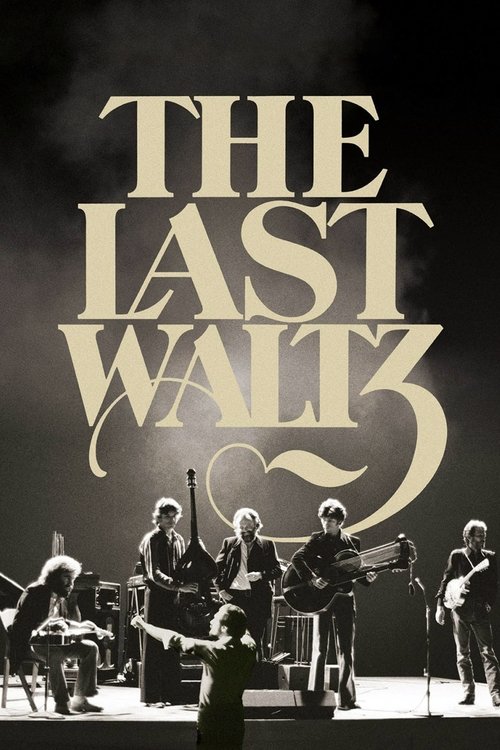
Music Documentaries and Concert Films
Watch the hands, hear the story


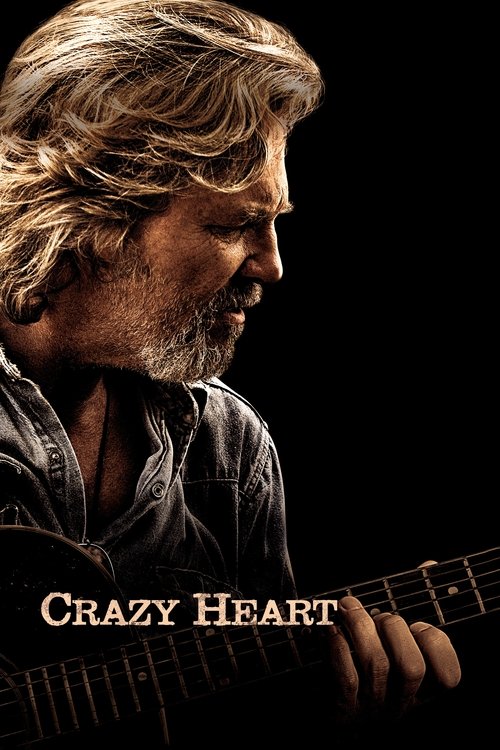
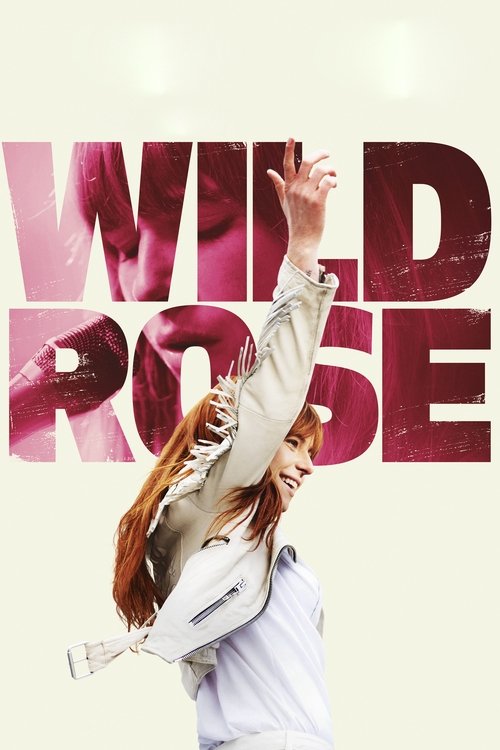
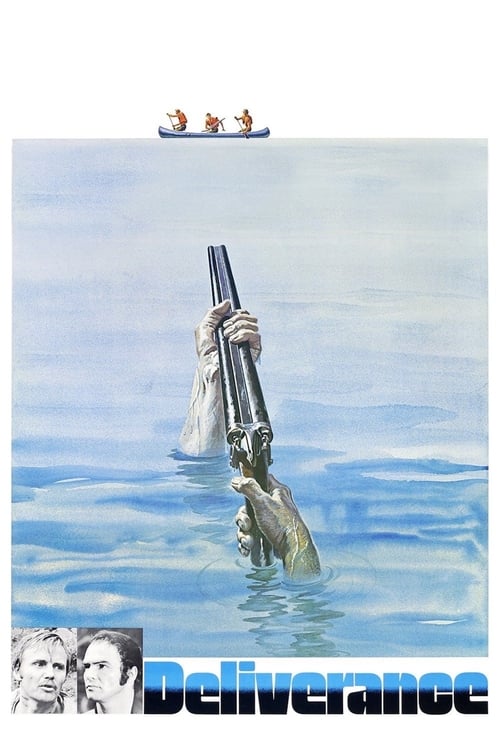
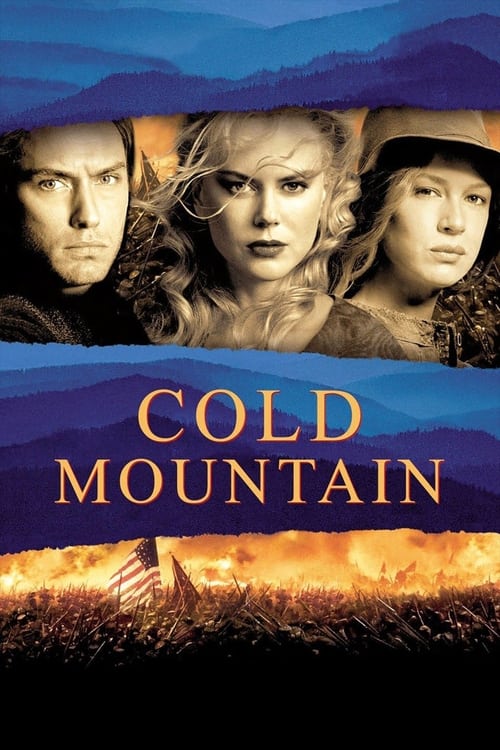
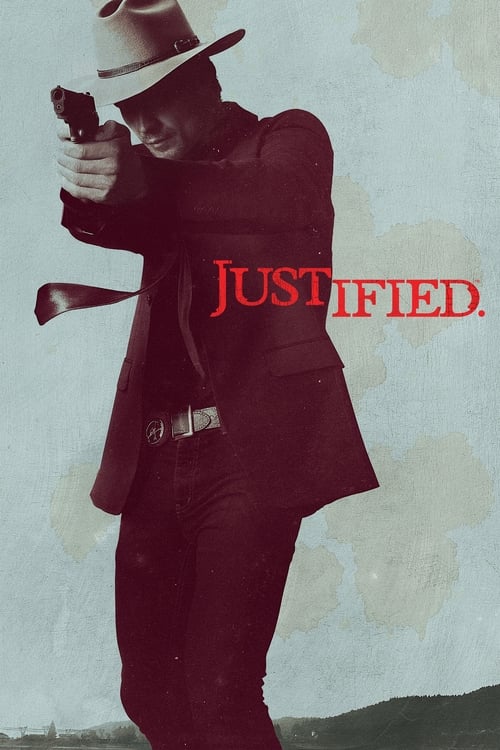
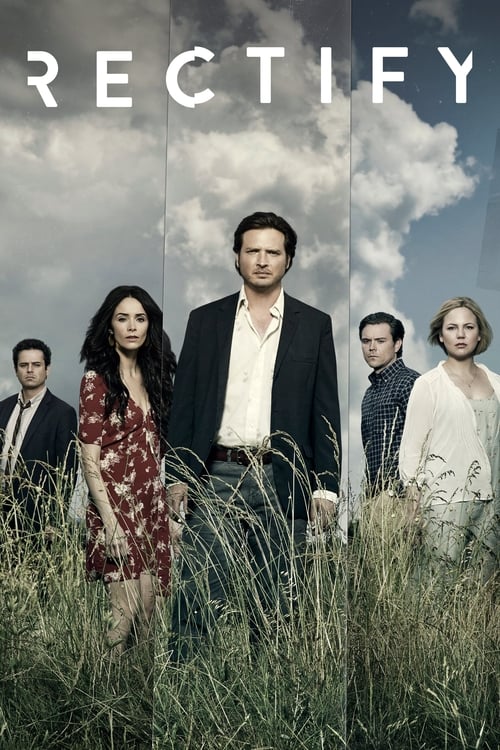
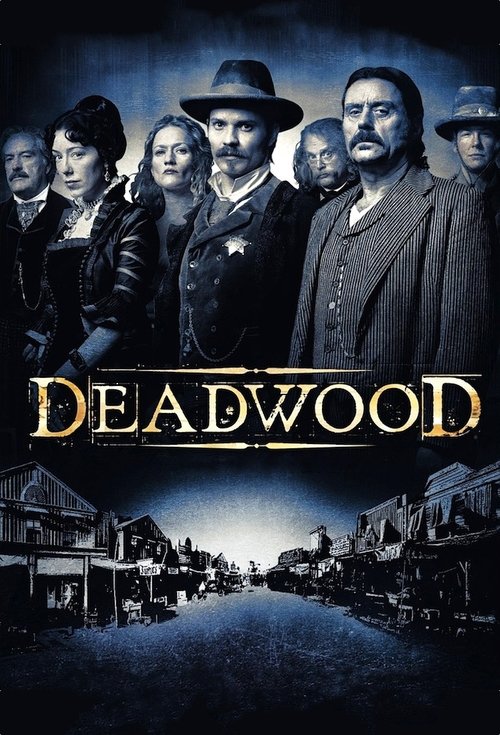
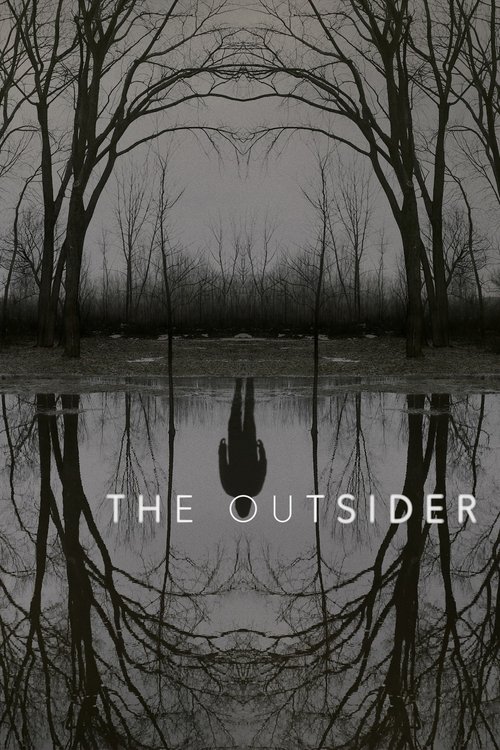
Films and Series with the Same Rootsy Energy
Mountain air, moral weight, and the American vernacular
Games That Hit the Same Chord
Rhythm, storytelling, and roots-music vibes in game form
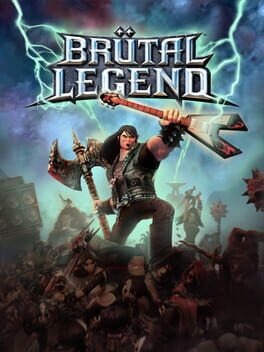
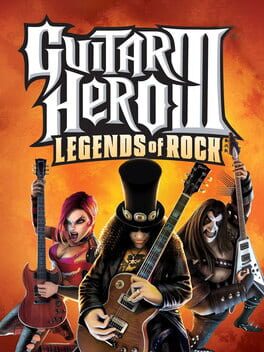
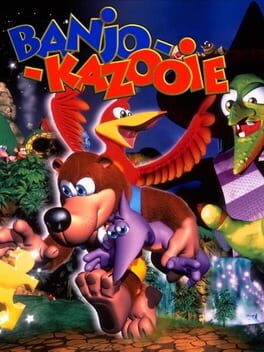
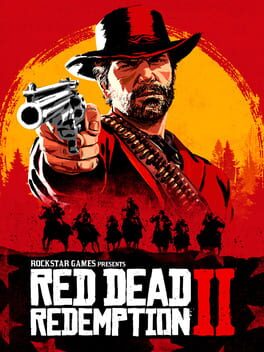
Alison Krauss Is the Genre's Greatest Crossover Without Being a Sellout
Pop production and radio success usually extract artists from their roots. Krauss went the other direction: she brought bluegrass clarity of tone, arrangement, and phrasing into mainstream spaces and made them better. Her production choices on Union Station albums are as disciplined as any acoustic traditionalist's. She proved the genre was not a niche but a standard.
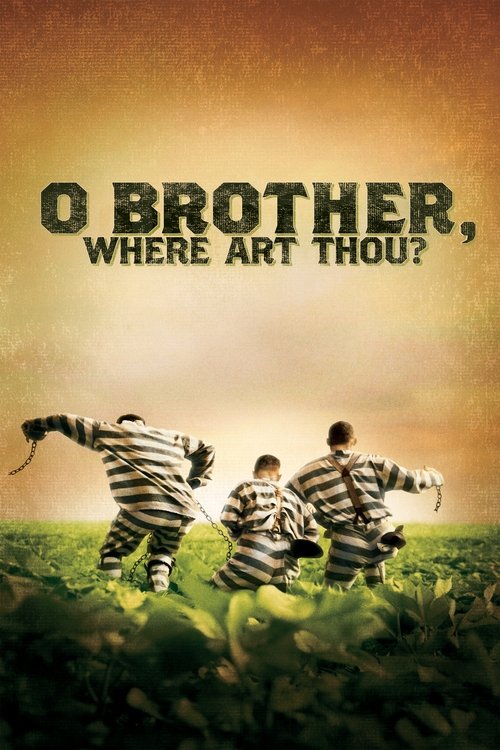
O Brother Changed Who Gets to Love This Music
The Coen Brothers' soundtrack for O Brother, Where Art Thou? (produced by T Bone Burnett) put bluegrass and old-time string music in front of audiences who had never considered it. Its success was a useful reminder that the barriers keeping listeners away from acoustic roots music are cultural, not aesthetic. People loved the sound immediately when context changed.
Kentucky Route Zero Is the Video Game Equivalent of a Bluegrass Song
Not because it features banjos (it does), but because it shares the structural instincts: elliptical narrative, a journey through a landscape that is more mythic than literal, characters carrying weight they cannot name. The game's Bedquilt Ramblers radio station is an obvious wink, but the deeper connection is the mood. Both the genre and the game believe silence and space carry meaning.
Bluegrass: A Timeline
- 1939Bill Monroe forms the Blue Grass Boys, the band that names the genre
- 1945Lester Flatt and Earl Scruggs join Monroe, cementing the classic lineup
- 1948Monroe records 'Blue Moon of Kentucky,' later cut by Elvis Presley
- 1948Flatt and Scruggs leave Monroe to form the Foggy Mountain Boys
- 1962Flatt and Scruggs record the Beverly Hillbillies theme, a mainstream breakthrough
- 1965Ralph and Carter Stanley define the high lonesome sound on Clinch Mountain Country
- 1969Nitty Gritty Dirt Band begins bridging bluegrass and rock audiences
- 1972Will the Circle Be Unbroken sessions unite old-time legends with rock-era musicians
- 1975Old and In the Way (Jerry Garcia, David Grisman, Peter Rowan) releases
- 1983New Grass Revival pushes the genre toward jazz and rock
- 1994Alison Krauss wins her first Grammy, opening radio doors for acoustic bluegrass
- 2000O Brother, Where Art Thou? soundtrack sells over 8 million copies O Brother, Where Art Thou?
- 2009Mumford and Sons bring banjo to arena stages worldwide
- 2024Billy Strings and Molly Tuttle represent a young generation carrying the tradition forward
More roots music and frontier tales
For Fans of Folk Music
Explore the For Fans of Folk Music guide →Bluegrass is the only music I know of that came from one man's head. Classical music came from a whole civilization. Jazz is collective. Bluegrass came from Bill Monroe.Jerry Garcia