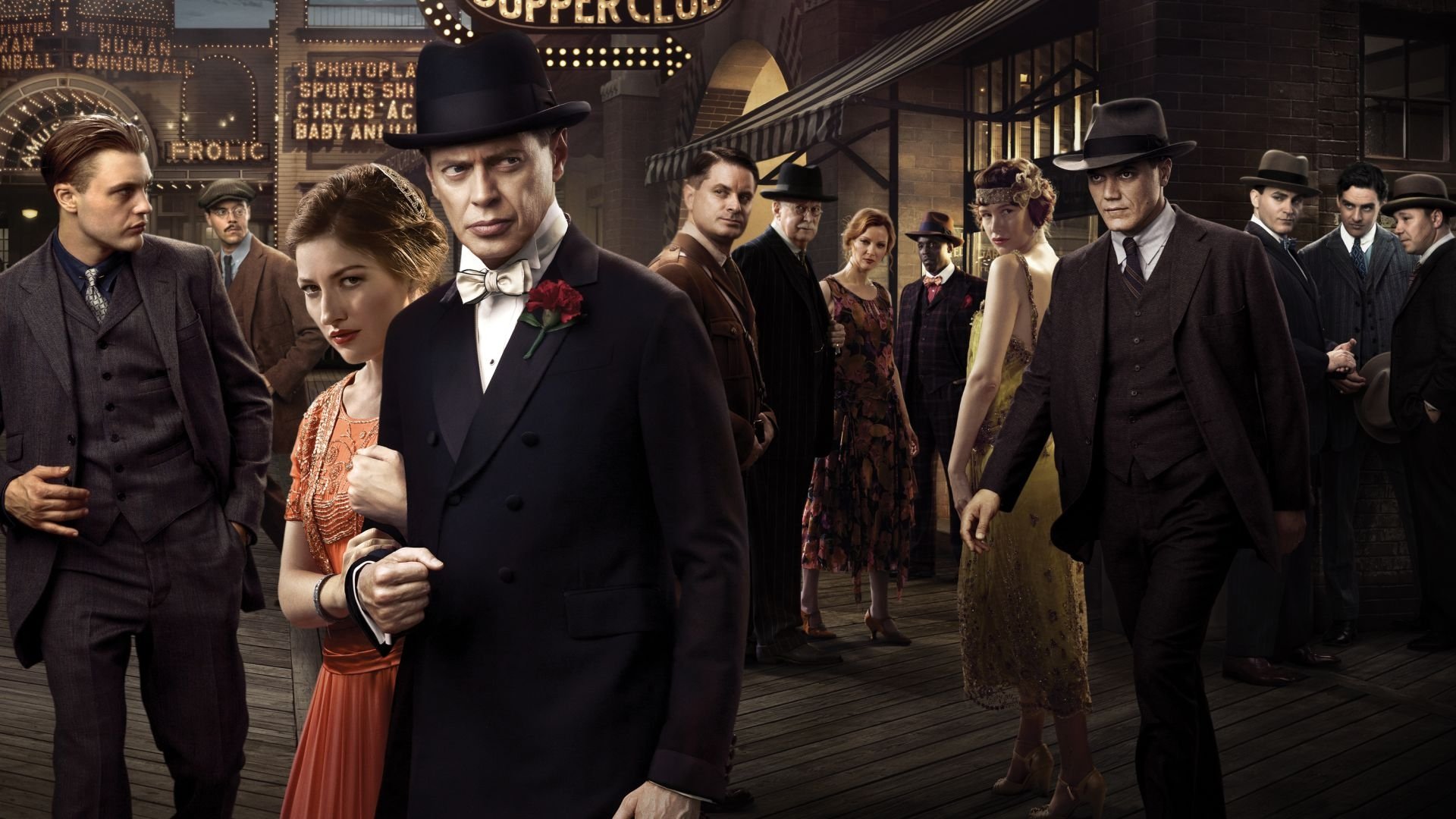

Boardwalk Empire ran for five seasons (2010-2014) on HBO, covering the rise and long fall of Enoch 'Nucky' Thompson, the political boss who turned Atlantic City into a Prohibition goldmine. Steve Buscemi's performance anchors a vast ensemble that includes historical figures (Lucky Luciano, Al Capone, Arnold Rothstein, Meyer Lansky) woven into fictional drama without reducing them to caricature. The show's genius is structural: it treats crime not as spectacle but as governance, showing how corruption is built on favors, debts, and the slow erosion of conscience. Its signature qualities are dense period authenticity, moral ambiguity that never resolves cleanly, and a willingness to let silence carry the weight that lesser shows would fill with gunfire.
The Same Moral Register: Crime Dramas on TV
Series that treat organized crime as politics, not just violence
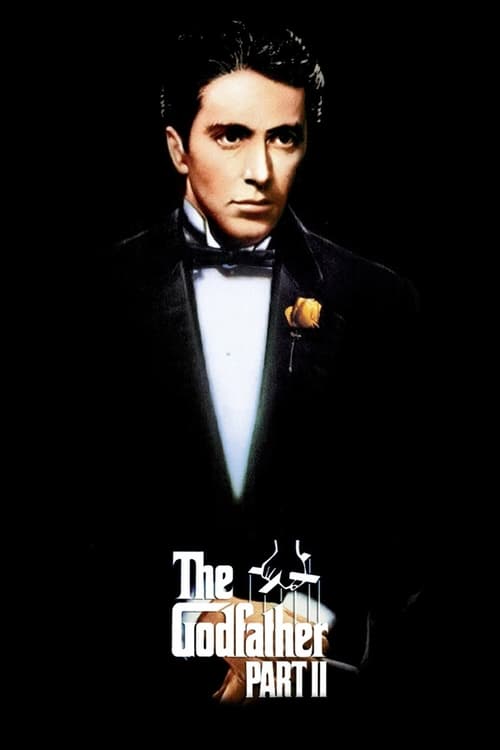
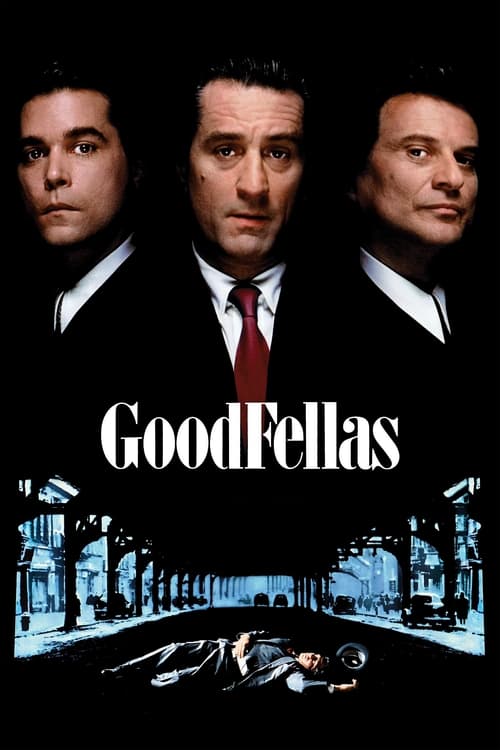
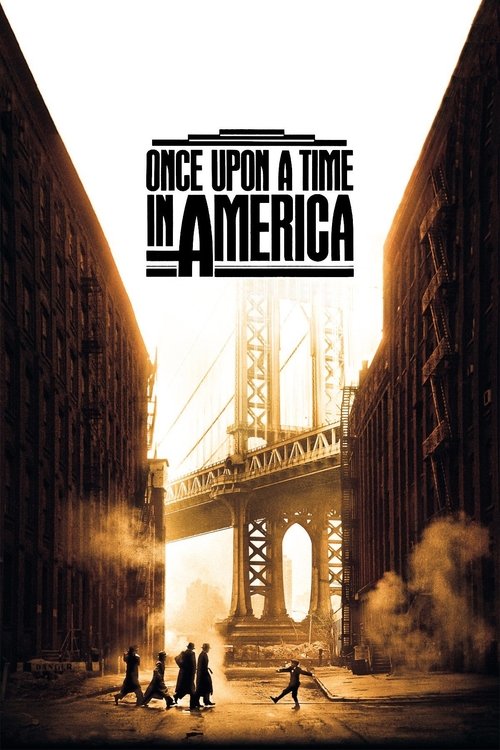
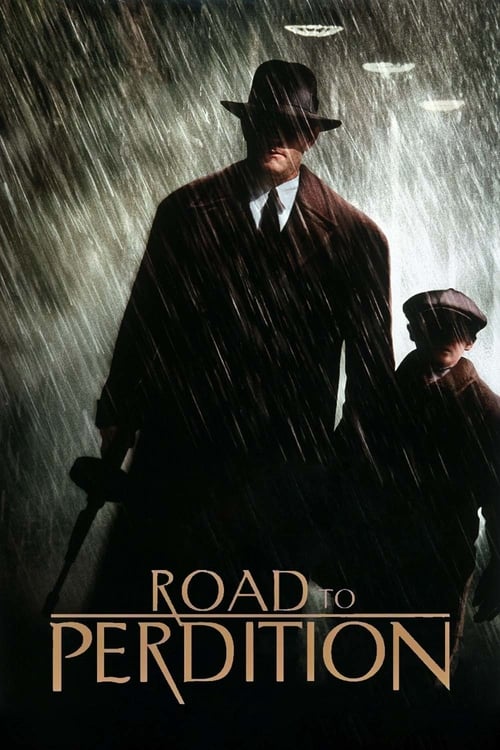
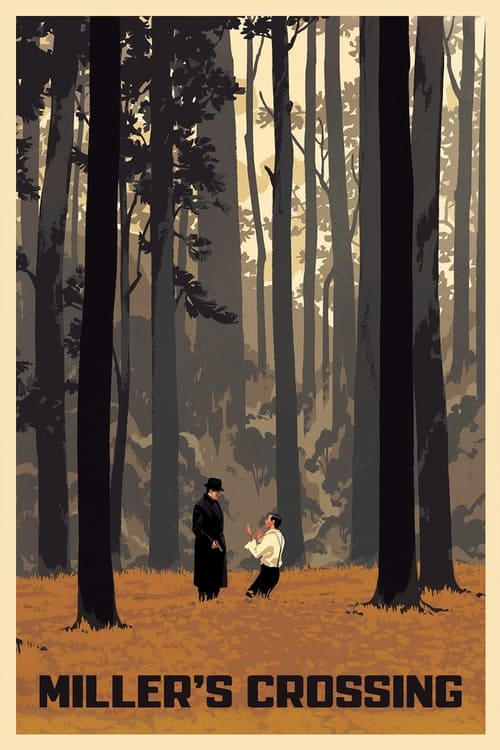
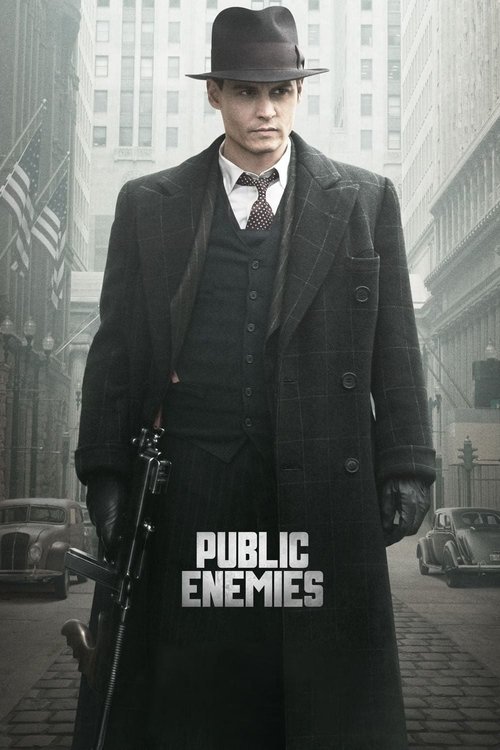
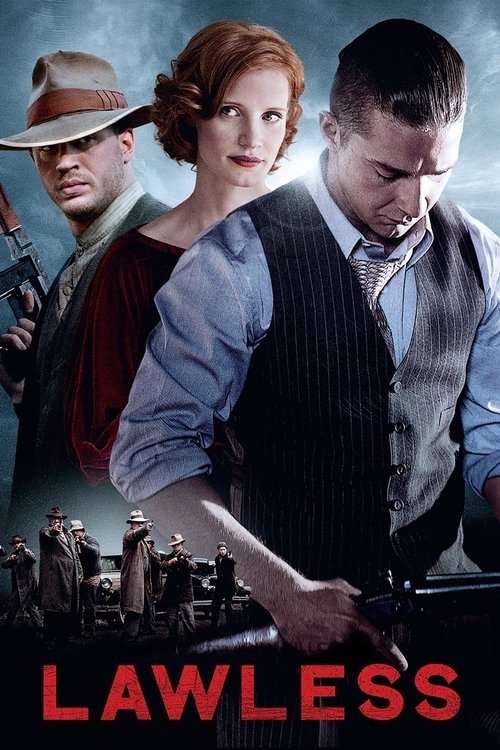
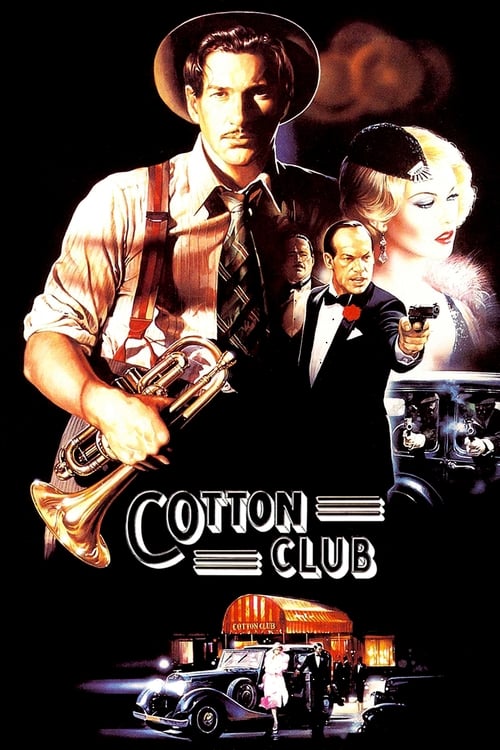
Same Era, Big Screen: Prohibition and Gangster Films
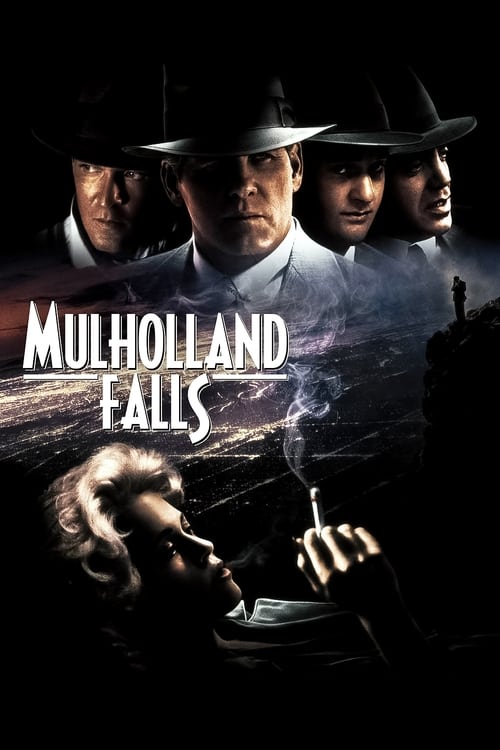
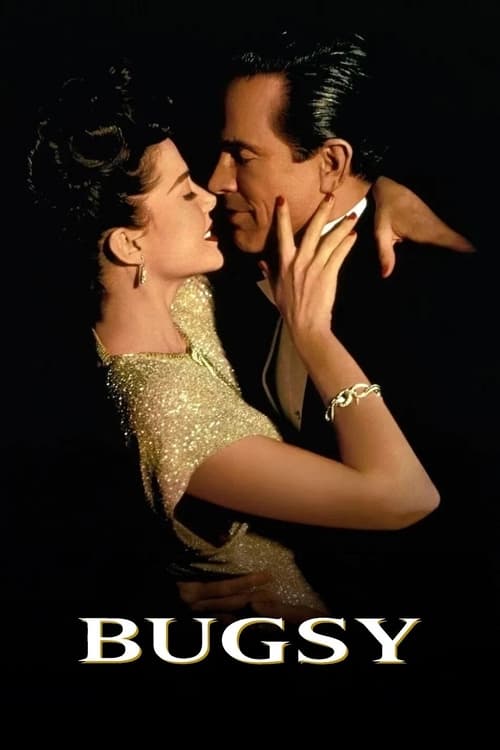
Films that share Boardwalk Empire's period, politics, or criminal world
The Source Material: Prohibition and American Crime in Books
Nonfiction and fiction that map the same world


Power, Corruption, and Atmosphere: Games in the Same Vein
Games that deal in organized crime, period atmosphere, or slow-burn moral weight
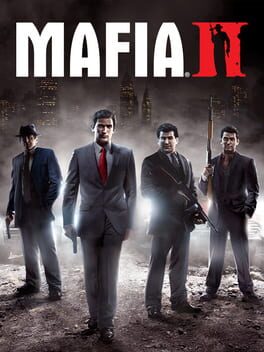
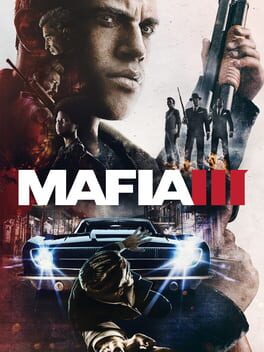
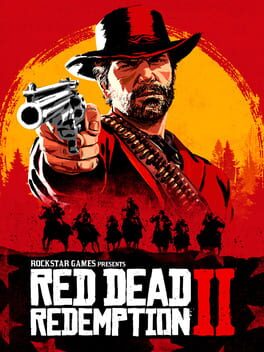
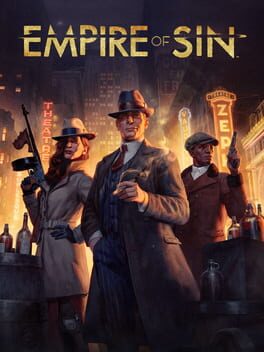
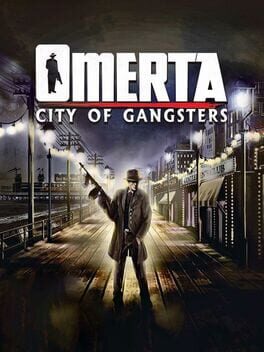
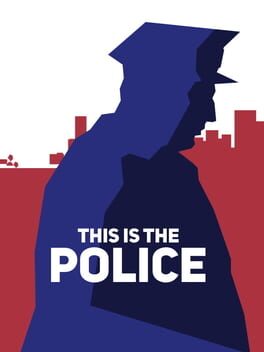
The Sopranos Is the Obvious Comparison. Deadwood Is the Better One.
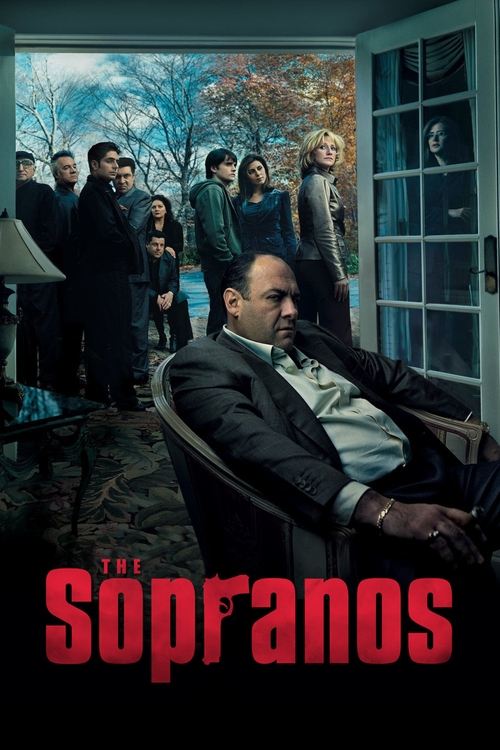
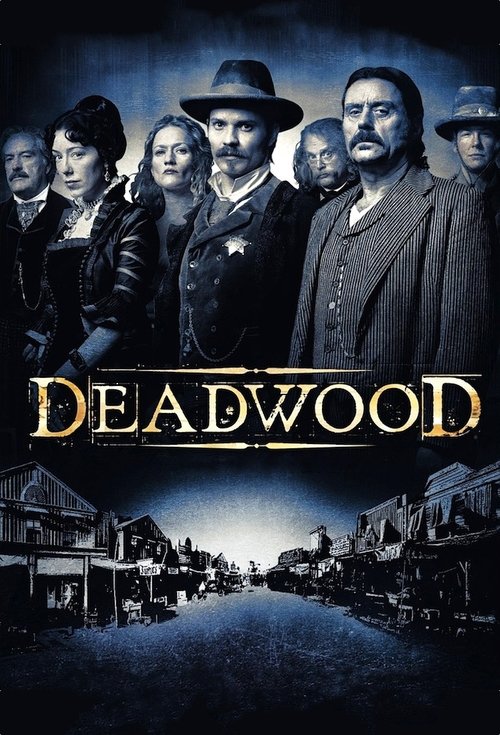
Everyone names The Sopranos first, and that is fair: both shows center a conflicted boss who is charming and monstrous in equal measure, and both were produced under HBO's long-form prestige model. But Deadwood is the deeper structural cousin. Like Boardwalk, it is fundamentally a show about a lawless settlement becoming institutionalized, about the moment chaos gets organized into commerce and governance. Al Swearengen and Nucky Thompson are nearly the same character placed a generation apart, watching an older form of power being overtaken by something colder and more legible. Both reward patience and punish impatience.
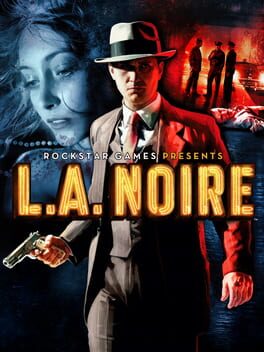
L.A. Noire Gets Closer Than Any Other Game to the Show's Feeling
L.A. Noire is set two decades later and on the opposite coast, but it is the game that most faithfully reproduces the experience of watching Boardwalk Empire: period detail so dense it becomes atmosphere, corruption embedded in institutions rather than just in individuals, and moral outcomes that leave you unsatisfied in productive ways. The game shares something else with the show: the sense that the city itself is the real protagonist, and that every individual is just one more person being slowly consumed by it.
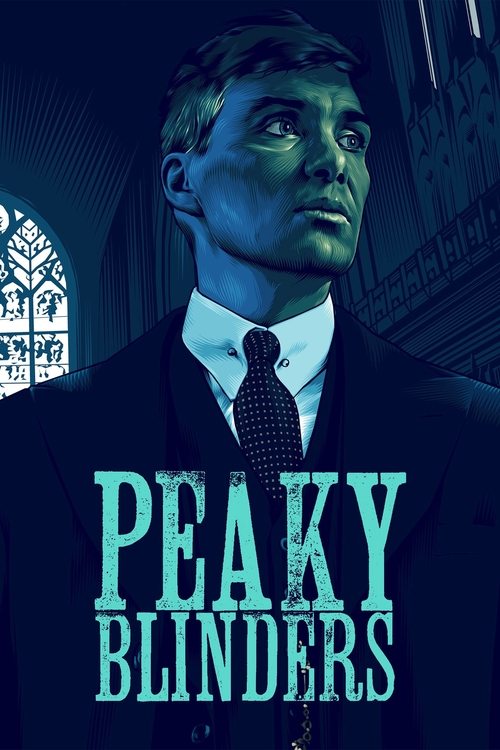
Peaky Blinders Is the Spiritual Sequel Nobody Planned
Peaky Blinders shares so much with Boardwalk Empire that the comparison feels engineered: both center a veteran of brutal violence who builds a criminal empire in the aftermath of World War I, both use period music anachronistically to devastating effect, and both are fundamentally about men who mistake accumulation for meaning. The British show is flashier and less patient, which makes it more accessible but occasionally less rewarding. Watch them back to back and the dialogue between them becomes its own argument about what the 1920s actually cost.
The Criminal America Boardwalk Empire Is Part Of
- 1920Prohibition begins (Volstead Act) Boardwalk Empire
- 1929The St. Valentine's Day Massacre; Rothstein killed
- 1931Capone convicted; the era Boardwalk traces ends Public Enemies
- 1933Prohibition repealed; Nucky's world collapses
- 1945L.A. Noire's postwar noir America begins L.A. Noire
- 1972The Godfather redefines how America tells crime stories The Godfather
- 1999The Sopranos resets what TV crime drama can do The Sopranos
- 2004Deadwood: lawless frontier becoming institution Deadwood
- 2010Boardwalk Empire premieres on HBO
- 2013Peaky Blinders debuts; same post-WWI gangster grammar Peaky Blinders
Prohibition, bootleggers, crime bosses
Prohibition & Bootleggers
Explore the Prohibition & Bootleggers guide →First rule of politics: never let the truth get in the way of a good story.Enoch 'Nucky' Thompson, Boardwalk Empire