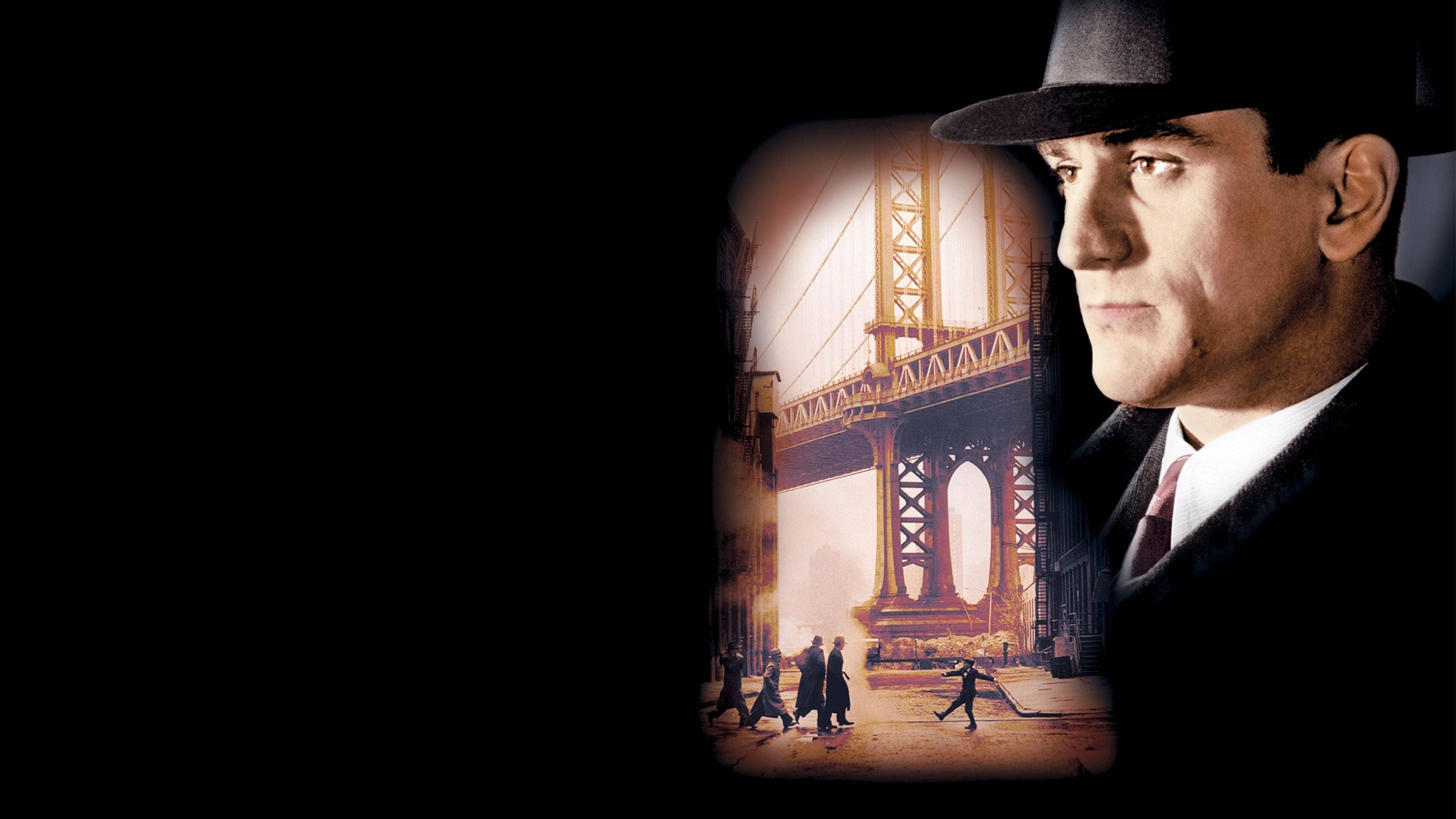

What fans chase in Once Upon a Time in America is not plot but feeling: the weight of a whole life compressed into a single long gaze out a window. Leone's 1984 masterpiece runs nearly four hours in its restored cut, and every minute earns its place. It follows Noodles and Max from their boyhood on the Lower East Side through Prohibition gangsterism and on into a guilt-haunted old age, but the real subject is memory itself, unreliable and corrosive, collapsing past and present until neither feels safe. Ennio Morricone's score arrives before the images do, tuning the heart to an almost unbearable register of loss. If that combination of scale, intimacy, and orchestrated nostalgia is what you are looking for, the works below will carry it into other forms.
Essential Once Upon a Time in America
The film and its closest kin from Leone himself
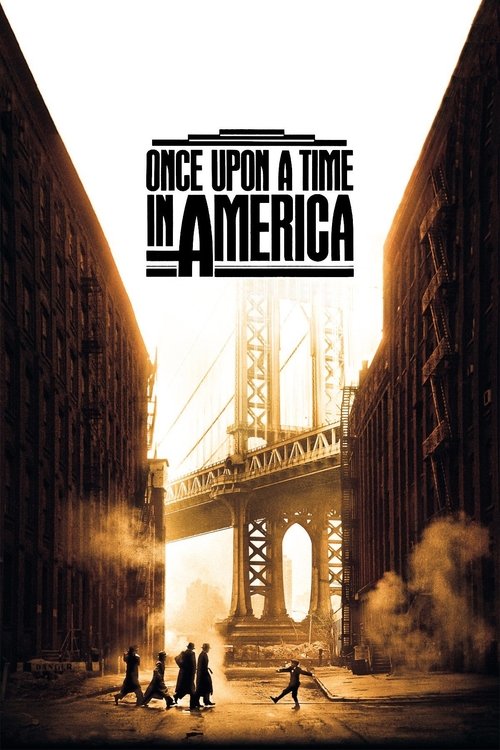
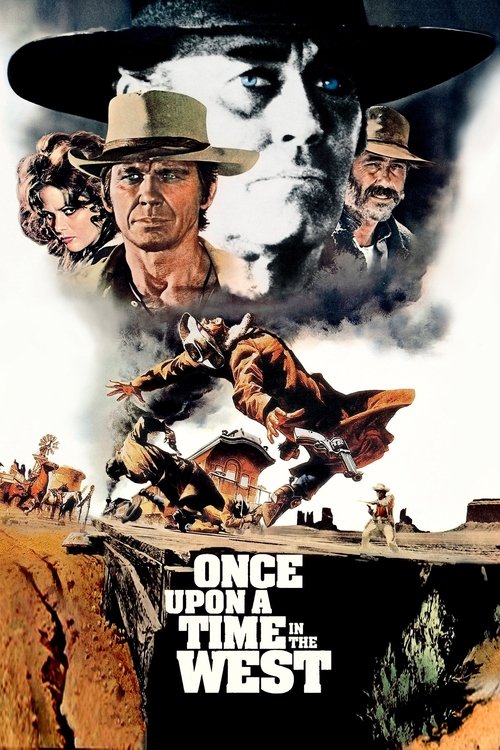
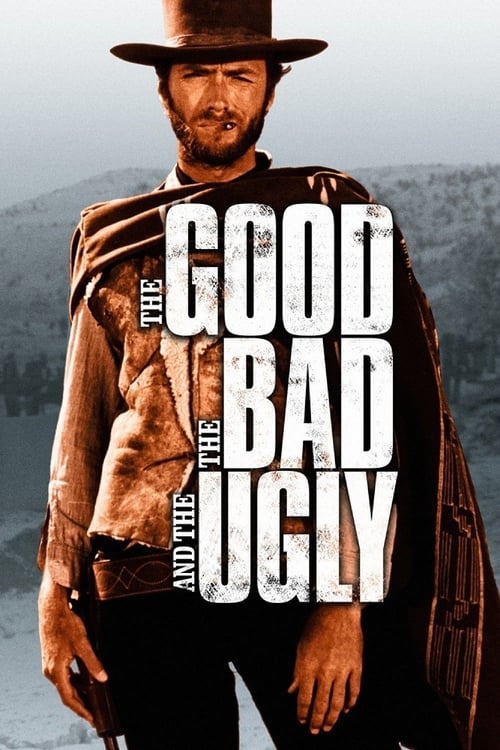
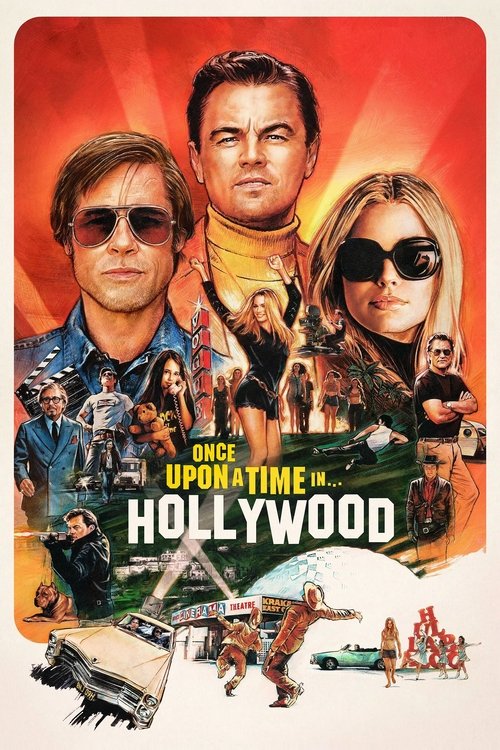
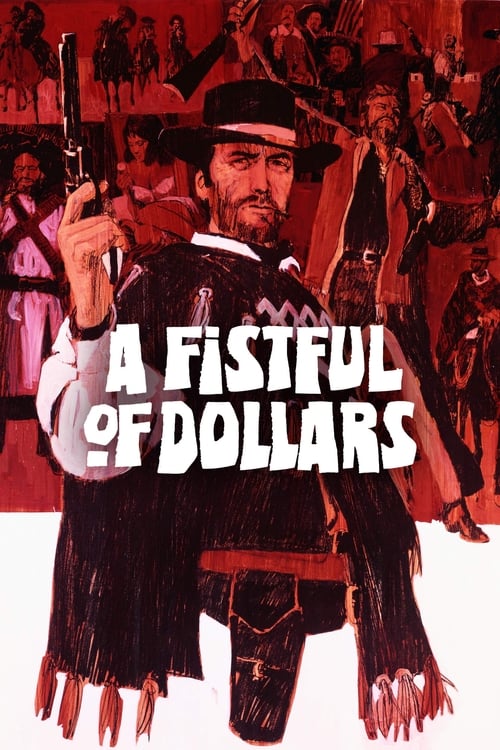
The Long Arc of Crime
Films that follow criminals across decades, measuring the cost
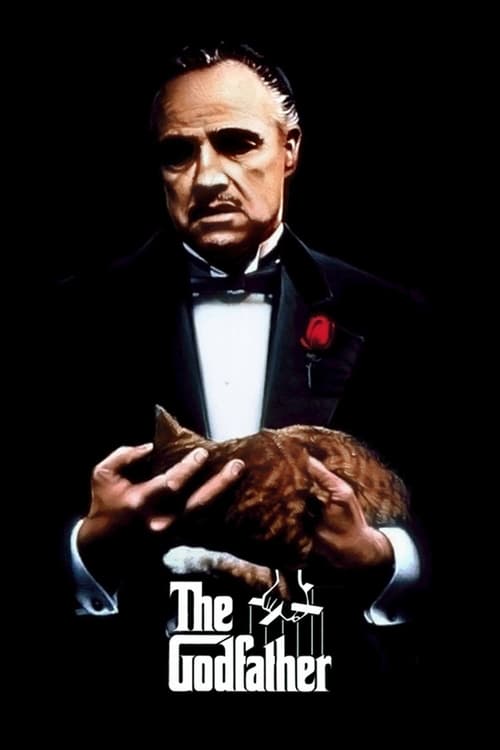
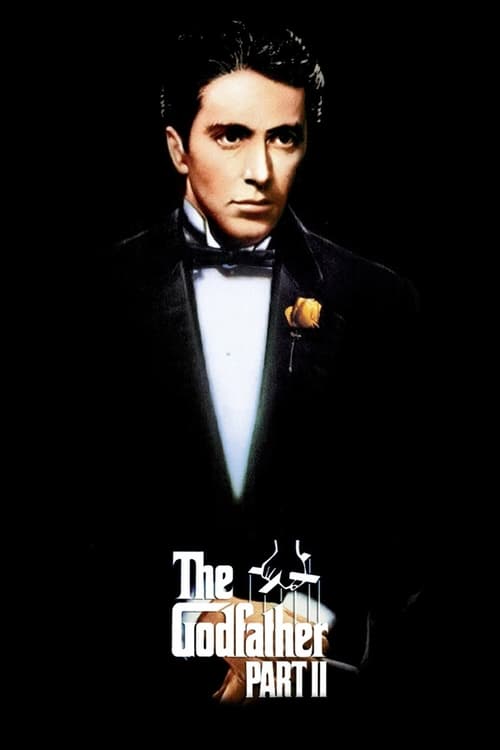
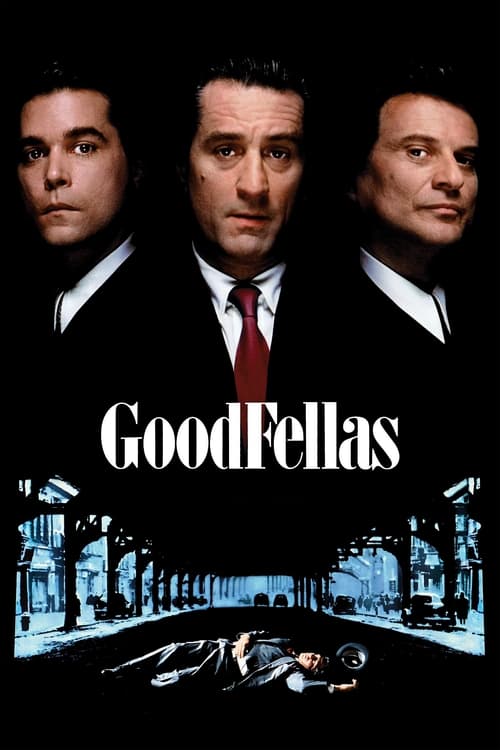
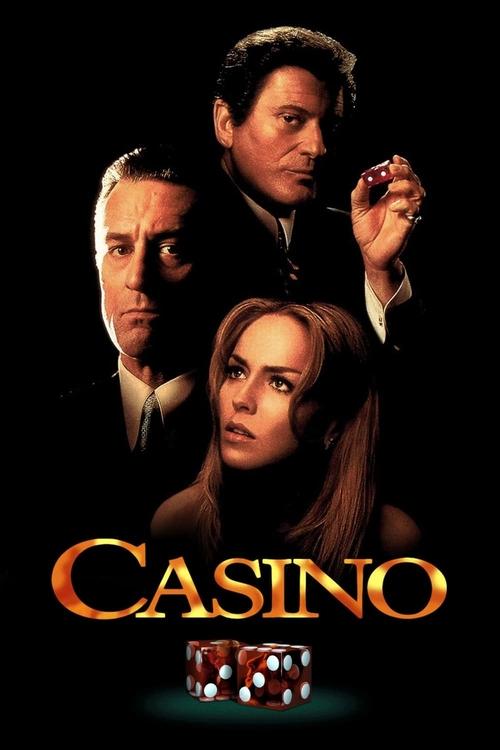
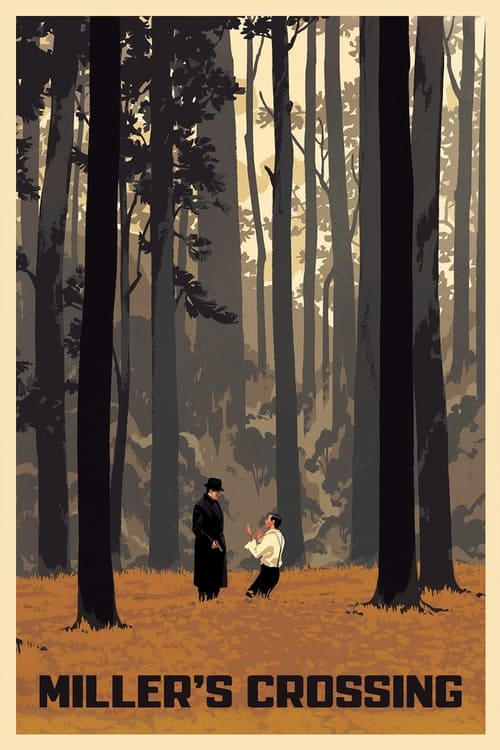
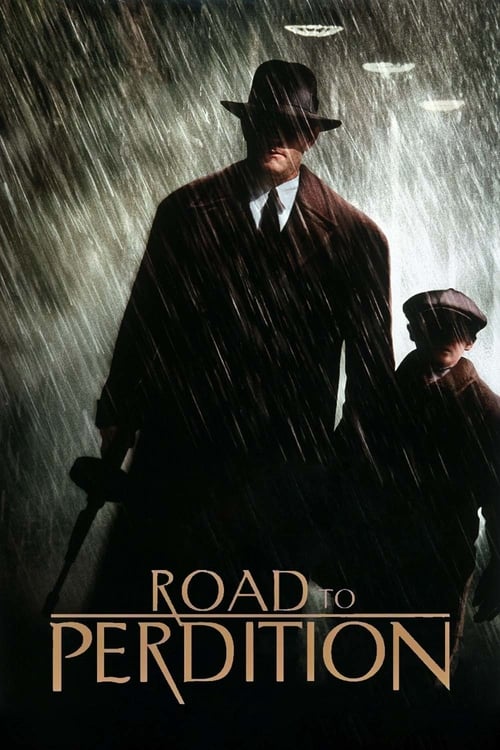
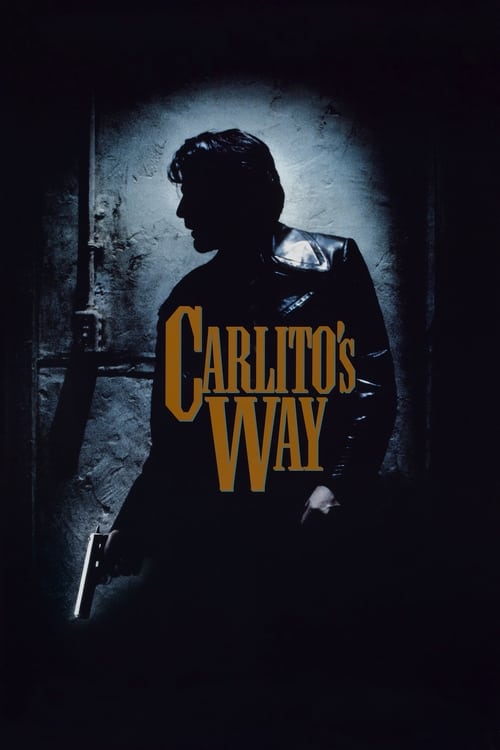
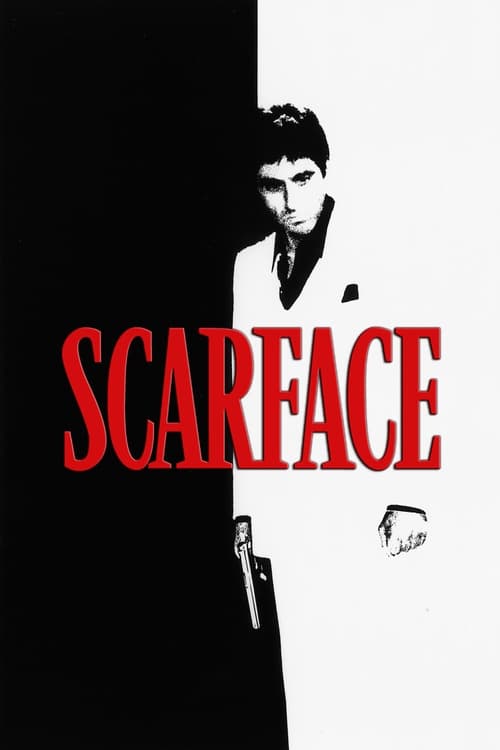
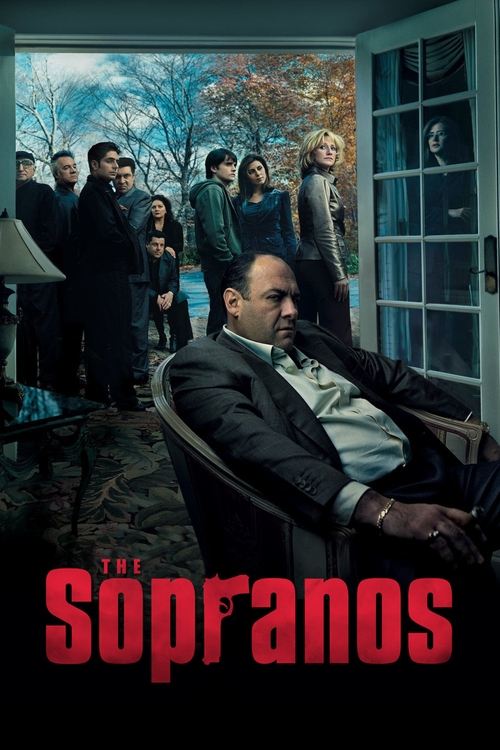
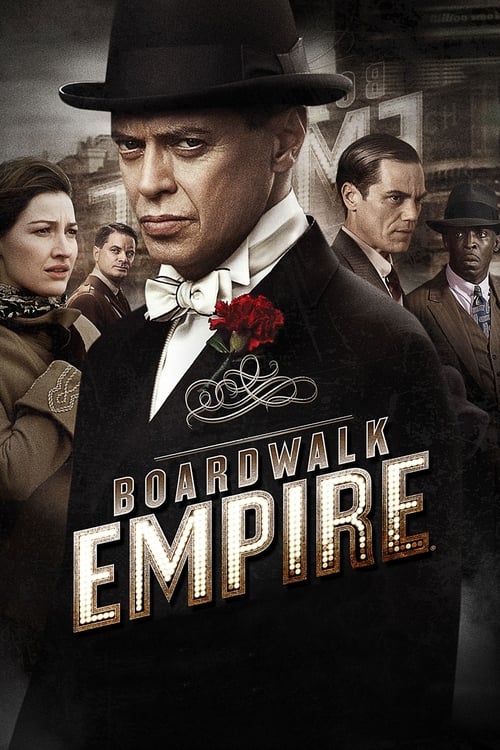
Slow-Burn Crime on Screen
Series built on loyalty, betrayal, and the passage of time
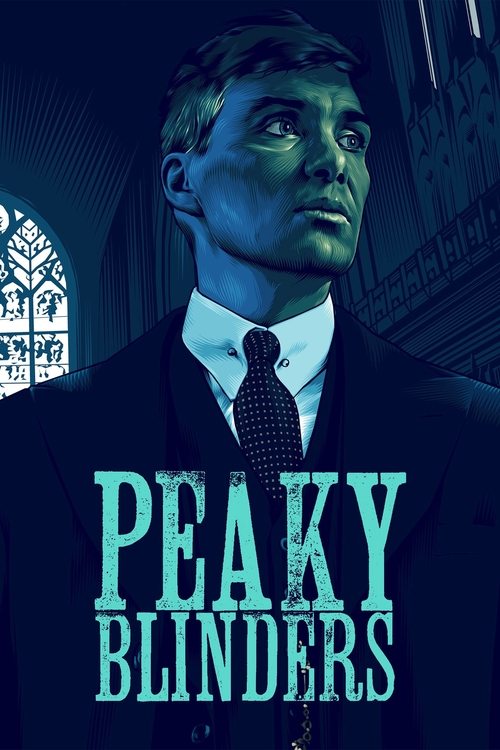
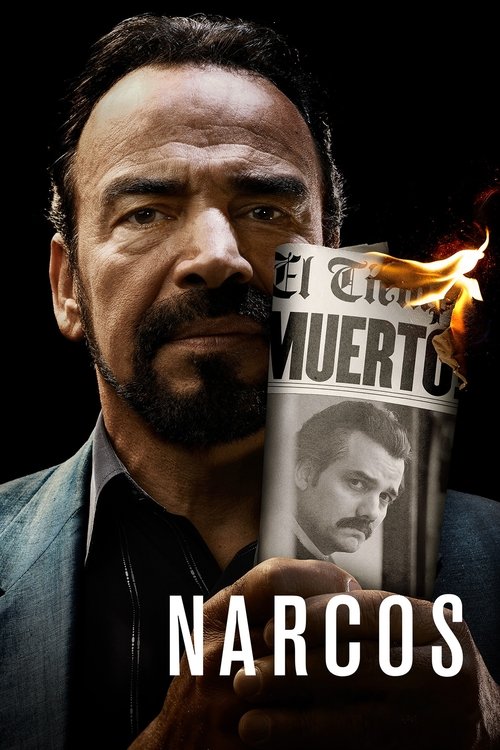
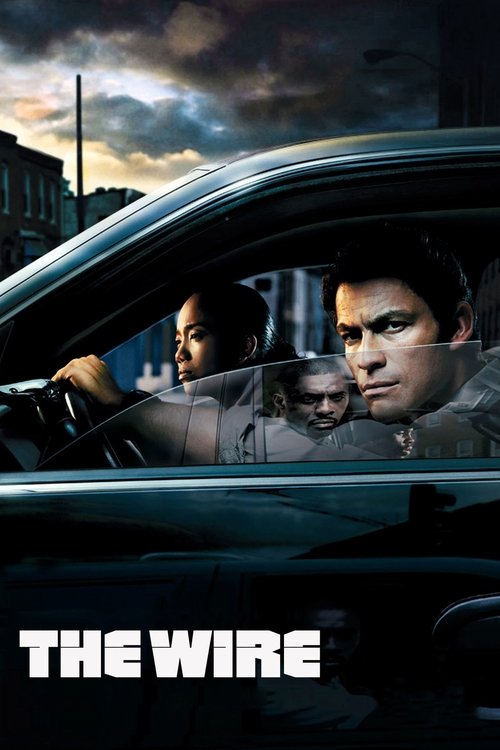
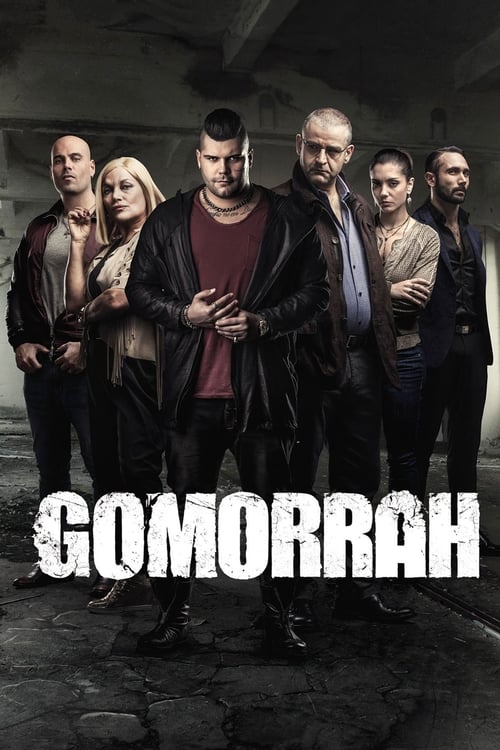

The Novels Behind the Violence
Books that share the epic criminal scope or the Lower East Side world


Games of Power and Consequence
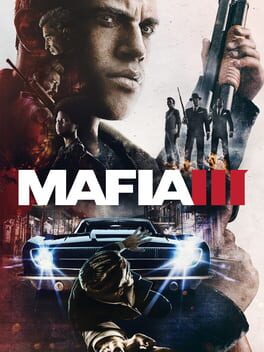
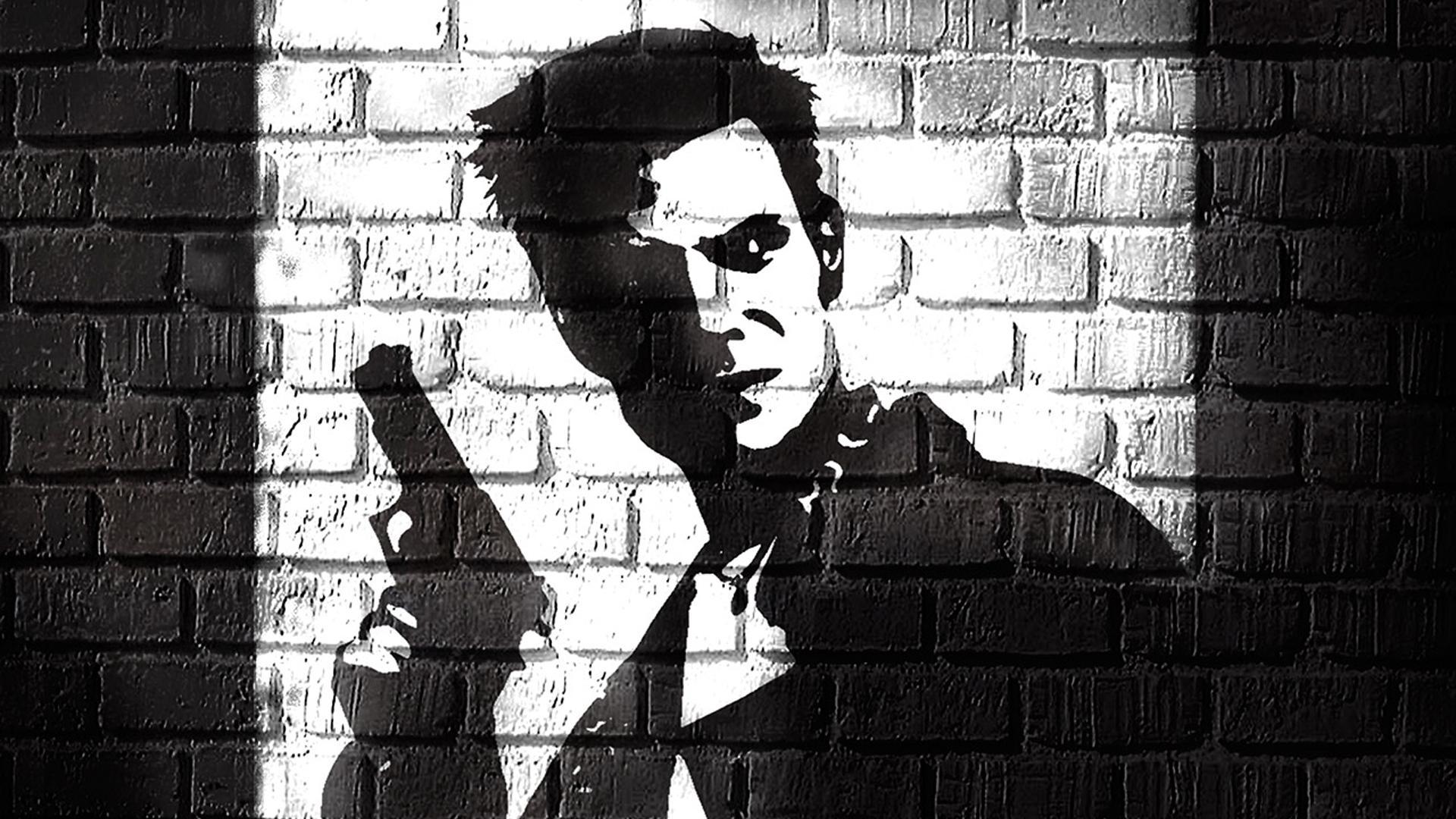
Games that put you inside the crime world's hierarchies and moral weight
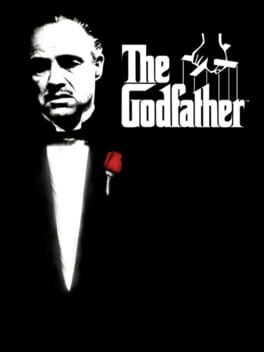
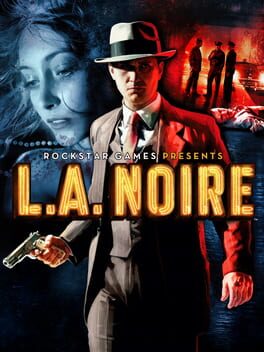
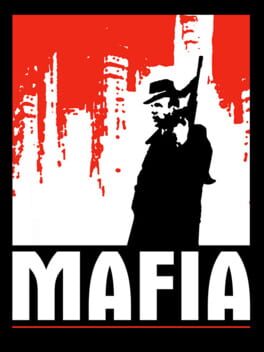
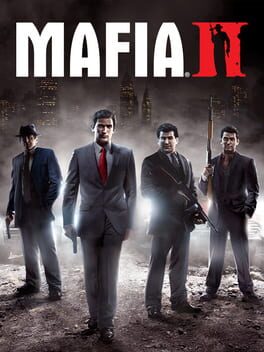

Memory Is the Real Villain
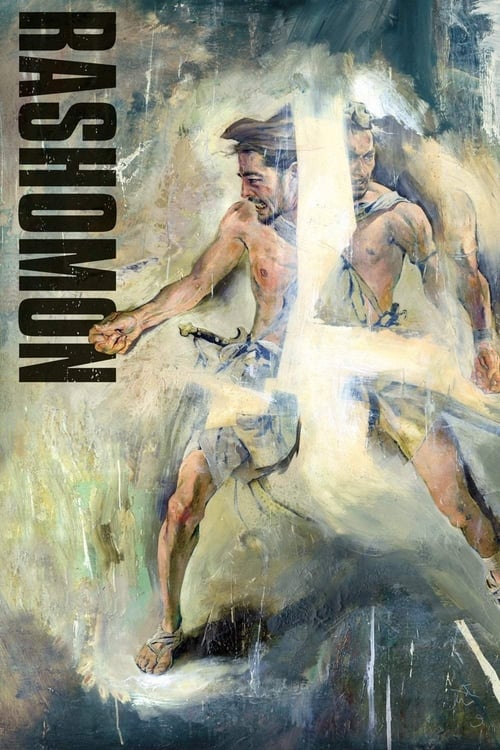
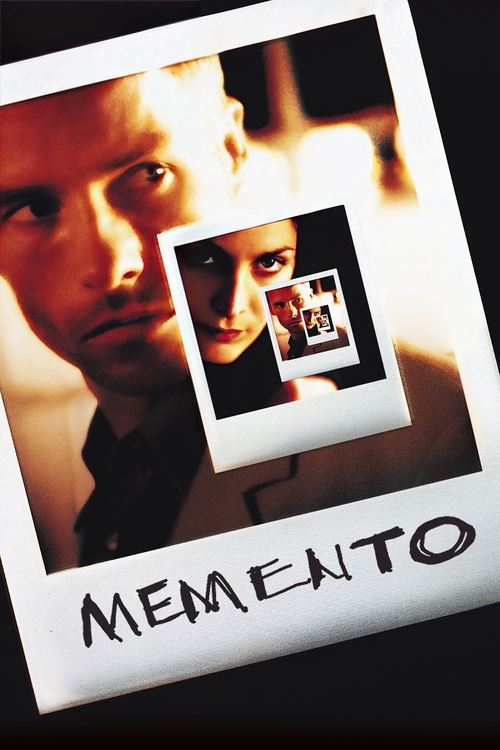
Leone structures the film as a series of memory fragments that refuse to settle into chronology. Noodles does not remember events: he reconstructs them, and we suspect his reconstructions from the start. That ambiguity is the engine. The four-hour cut released in 1984 was butchered to 139 minutes by the American distributor, destroying the non-linear architecture entirely. The film only became the masterpiece people now agree it is when the full cut was finally available. Its formal boldness, using time itself as an unreliable narrator, influenced virtually every prestige crime saga that followed.
Morricone Made the Film Possible
Ennio Morricone composed the score before Leone shot a single frame, and Leone played it on set so actors performed to it. The result is inseparable from the images: Deborah's Theme is among the most recognizable pieces of film music ever written, built on a melody so simple it sounds inevitable. The Cocteau Twins' haunting cover and countless later samples testify to how deeply it lodged in the culture. To understand Leone, start with the music.
The Lower East Side as a Character
The film is rooted in Harry Grey's autobiographical novel The Hoods, a pulpy memoir of Jewish gang life on the Lower East Side in the 1910s and 1920s. Leone transforms that raw material into something operatic, but the geography matters. The neighborhood's particular density, its layered immigrant cultures and block-by-block turf, gives the boyhood sequences their texture. Later crime sagas rarely bother with that kind of sociological specificity.
The Film That Ends on a Smile
The final image of Noodles' opium-induced smile remains one of cinema's most debated endings. Is it escape, complicity, or the merciful erasure of guilt? Leone offers no verdict. That refusal to moralize, combined with the sheer duration that has made the audience live alongside these characters, produces something unusual: a crime epic with no redemption arc that still manages to feel, in its last seconds, like release.
A Century of Crime and Memory
- 1920Boys on the Lower East Side: Noodles, Max, Patsy, and Cockeye form their crew
- 1933End of Prohibition reshapes the criminal landscape; the gang goes big
- 1968An aged Noodles returns to New York to confront a buried past
- 1974Harry Grey publishes 'The Hoods', the autobiographical novel Leone adapts
- 1984Once Upon a Time in America premieres at Cannes at 229 minutes; US distributor cuts it to 139 Once Upon a Time in America
- 2012A 251-minute extended cut screened at Cannes, restoring previously lost material
Crime epics and bootleg empires
Mafia & Organized Crime
Explore the Mafia & Organized Crime guide →Leone does not shoot crime as action. He shoots it as weather, something you live inside for so long you forget there was ever anything else.CrossBinge Editors