
The Man Who Kept Moving
Bob Dylan is the great shape-shifter of American music. He arrived in Greenwich Village around 1961 as a scrawny kid from Minnesota with a battered acoustic guitar and a voice like a gravel road, and within three years he had become the moral voice of a generation. Then he plugged in at Newport, and a crowd that had treated him as a prophet felt personally betrayed. He did not apologize. He went to Nashville and recorded country music. He found God and recorded gospel. He recorded Sinatra standards. He won the Nobel Prize in Literature. He is now in his mid-eighties and still touring.
What connects all of it is not a genre but a sensibility: a magpie intelligence that absorbs American vernacular traditions (folk ballads, blues, country, jazz, the Bible, Beat poetry, Woody Guthrie, French Symbolism) and then collapses them into something entirely personal. Dylan songs are about the road, about time running through your fingers, about power and powerlessness and the people history forgets. They are also, frequently, very funny. The voice is an acquired taste that becomes, once acquired, irreplaceable.
If that restlessness speaks to you, what follows maps the terrain: the great Dylan records, the films and books and games that share his DNA, and the artists who kept the same faith with American strangeness.
Essential Bob Dylan
The records that define the arc
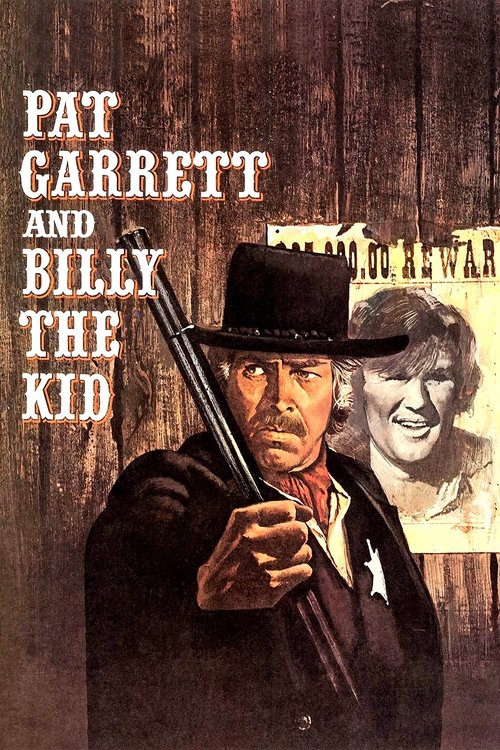
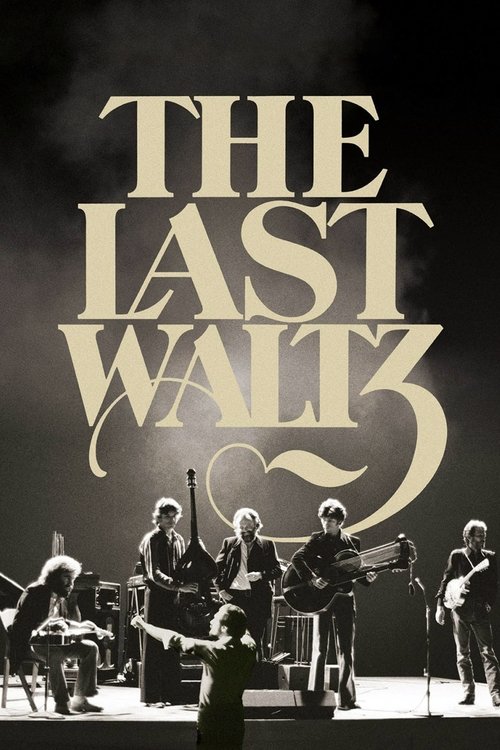
See Him Move: Films and Documentaries
Dylan on screen, in the archive, and in myth

American Voices: Songwriters and Poets
Artists who share the obsession with language, landscape, and American myth
The Road and the Reckoning: Novels with Dylan's Spirit
Books soaked in Americana, restlessness, and the search for a true self


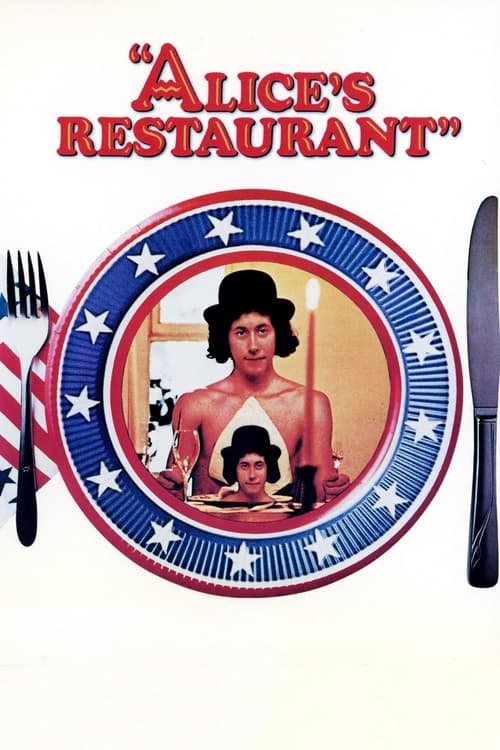
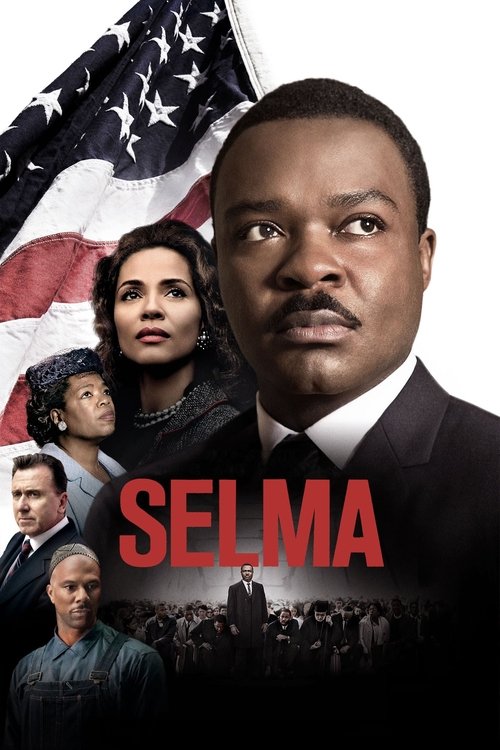
Protest, Witness, and the Sixties on Screen
Films and TV that carry Dylan-era urgency about power, race, and American identity

Start with Blood on the Tracks
Every era of Dylan is worth your time, but Blood on the Tracks (1975) is where you start. It is plainly written compared to the surrealist mid-sixties work, emotionally direct compared to the gospel period, and universally understood as a masterpiece even by people who find Dylan's voice difficult. The songs about love unraveling have an ache so specific and so wide at the same time that they land regardless of how much you know about the biography behind them.
The most underrated chapter is John Wesley Harding
After the motorcycle accident and two years of silence, Dylan returned with John Wesley Harding (1967): sparse, biblical, country-inflected, quietly strange. The psychedelic rock world was expecting more Blonde on Blonde. What they got was a short record about outlaws, parables, and moral weight, recorded in three days with two session musicians and a pedal-steel player. It is the quietest loud statement Dylan ever made, and it still sounds like no one else.
He did not write songs to explain himself. He wrote them to disappear into them, and then he disappeared.CrossBinge Editors
Rough and Rowdy Ways is the late masterpiece that changes the whole story
Released in 2020 when Dylan was 79, Rough and Rowdy Ways is the kind of record that makes you revise everything that came before it. The seventeen-minute closing track about the Kennedy assassination is not a stunt: it is a meditation on American history, mortality, and the persistence of myth, delivered by a man who has been thinking about it for sixty years. It is the correct final album for a career this long, except Dylan has not stopped.
For the full context, watch No Direction Home first
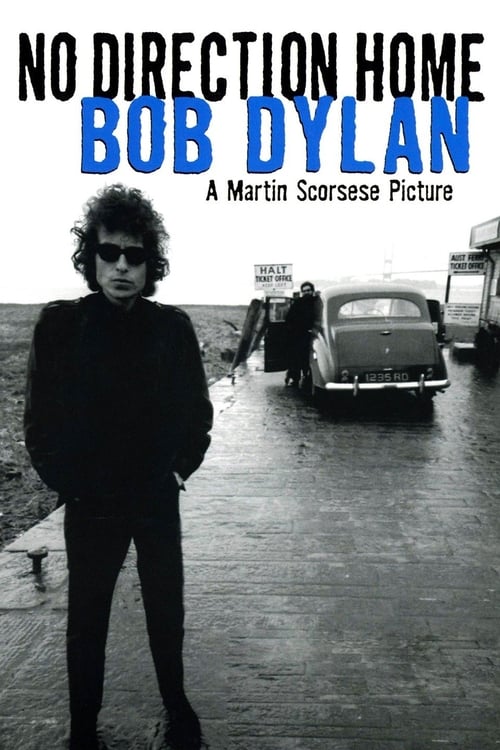
Martin Scorsese's 2005 documentary draws on hours of late-sixties interview footage where a young, visibly uncomfortable Dylan parries questions from journalists who want to pin him down. Seeing that footage alongside the folk-to-electric transition gives the music a dramatic arc that makes even the familiar records feel newly urgent. It is the best introduction to Dylan for someone who does not yet understand why any of this mattered.
Six Decades of Reinvention
- 1963Moral voice of a generation The Freewheelin’ Bob Dylan
- 1965Goes electric at Newport; the crowd boos Highway 61 Revisited
- 1967Biblical retreat after the motorcycle accident John Wesley Harding
- 1969Country pivot that shocked the folk world Nashville Skyline
- 1975Masterwork of romantic dissolution Blood on the Tracks
- 1979Born-again gospel period begins Slow Train Coming
- 1989Daniel Lanois-produced comeback Oh Mercy
- 1997Late-career renaissance Time Out of Mind
- 2001Post-September-11 Americana, widely loved “Love and Theft”
- 2016Nobel Prize in Literature awarded
- 2020Late masterpiece reframes the whole career Rough and Rowdy Ways