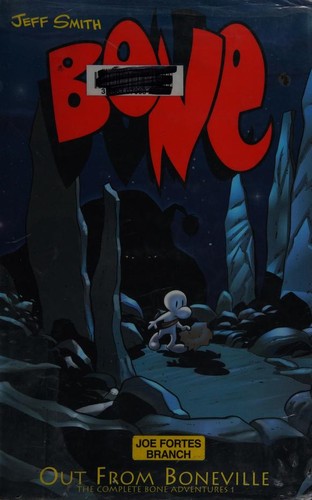

Jeff Smith spent thirteen years drawing Bone, self-publishing the first issue in 1991 and finishing the ninth volume in 2004. What he built across those 1,300 pages is rare: a story that earns its tonal range fully. The opening chapters read like a Looney Tunes road-trip comedy, with the three Bone cousins (Fone, Phoney, and Smiley) tumbling out of Boneville into a valley full of talking animals and grumpy farmers. Then, gradually, the mythology deepens. A prophecy surfaces. A villain with real menace arrives. The comedy never vanishes, but it holds the weight of loss and sacrifice by the end. That combination, lightness coexisting with genuine stakes, is what Bone fans tend to seek out everywhere else.
Essential Bone
The nine-volume saga and Jeff Smith's other comics work


Graphic Novels That Do the Same Thing
Comics and graphic novels that blend comedy and epic fantasy or adventure


Fantasy Novels With the Same Range
Books that mix warmth and humor with serious world-ending stakes


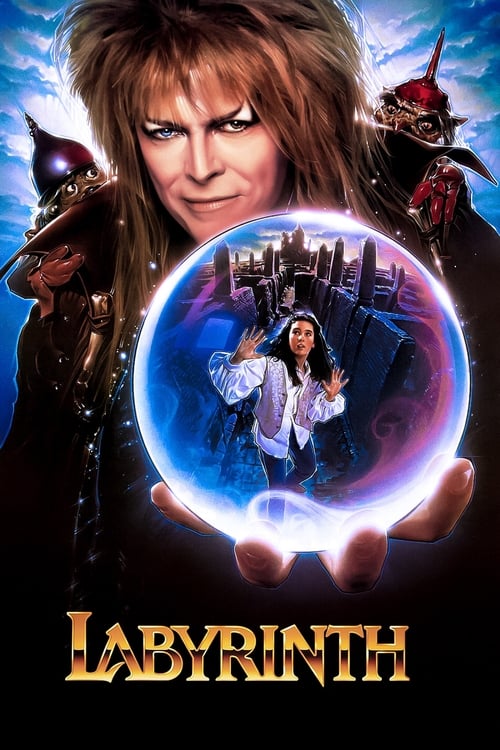
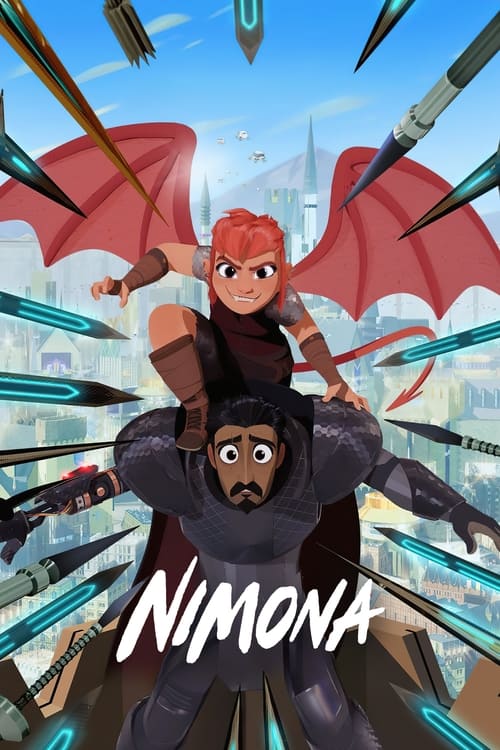
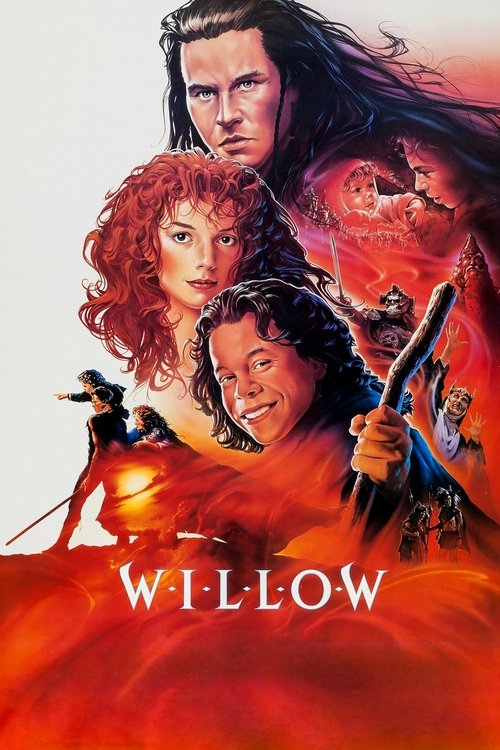
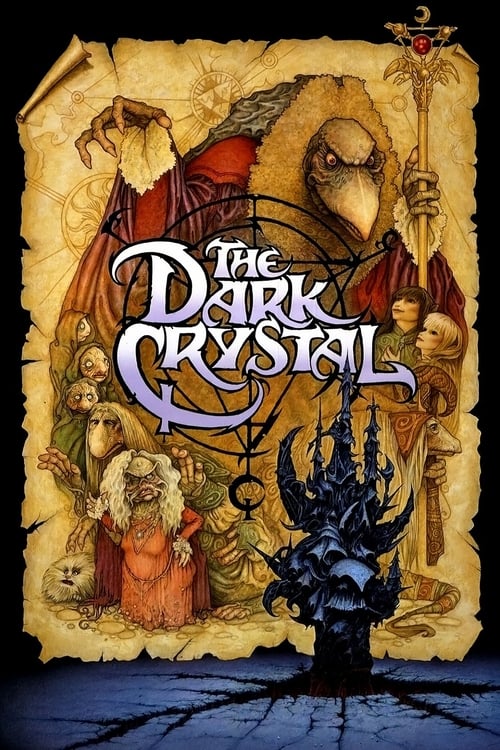
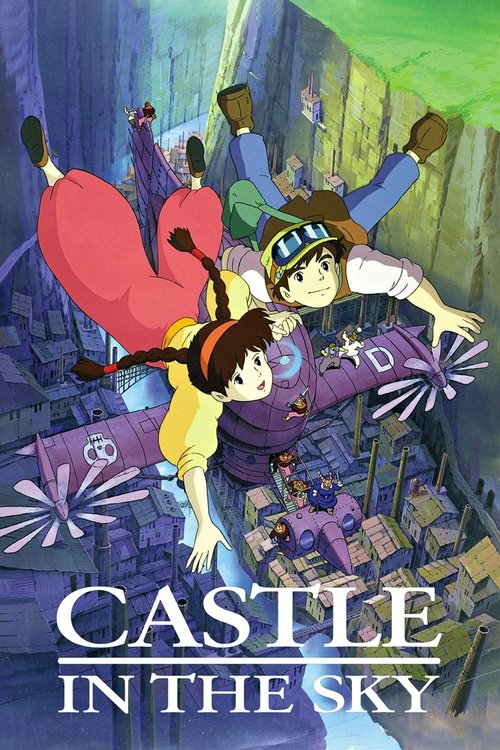
Films and Series Bone Fans Keep Coming Back To
Screen work with that same tonal shift from funny to genuinely dark


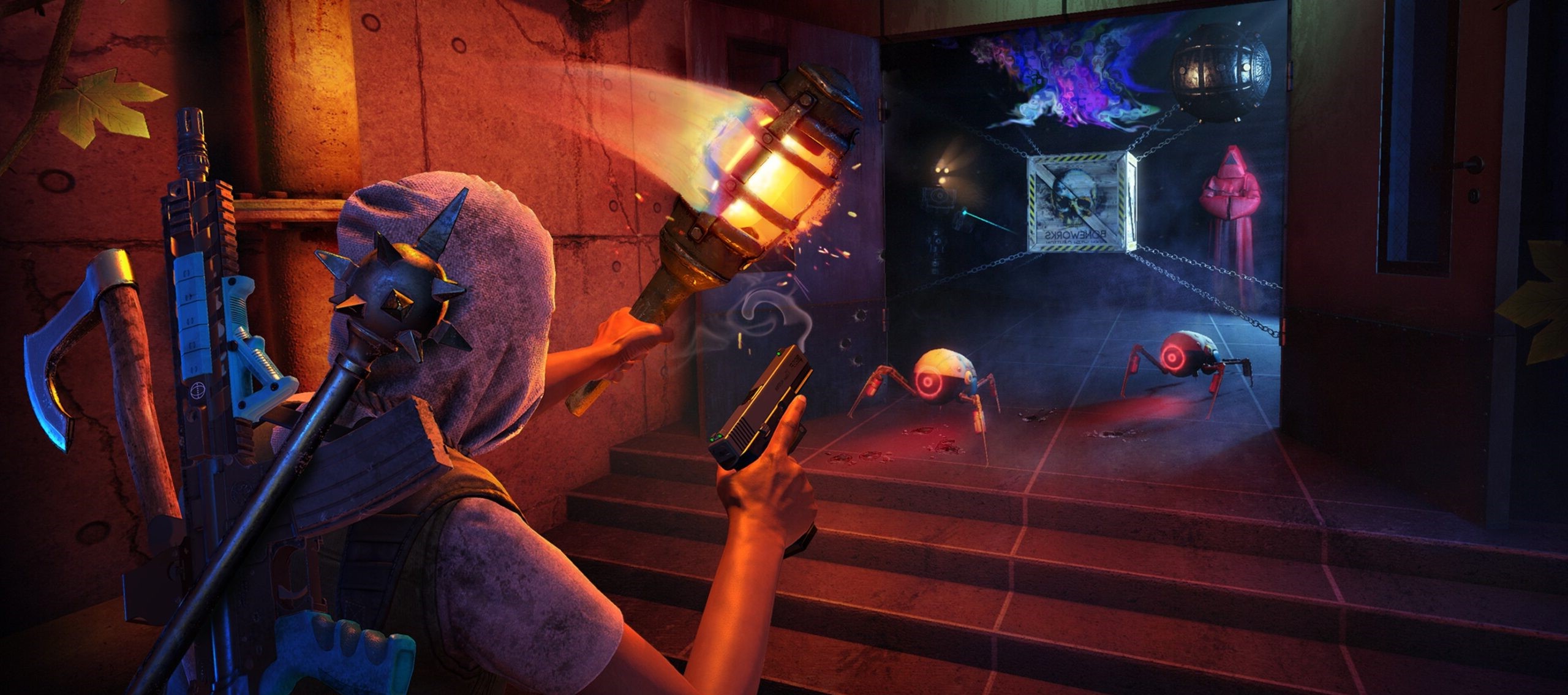
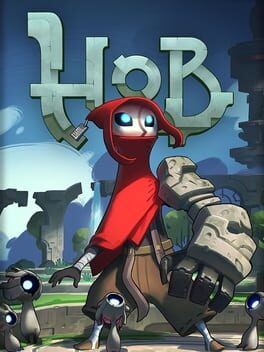
Games With Bone's Spirit
Games that blend lighthearted characters with a deepening world and real stakes

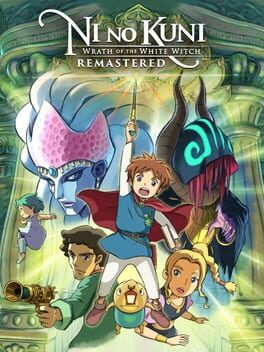
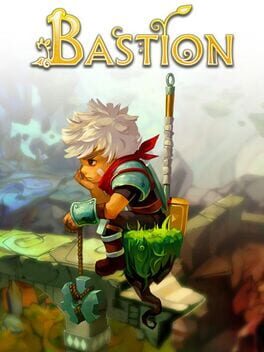
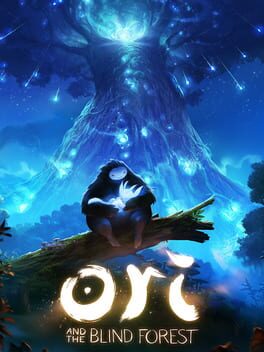

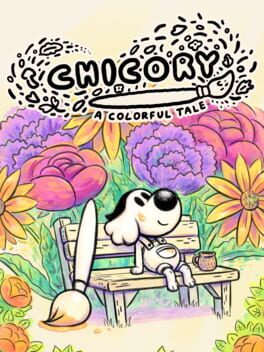
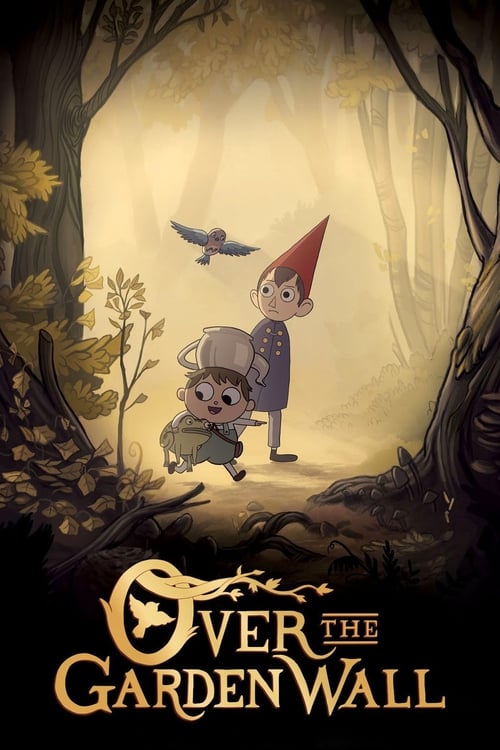
Over the Garden Wall Is Bone as a Cartoon
Cartoon Network's Over the Garden Wall miniseries runs about ninety minutes total and achieves something close to what Bone does in 1,300 pages: two hapless travelers, a world that seems quaint and funny, and a darkness underneath that is absolutely real. The pacing is different, the medium is different, and the ending is unmistakably its own. But the tonal shape is identical.
Hollow Knight Understands the Weight of a Forgotten Kingdom
Bone's back half is largely about what happens to a place when its protective myth collapses. Hollow Knight works the same ground from below, with a ruined insect kingdom whose history emerges slowly and whose fall feels genuinely tragic. Both stories trust the player or reader to piece together what was lost. That patience, letting the world speak rather than explain itself, is what makes each of them stick.
Bone: A Thirteen-Year Journey
- 1991Jeff Smith self-publishes Bone #1 through Cartoon Books Out From Boneville
- 1993Bone wins the first of its many Eisner and Harvey awards
- 1996Scholastic's Nickelodeon Magazine color editions reach a new generation of young readers
- 2001Telltale Games releases an episodic adventure game adaptation Bonelab
- 2004Crown of Horns concludes the saga: volume nine, thirteen years after volume one
- 2005Scholastic publishes the full-color single-volume edition, making the complete saga widely accessible
- 2007Smith begins RASL, a more adult noir-science-fiction series
More fantasy epics and found families
Epic Fantasy
Explore the Epic Fantasy guide →Bone starts as a slapstick comedy and ends as genuine myth. Very few stories can make that journey without losing the thread of either.CrossBinge