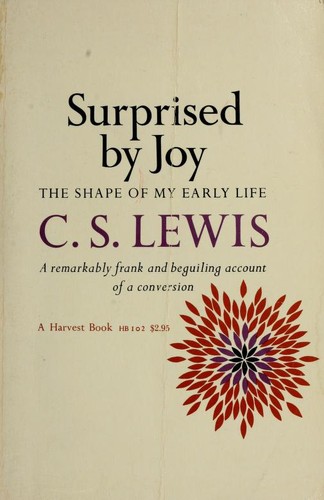

C.S. Lewis wrote for readers who suspect that the universe is more than it looks. Whether he was smuggling theology into children's fantasy, mapping the inner life of a demon's correspondence, or sending a Cambridge don into deep space, the feeling is always the same: that the ordinary world has a door in it, and the door opens outward into something larger, older, and true. His readers are not nostalgic for Narnia so much as haunted by it, because Lewis was writing about longing itself, what he called Joy, the ache for something you cannot quite name. That ache is the thread connecting every title in this guide.
Essential C.S. Lewis
The books that define his voice, from beloved classics to his most searching nonfiction


Narnia on Screen
Every major adaptation of the Chronicles, from BBC television to the big-budget Disney trilogy
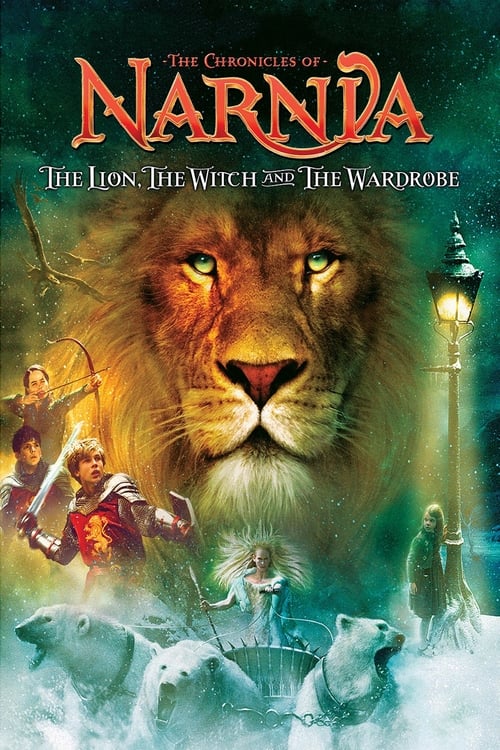
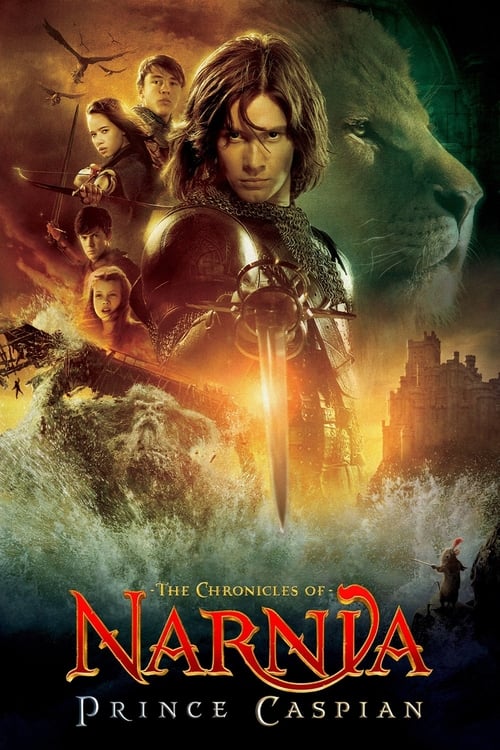
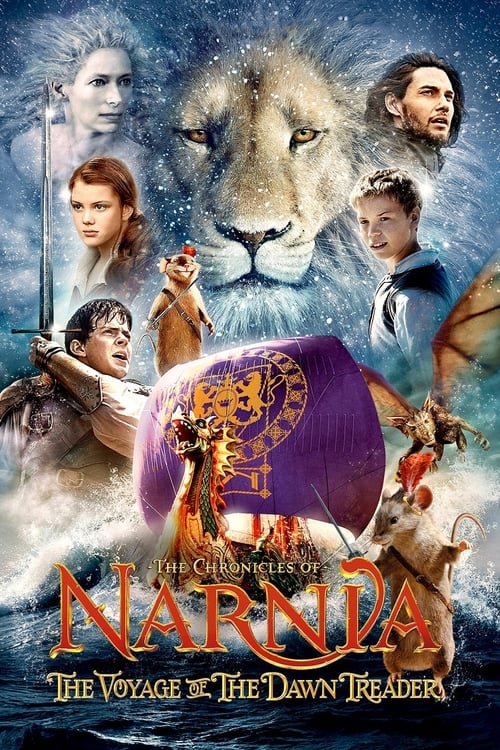
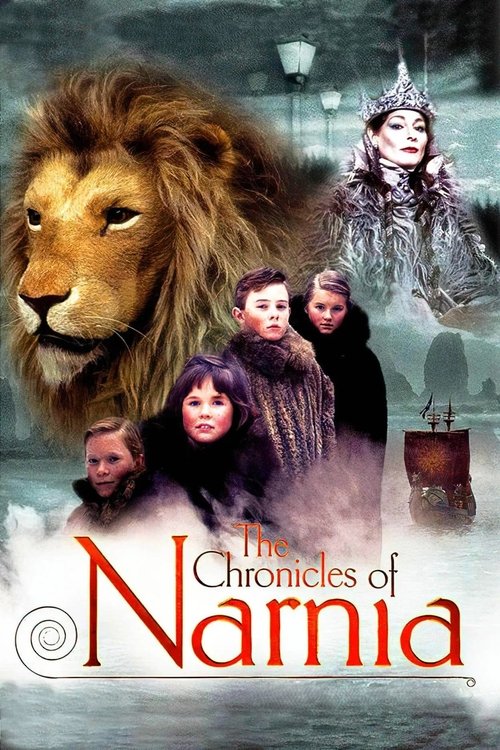
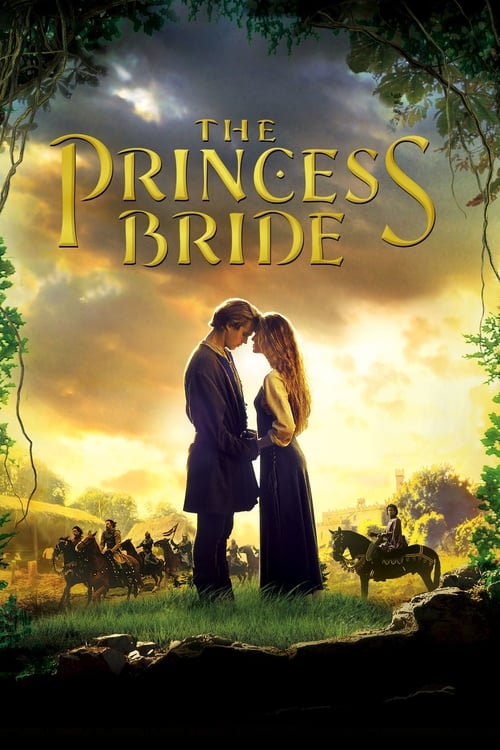
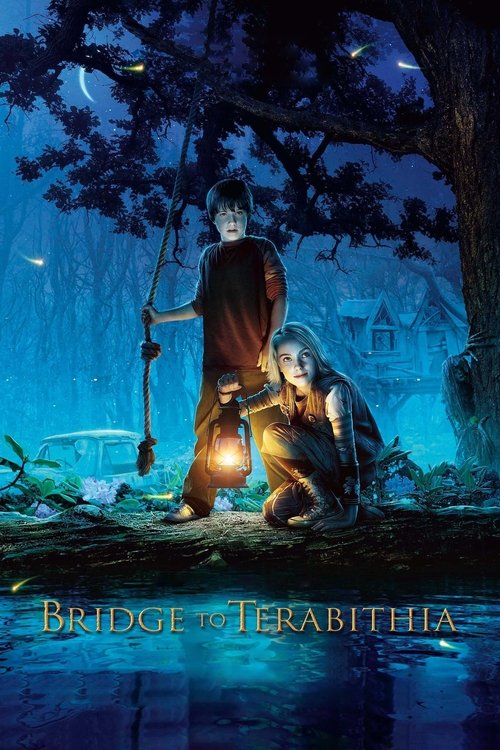
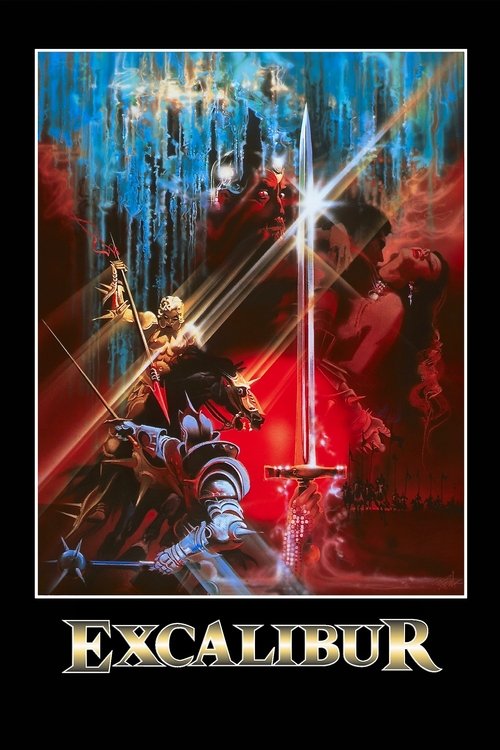
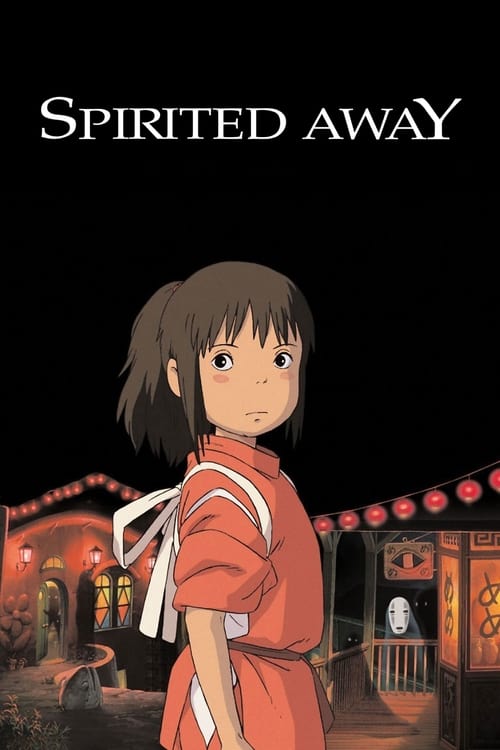
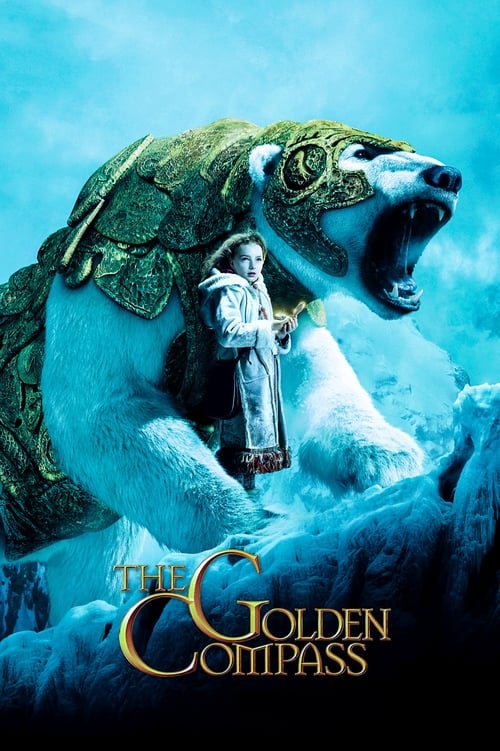
Allegorical and Portal Fantasy: Films
Movies that share the Lewisian move: an ordinary person crosses a threshold into a world where moral stakes are absolute
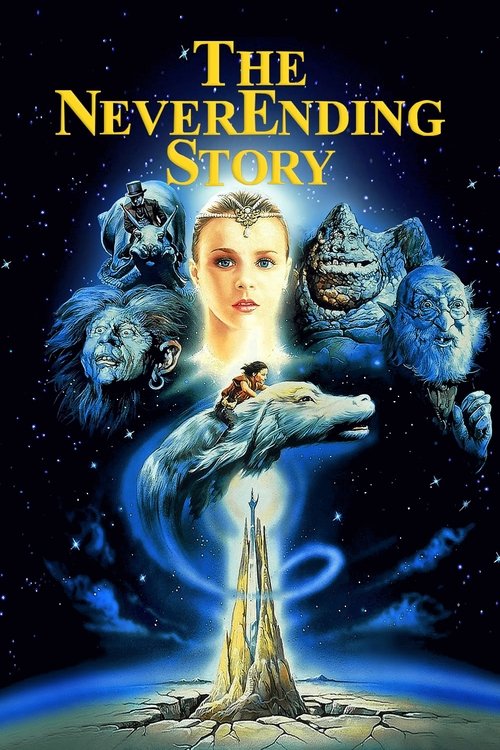
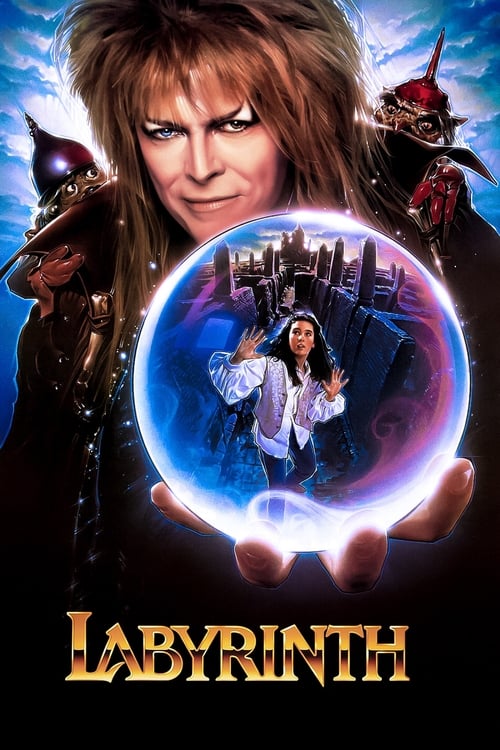
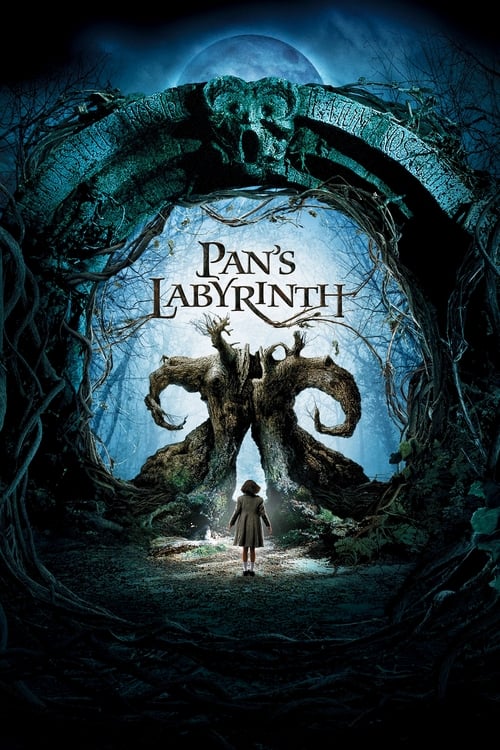
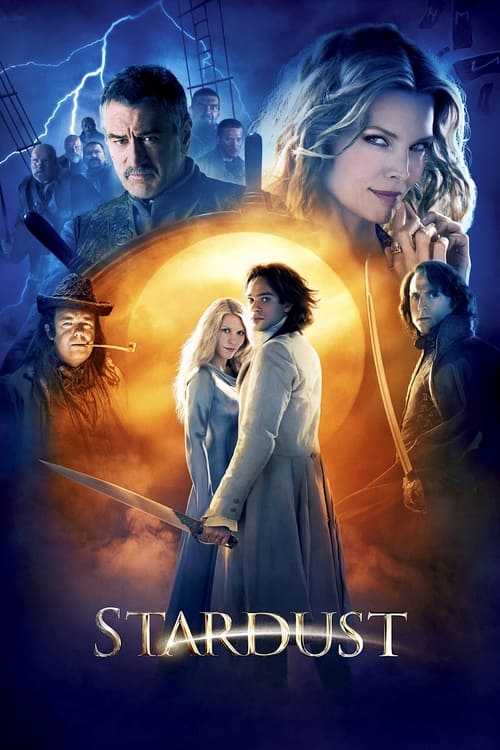
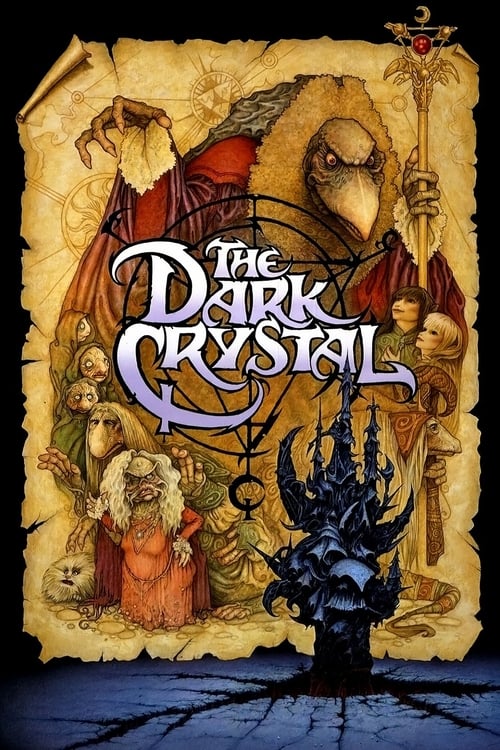
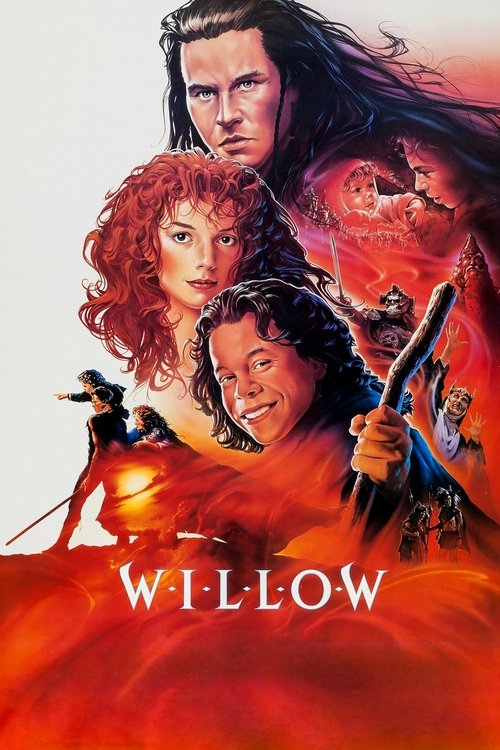
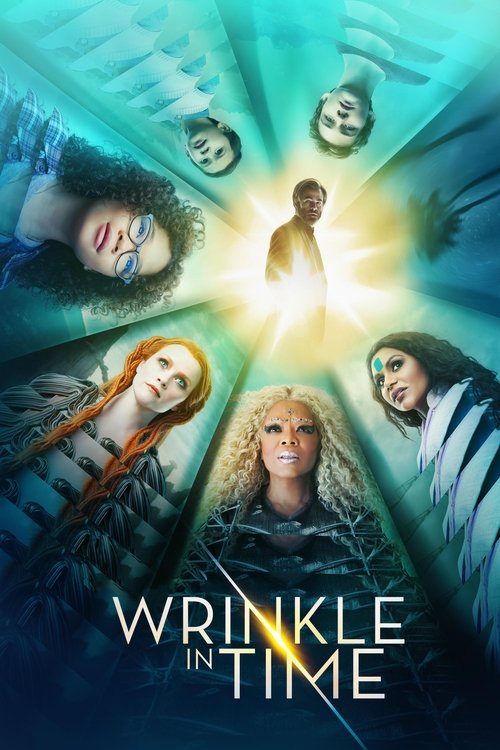
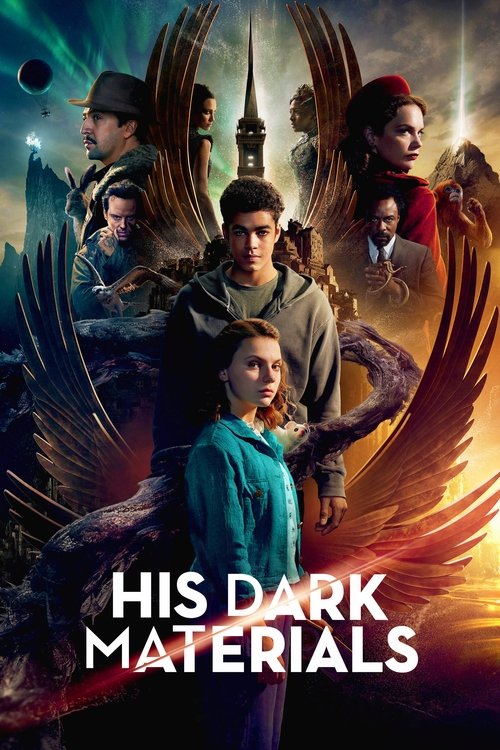
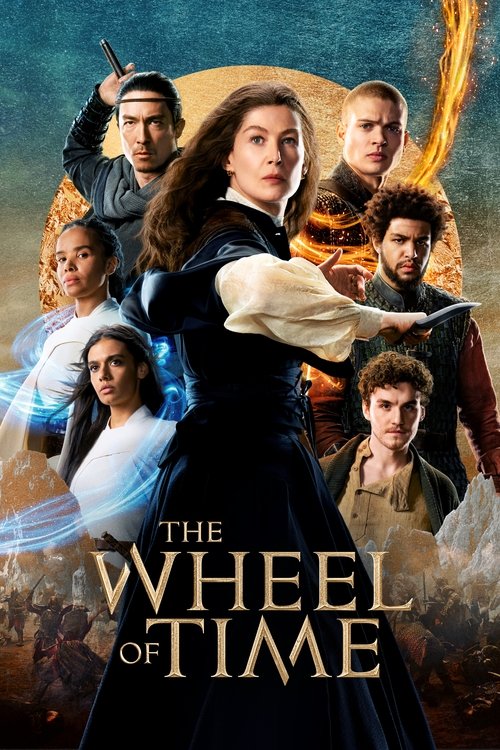
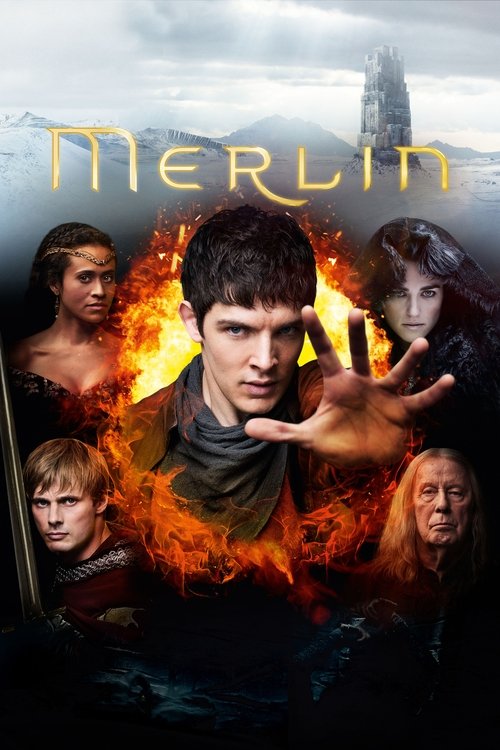
Allegorical and Portal Fantasy: Series
Television that keeps a child's sense of wonder alive alongside deeper thematic weight

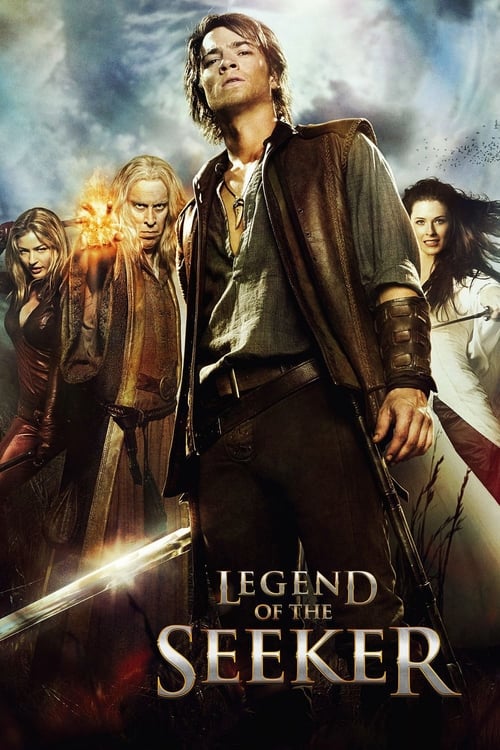
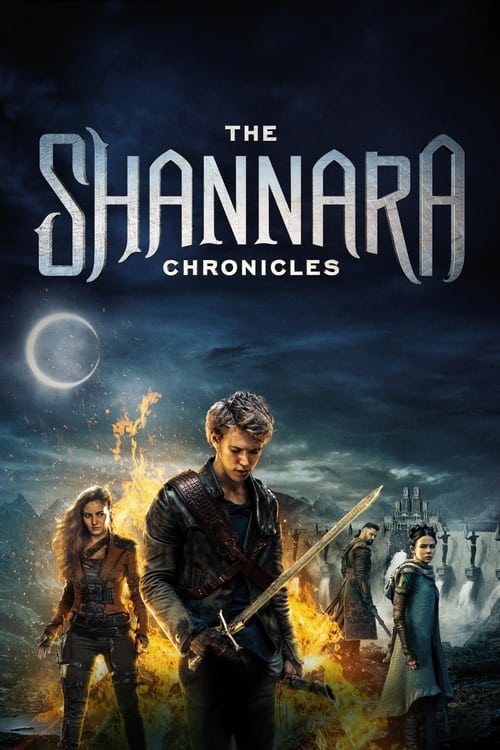
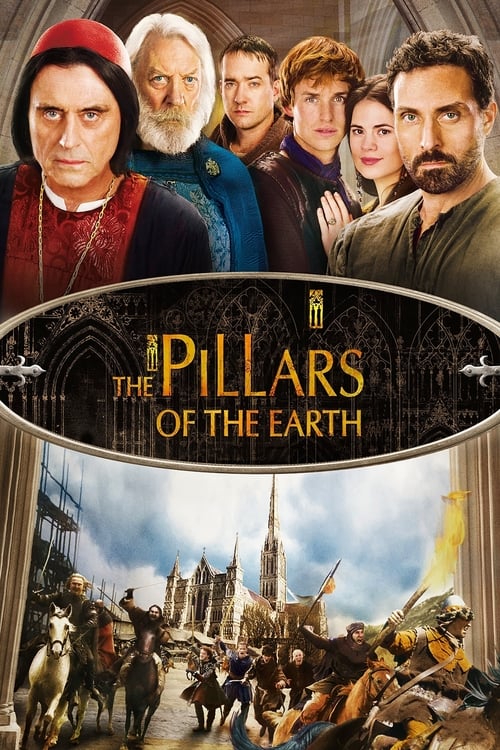
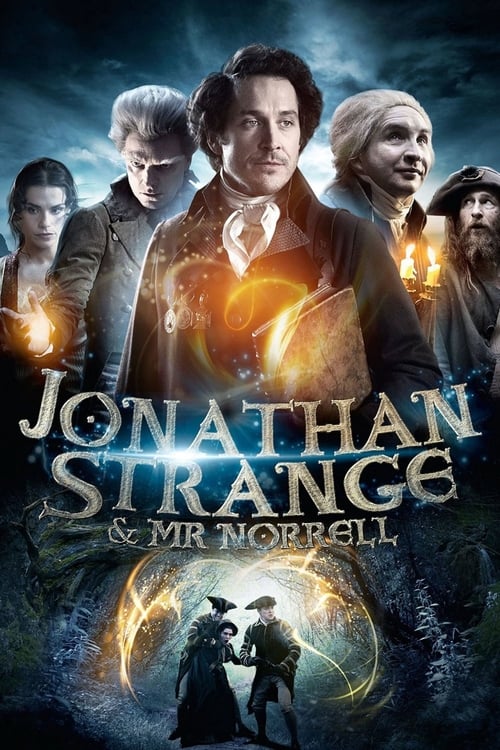
Kindred Spirits: Authors Who Share His DNA
Writers who build worlds where myth, morality, and longing are bound together


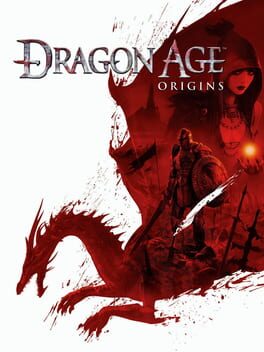
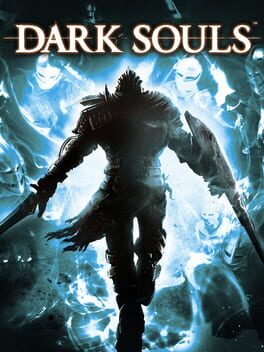
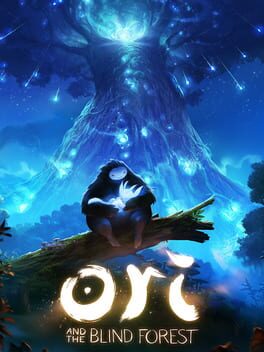
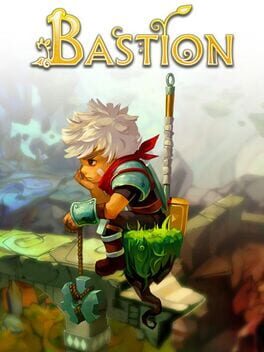
Games with That Same Mythic Weight
Games built on allegorical worlds, portal structures, or the kind of sacred-feeling wonder Lewis perfected
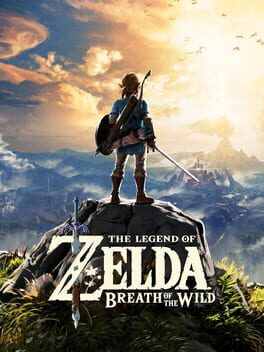
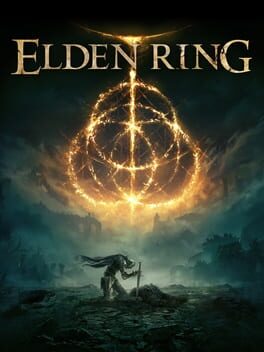
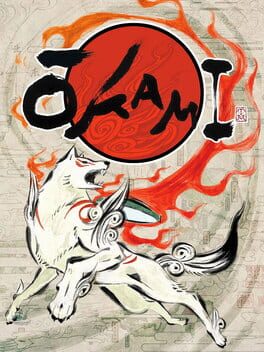
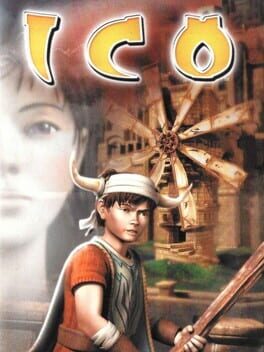
Narnia is a Theological Argument in the Shape of a Story
Lewis never tried to hide what Narnia was about. Aslan's death and return in The Lion, the Witch and the Wardrobe is one of the most direct allegories in popular fiction, yet it works as story first. The sacrifice has weight, the resurrection has joy, and children who have never heard a word of theology respond to both. That is the trick: Lewis believed a good myth could carry meaning that a direct argument could not, because myth engages feeling and imagination together. Reading Lewis is partly reading a man who genuinely believed this, and that belief is contagious.
The Screwtape Letters Is the Funniest Serious Book Ever Written
Lewis wrote The Screwtape Letters as a set of memos from a senior devil to a junior devil advising on how to corrupt a human soul. The joke is that every spiritual trap Screwtape describes is recognizable from daily life: distraction, resentment, the slow drift toward spiritual numbness, the way we prefer pleasant feelings about God to God himself. The genius of the device is that it forces you to think about virtue from the outside, from the enemy's point of view. Decades on, every observation still lands.
Tolkien Made Lewis Possible (and Lewis Returned the Favour)
The Inklings were not just a writing group. J.R.R. Tolkien read aloud from The Lord of the Rings to Lewis while Lewis was developing Narnia, and it was Tolkien who convinced Lewis that a Christian myth could be beautiful rather than merely didactic. In turn, Lewis championed Tolkien's work at Oxford when colleagues were dismissive. Reading both authors together reveals how much they were in conversation: both believed that story was a form of sub-creation, a way of reflecting the shape of a larger truth. Starting with either leads naturally to the other.

C.S. Lewis: Key Moments
- 1898Born in Belfast, Northern Ireland
- 1917Serves on the Western Front in World War One
- 1925Elected Fellow and Tutor at Magdalen College, Oxford
- 1931Converts to Christianity, influenced by conversations with Tolkien and Hugo Dyson
- 1938Publishes Out of the Silent Planet, the first Space Trilogy novel Out of the Silent Planet
- 1942The Screwtape Letters published, becomes an immediate sensation The Screwtape Letters
- 1943Mere Christianity compiled from his BBC radio broadcasts Mere Christianity
- 1950The Lion, the Witch and the Wardrobe opens Narnia to the world The Lion, the Witch and the Wardrobe
- 1956The Last Battle closes the Chronicles of Narnia The Last Battle
- 1956Till We Have Faces published
- 1963Dies in Oxford, the same day as John F. Kennedy
- 2005Disney's Narnia film brings new readers to the books The Chronicles of Narnia: The Lion, the Witch and the Wardrobe
Portal worlds and sacred wonder
Portal Fantasy & Other Worlds
Explore the Portal Fantasy & Other Worlds guide →You are never too old to set another goal or to dream a new dream.C.S. Lewis