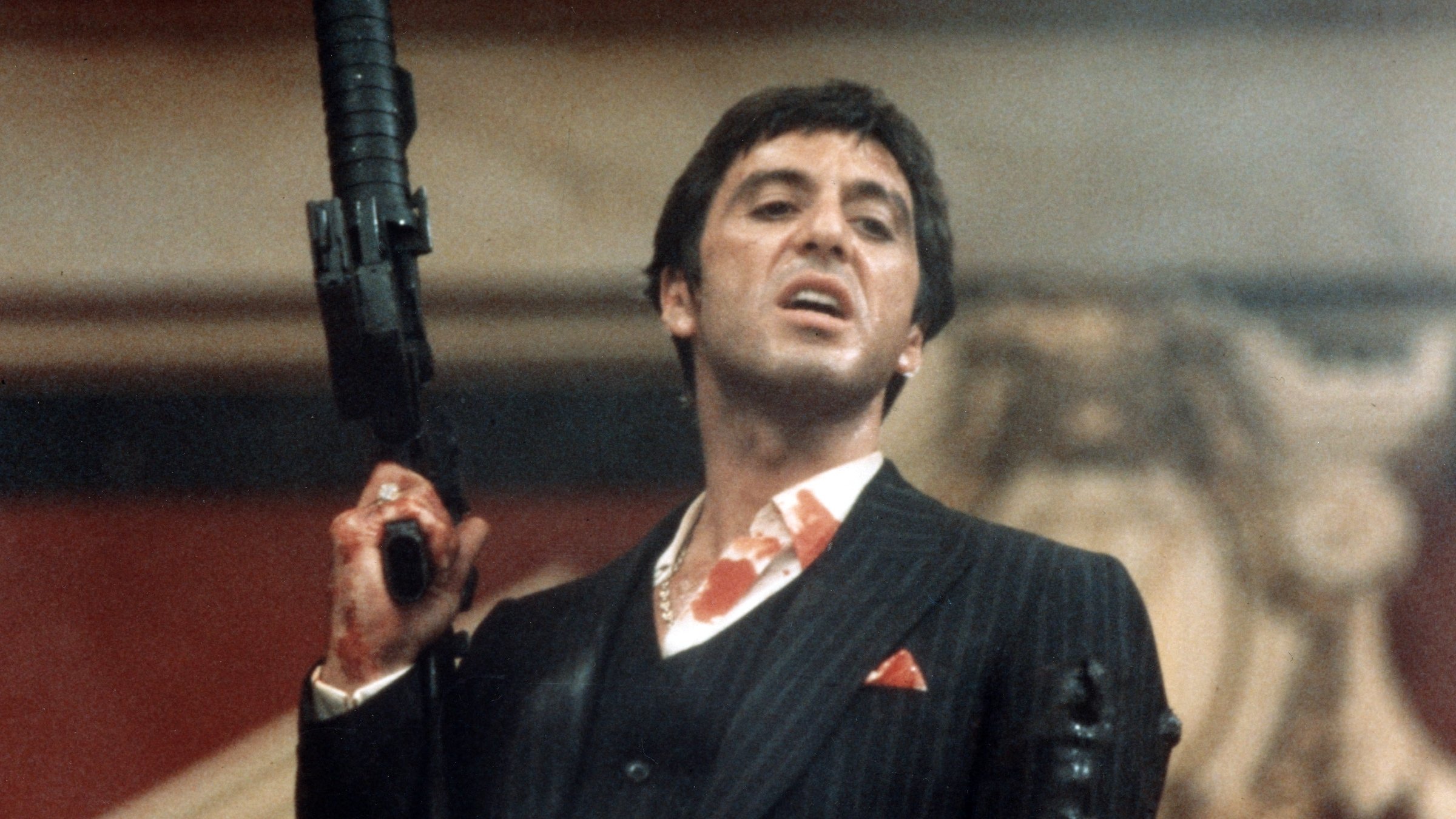

The Camera as Weapon
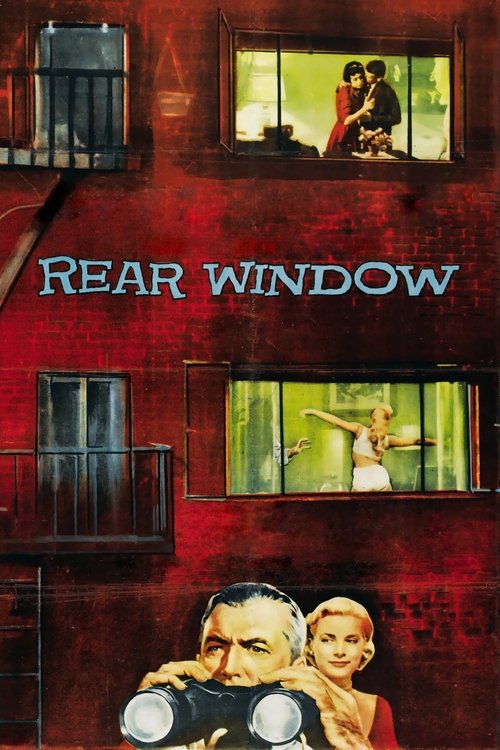
Brian De Palma is the American cinema's most committed stylist, a director for whom how you show something is inseparable from what you are saying. Trained in the New Hollywood moment alongside Scorsese, Spielberg, and Coppola, he went his own way: toward Hitchcock's voyeurism rather than Ford's grandeur, toward operatic excess rather than naturalism. His films are built around the gaze. Characters spy on each other through windows, telescopes, video monitors, and split screens; the camera itself becomes an instrument of violation. When De Palma splits the frame in two, he is showing you that two things are true at once, that pleasure and horror occupy the same moment.
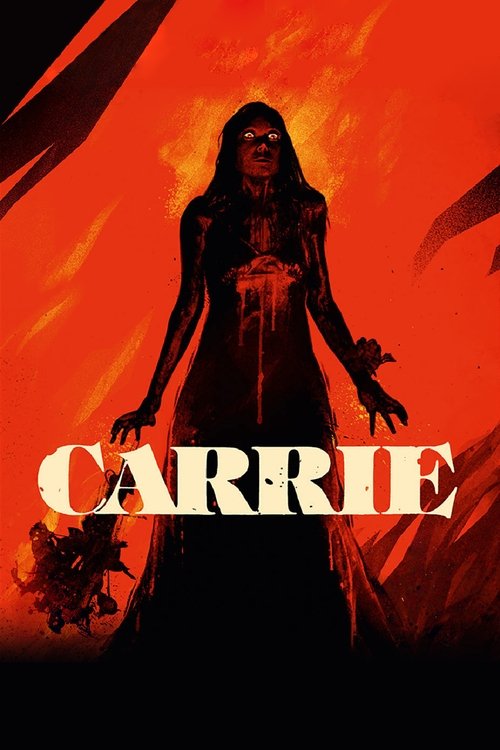
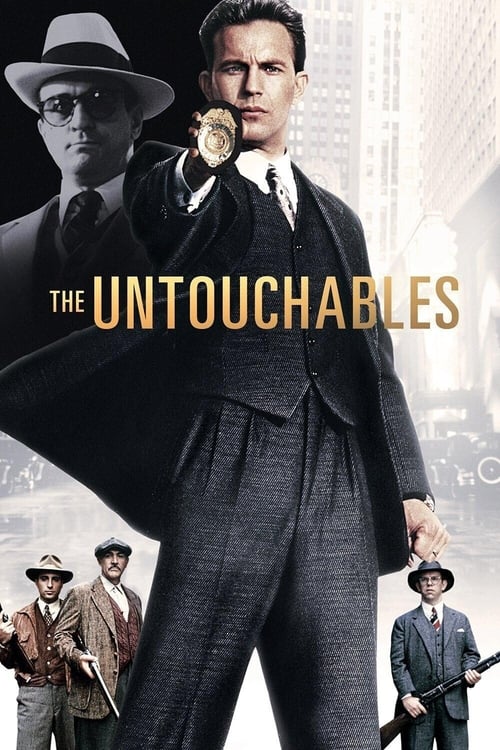
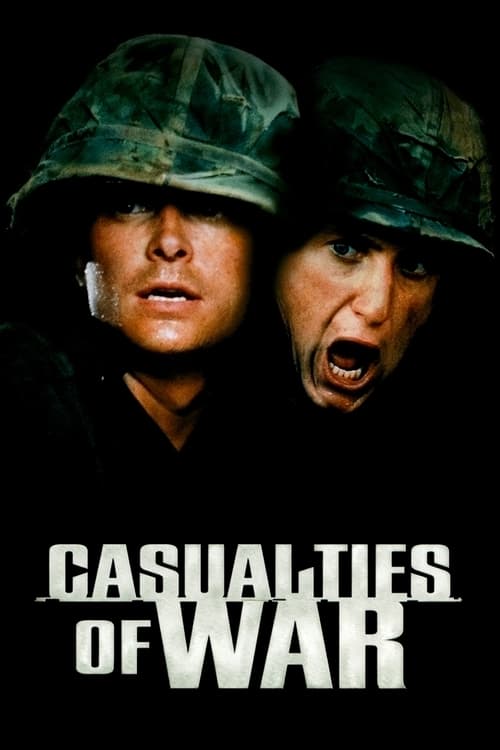
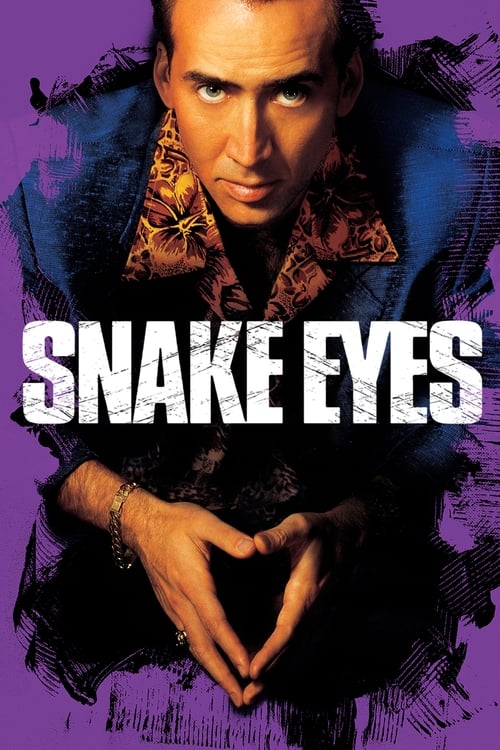
His subjects keep returning: corrupt institutions (the police in Serpico-era New York, the mob in Miami, the military in Vietnam), women watched and endangered by men who mistake observation for love, and the unreliable image. He understands that cinema is fundamentally a lie, and he makes that lie baroque and beautiful. The long Steadicam take through Yankee Stadium in The Untouchables, the prom massacre unfolding across two screens simultaneously in Carrie, the slow-motion hallway of Casualties of War: these are not showing off. They are De Palma insisting that you feel time and space bend under moral pressure.
Fan of one De Palma film, you are likely a fan of all of them, because the DNA is consistent across genres: the thriller, the horror film, the gangster epic, the war film. What you love is the texture. The obsessive framing. The Pino Donaggio score spiraling upward. The sense that the camera knows something the characters do not.
Essential Brian De Palma
The films, ranked by what they do that no one else can

The Hitchcock Lineage
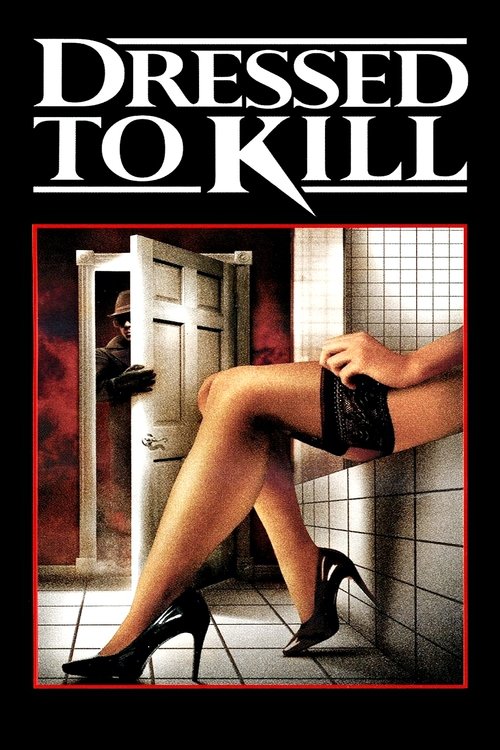
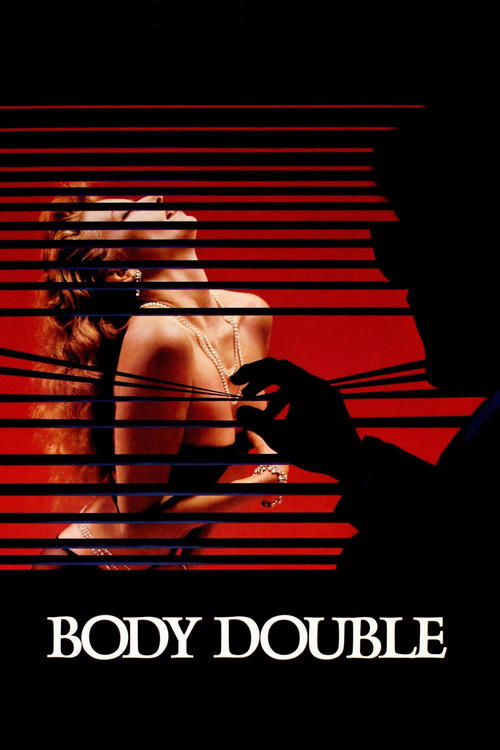
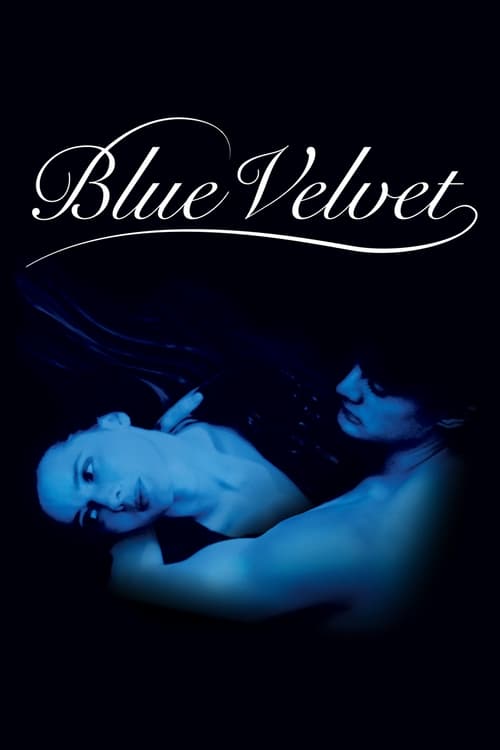
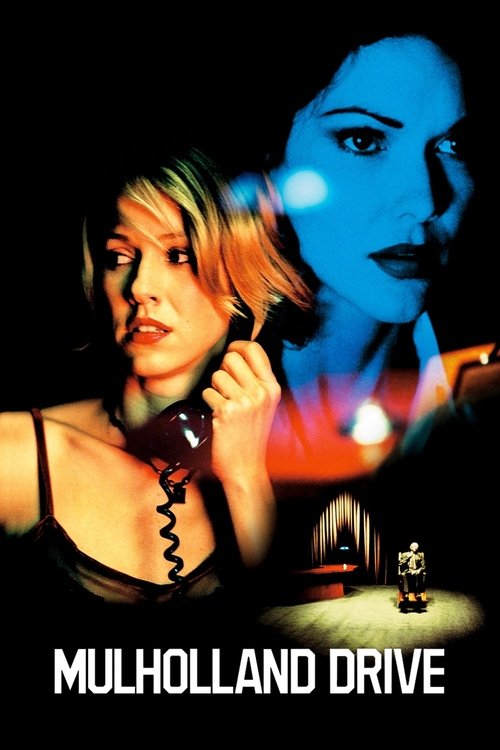
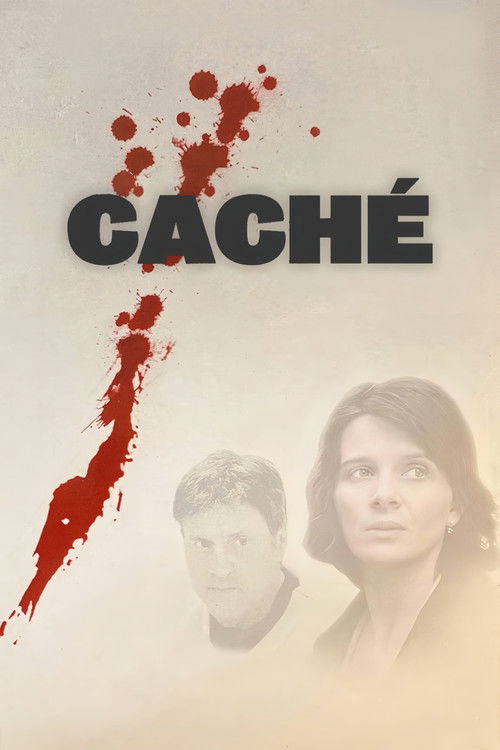
Films obsessed with watching, false identity, and the camera as confessor
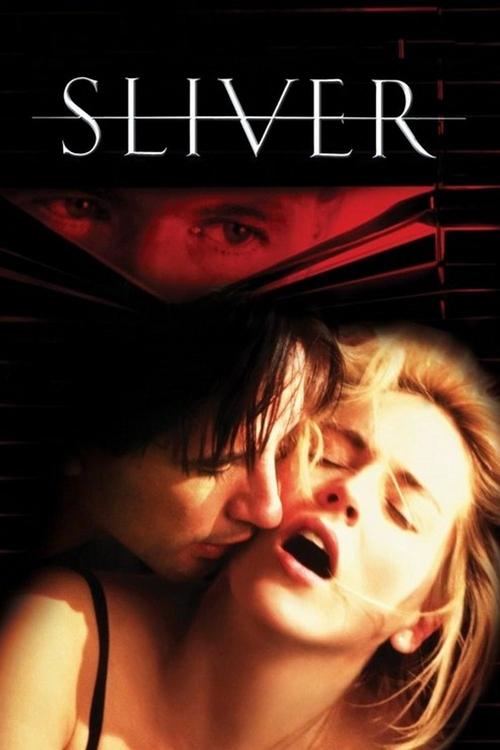
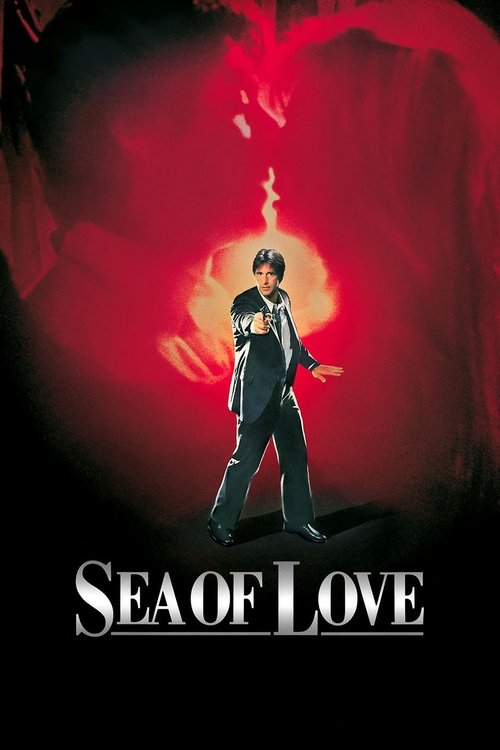
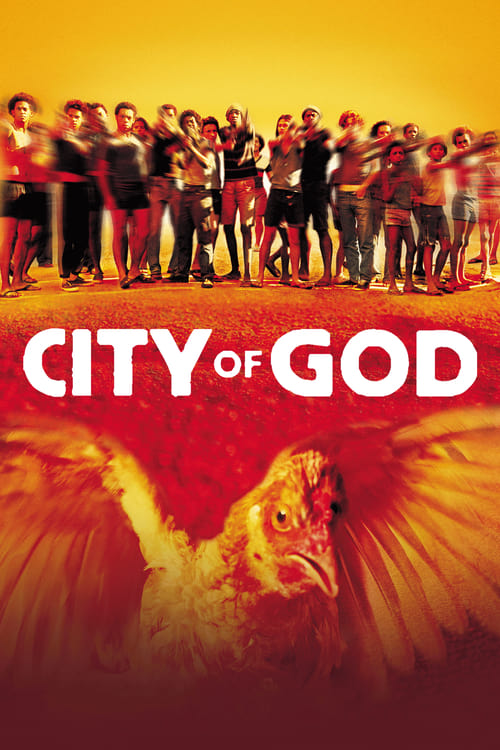
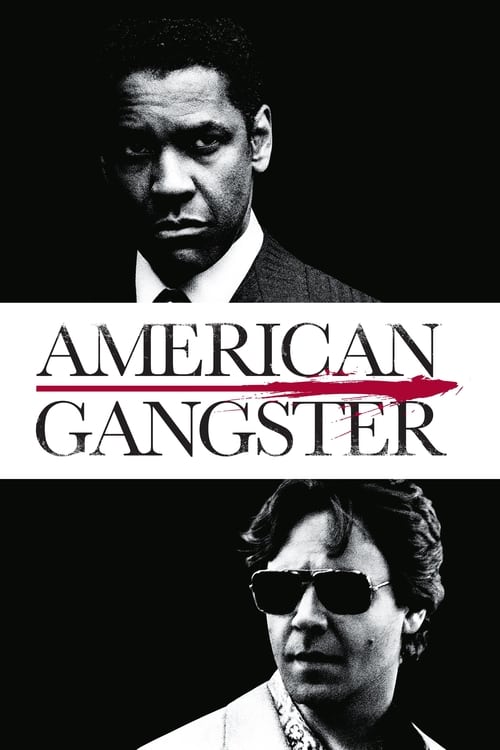
Operatic Crime and Consequence
Gangster films, corrupt cities, men who reach too far
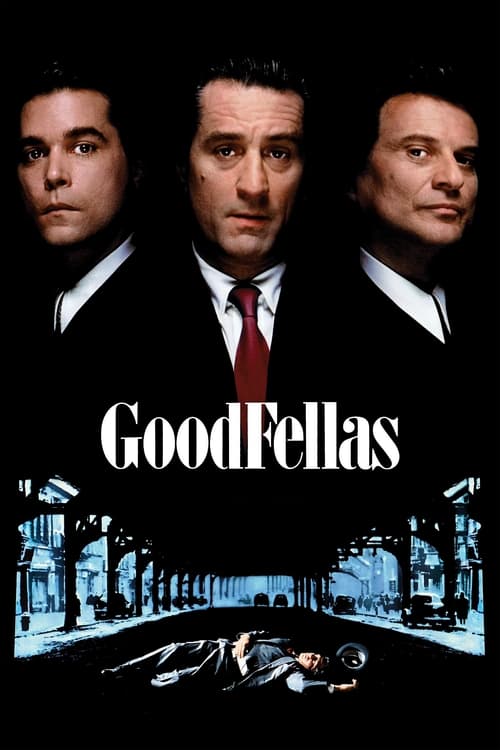
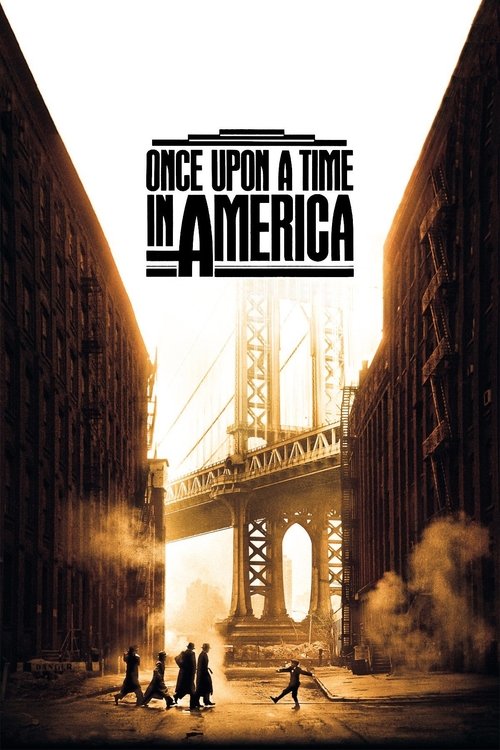


Style as Substance: Books Behind the Films
The crime fiction and literary thrillers that share De Palma's moral texture





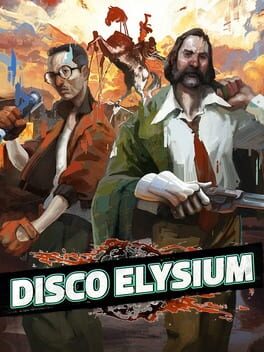
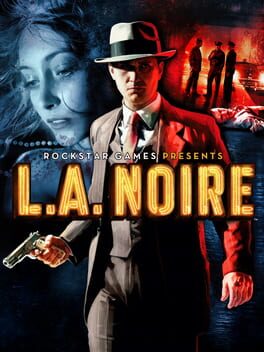
Games That Play With the Gaze
Games built on paranoia, voyeurism, and the morality of watching





The perfect entry point is Blow Out, not Scarface
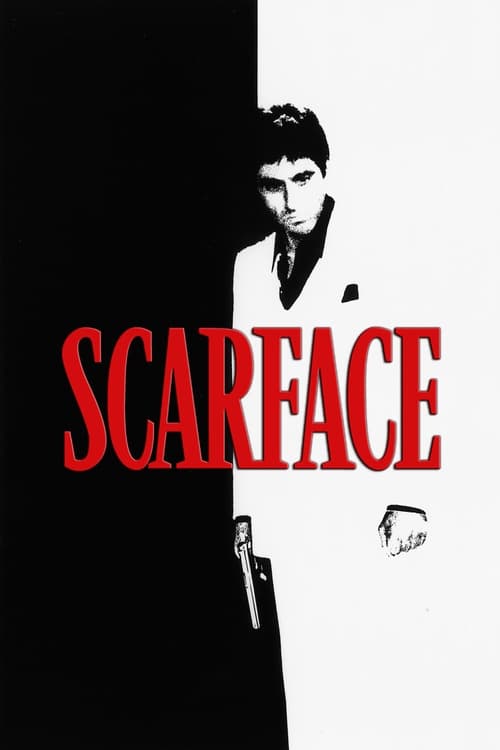
Blow Out is where De Palma's obsessions converge at maximum clarity: a sound man who records a political murder, a woman who survived by accident, a city that wants the truth buried. It is formally perfect, a sustained demonstration of how cinema manipulates time and perception. The ending is one of the most devastating in American film. Scarface is louder and more quotable, but Blow Out is the real argument for why De Palma matters. If you have seen one and not the other, you have the order wrong.
Femme Fatale is the most underrated film in his catalogue
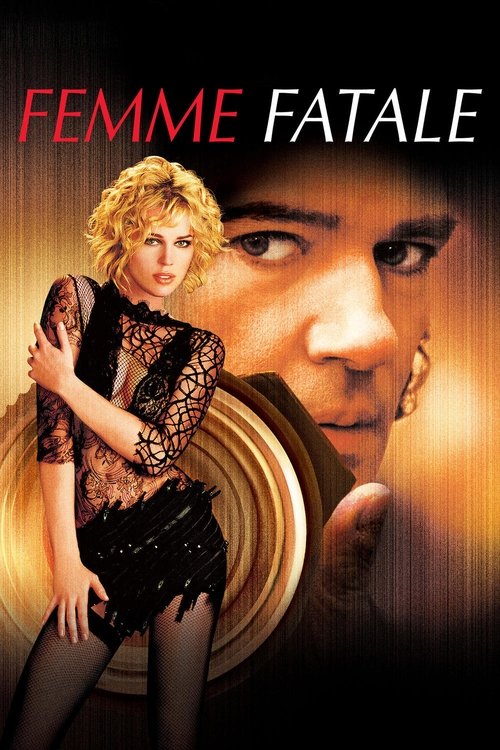
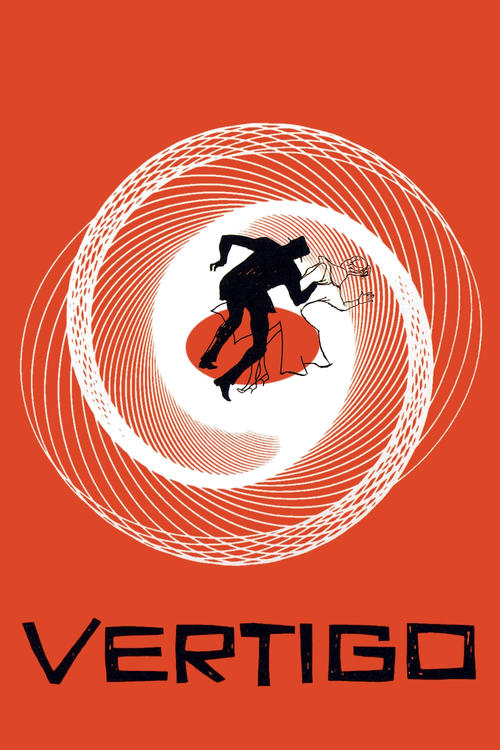
Femme Fatale arrived in 2002 to baffled reviews and deserves total rehabilitation. It is De Palma at his most self-aware and playful: a heist at Cannes, a Vertigo-like identity switch, a third-act pivot that reframes everything. Critics who wanted a serious thriller found a puzzle-box. Viewers who find the puzzle-box find a film genuinely arguing about fate, performance, and whether any character in a De Palma film has free will. It is not a minor work. It is a valediction.
Paul Thomas Anderson is the spiritual successor
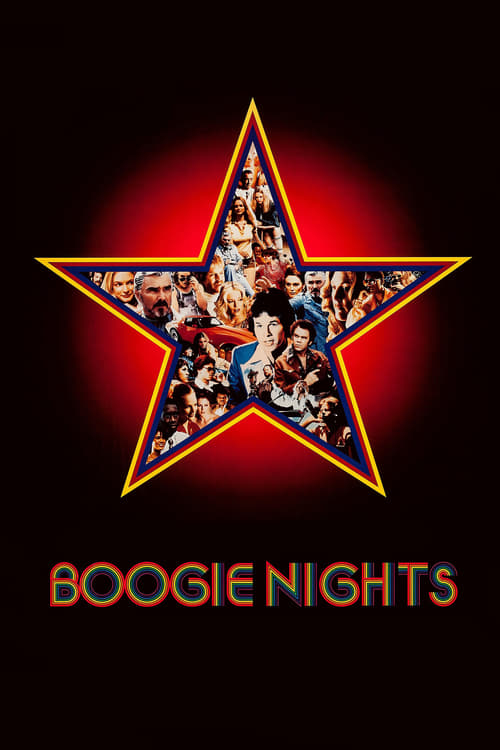
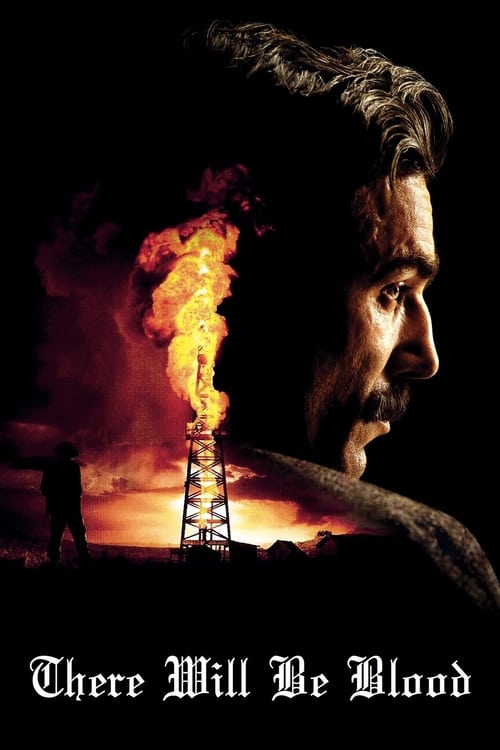
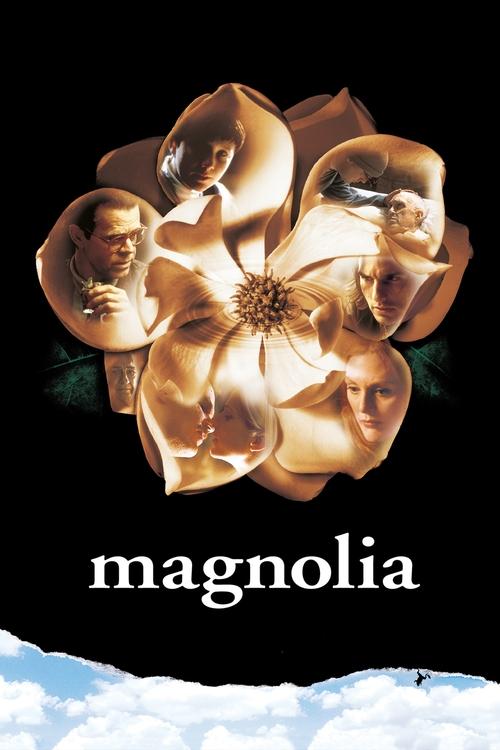
Boogie Nights begins with a Steadicam tour de force that is a direct address to De Palma's long takes and a declaration of lineage. Anderson shares De Palma's belief that camera movement is moral statement, that the way you frame characters tells you what you think of them. Magnolia has the operatic structure; There Will Be Blood has the portrait-of-American-corruption ambition. The connection is not influence-spotting. It is a shared conviction that cinema should overwhelm.
Casualties of War is the film that cost him the most
Casualties of War is the film that most directly asks what De Palma asks in every genre: who is watching, who is responsible, and what happens to the person who sees something they cannot unsee. Set in Vietnam and based on a real incident, it stripped away the baroque pleasure of his thrillers to make an argument about complicity that the audience found uncomfortable. It is not enjoyable in the way Scarface is enjoyable. It is the film where the voyeurism thesis became a moral catastrophe.
Operatic crime, noir, and paranoia
For Fans of Scarface
Explore the For Fans of Scarface guide →De Palma's cinema is built on a single terrifying premise: that watching is never innocent.CrossBinge editorial