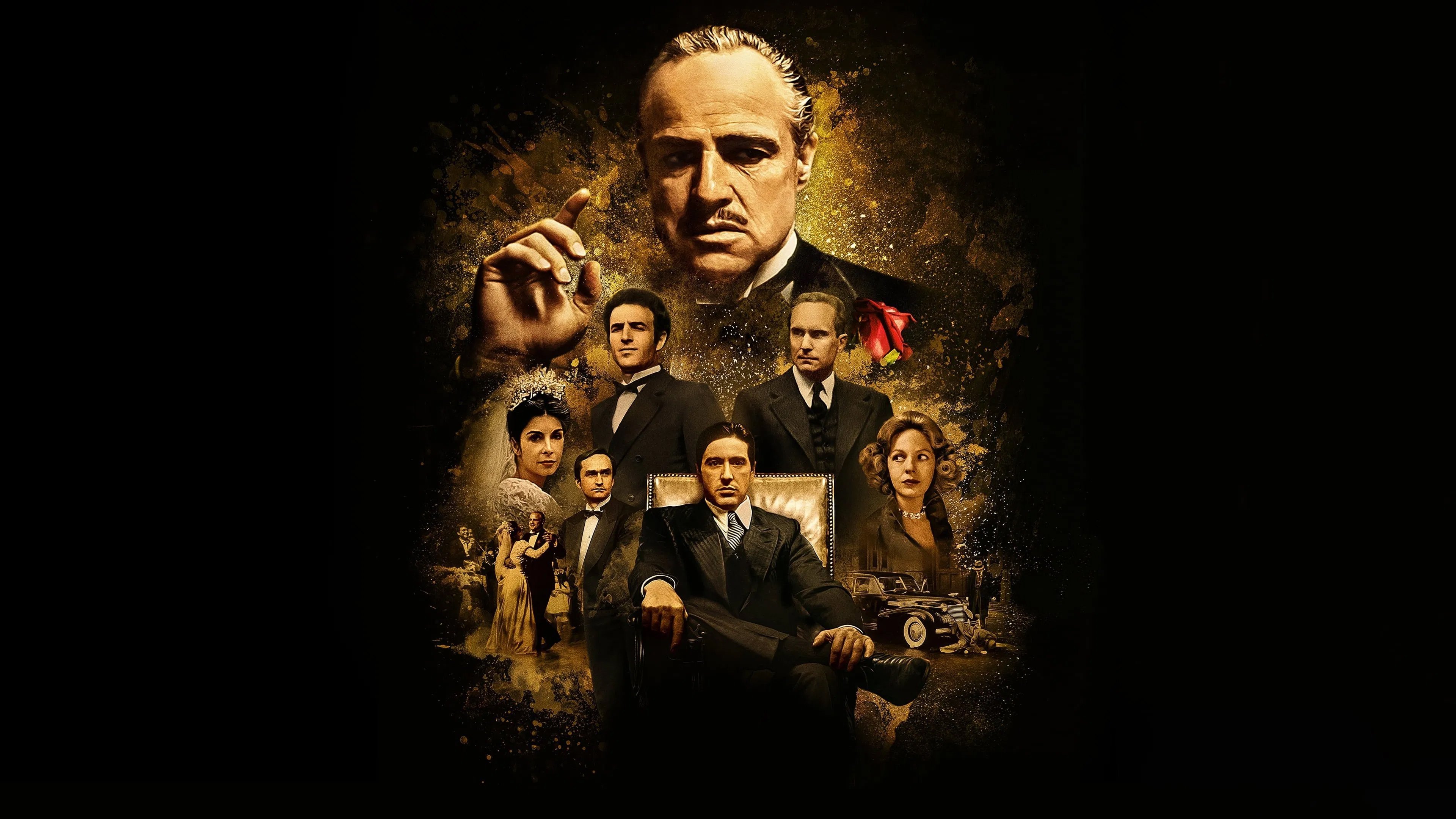

Brian De Palma's 1983 Scarface is not a gangster film that asks you to admire its villain. It is a film that makes you feel the pull of Tony Montana's hunger, then makes you watch what that hunger costs. Written by Oliver Stone and shot in Miami and Los Angeles, it is operatic in scale and utterly unsparing in what it shows. Al Pacino's performance is a controlled explosion: Tony arrives with nothing, claws everything into his hands, and cannot stop. The through-line that fans chase is the clarity of its ambition, the weight of its consequence, and the particular energy of a film that refuses to look away. Once you have felt that frequency, you spend a long time looking for it elsewhere.
Essential Scarface
The film itself and the films that complete the picture

The De Palma Register
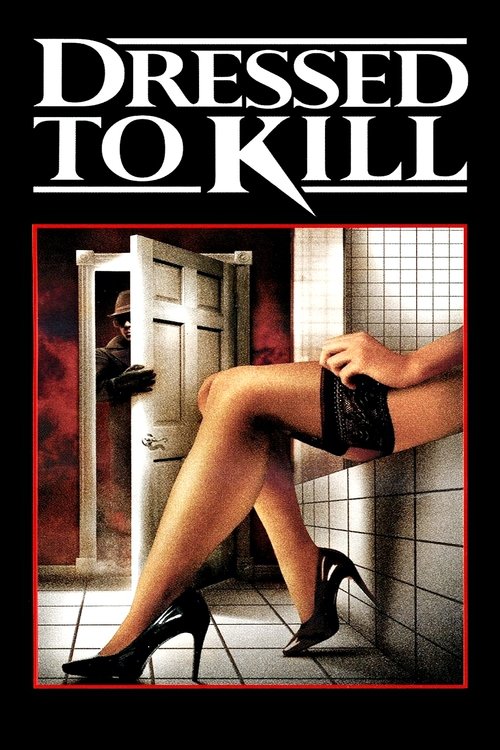
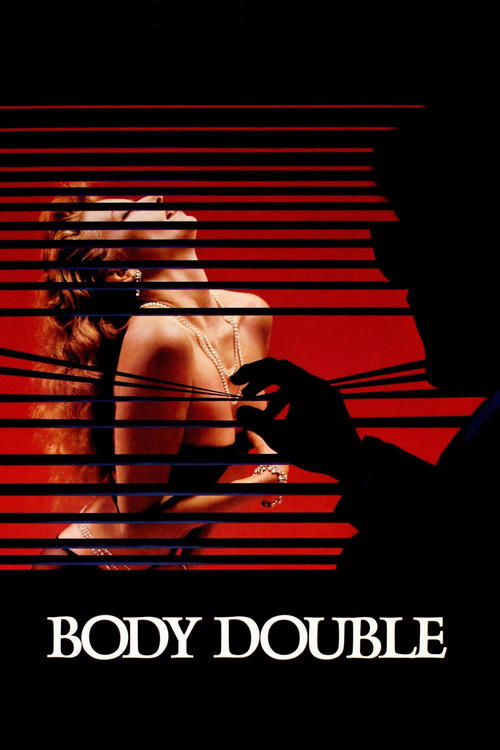
Same director, same command of style, suspense, and operatic excess

The Rise-and-Fall Arc on Screen
Films and series built on the same ruthless upward climb and the fall that follows


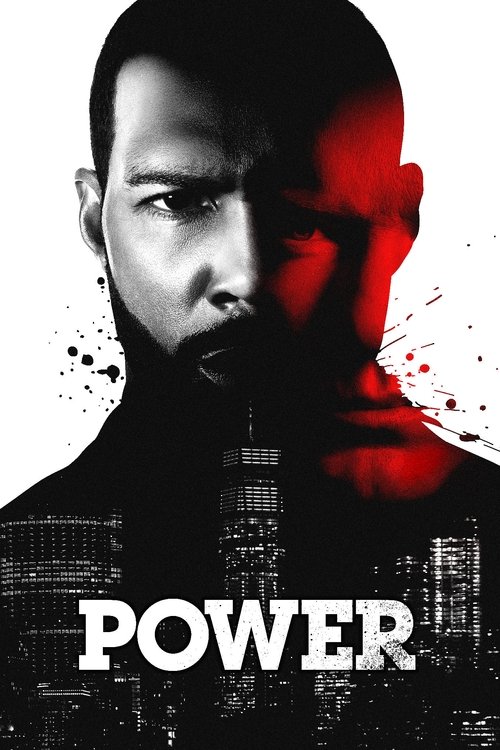
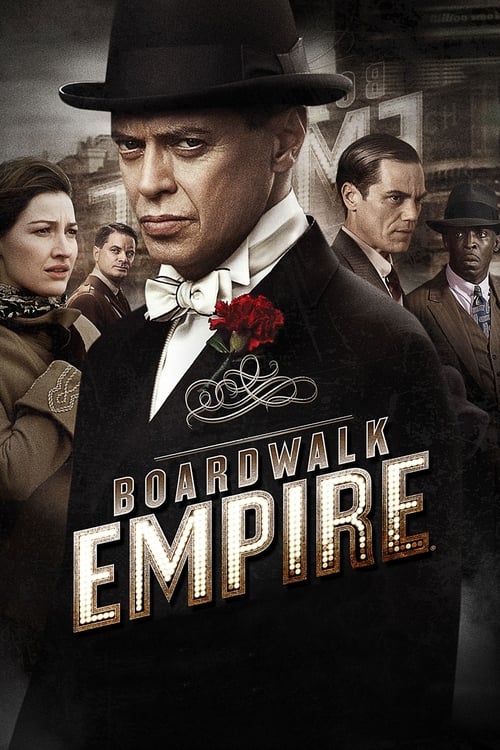
Books That Feed the Same Appetite
Novels about ambition, crime, and the price of the empire you build


Games That Live in That World
Crime sandboxes and power-hungry narratives that share Scarface's DNA
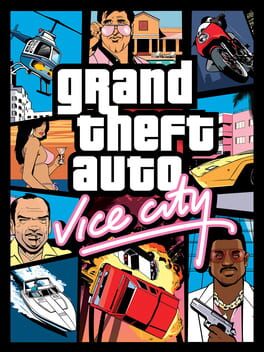
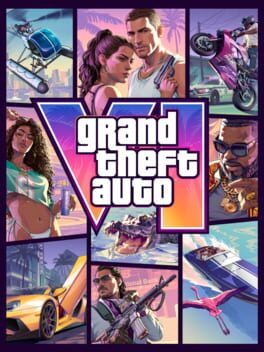
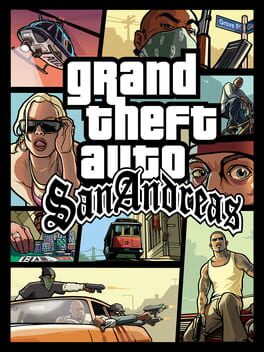

Vice City Was Built on Scarface's Blueprint
Rockstar Games built Grand Theft Auto: Vice City as an explicit love letter to Scarface and Miami Vice. The opening mission, the radio stations, the protagonist's arc from street-level operator to crime boss, even the Hawaiian shirts: all of it consciously echoes De Palma's film. Playing Vice City is the closest a game has come to letting you inhabit that world rather than watch it. The score by Moroder hung over both properties; the synth pulse of 1983 Miami never went away.
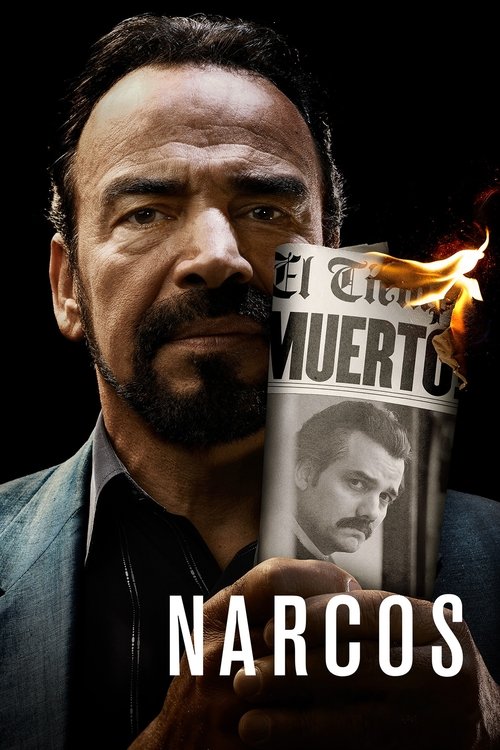
Narcos Is Scarface Without the Mythology
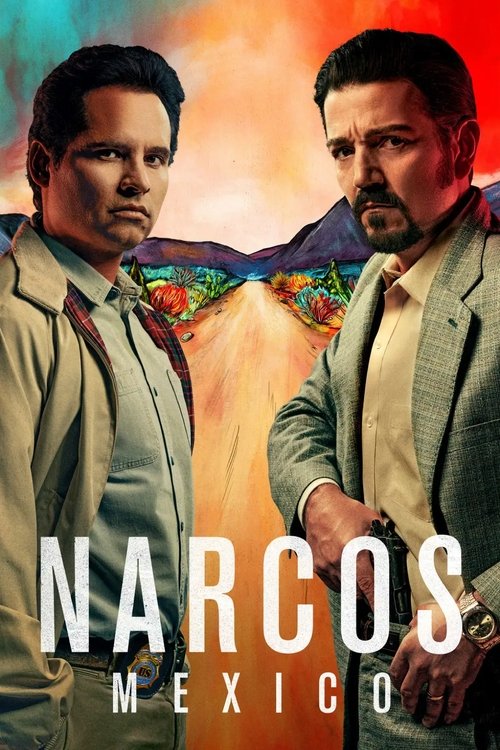
Where Scarface builds Tony Montana into a mythic figure, Narcos strips the cocaine trade back to operational logistics and the men who ran them. Pablo Escobar is rendered as a bureaucrat of violence rather than a demigod. Watching the two together is instructive: the Netflix series shows what the real infrastructure looked like, while De Palma's film shows what the mythology costs to believe. Both are essential.
The Source: Hawks Made It First
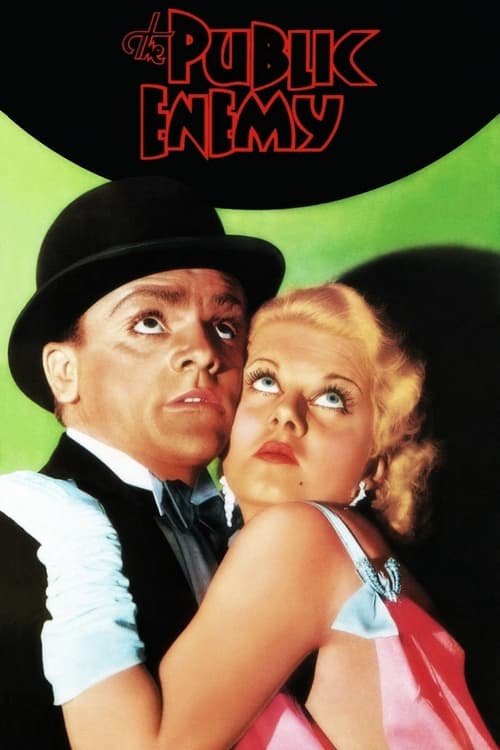
Howard Hawks directed the original Scarface in 1932, based on a novel by Armitage Trail. Paul Muni's Tony Camonte is recognizably the same character: the immigrant outsider who seizes power by force and cannot recognize when to stop. De Palma's remake is not a contradiction of Hawks but a continuation: same engine, different fuel. Watching the 1932 film illuminates how much of the story is structural rather than cultural, and how much both directors understood that the audience's complicity is the real subject.
Breaking Bad Is Scarface in Slow Motion
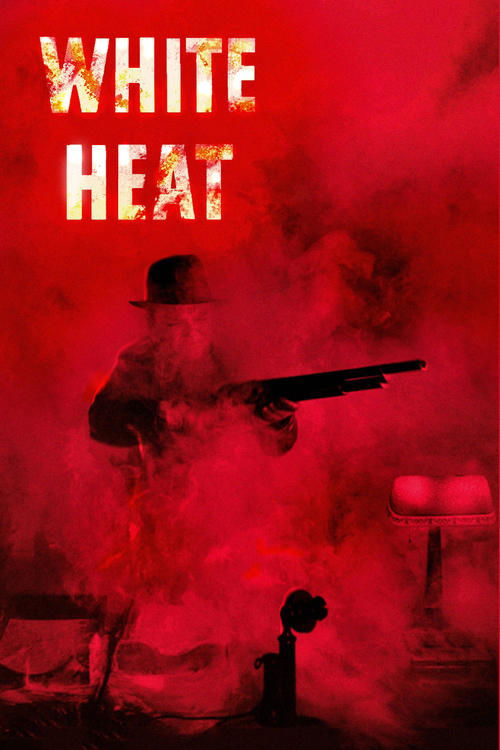
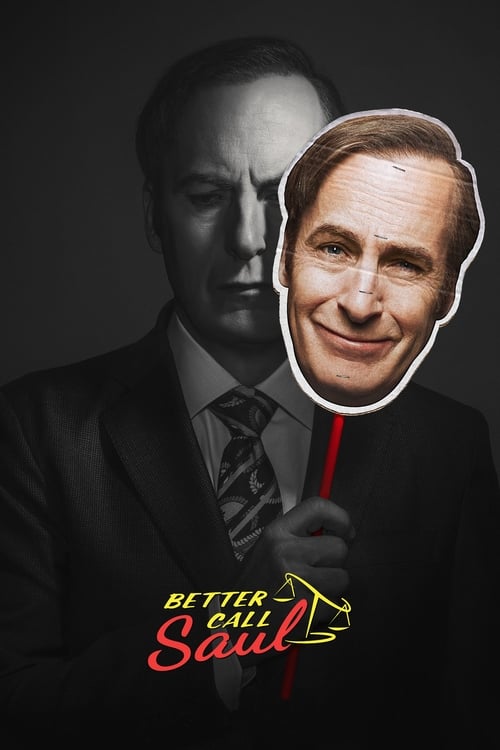
Vince Gilligan described Breaking Bad as the story of Mr. Chips becoming Scarface. Walt White's transformation follows the same structural logic as Tony Montana's, stretched across five seasons of television: the ordinary man who discovers a capacity for violence and finds it intoxicating. Where Scarface compresses the arc into three hours, Breaking Bad lets you watch each rationalization accumulate. The comparison is not a criticism of either work; it is the point.
A Timeline of the Crime Epic
- 1932Howard Hawks releases the original Scarface, starring Paul Muni. The Hays Code forces a moralistic ending onto the film. Scarface
- 1972The Godfather redefines the crime epic as a film about family, loyalty, and the cost of power. The Godfather
- 1974The Godfather Part II deepens the mythology, showing Michael Corleone's parallel rise and his father's origins. The Godfather Part II
- 1983Brian De Palma and Oliver Stone remake Scarface in Miami. Al Pacino's Tony Montana becomes a cultural icon. Scarface
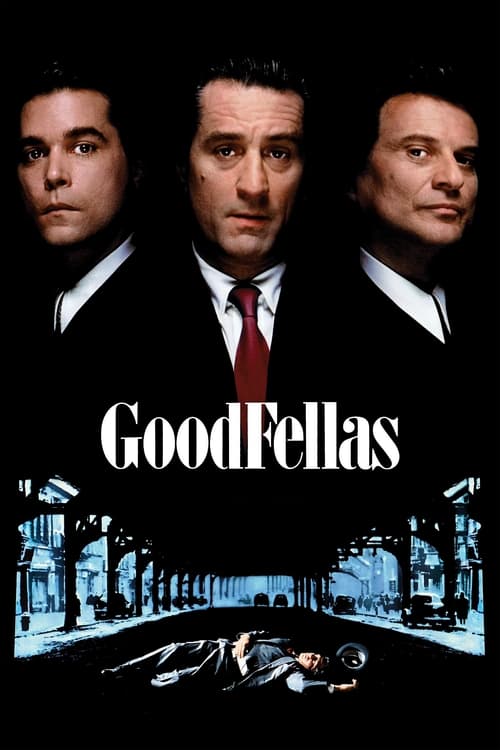
- 1990Martin Scorsese's Goodfellas arrives as both companion piece and counterargument: this is what the life actually looked like, day to day. GoodFellas
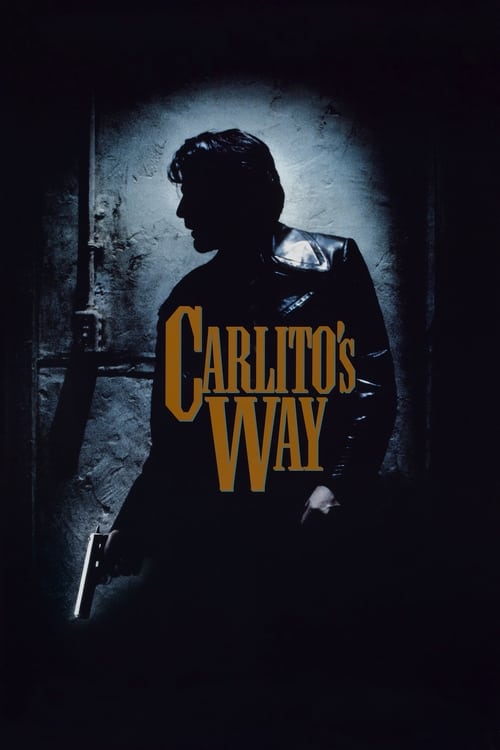
- 1993De Palma returns to the crime world with Carlito's Way, a more melancholic variation on the same rise-and-fall structure. Carlito's Way
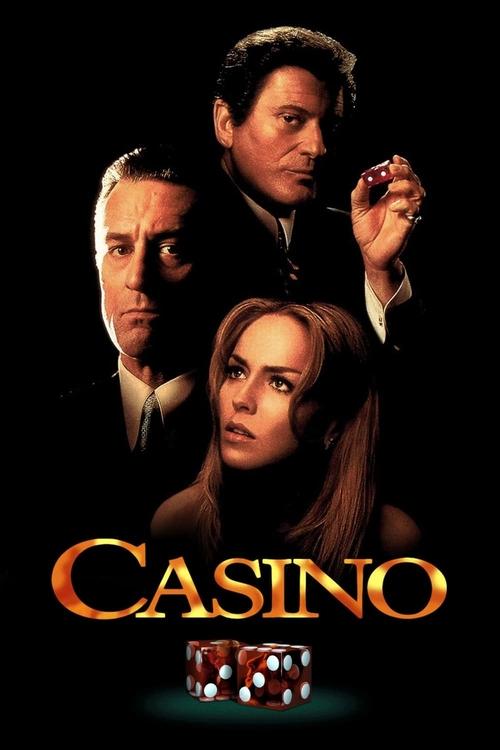
- 1995Scorsese's Casino closes the trilogy he never officially made, set in Las Vegas rather than New York. Casino
- 2002Grand Theft Auto: Vice City translates the Scarface aesthetic into an interactive medium, set in a fictionalized 1986 Miami. Grand Theft Auto: Vice City
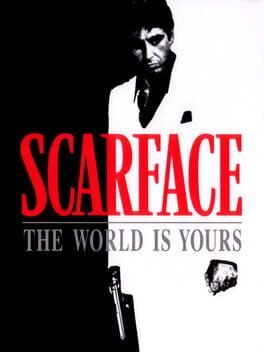
- 2006Scarface: The World Is Yours lets players take over from the end of the film and build a new empire, explicitly picking up where Tony Montana died. Scarface: The World Is Yours
- 2008Breaking Bad begins: Vince Gilligan describes his premise as Mr. Chips becoming Scarface. Breaking Bad
- 2015Narcos arrives on Netflix, dramatizing the actual cocaine trade that Scarface fictionalized. Narcos
Crime epics, cartels, great villains
Mafia & Organized Crime
Explore the Mafia & Organized Crime guide →All I have in this world is my balls and my word, and I don't break them for no one.Tony Montana, Scarface (1983)