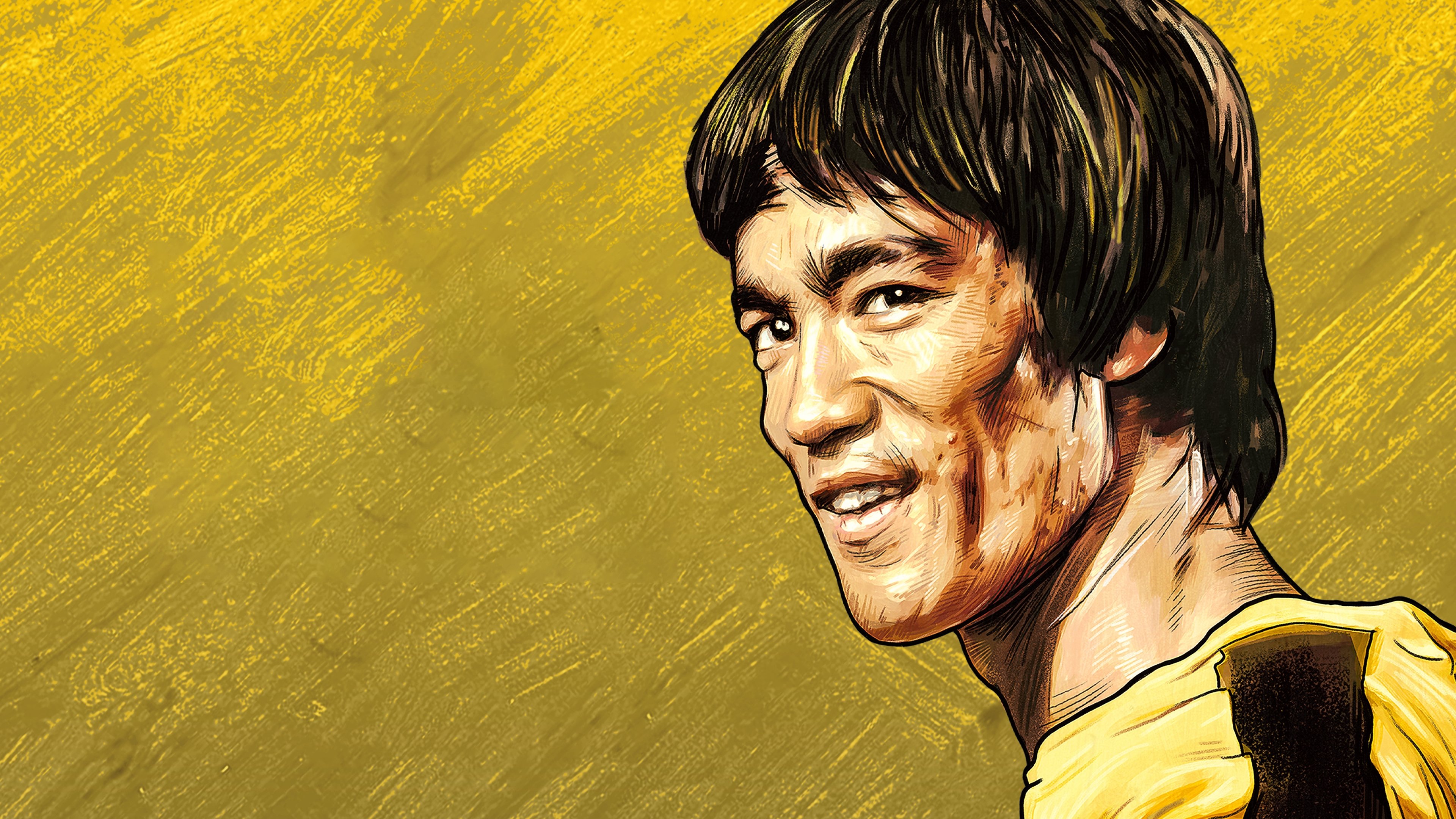

Bruce Lee remade the action film in the span of six years and a handful of movies. Before him, Hollywood cast Asian men as comic relief or menace; after him, a new grammar of the body existed on screen: precise, fast, alive in ways that defied the camera's frame rate. His films were hits across Hong Kong, Southeast Asia, and the United States simultaneously, something almost no movie had managed before. But the reason fans keep returning is not the kicks. It is the attitude, equal parts ferocity and wit, grounded in a genuine intellectual project. Lee studied philosophy, absorbed Wing Chun, boxing, fencing, and wrestling, and synthesized them into Jeet Kune Do, a system that rejected fixed forms in favor of directness and adaptation. That restlessness, the sense of someone perpetually testing and refining, runs through everything connected to his legacy.
Essential Bruce Lee
His films, in order of release, remain the core text.


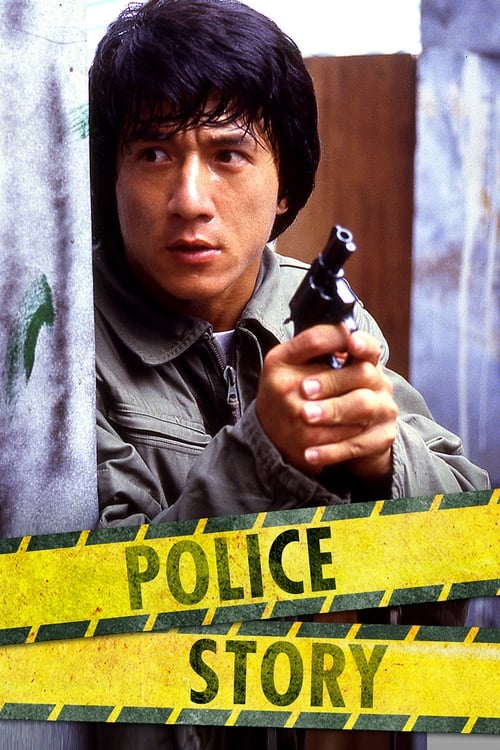
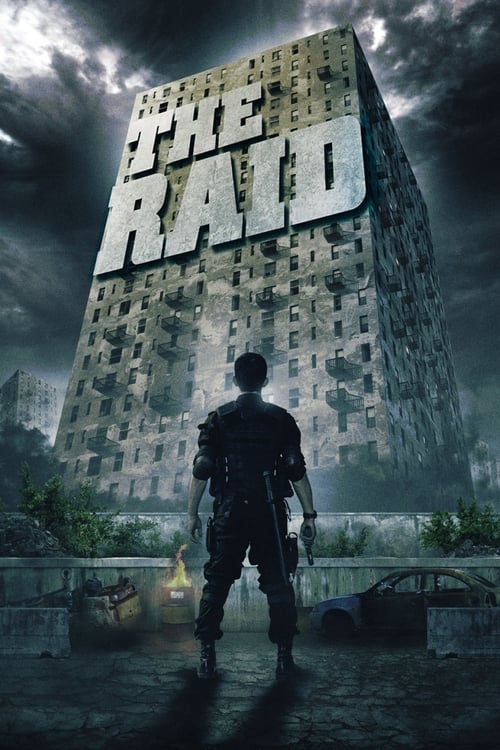
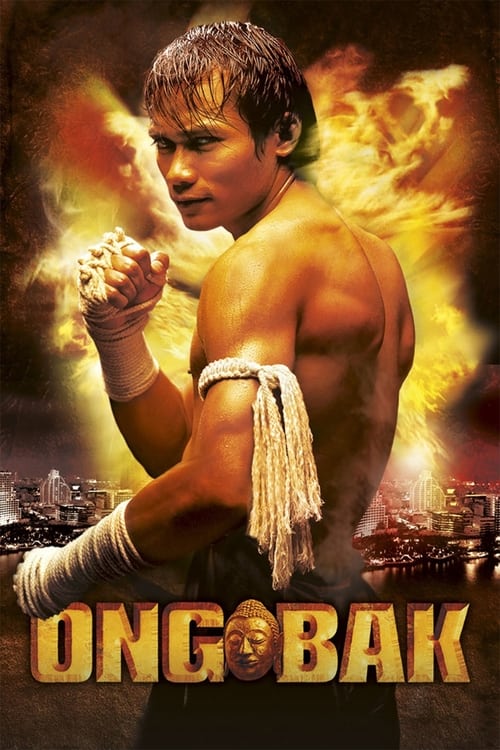
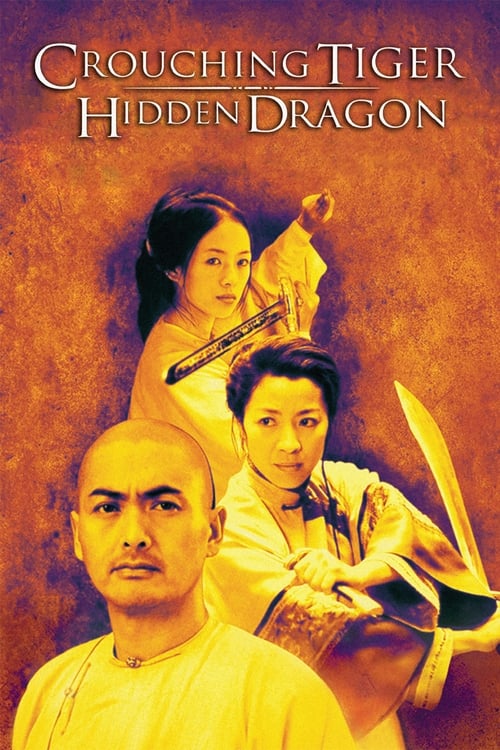
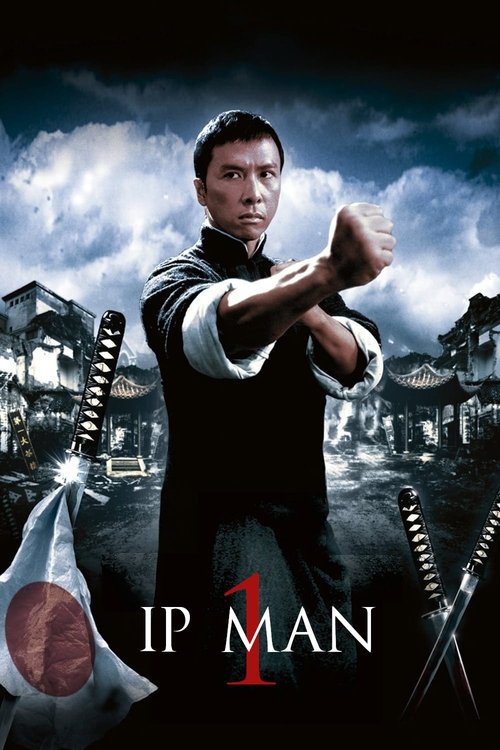
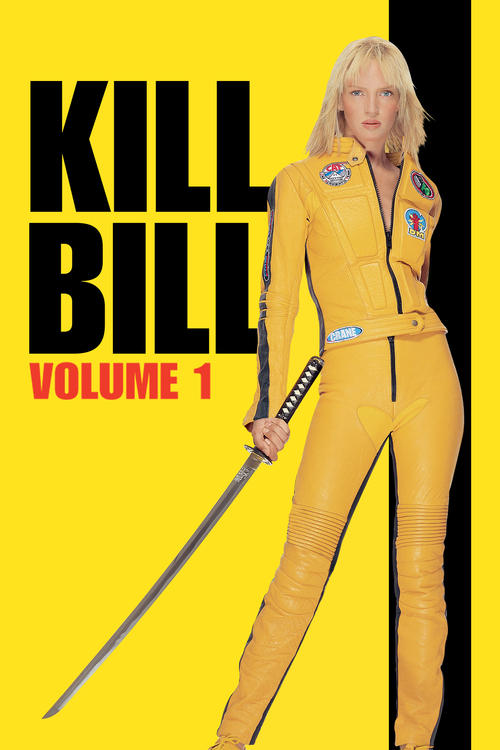
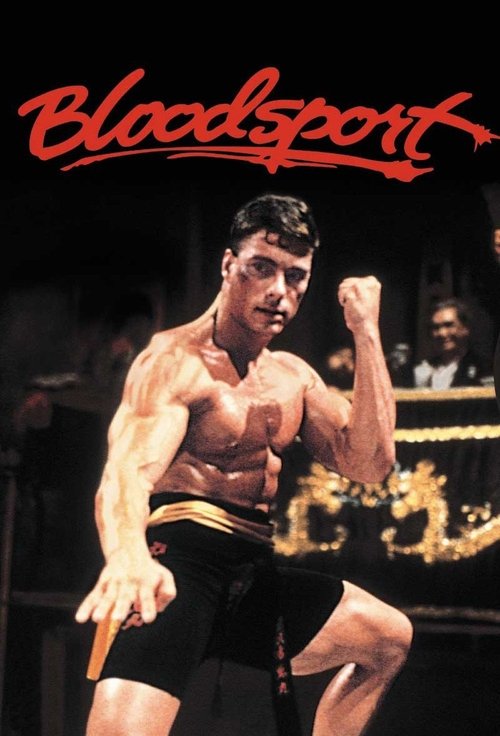
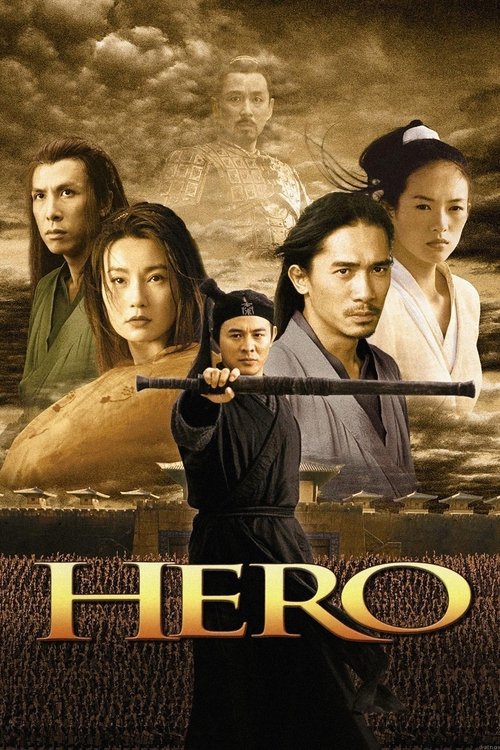
Same Energy: Action Cinema Built on a Single Body
Films where one performer's physicality carries the whole proposition.

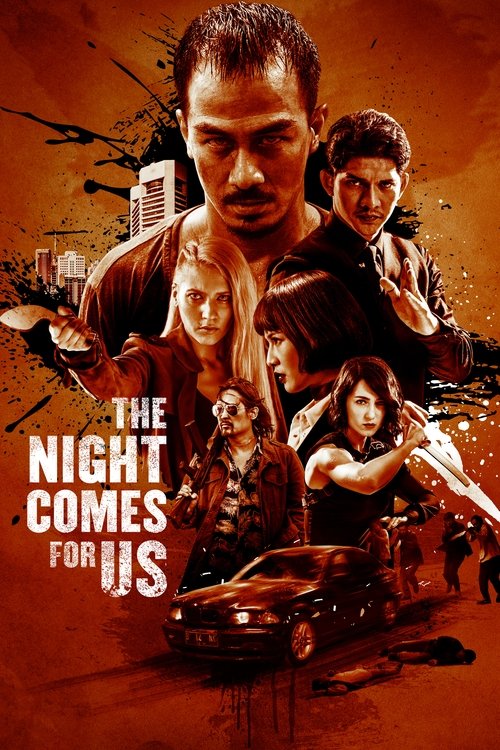
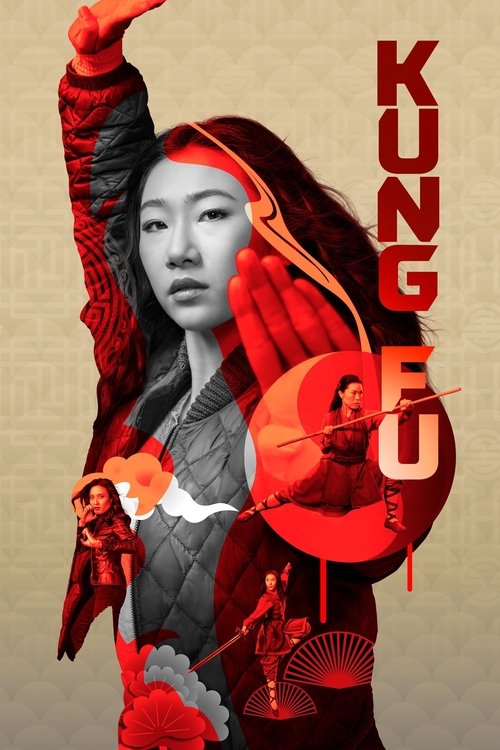
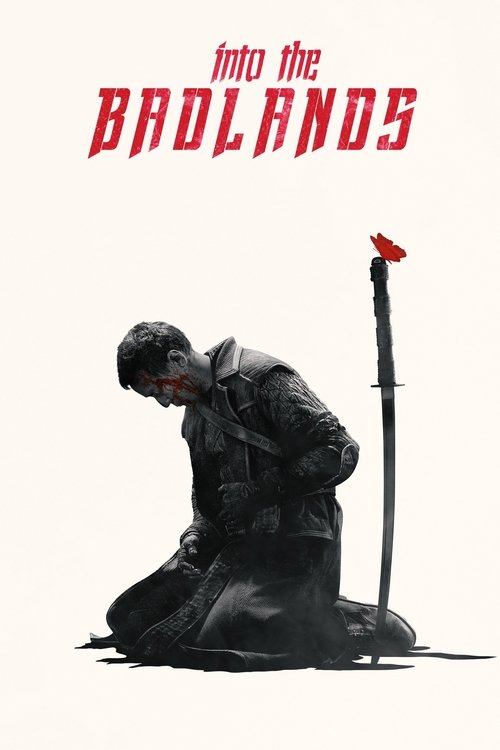
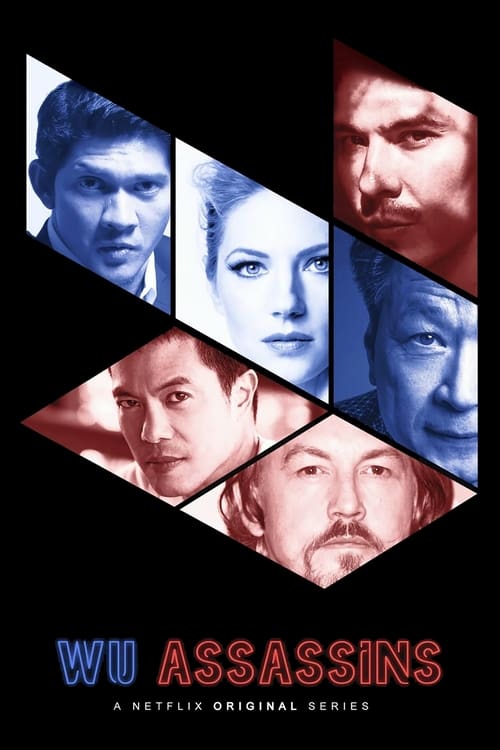
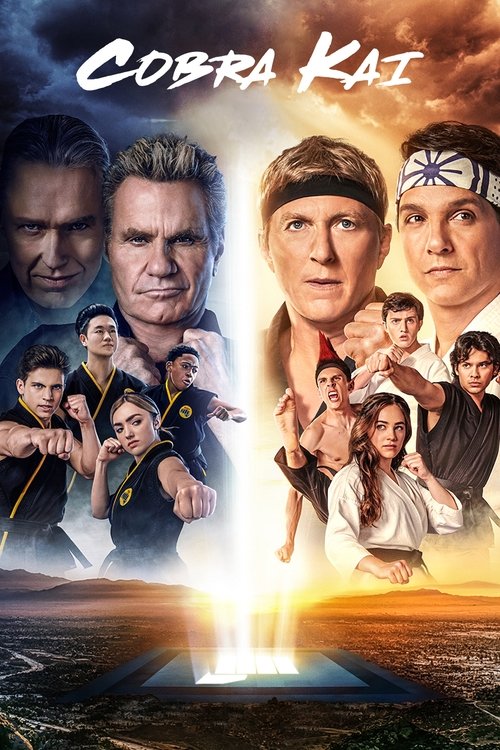
Lee on TV: Martial Arts That Crossed into the Living Room
Series that inherited his influence or dramatized his world.
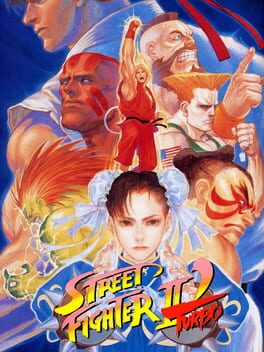
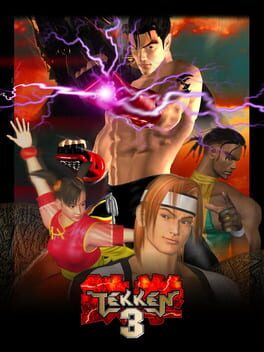
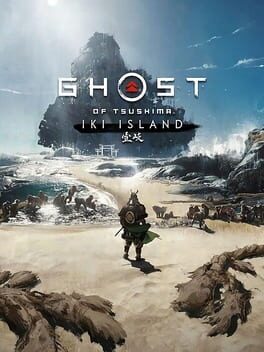
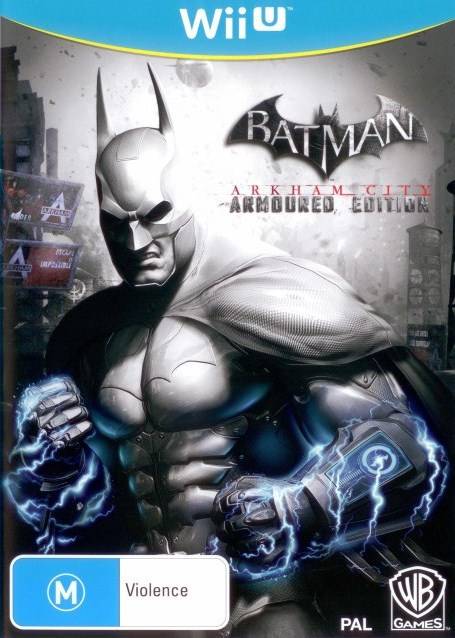
The Philosophy Made Playable: Martial Arts Games
Games that capture the one-on-one intensity and body-knowledge Lee embodied.
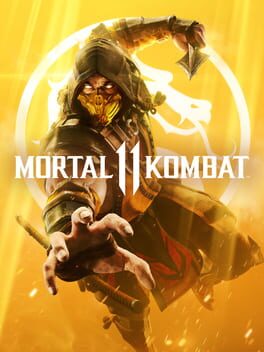
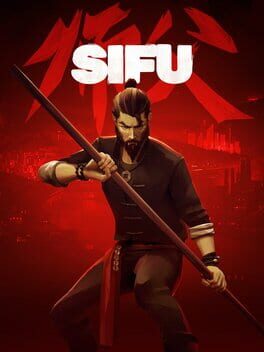
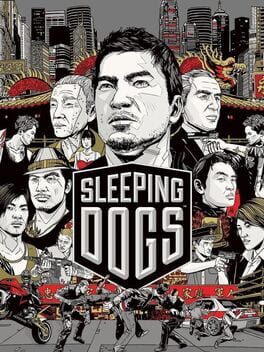
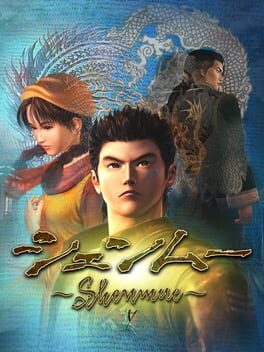
Books That Feed the Same Mind
Martial philosophy, Hong Kong history, and the discipline of mastery.


Enter the Dragon Is a Perfect Film
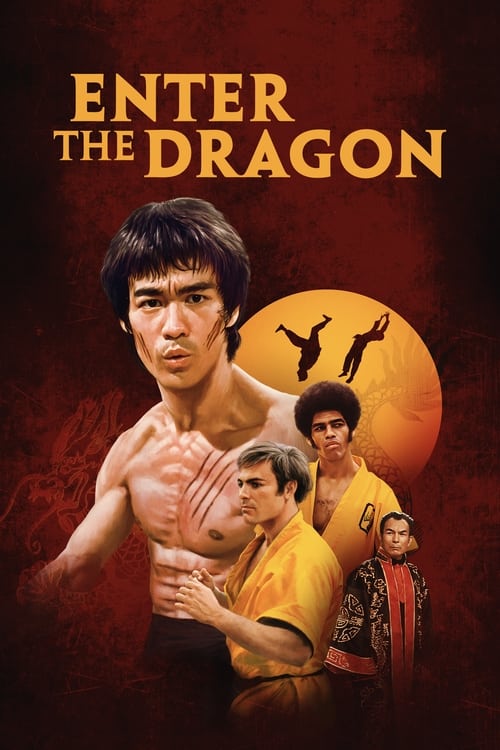
Made in 1973 with a Warner Bros. budget and shot entirely in Hong Kong, Enter the Dragon is the rare crossover film that did not dilute its source. Lee plays a man of precise loyalties operating inside a villain's private island tournament, and the movie never once winks at the audience. The final hall-of-mirrors sequence is a legitimate set piece, not a gimmick. Forty years of action cinema has not made it feel smaller.
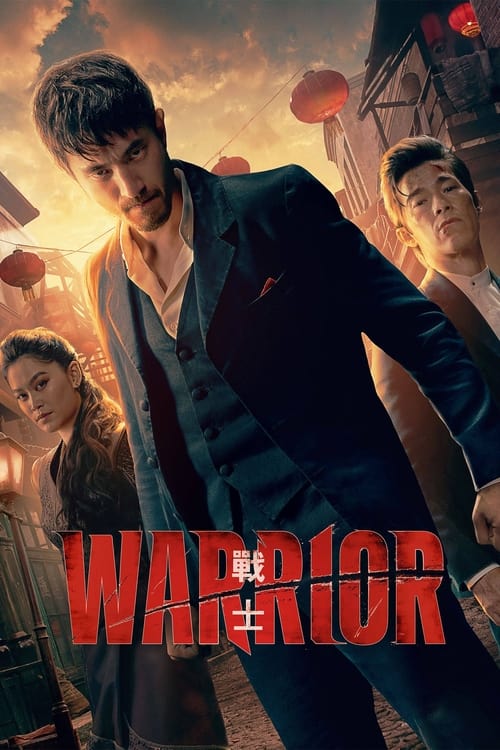
Warrior Is the Show Lee Was Always Owed
Based on a concept Lee developed in the early 1970s, Warrior arrived on Cinemax in 2019, decades after the network passed on the original pitch and (as the story goes) repackaged the idea without him. The series is set in San Francisco's Chinatown in the 1870s and takes the tong wars seriously as history and drama. The fight choreography is extraordinary, but what sets it apart is its refusal to make the Chinese characters background texture for a white protagonist's journey.
Sifu Understands What Martial Arts Games Usually Miss
Most fighting games give you a roster and a move list. Sifu gives you a single character who ages every time he dies, and a combat system that demands you read your opponents rather than memorize combos. The Pak Mei kung fu underpinning its animation is drawn from real lineage. Playing it well feels less like button execution and more like the state Lee described when he talked about being like water: not imposing a shape, finding the shape the moment requires.
Bruce Lee: A Timeline
- 1940Born in San Francisco during his father's tour with the Cantonese Opera; raised in Hong Kong from infancy.
- 1954Begins studying Wing Chun under Ip Man in Hong Kong.
- 1959Returns to the United States; enrolls at the University of Washington.
- 1964Demonstrates Jeet Kune Do at the Long Beach International Karate Championships; impresses martial arts and film communities.
- 1966Cast as Kato in The Green Hornet TV series, his first major American exposure. The Green Hornet
- 1971The Big Boss becomes a massive Hong Kong box-office hit. The Big Boss
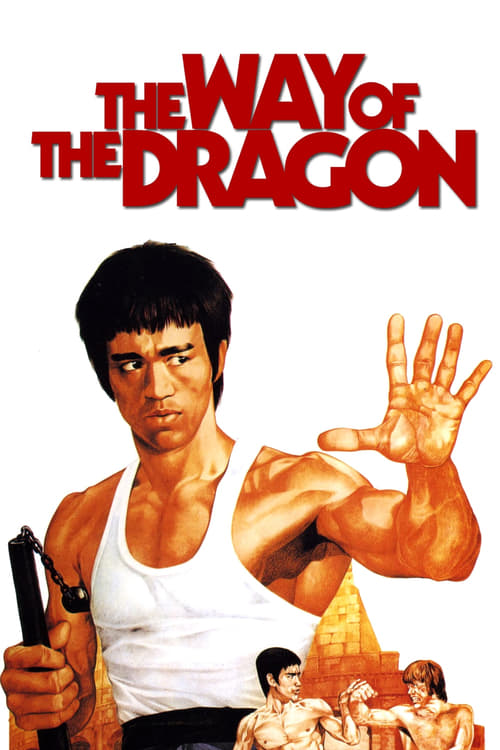
- 1972Writes, directs, and stars in The Way of the Dragon, the only film entirely under his creative control. The Way of the Dragon
- 1973Enter the Dragon released by Warner Bros., the first Hong Kong martial arts film made for the global mainstream. Enter the Dragon
- 1973Dies in Hong Kong at 32, one month before Enter the Dragon premieres in the United States.
- 1993Dragon: The Bruce Lee Story dramatizes his life and legacy. Dragon: The Bruce Lee Story
More martial arts masters and fight choreography
Martial Arts
Explore the Martial Arts guide →Absorb what is useful, discard what is useless, and add what is essentially your own.Bruce Lee