
The Man Who Made Gravity Optional
Yuen Woo-ping has been choreographing and directing martial arts films for over five decades, and his fingerprints are on some of the most kinetically thrilling cinema ever made. The son of Cantonese opera performer Yuen Siu-tien, he grew up inside the performance tradition that underpins all of Hong Kong action cinema, learning stagecraft before he learned film grammar. What he eventually brought to the screen was something no one had quite codified before: martial arts as emotional argument, every strike and block and throw expressing character, relationships, stakes.
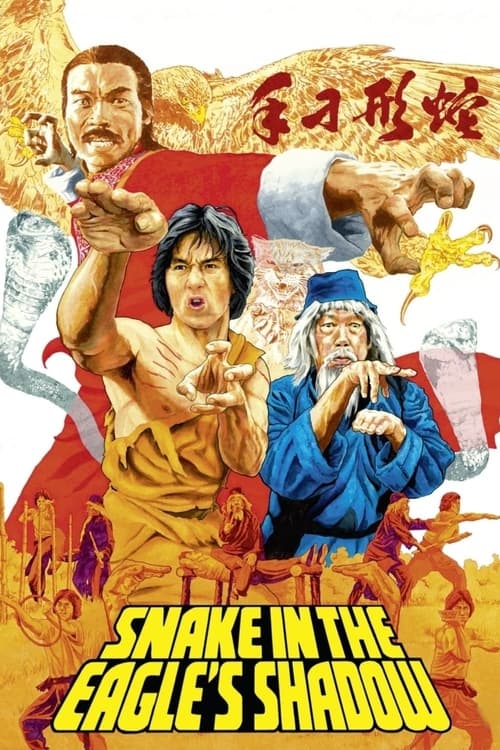
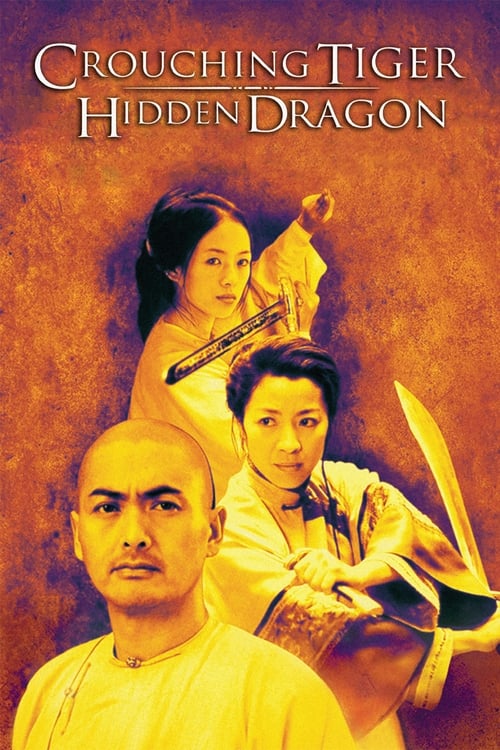
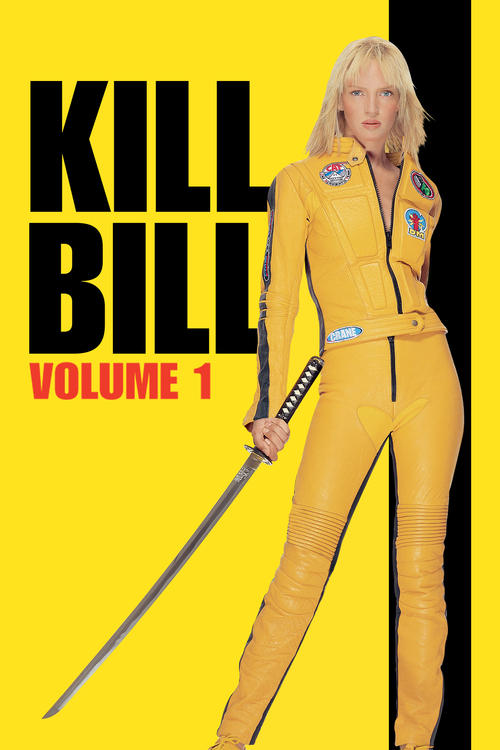
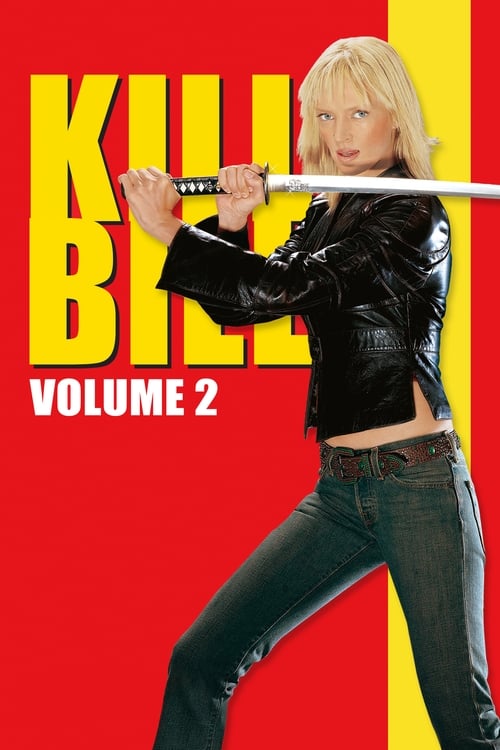
His directorial breakout, Snake in the Eagle's Shadow (1978), launched Jackie Chan as a star by treating kung fu comedy as legitimate genre rather than camp novelty. The follow-up Drunken Master sealed it. Both films are loose, funny, physically ferocious, and built on a simple moral logic: the underdog gets good enough to beat the bully, and the getting-good is joyful. That combination of rigor and delight is the Yuen Woo-ping signature. It survived his move into action choreography for other directors, through the wire-work revolution of the 1990s Hong Kong industry, through The Matrix, through Crouching Tiger, Hidden Dragon, through Kill Bill. The style evolved but the core held: bodies in space telling stories that dialogue alone cannot tell.
Essential Yuen Woo-ping
Films he directed or choreographed that define his vision
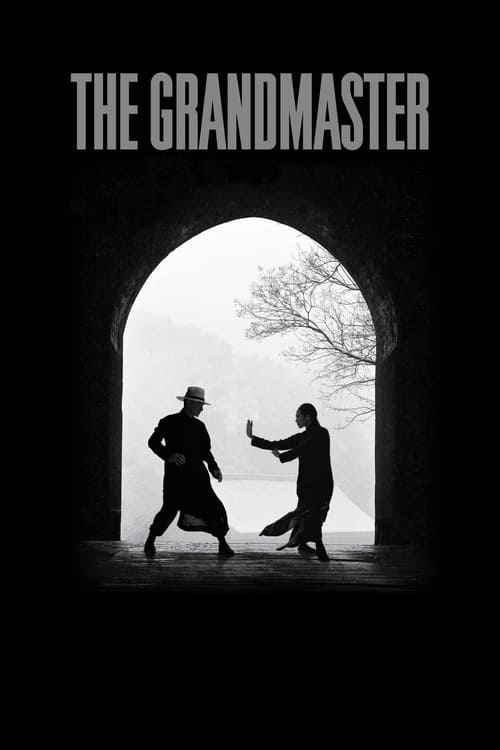
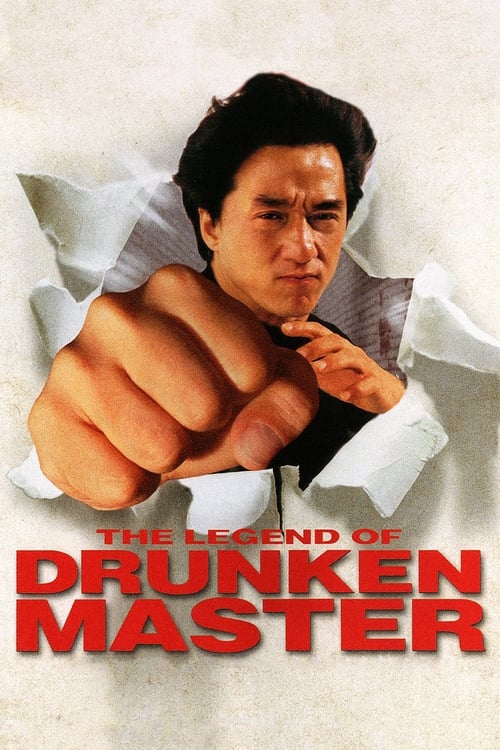
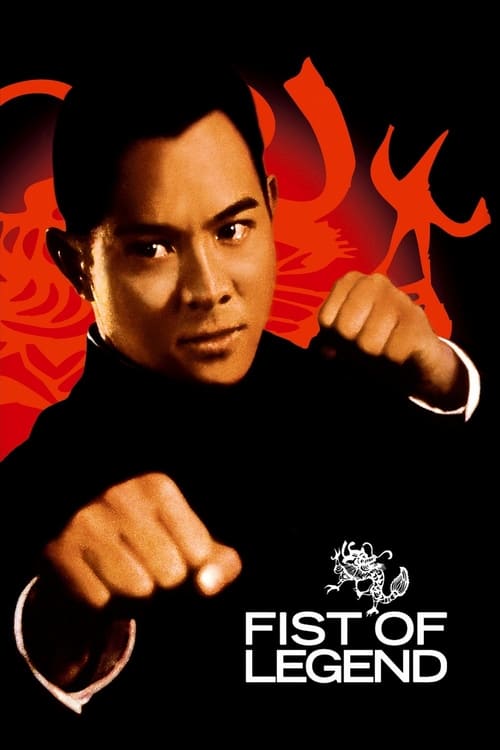
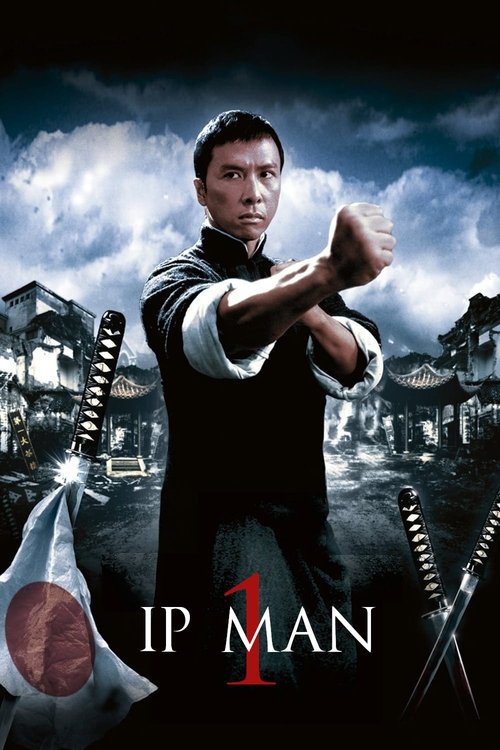
Hong Kong Golden Age: The World He Came From
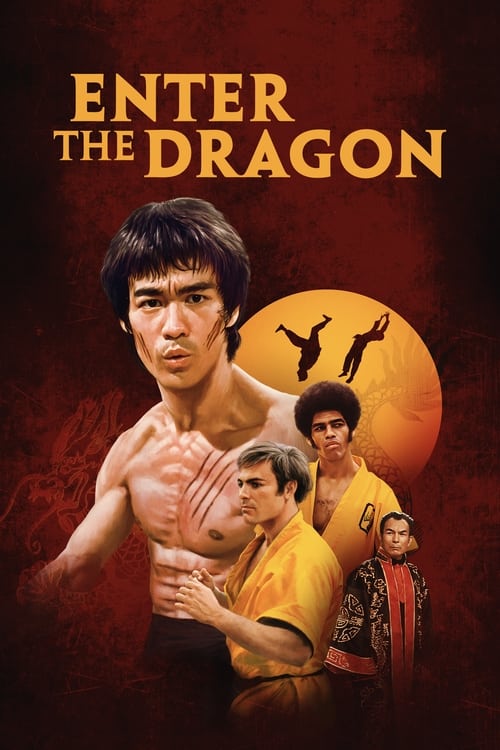
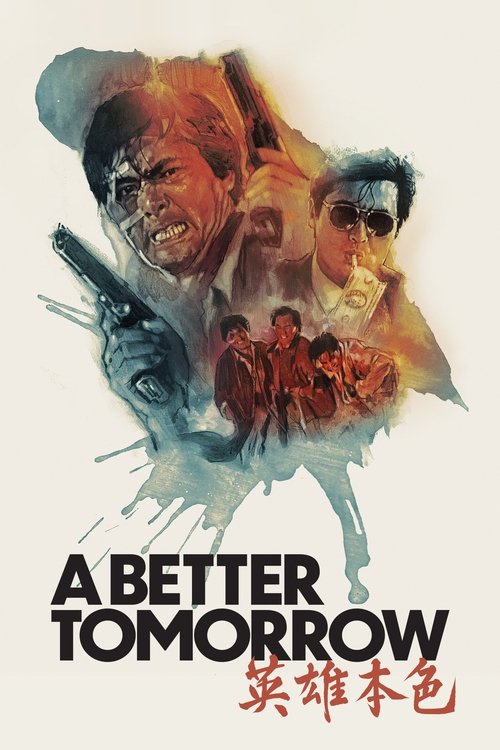
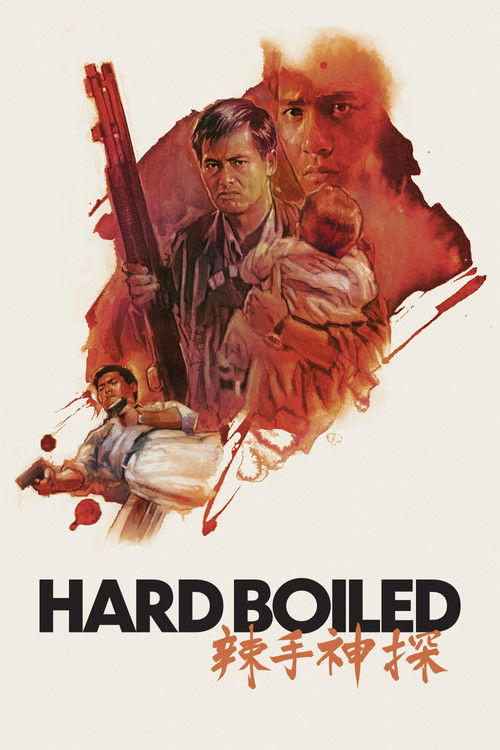
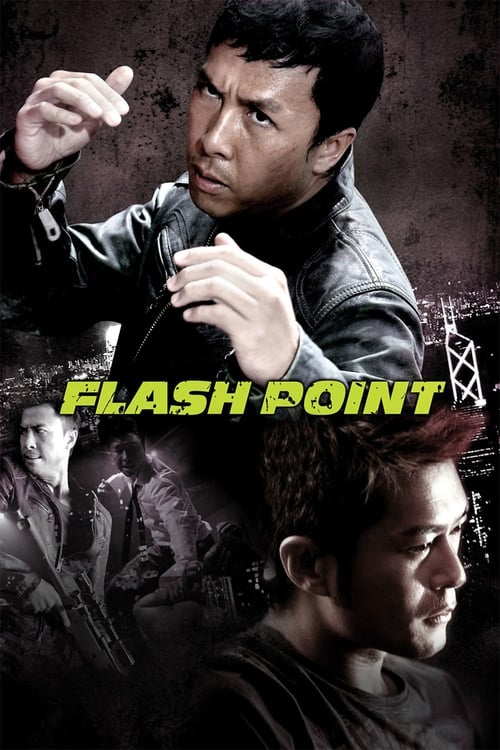
The films that share his DNA, from Shaw Brothers to Golden Harvest

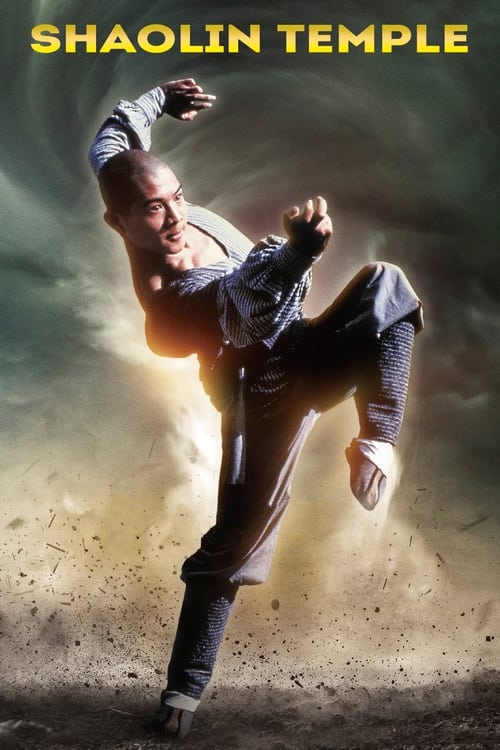
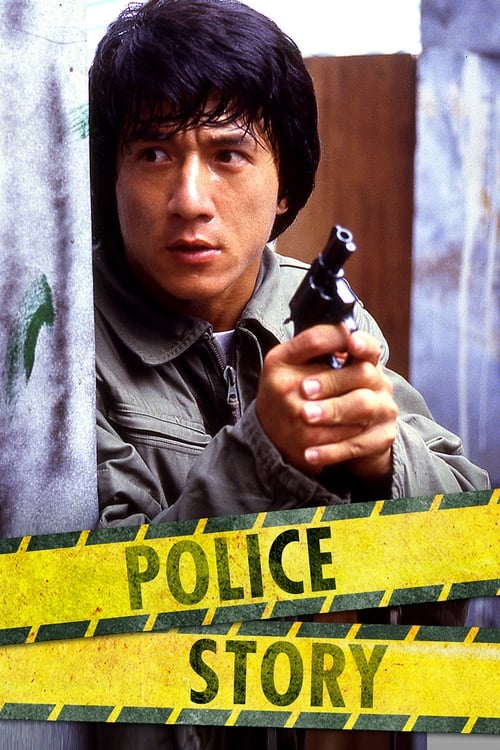
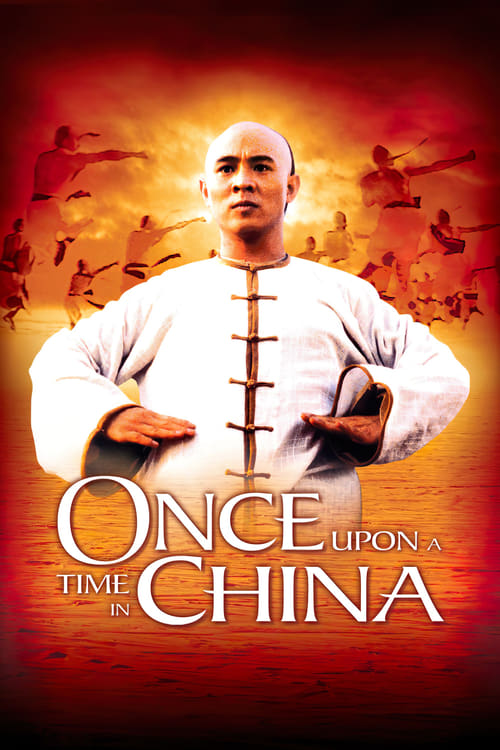
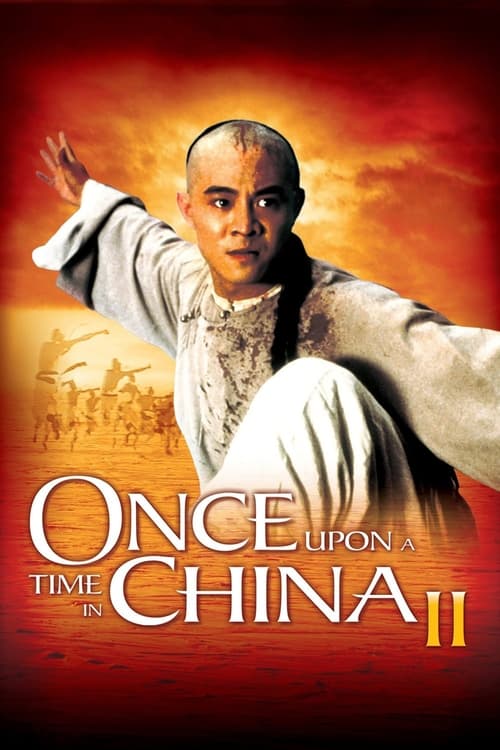
Wire-Work and Beyond: Stylized Action Cinema
Films that push physical choreography into something poetic
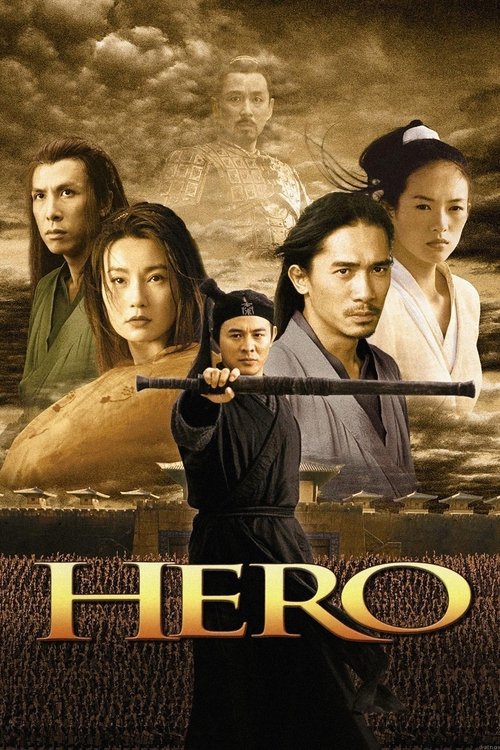
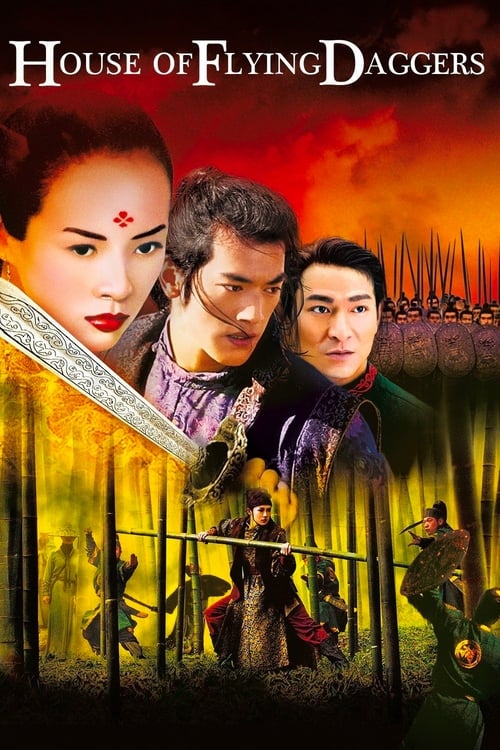
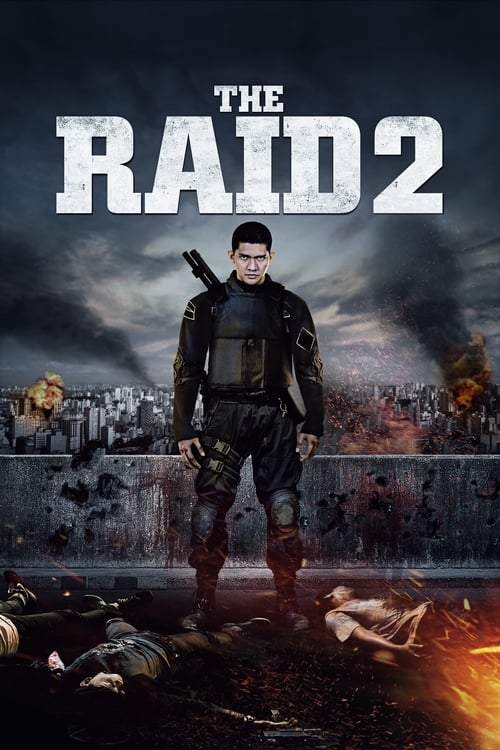

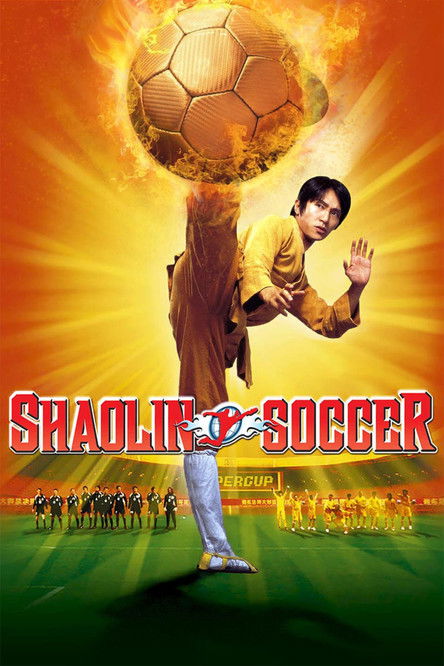
TV That Moves Like His Films
Series built around martial arts choreography as a storytelling instrument
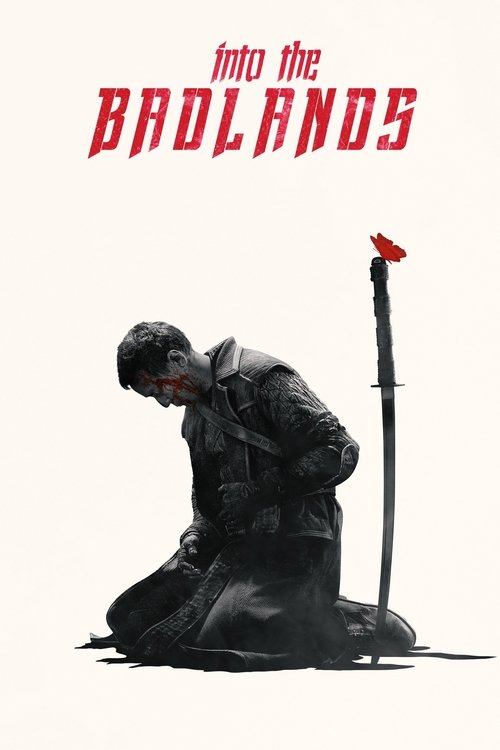
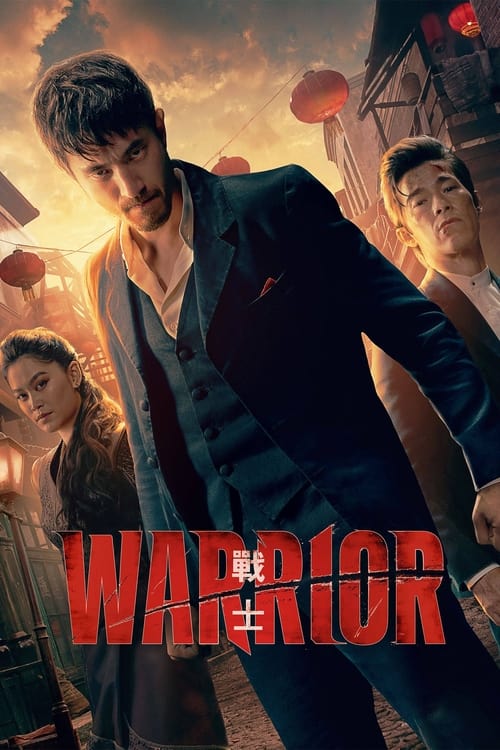

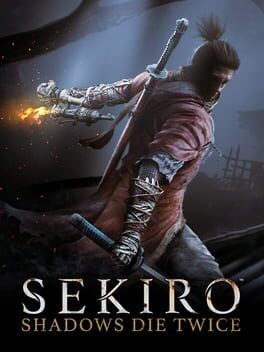
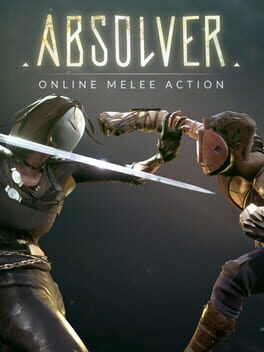
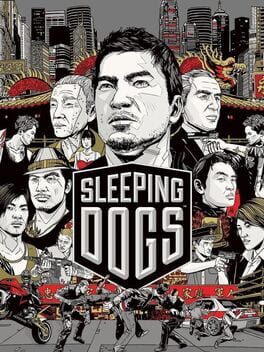
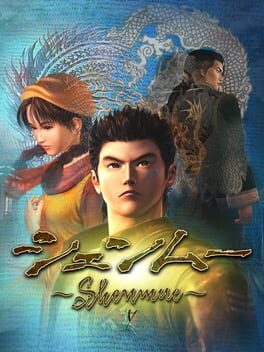
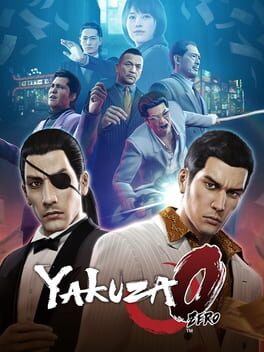
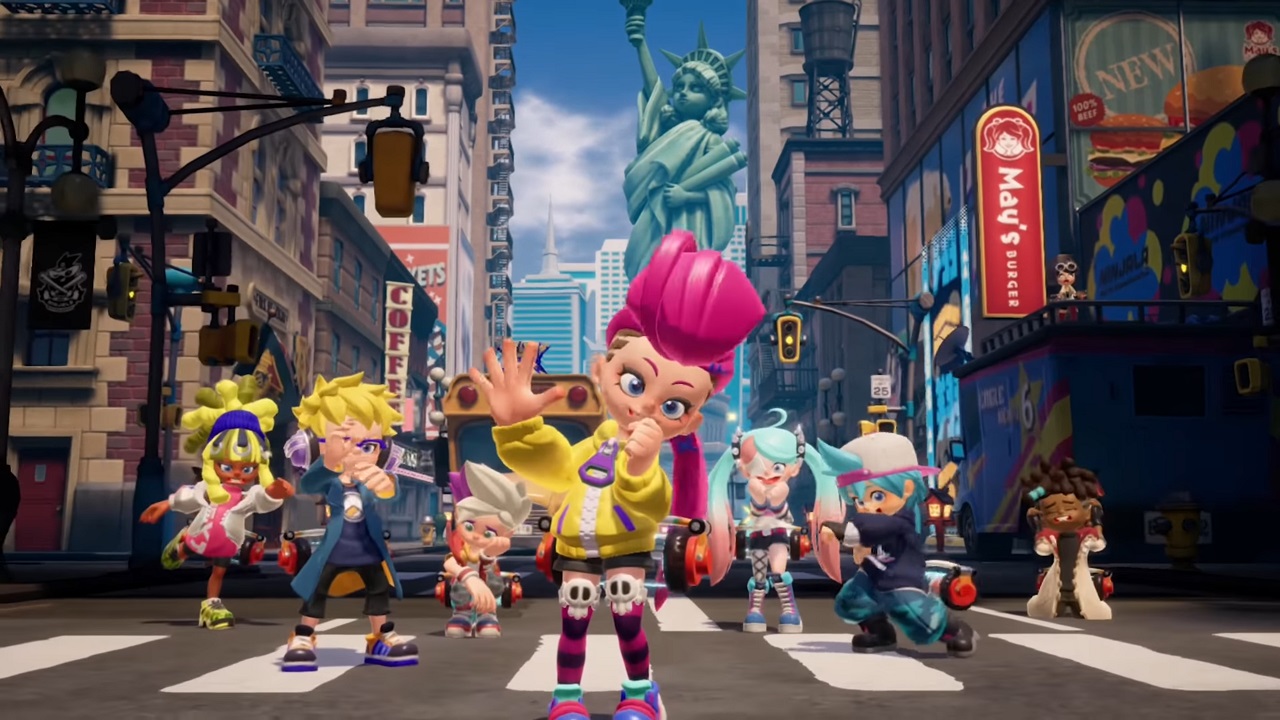
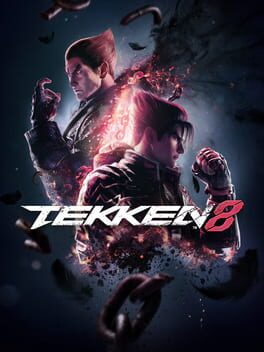
Games That Play Like His Films
Martial arts games built around the same principles of form, rhythm, and cinematic impact
Books for Fans Who Want to Go Deeper
Wuxia fiction, samurai classics, and the philosophy behind the form


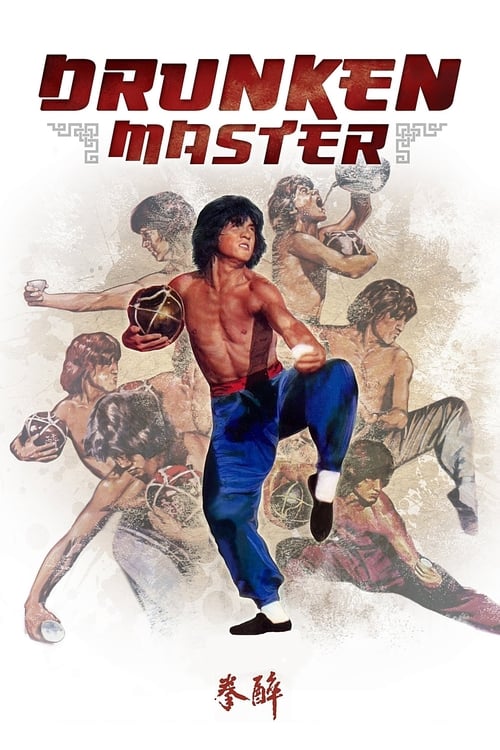
Start here: Drunken Master is still the perfect entry point
If you have never seen a Yuen Woo-ping film, Drunken Master (1978) is the one. Jackie Chan plays a reckless young Wong Fei-hung sent to train under a harsh, drunken kung fu master. The comedy is physical and genuinely funny, the training sequences are the real thing, and the final fight remains one of the most inventive action climaxes in the genre. It is not a difficult film. It is just a great one.
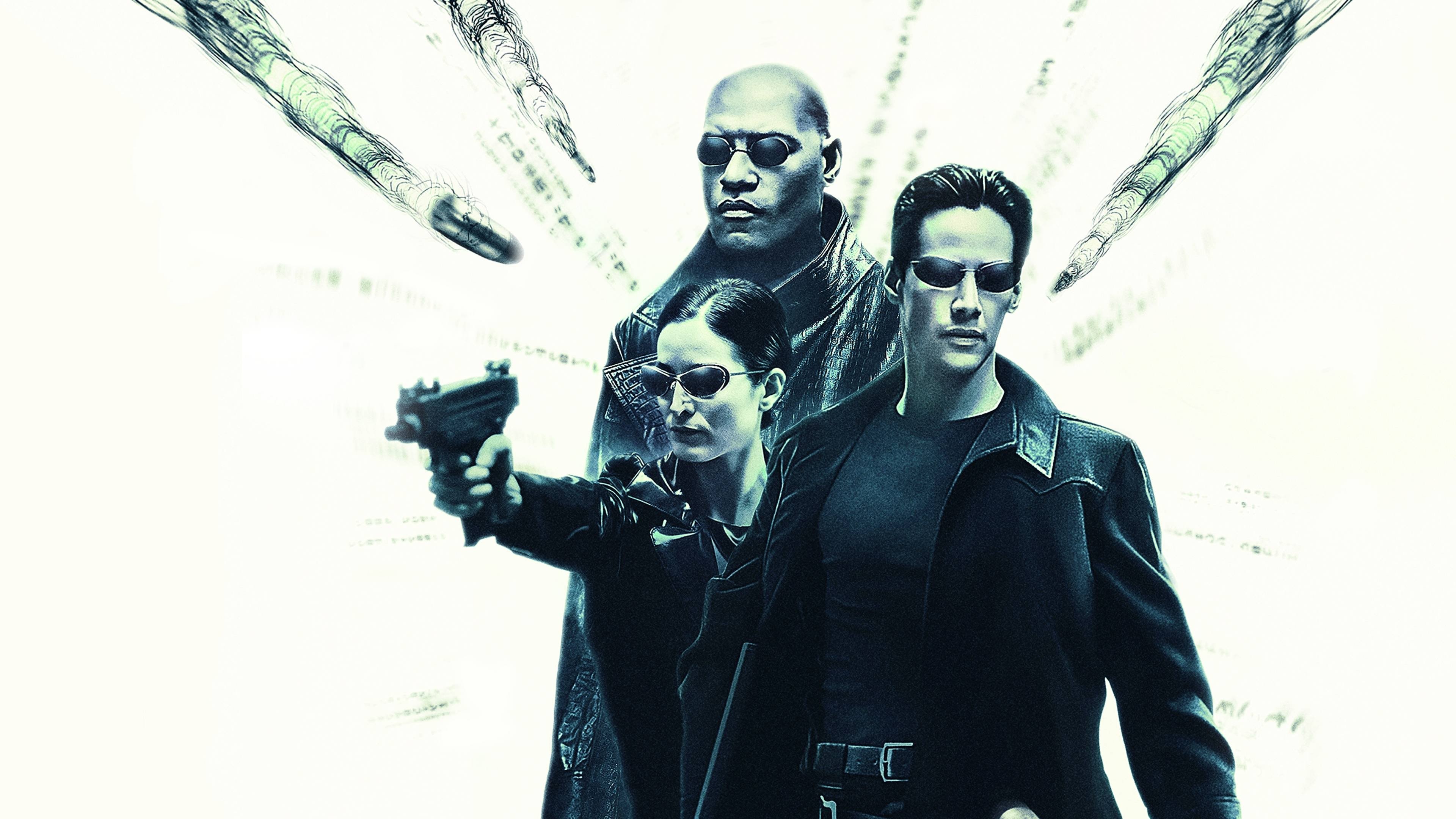
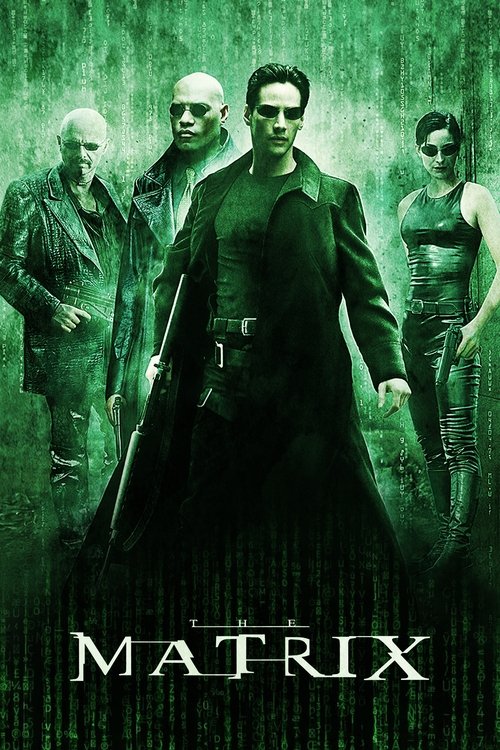
The Matrix is his most consequential work, for reasons people usually miss
The Matrix is routinely described as a Hollywood film that borrowed from Hong Kong action. What that framing misses is how specifically Yuen Woo-ping's approach restructured the film's moral grammar. The training sequences, the Construct, the lobby shootout: each works because the choreography is also argument. Neo earns his abilities on screen, in front of us, through the logic of kung fu cinema where effort and form produce power. That is not spectacle dressed up as storytelling. That is storytelling.
The spiritual successor: The Raid proves the philosophy travels
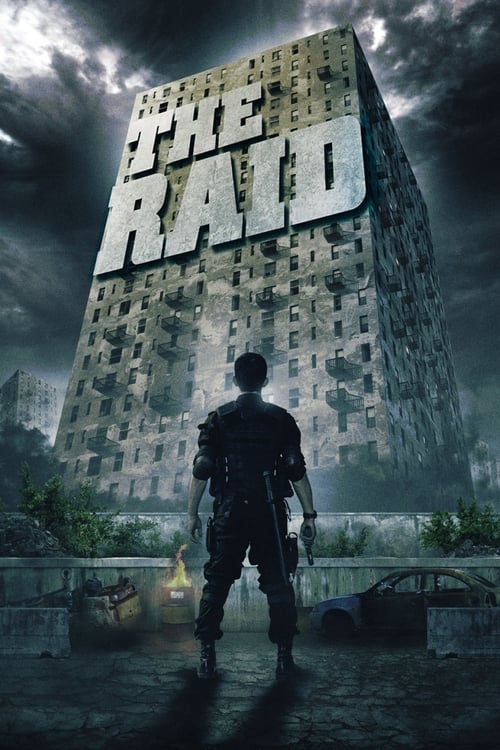
Gareth Evans and choreographer Iko Uwais built The Raid (2011) on Silat rather than kung fu, in a Jakarta tower block rather than a Chinese courtyard, but the underlying philosophy is the same as Yuen Woo-ping's: every fight has a shape, every shape tells you something about the people in it, and the body is the most honest instrument a film has. It is ruthless and exhausting and completely serious about its own craft.
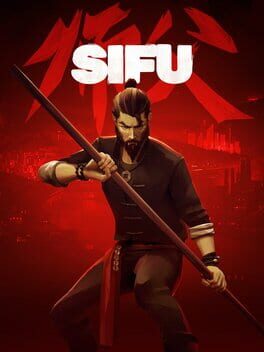
The underrated game: Sifu nails the thing that most martial arts games fumble
Sifu (2022) understood something that most martial arts games miss: the fight should feel like an argument you can lose. Every encounter has weight because the mechanics are built around reading your opponent, not mashing inputs. The aging system makes failure meaningful and recovery feel genuinely earned. The studio studied Hong Kong action cinema before building it, and it shows in every camera cut and slow-motion finish. It is the closest a game has come to Yuen Woo-ping's philosophy of bodies earning their outcomes.
He gave Hollywood the vocabulary to film a body in motion as something worth caring about.CrossBinge editors
A Career in Motion
- 1945Born in Hong Kong, son of Cantonese opera performer Yuen Siu-tien
- 1978Directs Snake in the Eagle's Shadow, launches Jackie Chan Snake in the Eagle's Shadow
- 1978Drunken Master released the same year, cementing kung fu comedy as a genre Drunken Master
- 1994Fist of Legend shows Jet Li and Yuen Woo-ping at their most technically precise Fist of Legend
- 1999The Matrix introduces his style to a global mainstream audience The Matrix
- 2000Choreographs Crouching Tiger, Hidden Dragon for Ang Lee Crouching Tiger, Hidden Dragon
- 2003Kill Bill Vol. 1 fights bear his direct mark throughout Kill Bill: Vol. 1
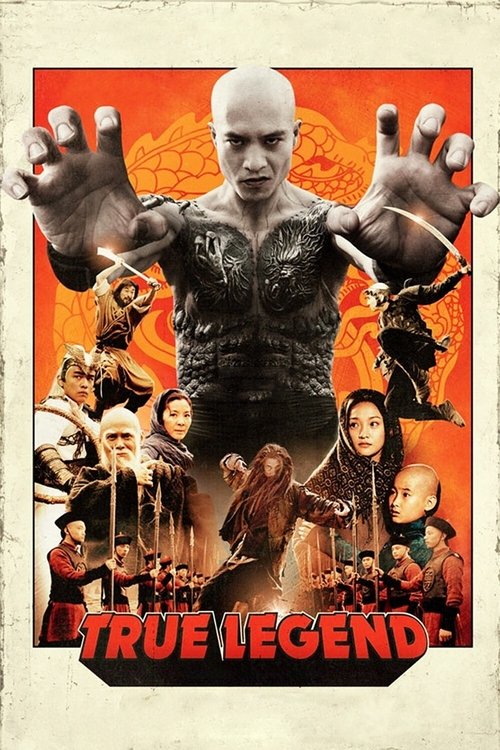
- 2011Directs True Legend, his last major directorial work to date True Legend