
The Man Who Put Blood in the Wuxia
Chang Cheh spent three decades at Shaw Brothers Studio in Hong Kong turning the classical wuxia martial-arts picture into something rawer, more operatic, and unapologetically masculine. Where earlier Hong Kong sword films leaned toward grace and spectacle, Chang Cheh leaned into sacrifice. His heroes do not win cleanly. They win bloodily, or they die beautifully, or both at once. The camera lingers on wounds. Brotherhood between men is the great subject: not romance, not politics, but the loyalty two fighters owe each other when the world is set against them.
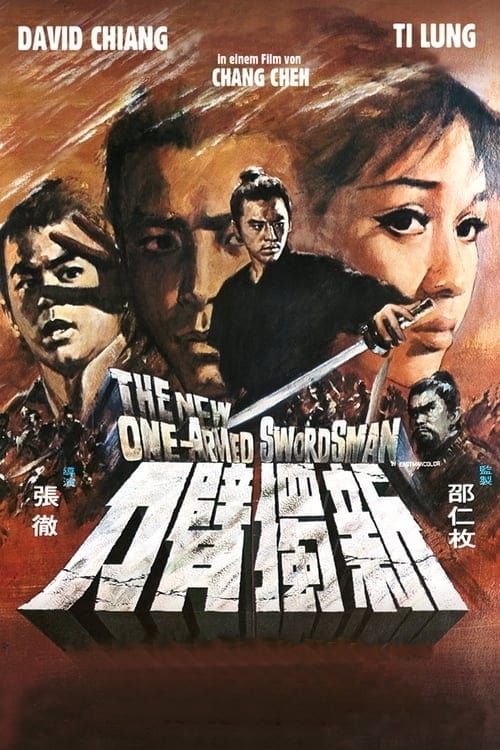
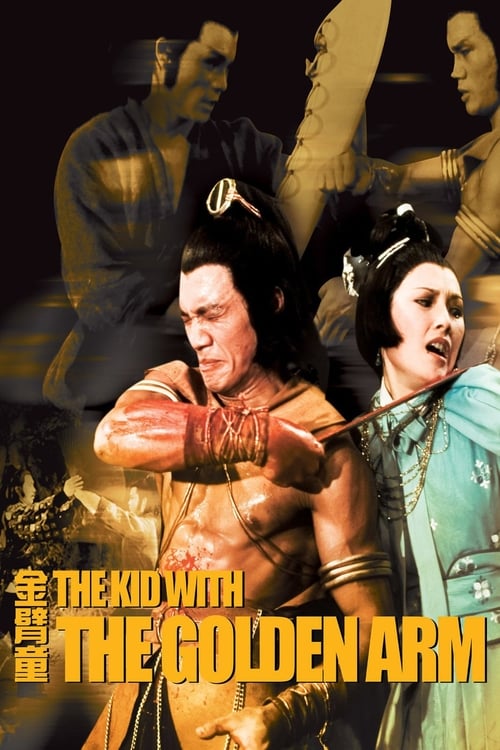
He made well over a hundred films, mostly at Shaw Brothers' Clearwater Bay lot, and he ran what amounted to a repertory company. David Chiang and Ti Lung were his signature pairing in the early 1970s, the slender avenger and the noble elder brother. Later he championed the Five Venoms ensemble. The look was stylised and theatrical, the colour saturated, the compositions almost painterly. Violence was not incidental but structural: every climax required that the hero take as much punishment as he dealt, that triumph be inseparable from ruin.
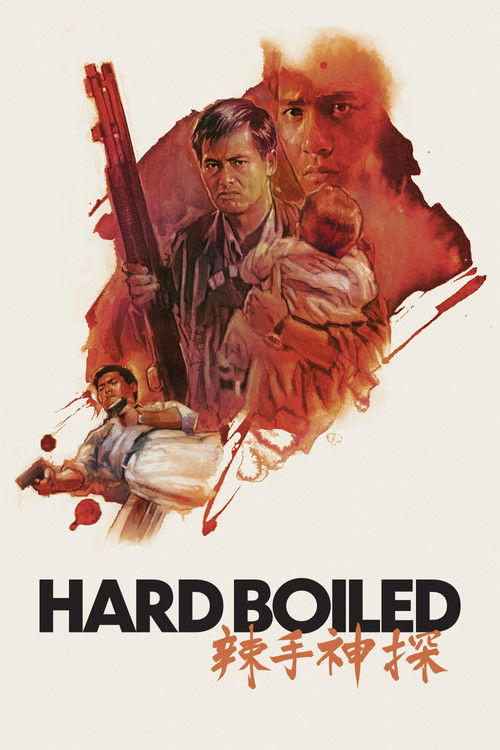
That sensibility spread outward. John Woo absorbed it and translated it into gunplay. Video games took the choreography and the moral calculus. Novelists found in the wuxia code a framework for writing about honour in impossible situations. If you love Chang Cheh, you love a particular frequency of feeling: fierce loyalty, gorgeous catastrophe, the beauty of a man who will not stop.
Essential Chang Cheh
Where to start and where to go deeper


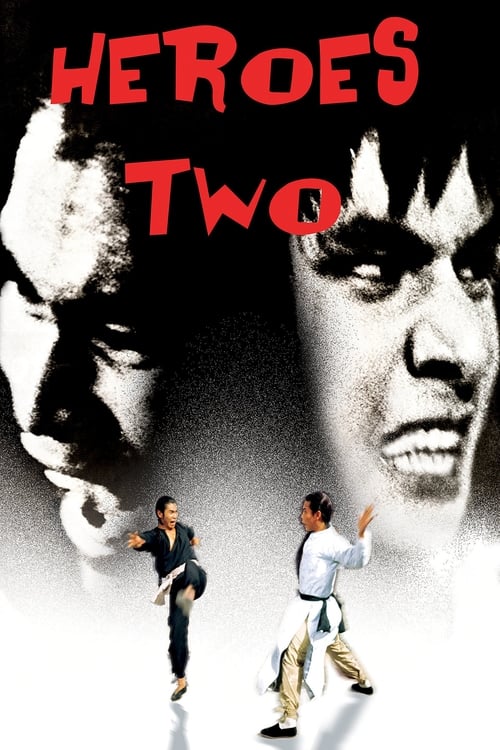
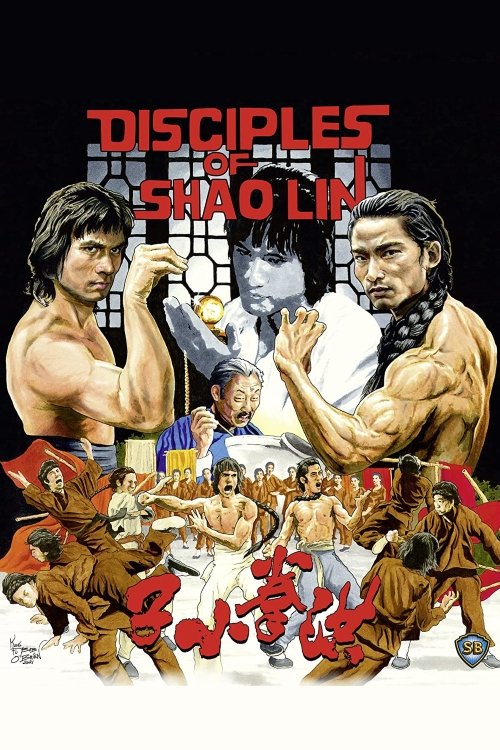
Heroic Bloodshed and Brotherhood
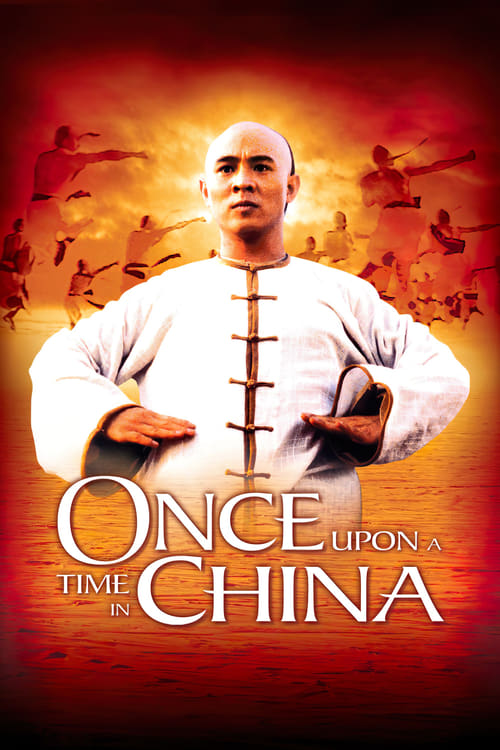
Hong Kong action cinema that shares Chang Cheh's moral core
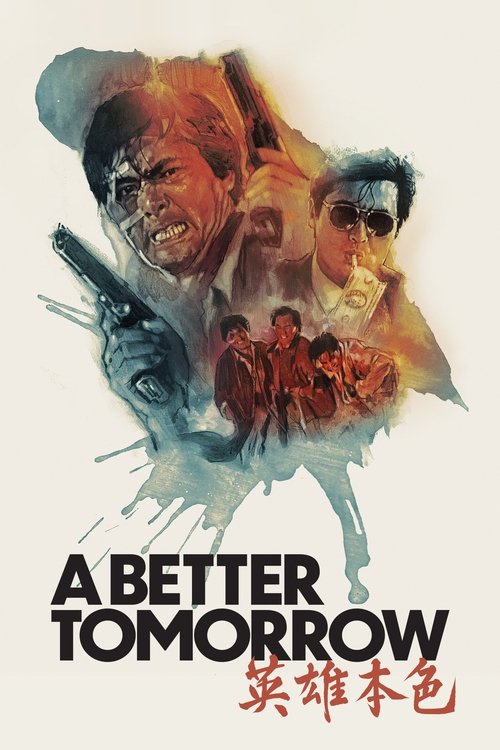
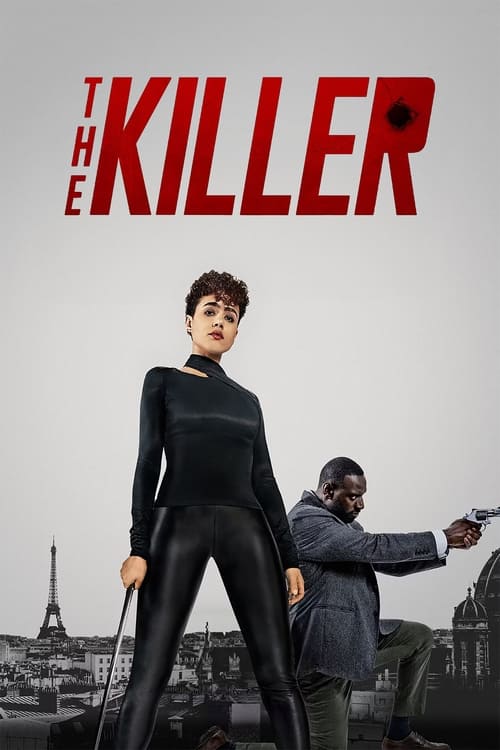

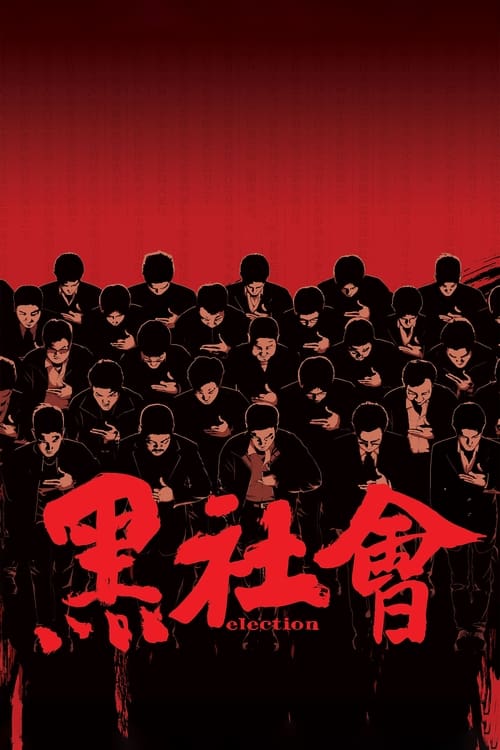
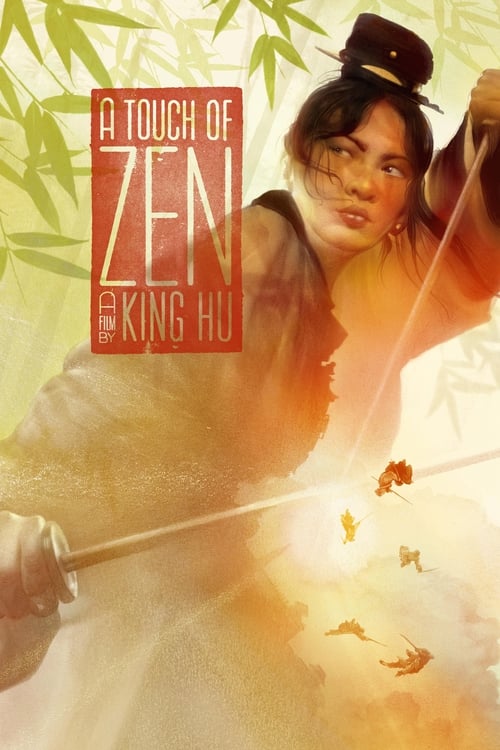
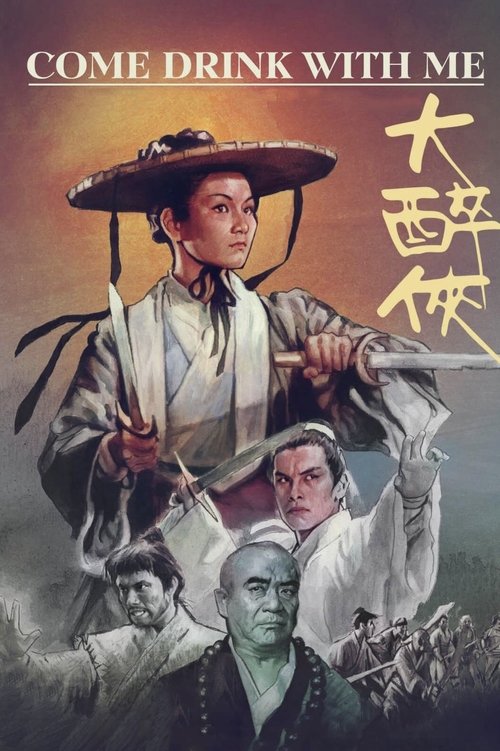
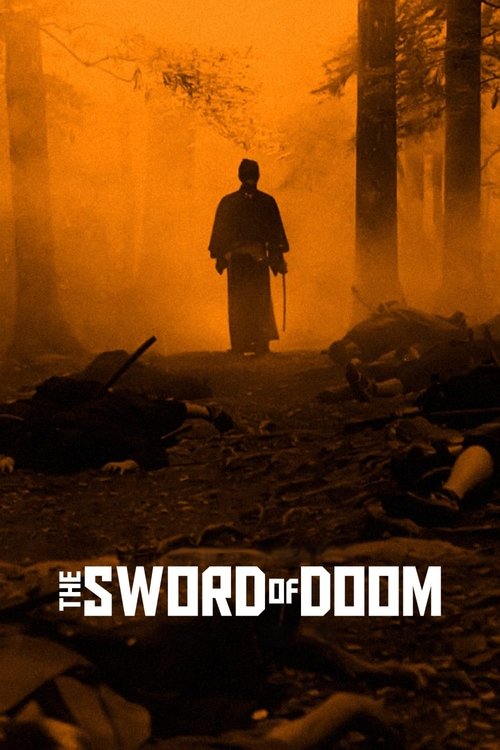
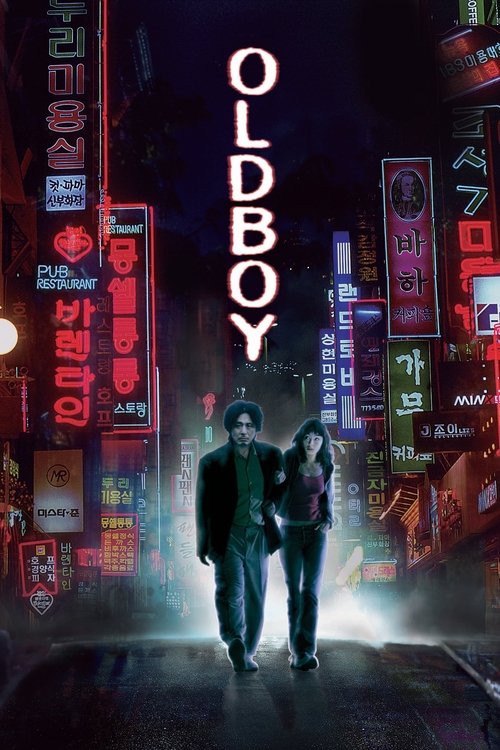
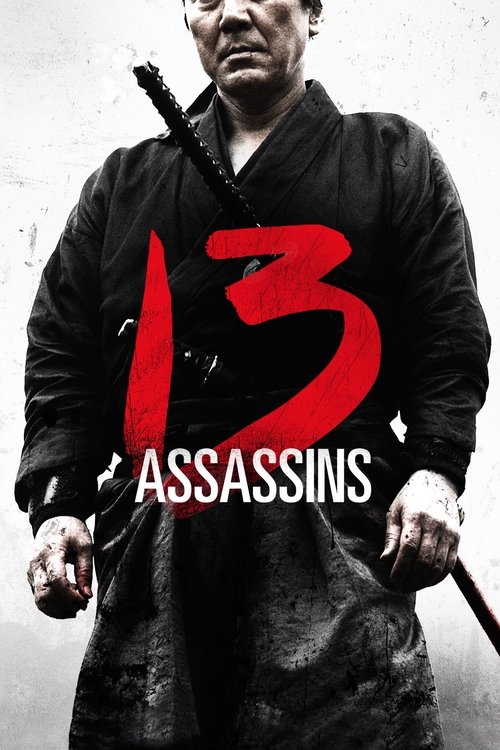
Operatic Violence on Screen
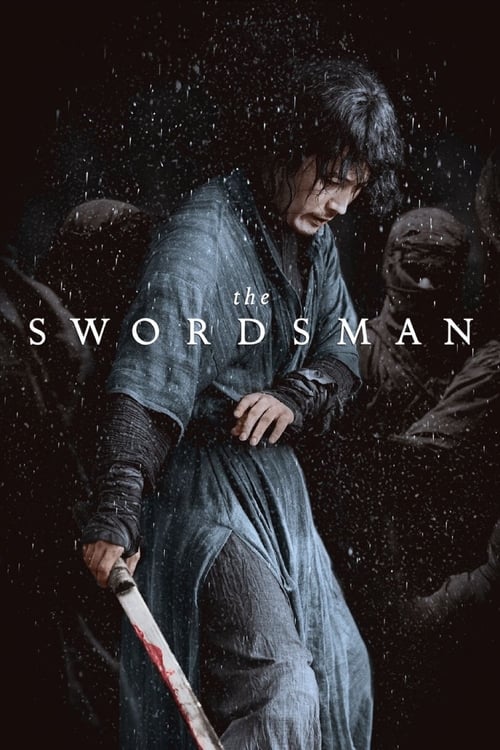
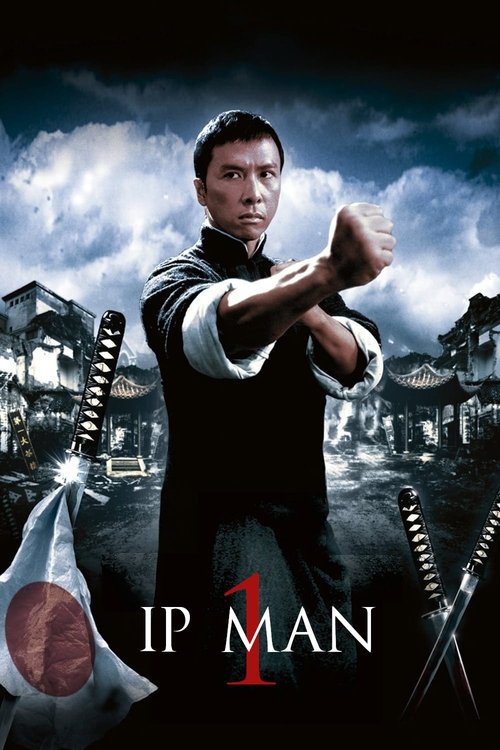
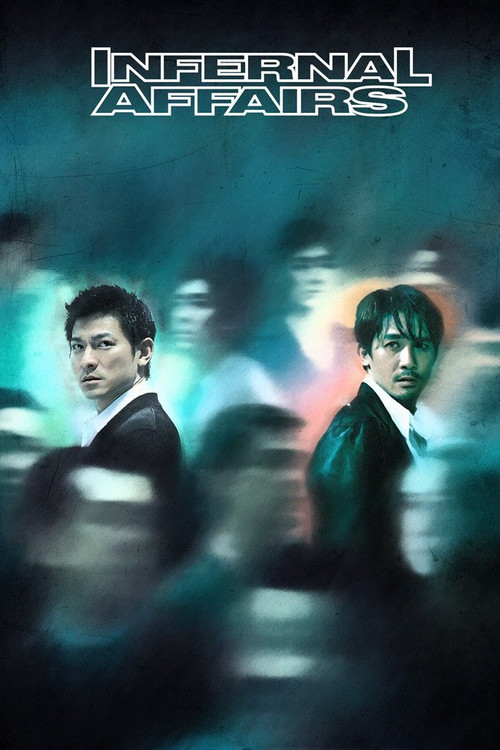
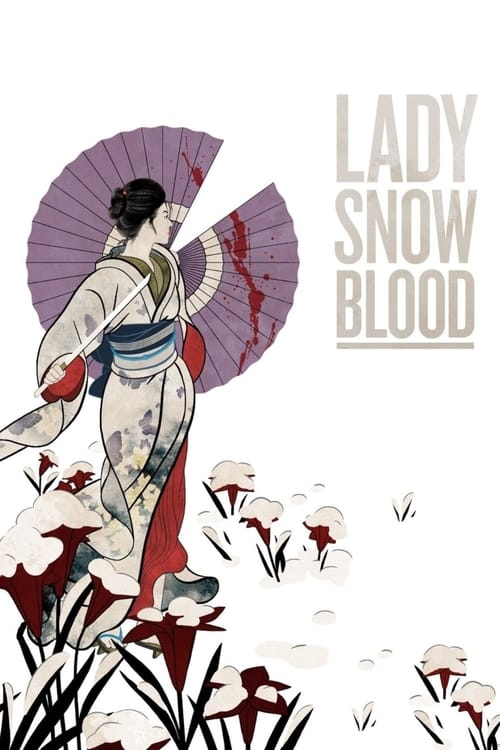
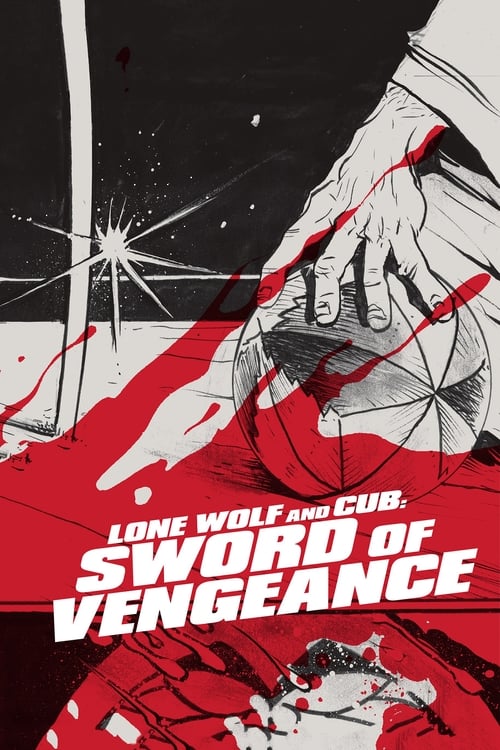
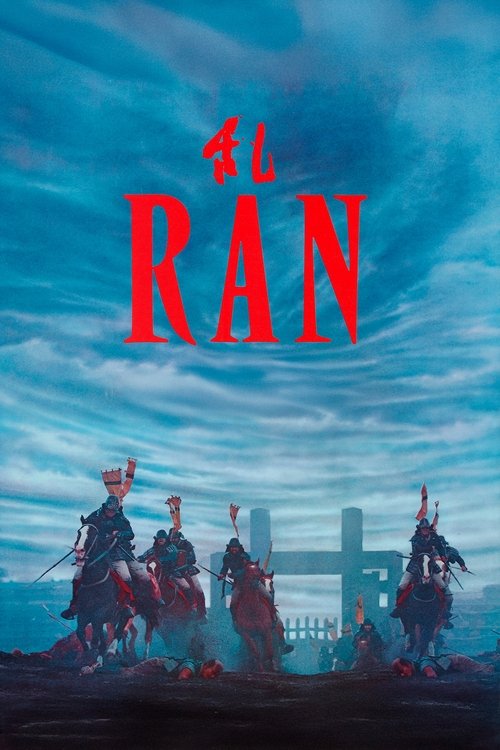
Films from around the world with the same sense of gorgeous catastrophe


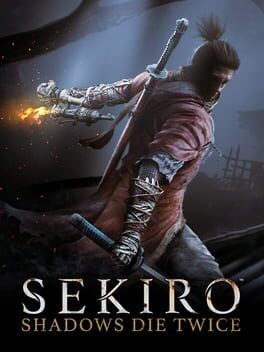
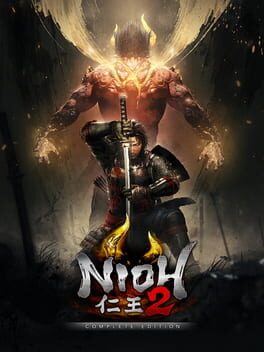
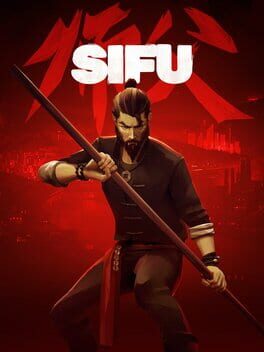
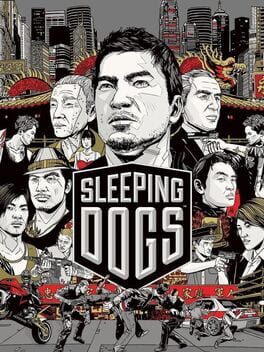
The Honour Code in Games and Books
Interactive and literary works built on wuxia logic and brotherhood themes

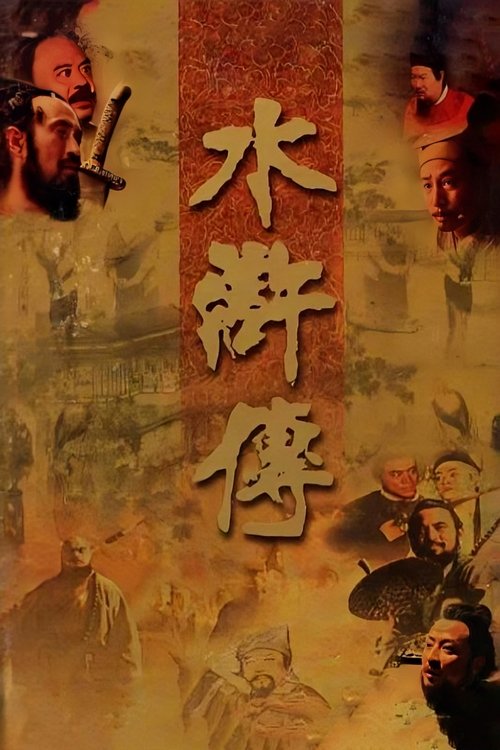
TV that Carries the Flame
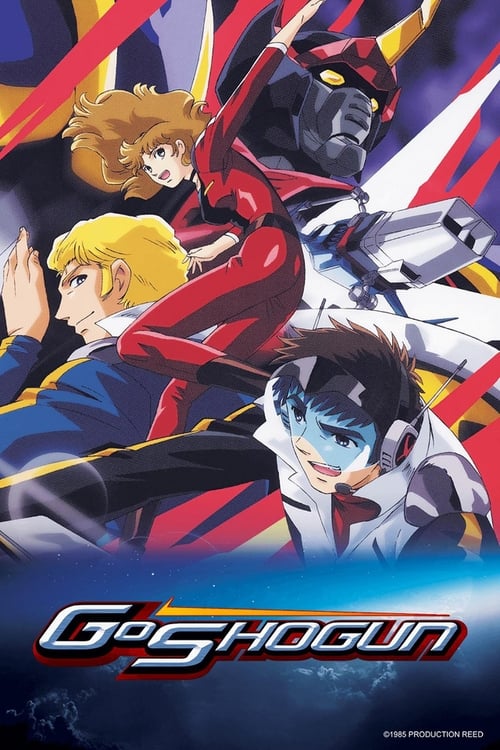
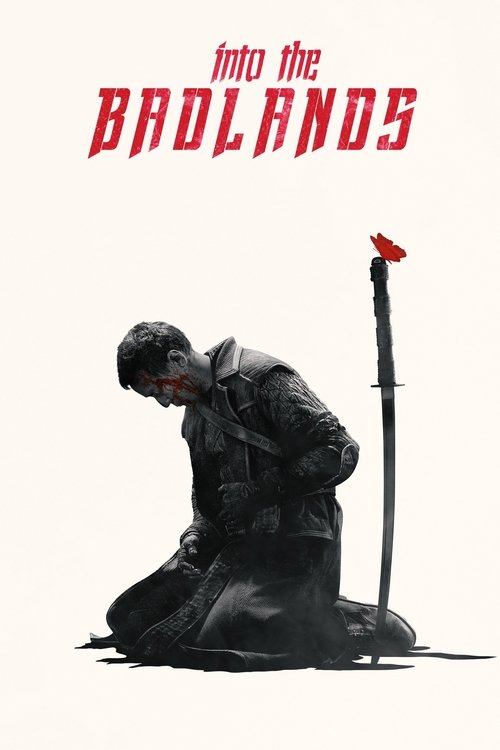
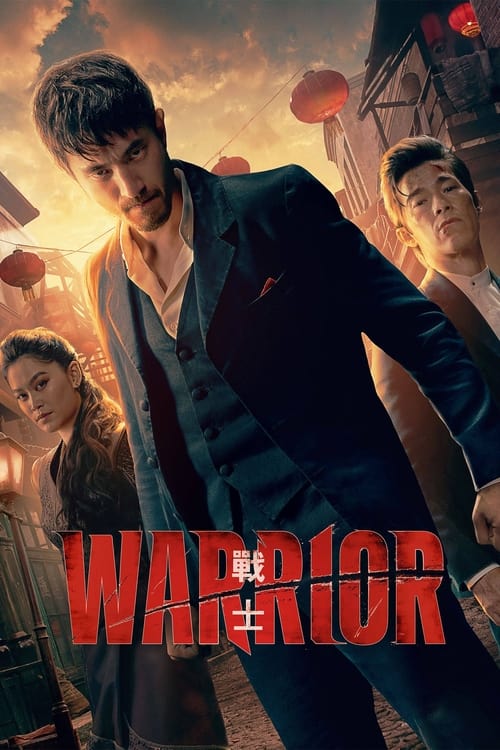
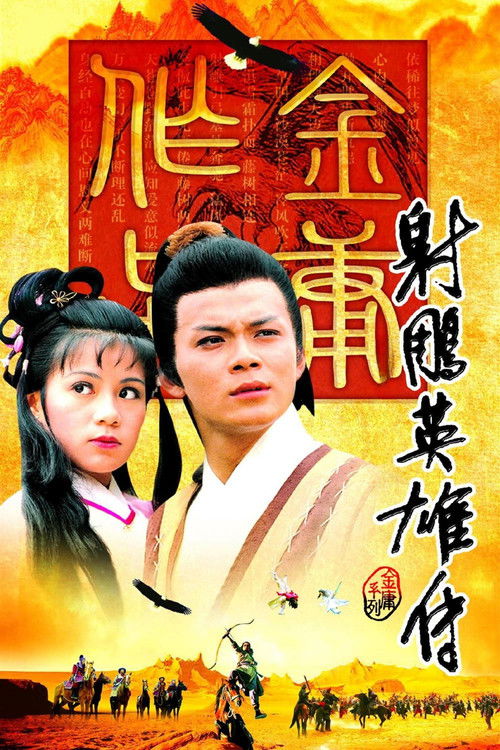
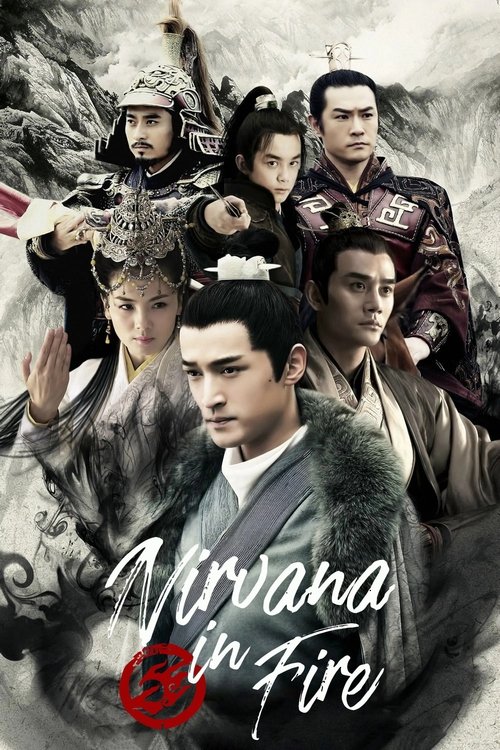
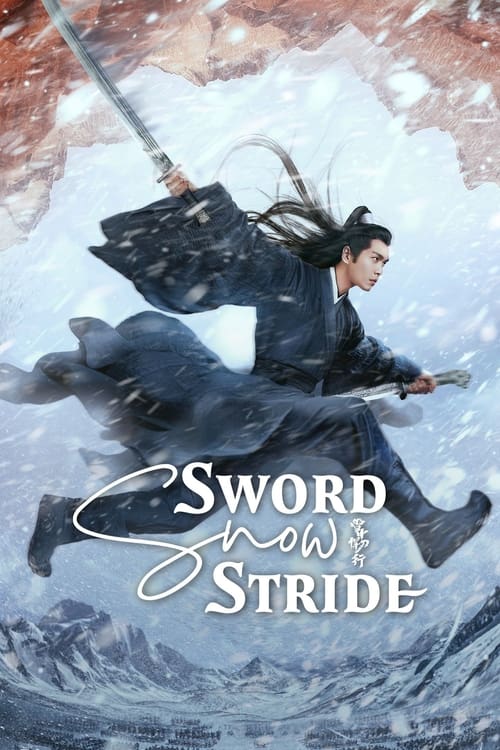
Series with the same codes of loyalty, vengeance, and spectacular fighting

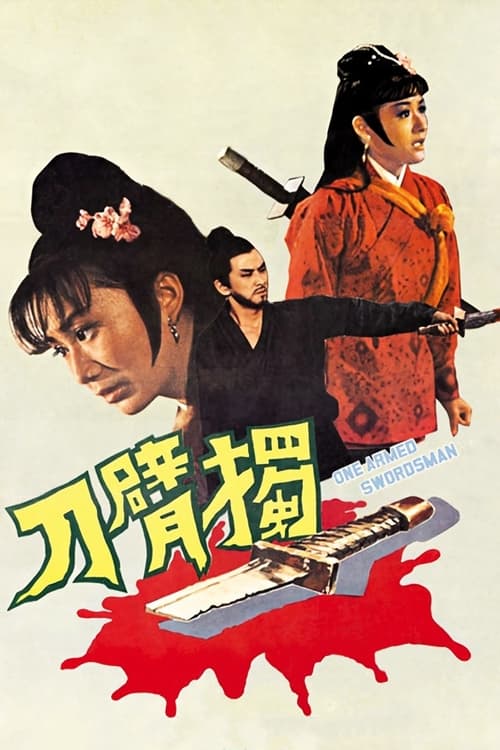
The One-Armed Swordsman changed everything in 1967
It was the first Hong Kong film to gross a million Hong Kong dollars at the box office, and it got there by breaking the conventions of the genre it came from. The hero's disability is not a problem to be solved but a condition to be lived with. The film's willingness to disfigure its protagonist, to make victory cost something permanent, set the template for every Chang Cheh film that followed.
Sifu is the closest a game has come to his sensibility
Sloclap's kung fu brawler from 2022 is built around a concept Chang Cheh would have understood immediately: every fight costs you age, and the closer you get to your goal the older and more fragile you become. The game's insistence on failure as a mechanic, and its refusal to let you win without paying, belongs to the same moral imagination as Chang Cheh's cinema.
Chang Cheh at Shaw Brothers
- 1967The One-Armed Swordsman redefines Hong Kong action The One-Armed Swordsman
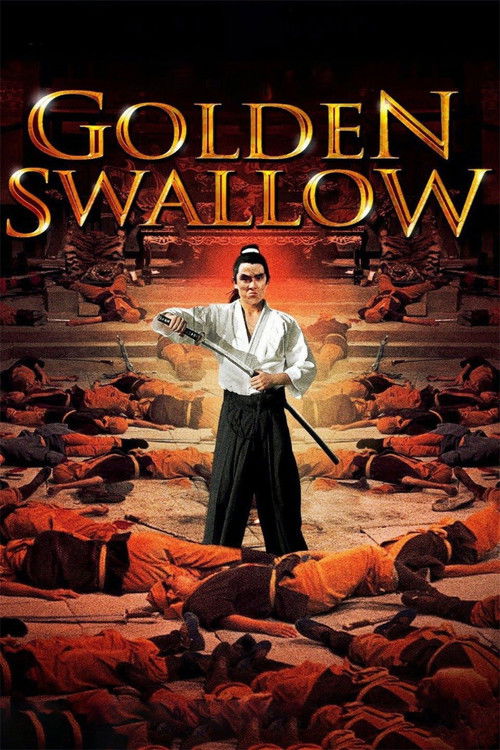
- 1968Golden Swallow deepens the wounded-hero mythology Golden Swallow
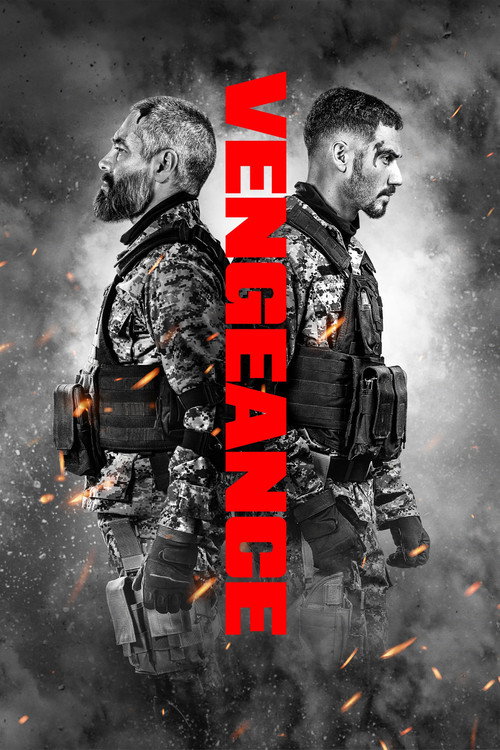
- 1970Vengeance! introduces Ti Lung and begins the brotherhood era Vengeance
- 1972The Boxer from Shantung adds Shanghai crime to the mix The Boxer from Shantung
- 1974Disciples of Shaolin anchors the Shaolin cycle Disciples of Shaolin
- 1978Five Deadly Venoms launches the Venom Mob ensemble
- 1981Five Element Ninjas pushes the spectacle as far as it will go Five Element Ninjas
More operatic martial-arts cinema
Martial Arts
Explore the Martial Arts guide →Chang Cheh taught Hong Kong cinema that the hero's body was a moral argument. Every scar was a sentence. Every wound was a position.CrossBinge