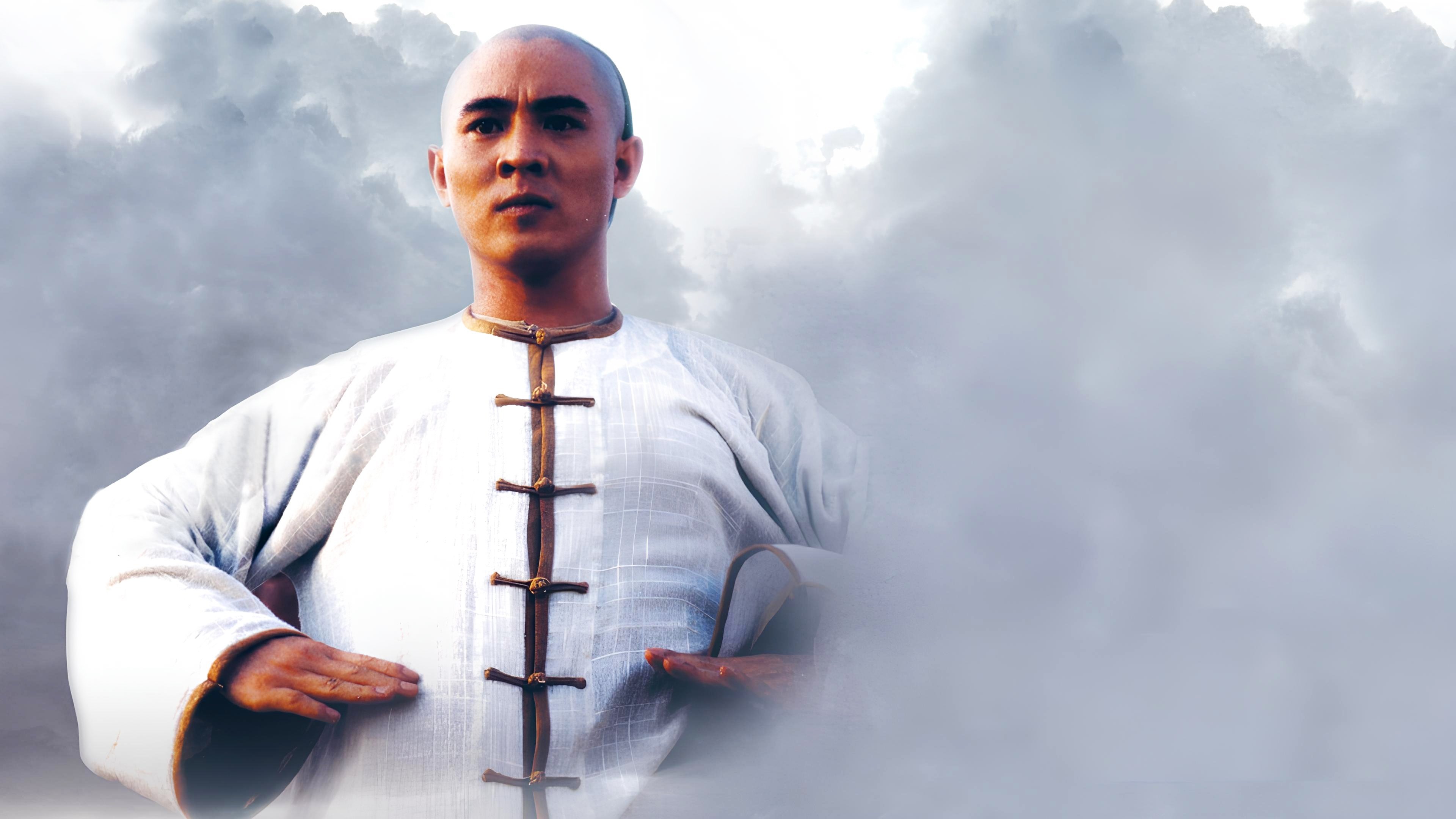

The man who made Hong Kong cinema fly
Tsui Hark is, above all else, a filmmaker obsessed with motion. His camera never settles; his heroes never stand still; even the histories he dramatizes feel like they are being remade in real time. Born in Vietnam, raised in Hong Kong, briefly schooled in Texas, he returned to Hong Kong in the late 1970s and threw himself into the New Wave alongside directors like Ann Hui and Allen Fong. But where those peers tended toward social realism, Tsui went the other direction entirely: deeper into myth, further into spectacle, faster and louder and stranger.
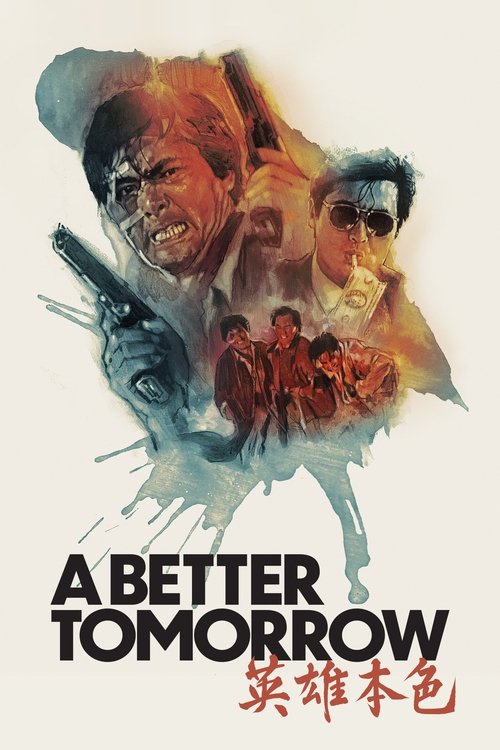
He gave Jet Li the role that defined a generation with Once Upon a Time in China, turning Wong Fei-hung from a dusty period figure into an emblem of national anxiety at the threshold of modernity. He produced John Woo's A Better Tomorrow, the film that invented the heroic bloodshed genre. He directed Zu: Warriors from the Magic Mountain in 1983 and broke Chinese cinema's brain with wire work and composite effects that nobody else in Asia was attempting. He wrote and directed Green Snake, a feminist fairy tale that the industry never quite knew what to do with. He made The Blade, a wuxia film so visceral and kinetic and formally radical that it remains one of the most undervalued action films ever put to screen.
What connects all of it: a love of China's mythological and historical depth treated not as reverence but as raw material. Tsui pulls from ancient legends, classic novels, opera traditions, and recent history with the same greedy, restless energy. His films are always about transformation, always about a world caught mid-collapse, and always, always about movement.
Essential Tsui Hark
Start here, go deep
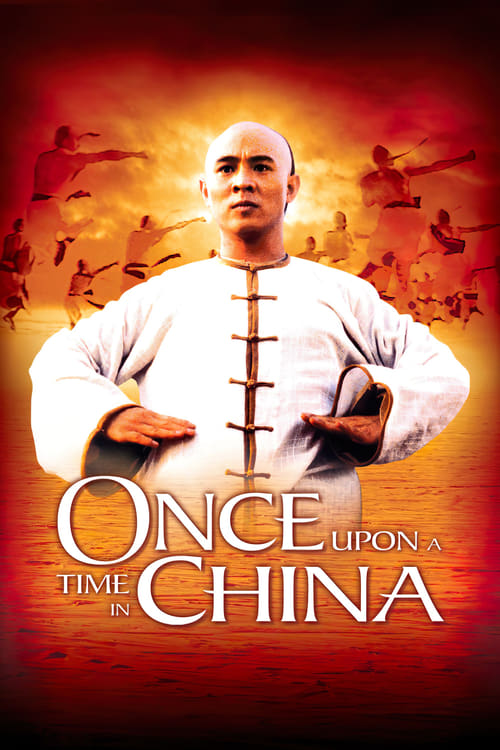 Once Upon a Time in China
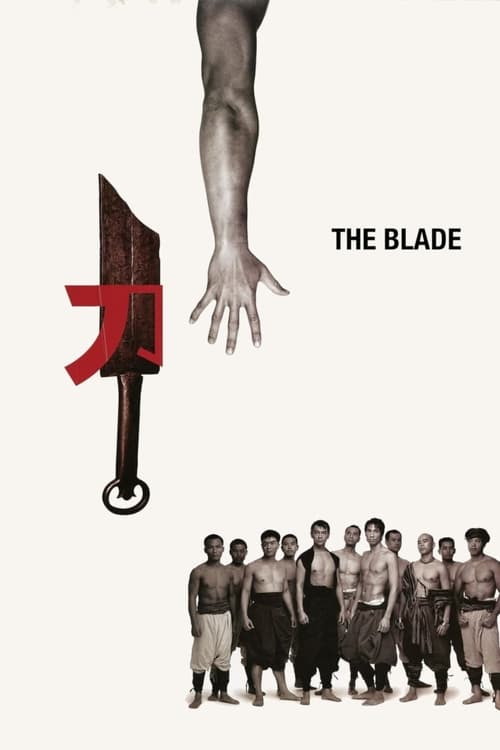 The Blade
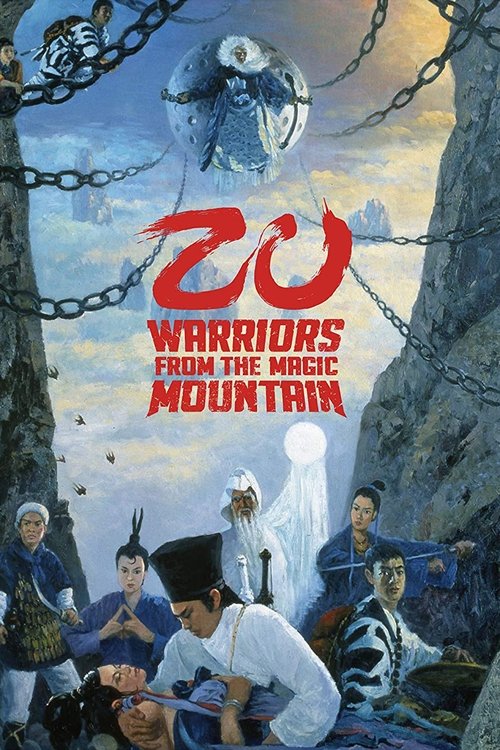 Zu: Warriors from the Magic Mountain
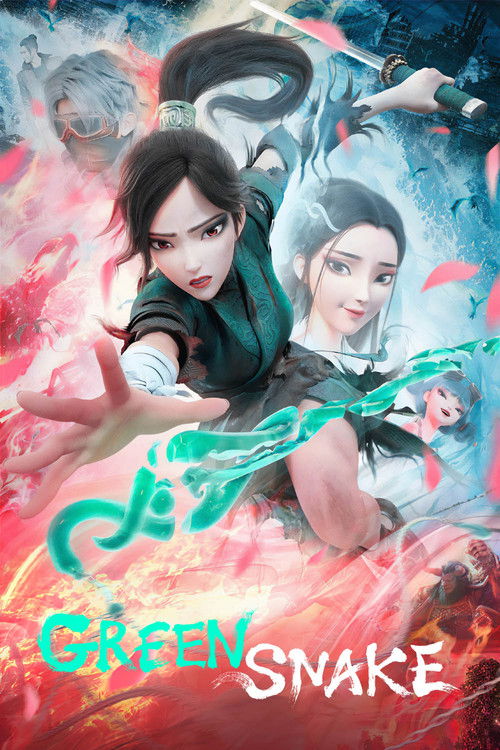 Green Snake
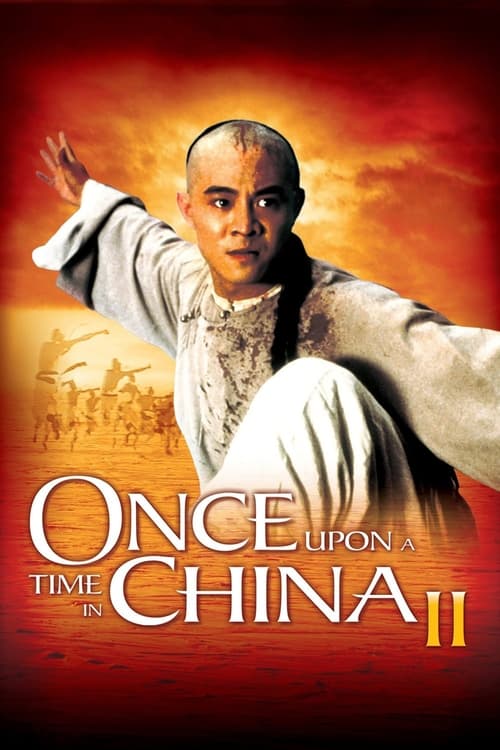 Once Upon a Time in China II
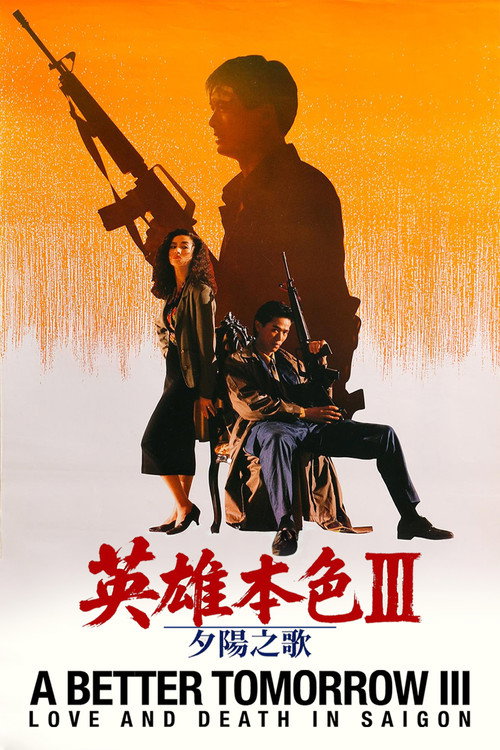 A Better Tomorrow III: Love and Death in Saigon
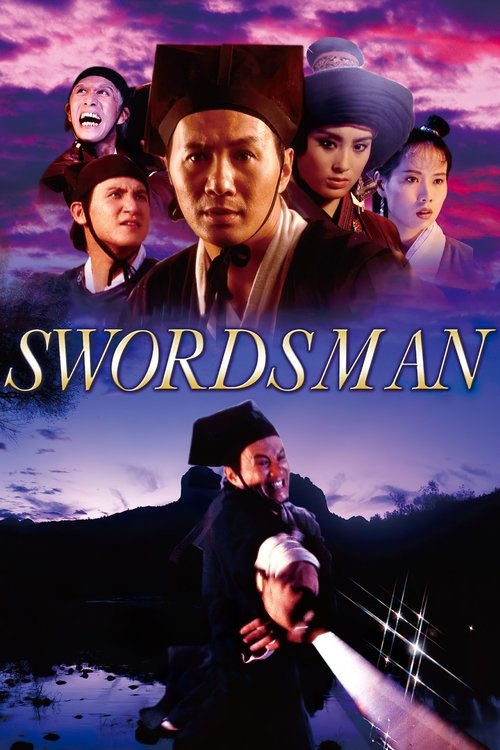 Swordsman
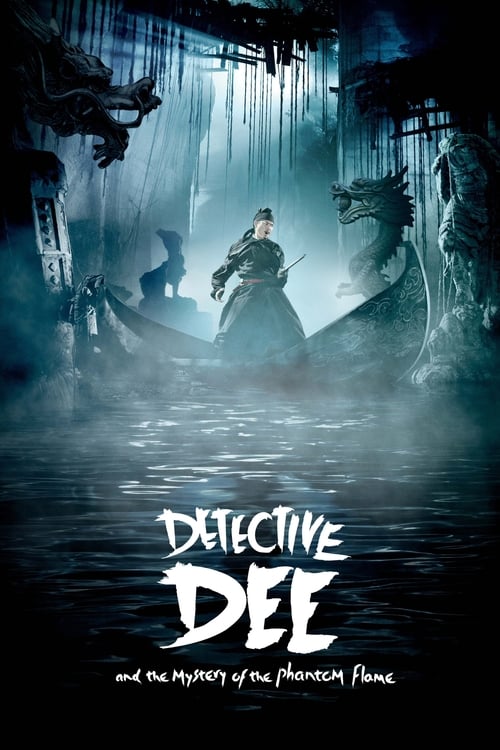 Detective Dee and the Mystery of the Phantom Flame
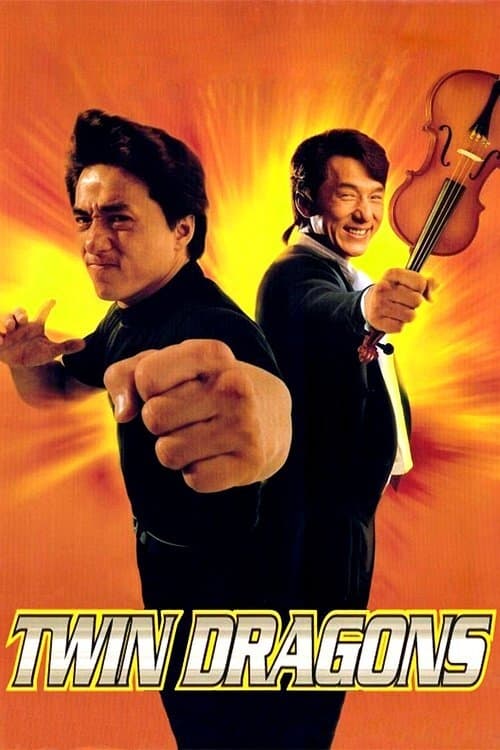 Twin Dragons
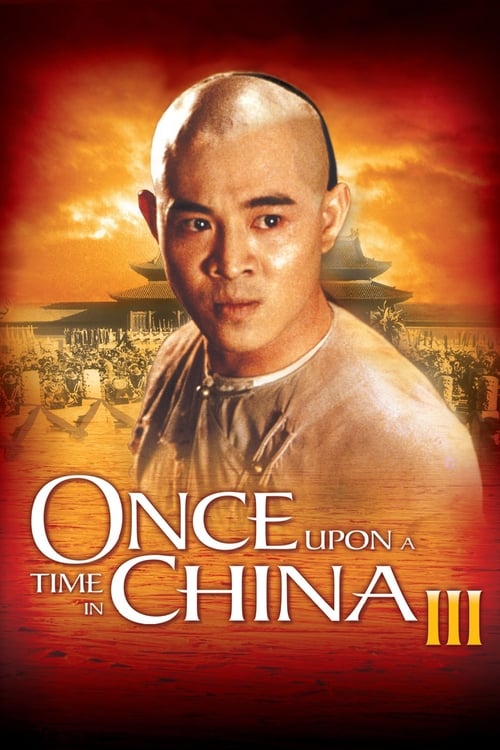 Once Upon a Time in China III
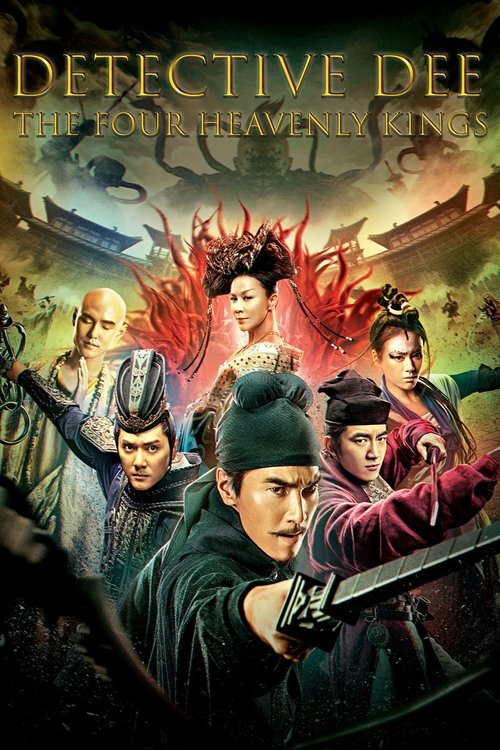 Detective Dee: The Four Heavenly Kings
 Legends of the Condor Heroes: The Gallants
The Blade is the one you should see first
People always say to start with Once Upon a Time in China, and that is reasonable advice. But The Blade (1995) is the Tsui Hark film that shows what he was truly capable of, stripped of star power and mainstream obligation. It is relentless, formally strange, shot with a handheld chaos that feels accidental but is perfectly controlled, and it contains the best final fight scene of his career. Once you have seen it, the rest of his filmography snaps into focus.
Hong Kong cinema's golden seam
Directors who shared his era, his city, his ambitions
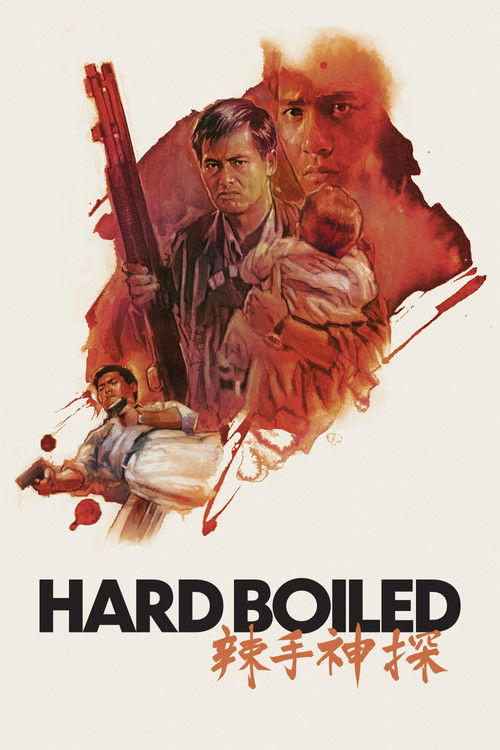

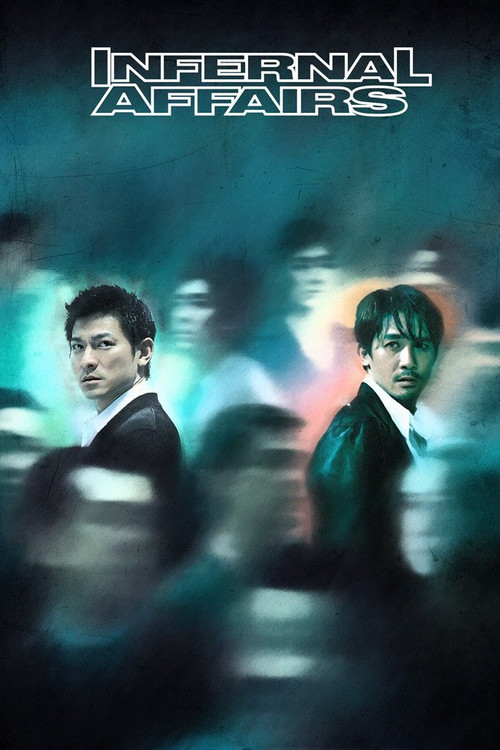
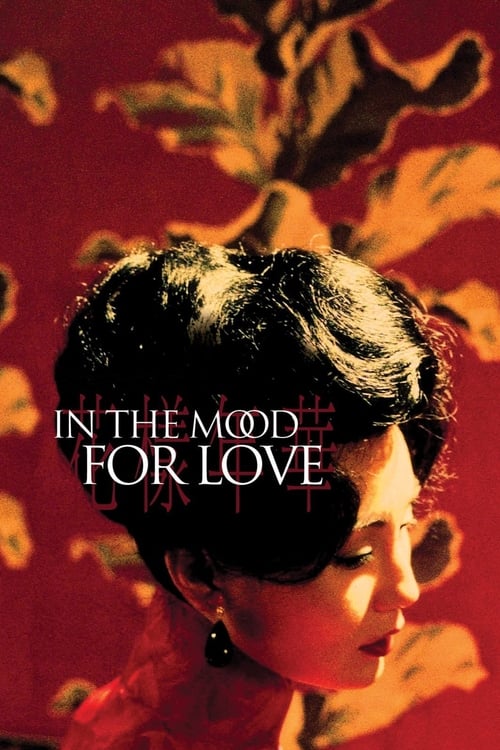
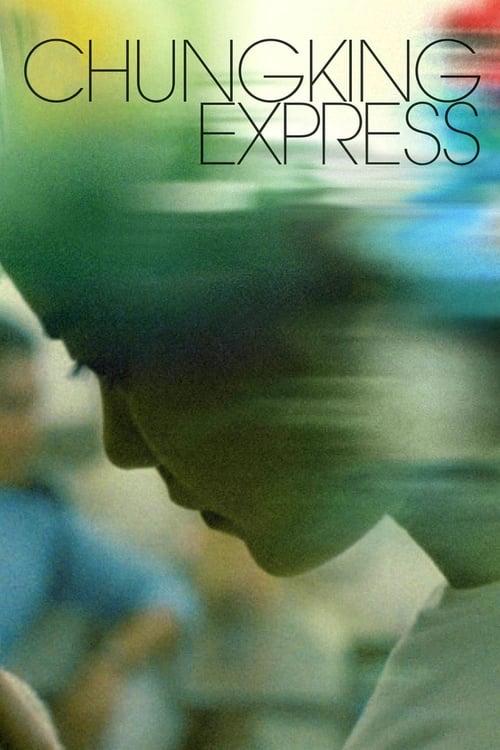
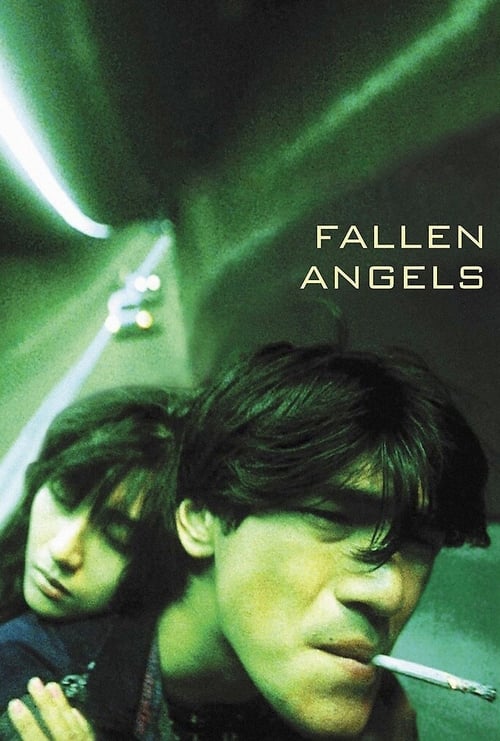
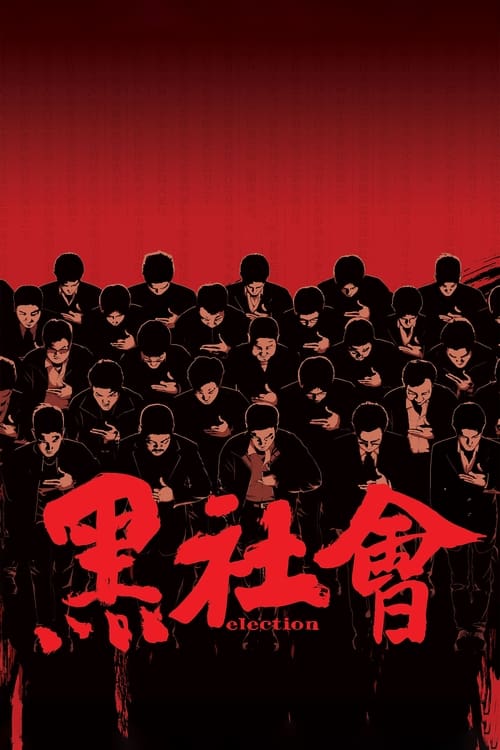
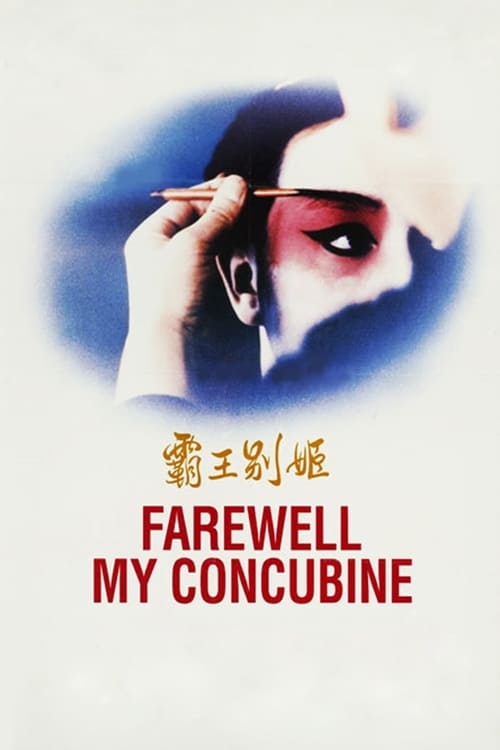
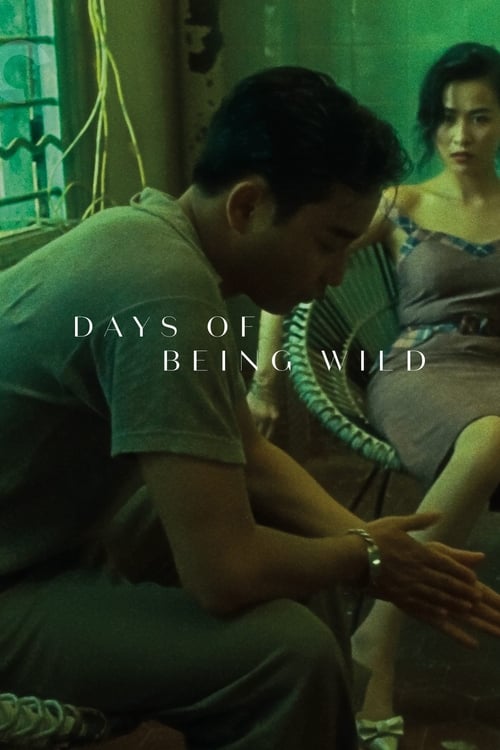
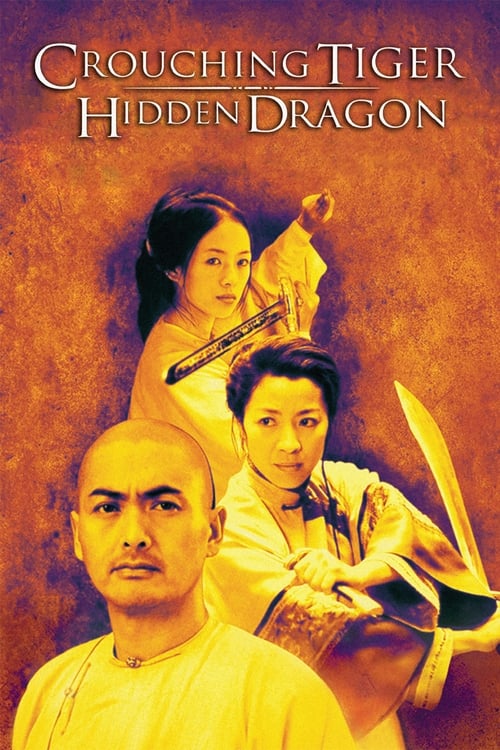
The wuxia tradition, from classics to contemporary
Chinese action cinema's long conversation with myth and history
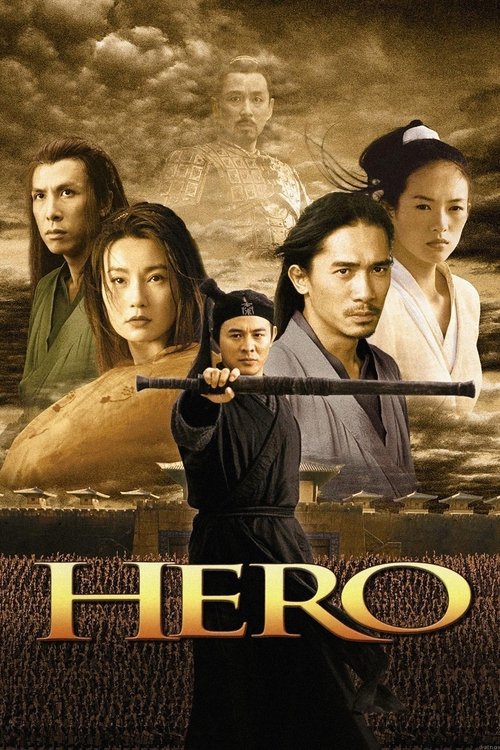
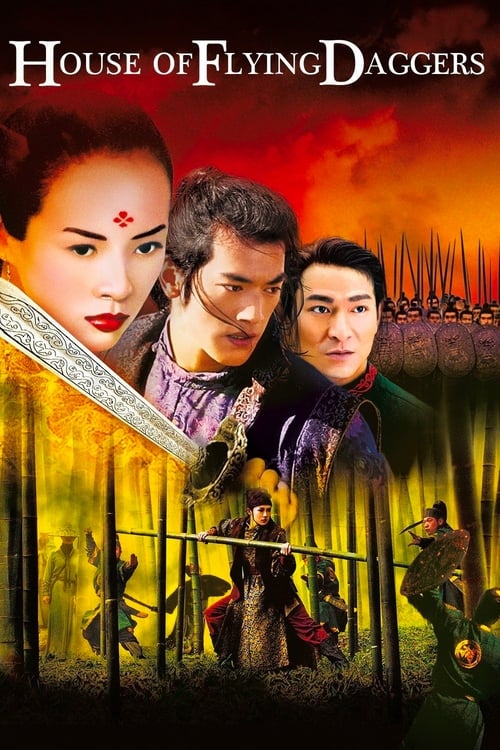

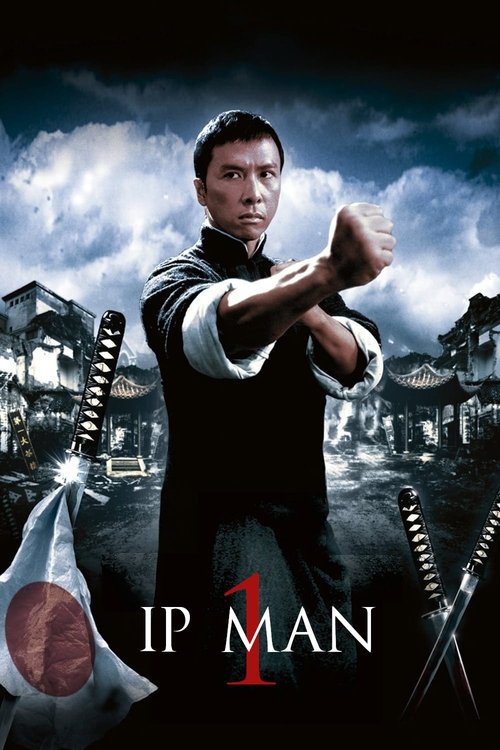

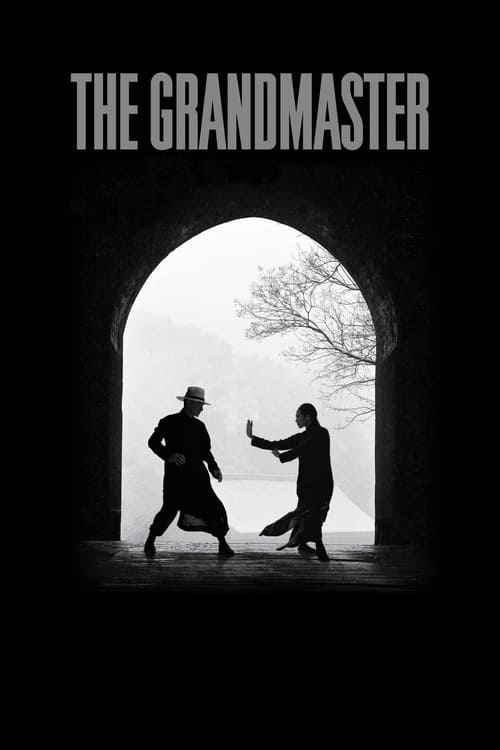
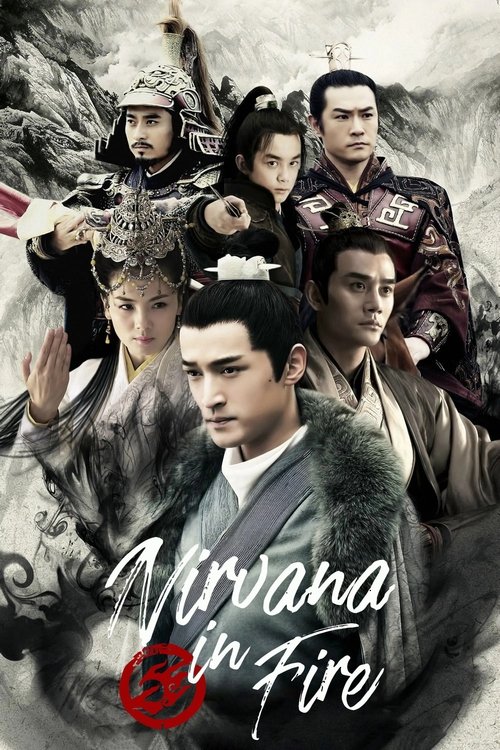
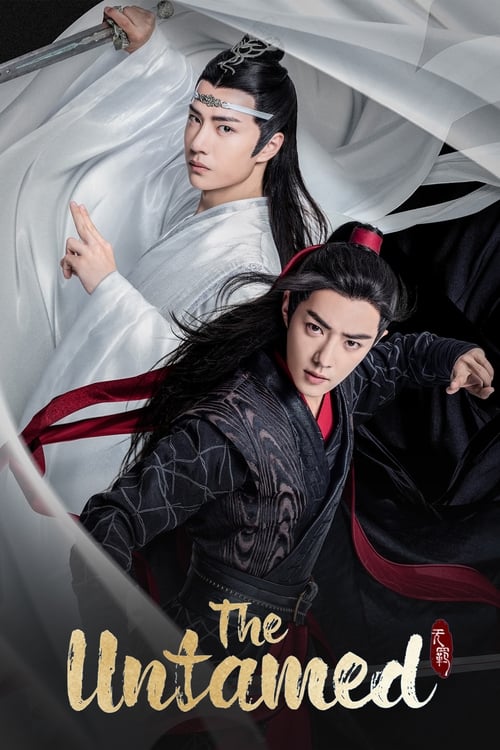
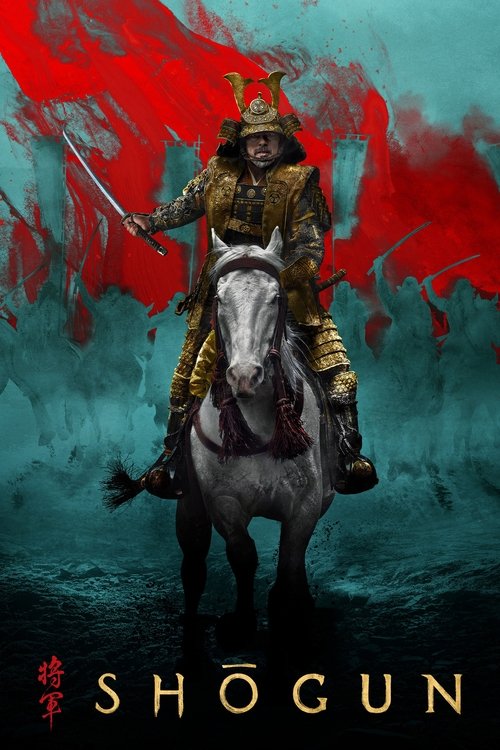
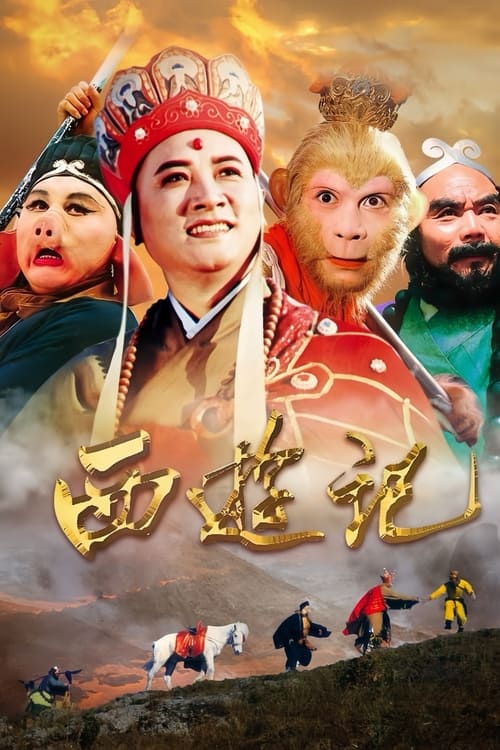
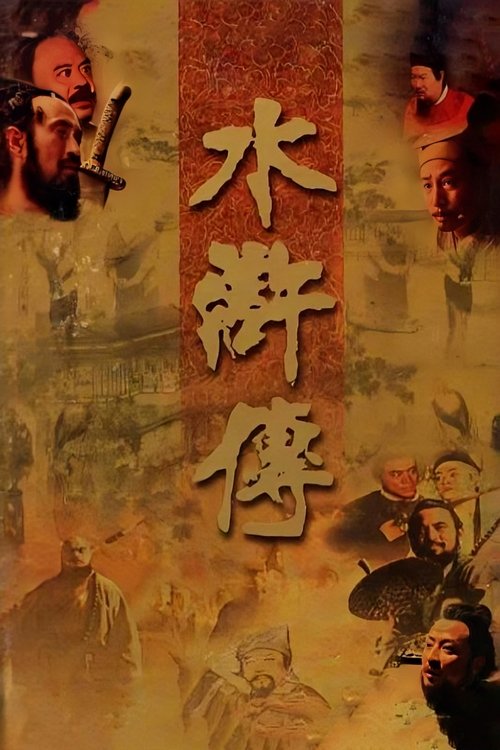
Nirvana in Fire is the television series Tsui Hark was born to adapt
Tsui's best films are about men caught between loyalty and pragmatism in collapsing political orders. Nirvana in Fire (2015) covers exactly that terrain across 54 episodes with writing so precise it feels architectural. The scheming is never cheap, the action is never gratuitous, and the emotional payoff is genuinely earned. If you find yourself wishing Tsui had directed more political epics, this Chinese historical drama is where you go next.
Games that move the way his films move
Kinetic, mythological, rooted in East Asian martial tradition
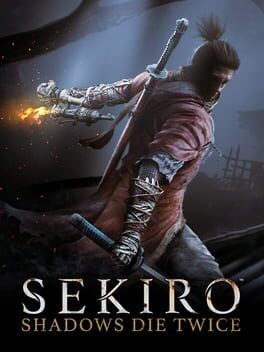
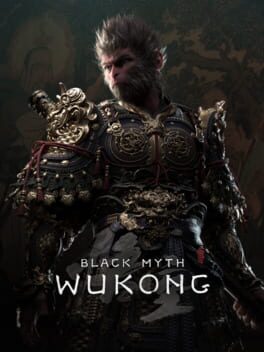
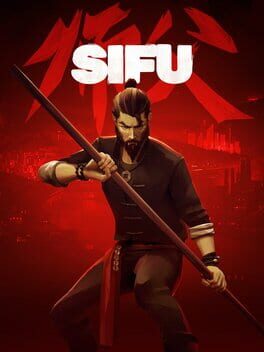
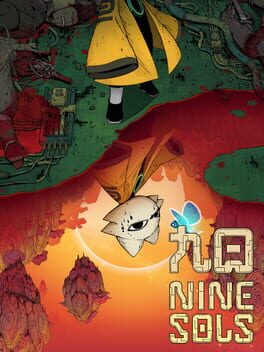
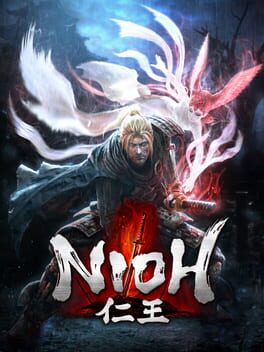
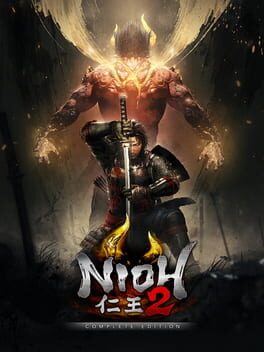
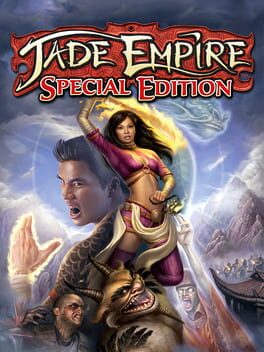
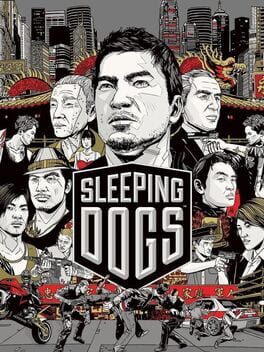
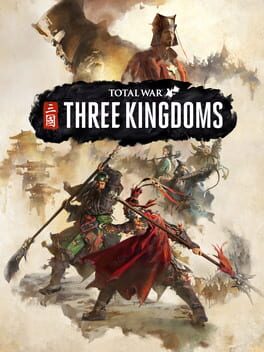
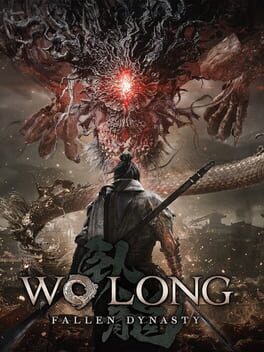
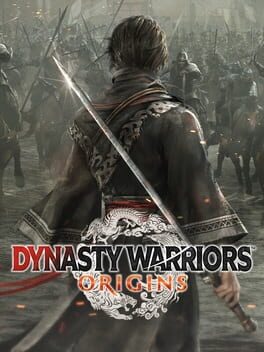
Black Myth: Wukong is the first game that really feels like one of his films
Tsui Hark has spent decades adapting Journey to the West material, and nobody in games took it seriously until Black Myth: Wukong (2024). The visual register is close to right: ancient Chinese architecture rendered at impossible scale, mythological creatures with genuine menace, and combat that treats every encounter as a form of choreography. It is the game that Tsui's Journey to the West: The Demons Strike Back was reaching toward.
Music that shares the DNA
From Shaw Brothers samples to martial arts soundscapes
Books that live in the same mythological register
Epic scope, political complexity, worlds built on real traditions


Four decades of reinvention
- 1983Zu: Warriors from the Magic Mountain wires up Hong Kong cinema for the first time Zu: Warriors from the Magic Mountain
- 1986Produces A Better Tomorrow with John Woo, inventing heroic bloodshed A Better Tomorrow
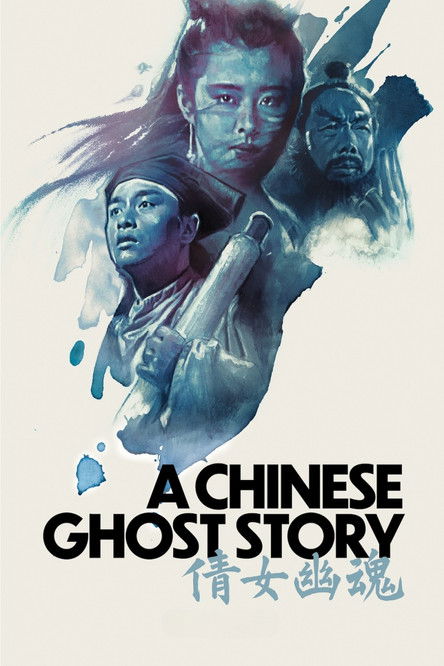
- 1987Produces A Chinese Ghost Story, Hong Kong's most beloved supernatural romance
- 1990Directs Swordsman, begins reshaping the wuxia genre for a new era Swordsman
- 1991Once Upon a Time in China makes Jet Li a global star and rewrites Wong Fei-hung mythology Once Upon a Time in China
- 1993Green Snake: a revisionist fairy tale that divides audiences and grows in stature ever since Green Snake
- 1995The Blade, his most formally radical film, lands to critical bewilderment The Blade
- 2010Detective Dee begins a second major franchise phase Detective Dee and the Mystery of the Phantom Flame
- 2025Returns to the Condor Heroes universe with Legends of the Condor Heroes: The Gallants Legends of the Condor Heroes: The Gallants
Green Snake is the underrated one that deserves a reappraisal
When Green Snake (1993) came out, audiences expecting another action spectacular got something stranger: a film told from the perspective of two snake demons who become women, observing human desire with cool alien amusement. Maggie Cheung and Joey Wong are extraordinary in it, and Tsui's formal control is at its most painterly. It has aged considerably better than most of its contemporaries.
Hong Kong kinetic action
Martial Arts
Explore the Martial Arts guide →Every Tsui Hark film feels like it is about to fly apart at the seams, and the remarkable thing is that they never quite do.CrossBinge