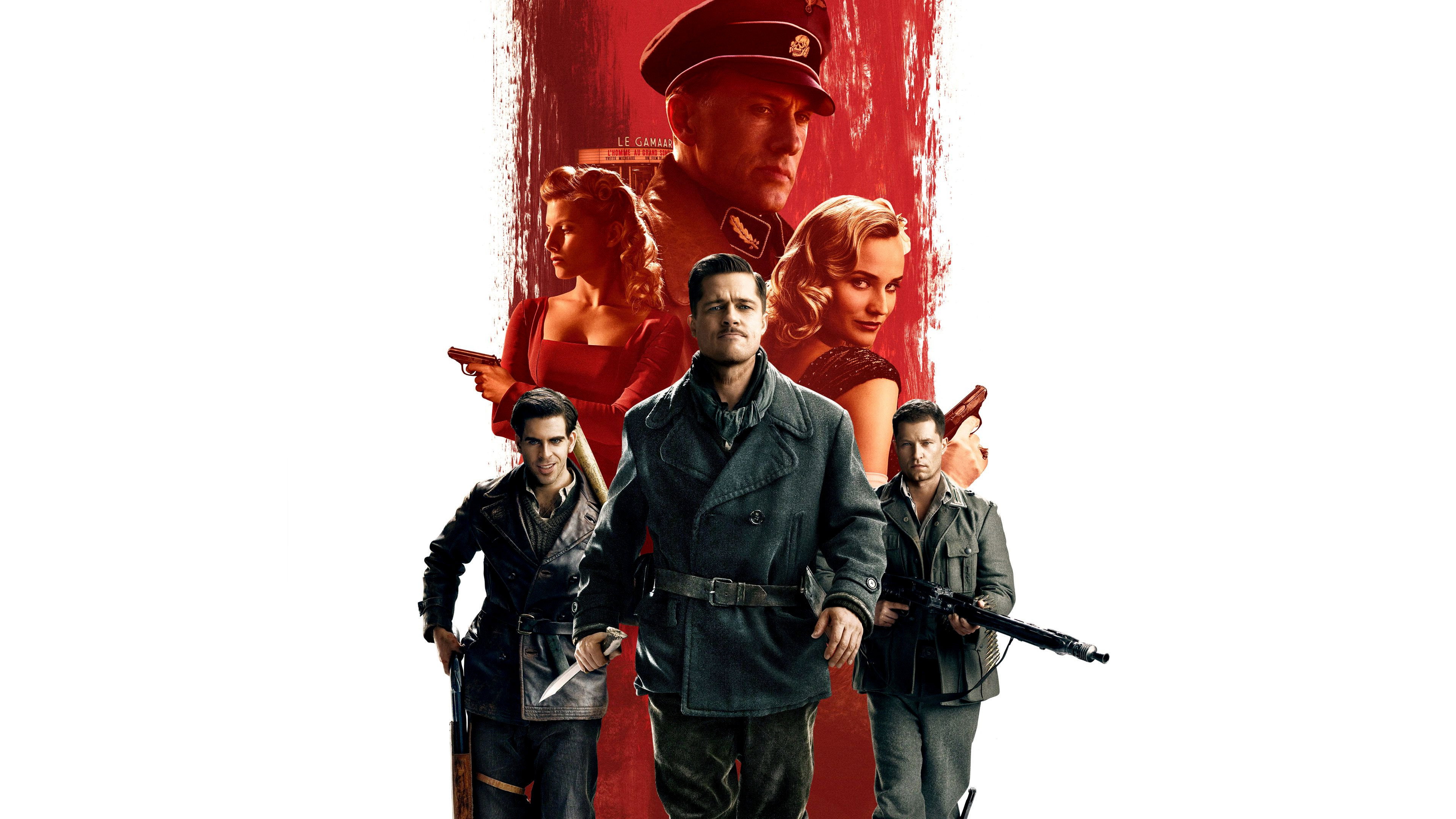

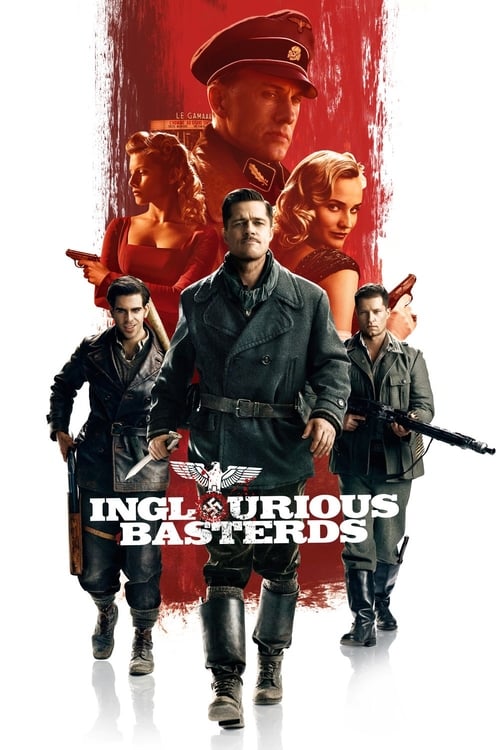
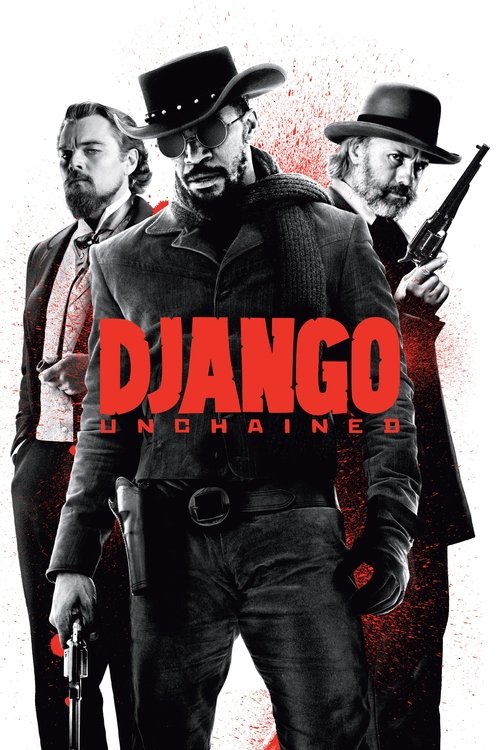
Christoph Waltz spent decades working in Austrian and German television before Quentin Tarantino found him at a Cannes casting call in 2008 and rewrote the rules of screen villainy. As SS-Standartenführer Hans Landa in Inglourious Basterds, Waltz delivered a performance so precisely calibrated, so alive to the pleasure the character takes in his own ruthlessness, that it earned him an Oscar, a career resurrection, and a permanent place in the catalogue of cinema's great monsters. A second Oscar followed for Django Unchained, where he played the opposite pole: a bounty hunter of ironclad principle and elaborate courtesy, a man whose politeness is itself a form of violence. What connects both roles, and everything worth seeing in his filmography, is the quality of his attention. Waltz watches. He listens. He lets silences do the work that lesser actors fill with expression. The voice, the accent, the four languages he speaks fluently, are instruments, not ornaments. If you are drawn to actors who make intelligence feel like threat, who play power through restraint, and whose performances carry the weight of a complete interior life, then Christoph Waltz is your compass.
Essential Christoph Waltz
The performances that define his range, from operatic menace to mordant warmth.
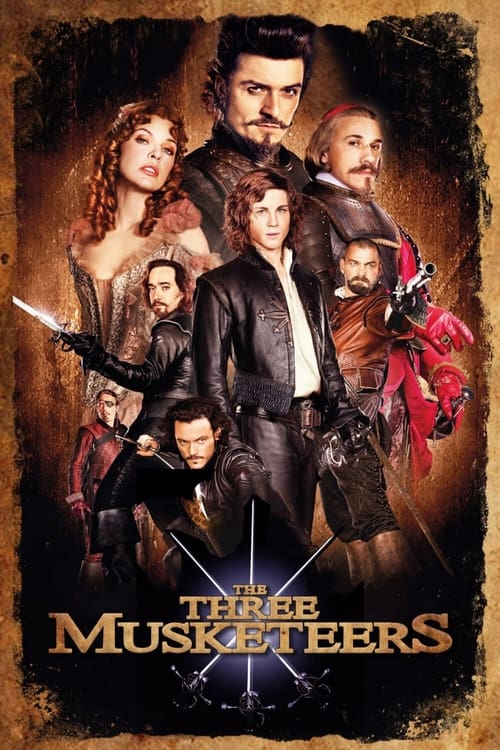
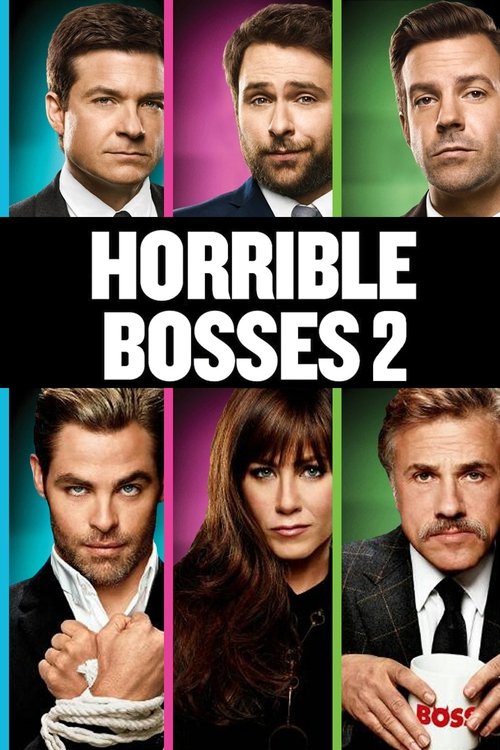
The villain as the most complete person in the room
Hans Landa works because Waltz refuses to signal evil. The character is curious, funny, genuinely interested in the people he is about to destroy. That gap, between the surface warmth and the bottomless cynicism underneath, is what makes the performance unbearable and impossible to look away from. The same architecture appears in King Schultz: a man of real principle who has found a profession that lets him kill legally and get paid for it. Waltz does not play these men as exceptions. He plays them as logical products of the systems they inhabit. That is a far more unsettling idea than simple sadism.
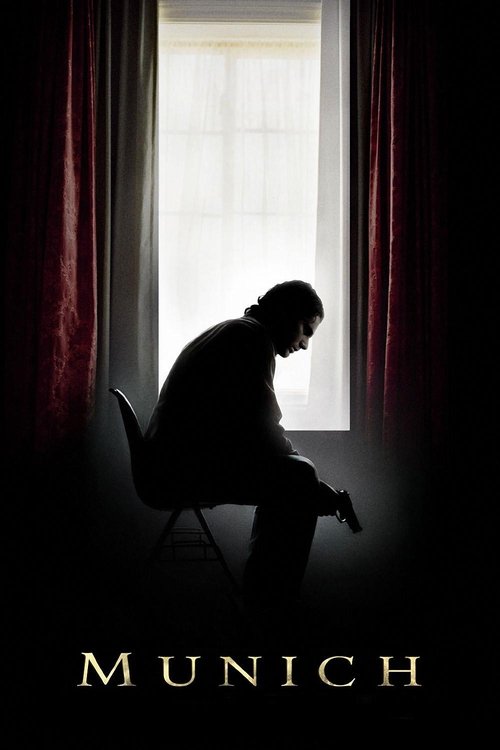
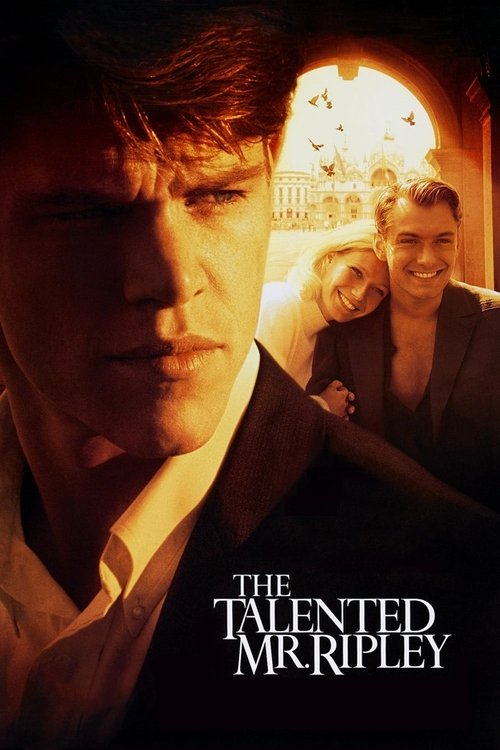
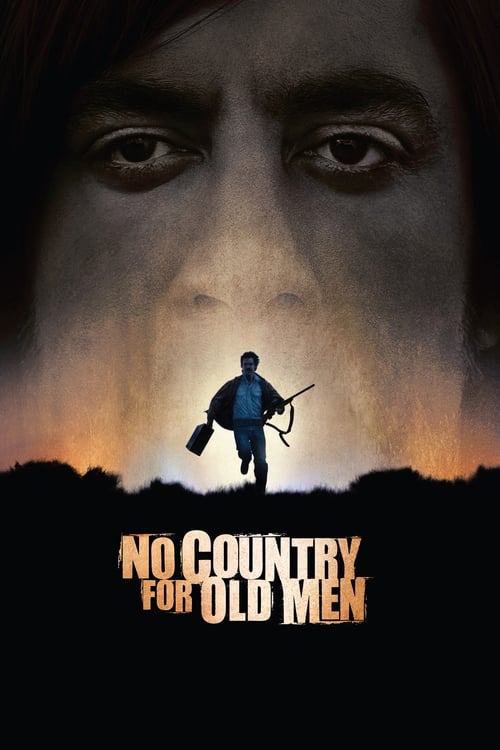
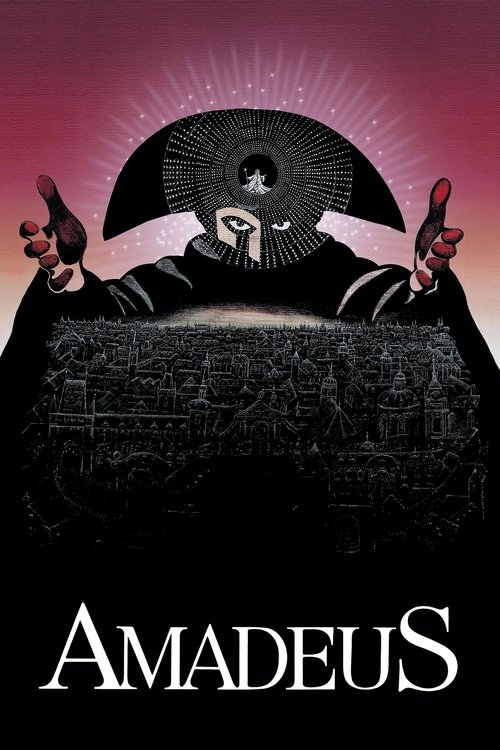
Same register: actors who own the room
Performers with the same gift for coiled intelligence, precise speech, and weight without volume.
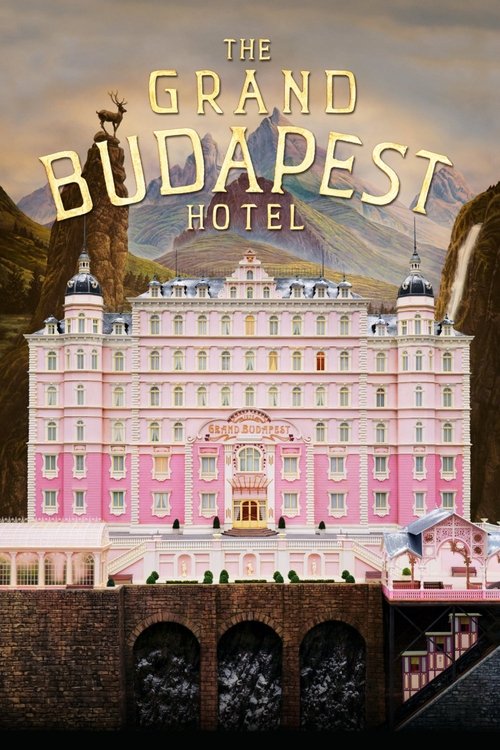
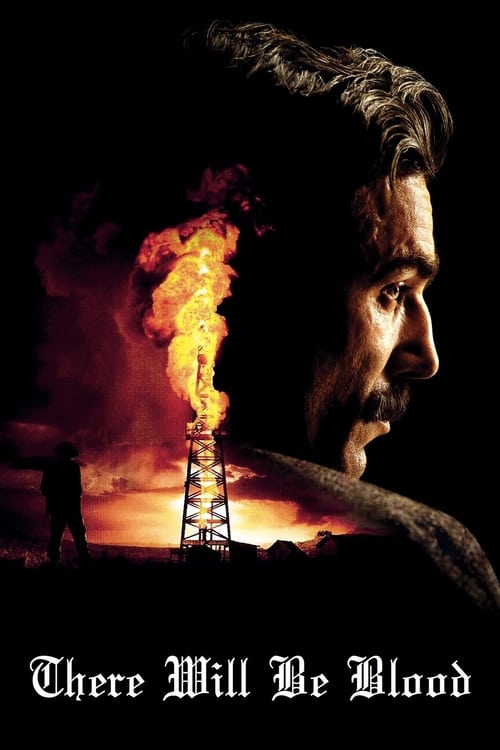
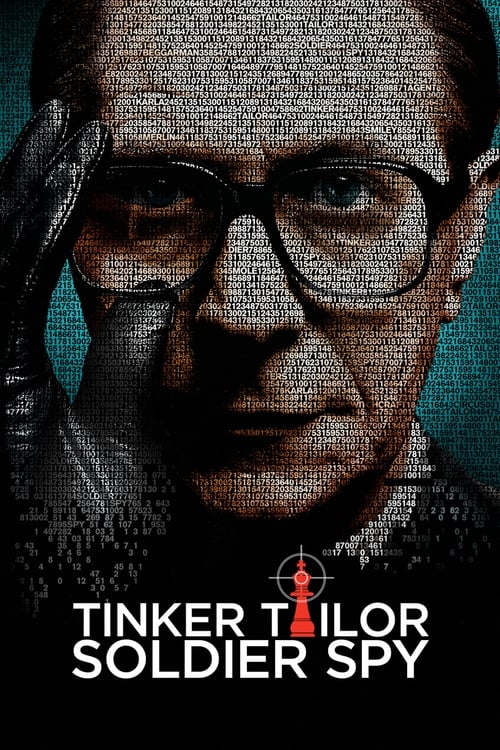
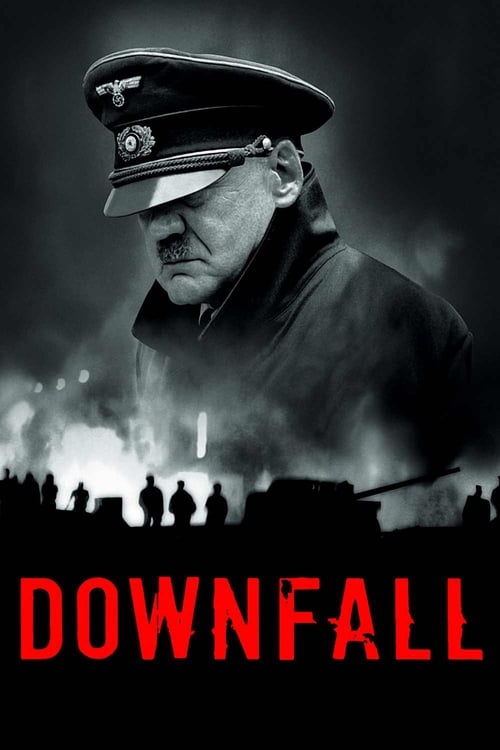
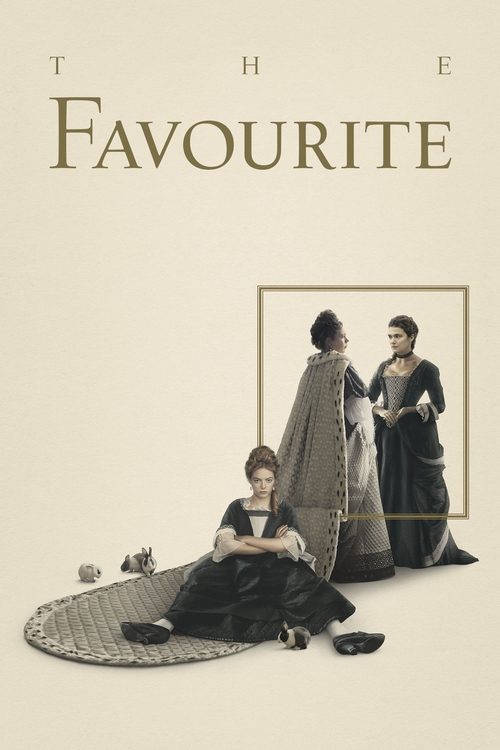
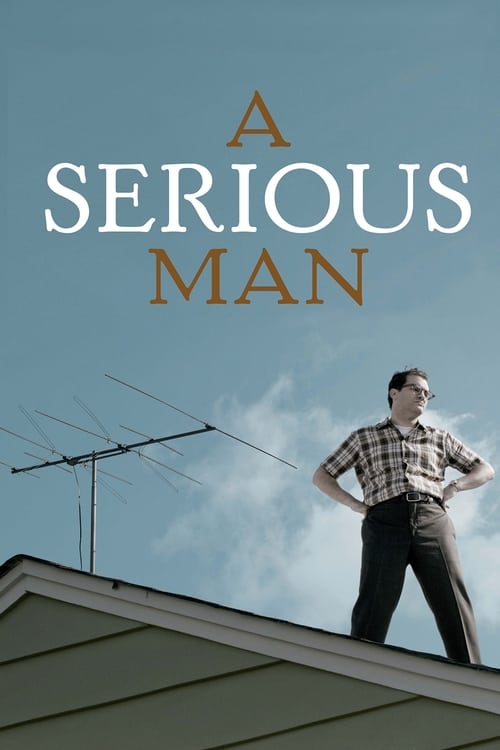
If you love Waltz: the novels his films live inside
Books that share the same obsession with power, language, and the etiquette of cruelty.


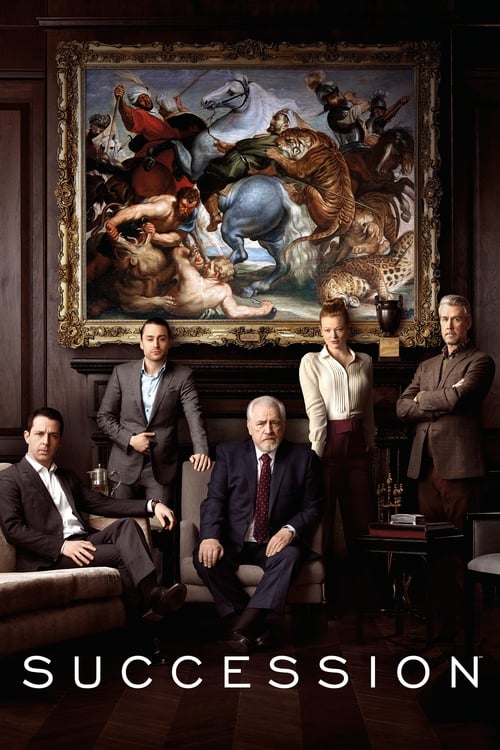
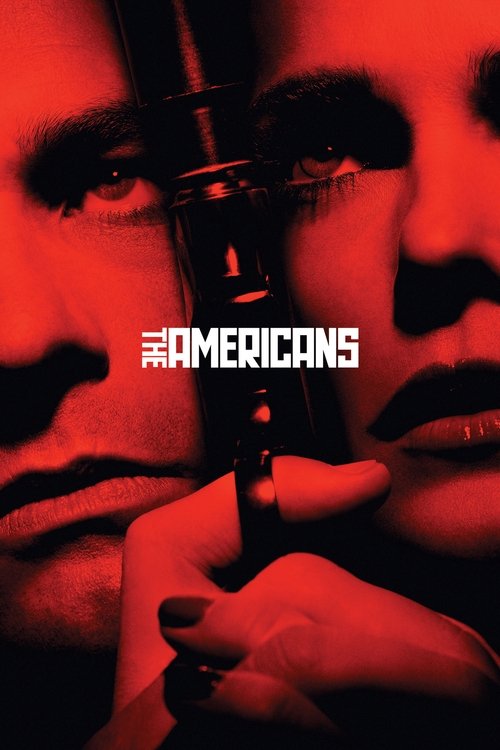
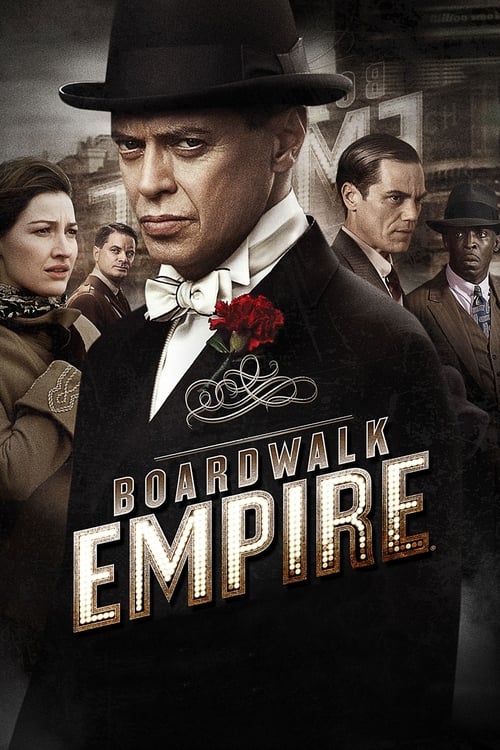
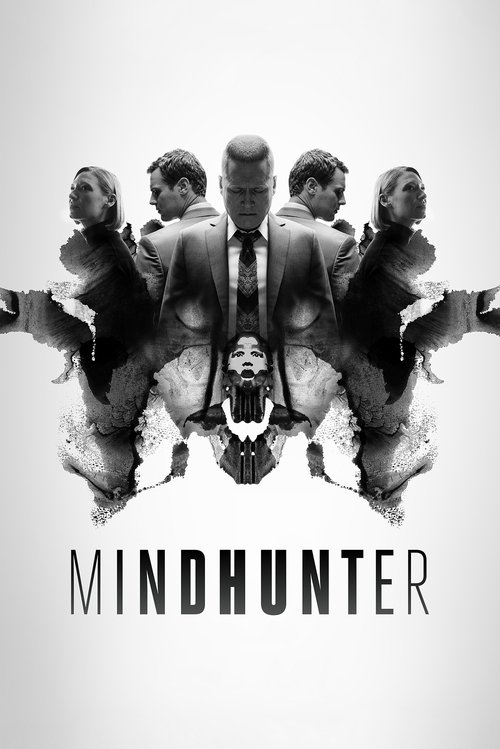
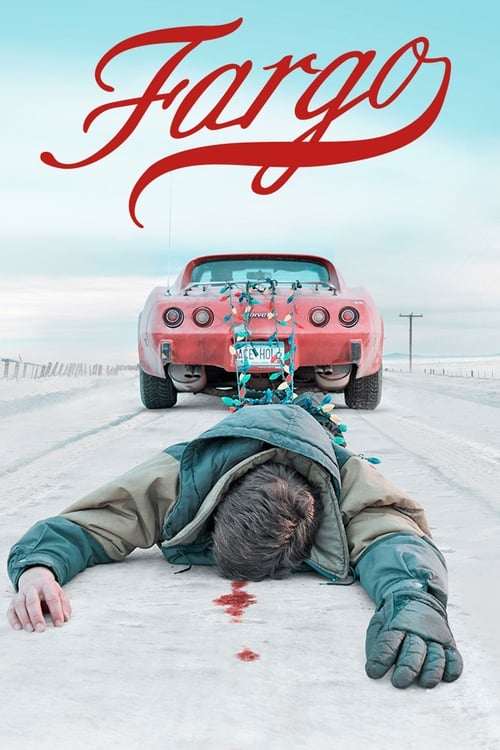
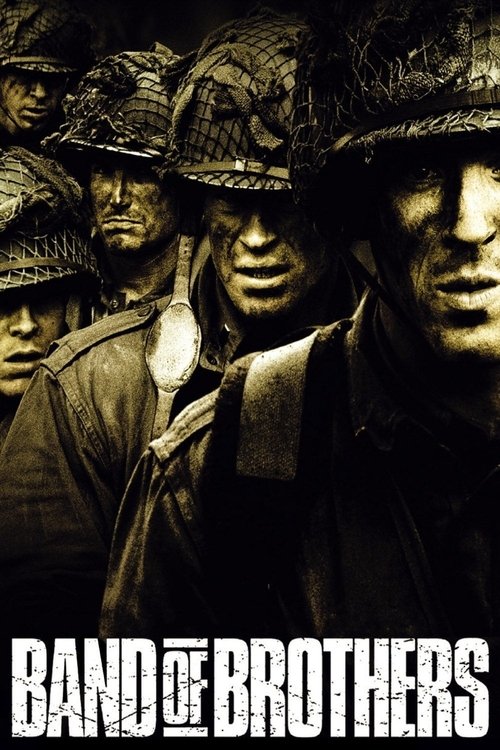
TV that rewards the same kind of watching
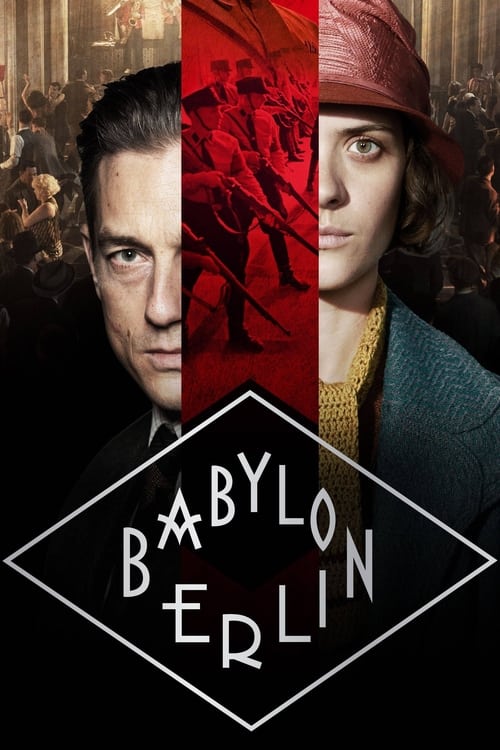
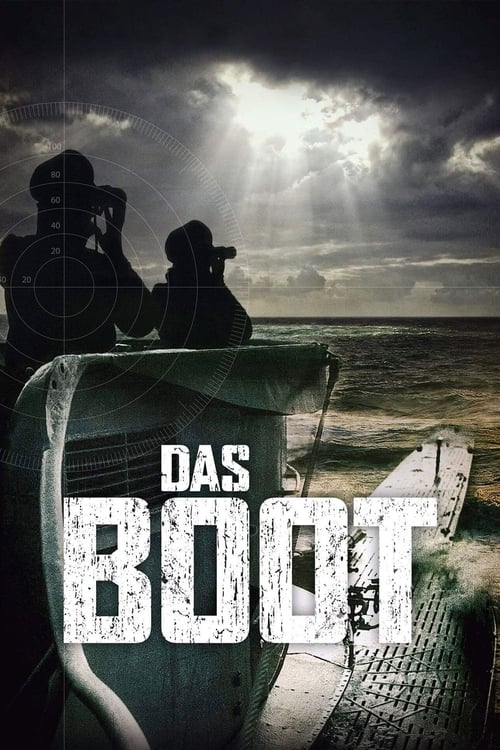
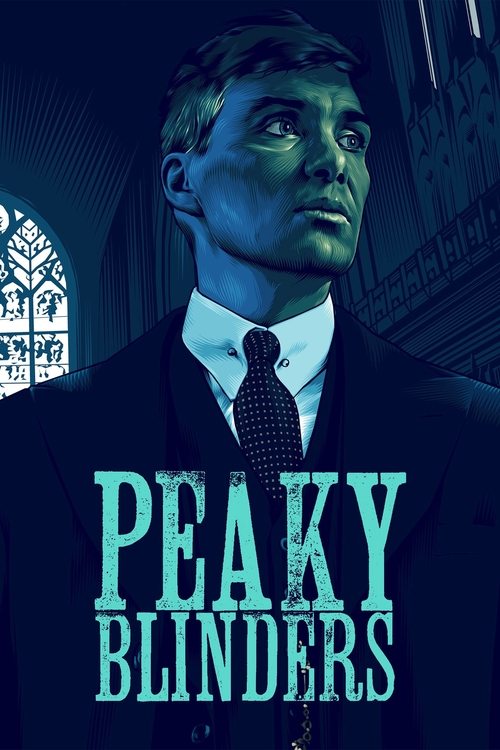
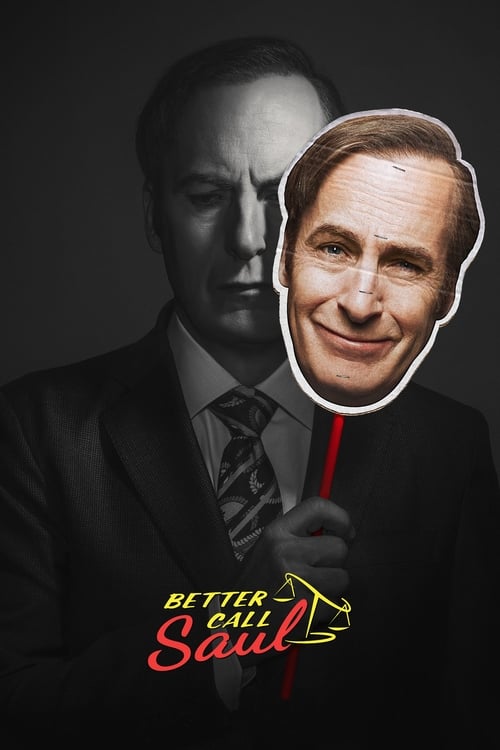
Series built around characters who speak precisely, perform courtesy as a weapon, and operate from a position of hidden power.
Waltz and Tarantino: a collaboration built on dialogue as duel
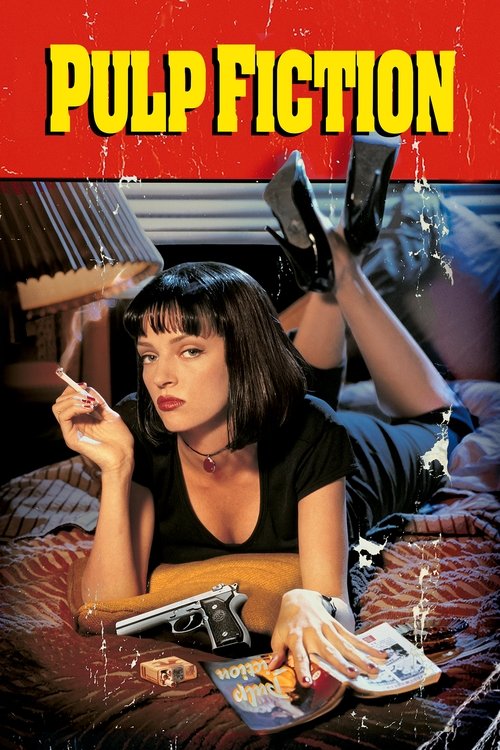
Tarantino writes characters who talk their way into and out of lethal situations. Before Waltz, the challenge was always finding actors who could make the verbosity feel earned rather than self-indulgent. Waltz solved it by playing the words as actions: every speech is a negotiation, an assessment, a test. The Landa interrogation scene, conducted almost entirely in French and then German, is a masterclass in how dialogue can be more physically tense than a car chase. Their two collaborations together rank among the most purely pleasurable screenwriter-actor partnerships in recent cinema.
Games that share the same DNA: authority, deception, moral weight
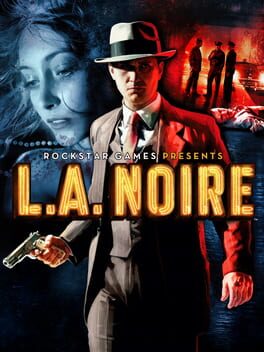
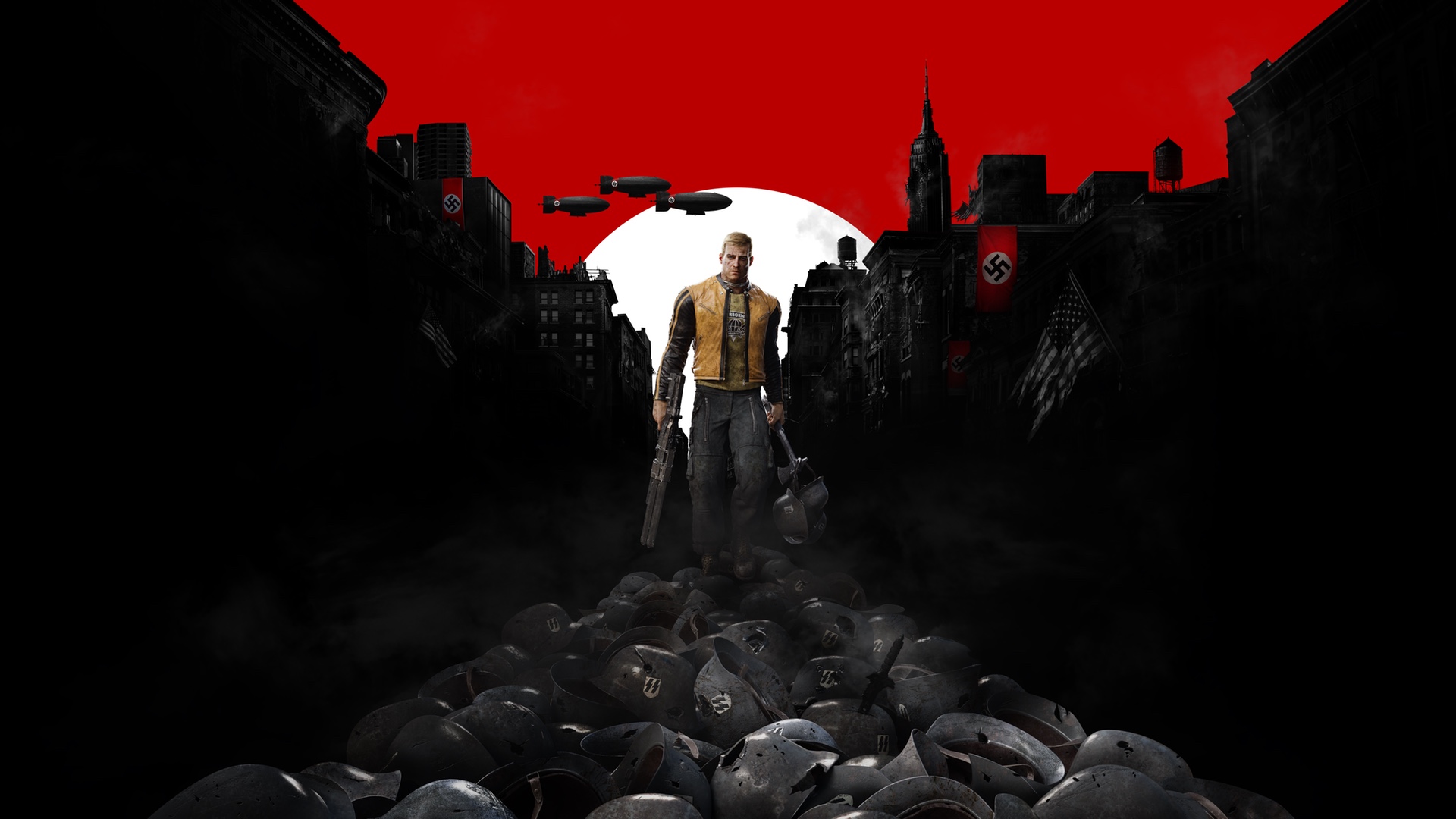
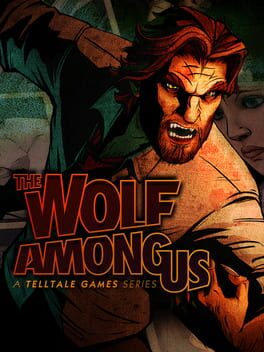
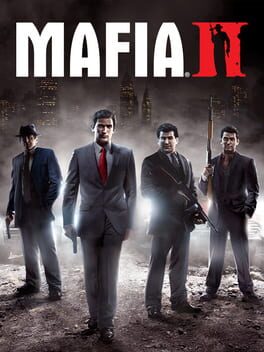
Games built around intelligence, persuasion, systemic cruelty, and the performance of power.
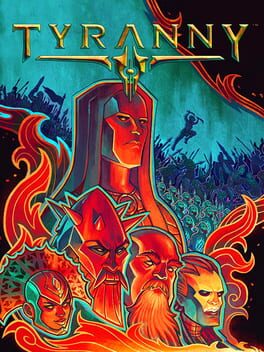
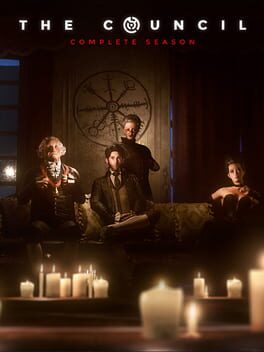
The underrated middle tier: where Waltz takes real risks
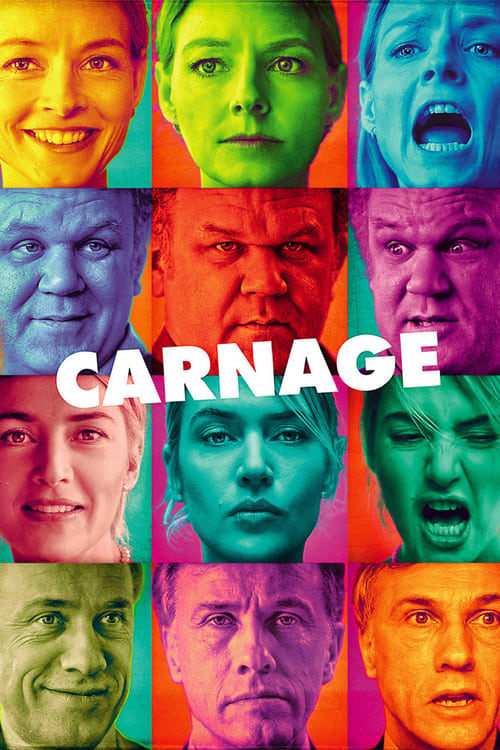
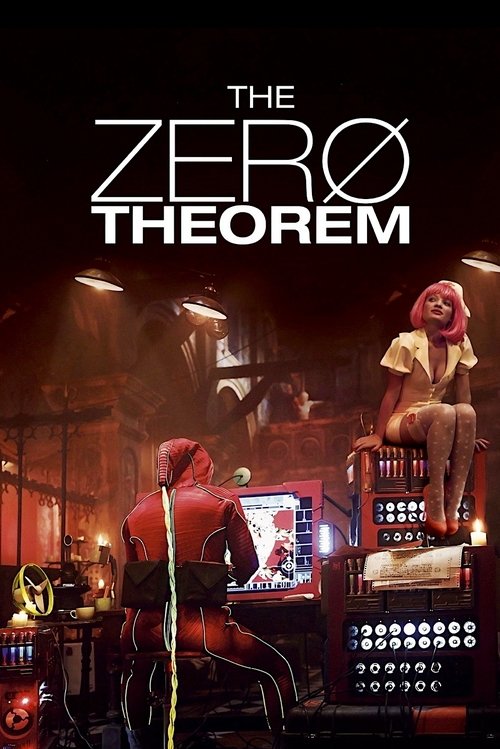
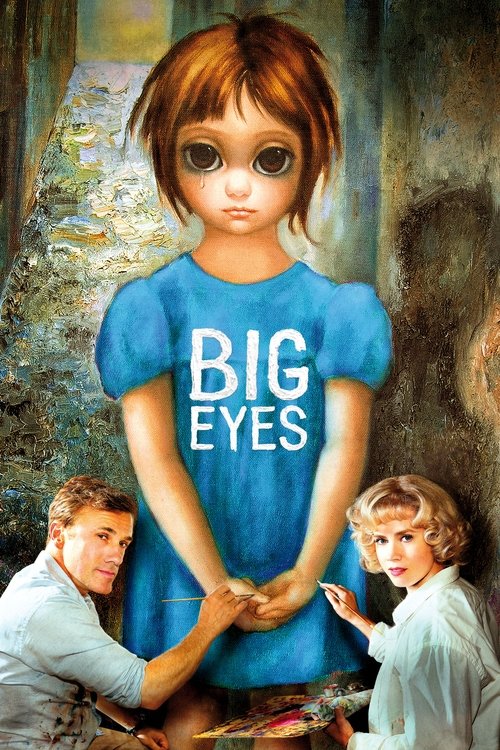
Between his Oscar films, Waltz made choices that most stars would avoid. Carnage, Roman Polanski's chamber-piece adaptation of Yasmina Reza's play, cast him as a lawyer so committed to non-engagement that his passivity becomes the most active force in the room. The Zero Theorem gave him a Terry Gilliam fever dream. Big Eyes asked him to play a calculating manipulator in a story about art-world fraud that had none of the genre scaffolding of his Tarantino work. These films are where you see the actor, not the icon.
A career of controlled detonations
- 1956Born in Vienna, Austria, into a theatrical family; his grandmother was a celebrated actress.
- 1977Begins working in Austrian and German stage productions and television.
- 2009Inglourious Basterds premieres at Cannes; wins the Palme d'Or and Waltz wins Best Actor. Inglourious Basterds
- 2010Wins his first Academy Award for Best Supporting Actor for Hans Landa.
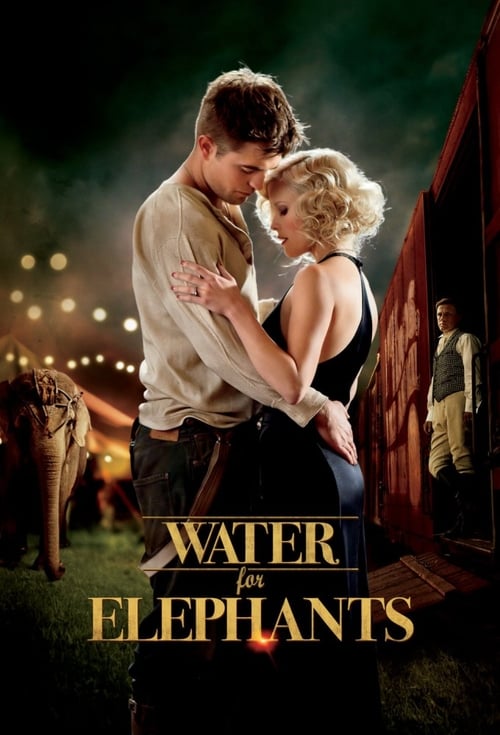
- 2011Carnage and Water for Elephants demonstrate range beyond the villain archetype. Carnage
- 2012Django Unchained released; Waltz wins his second Academy Award. Django Unchained
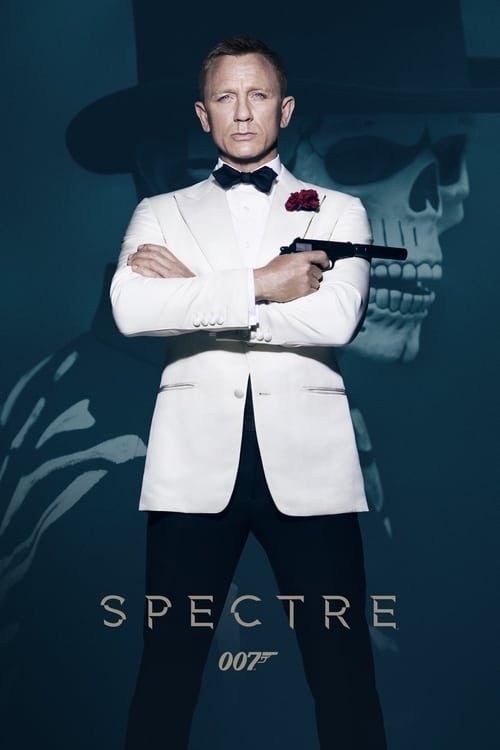
- 2015Joins the Bond universe as Oberhauser/Blofeld in Spectre. Spectre
- 2021Appears in The French Dispatch, Wes Anderson's ensemble valentine to long-form journalism.
Antagonists, Tarantino, and Pulp Crime
Villains & Great Antagonists
Explore the Villains & Great Antagonists guide →He speaks four languages fluently and acts in the spaces between them, finding the exact register where a compliment becomes a threat and a threat becomes a pleasure.CrossBinge editors