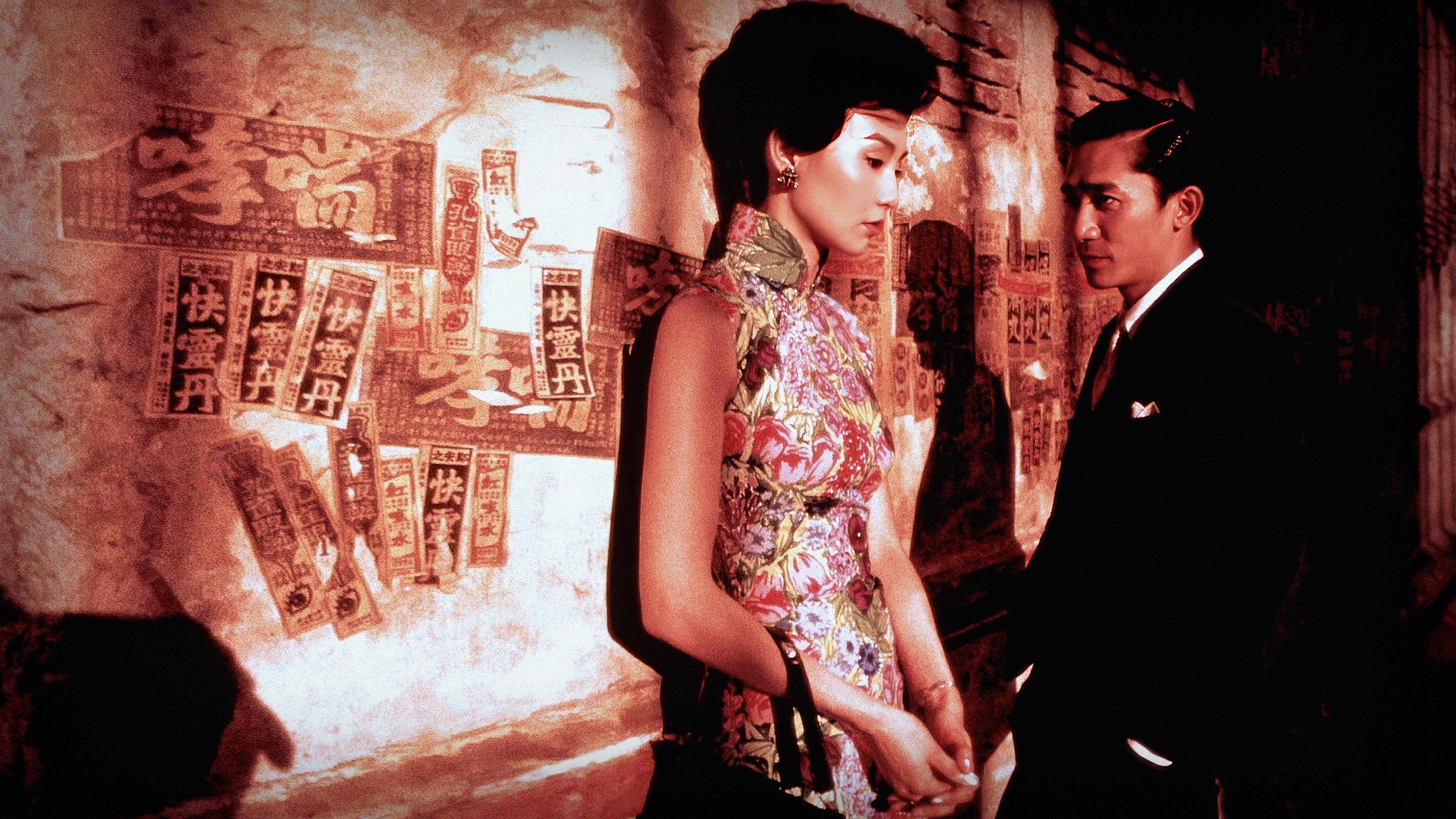

Wong Kar-wai does not make films about what happens. He makes films about what almost happened, what was felt but never said, and what the body remembers long after the mind has moved on. Working almost always without a completed script, shooting for months or years until the emotional truth solidifies, he built a body of work that defined a certain strain of urban romanticism: lush, oblique, aching. His collaborators, above all cinematographer Christopher Doyle and composer Michael Galasso, gave his films a texture that feels less like a movie and more like a waking dream. If you fell for the slow-zoom corridor in 'In the Mood for Love', or the pineapple-can countdown in 'Chungking Express', this guide maps the full territory.
Essential Wong Kar-wai
The films, ranked by obsession
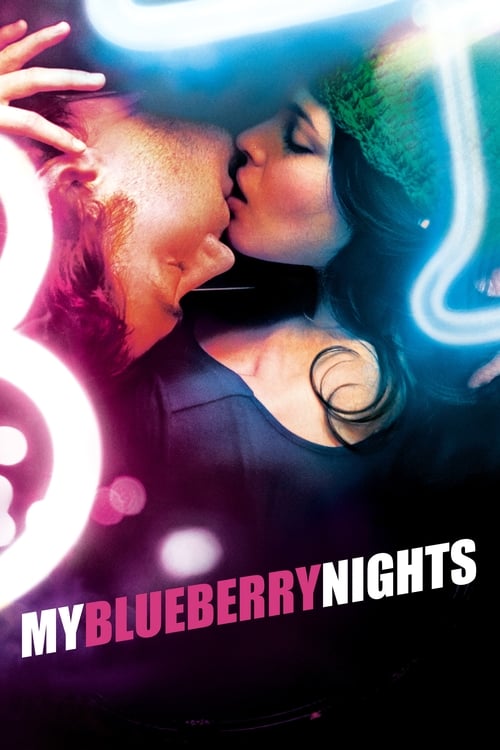
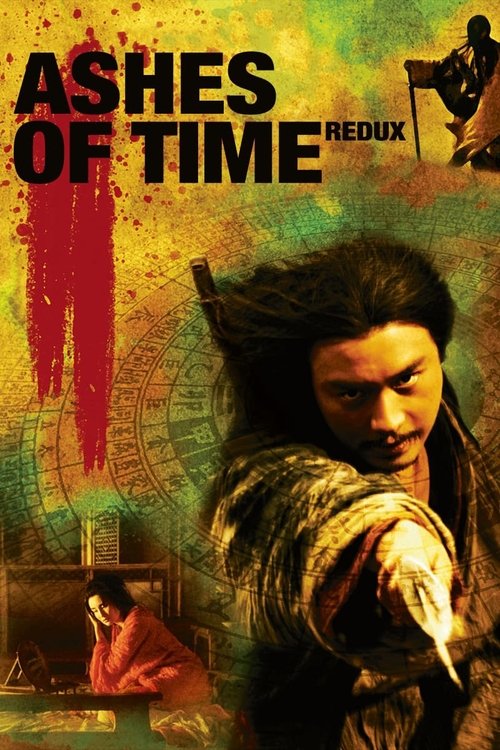
Directors Who Live in the Same Register
Slow, elliptical, emotionally precise

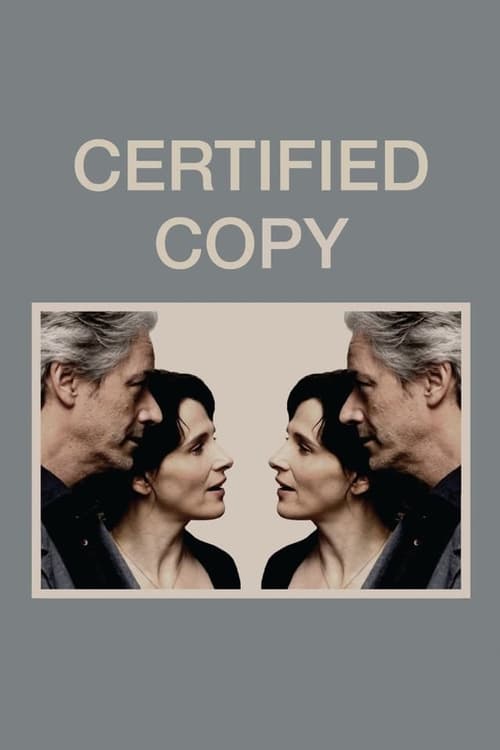
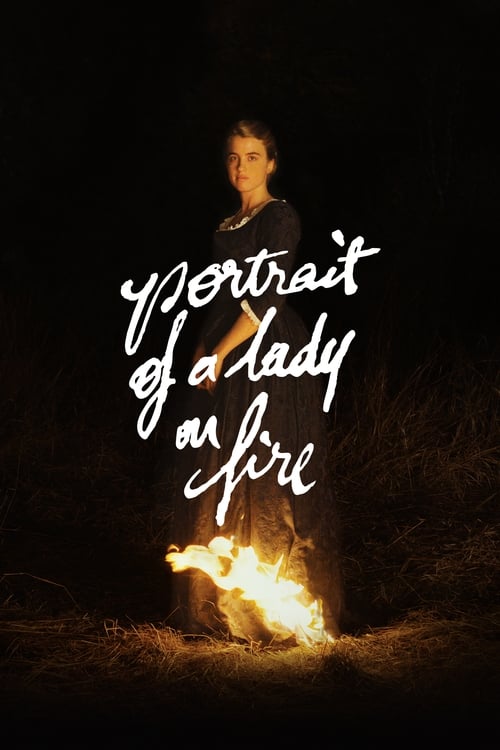
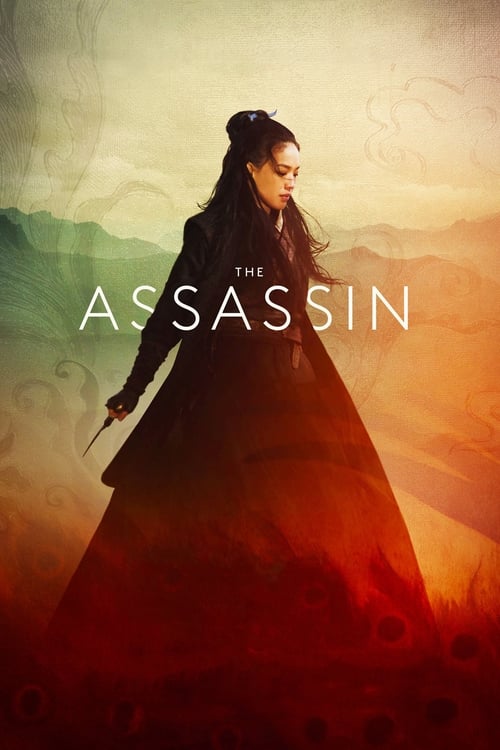
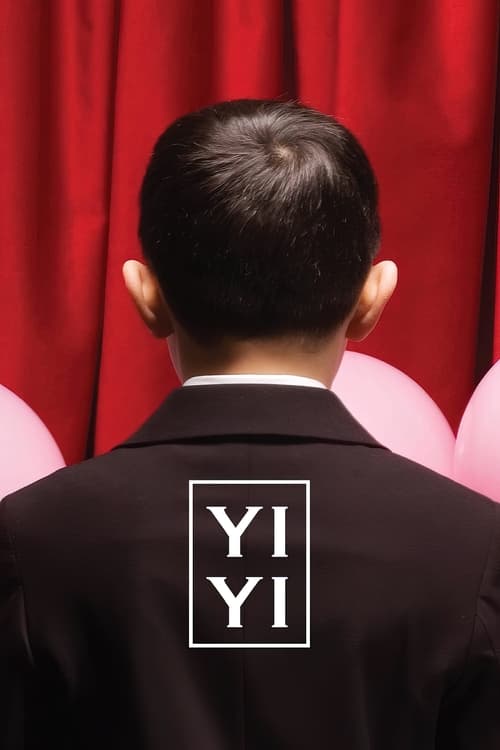
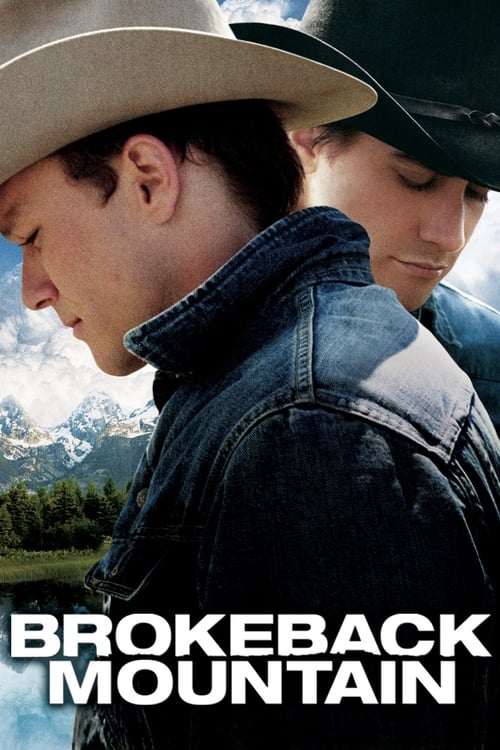

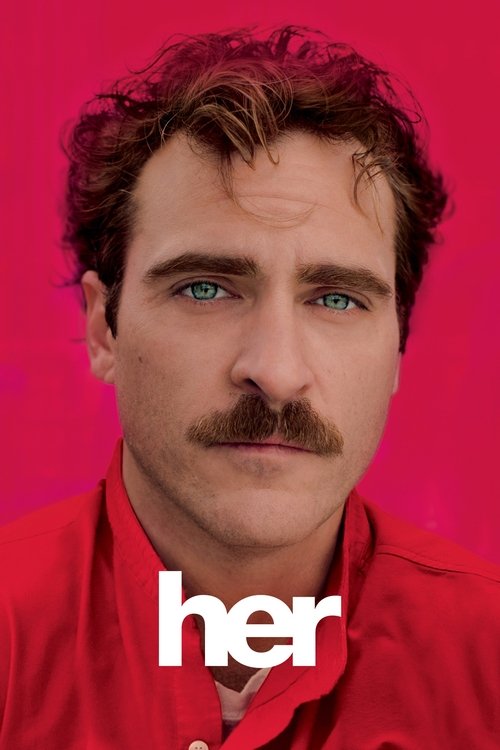
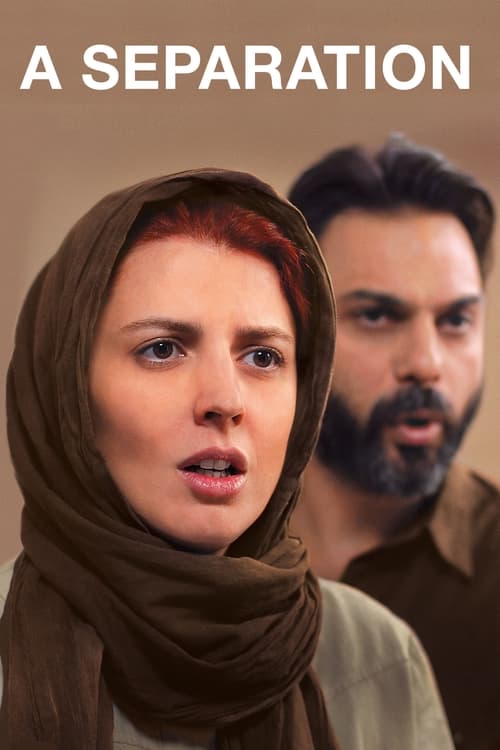
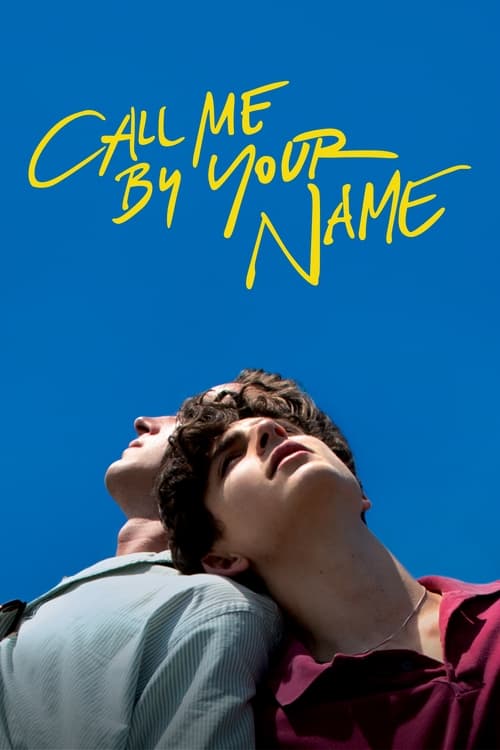
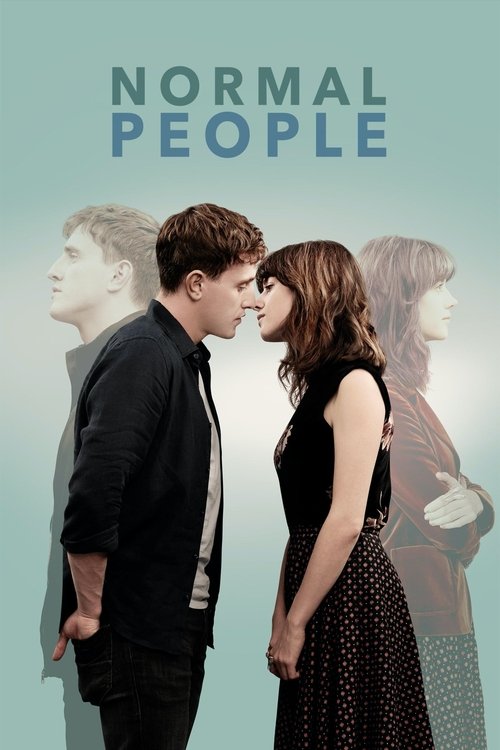
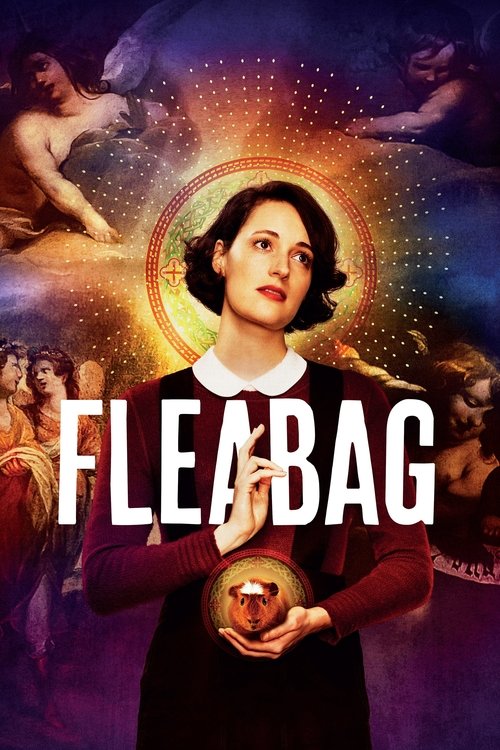
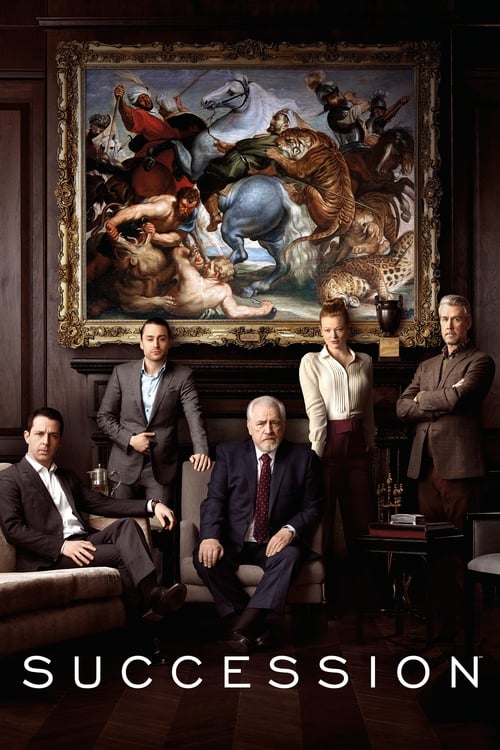
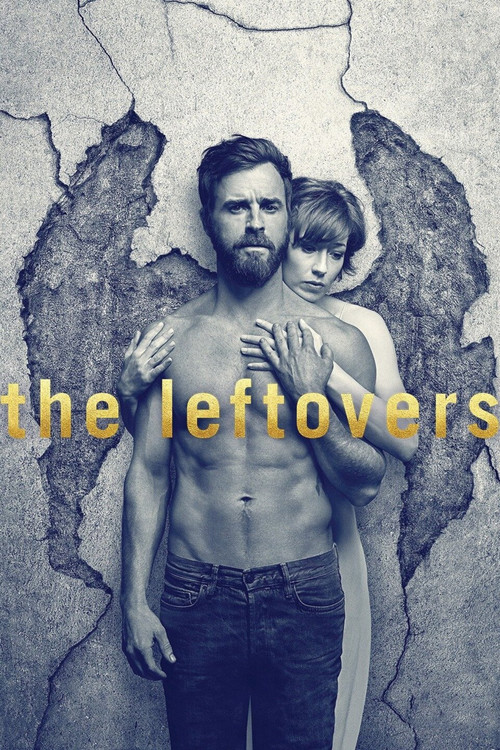
Series That Share the Mood
Television that values feeling over plot
Novels Built on Memory and Desire
Books that carry the same emotional weight


Games That Understand Longing
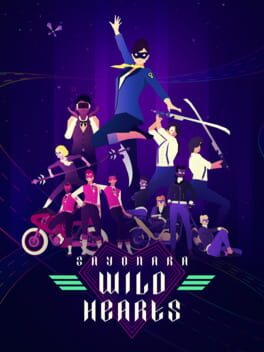
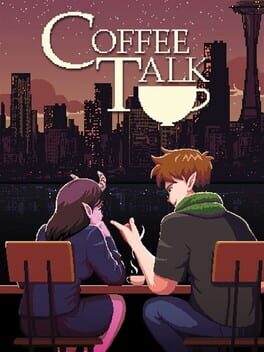
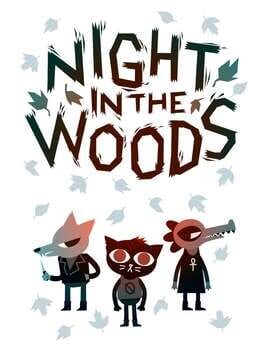
Slow, atmospheric games built around time and place


Repetition Is the Point
Wong Kar-wai returns to the same obsessions across every film: the missed connection, the room where something almost happened, the person who left before the feeling could be named. Critics sometimes call this repetitive. They are missing it. The repetition is the argument. Longing does not resolve; it replays. Every film is the same film, which is why watching them consecutively is less like a retrospective and more like circling the same memory from different angles.
Christopher Doyle Changed What a Camera Could Feel
Before Doyle, the handheld camera was a tool for urgency, for documentary truth, for chaos. In the Wong Kar-wai films they made together through the 1990s, it became something else: intimate, unstable in the way that feeling is unstable, moving through space the way attention moves when you are trying not to look at someone. The slow-motion blur Doyle achieved in 'In the Mood for Love' is not a stylistic flourish. It is what time actually feels like when you are standing next to the wrong person.
Hong Kong as a Character
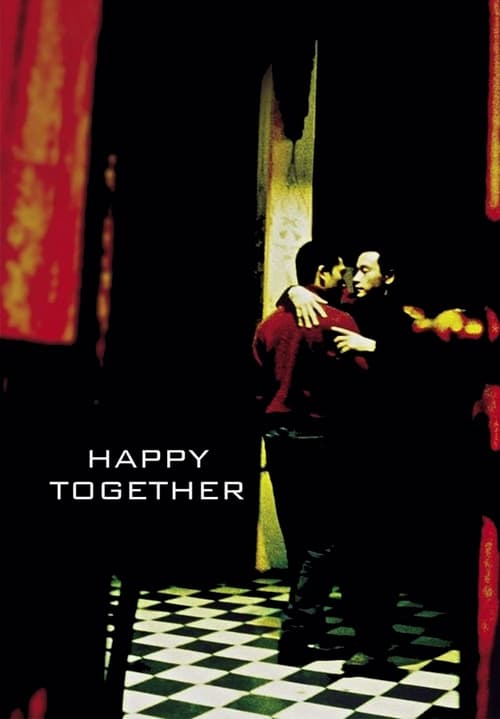
The city in Wong Kar-wai's films is not backdrop. The corridors, the food stalls, the cramped apartments, the Midnight Express counter, the Argentinian tango bars of Buenos Aires in 'Happy Together': these spaces generate the emotion. They hold the history the characters will not say aloud. His Hong Kong is always on the verge of disappearing (the films were made in the shadow of the 1997 handover), and that pressure of time running out gives even the smallest moment a weight it would not have elsewhere.
What Murakami Novels and WKW Films Actually Share
The comparison is made so often it has become a cliche, but it is also simply accurate. Murakami and Wong Kar-wai are both obsessed with the same constellation: jazz and pop songs as emotional triggers, men paralyzed by women who have left, cities that feel unreal at 2 a.m., the past as a physical presence that refuses to recede. Reading 'Norwegian Wood' or 'South of the Border, West of the Sun' after watching 'In the Mood for Love' is not a lateral move. It is the same frequency on a different receiver.
A Career in Feeling
- 1988Debut As Tears Go By
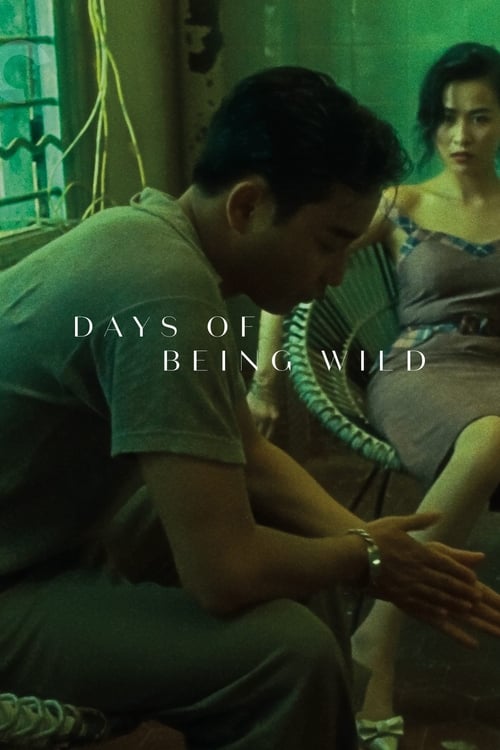
- 1990Days of Being Wild begins the loose trilogy Days of Being Wild
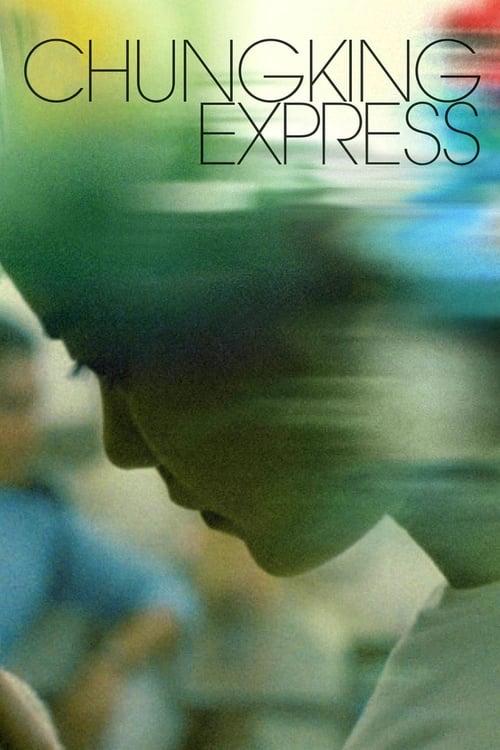
- 1994Chungking Express: the pop-art breakthrough Chungking Express
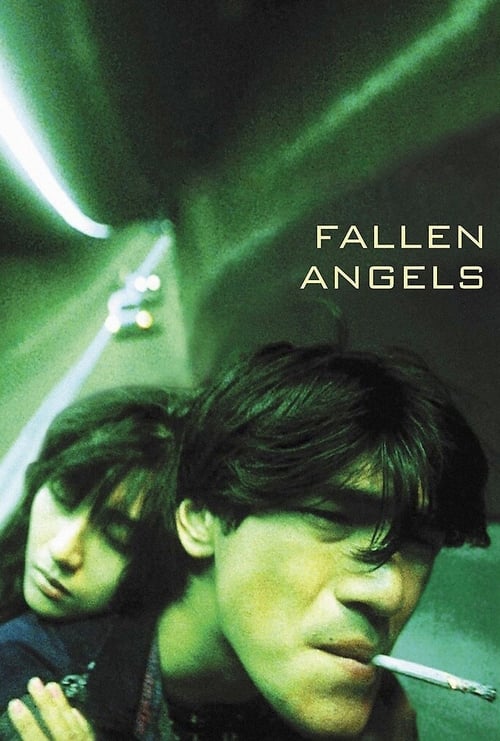
- 1995Fallen Angels: the dark twin Fallen Angels
- 1997Happy Together wins Best Director at Cannes Happy Together
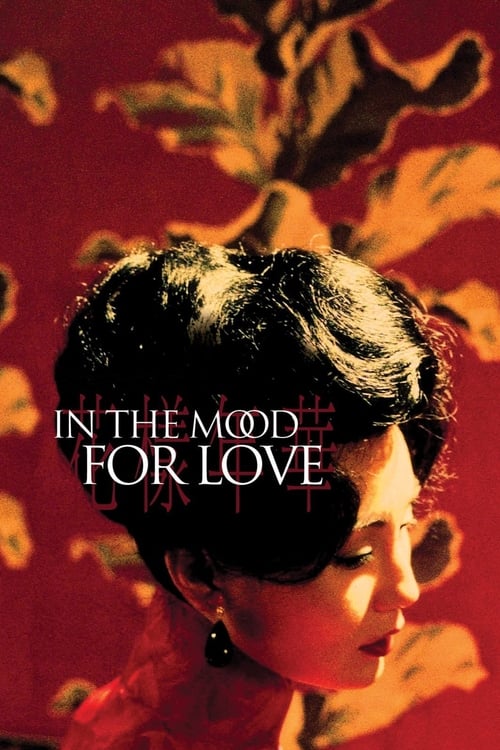
- 2000In the Mood for Love: the peak In the Mood for Love
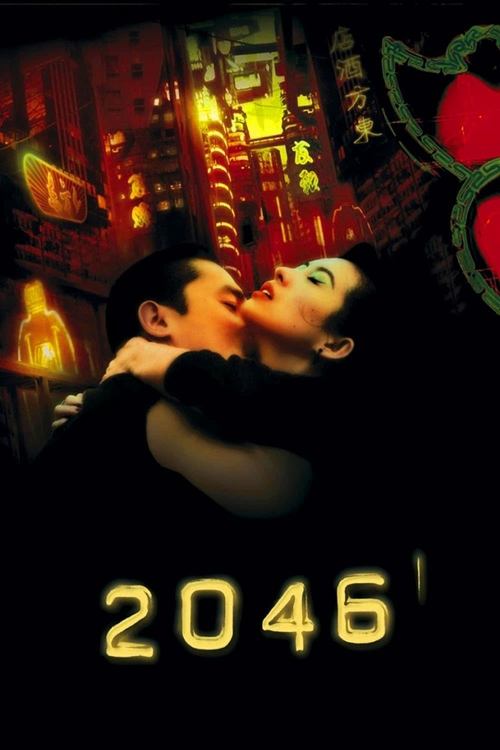
- 20042046: the sequel that became its own elegy 2046
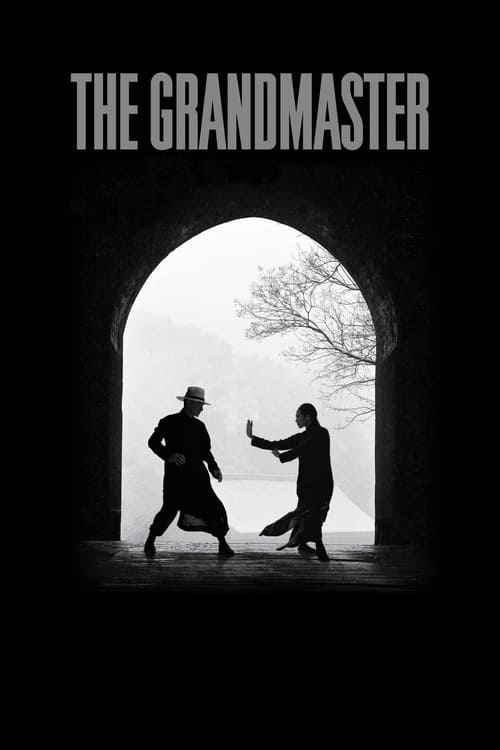
- 2013The Grandmaster: martial arts as autobiography The Grandmaster
More longing, memory, and mood
For Fans of In the Mood for Love
Explore the For Fans of In the Mood for Love guide →If you are not ready for a film where nothing happens and everything is felt, wait until you are. Then it will be the only film in the world.CrossBinge editors