
City pop crystallised in late-1970s Japan and peaked through the mid-1980s as Tokyo turned cosmopolitan and prosperous. Producers and musicians blended American soft rock, yacht rock, boogie, and AOR with Japanese melodic sensibility, wrapping it all in studio sheen so polished it felt like the future. The result was music tailor-made for urban commutes, rooftop bars, and FM car radios. When the bubble era ended, city pop went dormant, only to be rediscovered decades later via YouTube algorithms and lo-fi channels, reaching listeners worldwide who had never set foot in Japan. The through-line fans chase is a specific emotional temperature: nostalgia for a moment you were not there for, set to the most effortlessly cool pop arrangements ever committed to tape.
Essential City Pop
The genre's landmark albums and singles
Same Frequency: Soul, AOR, and Soft Rock That Shaped the Sound
The Western records Japanese producers studied obsessively
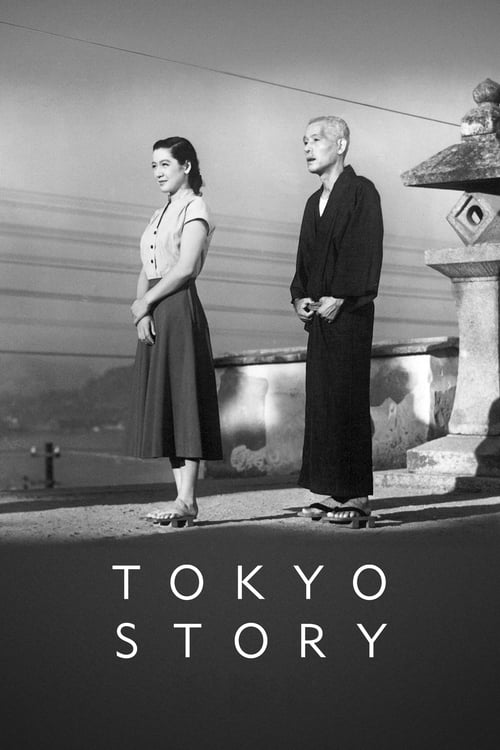
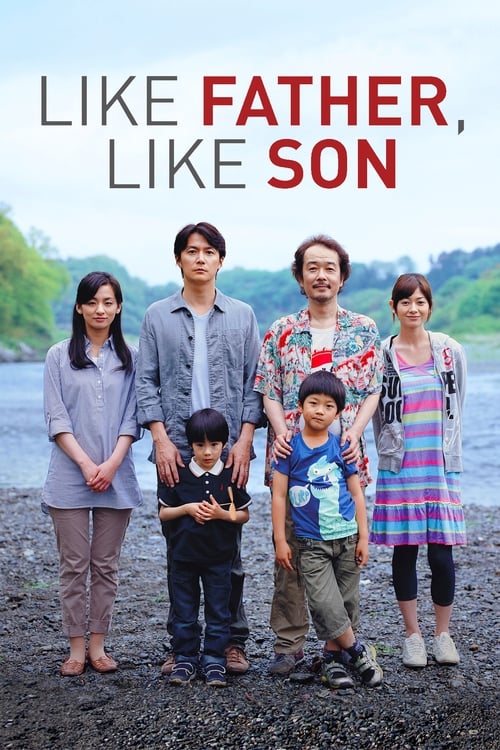
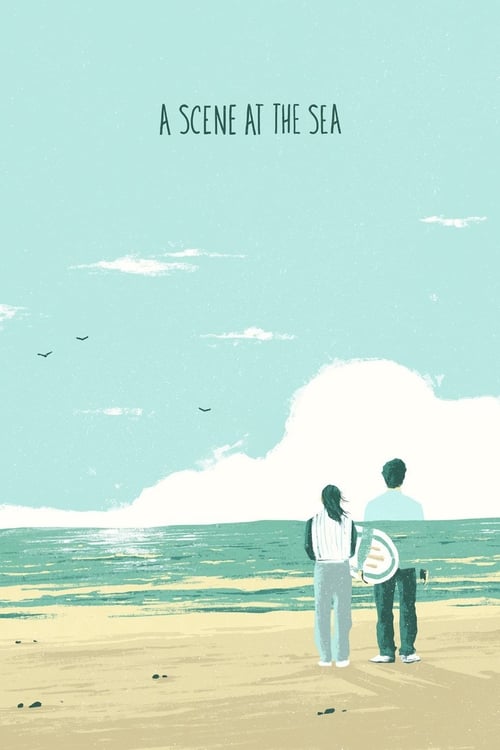
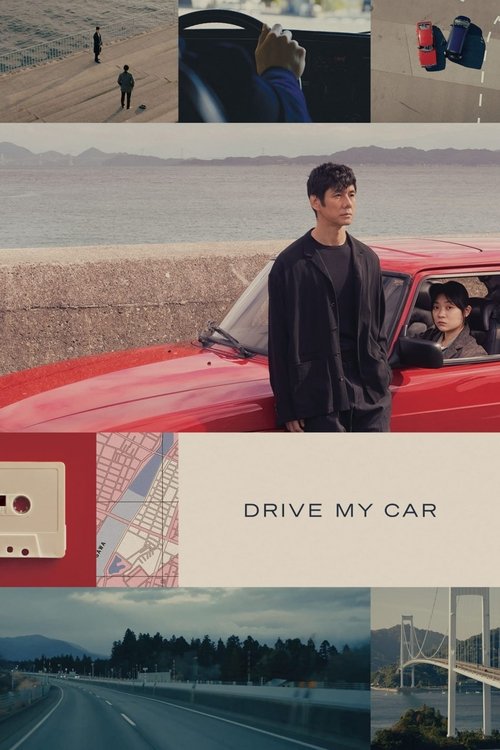
Tokyo on Screen: Films That Breathe the Same Air
Cinema from Japan's bubble era and its aftermath



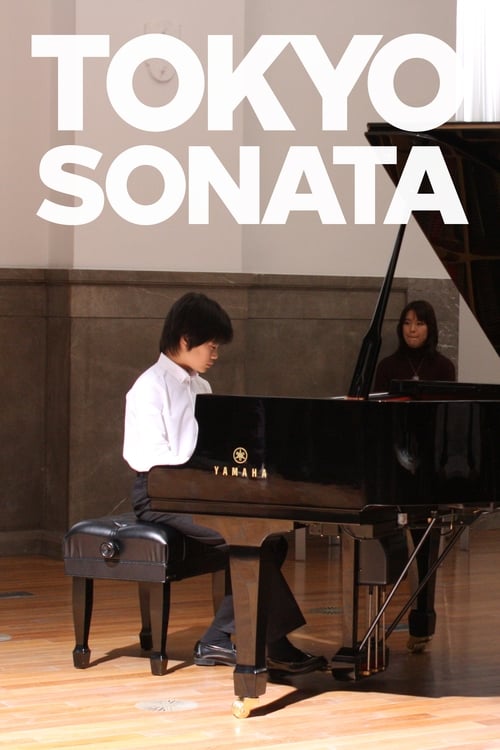
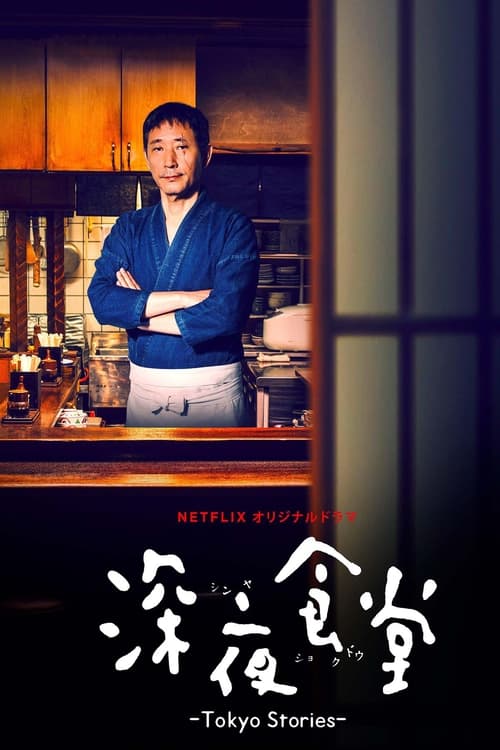
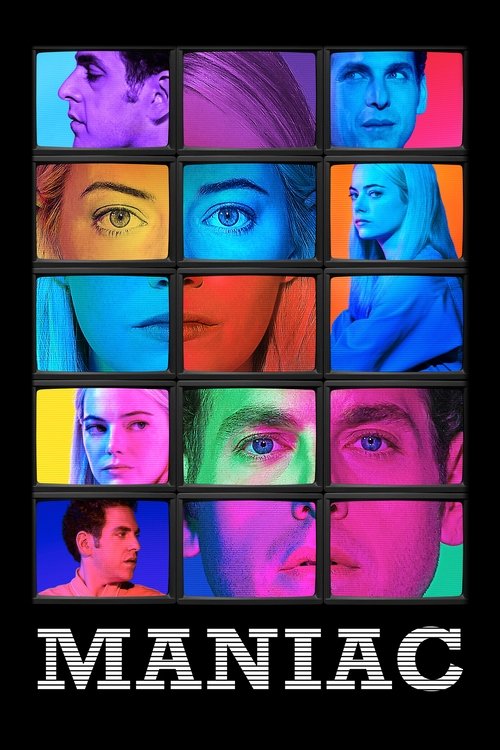
Neon and Melancholy: TV Series with City Pop Aesthetics
Shows that capture urban Japan's warmth and loneliness



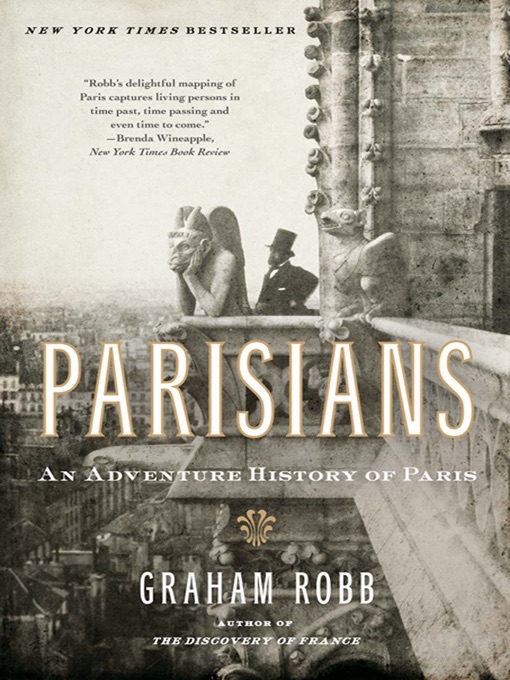
Novels with the Same Late-Night Pulse
Fiction soaked in urban atmosphere and quiet longing



Rhythm and City: Games That Match the Vibe
From music games to urban open worlds drenched in nightlife
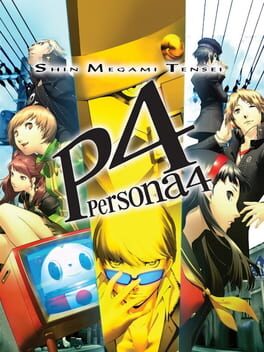
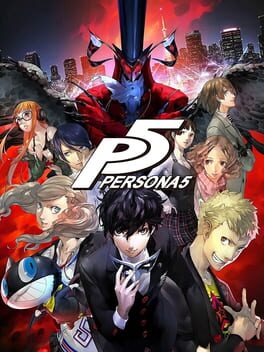
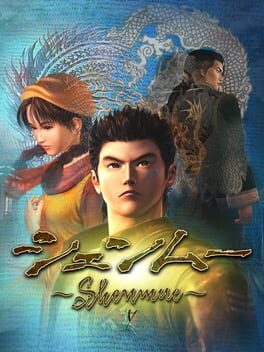
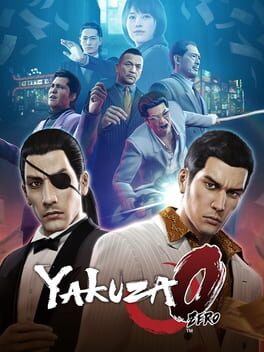
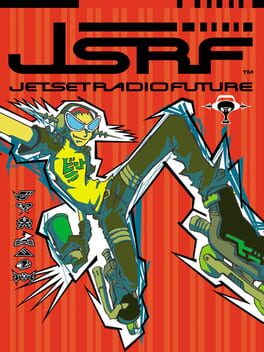

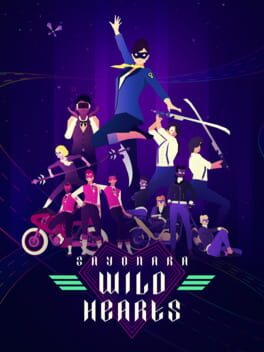
The Sound Only Makes Sense When Tokyo Was Flush
City pop is inseparable from Japan's rapid post-war economic ascent and the excess of the bubble era. The music is not escapism so much as confidence made audible: a country that had rebuilt itself expressing that comfort through frictionless pop. When the bubble burst in 1991, the genre went cold almost overnight. Its rediscovery carries a particular ache: listeners are not nostalgic for something they experienced, but for an optimism they recognise as genuinely rare.
Haruomi Hosono Is the Genre's Inventor, and Still Its Most Restless Mind
Before city pop had a name, Haruomi Hosono was already building it. As a founding member of Happy End in the early 1970s and then Yellow Magic Orchestra (with Ryuichi Sakamoto and Yukihiro Takahashi), he wired Japanese melody to imported studio technology. His solo records from the late 1970s, including Hosono House and Watering a Flower, chart the path from pastoral folk to the polished coastal groove the genre became. Every producer who followed him worked in his shadow.
Anime Soundtracks Carried the Sound into the 1990s
When city pop's commercial peak ended, its aesthetic migrated into anime. Series and films from the late 1980s through mid-1990s, particularly those in the Macross and Kimagure Orange Road families, preserved the production sensibility even as J-pop moved elsewhere. Fans who arrive at city pop through anime are not making a category error: the lineage is real and direct.


A Short History of City Pop
- 1973Happy End dissolves; Haruomi Hosono, Eiichi Ohtaki, and Shigeru Suzuki begin solo careers, sketching the genre's earliest coordinates.
- 1976Tatsuro Yamashita releases Circus Town, his debut, blending California soft rock with Tokyo studio craft.
- 1980Yellow Magic Orchestra's international tours help export Japanese electronic pop aesthetics to Western ears. Yellow Magic Orchestra
- 1982Tatsuro Yamashita's For You defines the genre's peak commercial form: smooth AOR arrangements, crystalline FM production. For You
- 1984Mariya Takeuchi records Plastic Love. It sells modestly, then waits 33 years to find the world.
- 1991Japan's asset bubble collapses. City pop recedes from mainstream airplay almost immediately.
- 2017YouTube's recommendation algorithm surfaces Plastic Love to international listeners. A global rediscovery begins.
- 2019Western labels begin licensing and reissuing city pop catalogues; the genre appears on critical year-end lists worldwide.
Japanese Mood and Murakami
For Fans of Haruki Murakami
Explore the For Fans of Haruki Murakami guide →City pop is the sound of a city that believed in itself completely. You feel that belief even now, even knowing how the story ended.CrossBinge Editors