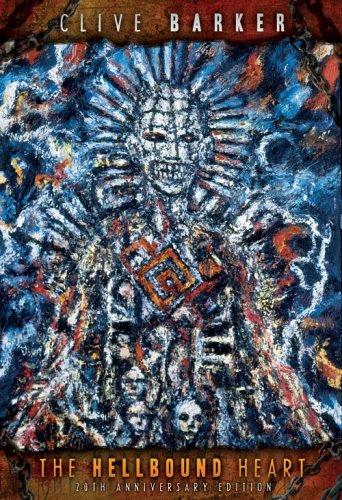

Clive Barker arrived in 1984 with six volumes of short fiction that rewrote what horror could be. Where the genre had grown comfortable with slashers and haunted houses, Barker delivered body horror fused with erotic longing, labyrinthine other-worlds, and a conviction that pain and pleasure were twin doors into transcendence. The Books of Blood announced a new voice: baroque, carnivalesque, unafraid. What followed was The Hellbound Heart, Hellraiser, Weaveworld, Imajica, Galilee, Abarat. Across novels, films, comics, and games, the through-line is always the same: the skin is a threshold, the monstrous is sacred, and the journey into darkness is also a journey into self-knowledge. Barker fans do not want to be comforted. They want to be transformed.
Essential Clive Barker
The books and adaptations at the heart of the canon


If You Love the Pain-as-Gateway Horror
Films and series where transgression opens a door to something vast






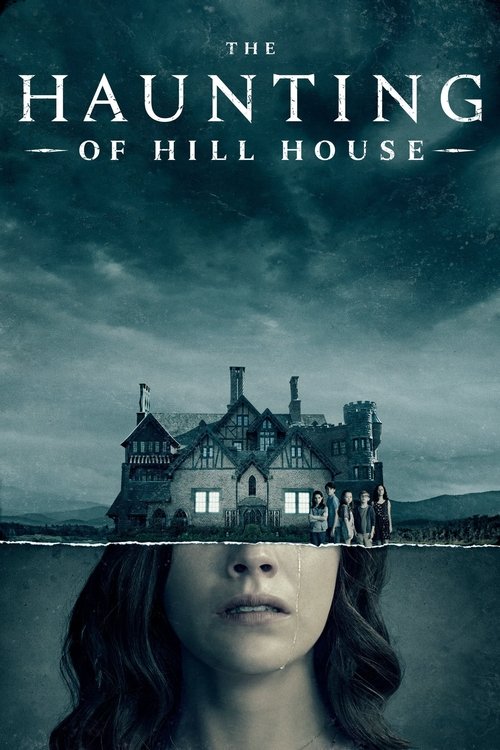
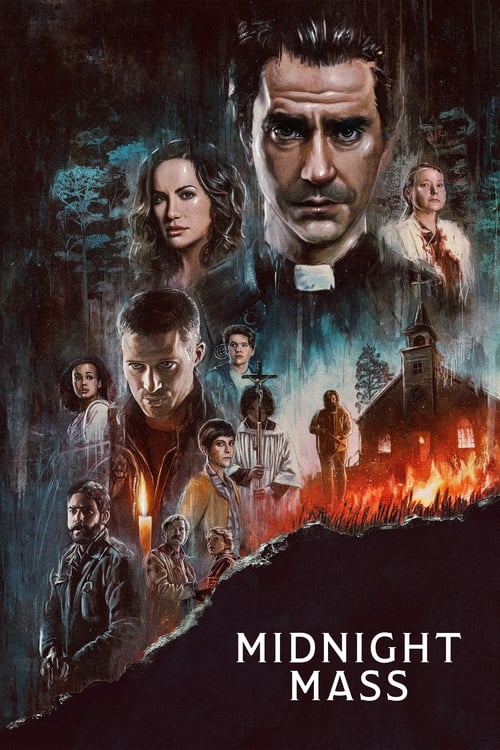
If You Love the Dark Fantasy Worlds
Books and series that build immersive secondary worlds with a cruel, gorgeous edge


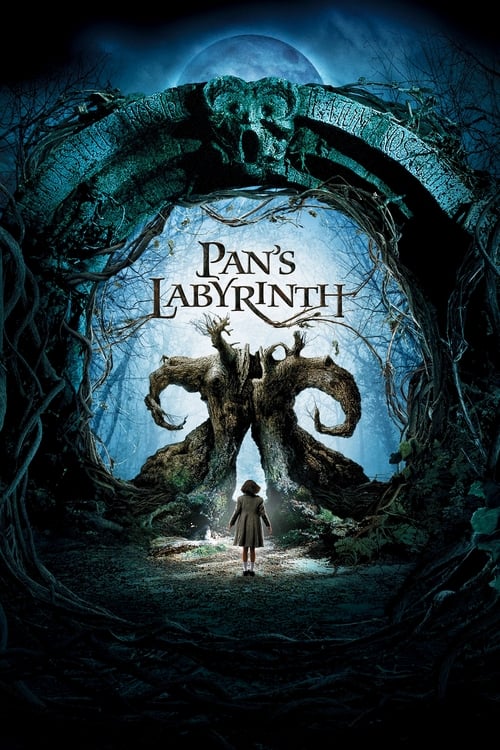
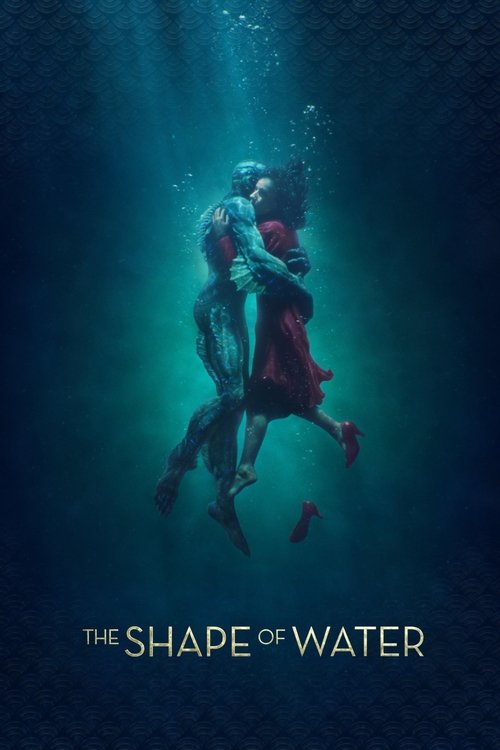
If You Love the Body-Horror Tradition
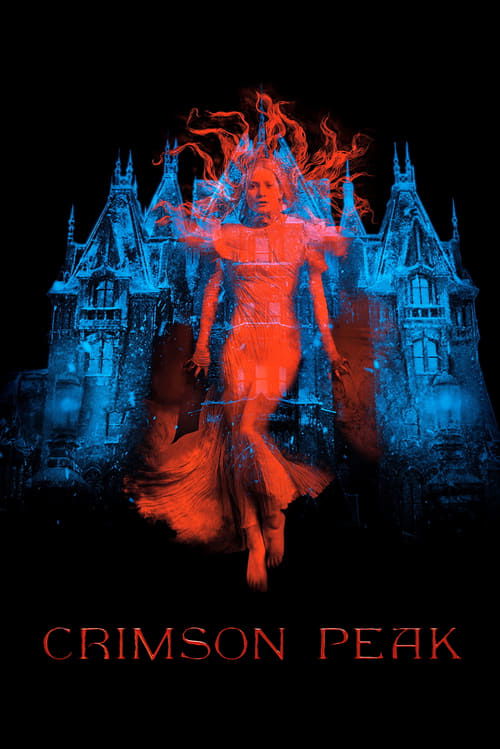
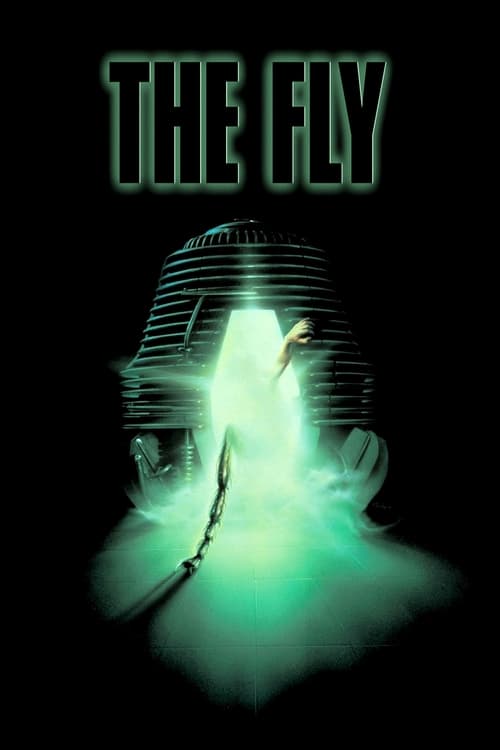
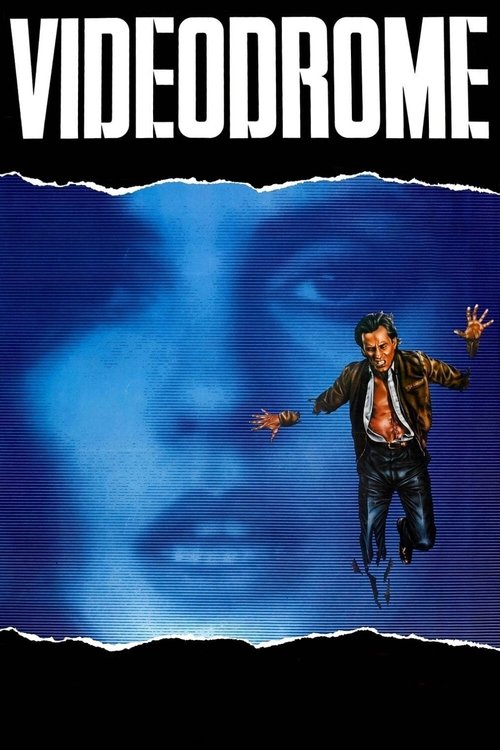
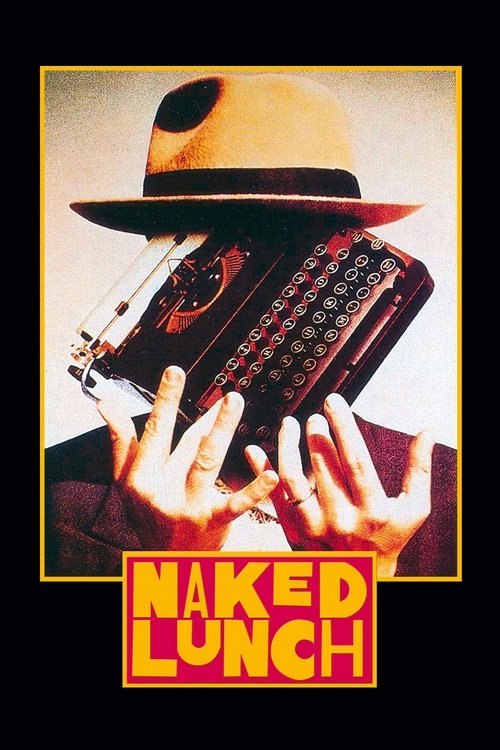
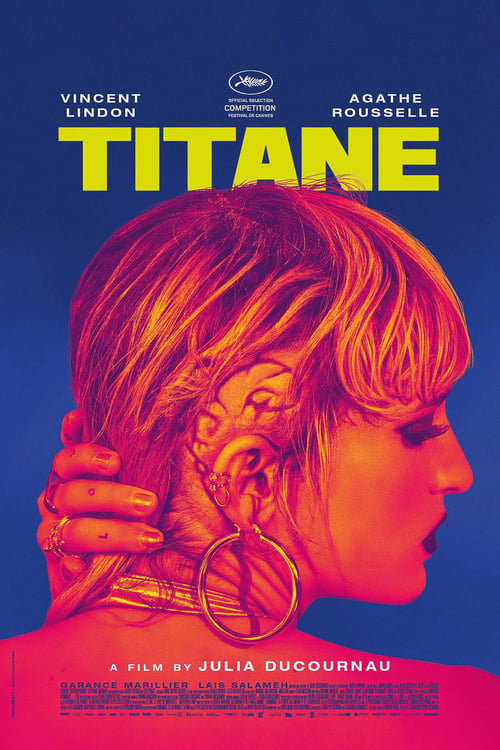
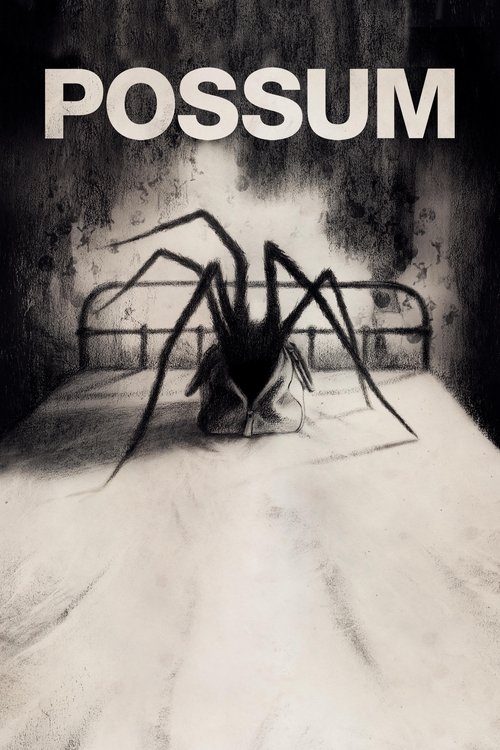
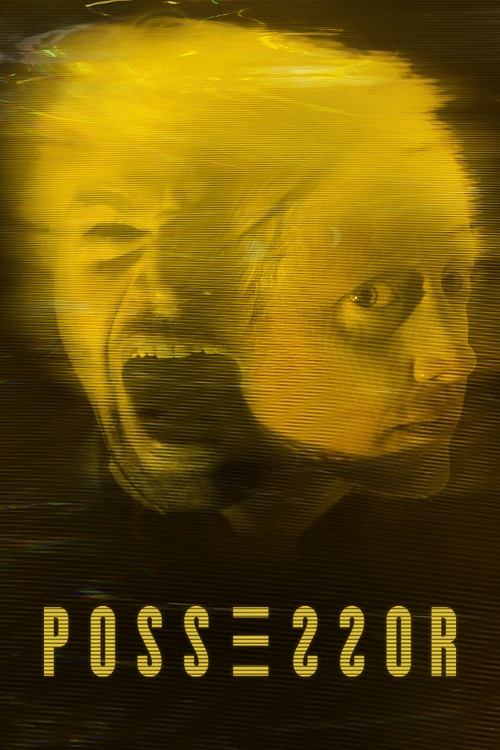
Films where flesh is the subject and transformation is the terror




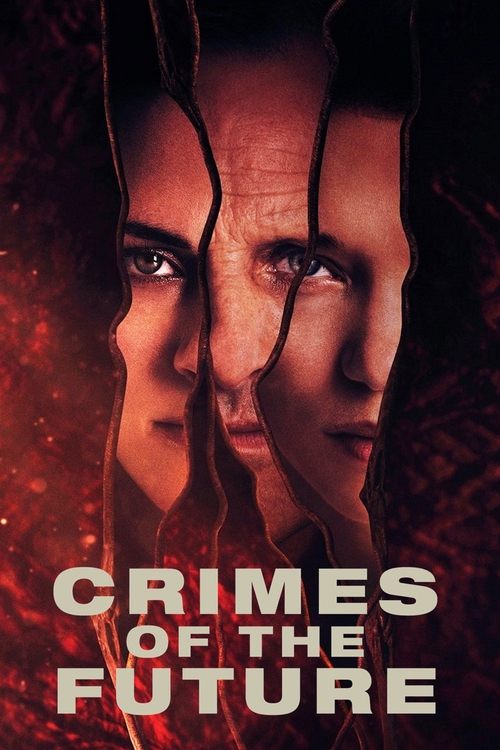

Authors Who Share the Barker DNA
Horror and dark-fantasy writers who push into similar territory


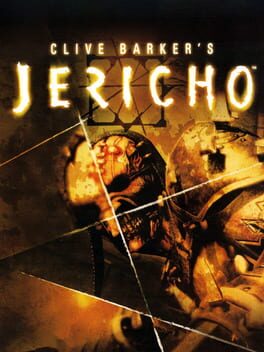
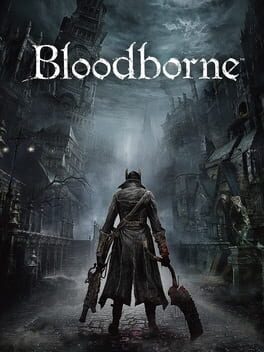
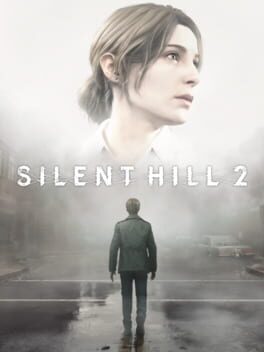
Games That Carry the Barker Spirit
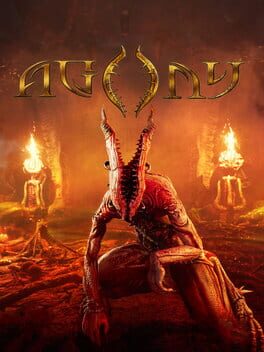
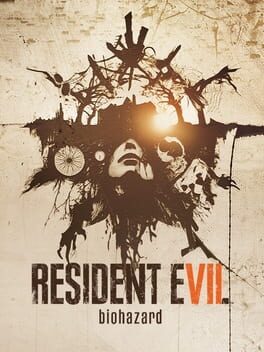
Games with body-horror, labyrinthine worlds, or occult dread
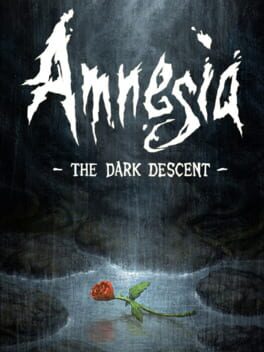
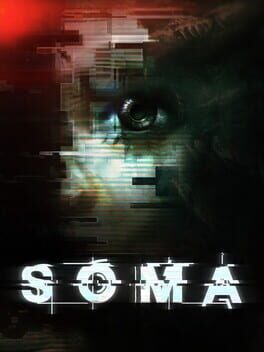
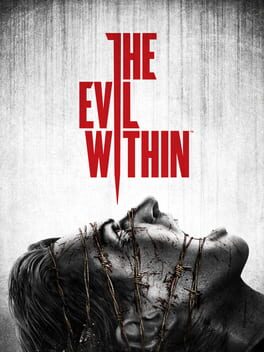

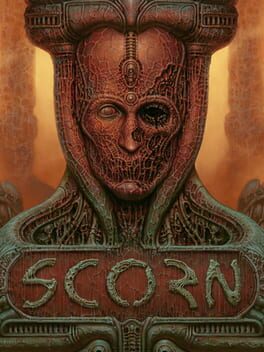
Hellraiser Changed Horror Forever
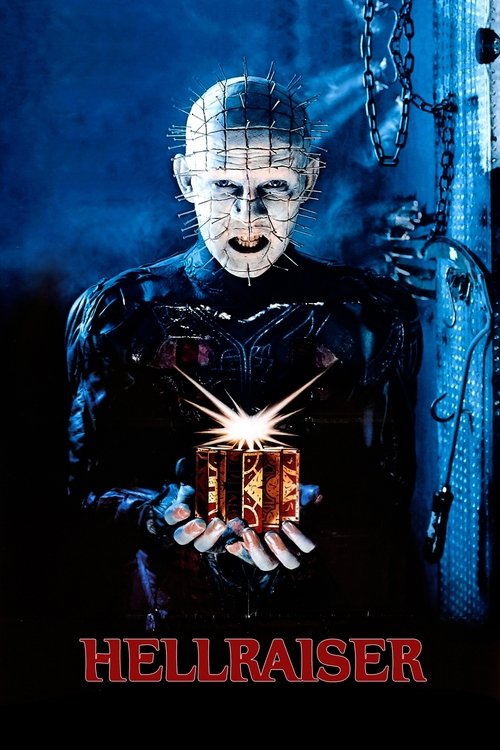
When Clive Barker adapted his own novella The Hellbound Heart and released Hellraiser in 1987, he did something the genre had never quite managed: he made the monsters glamorous. Pinhead and the Cenobites were not mindless killers. They were priests of sensation, collectors of experience, beings for whom the extremities of pleasure and pain had ceased to have separate meaning. The film's central proposition, that desire itself could open a doorway into something terrible and sublime, was genuinely new. Horror has spent the decades since living in that shadow.
Candyman Is the Great American Horror Film Nobody Talks About
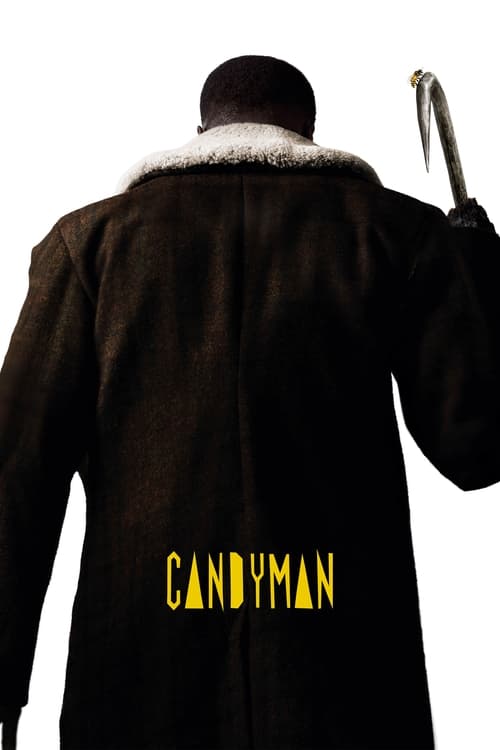
Bernard Rose's 1992 adaptation of Barker's short story The Forbidden transplanted the action from Liverpool to Chicago's Cabrini-Green and turned a ghost story into a meditation on myth, race, memory, and violence. The film understands something Barker has always known: legends are not just stories. They have weight. They have need. Candyman remains one of the most formally intelligent horror films ever made, and its score by Philip Glass is one of cinema's great collaborations between genre and art.
Nightbreed Deserves Its Own Place in the Canon
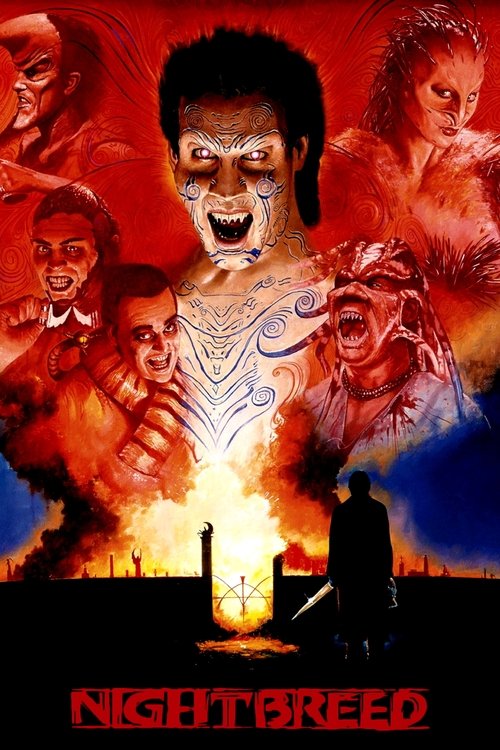
Barker's Nightbreed, based on his novel Cabal, was butchered in post-production and arrived in 1990 as a truncated, confused film. The director's cut, restored and released in 2014 as the Cabal Cut, reveals the film Barker intended: a mythic story of monsters as the rightful inheritors of the earth, and humans as the true predators. It is queer in the deepest sense, a film about outsiders who form community under persecution. The restored version stands as one of his finest achievements.
A Barker Chronology
- 1984Books of Blood Vol. 1-3 published, rewriting British horror
- 1985Books of Blood Vol. 4-6 complete the cycle
- 1986The Hellbound Heart novella introduces the Cenobites The Hellbound Heart
- 1987Barker directs Hellraiser, his own adaptation Hellraiser
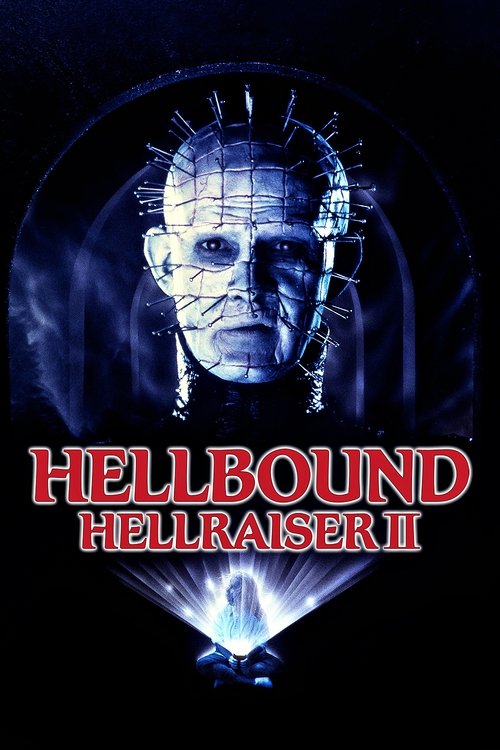
- 1988Hellbound: Hellraiser II continues the mythology Hellbound: Hellraiser II
- 1987Weaveworld: the first major Barker fantasy novel
- 1990Cabal adapted as Nightbreed, directed by Barker Nightbreed
- 1991The Great and Secret Show begins the Art sequence
- 1992Candyman adaptation brings The Forbidden to American horror Candyman
- 1991Imajica: the longest, most ambitious Barker novel
- 1994Lord of Illusions: Barker adapts his own short story Lord of Illusions
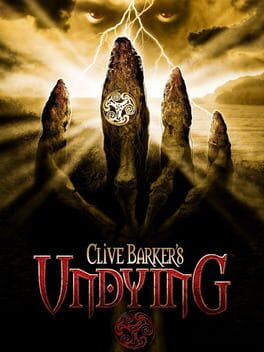
- 2001Clive Barker's Undying brings his aesthetic to PC gaming Clive Barker's Undying
- 2007Clive Barker's Jericho arrives as a squad-based horror game Clive Barker's Jericho
- 2014The Nightbreed Cabal Cut restores Barker's full vision Nightbreed
Body horror and the Hellbound Heart
Body Horror
Explore the Body Horror guide →I want to make works that do not simply entertain but illuminate. The best horror is about desire, about what we want so badly it frightens us.Clive Barker