

Body horror is built on a single, primal fear: that your own flesh cannot be trusted. The genre does not need a monster lurking outside. The threat grows from within, the skin splitting, the bones rearranging, the organs developing a will of their own. What makes fans return again and again is the specificity of that dread. A werewolf transformation means something different when the camera lingers on each agonizing joint. A parasite matters when you feel the violation in your own gut. Body horror borrows freely from science fiction, psychological terror, and dark comedy, but the common thread is always the body as the site of catastrophe. The works here span every medium, each finding a new way to make flesh feel foreign.
Essential Body Horror: The Films That Define the Feeling
The canonical screen works where the body itself is the antagonist




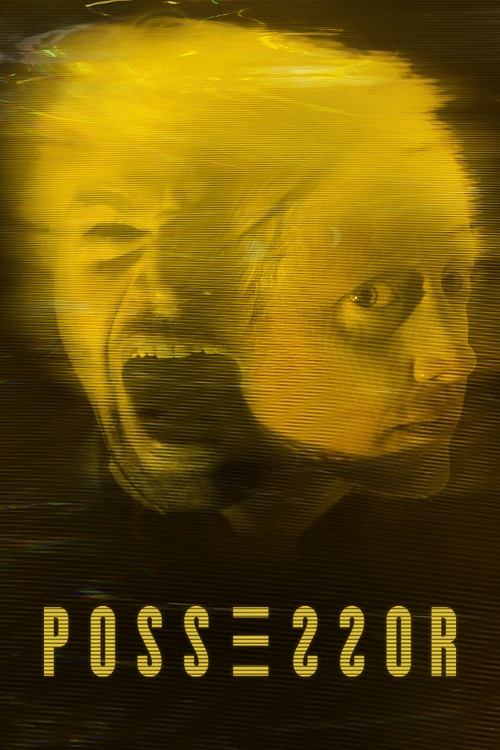



Series That Get Under Your Skin
Television and streaming pushing transformation horror across episodes




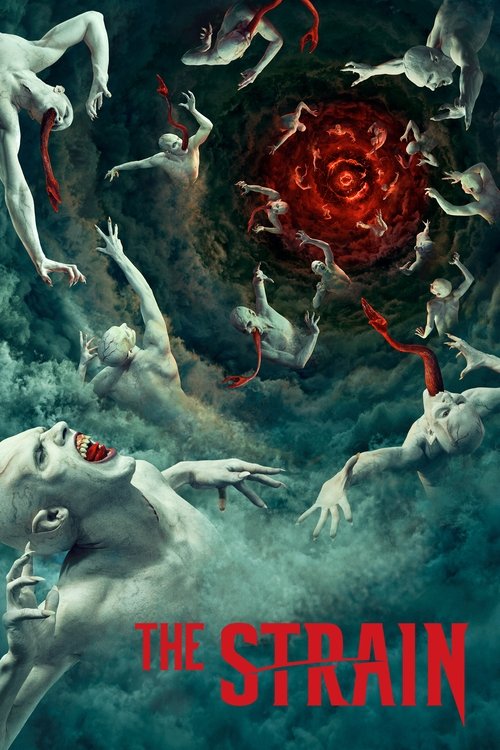
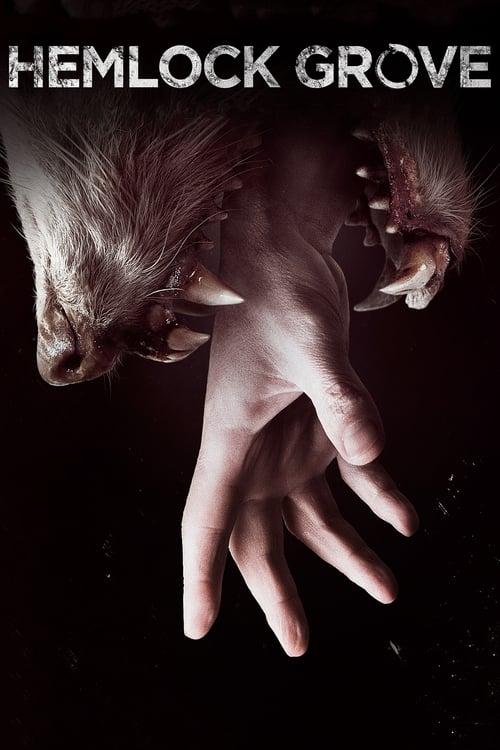


Books: When Prose Makes You Feel the Transformation
Fiction that turns biology into dread, page by page


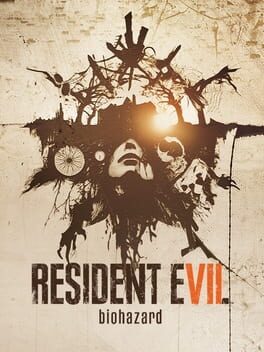
Games: Flesh as Mechanic
Interactive body horror where transformation is something you play through, not just watch







Music That Sounds Like Flesh
Scores, albums, and artists whose sonic texture mirrors the genre's visceral unease
Cronenberg Built the Vocabulary
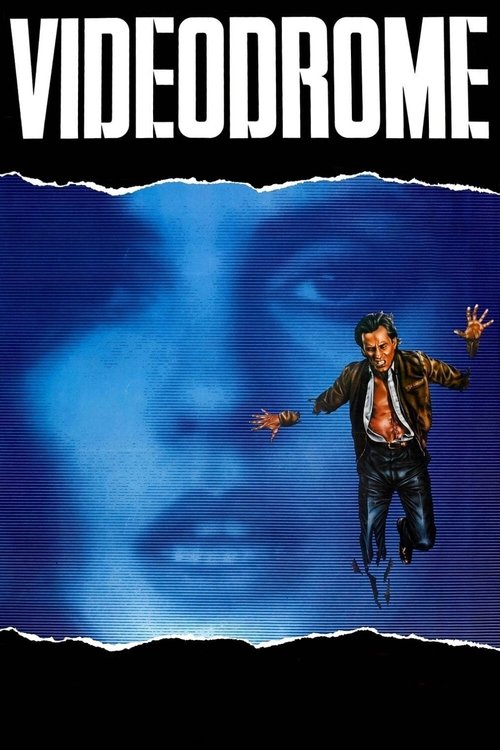
David Cronenberg did not invent body horror, but he gave it a grammar. From Shivers through Videodrome and The Fly to Crimes of the Future, his films return to the same obsession: the body is a technology, and technologies break down, adapt, and evolve in ways their users cannot control. The pleasure in his work is not revulsion alone. It is the slow recognition that the transforming body reveals something true about identity, desire, and control that a purely psychological film cannot reach.
The Genre Has Always Been About More Than Gore
Kafka's Gregor Samsa woke up as a bug in 1915. The Cronenbergian new flesh came in the 1980s. Clive Barker's cenobites arrived the same decade. Body horror recurs whenever culture is anxious about what the body means: illness, disability, queerness, addiction, aging, pregnancy, technology. The best works in the genre use transformation not as a cheap shock but as a way to externalize interior states that social life keeps invisible. That is why the genre keeps finding new audiences, and why the works with the longest shelf lives are always the ones with something specific to say.
Games Go Further Than Film Can
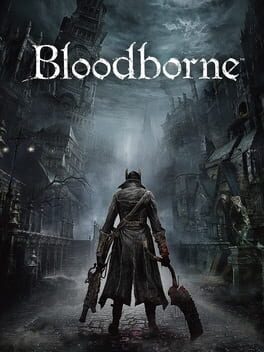
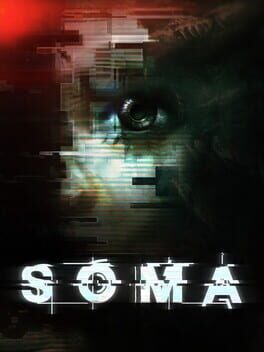
When a film shows a body transforming, you watch. When a game does it, you live in the changed body. Bloodborne puts you inside a world where the human form is already compromised, and the horror accumulates through repetition. Carrion makes you the monster, the spreading mass of flesh and teeth, and lets the genre's usual anxieties run in reverse. SOMA asks what survival means when the body can be copied, discarded, or replaced. These are not film adaptations: they are arguments the game medium can make that no other form can replicate.
Scorn Is the Purest Aesthetic Statement the Genre Has Produced
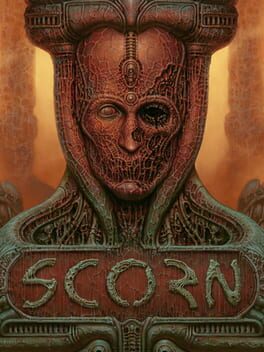
Scorn has almost no story. What it has is a world built entirely from the logic of body horror: every surface organic, every mechanism biological, every action involving tissue and bone. It is less a game than an extended installation built around the Giger-Beksinki visual tradition. Fans of the genre who have absorbed the films and the books will find it the clearest translation of the aesthetic into a space you move through. Nothing else quite like it exists.
A History of Flesh Turning Against Its Owner
- 1915Kafka publishes The Metamorphosis: the first modern body horror text, a salesman wakes as an insect Metamorphosis
- 1959The Fly arrives as a B-movie creature feature, later remade and deepened by Cronenberg
- 1973Clive Barker begins writing the stories collected in Books of Blood, establishing the literary vocabulary of flesh horror The Hellbound Heart
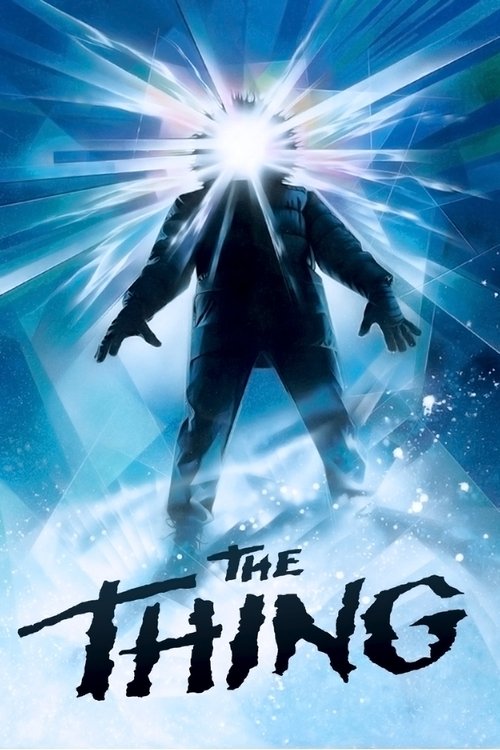
- 1982John Carpenter's The Thing redefines the genre: the monster is pure biological infiltration, and no body can be trusted The Thing
- 1983Cronenberg's Videodrome fuses television, addiction, and bodily transformation into one of the genre's defining works Videodrome
- 1986The Fly remake by Cronenberg brings the genre to mainstream audiences, wrapping it in a love story The Fly
- 1987Hellraiser adapts Barker's novella: the Cenobites arrive, pain and pleasure made flesh The Hellbound Heart
- 1992Parasite Eve begins as a novel before becoming one of gaming's first body horror franchises
- 2015Bloodborne establishes that games can sustain a full body horror universe across tens of hours Bloodborne
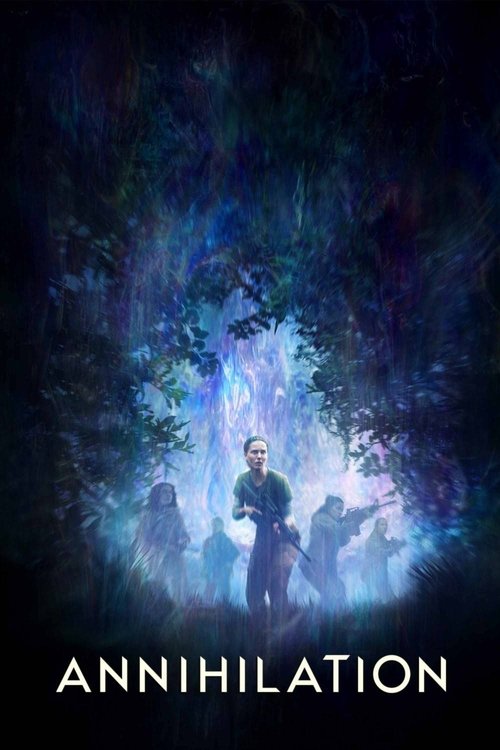
- 2018Annihilation brings body horror back to literary SF, adapting VanderMeer's novel for screens Annihilation
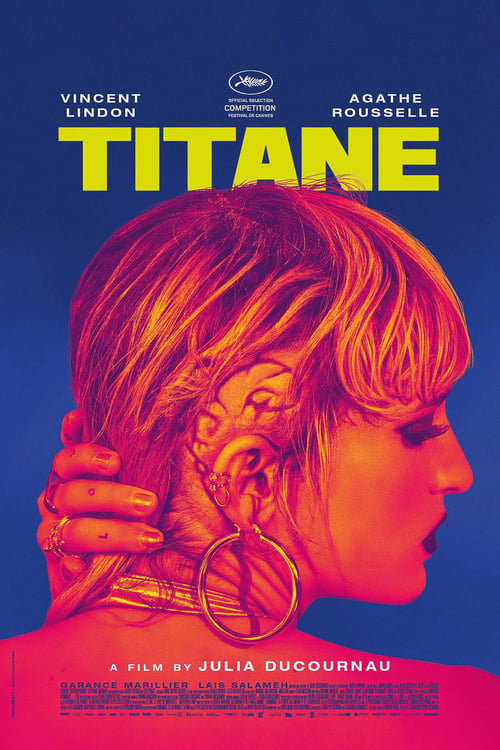
- 2021Titane wins the Palme d'Or, proving the genre can operate at the highest level of international cinema Titane
- 2022Crimes of the Future and Scorn both release: Cronenberg's late-career summation and the purest game translation of the genre's aesthetic Crimes of the Future
- 2024The Substance arrives as a mainstream body horror satire, bringing the genre to the widest audience it has had in decades The Substance
More flesh, fear, and transformation
Body Horror
Explore the Body Horror guide →Long live the new flesh.Max Renn, Videodrome (1983)