

The Box That Started Everything
Clive Barker published The Hellbound Heart as a novella in 1986, in the anthology Night Visions 3. It was a short, precise piece of erotic horror about a man named Frank Cotton who solves the Lament Configuration, a puzzle box that opens a gateway to the domain of the Cenobites, beings who have lost any meaningful distinction between pleasure and pain. Frank gets torn apart. His brother's wife, Julia, falls for him anyway. His niece, Kirsty, becomes the one who has to clean up the mess.
Barker adapted the story himself as Hellraiser in 1987, his feature directorial debut. That film, made on a modest budget in North London, turned the novella into something that looked unlike anything else in horror at the time. Pinhead (barely in the book; central to the film) became one of the genre's defining images. What followed was a franchise Barker progressively had less to do with, stretching across twelve theatrical and direct-to-video films, comics, a video game adaptation, and a 2022 Hulu reboot that tried to reconnect with the spirit of the original novella.
The story's core, a cautionary fable about desire and the price of indulging it completely, has proven durable enough to survive a great deal of diminishing returns.
Every Version of The Hellbound Heart
The source novella and every film and comic adaptation in the series









The Hellbound Heart Across the Years
- 1986The novella published in Night Visions 3 The Hellbound Heart
- 1987Barker directs his own adaptation Hellraiser
- 1988Kirsty returns to the Labyrinth Hellbound: Hellraiser II
- 1992Pinhead surfaces in the real world Hellraiser III: Hell on Earth
- 1993Novella republished as a standalone book The Hellbound Heart
- 1996Origins of the Lament Configuration explored Hellraiser: Bloodline
- 2000Series shifts to psychological thriller territory Hellraiser: Inferno
- 2002Kirsty's story revisited through her husband's unraveling Hellraiser: Hellseeker
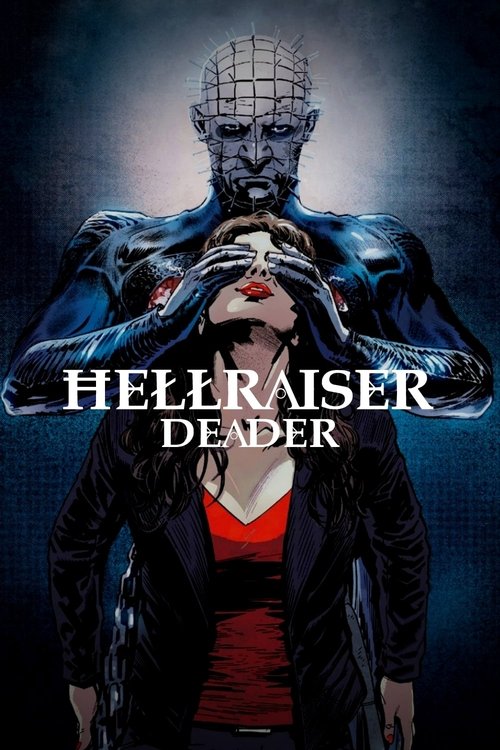
- 2003Sixth entry goes to Bucharest Hellraiser: Deader
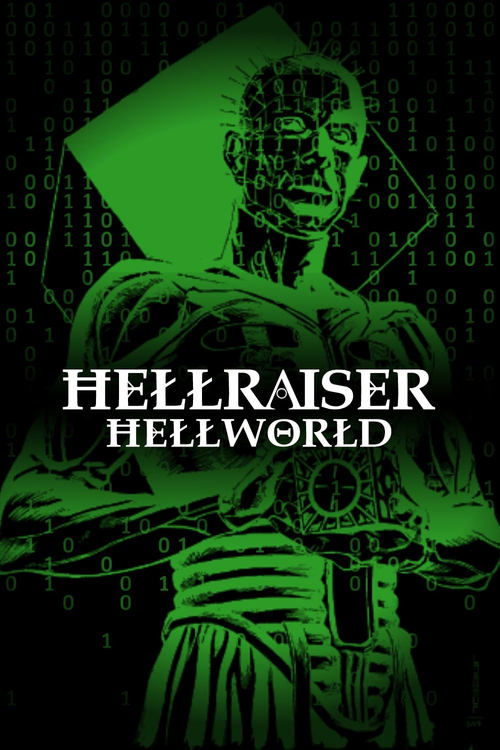
- 2005Online game becomes a plot device Hellraiser: Hellworld
- 2011Bare-minimum theatrical entry made to retain rights Hellraiser: Revelations
- 2011Boom! Studios launches ongoing comic continuation
- 2018Pinhead put on trial Hellraiser: Judgment
- 2022Hulu reboot, new Cenobite design, back to basics Hellraiser
If You Love Hellraiser: Desire That Destroys You
Horror and dark fantasy built around obsession and the price of getting what you want







If You Love Hellraiser: Body Horror and Transformation
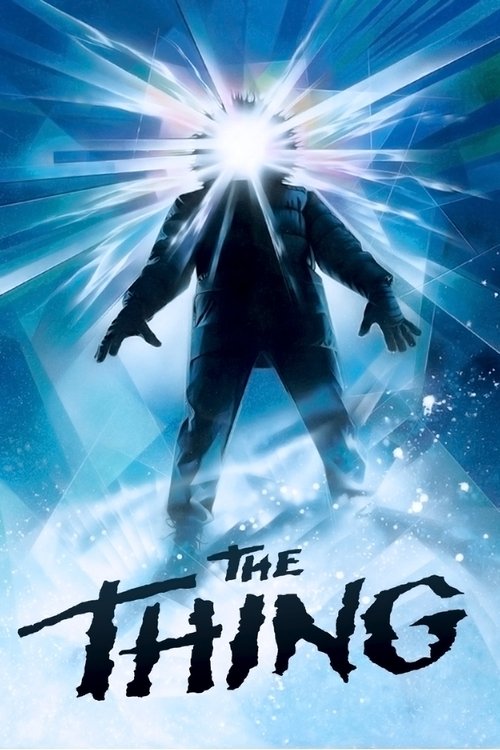
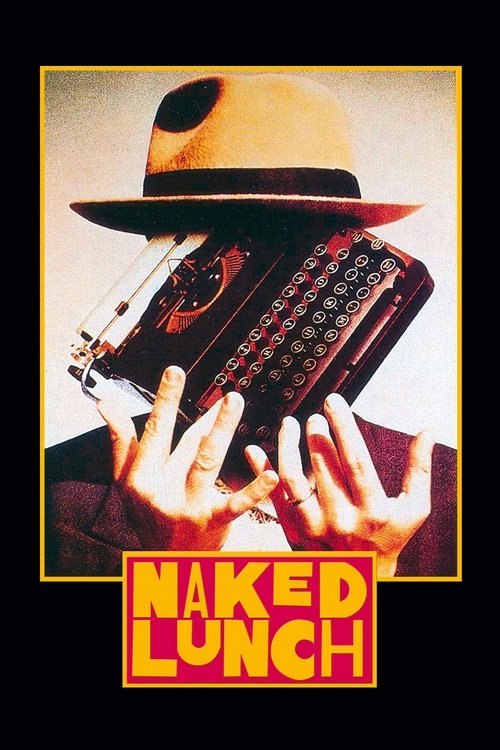
Films and novels where flesh itself becomes the site of horror







If You Love Hellraiser: Mythology and Dangerous Artifacts
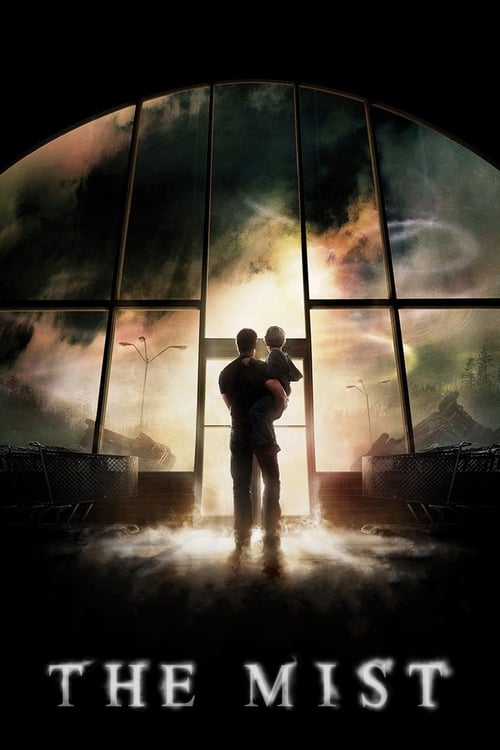
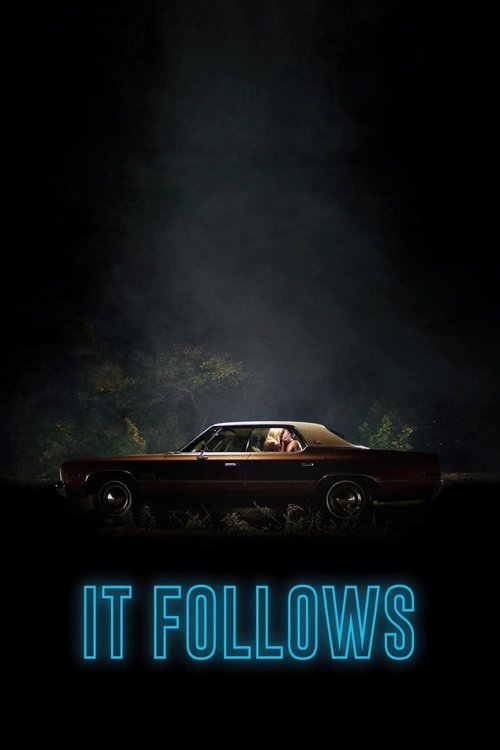
Stories built around objects or forces that rewrite the rules of reality for those who touch them






The 1987 film is the definitive version
Barker directing his own novella produced the closest translation the franchise ever achieved. The 1987 Hellraiser keeps Frank's resurrection through blood, Julia's ruthless complicity, and Kirsty's intelligence intact. Doug Bradley's Pinhead is underused by design, which makes him more effective. The film's practical effects and cramped North London locations give it a texture that no sequel matched. Every later entry in the series is, in some way, an argument about what to do now that this film exists.
Hellbound: Hellraiser II is the underrated sequel
Hellbound goes somewhere the first film deliberately withheld: inside the Labyrinth. Tony Randel's sequel expands the mythology in inventive ways, centering Dr. Channard as a villain whose obsession mirrors Frank's exactly, and giving Kirsty and Tiffany more to do than survive. It is messier than the original and proudly maximalist. For anyone who wanted the world to open up rather than contract, this is where it happens.
Skip Hellraiser: Revelations (2011)
Revelations was produced in two weeks specifically to retain the franchise's rights before they reverted to Barker. That is the whole story. Doug Bradley refused the role of Pinhead after reading the script. The film exists as a rights-preservation document, not as cinema, and nothing in it is worth your time.