
The Man Who Kept Becoming Someone Else
David Bowie spent five decades making reinvention feel like a necessity rather than a gimmick. From the alien glamour of Ziggy Stardust to the cold, sparse beauty of the Berlin trilogy, from the plastic soul of Young Americans to the fractured art-rock of 1.Outside and the late-career valediction of ★, he never stopped pushing against whatever version of himself had just become comfortable. That restlessness is the thing Bowie fans carry with them: a taste for work that refuses to settle, that borrows from high art and pop trash in equal measure, that treats identity as material rather than fixed fact. The music is the core, but the sensibility spreads across every medium. What you love in Bowie is a particular kind of beauty: theatrical, slightly unnerving, always pointing somewhere beyond.
Essential David Bowie
The albums that define the arc, from glam peak to final statement
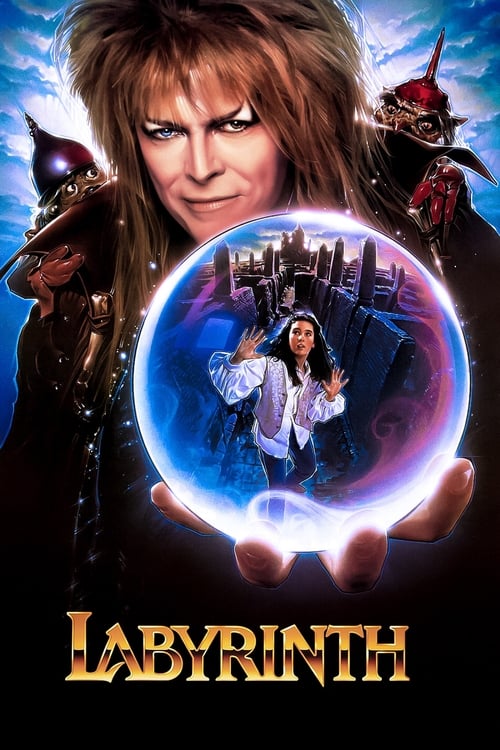
Bowie on Screen
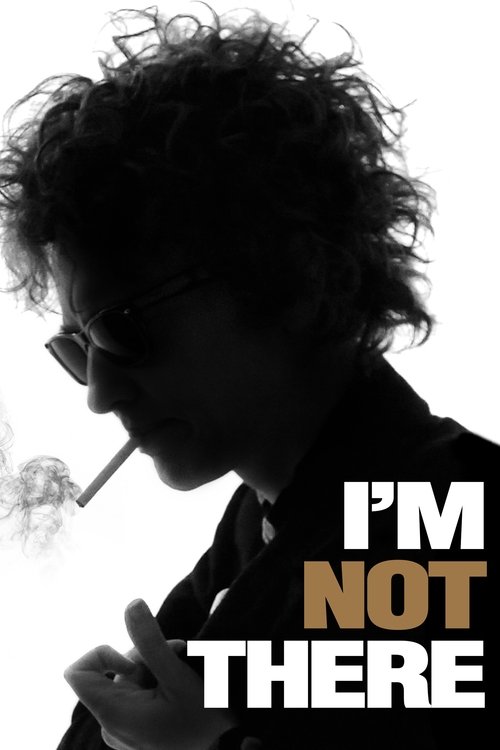
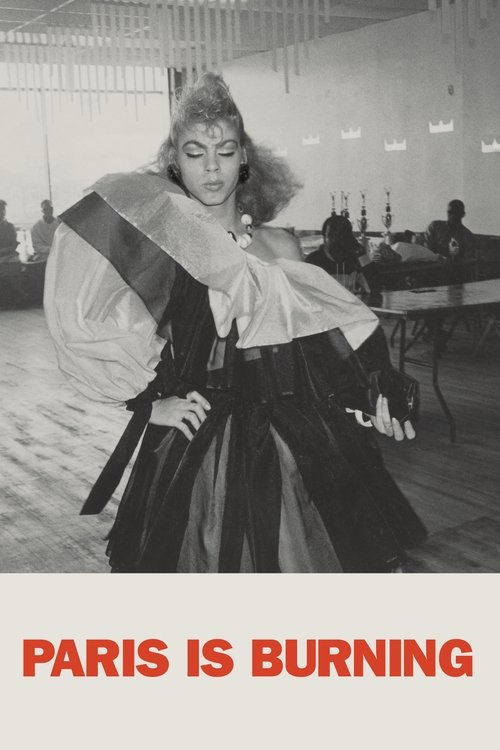
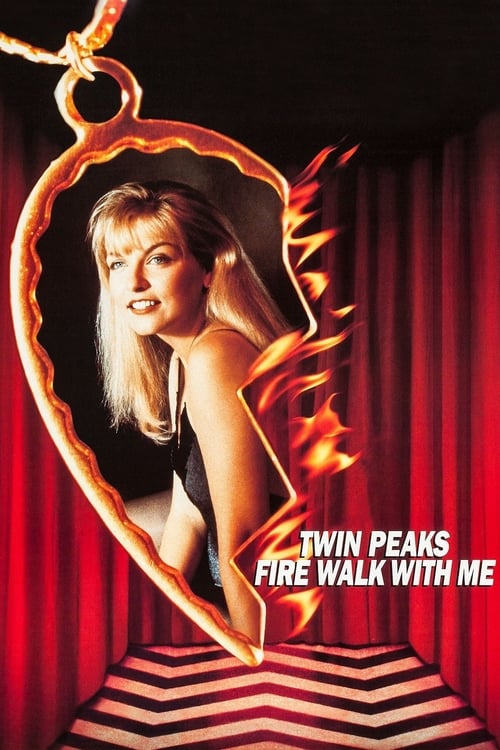
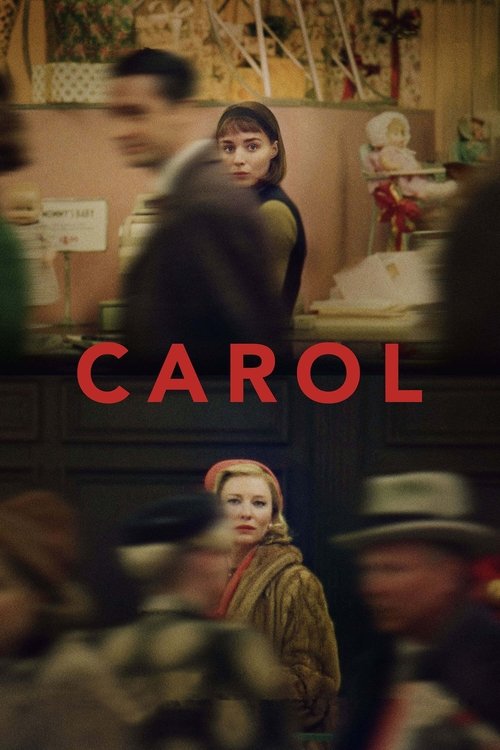
Concert films, documentaries, and works that share his visual intelligence


Shapeshifters: Artists Who Refused to Stay Still
Musicians with that same compulsion to destroy and rebuild their own sound
The Glam, the Punk, the New Wave
The musical world Bowie helped create and that kept feeding back into his own work
Outsiders and Alter Egos: Fiction with Bowie's DNA
Novels and games about identity, performance, and the alien in the human
![The picture of Dorian Gray [adaptation]](https://covers.openlibrary.org/b/id/14314474-L.jpg)




The perfect entry point is Station to Station, not Ziggy
Everyone points new listeners toward Ziggy Stardust, and it is genuinely great, but Station to Station is the album where every element of what makes Bowie essential arrives at once: the European art-music influence, the pop instinct that can't be suppressed, the voice at peak dramatic power, the sense of a mind working right at the edge of coherence. It is also the strangest-sounding major-label rock record of its era. Start there and the rest of the catalogue falls into place.
The Berlin trilogy is not the whole story of Bowie's art-rock period
Scary Monsters… and Super Creeps from 1980 is what happened when Bowie brought the Berlin aesthetic home and sharpened it into something with genuine menace. Robert Fripp's guitar work throughout is as unsettling as anything on the Berlin records, and 'Ashes to Ashes' closes the Ziggy mythology with the kind of cool, theatrical cruelty only Bowie would attempt. It gets undersold because it landed right before Let's Dance made him a pop star again. The Berlin trilogy gets all the critical reverence, but Scary Monsters is the sharper weapon.
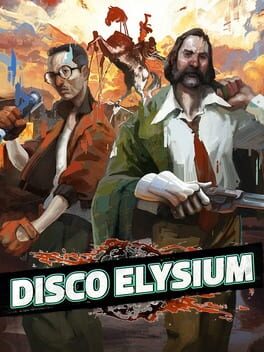
Disco Elysium is the closest a game has come to the Outside era
Bowie's mid-90s 1.Outside is an unsettling, art-damaged concept record about violence, ritual, and identity in a near-future city, assembled in part through cut-up techniques borrowed from William S. Burroughs. Disco Elysium is a game built on the same raw materials: a protagonist with a shattered self, a decaying urban setting loaded with ideological texture, and writing that is brilliant and unclassifiable. Both works reward the same kind of attention: slow, willing to sit with the uncomfortable, and suspicious of easy resolution.
Cities of the Red Night is the book Bowie's cut-up period was reaching toward
Bowie spent years working with Burroughs's cut-up method, splicing phrases at random to break his own habitual thinking. Cities of the Red Night is Burroughs at his most narratively coherent and still completely strange: a private detective, a plague, gay pirates in the 18th century, and a meditation on what civilization does to desire. The book does not resolve. It accumulates. That is exactly what Bowie's most ambitious records do, and reading it alongside 1.Outside or Diamond Dogs clarifies both.
Bowie's Reinventions
- 1972Ziggy Stardust born: glam rock and an alien alter ego The Rise and Fall of Ziggy Stardust and the Spiders From Mars
- 1974Diamond Dogs: dystopian rock theatre, Orwell by way of drag Diamond Dogs
- 1975Young Americans: blue-eyed soul, Philadelphia R&B Young Americans
- 1976Station to Station: the Thin White Duke, Krautrock edges Station to Station
- 1977Low and Heroes: Berlin, Brian Eno, ambient minimalism Low
- 1983Let's Dance: mainstream pop peak, Nile Rodgers production Let’s Dance
- 19951.Outside: industrial art-rock, Reznor, cut-up technique 1.Outside: The Nathan Adler Diaries: A Hyper Cycle
- 2013The Next Day: surprise return after a decade of silence The Next Day
- 2016Blackstar: a final statement, released two days before his death
Shapeshifting icons and art-rock provocateurs
For Fans of David Bowie
Explore the For Fans of David Bowie guide →I always had a repulsive need to be something more than human.David Bowie