
David Eddings wrote epic fantasy the way a favorite uncle tells a story: warmly, with humor, without apology, and always with a ragtag group of companions who feel like people you actually want to spend time with. The Belgariad and its sequel cycle The Malloreon are not celebrated for grim complexity or subverted tropes. They are celebrated for doing the classic things extraordinarily well: a chosen hero who grows believably into his destiny, a supporting cast whose banter crackles across thousands of pages, a world built with the care of someone who genuinely loves maps and old legends. Eddings and his wife Leigh (finally credited after years of uncredited collaboration) wrote eleven novels in these two connected cycles, followed by The Elenium and The Tamuli, which gave readers the knight Sparhawk and a darker, more sardonic flavor of the same essential joy. If you love Eddings, you love a very specific thing: the pleasure of the journey, the warmth of chosen family, and the feeling that the world, however dangerous, is fundamentally a place where goodness wins.
Screen Epics With the Same Soul
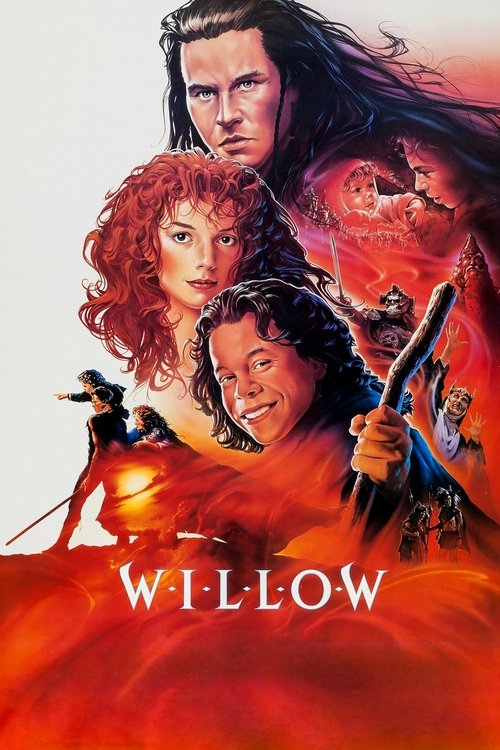
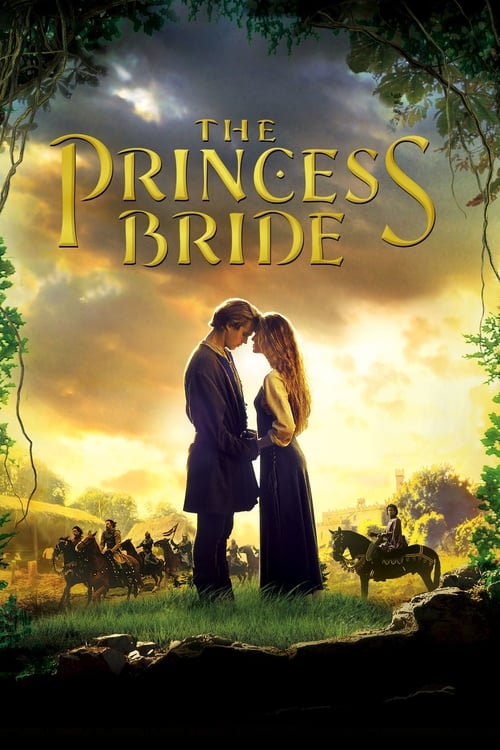
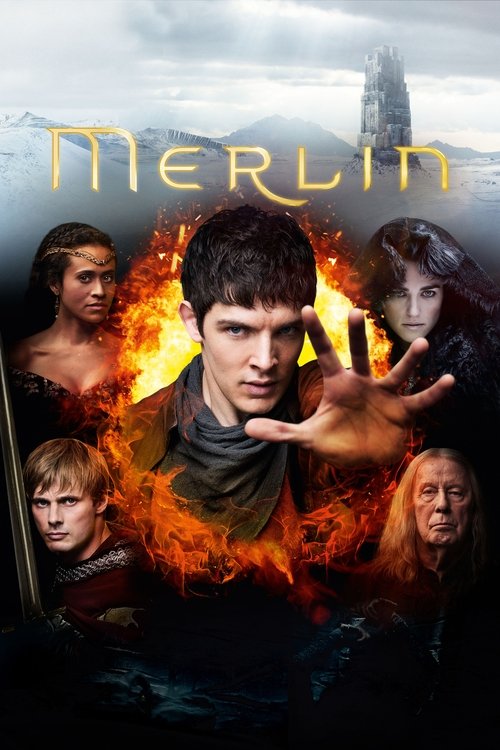
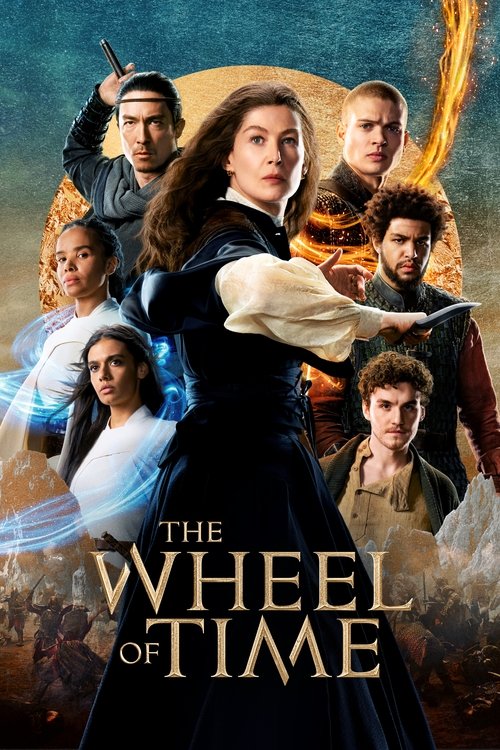
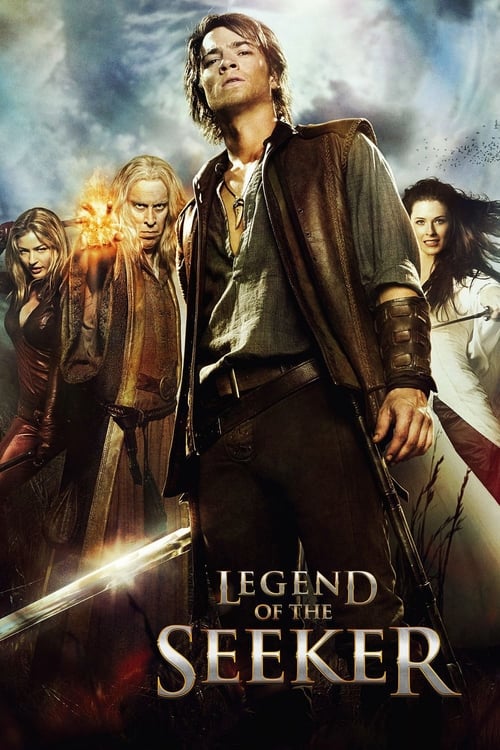
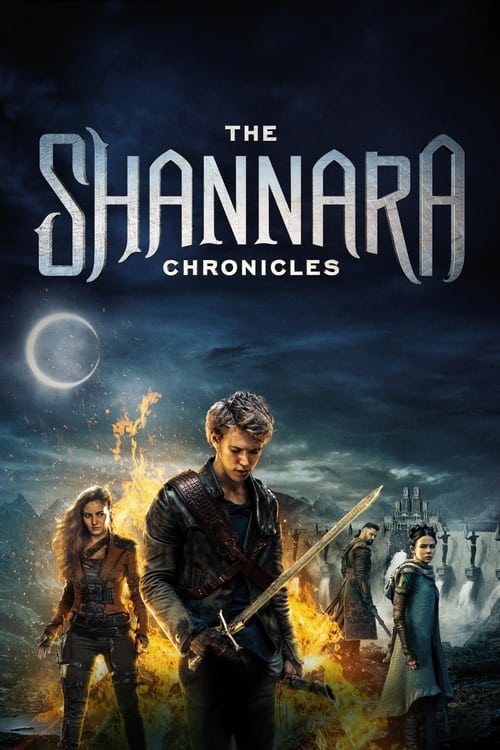
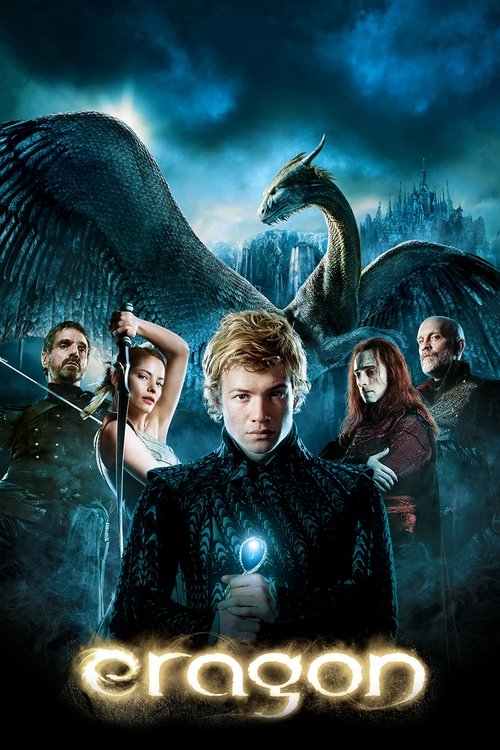
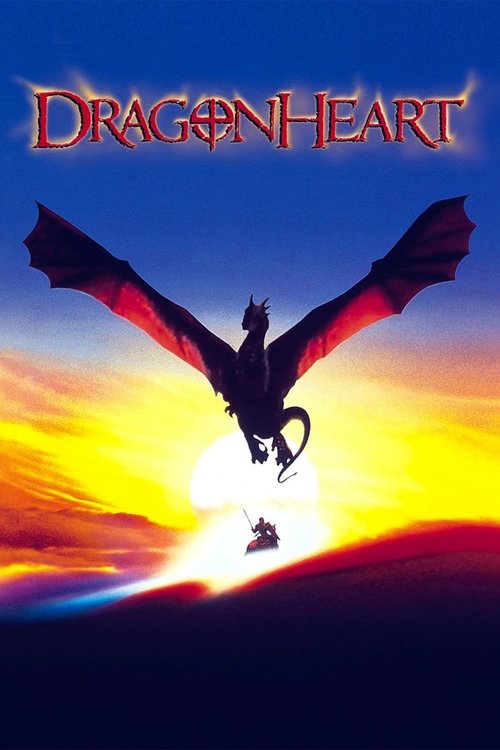
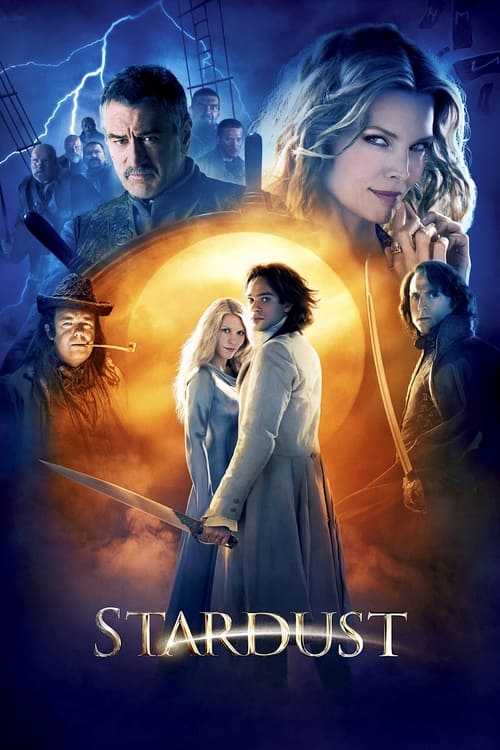
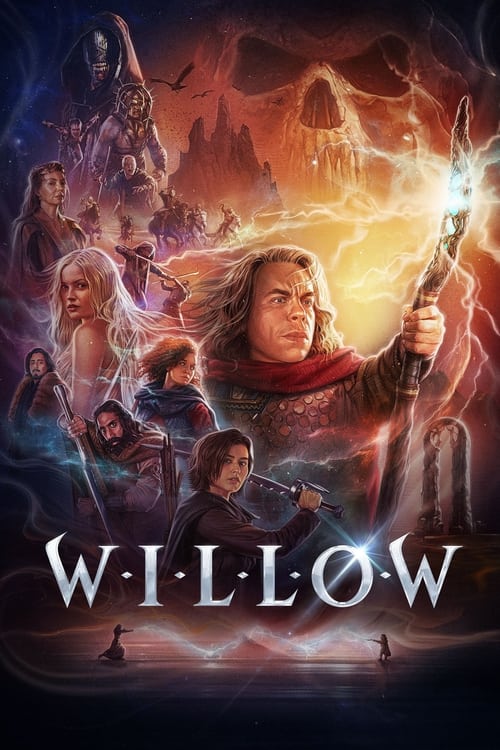
Films and series that match the warmth, scope, and found-family heart
Authors Who Scratch the Same Itch
Epic fantasy writers who share Eddings's warmth, humor, and love of the journey


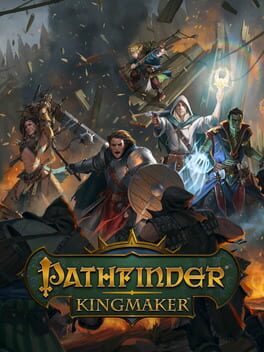
Games That Live in the Same World
RPGs built on prophecy, companionship, and the satisfaction of a long quest
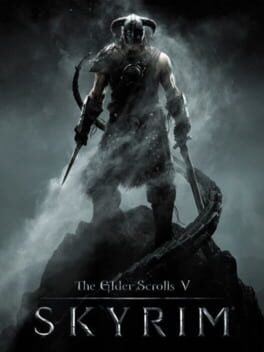
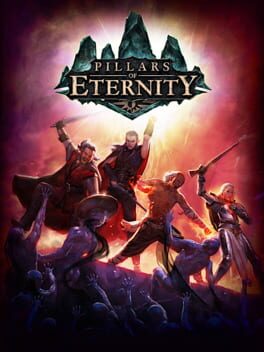
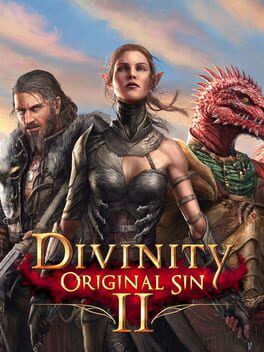
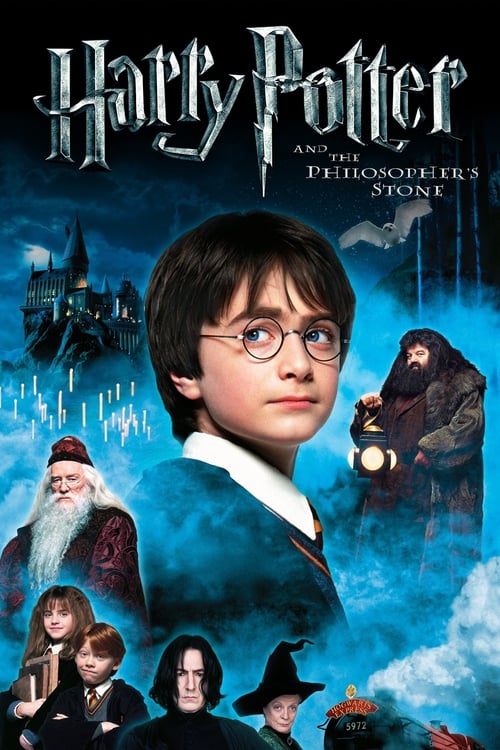
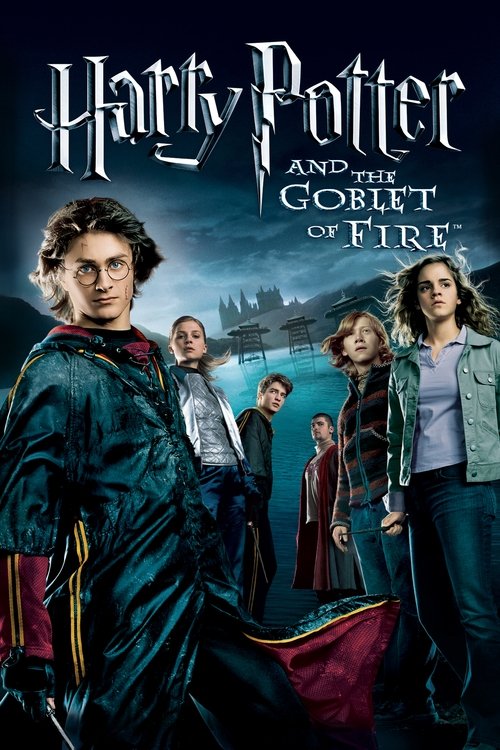
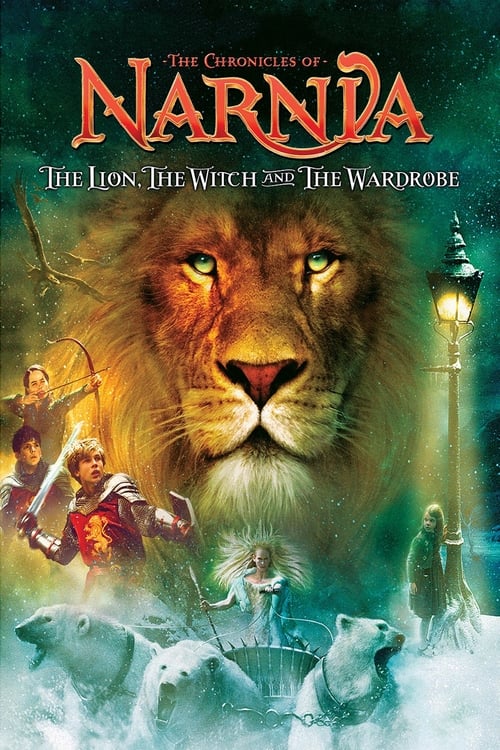
Coming-of-Age Epics Across Every Screen
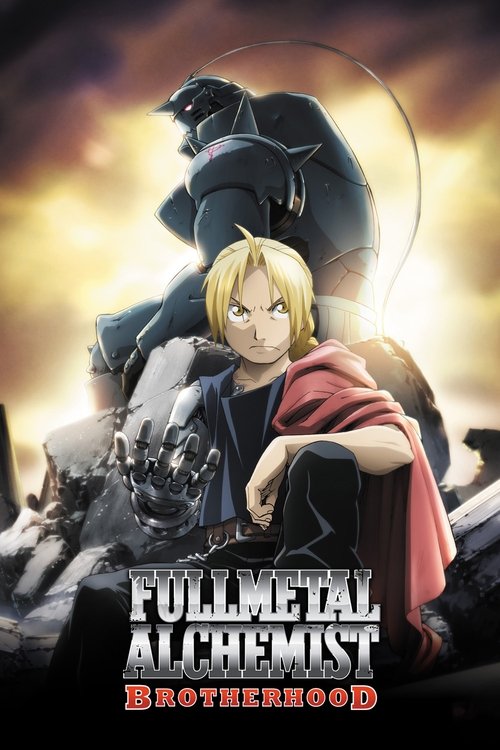
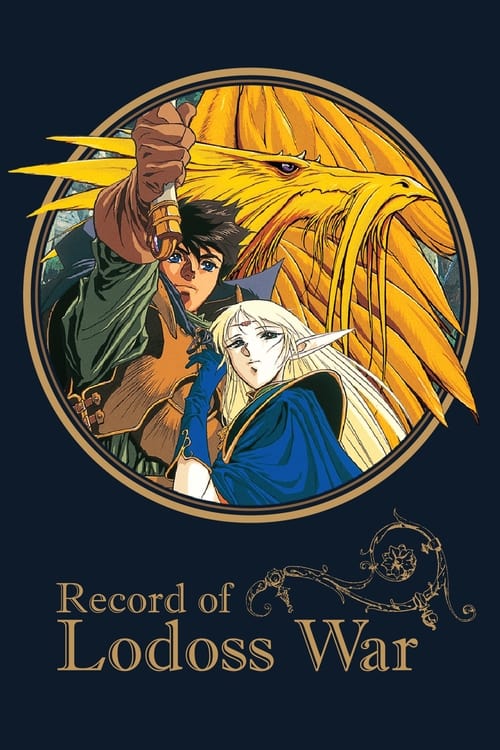
Chosen-one stories that nail the growing-into-greatness arc Garion made iconic


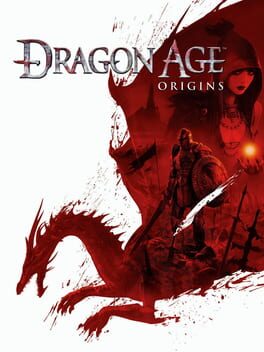
Dragon Age: Origins Is the Eddings RPG That Never Was
Bioware's Dragon Age: Origins does what the Belgariad does in prose: it assembles a group of deeply distinct companions, gives them all strong opinions, and lets the relationships between them do most of the narrative work. The banter system, which has companions riff off each other as you travel, is the direct spiritual heir to the way Silk and Barak argue across the plains of Algaria. The epic-scale stakes and the feeling that your group of misfits is the only thing standing between the world and destruction is pure Eddings territory.
Robert Jordan Builds a World; Eddings Builds a Family
The comparison to Robert Jordan is inevitable and instructive. Jordan's Wheel of Time is vast, cosmological, serious. Eddings's cycles are tighter, funnier, and warmer. Jordan rewards the reader who loves world-building above all else. Eddings rewards the reader who loves people. Both are essential reading in classic epic fantasy, but they satisfy different hungers. Readers who burned through the Belgariad craving more scope will find it in Jordan; readers who loved the banter should go to Terry Pratchett or Joe Abercrombie next.
David Eddings: A Reading Order
- 1982The Belgariad begins
- 1982Second Belgariad volume Queen of Sorcery
- 1983Third Belgariad volume
- 1984Fourth Belgariad volume
- 1984Belgariad concludes
- 1987The Malloreon begins
- 1988Malloreon continues
- 1988Malloreon continues
- 1989Malloreon continues
- 1991Malloreon concludes The seeress of Kell
- 1989The Elenium begins, darker Eddings
- 1990Elenium continues
- 1991Elenium concludes
- 1992The Tamuli trilogy begins
- 1995Tamuli concludes The Hidden City
Epic quests and found families
For Fans of Raymond E. Feist
Explore the For Fans of Raymond E. Feist guide →Eddings knew something most fantasy authors forget: the conversations between the journey's steps are where the real story lives.CrossBinge