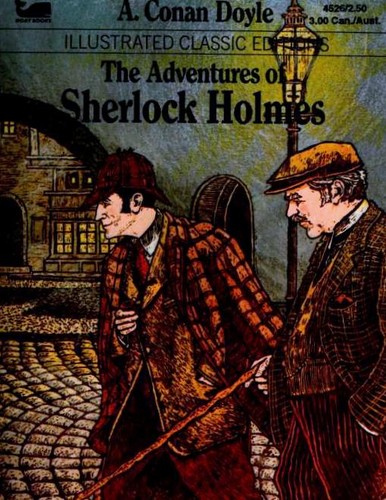

What draws people back to detective stories, across every medium, is a very specific pleasure: the feeling of a tangled world slowly resolving into order. A great detective story promises that chaos is temporary, that every clue connects, and that one exceptional mind can hold all the threads at once. It doesn't matter whether that mind belongs to a Victorian consulting detective, a hard-drinking noir gumshoe, a procedural TV cop, or the player sitting at a keyboard. The genre spans literary fiction, pulp paperbacks, prestige drama, graphic adventures, and atmospheric horror. The common thread is the chase: a puzzle, a sleuth, and the slow, satisfying pull of revelation.
The Essential Cases
The defining detective works across all media
![The Adventures of Sherlock Holmes [adaptation]](https://covers.openlibrary.org/b/id/9280588-L.jpg)


The Screen's Greatest Sleuths
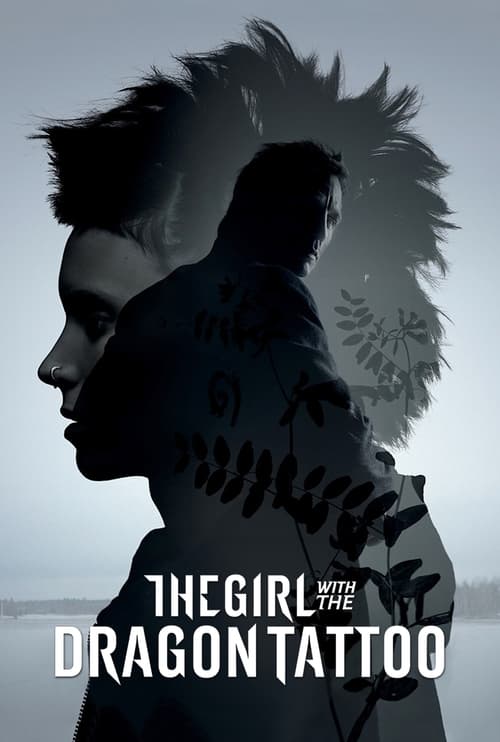
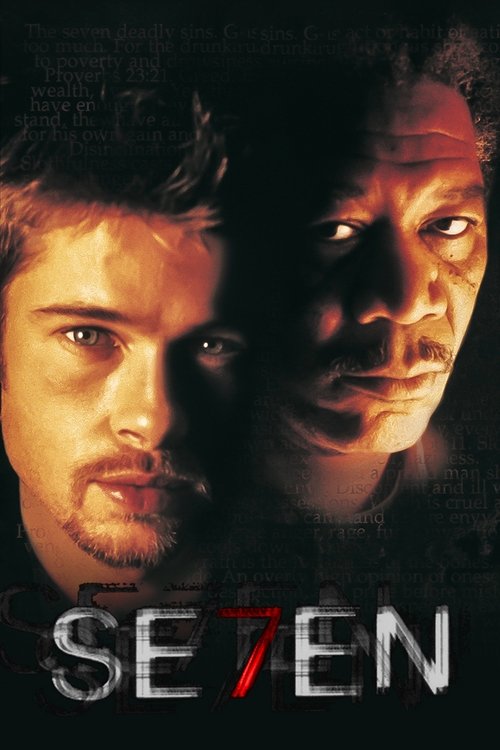
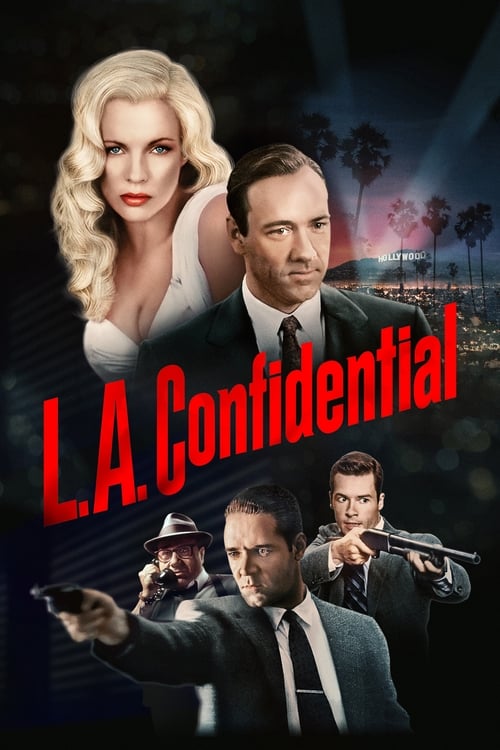
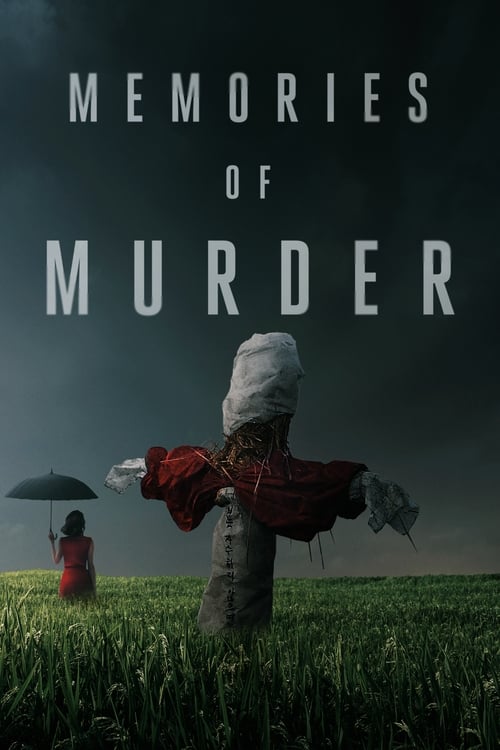
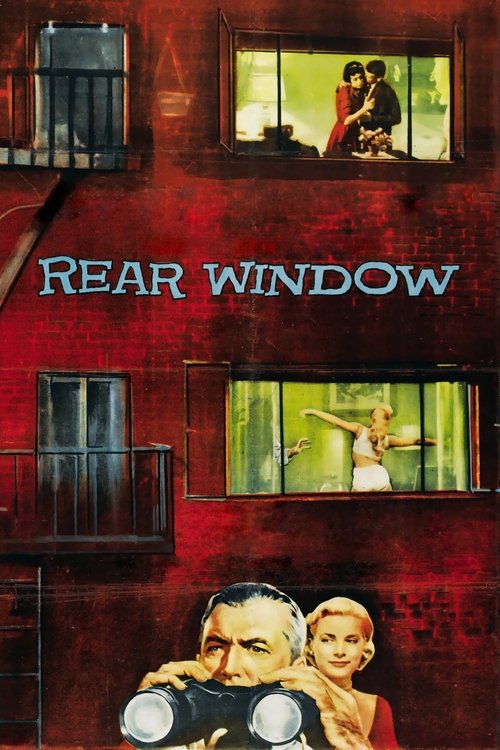
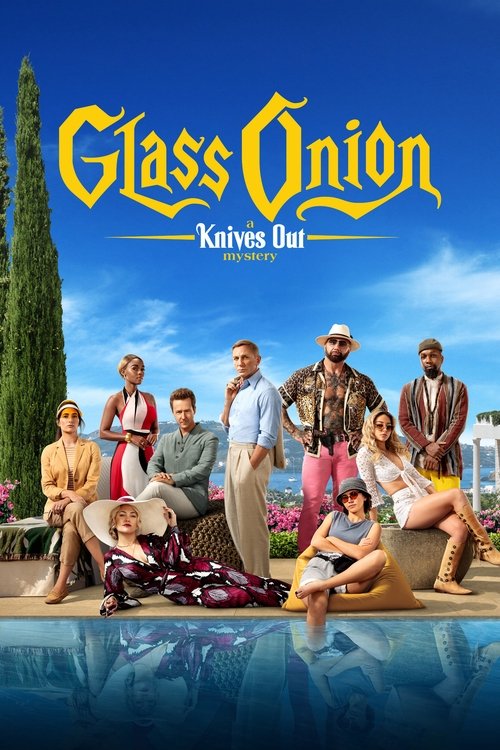
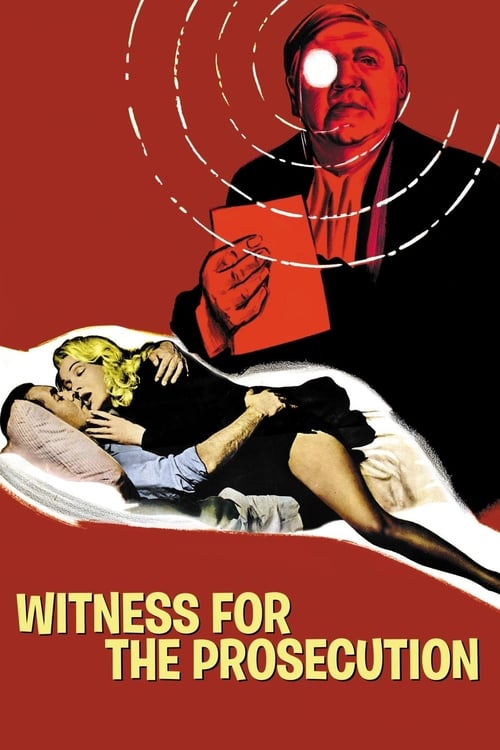
Films that perfected the art of the detective story


Prestige TV Mysteries
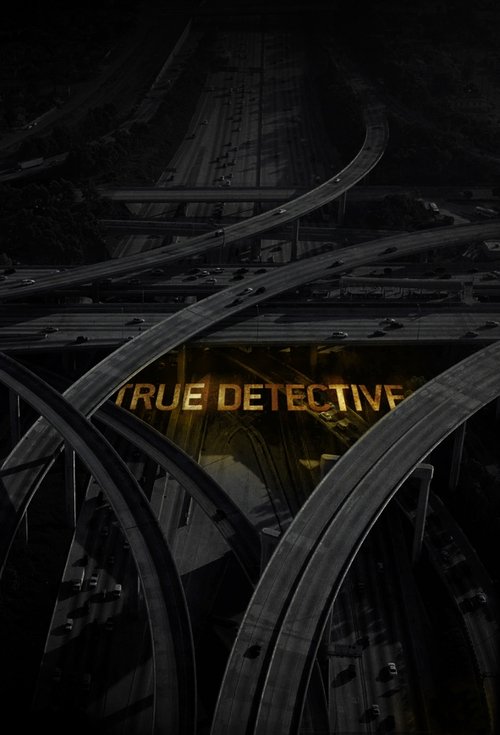
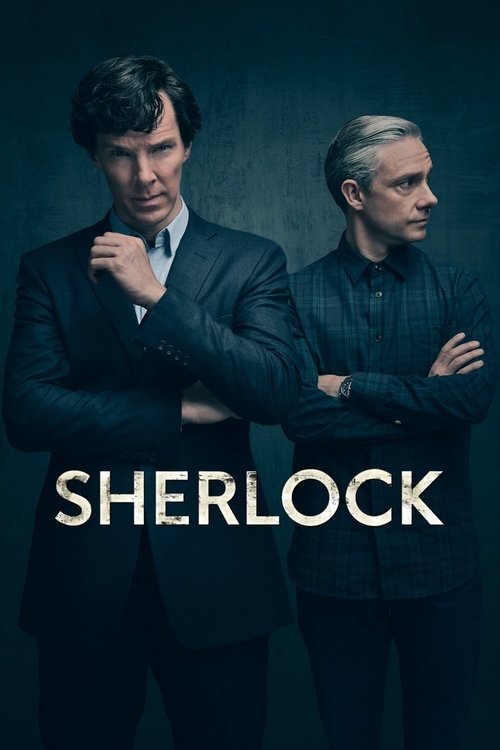
Series that turned the detective story into long-form art
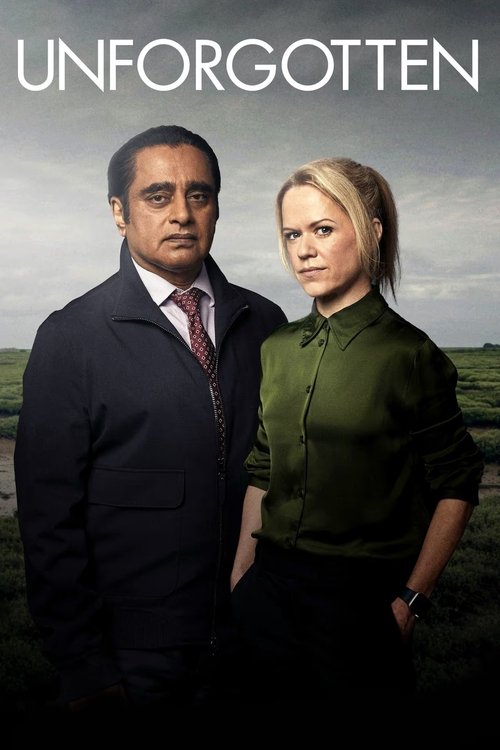
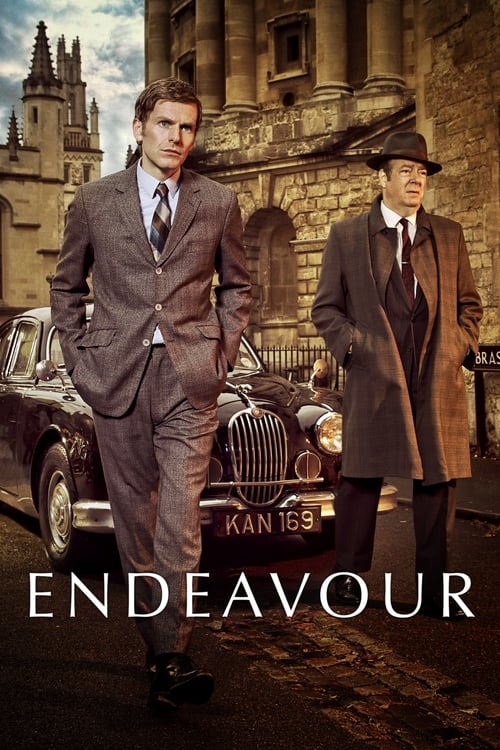
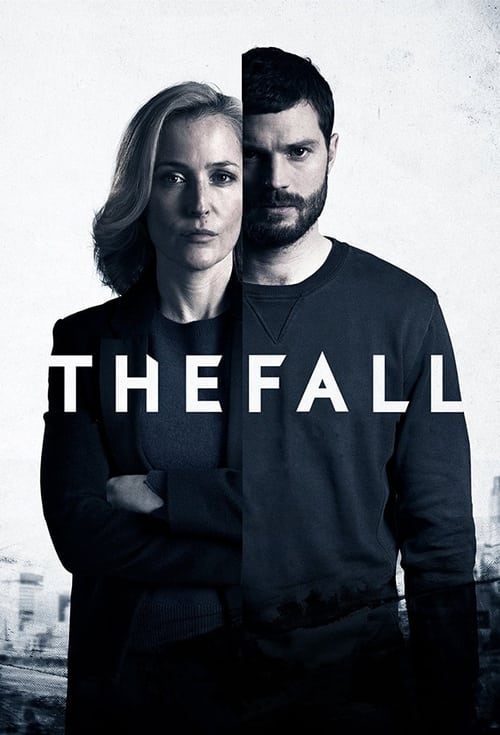
Games That Put You in the Detective's Chair
Interactive mysteries where you do the deduction

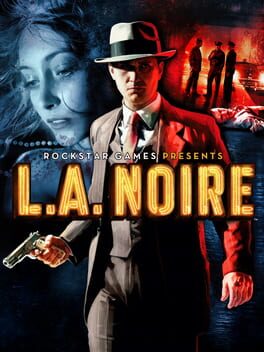
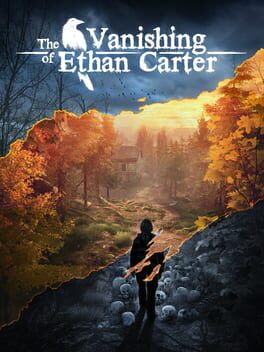



Noir Is a Worldview, Not Just an Aesthetic
The trench coat and the rain are shortcuts. What actually defines noir is a moral framework: the world is corrupt, the powerful protect themselves, and truth-telling carries a cost. Raymond Chandler's Philip Marlowe isn't cool because of the hat. He's compelling because he keeps asking questions in a city designed to bury them. The best contemporary noir (from Tana French's Dublin Murder Squad to Denis Villeneuve's Prisoners) inherits exactly this: the detective as a person willing to pay for knowledge. That tension, conscience against corruption, is the engine of the whole genre.
The Best Detective Games Make You Earn the Answer
Most games give you the answer and then let you watch the solution animate. The best detective games do the opposite: they trust you to figure it out yourself. Return of the Obra Dinn drops you on a ghost ship with a pocket watch and no guidance; the entire solution lives in your own notes and inferences. Disco Elysium goes further still, making your detective's inner chaos part of the puzzle. These games work because they treat the player as the actual sleuth, not the audience. The satisfaction is entirely yours.
Agatha Christie Still Sets the Standard
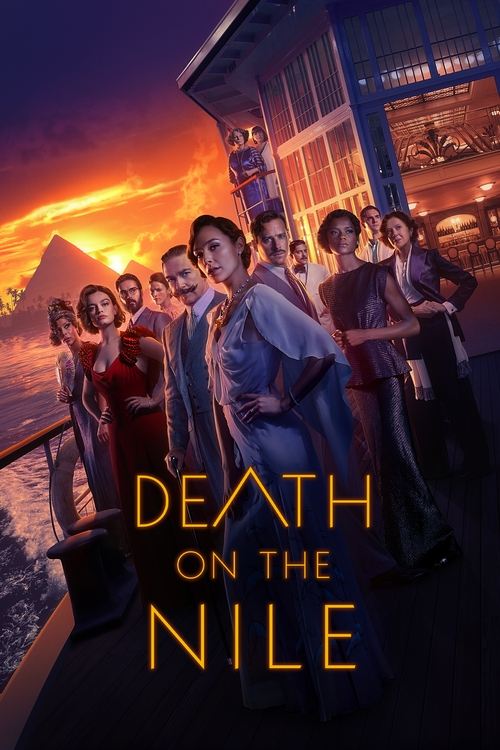
Christie solved the genre's hardest problem: how do you make a puzzle feel like a story? Her plots are technically rigorous (every clue is in the text; every solution is fair) and her characters are vivid enough that you actually care which one did it. More than a hundred years on, Hercule Poirot and Miss Marple remain the templates other writers measure themselves against. The recent BBC and Kenneth Branagh adaptations show how well the material holds: the plots don't creak because they were never built on trend, only on craft.

The Procedural Is the Most Honest Form
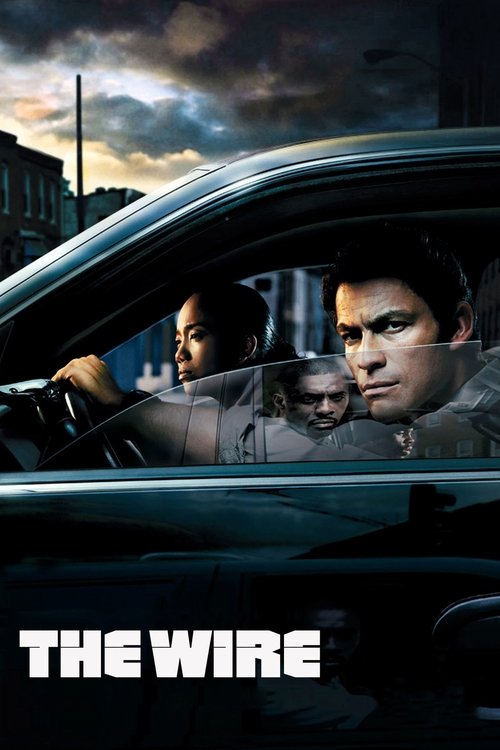
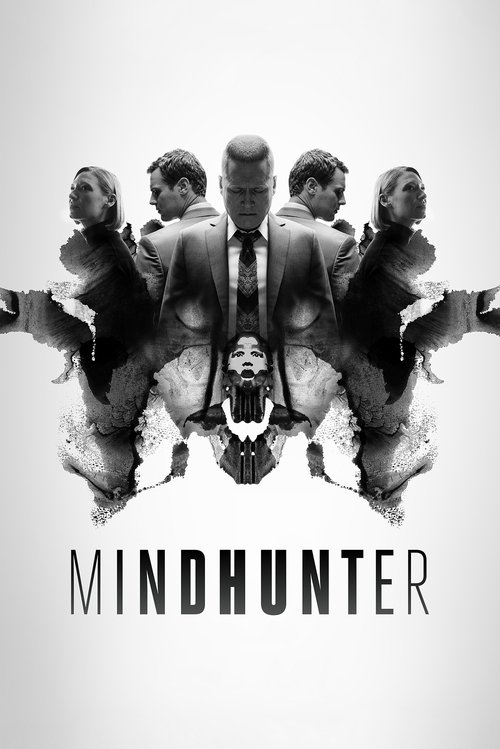
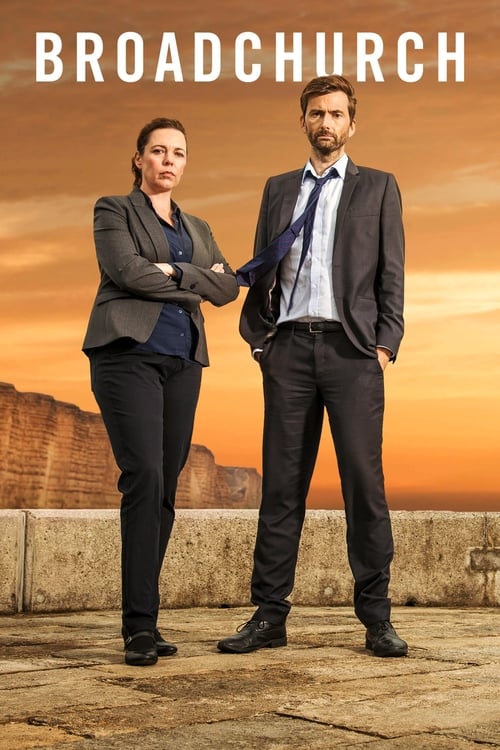
The procedural gets a bad reputation for comfort-viewing, but at its best it's the most honest genre going. The Wire, Mindhunter, and Broadchurch don't solve crimes so much as they show you what it actually costs to pursue a case: the bureaucracy, the wrong leads, the institutional obstruction, and the psychological weight of spending your working life around the worst things people do to each other. A great procedural doesn't promise that truth wins. It promises only that someone will keep looking.
The Detective Story: A Century of Cases
- 1887Arthur Conan Doyle introduces Sherlock Holmes in A Study in Scarlet A Study in Scarlet
- 1920Agatha Christie publishes The Mysterious Affair at Styles, introducing Hercule Poirot The Mysterious Affair at Styles
- 1930Dashiell Hammett's The Maltese Falcon defines American hard-boiled noir The Maltese Falcon
- 1939Raymond Chandler's The Big Sleep introduces Philip Marlowe The Big Sleep
- 1941John Huston's film of The Maltese Falcon codifies noir on screen The Maltese Falcon
- 1954Alfred Hitchcock's Rear Window uses voyeurism as the detective mechanism Rear Window
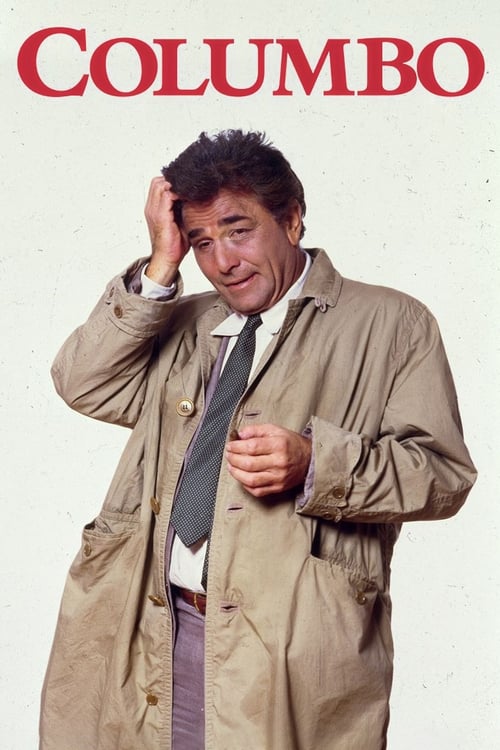
- 1968Columbo premieres, pioneering the inverted-mystery format Columbo
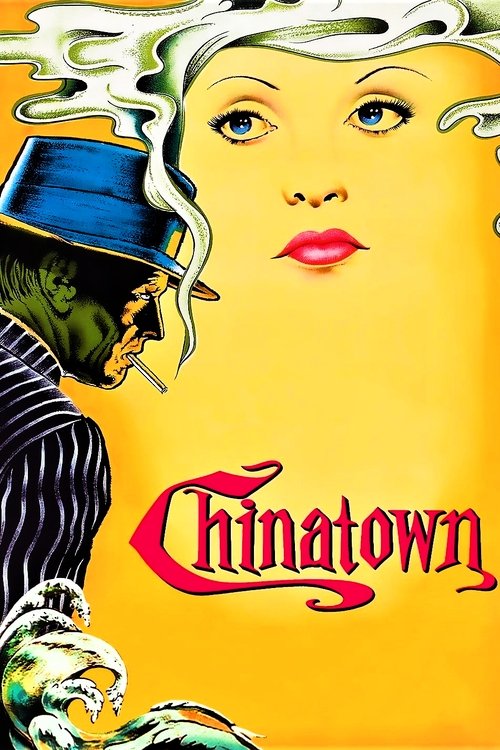
- 1974Chinatown reimagines noir for a cynical post-Watergate America Chinatown
- 1986Umberto Eco's The Name of the Rose brings the detective novel to medieval Italy
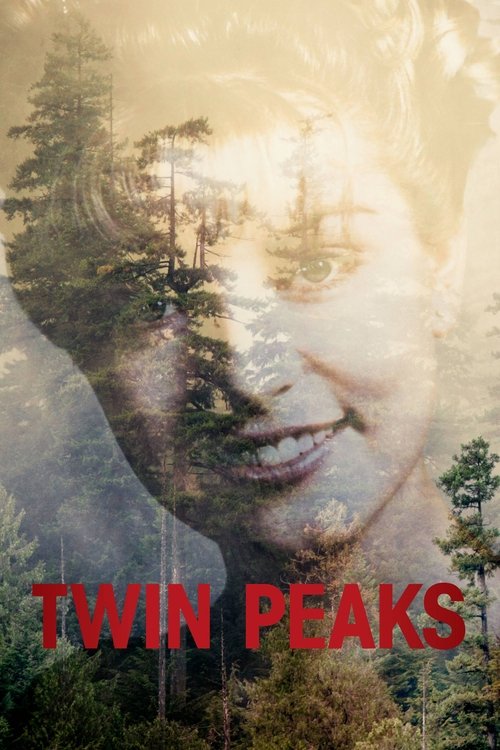
- 1990Twin Peaks fuses small-town mystery with surrealism Twin Peaks
- 1997L.A. Confidential adapts James Ellroy's novel into one of the genre's peak films L.A. Confidential
- 2002The Wire premieres, redefining the police procedural as social critique The Wire
- 2005L.A. Noire's announcement begins a years-long development of facial-scan detective gameplay
- 2007Tana French's In the Woods launches the Dublin Murder Squad series In the Woods
- 2011L.A. Noire brings full interrogation mechanics to open-world gaming L.A. Noire
- 2013True Detective's first season redefined prestige crime television True Detective
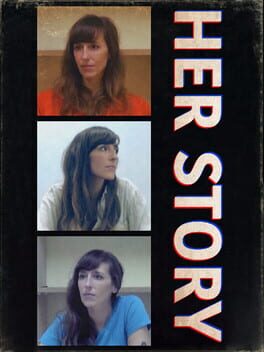
- 2015Her Story introduces the video-archive as detective interface Her Story
- 2018Return of the Obra Dinn sets a new standard for pure deductive gameplay Return of the Obra Dinn
- 2019Disco Elysium reframes the detective RPG around psychological collapse and ideology
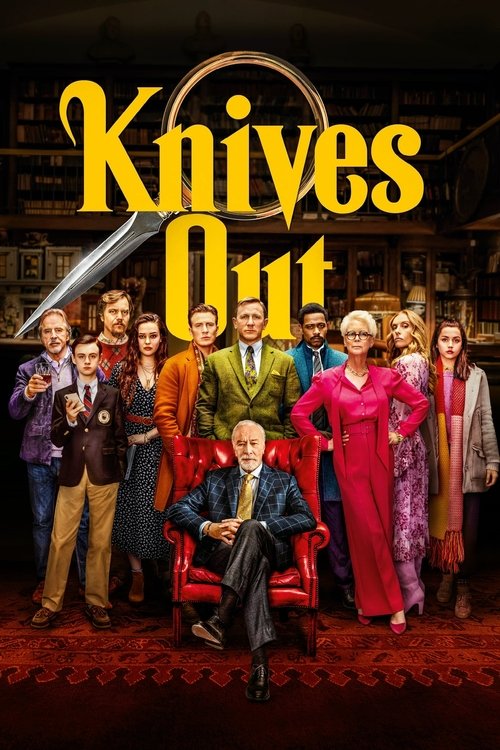
- 2019Knives Out revives the whodunit for a new generation Knives Out
More mysteries and master sleuths
Detective & Mystery
Explore the Detective & Mystery guide →When you have eliminated the impossible, whatever remains, however improbable, must be the truth.Arthur Conan Doyle, The Sign of Four